Can You Eat Strawberries While Pregnant? What Every Expecting Mom Needs to Know

April 22, 2026
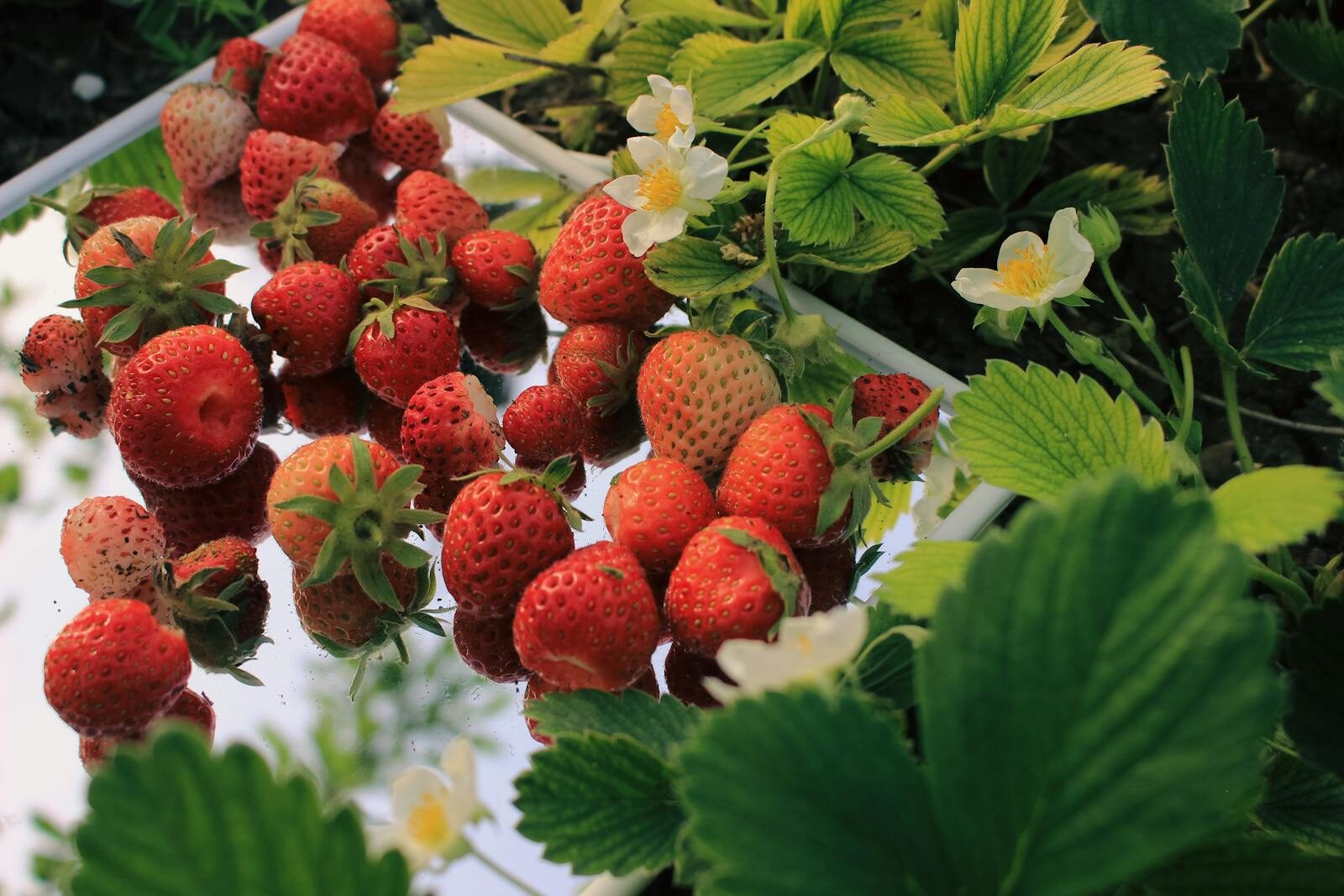
You’re standing in the kitchen, eyeing a bowl of fresh strawberries, and suddenly wondering — wait, is this actually okay to eat right now? It’s one of those perfectly reasonable pregnancy questions that can spiral fast.
The good news? Strawberries are perfectly safe during pregnancy and offer great benefits like boosting vitamin C intake. But like most things in pregnancy, there’s a little more to the full picture — and knowing the details will help you enjoy them with total confidence.
In this article, you’ll get a straight answer backed by real research, practical tips for eating strawberries safely at every stage, and a clear breakdown of the few situations where you may want to think twice.
The Short Answer
Eating strawberries in moderate amounts during pregnancy is considered safe. Strawberries are a good source of nutrients such as folate, vitamin C, and antioxidants, which are beneficial for both the mother and the developing fetus.
So yes — go ahead and enjoy that bowl. Strawberries provide essential nutrients that support overall health during pregnancy, and they can be enjoyed daily, making them a healthy addition to a pregnancy diet.
There are a few smart food safety practices to follow, and a small number of situations where caution is warranted — but for the vast majority of pregnant women, strawberries are a genuinely great snack choice. You’ll find everything you need below.
Pro Tip: If you’re craving strawberries, your body may be signaling a need for more vitamin C or hydration — both of which are especially important during pregnancy. Trust that craving!
Why Strawberries Are Safe During Pregnancy
Strawberries aren’t just safe — they’re one of the more nutritious fruits you can reach for while expecting. Strawberries contain nutrients including vitamin C, fibre, potassium, folate, and antioxidants. The fruit’s potassium content is essential for maintaining fluid balance in cells and muscle movement, while fibre helps relieve constipation during pregnancy.
Vitamin C is a particularly valuable nutrient during pregnancy. Vitamin C is a vital antioxidant that helps the immune system, and strawberries are a great source of it. In addition, vitamin C is important for immunity and helps the absorption of iron in the body. It has been linked to birth weight and length and may even contribute to appropriate growth all the way up to six months of age.
Folate is another standout benefit. Folic acid is crucial for the proper development of the child’s nervous system, and adequate intake can help reduce the risk of birth defects, such as spina bifida. Doctors often recommend an increased intake of folic acid already in the first weeks of pregnancy, and strawberries can be a natural way to supply it to the body.
Strawberries also help with one of the most common pregnancy complaints. Strawberries contain fiber, which supports digestion and can help with constipation issues — a common problem during pregnancy due to hormonal changes. Regular consumption of fiber-rich fruits helps maintain a healthy gut microbiome and supports the proper function of the digestive system.
Consuming strawberries during pregnancy can support your immune system, aid digestion, and help maintain healthy blood pressure levels. Moreover, strawberries are low in calories and fat, making them a guilt-free snack option for expectant mothers.
You can explore more about whole plant-based foods and why they matter so much for your overall health, or dive into superfoods that support heart health — many of which pair beautifully with a pregnancy diet.
Key Insight: One cup of sliced strawberries delivers approximately 97.6 mg of vitamin C, 40 mcg of folate, and 254 mg of potassium — all in just 53 calories. That’s a serious nutritional punch for such a small snack.
What the Research Actually Says
Beyond general nutrition, there’s specific research supporting strawberry consumption during pregnancy. A 2016 study published in the International Journal of Medical Research and Pharmaceutical Sciences found that consuming strawberry juice in the third trimester can increase haemoglobin levels in pregnant women. Since iron-deficiency anemia is common in pregnancy, this is a meaningful finding.
Strawberries contain natural compounds known as polyphenols, which have antioxidant and anti-inflammatory properties that can help support maternal and fetal health. Some research suggests that polyphenols may play a role in reducing the risk of pregnancy complications such as preeclampsia and gestational diabetes.
On the pesticide concern — a real worry for many moms — the data is reassuring. The Environmental Working Group has named strawberries to its “Dirty Dozen” list of most pesticide-contaminated foods. However, federal monitoring shows that the vast majority of conventional produce samples test below EPA tolerance levels for pesticide residues.
While it’s very important to remember that fruits and vegetables — organic or not — are extremely beneficial to consume during your pregnancy, a growing body of evidence suggests the repeated exposure to pesticides may affect pregnancy outcomes. The practical takeaway: rinsing well (and going organic when your budget allows) is a smart move, but don’t let pesticide concerns stop you from eating strawberries altogether.
One common myth worth addressing: one myth is that strawberries cause allergies in unborn babies — in reality, unless you’re allergic, strawberries are safe. Another myth is that strawberries can cause miscarriage, which is untrue. Eating them in moderation is nutritious and beneficial during pregnancy.
Similarly, no scientific evidence supports the claim that eating strawberries can help induce labour. While strawberries are a healthy food that can provide essential nutrients for pregnant women, they do not contain any specific compounds or properties known to stimulate uterine contractions or labour.
For a broader look at the best fruits to eat during pregnancy , Medical News Today offers a well-researched breakdown of your top options.
How to Eat Strawberries Safely During Pregnancy
Eating strawberries safely during pregnancy is straightforward — it mostly comes down to choosing, washing, and portioning them well. Here’s what to keep in mind across all three trimesters.
Recommended Serving Size
According to the American Pregnancy Association, 1–1.5 cups of fruit must be consumed daily by pregnant women, and that can include strawberries. By doing this, you can enjoy strawberries’ nutritional benefits without consuming excessive amounts of sugar or calories. A single serving of about one cup is a reasonable daily portion for most women.
Pregnant women can consume about 150 grams of fresh strawberries daily, which is roughly a cup. This amount supports a balanced diet throughout all trimesters, especially the first and second trimesters, when nutrient intake is crucial.
How to Wash and Prepare Them
- Rinse under cool running water just before eating — general produce safety guidance for pregnant people specifically recommends rinsing fruits and vegetables under running water (no soap) to reduce germs that can cause foodborne illness.
- Skip the soap and produce washes. Plain running water is all you need and is what health authorities recommend.
- Remove the stem and leaves, then slice or eat whole.
- Check for mold or soft spots. Pregnant women should avoid consuming strawberries that are moldy or damaged, as these can harbour harmful bacteria.
- Choose firm, bright berries. Choose strawberries that are firm, plump, and brightly coloured with no signs of mould or damage. Avoid strawberries that are overly soft, mushy, or have a dull appearance.
Best Forms to Eat
Feel free to eat fresh, frozen, or cooked strawberries — all are brimming with helpful nutrients. Frozen strawberries are also safe if no sugar or preservatives are added. Avoid canned strawberries with added sugars or syrups for a healthier option.
Smoothies are fine, too, but can sometimes sneak in added sugars — just make sure you’re keeping them in check, especially if you’ve been diagnosed with gestational diabetes.
Trimester-by-Trimester Breakdown
- First Trimester: You can eat strawberries during the first trimester. They are rich in vitamins and antioxidants, supporting your and your baby’s health. Ensure they are washed thoroughly to remove any pesticides or bacteria. The folate in strawberries is especially valuable now, as strawberries are a great natural source of folate, which is essential for fetal neural tube development, especially in the first trimester.
- Second Trimester: Strawberries are safe and healthy to consume in the second trimester. They provide essential nutrients like vitamin C and folate. These nutrients can help with your baby’s development and boost your immune system.
- Third Trimester: Enjoying strawberries in the third trimester is safe. They offer fiber, which can aid in digestion and help prevent constipation. The research on hemoglobin benefits from strawberry juice in the third trimester is also a bonus during this stage of increased nutritional demand.
Smart Pairing Ideas
Pair vitamin-C-rich strawberries with iron-containing foods such as iron-fortified oatmeal, beans, or lean meats. Vitamin C boosts iron absorption, so you get more bang for your buck from those iron-rich foods when they’re paired with vitamin C.
Some other delicious ways to enjoy strawberries during pregnancy include adding them to yogurt, blending them into a smoothie with spinach and banana, stirring them into oatmeal, or tossing them into a fresh fruit salad. If strawberries trigger heartburn, it’s worth combining them with more neutral foods such as yogurt or cottage cheese, which can help balance the acidity.
Want more ideas for foods that nourish from the inside out? Check out this guide to fibroid-healing foods and this breakdown of foods that support brain health — both great reads for anyone focused on intentional nutrition.
Pro Tip: If organic strawberries feel out of budget, don’t skip them entirely. If your budget allows, focus on buying the “Dirty Dozen” list organic and saving money on other produce. You may be surprised that some organic options are the same price or even cheaper in some instances.
When to Avoid Strawberries Completely
For most pregnant women, there’s no reason to avoid strawberries. But there are a few specific situations where skipping them — or speaking with your doctor first — is the right call.
- Known strawberry allergy: Avoid strawberries if you have a known strawberry allergy. Some pregnant women may experience allergic reactions such as itching, swelling, or hives after eating strawberries. If you’ve ever reacted to strawberries before, pregnancy is not the time to test your tolerance.
- Family history of strawberry allergy: If your family has a history of allergy towards strawberries, chances are you might have them too. Any allergy during pregnancy could affect the child as well. A quick conversation with your OB is worth it.
- Persistent reflux or GERD: If strawberries worsen reflux for you, adjust portions or frequency. Strawberries are not one of the most acidic fruits, but because they are acidic, their intake could worsen symptoms in those with gastrointestinal issues like GERD. Although strawberries are not “known” for causing heartburn or acid reflux, that doesn’t mean they won’t cause it for you.
- Gestational diabetes with uncontrolled blood sugar: Strawberries contain natural sugars that might cause a rapid increase in blood sugar levels if consumed in large amounts. However, strawberries are relatively low on the glycemic index, making them a suitable choice for women with gestational diabetes — though it’s essential to consume them in moderation as part of a balanced diet. Talk to your care team about appropriate portions.
- Immune thrombocytopenia (ITP): Although extremely rare, some fruits including strawberries could trigger an immune-mediated response affecting platelet destruction or production in individuals — a condition called Immune Thrombocytopenia — due to an allergic reaction. If you have a platelet disorder, check with your doctor first.
Otherwise, there are no strawberry-specific pregnancy complications documented when standard food safety steps are followed.
For a full list of foods that do require more caution during pregnancy, this guide to foods and beverages to avoid during pregnancy is a helpful reference to bookmark.
Important Note: This article is for informational purposes only and is not intended as medical advice. Always consult with your healthcare provider or OB-GYN before making significant changes to your diet during pregnancy.
Quick Reference Chart
Use this at-a-glance table to quickly check which strawberry forms and situations are safe, require caution, or should be avoided during pregnancy.
| Scenario / Form | Status | Notes |
|---|---|---|
| Fresh strawberries (washed) | ✅ Safe | Best option; rinse under running water before eating |
| Frozen strawberries (no added sugar) | ✅ Safe | Great off-season option; check ingredient label |
| Organic strawberries | ✅ Safe | Lower pesticide exposure; preferred when budget allows |
| Strawberries in smoothies | ✅ Safe | Watch for added sugars, especially with gestational diabetes |
| Strawberry juice (homemade) | ✅ Safe | Limit added sugar; research shows hemoglobin benefits in third trimester |
| Strawberries in yogurt / oatmeal | ✅ Safe | Great pairing; yogurt helps buffer acidity for reflux-prone moms |
| Canned strawberries in syrup | ⚠️ With Caution | High in added sugar; opt for water-packed or fresh instead |
| Dried strawberries | ⚠️ With Caution | Concentrated sugar and calories; small portions only |
| Strawberry-flavored products (candy, syrups) | ⚠️ With Caution | Often contain artificial additives and excess sugar; minimal benefit |
| Unwashed conventional strawberries | ⚠️ With Caution | Pesticide residue risk; always wash thoroughly before eating |
| Mushy, moldy, or damaged strawberries | ❌ Avoid | Can harbor harmful bacteria; discard immediately |
| If you have a known strawberry allergy | ❌ Avoid | Allergic reactions during pregnancy can affect both mom and baby |
| If you have severe, uncontrolled GERD | ❌ Avoid (or limit) | Acidity may worsen symptoms; consult your provider |
You might also find it useful to explore the different types of strawberries available — some varieties are sweeter, some more tart, and knowing your options can help you find what works best for your pregnancy palate and digestion.
Frequently Asked Questions
Can strawberries cause a miscarriage?
The claim that strawberries can cause miscarriage is untrue. Eating them in moderation is nutritious and beneficial during pregnancy. There is no scientific basis for this concern.
How many strawberries can I eat per day while pregnant?
Moderation is key when considering how many strawberries to eat during pregnancy. A recommended serving size is about one cup of fresh strawberries, which provides a significant amount of vitamins and nutrients without excessive calories. This serving size can easily be incorporated into a balanced diet and can be enjoyed in various ways, such as in smoothies, salads, or simply on their own as a snack.
Are strawberries safe in the first trimester?
Yes. You can consume strawberries in your first trimester. They are safe to eat and can help provide essential nutrients needed for early pregnancy. The folate content is particularly valuable during this critical window of fetal development.
Should I buy organic strawberries during pregnancy?
Organic strawberries are a better choice during pregnancy due to lower pesticide exposure. However, conventional strawberries can still be a healthy choice if washed thoroughly before consumption. Don’t skip strawberries altogether just because organic isn’t available or affordable.
Can I eat strawberries if I have gestational diabetes?
If you have gestational diabetes, fruit can fit into a balanced plan — focus on portions and total carbohydrates rather than avoiding specific fruits. Discuss individualized targets with your OB/GYN or diabetes care team. Strawberries are relatively low on the glycemic index and can often be included in a gestational diabetes meal plan.
Is strawberry juice safe during pregnancy?
Yes, you can safely drink strawberry juice when pregnant. However, ensure the strawberries are thoroughly washed before blending, and do not add too much sugar as it may increase the risk of gestational diabetes.
Can strawberries help with pregnancy constipation?
Absolutely. Strawberries provide fiber and are approximately 90% water, which can help keep you regular and hydrated. Both of those qualities make them a practical and tasty tool for managing one of pregnancy’s most common discomforts.
What if I crave strawberries constantly during pregnancy?
Cravings during pregnancy are, for the most part, very normal. A lot of women crave fruit for a variety of reasons, one being the high water content. As discussed, fluid needs during pregnancy are heightened and your body is looking to make those extra needs up in any way it can. Go ahead and enjoy them — just keep portions sensible and the berries well-washed.
Eating well during pregnancy extends well beyond any single fruit. If you’re building out a full picture of pregnancy-smart nutrition, take a look at this resource on what to avoid during pregnancy, and browse these reads on foods for healthy skin and powerful nutrients found in everyday foods — all relevant to the bigger picture of nourishing your body well. For more on the amazing nutritional variety that fruits offer, this Healthline guide to the best fruits during pregnancy is worth a read too.
The bottom line: strawberries are a wonderfully nutritious, pregnancy-friendly food that most expecting moms can enjoy every single day. Wash them well, keep portions reasonable, and savor every bite — you and your baby are both benefiting from every red, juicy one.