How to Cook Spaghetti Squash: 9 Methods for Perfect Strands Every Time

March 26, 2026
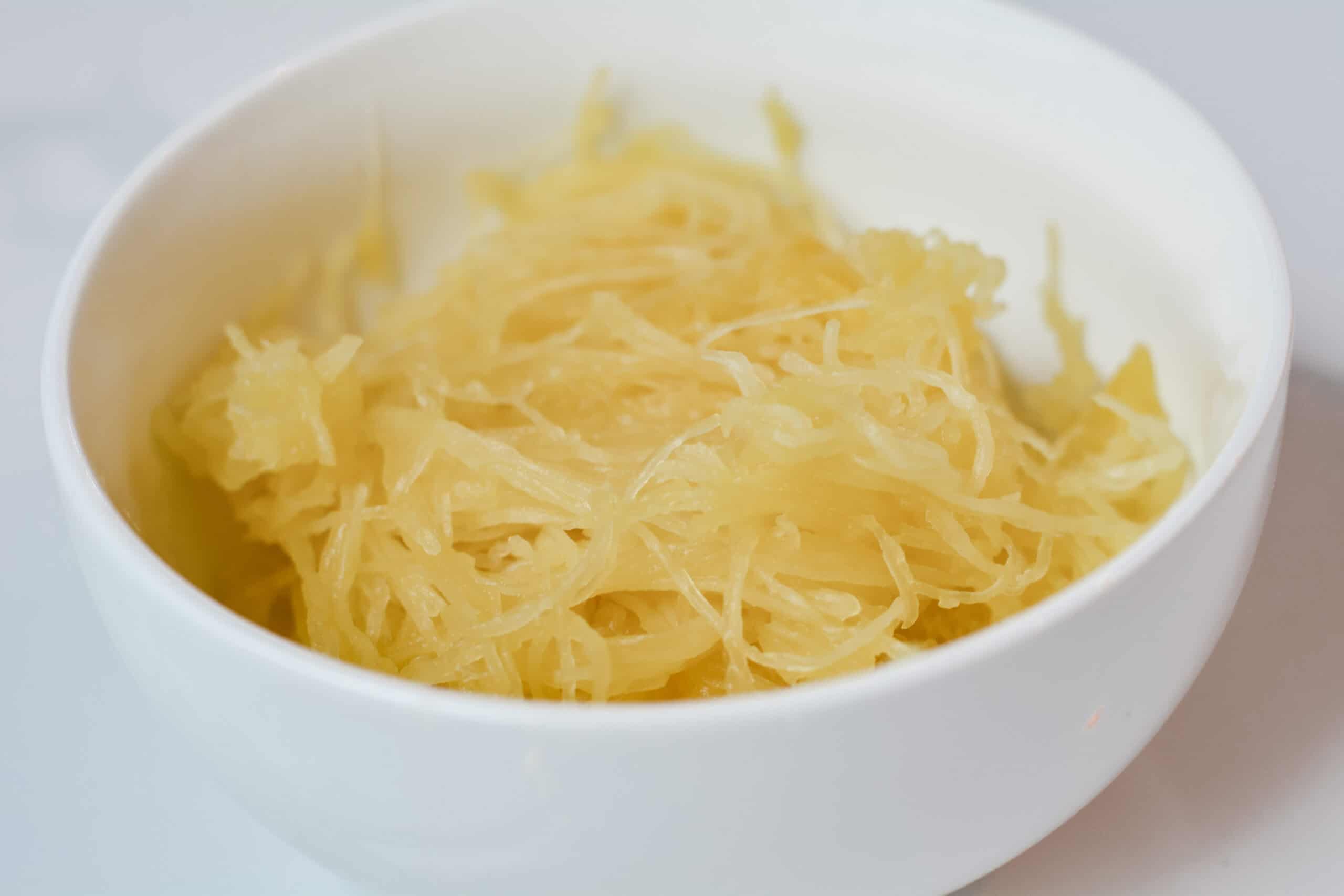
Spaghetti squash is one of those vegetables that looks intimidating until you realize how forgiving it actually is. Whether you have 10 minutes or an hour, a stovetop or a pressure cooker, there is a method that fits your schedule and your kitchen setup.
The key to perfect, al dente strands — not mushy, not crunchy — comes down to choosing the right cooking method and nailing the timing. This guide walks you through all 9 spaghetti squash cooking methods so you can pick the one that works best for you today, and a different one tomorrow if you need to.
You will also find exact cook times, temperature recommendations, and tips for getting those long, satisfying strands that hold up under sauce. If you have ever pulled apart a spaghetti squash and ended up with a watery, clumped mess, these techniques will change that completely. For a deeper look at whether spaghetti squash is actually good for you, that resource covers the nutritional side in detail.
Key Insight: The size of your spaghetti squash affects every cooking time listed in this guide. A small squash (2–3 lbs) cooks faster than a large one (4–5 lbs). Always test for doneness by piercing the flesh with a fork — it should feel tender but not mushy.
1. Roasting/Baking
Roasting is widely considered the best way to cook spaghetti squash, and for good reason. The dry heat of the oven concentrates the squash’s natural sweetness, reduces excess moisture, and produces the longest, most noodle-like strands of any method. If you have the time, this is the method worth choosing.
To roast spaghetti squash, preheat your oven to 400°F. Carefully cut the squash in half lengthwise — this is the hardest part, so use a sharp, heavy chef’s knife and a stable cutting board. Scoop out the seeds and stringy pulp from the center with a large spoon.
Brush the cut sides with olive oil and season generously with salt and pepper. Place the halves cut-side down on a rimmed baking sheet lined with parchment paper or foil. Roasting cut-side down is critical — it traps steam inside the squash, which helps the flesh cook evenly and pull away from the skin in long strands.
- Small squash (2–3 lbs): 35–40 minutes at 400°F
- Medium squash (3–4 lbs): 40–50 minutes at 400°F
- Large squash (4–5 lbs): 50–60 minutes at 400°F
The squash is done when the skin yields easily to pressure and a fork slides into the flesh without resistance. Flip the halves over, let them cool for 5–10 minutes, then drag a fork lengthwise through the flesh to release the strands. They should come out in long, spaghetti-like ribbons. If you enjoy exploring different types of cooking methods for vegetables, roasting consistently ranks among the most flavor-forward options.
Pro Tip: For even drier, more caramelized strands, roast at 425°F for the last 10 minutes of cook time. This drives off extra moisture and gives the edges a slightly golden color that adds a nutty depth of flavor.
One variation worth trying is roasting the squash whole. Pierce the skin all over with a sharp knife or fork (about 10–12 times), place it on a baking sheet, and roast at 375°F for 60–75 minutes depending on size. This method is easier to cut after cooking since the flesh softens, but it tends to produce shorter, more fragile strands than the cut-side-down method.
2. Microwaving
Microwaving spaghetti squash is the fastest hands-on method available, making it ideal for weeknight meals when you need dinner on the table quickly. The tradeoff is slightly shorter strands and a bit more moisture compared to roasting, but the speed advantage is hard to argue with.
There are two main approaches: microwaving it whole or microwaving it halved. If you are nervous about cutting through a raw, hard squash, the whole method is a great option. Pierce the squash all over with a sharp knife or fork — at least 10 deep punctures — to allow steam to escape. Place it on a microwave-safe plate and microwave on high for 5 minutes, turn it over, then continue in 3-minute increments until the outside feels soft when pressed. A medium squash typically takes 10–14 minutes total.
For the halved method, cut the squash in half lengthwise, scoop out the seeds, and place the halves cut-side down in a microwave-safe dish with about ¼ inch of water in the bottom. Cover loosely with plastic wrap or a microwave-safe lid. Microwave on high for 10–12 minutes for a medium squash, checking at the 8-minute mark.
Important Note: Never microwave a whole spaghetti squash without piercing it multiple times first. The steam buildup inside can cause it to burst — a messy and potentially dangerous situation. More holes mean safer cooking.
Once cooked, let the squash rest for 3–5 minutes before handling — it will be extremely hot. Use a fork to scrape out the strands just as you would with any other method. Microwave spaghetti squash pairs well with light sauces and fresh toppings since the strands tend to hold more water. Pat them dry with a paper towel if you want a less watery result.
3. Slow Cooker
The slow cooker method is the definition of hands-off cooking. You can set it up in the morning and come home to a fully cooked spaghetti squash ready to be scraped into strands. It is also an excellent option when your oven is occupied with other dishes.
You can cook spaghetti squash in a slow cooker either whole or halved, depending on the size of your slow cooker and the size of your squash. For the whole method, pierce the squash all over with a fork or knife, add ½ cup of water to the bottom of the slow cooker, and place the squash inside. For halved squash, scoop out the seeds first and place the halves cut-side up or nestle them together cut-side facing inward.
| Method | Low Setting | High Setting | Result |
|---|---|---|---|
| Whole squash | 6–8 hours | 3–4 hours | Tender, easy to cut after cooking |
| Halved squash | 4–6 hours | 2–3 hours | Slightly firmer strands, less moisture |
The slow cooker produces very tender squash that is easy to scrape, but the strands will be shorter and softer than oven-roasted versions. This makes slow cooker spaghetti squash a better match for chunky, hearty sauces like meat sauce or roasted vegetable toppings that can stand up to a softer texture. If you are planning a full dinner around your squash, check out ideas on what to serve with spaghetti bolognese for sauce pairing inspiration.
Pro Tip: After scraping out the strands from a slow-cooked squash, spread them on a baking sheet and pop them under the broiler for 3–5 minutes. This quickly removes excess moisture and gives the strands a slightly roasted quality that improves both texture and flavor.
4. Instant Pot/Pressure Cooker
The Instant Pot method delivers fully cooked spaghetti squash in under 30 minutes total, including pressure build-up time. It is one of the most efficient methods available and produces strands that are tender without being waterlogged — a common issue with boiling.
Start by adding 1 cup of water to the Instant Pot insert and placing the trivet inside. You have two options for how to prepare the squash:
- Whole squash: Pierce the squash 10–12 times with a sharp knife. Place it on the trivet. Cook on high pressure for 20–25 minutes for a medium squash (3–4 lbs), then quick release.
- Halved squash: Cut the squash in half lengthwise and scoop out the seeds. Place the halves on the trivet, cut-side up and stacked if necessary. Cook on high pressure for 7–10 minutes, then quick release.
The halved method gives you more control over texture. Seven minutes produces slightly firmer, more distinct strands, while 10 minutes gives you softer, more yielding flesh. For most pasta-style applications, 7–8 minutes is the sweet spot for a medium squash.
Common Mistake: Overcooking in the Instant Pot is easy to do and hard to reverse. Start with the minimum recommended time — you can always reseal the lid and add 2 more minutes, but you cannot un-mush overcooked strands. When in doubt, go shorter.
After releasing pressure, carefully remove the squash using tongs or silicone gloves. If you cook regularly with heat-intensive appliances, a good pair of heat-resistant cooking gloves makes handling hot squash halves significantly safer. Let the squash cool for a few minutes before scraping out the strands with a fork.
The Instant Pot method is particularly popular among meal preppers because you can cook the squash quickly at the start of the week and use the strands across multiple meals. The texture holds up well when refrigerated for 4–5 days.
5. Boiling
Boiling is the most straightforward spaghetti squash cooking method and requires no special equipment beyond a large pot. It is not the most popular method among food writers because it can produce watery, soft strands, but when done correctly it works well — especially if you plan to use the squash in soups, casseroles, or baked dishes where extra moisture is less of a concern.
Fill a large stockpot with enough water to fully submerge the squash and bring it to a rolling boil. Cut the squash in half lengthwise and scoop out the seeds. Lower the halves into the boiling water using tongs. Reduce to a steady boil and cook for 20–30 minutes depending on size, until the flesh is easily pierced with a fork.
Alternatively, you can boil the squash whole by piercing it all over first. A whole medium squash takes 30–40 minutes in boiling water. The whole method is easier in terms of prep but harder to gauge for doneness since you cannot easily test the interior flesh.
- Always salt your boiling water — it seasons the squash from the outside in
- Do not overcrowd the pot; the squash needs room to cook evenly
- Drain thoroughly and let the halves rest cut-side down on a wire rack for 5 minutes to release excess water before scraping
- Pat the strands dry with a clean kitchen towel if using in a dry preparation
Boiling is also one of the methods covered when comparing broccoli cooking methods, where the same moisture-management principles apply to getting the best texture from your vegetables.
6. Steaming
Steaming sits between boiling and roasting on the moisture spectrum — it uses wet heat like boiling but keeps the squash out of direct contact with water, which helps preserve texture and flavor better than a full submersion boil. The result is tender, moist strands that are less waterlogged than boiled squash but lack the caramelized depth of roasted.
To steam spaghetti squash on the stovetop, fill a large pot with 2 inches of water and bring it to a boil. Place a steamer basket or insert inside the pot, making sure the water does not touch the basket. Cut the squash in half, scoop out the seeds, and place the halves cut-side down in the steamer basket. Cover with a tight-fitting lid.
Steam a medium squash for 20–25 minutes, checking at the 18-minute mark. The flesh should be fork-tender but still hold its shape. Larger squash may need 30 minutes. You can also steam squash in a bamboo steamer over a wok if you have one — the method is identical.
Key Insight: Steaming is one of the gentlest cooking methods for preserving the nutritional content of vegetables. Because the squash never sits in water, water-soluble vitamins stay in the flesh rather than leaching into the cooking liquid.
Once steamed, allow the squash to cool for 5 minutes before scraping. Steamed strands work particularly well in lighter dishes — think lemon-herb preparations, simple olive oil and garlic toppings, or cold spaghetti squash salads. The clean, neutral flavor of steamed squash also makes it a good base for bold sauces since it does not compete with other flavors the way roasted squash sometimes can.
7. Air Frying
Air frying spaghetti squash delivers results remarkably close to oven roasting in a fraction of the time. The circulating hot air creates a slightly caramelized exterior while keeping the interior tender, and the reduced cook time makes it one of the most practical methods for smaller squash or squash halves.
Cut the squash in half lengthwise and scoop out the seeds. Brush the cut sides with olive oil and season with salt and pepper. Preheat your air fryer to 370°F. Place the squash halves cut-side down in the air fryer basket — you may need to cook one half at a time depending on the size of your air fryer.
| Squash Size | Temperature | Cook Time | Expected Result |
|---|---|---|---|
| Small (2–3 lbs) | 370°F | 20–25 minutes | Firm, distinct strands |
| Medium (3–4 lbs) | 370°F | 25–35 minutes | Tender with slight caramelization |
| Large (4–5 lbs) | 370°F | 35–40 minutes | May need to cook in batches |
Check for doneness by pressing the skin — it should give slightly — and piercing the flesh with a fork. If the fork meets resistance, add 5 more minutes. Once done, flip the halves over and let them cool for 5 minutes before scraping.
Pro Tip: If your air fryer basket is too small for a full half, cut each squash half crosswise into rings about 2 inches thick after removing the seeds. Air fry the rings at 370°F for 15–20 minutes. The strands will be shorter, but the cook time drops significantly and the caramelized edges are excellent.
Air fried spaghetti squash strands have a slightly drier, more concentrated flavor than other methods, which makes them hold up especially well under heavy, chunky sauces. This is one of the best methods to use when you want roasted flavor without heating up your full oven — particularly useful in summer months. For more inspiration on how different cooking approaches transform ingredients, the guide on catfish cooking methods shows how technique selection changes the final result across very different foods.
8. Grilling
Grilling spaghetti squash is an underused technique that produces a genuinely unique result — smoky, slightly charred strands with a flavor profile you simply cannot replicate indoors. If you are already firing up the grill for a summer meal, throwing on a spaghetti squash takes almost no extra effort.
Cut the squash in half lengthwise and scoop out the seeds. Brush both the cut sides and the skin generously with olive oil — this prevents sticking and promotes even browning. Season with salt, pepper, and any other dry seasonings you like. Garlic powder, smoked paprika, and dried oregano all work well on grilled squash.
Preheat your grill to medium heat (around 375–400°F). Place the squash halves cut-side down directly on the grates. Close the lid and grill for 20–25 minutes without moving them. This uninterrupted contact with the grates is what creates those distinctive char marks and smoky flavor.
- After 20–25 minutes, flip the halves skin-side down
- Close the lid and continue grilling for another 15–20 minutes
- Test for doneness — the skin should be slightly charred and the flesh fork-tender
- Remove from the grill using tongs and let rest for 5–10 minutes
- Scrape out the strands with a fork — they will have a light golden color and smoky aroma
Total grill time for a medium squash is approximately 35–45 minutes. Larger squash may need up to 55 minutes. Keep the lid closed as much as possible to maintain consistent temperature and smoke contact.
Common Mistake: Placing squash over direct high heat causes the skin to char too quickly before the interior cooks through. Always use medium heat, and if you have a two-zone grill setup, finish the squash on the indirect heat side after the initial sear.
Grilled spaghetti squash strands work beautifully in warm salads, alongside grilled proteins, or tossed simply with olive oil, fresh herbs, and shaved Parmesan. The smoky flavor pairs especially well with Mediterranean-style toppings. You can also explore different types of squash that respond well to grilling if you want to expand beyond spaghetti squash at your next cookout.
9. Stuffing and Baking
Stuffing and baking spaghetti squash transforms it from a side dish into a complete, impressive meal. The squash shell acts as a natural bowl, and the filling bakes directly into the strands, creating a cohesive dish where every bite contains both the squash and whatever you have stuffed it with.
The process starts with a partial cook. You need the squash soft enough to scrape out some strands and mix them with your filling, but not so soft that the shell collapses during the second bake. Roast the squash halves cut-side down at 400°F for 25–30 minutes — about half the normal roasting time. The flesh should be starting to soften but still hold its shape firmly.
While the squash par-cooks, prepare your filling. Popular stuffing options include:
- Italian sausage and marinara: Brown Italian sausage with garlic and onion, stir in marinara sauce, and top with mozzarella
- Spinach and ricotta: Combine ricotta, sautéed spinach, garlic, and Parmesan for a vegetarian option
- Chicken and pesto: Shredded rotisserie chicken tossed with pesto, sun-dried tomatoes, and pine nuts
- Mexican-style: Seasoned black beans, corn, salsa, and shredded pepper jack cheese
- Mushroom and goat cheese: Sautéed mixed mushrooms with fresh thyme and crumbled goat cheese
Once the squash has par-cooked, flip the halves cut-side up and use a fork to gently scrape and loosen about half the strands — leave them inside the shell rather than removing them. This creates a bed of strands that will absorb the filling flavors during the second bake. Mix the filling directly into the strands inside the shell, then top with cheese or breadcrumbs if desired.
Key Insight: The ratio of filling to squash strands matters. Too much filling overwhelms the squash flavor and can make the shell soggy. Aim for roughly equal parts filling and strands — you want every forkful to taste like both.
Return the stuffed halves to the oven at 375°F and bake for an additional 20–25 minutes, until the filling is heated through and any cheese on top is melted and bubbling. For a golden, slightly crispy top, switch to the broiler for the last 2–3 minutes.
Stuffed spaghetti squash is a naturally gluten-free, lower-carb alternative to stuffed pasta shells or baked ziti. It also reheats well — store leftovers in the squash shell covered with foil and reheat at 350°F for 15–20 minutes. For anyone navigating ingredient substitutions in their fillings, the guide on substitutes for wine in cooking is helpful when recipes call for a splash of wine in the stuffing mixture.
This method is also one of the most visually striking ways to serve spaghetti squash — the filled shell makes for a beautiful presentation that works for casual weeknight dinners and dinner party menus alike.
Choosing the Right Method for Your Meal
Every method in this guide produces a fully cooked, fork-ready spaghetti squash — the differences come down to time, texture, flavor, and what you plan to do with the strands. Here is a quick reference to help you match the method to the moment:
| Method | Total Time | Texture | Best For |
|---|---|---|---|
| Roasting/Baking | 40–60 min | Long, firm strands | Pasta-style dishes, any sauce |
| Microwaving | 10–15 min | Shorter, moist strands | Quick weeknight meals |
| Slow Cooker | 2–8 hours | Soft, tender strands | Meal prep, hands-off cooking |
| Instant Pot | 20–30 min | Tender, distinct strands | Fast cooking, meal prep |
| Boiling | 25–40 min | Soft, moist strands | Soups, casseroles, baked dishes |
| Steaming | 20–30 min | Moist, delicate strands | Light sauces, salads |
| Air Frying | 20–40 min | Dry, slightly caramelized | Heavy sauces, summer cooking |
| Grilling | 35–55 min | Smoky, slightly charred | Outdoor meals, warm salads |
| Stuffing and Baking | 50–60 min | Integrated, tender | Complete one-dish meals |
If this is your first time cooking spaghetti squash, roasting is the method most likely to impress you. Once you are comfortable with the basics, the Instant Pot and air fryer methods are worth adding to your rotation for speed and convenience. Grilling and stuffing are the techniques to reach for when you want to turn a simple vegetable into something genuinely special. For a broader look at how cooking technique affects nutrition and flavor across different vegetables, the overview of different types of cooking methods provides useful context.
No matter which method you choose, the fundamentals stay the same: do not overcook, drain or dry the strands if they seem watery, and season generously. Spaghetti squash is mild by nature, which means it responds beautifully to bold flavors — so do not be shy with your sauces, herbs, and toppings. Once you have tried a few of these methods, you will find that spaghetti squash becomes one of the most versatile and reliable ingredients in your kitchen.