Raisin Bread Ingredients: The Essentials and the Upgrades Worth Trying

March 13, 2026
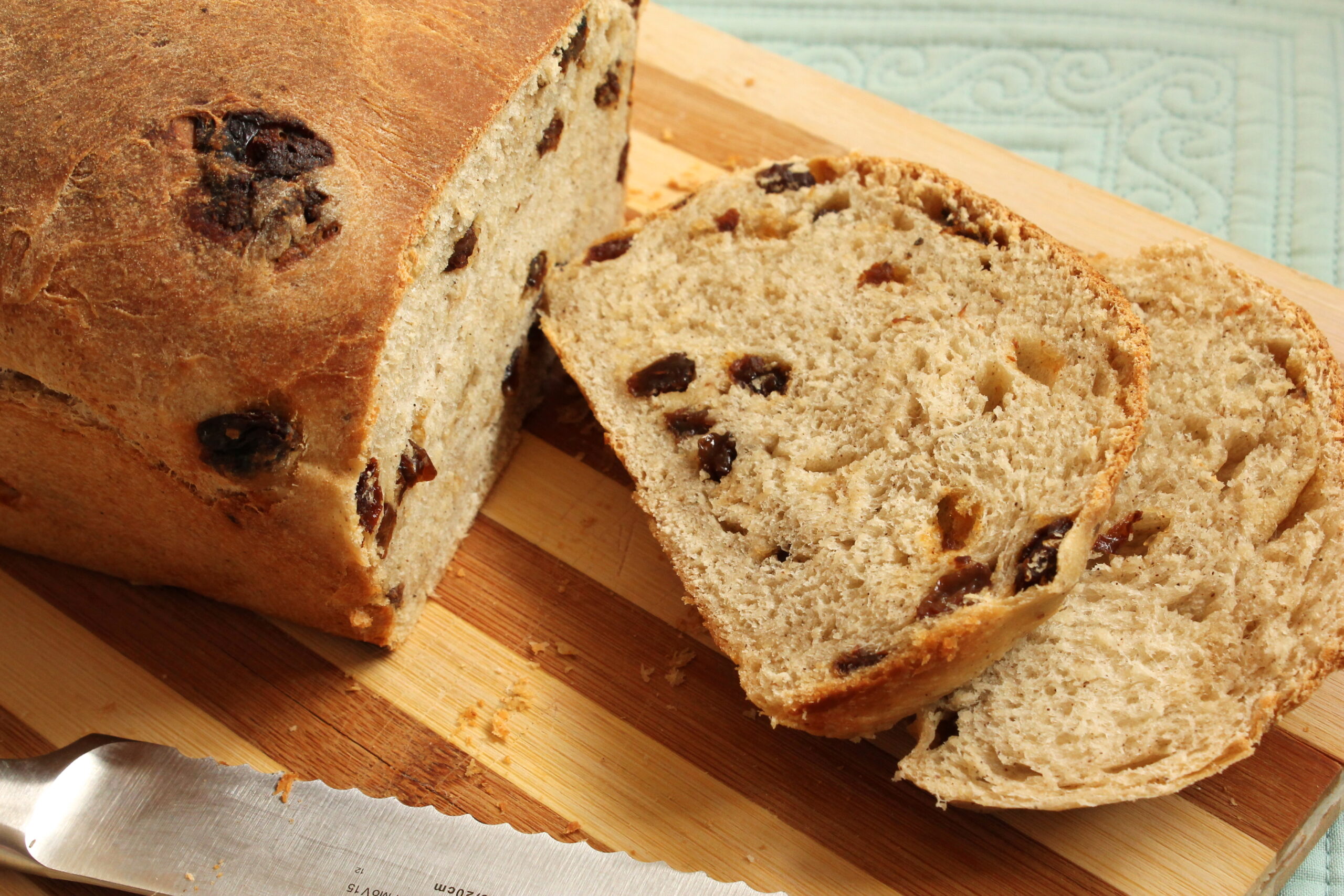
Knowing the right ingredients for raisin bread is the difference between a dense, forgettable loaf and a soft, fragrant one that disappears by afternoon. Raisin bread sits in the enriched dough category — meaning it relies on fat, sugar, and eggs alongside the standard flour-yeast-water base — and each ingredient plays a specific role. This guide walks through every essential component and every optional upgrade, explaining what each one does and when it’s worth adding.
Whether someone is baking their first loaf or fine-tuning a recipe they’ve made a dozen times, understanding the function behind each ingredient makes every batch more predictable and more delicious.
1. Flour
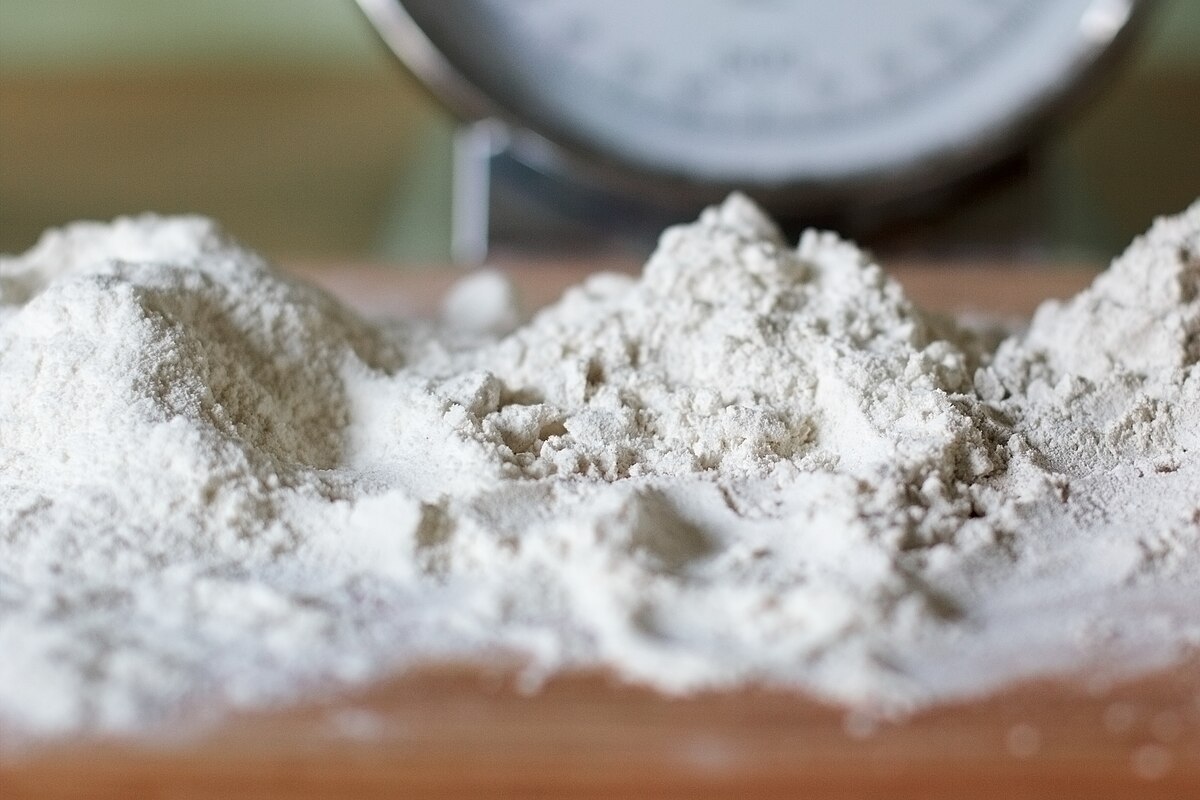
Flour is the structural foundation of raisin bread, and choosing the right type matters more than most bakers initially realize. Bread flour , which contains 12–14% protein, produces the gluten network needed to trap gas from yeast and give the loaf a chewy, well-risen crumb. All-purpose flour, with its lower protein content (10–12%), works too and yields a slightly softer, more tender result — a reasonable trade-off for home bakers who prefer a less dense texture.
The standard ratio for a single loaf runs between 3 and 4 cups of flour. Measuring by weight (grams) rather than volume delivers more consistent results, since flour can compact significantly in a measuring cup.
Pro Tip: Spoon flour into the measuring cup and level it off rather than scooping directly from the bag. Scooping can pack in 20% more flour than intended, leading to a dry, stiff dough.
2. Raisins
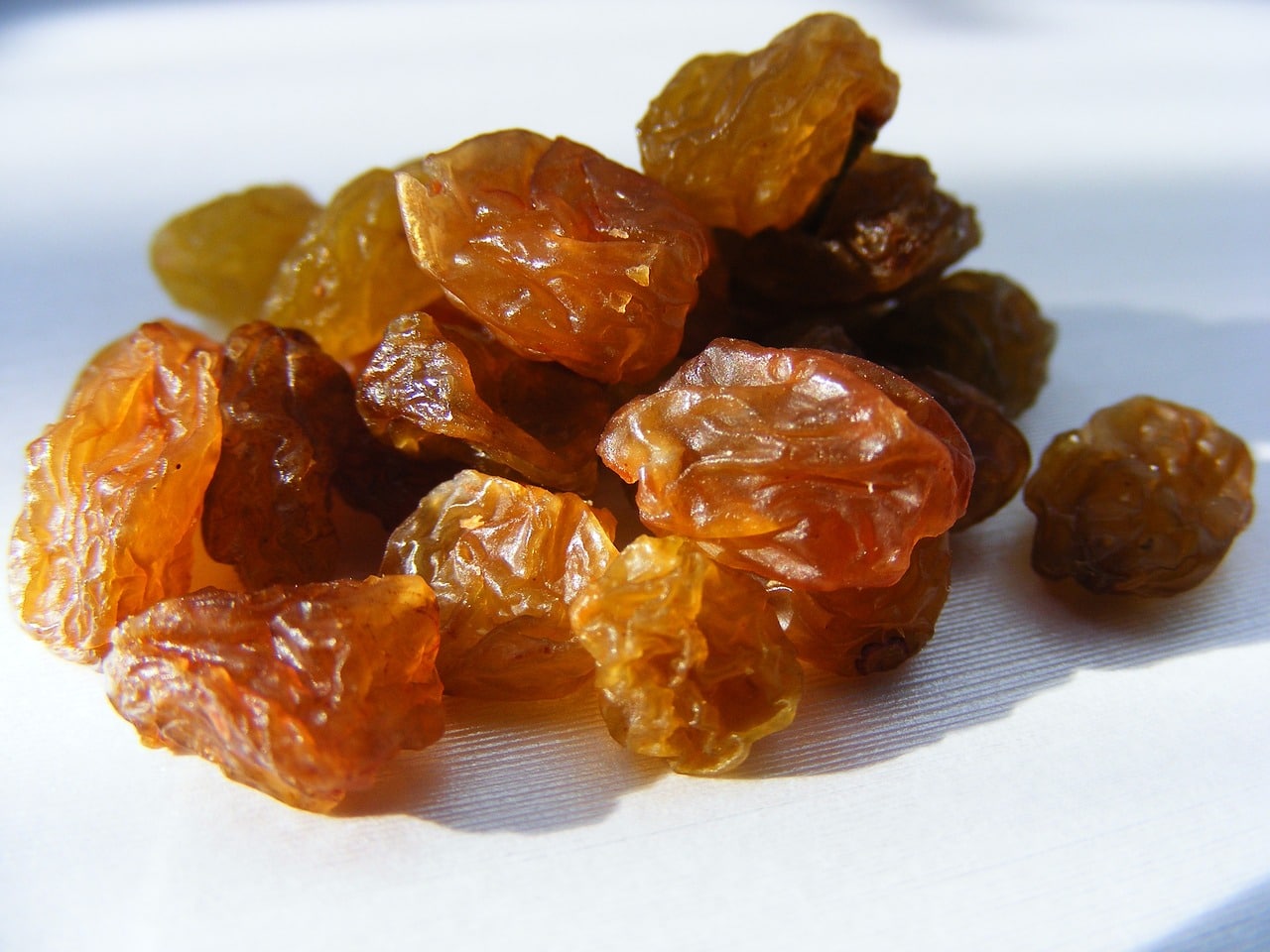
Raisins are both the flavor centerpiece and a moisture variable that directly affects dough hydration. A standard loaf calls for 1 to 1½ cups. Thompson seedless raisins are the most common choice — mild, sweet, and soft after baking — though golden raisins offer a slightly more complex, less sugary note.
Soaking raisins in warm water for 10–15 minutes before adding them to the dough prevents them from pulling moisture out of the crumb during baking. Drain them well and pat them dry before folding in.
- Thompson seedless — mild sweetness, widely available
- Golden raisins — fruitier, slightly tangy
- Muscat raisins — richer and more aromatic, worth trying in specialty loaves
- Currants — smaller, more intense flavor, good for denser loaves
Common Mistake: Adding raisins too early in the mixing process can tear them apart and turn the dough purple. Fold raisins in during the final minute of kneading or after the first rise.
3. Warm Water

Water activates the yeast and hydrates the flour to begin gluten development. For raisin bread, the target temperature sits between 105°F and 115°F (40°C–46°C). Below that range, yeast activates slowly or not at all. Above 120°F, the heat begins to kill the yeast cells.
Most recipes use ½ to ¾ cup of water alongside milk, since milk replaces part of the liquid while adding fat and flavor. Recipes that use water exclusively tend to produce a slightly chewier, more rustic loaf.
Important Note: A quick-read thermometer removes all guesswork here. Water that “feels warm” can easily register above 120°F — hot enough to damage yeast before the dough even comes together.
4. Active Dry Yeast
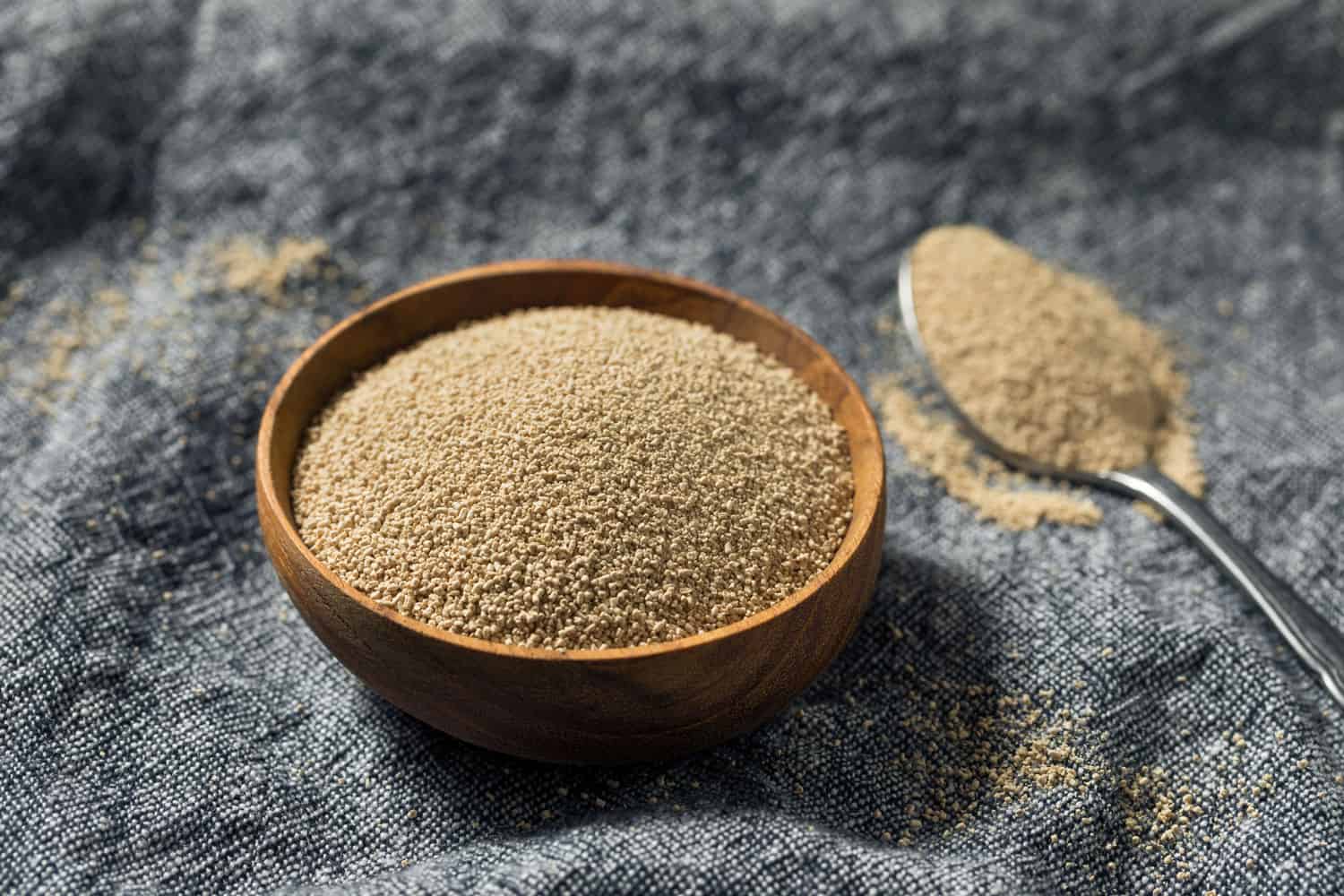
Active dry yeast is the leavening agent that makes raisin bread rise. Unlike instant yeast, active dry yeast requires proofing — dissolving it in warm water with a pinch of sugar and waiting 5–10 minutes until it becomes foamy. That foam confirms the yeast is alive and ready to work.
A standard loaf uses 2¼ teaspoons (one standard packet). Instant yeast can substitute 1:1 without proofing, added directly to dry ingredients, though it produces a slightly faster rise.
| Yeast Type | Proofing Required | Rise Speed | Best For |
|---|---|---|---|
| Active Dry | Yes | Moderate | Traditional loaves, controlled rise |
| Instant / Rapid Rise | No | Fast | Quick bakes, beginner-friendly |
| Fresh Yeast | No | Fast | Artisan baking, specialty stores |
5. Sugar
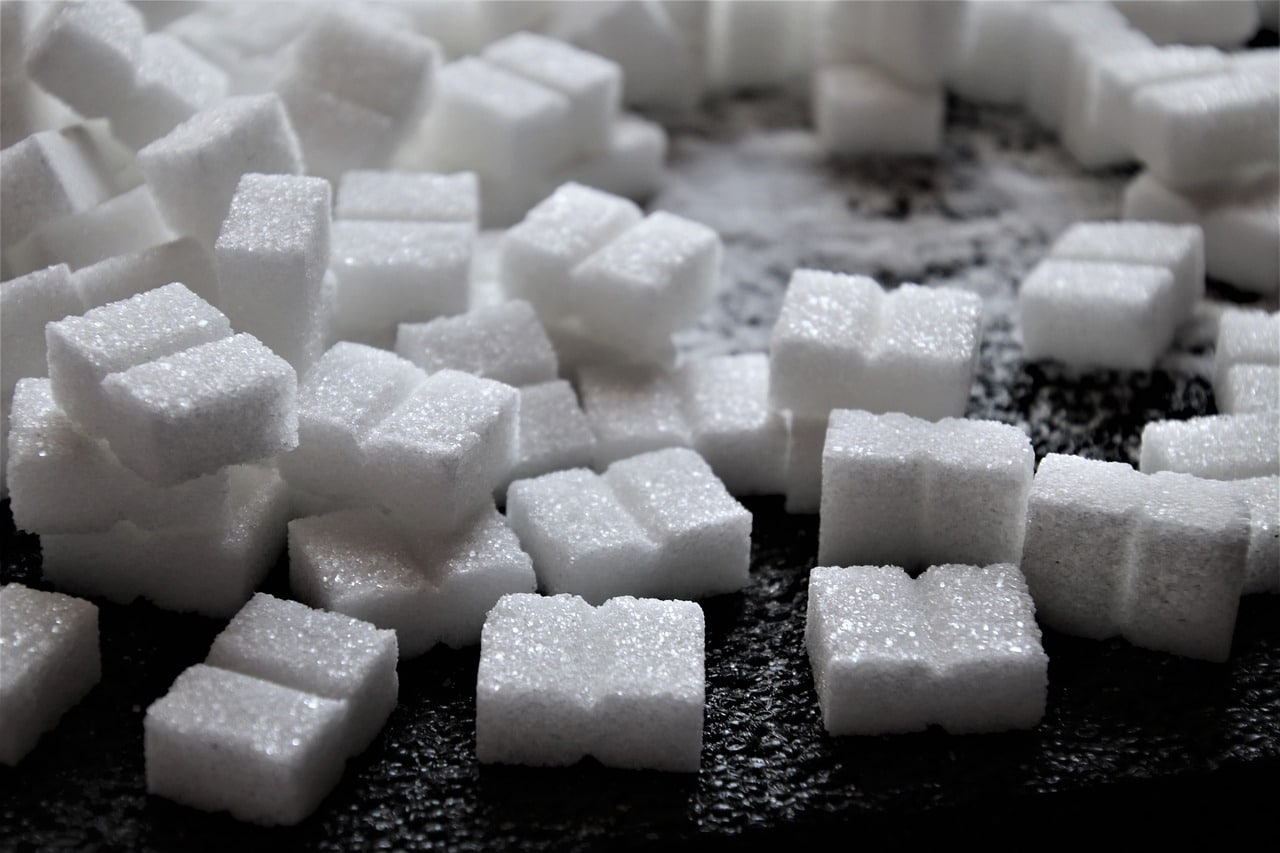
Sugar feeds the yeast, accelerates the rise, and contributes to the golden-brown crust through caramelization and the Maillard reaction . For enriched breads like raisin bread, 2–4 tablespoons of granulated white sugar is typical.
Beyond yeast nutrition, sugar softens the crumb by binding water molecules, which slows staling. Raisin bread made without enough sugar tends to crust too quickly and dry out faster after baking.
6. Salt
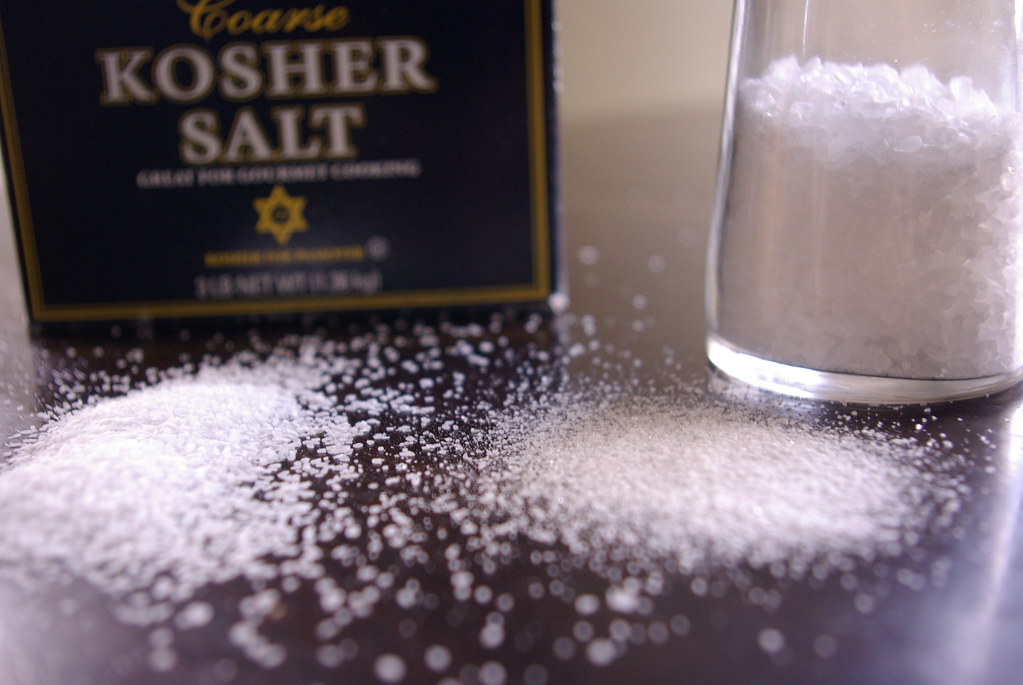
Salt does three things in raisin bread: it controls yeast fermentation speed, strengthens gluten structure, and sharpens every other flavor in the loaf. Without it, bread tastes flat regardless of how many spices or sweeteners the recipe includes.
The standard amount is 1 to 1½ teaspoons. Adding salt directly on top of yeast during proofing can inhibit or kill the yeast — always mix salt into the flour first, keeping it separated from the yeast until the dough comes together.
7. Butter
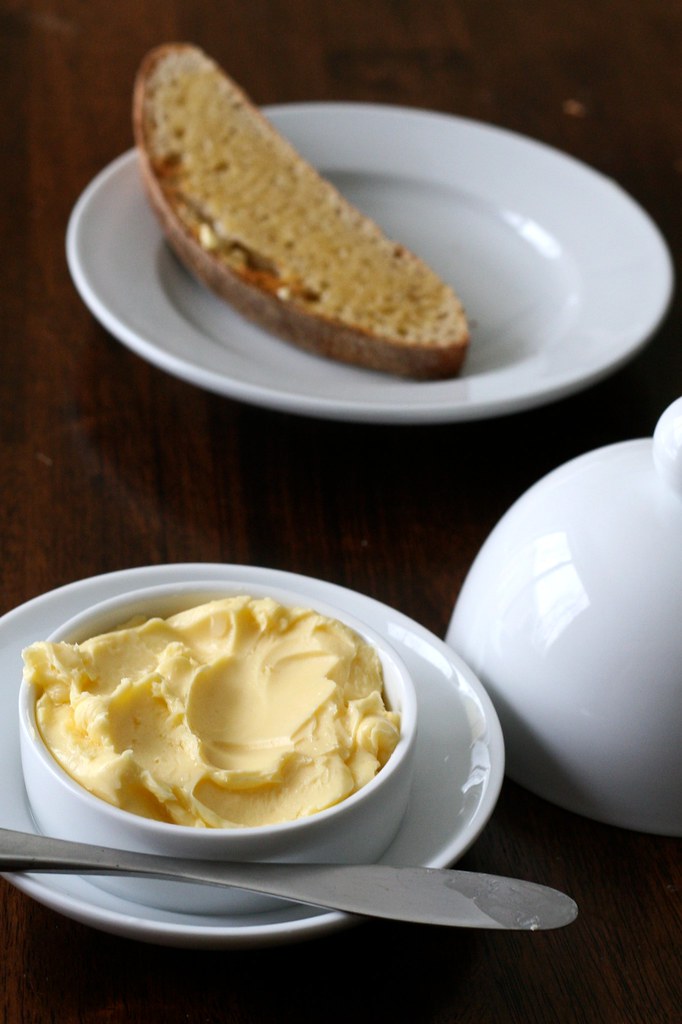
Butter is the primary fat in most raisin bread recipes, responsible for a soft, tender crumb and a richer flavor than leaner breads. Fat coats gluten strands, limiting their development just enough to produce a softer texture rather than a chewy one.
Unsalted butter at room temperature — 2 to 4 tablespoons per loaf — incorporates most easily into dough. Cold butter can be worked in, but it takes longer and requires extra kneading to distribute evenly.
Key Insight: Softened butter, not melted, produces the best result. Melted butter changes the way it integrates into the dough and can affect rise consistency.
8. Eggs
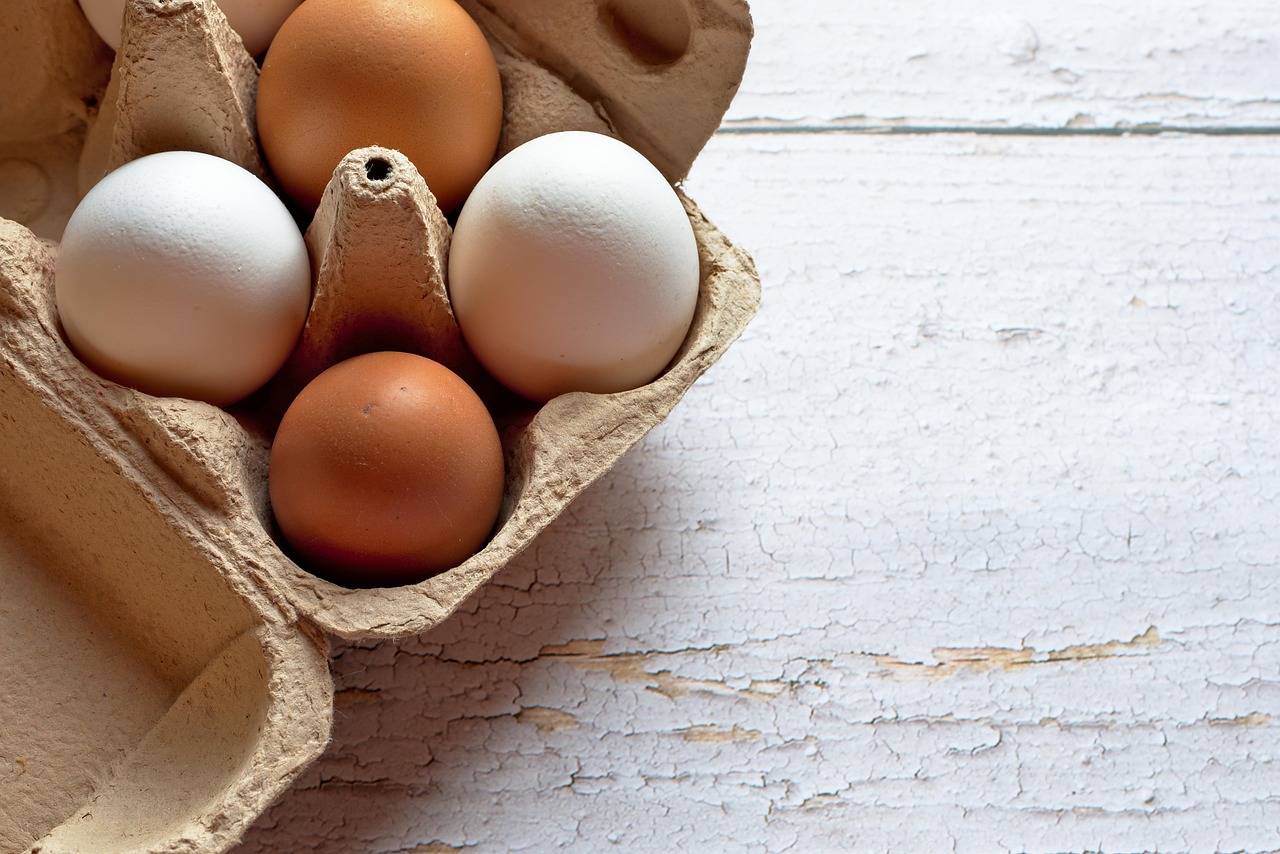
Eggs contribute structure, richness, and color. The proteins in egg whites reinforce gluten networks, while the fat in egg yolks tenderizes the crumb and deepens the golden color of both the interior and the crust. Most raisin bread recipes call for one large egg.
Eggs also act as an emulsifier, helping fat and water blend into a smooth, cohesive dough. Recipes without eggs tend to produce a chewier, more lean-style loaf. For egg-free versions, one tablespoon of ground flaxseed mixed with three tablespoons of water replicates some of the binding function, though the crumb will be slightly denser.
9. Milk
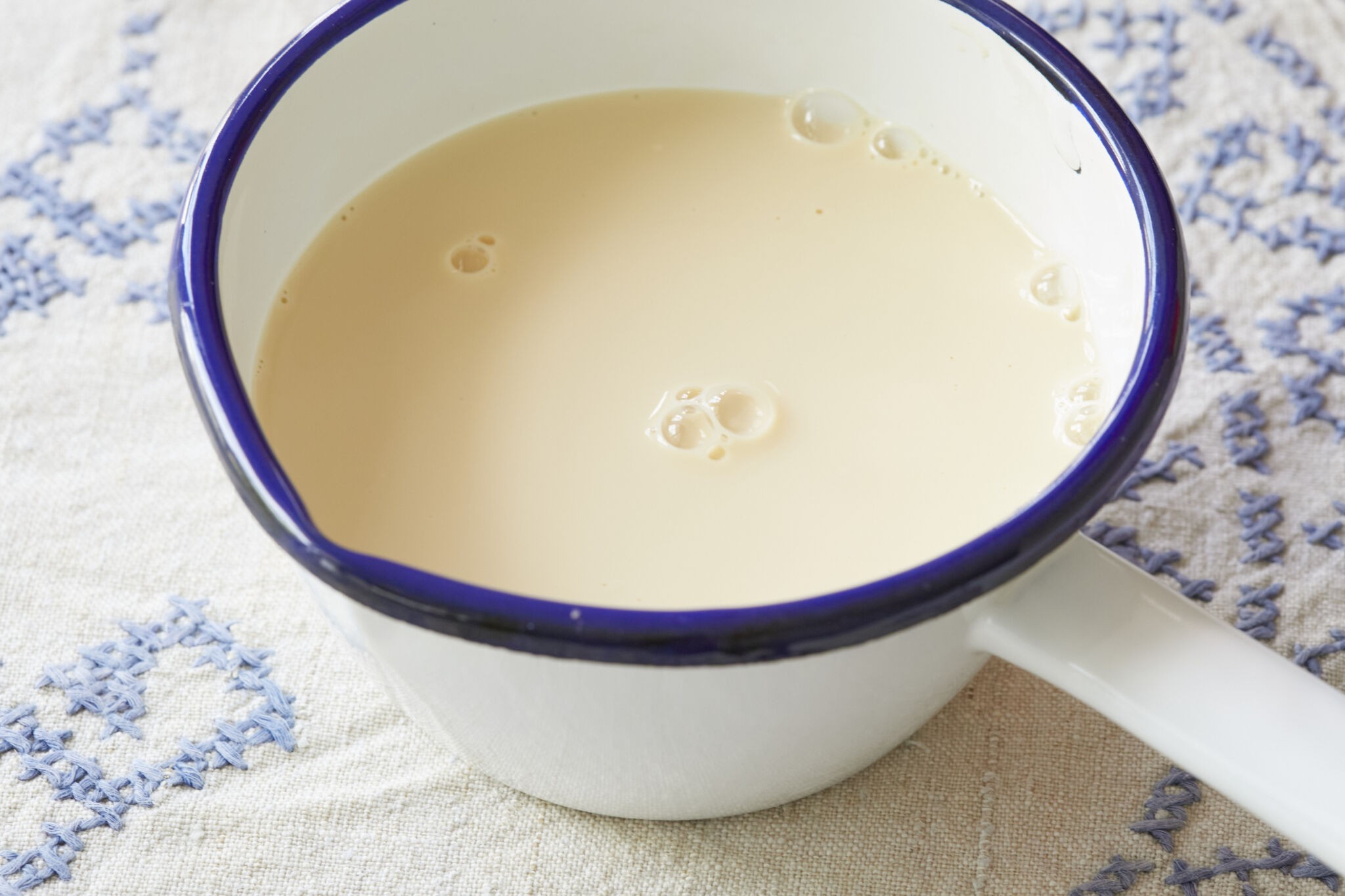
Milk replaces part of the water in enriched bread doughs, adding fat, lactose, and proteins that produce a softer crumb and a deeper crust color. Whole milk is standard — roughly ½ to ¾ cup per loaf. The lactose in milk browns faster than flour alone, which is why raisin bread often develops a richer, darker crust than lean breads baked at the same temperature.
Scalding milk (heating to just below boiling, then cooling) was once a required step to deactivate enzymes that could weaken gluten. Modern pasteurized milk doesn’t require scalding, but warming it to the same temperature as the water before adding it to the dough helps avoid slowing yeast activity.
10. Cinnamon
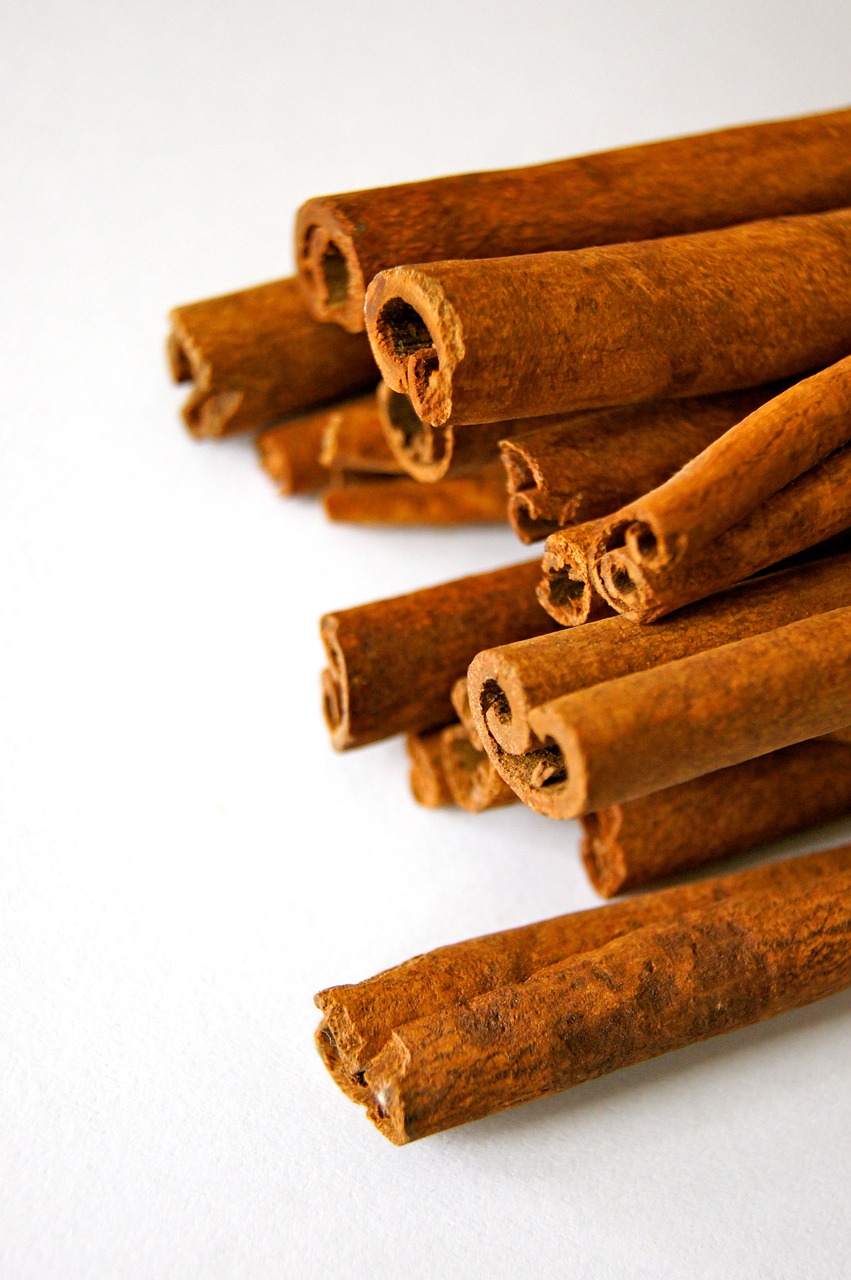
Cinnamon is the spice most associated with raisin bread, and 1 to 2 teaspoons per loaf is the standard range. Ceylon cinnamon is lighter and more delicate; cassia cinnamon (the common grocery store variety) is stronger and more pungent. Either works, though cassia delivers a more pronounced flavor at lower quantities.
Cinnamon can be mixed directly into the dry ingredients or swirled into the dough as a filling before the final shape — the latter method produces the classic cinnamon-swirl look in each slice.
Pro Tip: Too much cinnamon — more than 2 teaspoons — can inhibit yeast activity. Cinnamon contains compounds that slow fermentation, so staying within the recommended range protects the rise.
11. Nutmeg (Optional)
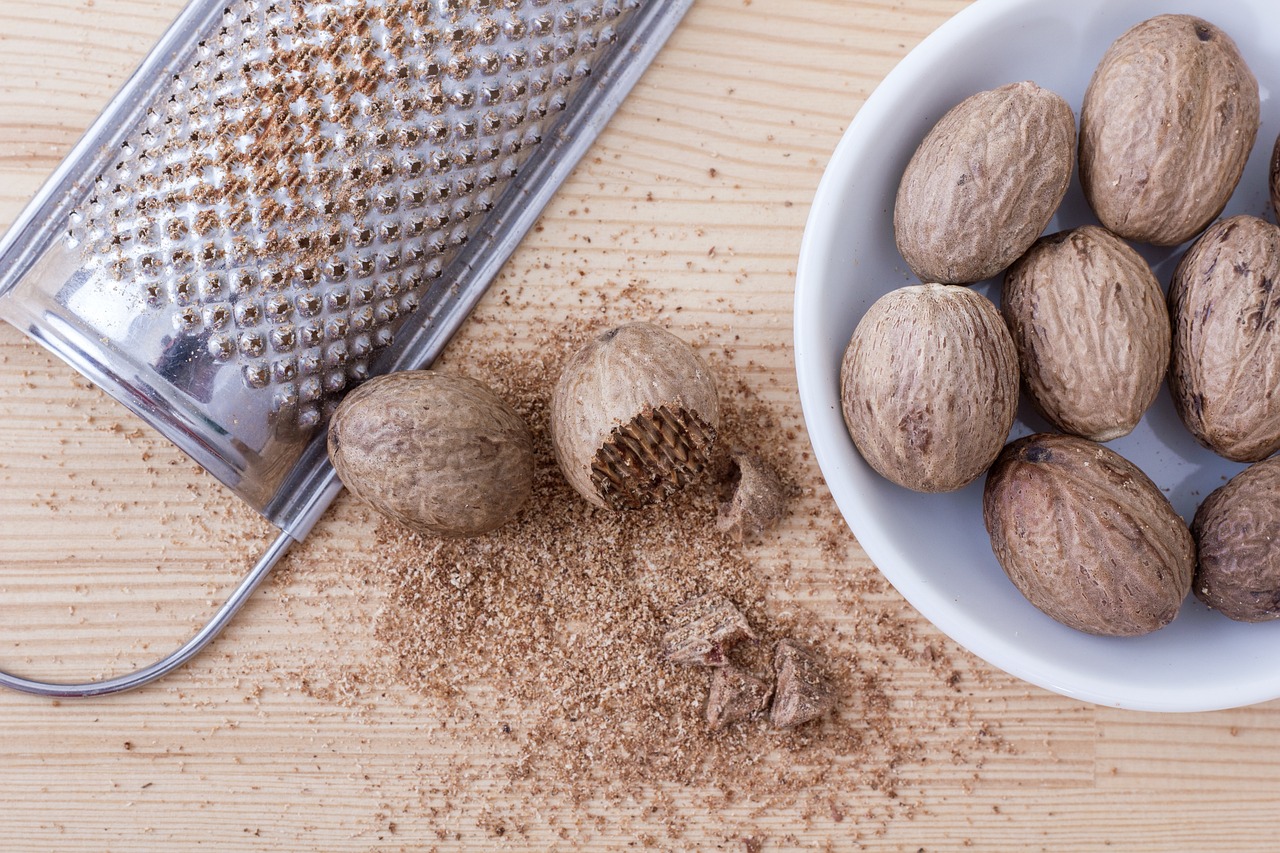
Nutmeg is a subtle background note that rounds out the spice profile without announcing itself. A small amount — ¼ teaspoon is enough — adds warmth and depth that makes the cinnamon flavor more complex. Freshly grated nutmeg delivers significantly more aroma than pre-ground, and a microplane makes the job easy.
Nutmeg pairs well with the egg and butter already in the dough, making it a natural addition for richer, more indulgent versions of the recipe.
12. Vanilla Extract (Optional)
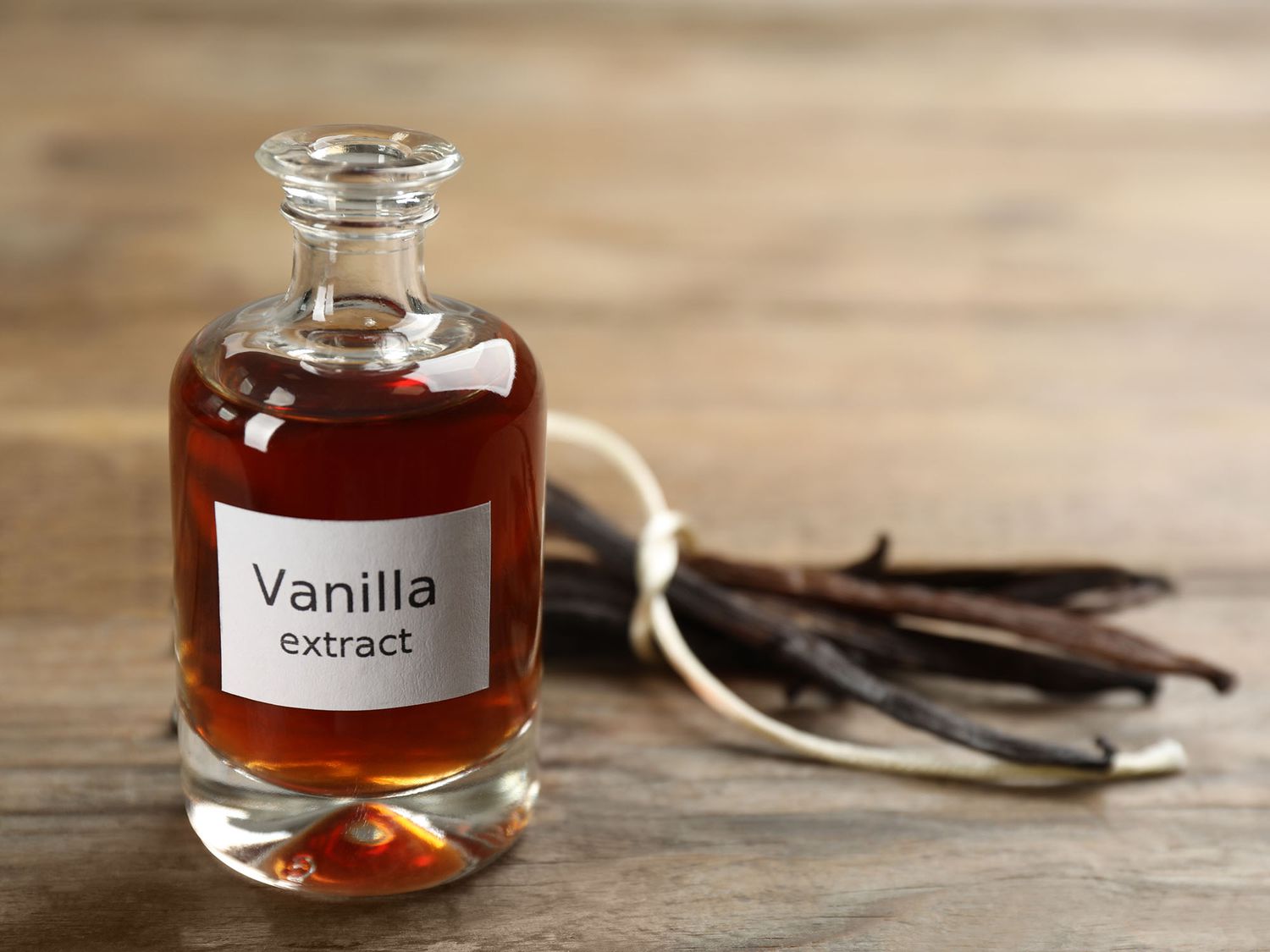
Vanilla extract softens the overall flavor of raisin bread, adding a sweet, floral note that bridges the spices and the raisins. One teaspoon added with the wet ingredients is standard. Pure vanilla extract outperforms imitation vanilla in flavor depth, though the difference is more pronounced in lightly flavored bakes than in heavily spiced ones.
Vanilla works especially well in recipes that lean toward a sweeter, more dessert-like loaf rather than a traditional sandwich bread.
13. Brown Sugar (Optional)
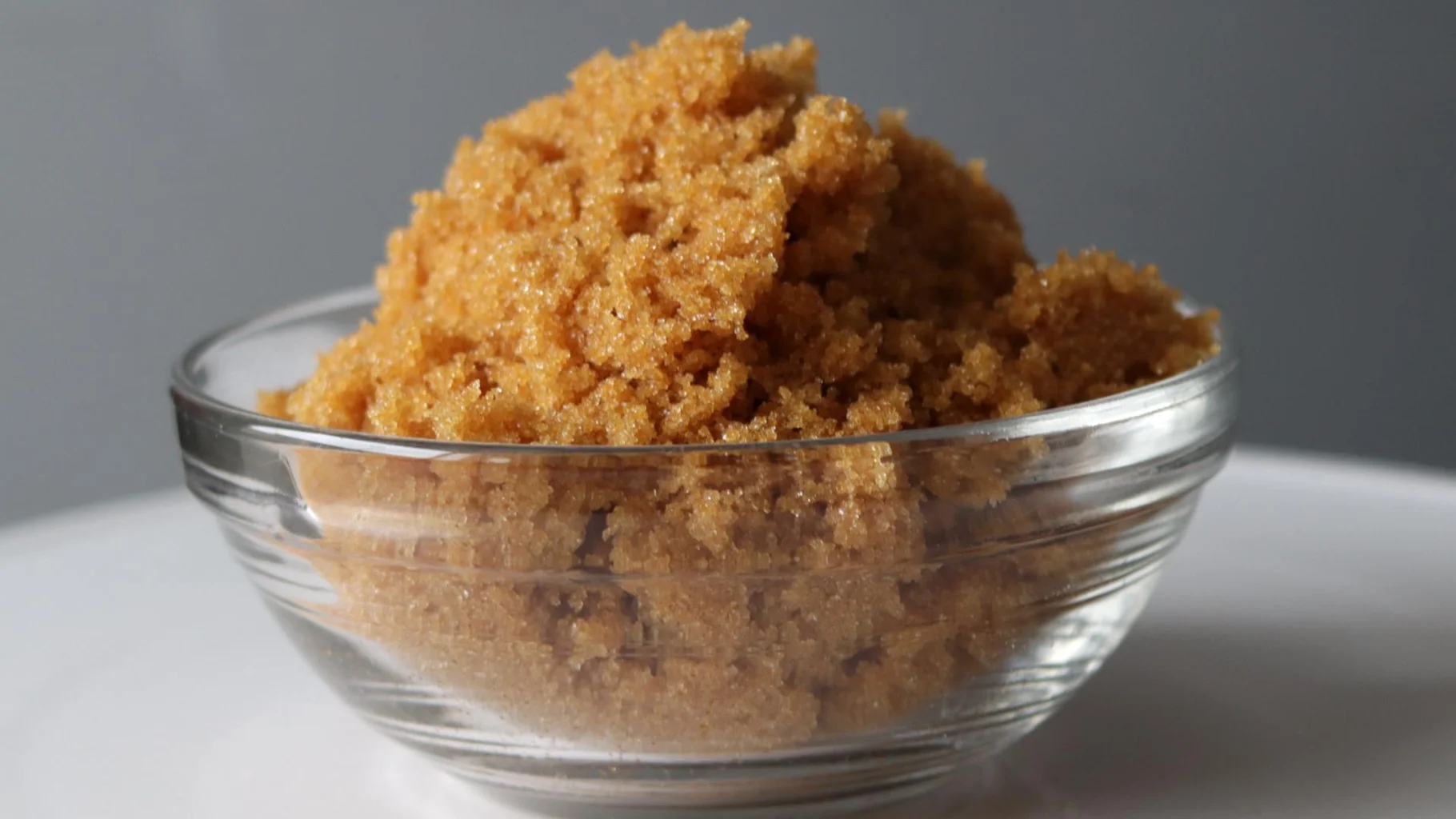
Swapping some or all of the granulated sugar for brown sugar adds molasses notes that deepen the flavor considerably. Light brown sugar is milder; dark brown sugar produces a more pronounced, almost caramel-like quality. Either can substitute 1:1 for white sugar.
Brown sugar also holds more moisture than white sugar, which keeps the crumb softer for longer and extends the bread’s shelf life by a day or two — a practical reason to make the swap beyond the flavor upgrade alone.
14. Honey (Optional)
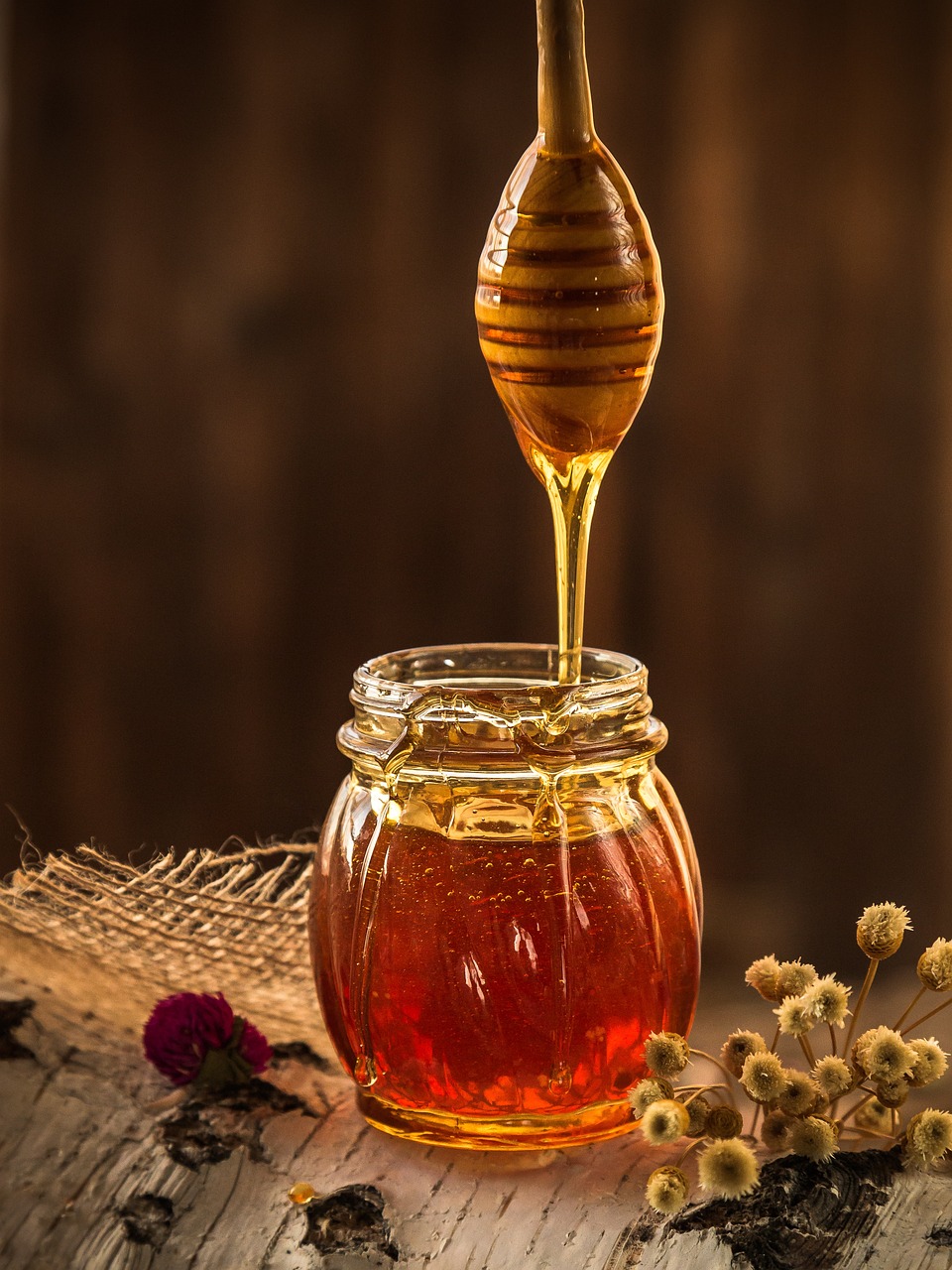
Honey is a natural humectant, meaning it pulls moisture from the air and holds it in the bread’s crumb. Replacing up to half the sugar with honey — roughly 2 tablespoons — produces a noticeably moister loaf with a slightly sticky crust and a mild floral undertone.
Raw or lightly processed wildflower honey carries enough of its own flavor to contribute to the finished bread; highly processed commercial honey behaves more like liquid sugar. Honey browns faster than white sugar, so reducing the oven temperature by 25°F compensates.
15. Vegetable Oil (Optional)
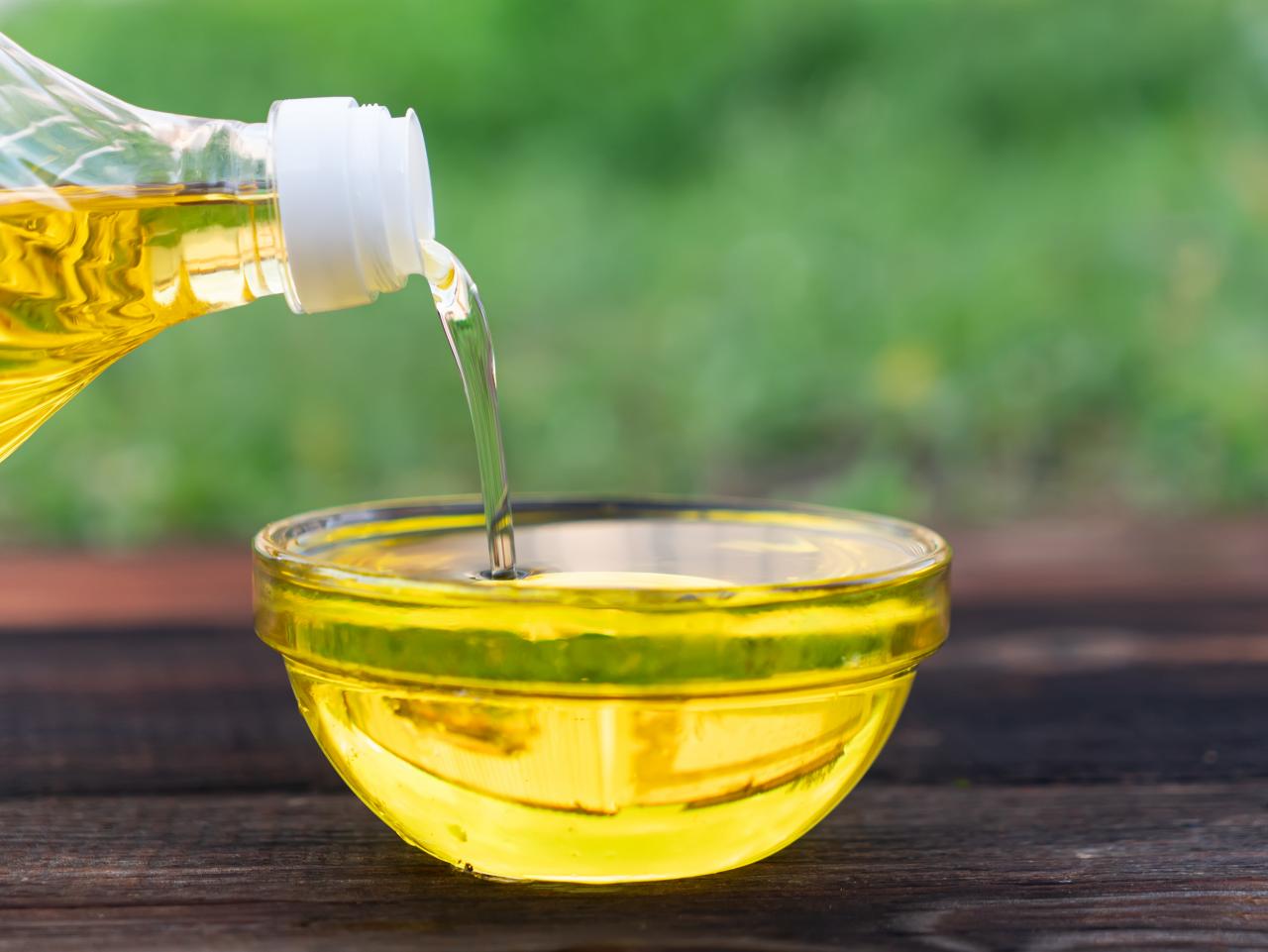
Vegetable oil can stand in for butter when a dairy-free loaf is the goal, or it can replace part of the butter to extend freshness. Oil-based breads stay moist longer because liquid fat doesn’t solidify at room temperature the way butter does — useful for a loaf meant to last several days.
The standard substitution is ¾ teaspoon of oil per teaspoon of butter. Oil produces a slightly less rich flavor but a comparably soft crumb when used at the right ratio.
16. Orange Zest (Optional)
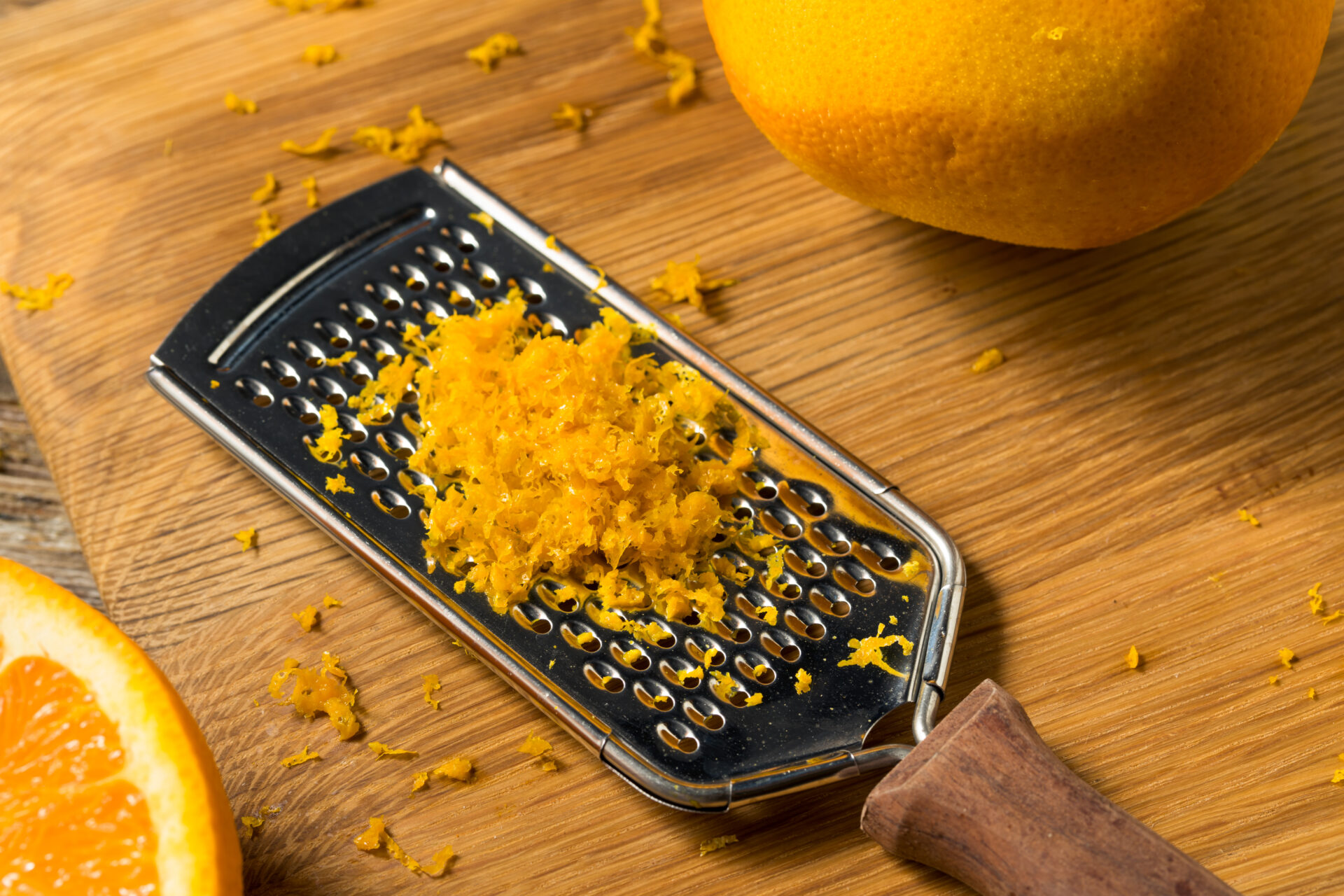
Orange zest adds a brightness that cuts through the richness of the egg and butter, lifting the raisin flavor without sweetening the loaf further. One teaspoon of freshly grated zest per loaf is the right starting point. Dried zest is a weaker substitute — fresh zest delivers the volatile oils that carry the aroma.
Orange and raisin have a long pairing history in European baking, particularly in hot cross buns and Welsh bara brith, both of which use similar enriched dough formulas. The combination works because the citrus cuts through sweetness without adding competing flavors.
Putting It All Together
The ingredients for raisin bread fall into two clear categories: the essentials that make the loaf work, and the optional add-ins that shape its character. Flour, yeast, water, salt, sugar, butter, eggs, milk, cinnamon, and raisins form the reliable core. Brown sugar, honey, vanilla, nutmeg, orange zest, and vegetable oil are tools for customization — each one nudging the final loaf in a slightly different direction.
Starting with the essentials and adding one optional ingredient per bake is the most efficient way to develop a raisin bread recipe that reflects personal taste. Brown sugar and cinnamon together produce a warmer, richer loaf. Orange zest and vanilla push it toward something brighter and more aromatic. Honey keeps it moist and mild.
The loaf improves with each iteration, and knowing what every ingredient does makes adjusting much easier than guessing.