25 Types of Sauces and How to Use Them

Oluwatosin Urel
Updated December 30, 2025
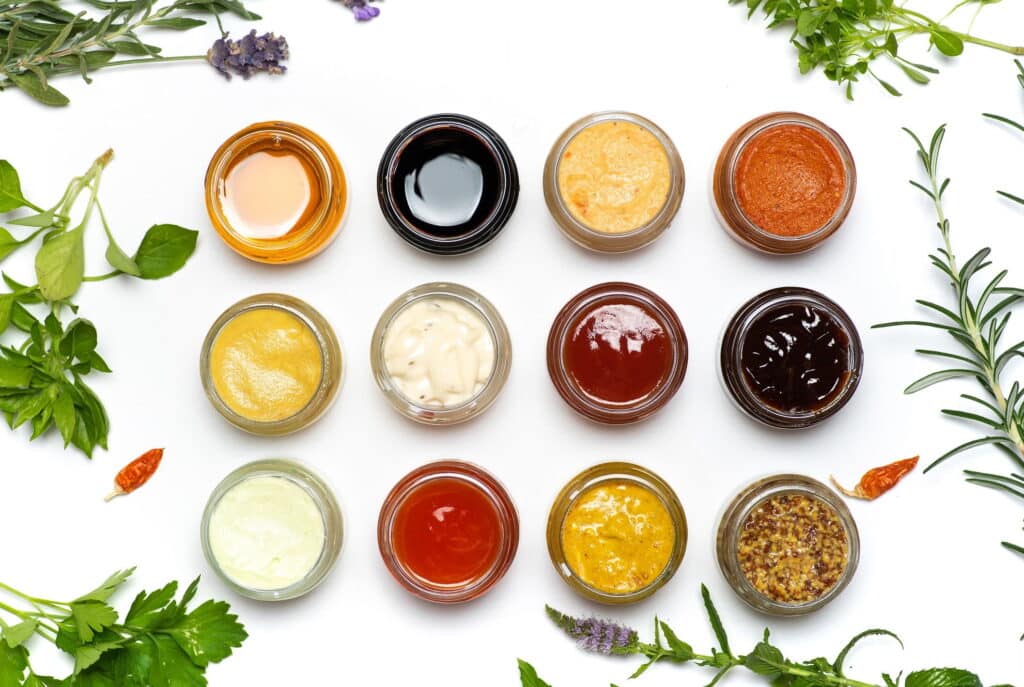
Sauces are the secret weapon in any cook’s kitchen—they can transform a simple dish into something extraordinary. Whether you’re drizzling rich chocolate over dessert, spooning tangy marinara over pasta, or brushing barbecue sauce on grilled chicken, the right sauce elevates flavors and adds complexity to your meals.
From the five French mother sauces that form the foundation of classical cooking to bold Asian condiments and sweet dessert toppings, understanding different types of sauces opens up endless culinary possibilities.
In this guide, you’ll discover 25 essential sauces that every home cook should know. You’ll learn what makes each sauce unique, which dishes they complement best, and how to use them to bring restaurant-quality flavor to your everyday cooking.
Whether you’re a beginner looking to expand your repertoire or an experienced cook seeking inspiration, these versatile sauces will change how you approach different types of food in your kitchen.
Bordelaise Sauce
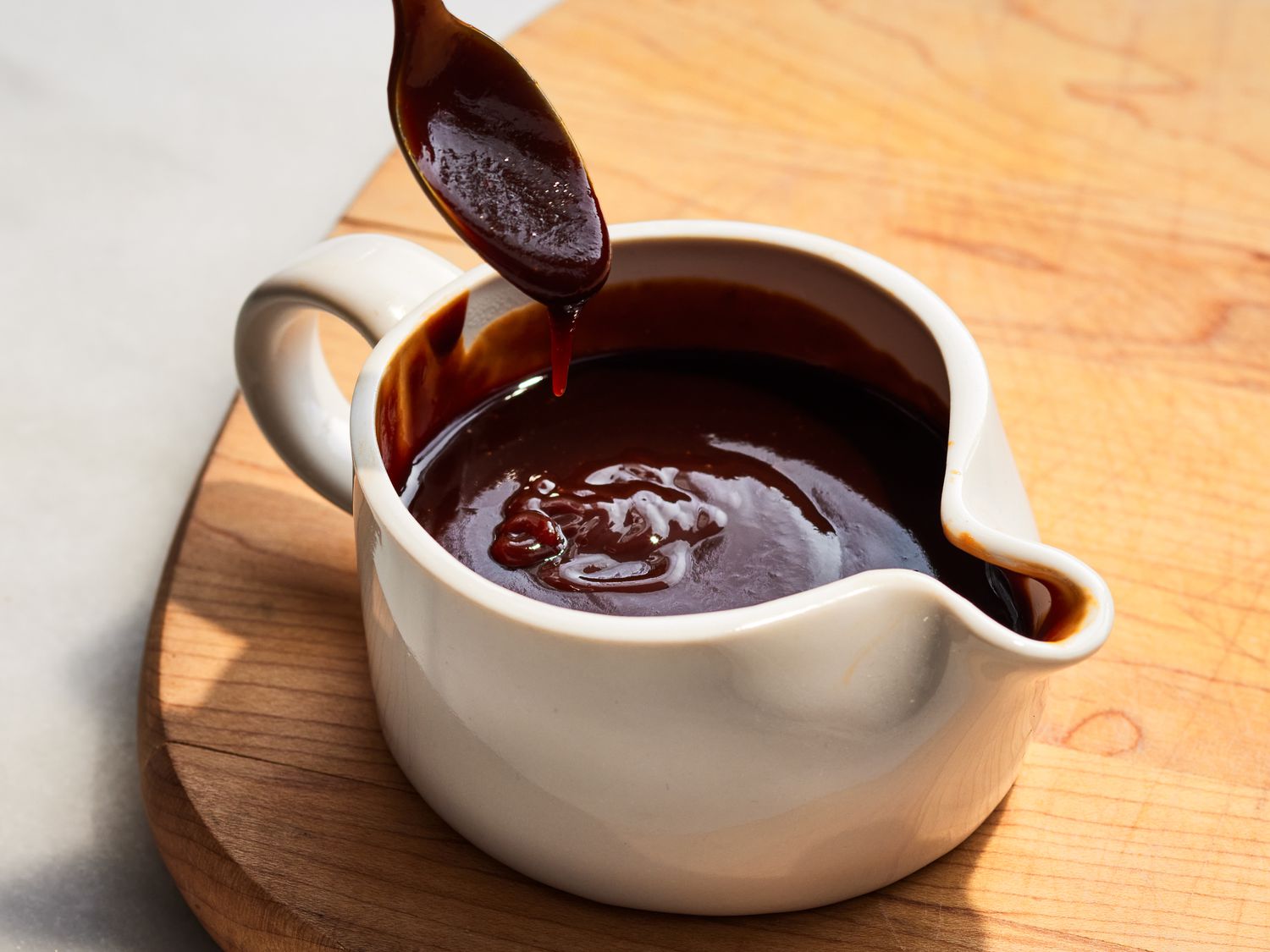
Bordelaise sauce is a rich French brown sauce made with red wine, bone marrow, shallots, and demi-glace. This classic sauce originated in the Bordeaux region of France and showcases the area’s famous wines.
The deep, complex flavor comes from reducing red wine with aromatics until it becomes concentrated and glossy, then enriching it with butter and bone marrow for luxurious texture.
You’ll find bordelaise sauce paired most often with grilled or roasted beef, particularly ribeye and filet mignon. The wine-based sauce complements the savory richness of red meat beautifully.
Try it spooned over pan-seared steaks or roasted beef tenderloin for an elegant dinner. The sauce also works well with lamb chops and even portobello mushrooms for a vegetarian option.
Pro Tip: Use a full-bodied red wine like Cabernet Sauvignon or Merlot for the deepest flavor. Avoid cooking wines—if you wouldn’t drink it, don’t cook with it.
Steak Sauce
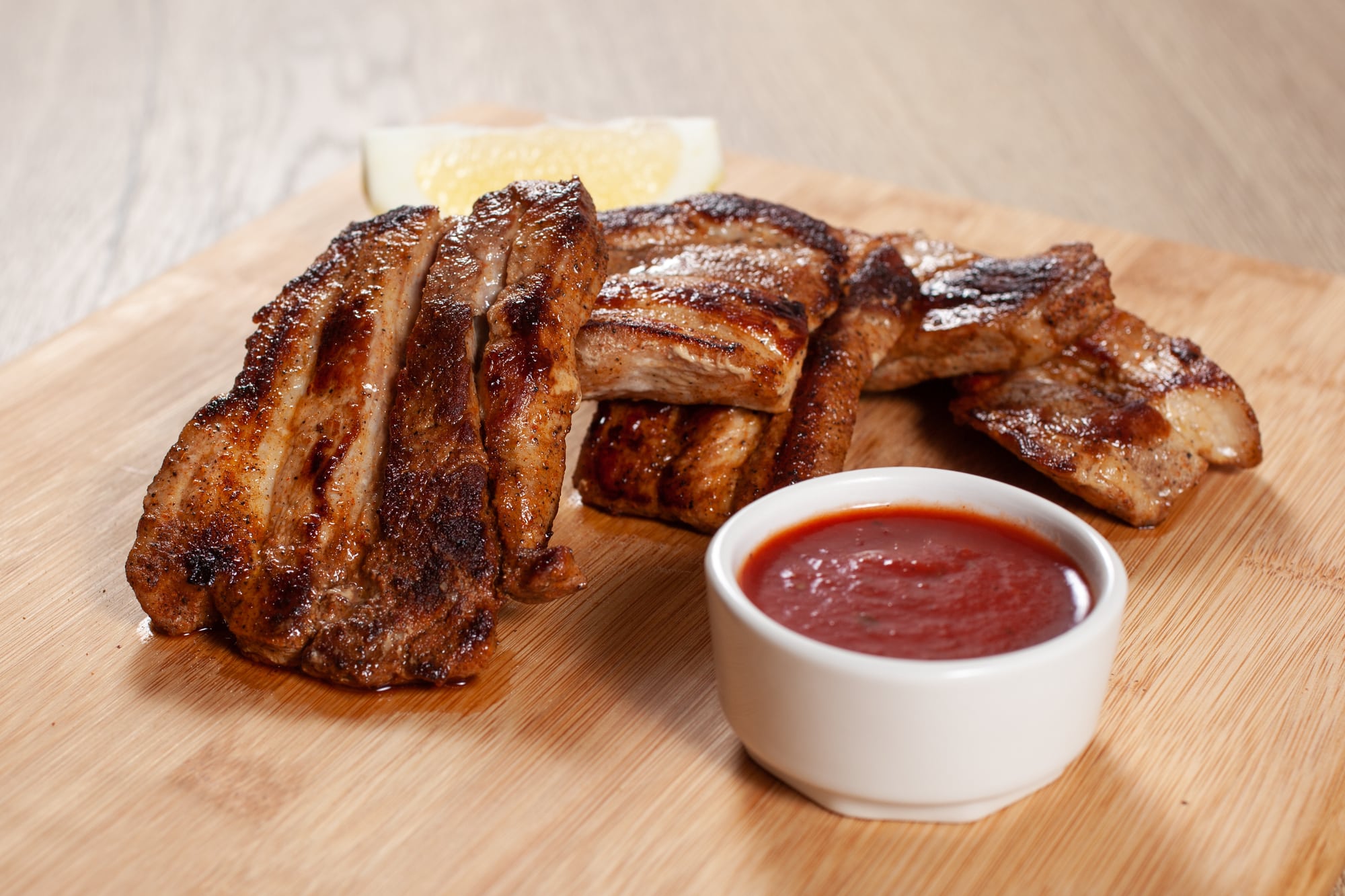
Steak sauce is a tangy, slightly sweet condiment with a complex blend of tomatoes, vinegar, spices, and sometimes fruits like raisins or dates. Unlike bordelaise, steak sauce has a bolder, more assertive flavor profile with a balance of sweet, sour, and umami notes. Commercial varieties like A.1. and Heinz 57 are household staples, but homemade versions allow you to control the sweetness and spice levels.
While traditionally served alongside grilled steaks, this versatile sauce works with more than just beef. Use it as a marinade for chicken or pork, mix it into ground meat for burgers, or add a splash to grain bowls for extra flavor. Some cooks even use steak sauce as a base for barbecue sauce or as a flavor booster in meat loaf and shepherd’s pie.
Demi-Glace
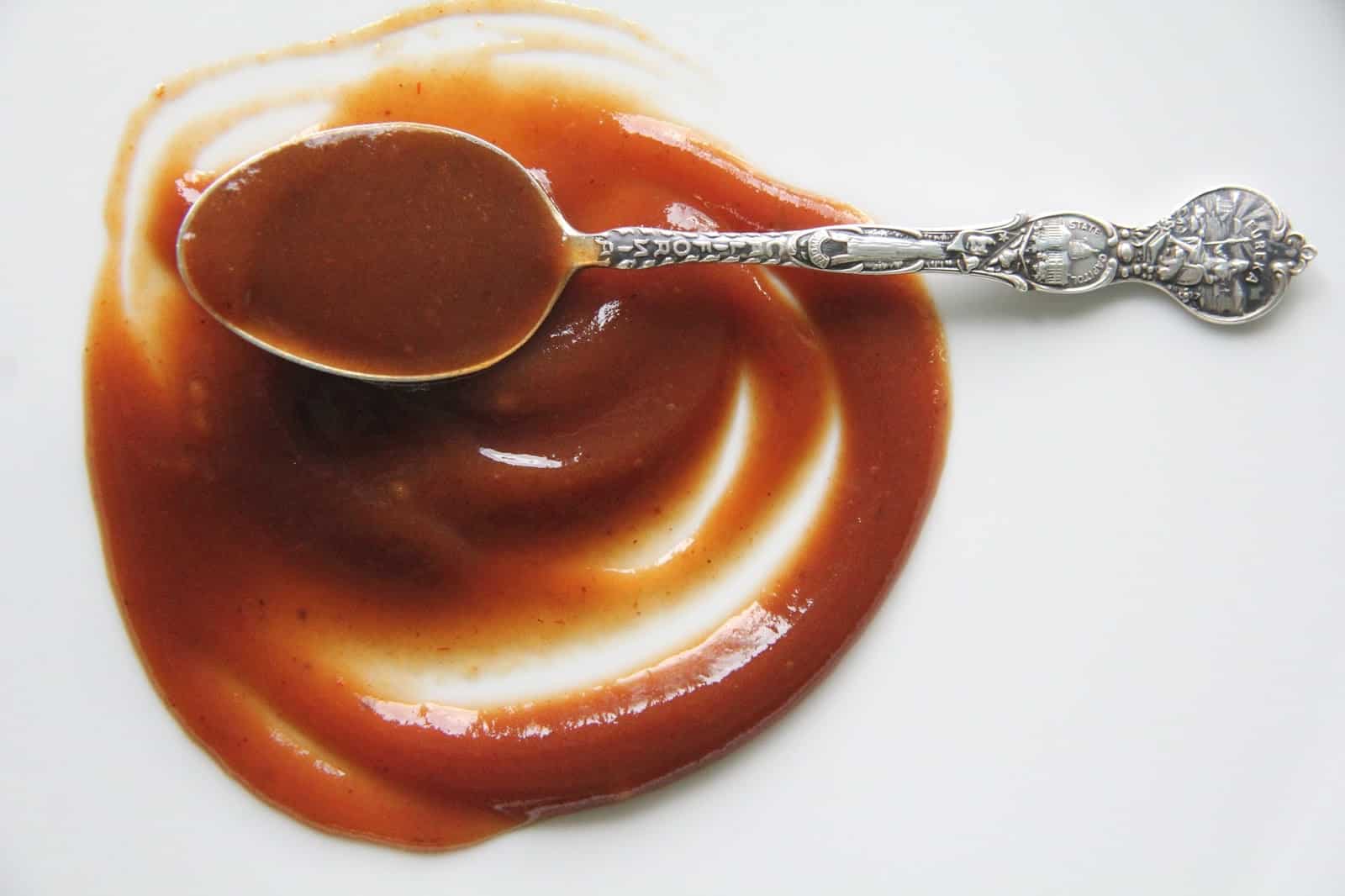
Demi-glace is one of the most prized sauces in classical French cuisine—a concentrated brown stock reduced with espagnole sauce until it achieves a thick, glossy consistency.
Making authentic demi-glace requires hours of simmering veal or beef bones with vegetables and aromatics, then straining and reducing the liquid until it coats the back of a spoon. The result is an intensely flavored base that professional chefs use to build countless other sauces.
You can use demi-glace as a finishing sauce for roasted meats, or as a foundation for creating other classic sauces like bordelaise, chasseur, or Robert.
A spoonful stirred into pan drippings creates an instant pan sauce for steaks or chops. Because authentic demi-glace is time-intensive, many home cooks keep concentrated demi-glace products on hand as a shortcut that still delivers impressive depth of flavor.
Key Insight: Demi-glace is considered one of the building blocks of French cuisine and serves as the base for dozens of derivative sauces in professional kitchens.
Meuniere Sauce
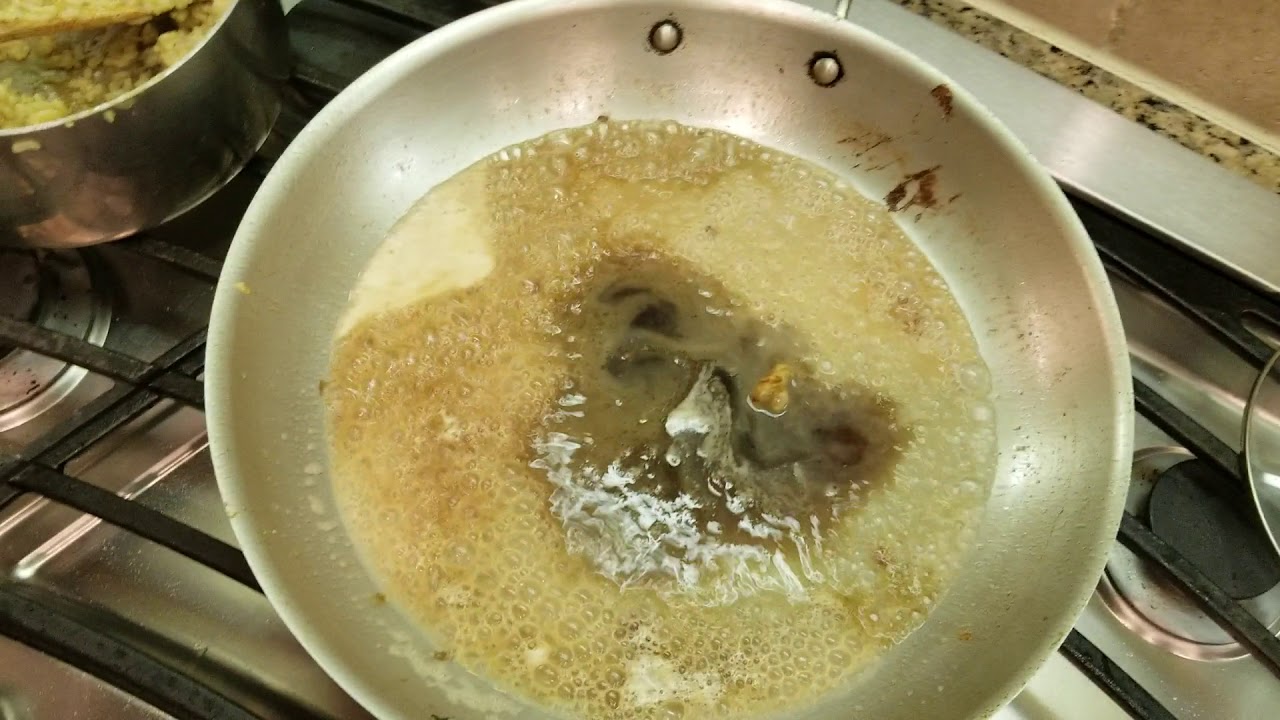
Meuniere sauce, also called “à la meunière,” is a simple but elegant French butter sauce made with brown butter, lemon juice, and parsley. The name means “in the style of the miller’s wife,” referring to the traditional technique of dusting fish in flour before pan-frying.
The sauce itself comes together in minutes—you brown butter in a pan until it develops nutty aromatics, then add fresh lemon juice and herbs.
This delicate sauce is the classic accompaniment for pan-fried fish, particularly sole, trout, and other mild white fish. The rich, nutty butter balances the bright acidity of lemon while complementing the fish’s delicate flavor without overwhelming it.
Pour the warm sauce over your fish immediately after cooking, allowing the butter to soak into the crispy flour coating. Meuniere sauce also works beautifully with sautéed vegetables like asparagus or green beans.
Chocolate Sauce

Chocolate sauce is a smooth, pourable dessert topping made from cocoa powder or melted chocolate combined with cream, milk, butter, and sweetener. The texture can range from thin and syrupy to thick and fudgy depending on the ratio of ingredients.
Quality chocolate sauce should have a deep chocolate flavor that’s sweet but not cloying, with a glossy appearance and silky mouthfeel.
Drizzle chocolate sauce over ice cream sundaes, brownies, cheesecake, or fresh fruit for an indulgent dessert. You can also use it as a dip for strawberries or pretzels, swirl it into coffee drinks, or layer it in parfaits. For a more sophisticated application, try plating desserts with artistic chocolate sauce designs or using it as a base layer under plated desserts for visual appeal.
Caramel Sauce
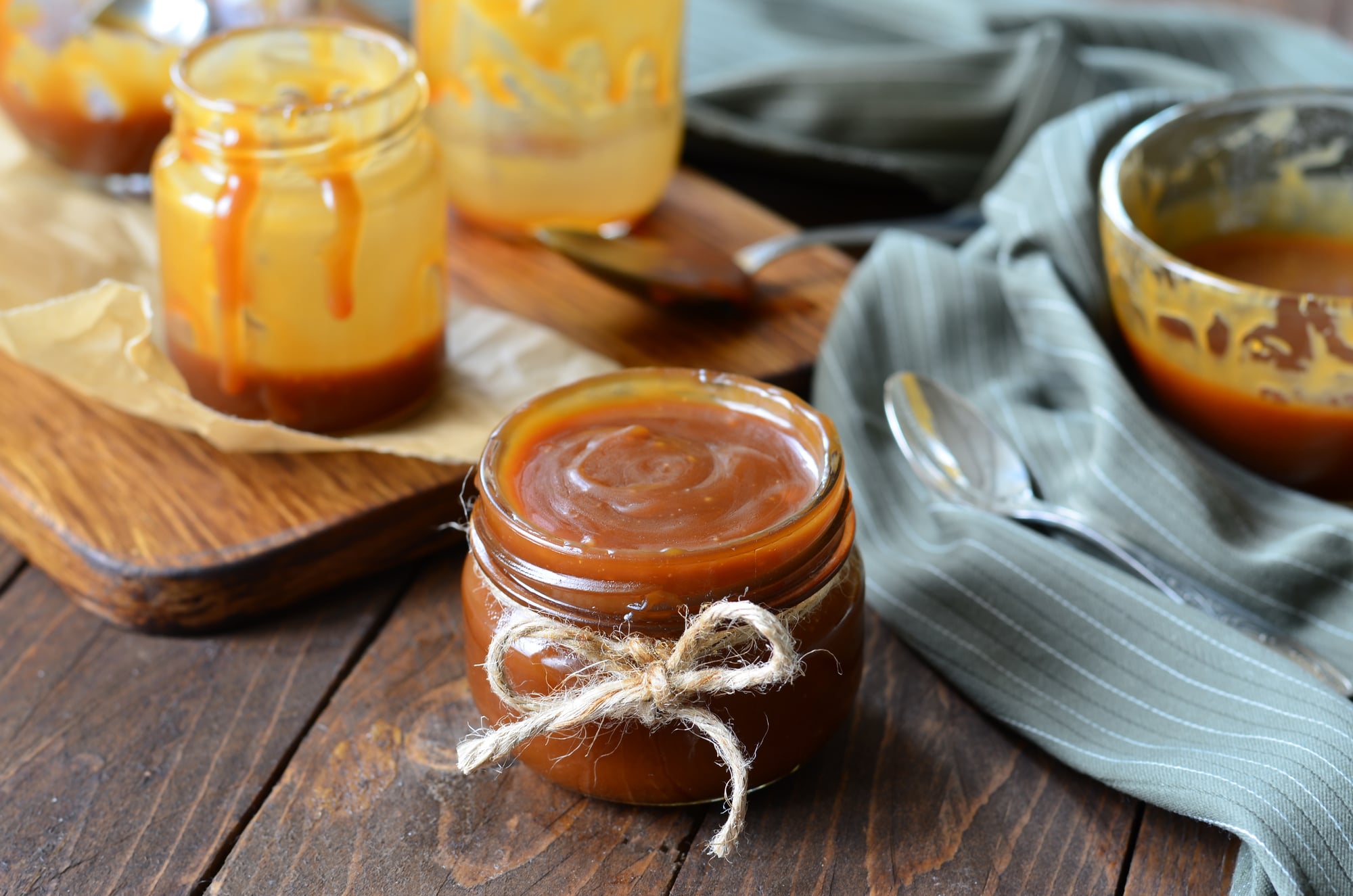
Caramel sauce is created by cooking sugar until it melts and caramelizes, then adding cream and butter to create a smooth, golden sauce with complex sweet and slightly bitter notes. The caramelization process develops hundreds of flavor compounds that give the sauce its characteristic depth. Salted caramel, made by adding sea salt, has become especially popular for its sweet-savory balance.
Pour warm caramel sauce over apple pie, bread pudding, or vanilla ice cream for classic dessert pairings. It also works wonderfully as a filling for layer cakes, a topping for cheesecake, or a dip for apple slices.
Beyond desserts, try drizzling caramel over roasted pears, stirring it into coffee, or using it as a glaze for roasted vegetables like carrots or sweet potatoes for an unexpected savory-sweet combination.
Common Mistake: Adding cold cream to hot caramelized sugar causes violent bubbling and splattering. Always warm your cream first and add it slowly while stirring constantly.
Cranberry Sauce
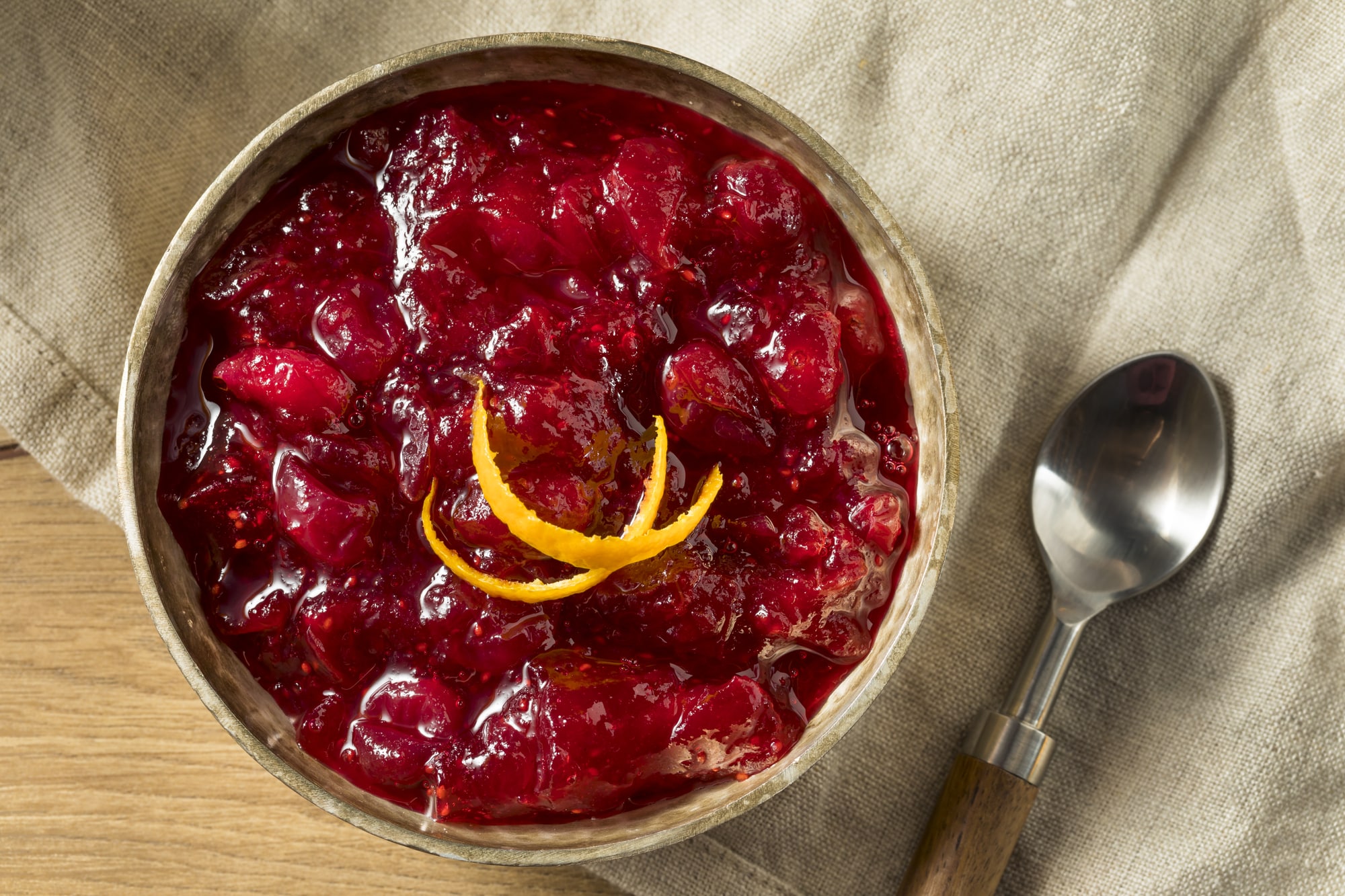
Cranberry sauce is a sweet-tart condiment made by cooking fresh or frozen cranberries with sugar and liquid until the berries burst and the mixture thickens.
The natural pectin in cranberries helps the sauce gel as it cools, creating anything from a smooth, jellied texture to a chunky, whole-berry relish depending on how much you break down the fruit. Many recipes include orange zest, cinnamon, or other warming spices.
While cranberry sauce is synonymous with Thanksgiving turkey, it’s versatile enough for year-round use. Spread it on turkey or chicken sandwiches, serve it alongside roasted pork or duck, or use it as a glaze for meatballs.
The sweet-tart flavor also works well stirred into yogurt, spread on toast with cream cheese, or as a topping for baked brie. Some cooks even use cranberry sauce in vinaigrettes or as a base for barbecue sauce.
Oyster Sauce
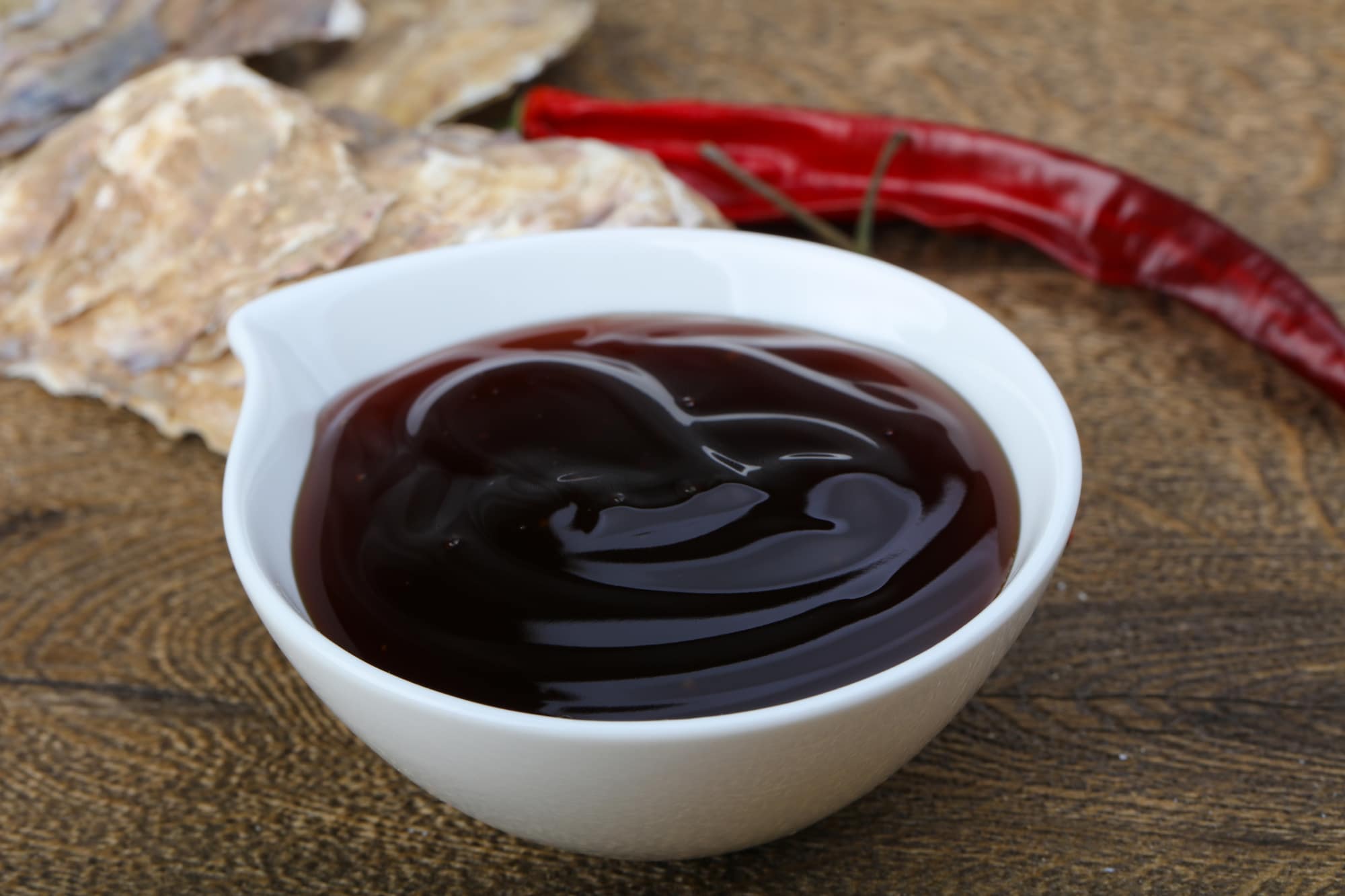
Oyster sauce is a thick, dark brown Chinese condiment made from oyster extracts, soy sauce, sugar, and sometimes thickened with cornstarch. Despite its name, quality oyster sauce has a complex umami-rich flavor that’s savory and slightly sweet rather than fishy.
The sauce originated in southern China and has become a staple in Asian cooking, prized for adding depth and glossy appearance to stir-fries and braised dishes.
Use oyster sauce as a base for stir-fry sauces, combining it with soy sauce, rice wine, and sesame oil. It’s excellent in beef and broccoli, lo mein, or fried rice.
You can also use it as a marinade for grilled meats, a glaze for roasted vegetables, or mixed into seafood dishes. A small amount goes a long way—start with a tablespoon and adjust to taste, as the flavor is quite concentrated.
Worcestershire
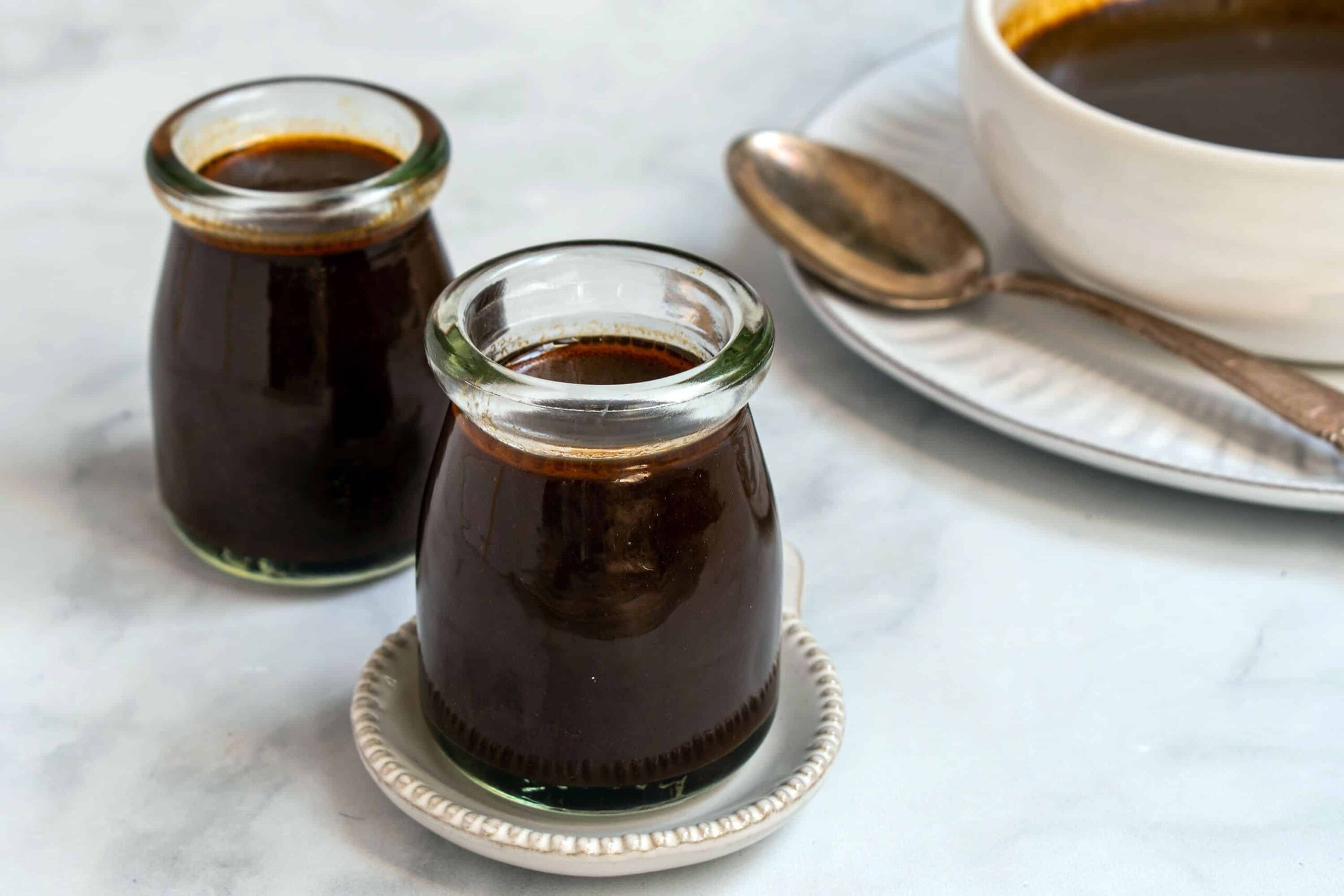
Worcestershire sauce is a fermented condiment with a complex flavor profile combining savory, sweet, sour, and umami notes. The traditional recipe includes anchovies, tamarind, vinegar, molasses, garlic, onions, and various spices aged in wooden barrels.
This English sauce, originally created in Worcester, has become a global pantry staple valued for its ability to add depth to countless dishes with just a few dashes.
Add Worcestershire sauce to marinades for steaks and burgers, mix it into meatloaf or shepherd’s pie, or use it to enhance the flavor of soups and stews.
It’s a key ingredient in Bloody Mary cocktails and Caesar salad dressing. A few drops can also boost the savory notes in tomato-based pasta sauces or add complexity to cheese dishes. The sauce works particularly well with beef, mushrooms, and tomatoes.
Pro Tip: Store Worcestershire sauce at room temperature before opening, but refrigerate after opening to maintain the best flavor and extend shelf life up to a year.
Bolognese Sauce
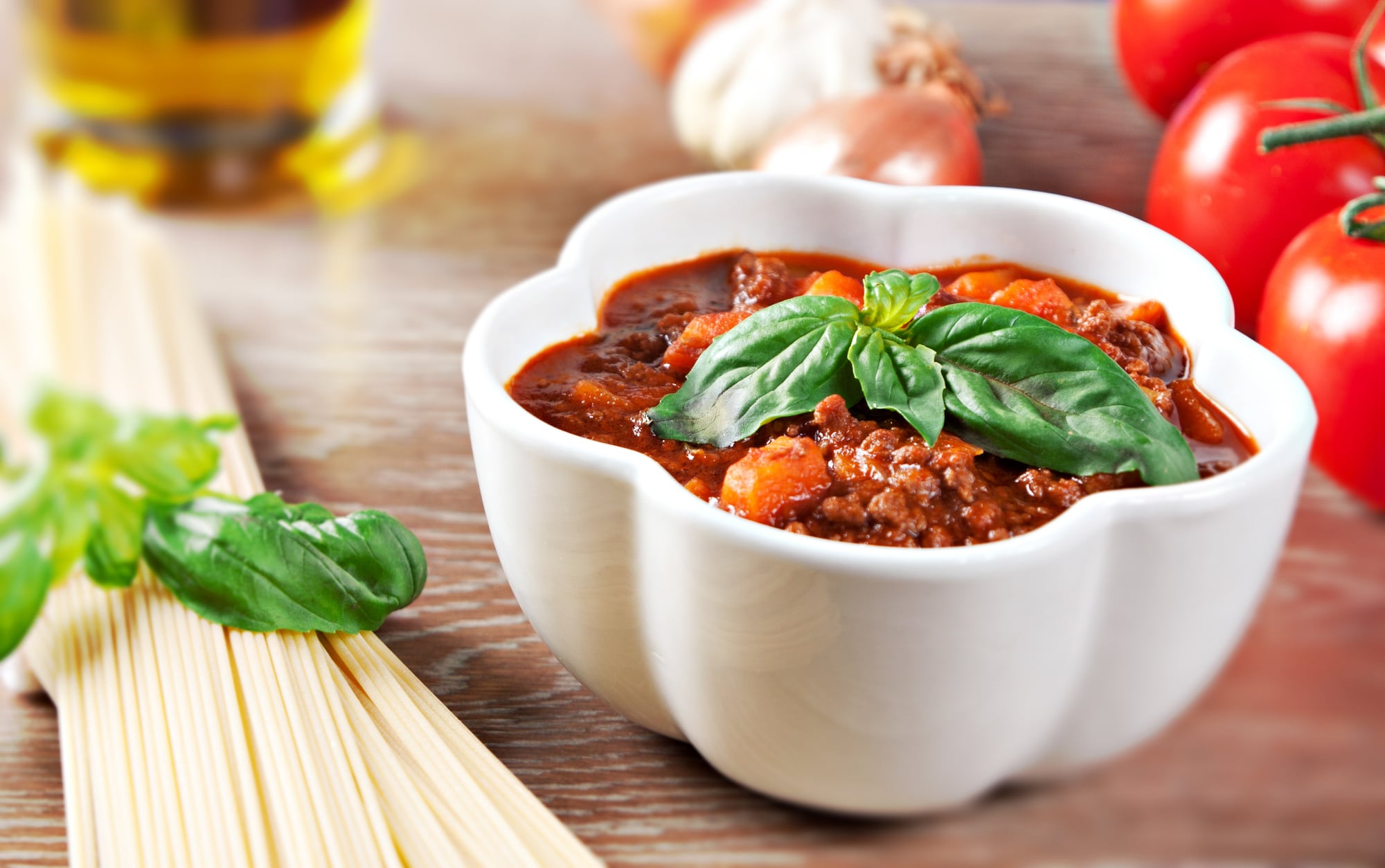
Bolognese sauce, or ragù alla bolognese, is a rich Italian meat sauce that originated in Bologna. Unlike quick tomato sauces, authentic Bolognese simmers for hours, combining ground beef (and sometimes pork or veal), tomatoes, wine, milk, and aromatic vegetables into a thick, luxurious sauce.
The long cooking time allows flavors to meld and the meat to become incredibly tender, creating a sauce with remarkable depth and complexity.
Traditionally, Bolognese sauce is served with tagliatelle or other wide, flat pasta that can hold the hearty sauce. It’s also the classic filling for lasagna and can be used in baked pasta dishes like pasta al forno.
Beyond pasta, try using Bolognese as a topping for polenta, a filling for stuffed peppers, or layered in a shepherd’s pie variation. The sauce freezes beautifully, making it perfect for batch cooking.
Amatriciana Sauce
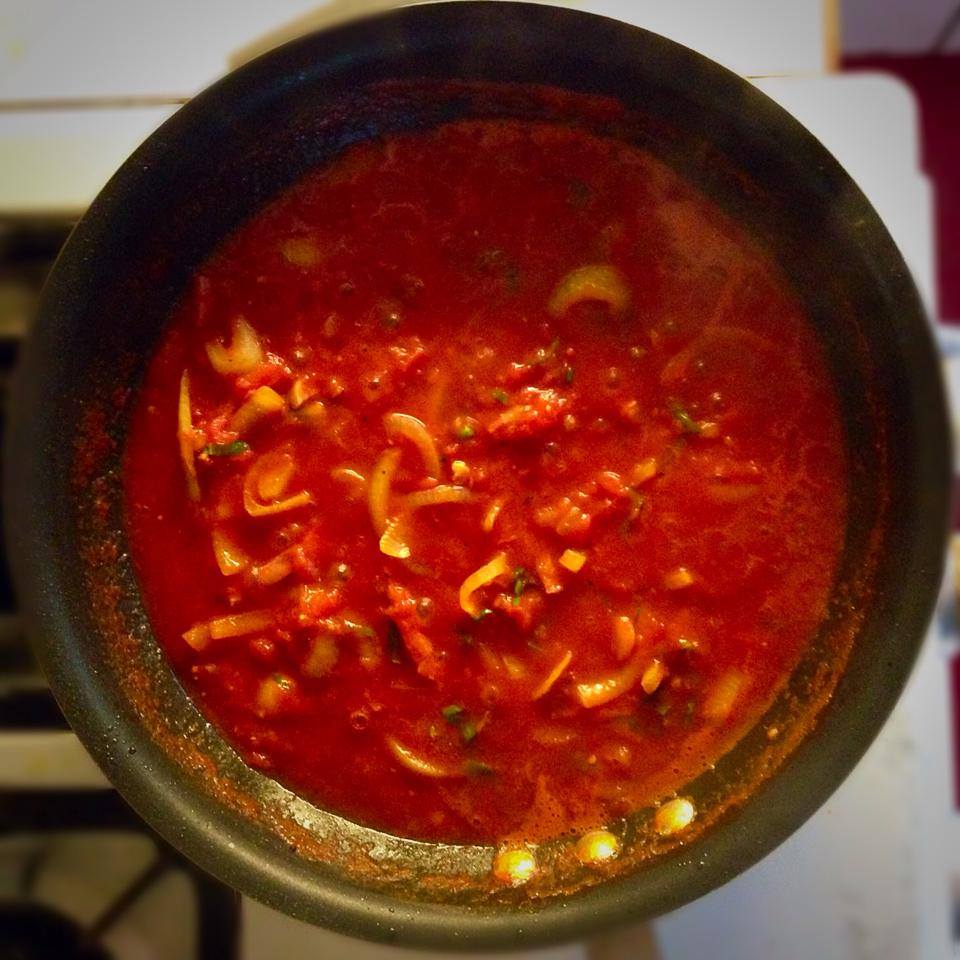
Amatriciana sauce is a classic Roman pasta sauce made with guanciale (cured pork jowl), tomatoes, Pecorino Romano cheese, and black pepper.
Named after the town of Amatrice, this sauce has a distinctive flavor profile that balances the richness of pork fat, the acidity of tomatoes, and the sharp, salty bite of aged cheese. The rendered fat from the guanciale creates a silky texture that coats pasta beautifully.
Serve Amatriciana sauce with bucatini, the traditional pairing, or use it with rigatoni, spaghetti, or other tubular pasta shapes that trap the sauce.
While pasta is the primary use, you can also spoon this sauce over polenta, use it as a pizza topping, or serve it with roasted vegetables. The key to authentic flavor is using guanciale rather than bacon or pancetta, though those can work as substitutes if guanciale isn’t available.
Cream, Hollandaise, and White Sauces
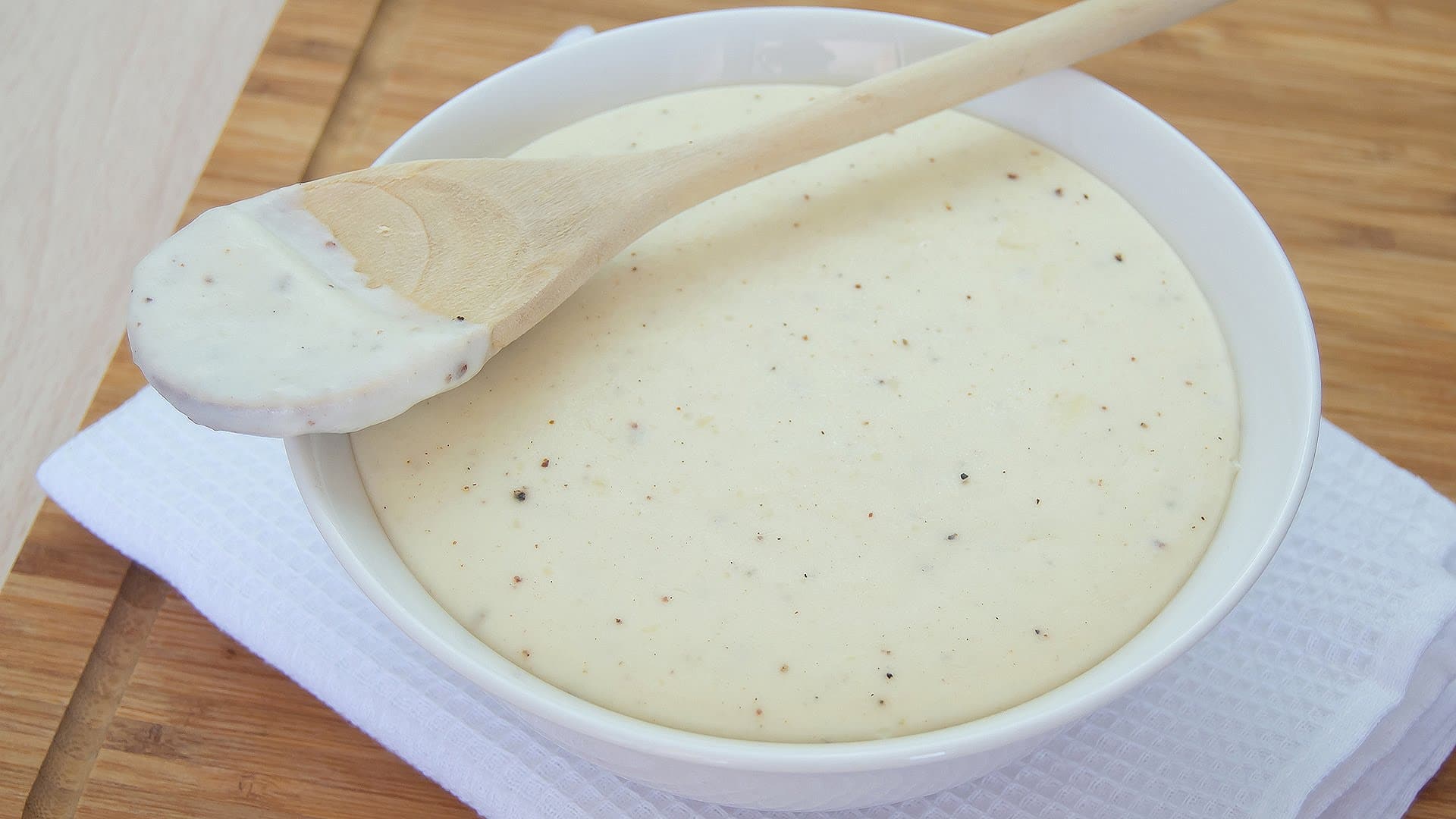
These three sauces represent important categories in classical French cuisine. Cream sauces are made by reducing heavy cream with butter and seasonings, creating rich, velvety textures.
Hollandaise is an emulsified sauce combining egg yolks, butter, and lemon juice—one of the five French mother sauces and the base for variations like béarnaise. White sauces generally refer to béchamel (milk-based) and velouté (stock-based), both thickened with a butter-flour roux.
Use cream sauces for pasta dishes like fettuccine Alfredo or to finish pan sauces for chicken and fish. Hollandaise is essential for eggs Benedict and pairs beautifully with asparagus or other vegetables.
White sauces serve as bases for gratins, casseroles, and creamy soups, or can be enhanced with cheese, herbs, or mustard to create derivative sauces. Each of these sauces demonstrates fundamental cooking techniques that every home cook should master.
Key Insight: Hollandaise requires careful temperature control—too hot and the eggs scramble, too cool and the sauce won’t emulsify. Keep the heat gentle and whisk constantly for smooth results.
Sweet Chili Sauce
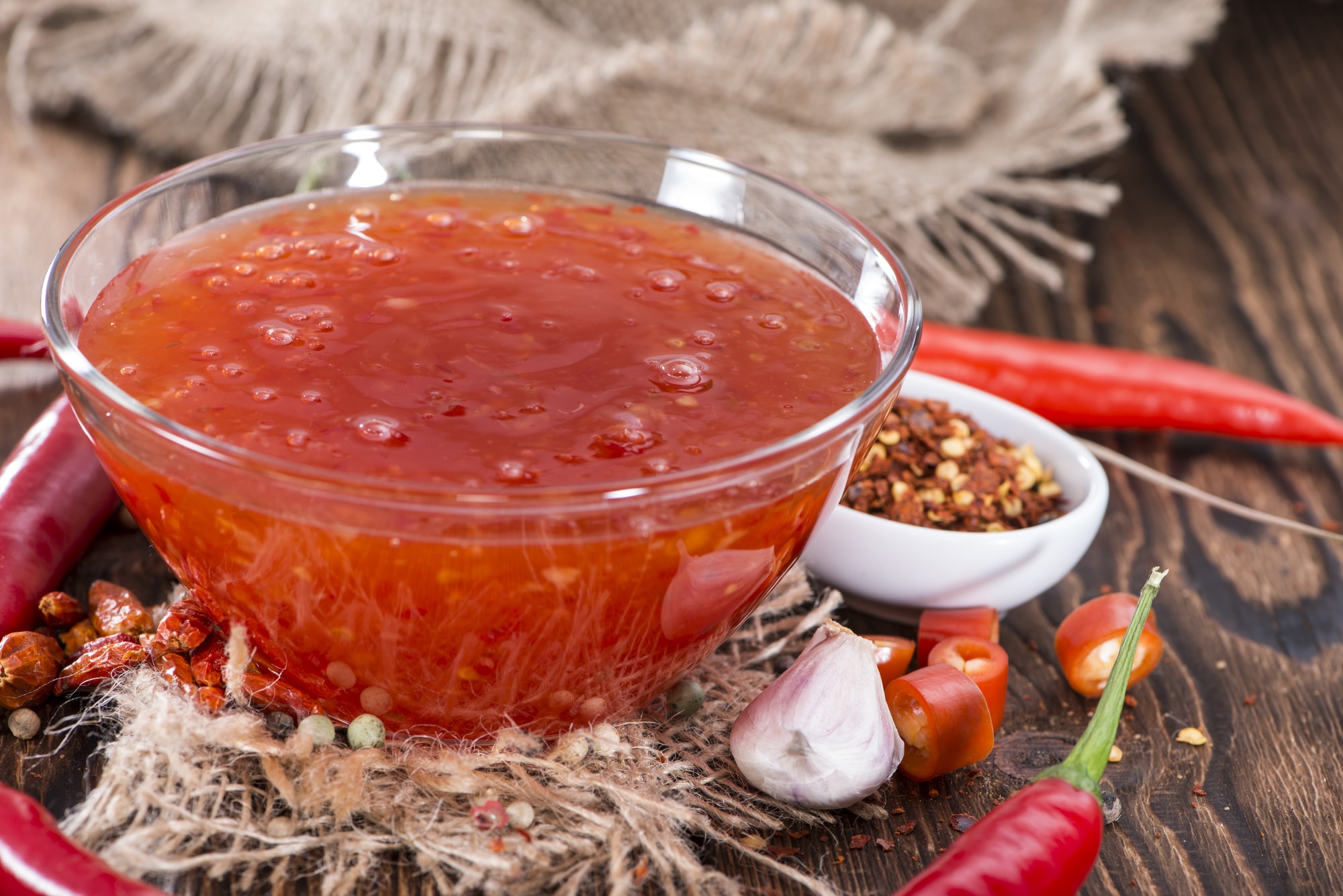
Sweet chili sauce is a Southeast Asian condiment that balances sweetness, heat, and tanginess in perfect harmony. Made from red chilies, sugar, vinegar, and garlic, this glossy sauce has a syrupy consistency and a flavor profile that’s predominantly sweet with a gentle kick of heat.
Thai sweet chili sauce is the most common variety, recognizable by its bright red color and visible chili flakes suspended in the sauce.
Use sweet chili sauce as a dipping sauce for spring rolls, dumplings, chicken wings, or fried shrimp. It makes an excellent glaze for grilled chicken or salmon, and you can stir it into mayonnaise for a quick sandwich spread.
Try mixing it with soy sauce and lime juice for a quick stir-fry sauce, or use it as a marinade for grilled meats. The sauce also works well drizzled over cream cheese with crackers for an easy appetizer.
Sriracha
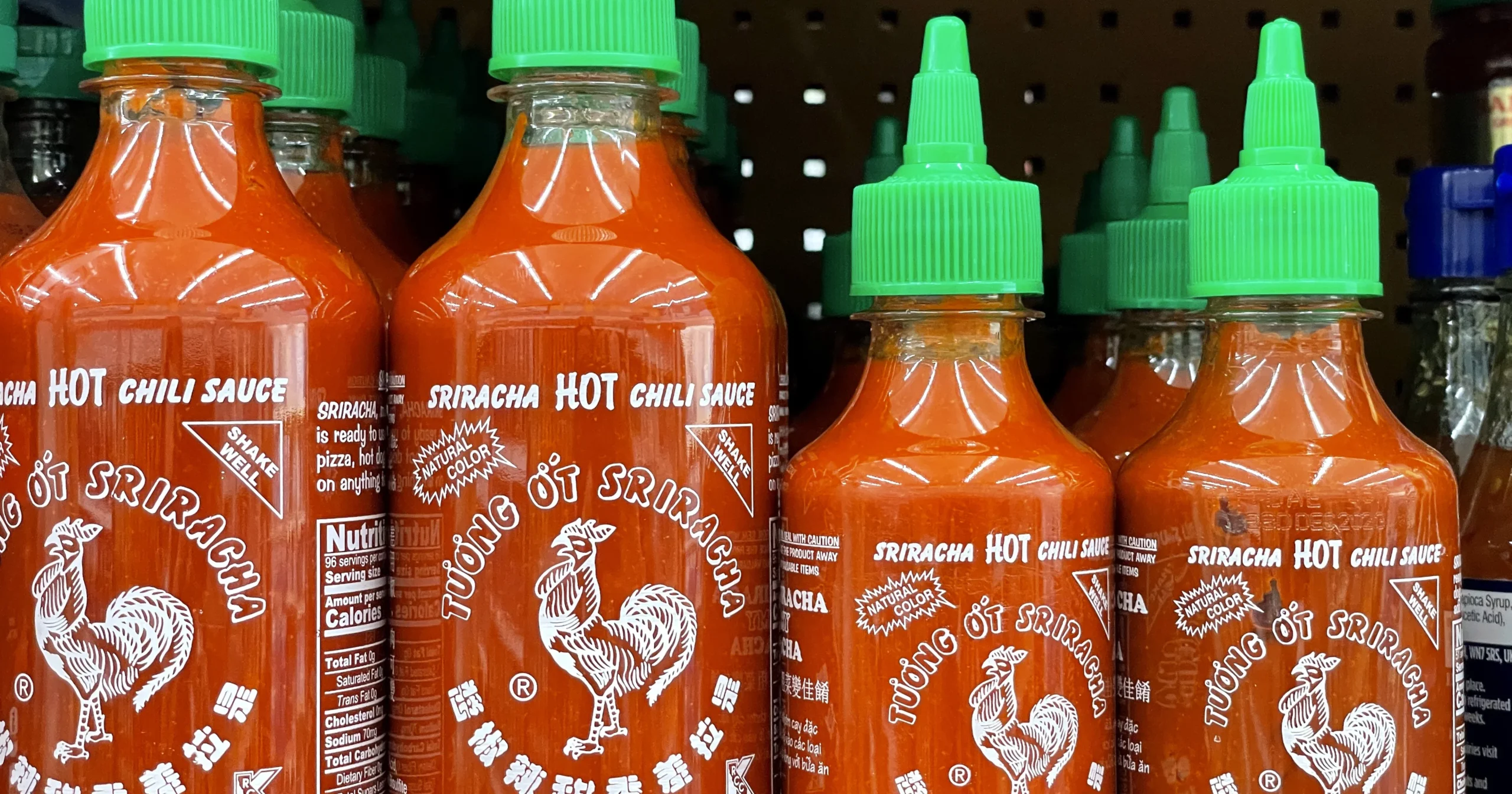
Sriracha is a hot sauce made from chili peppers, vinegar, garlic, sugar, and salt, creating a balanced heat with garlicky undertones.
The most famous version, Huy Fong Foods’ “rooster sauce,” has become a cultural phenomenon, but various brands offer different heat levels and flavor profiles. Unlike some hot sauces that focus purely on heat, sriracha provides complexity with its garlic-forward flavor and slight sweetness.
Squeeze sriracha onto noodle dishes, stir it into soups and stews, or mix it with mayonnaise for a spicy sandwich spread. It’s excellent in marinades for grilled meats, as a pizza topping, or stirred into scrambled eggs.
Many cooks use sriracha to add heat to salad dressings, dipping sauces, or even in Bloody Mary cocktails. The sauce’s versatility means it works with everything from Asian dishes to Mexican food to American comfort food.
Mustard Sauce
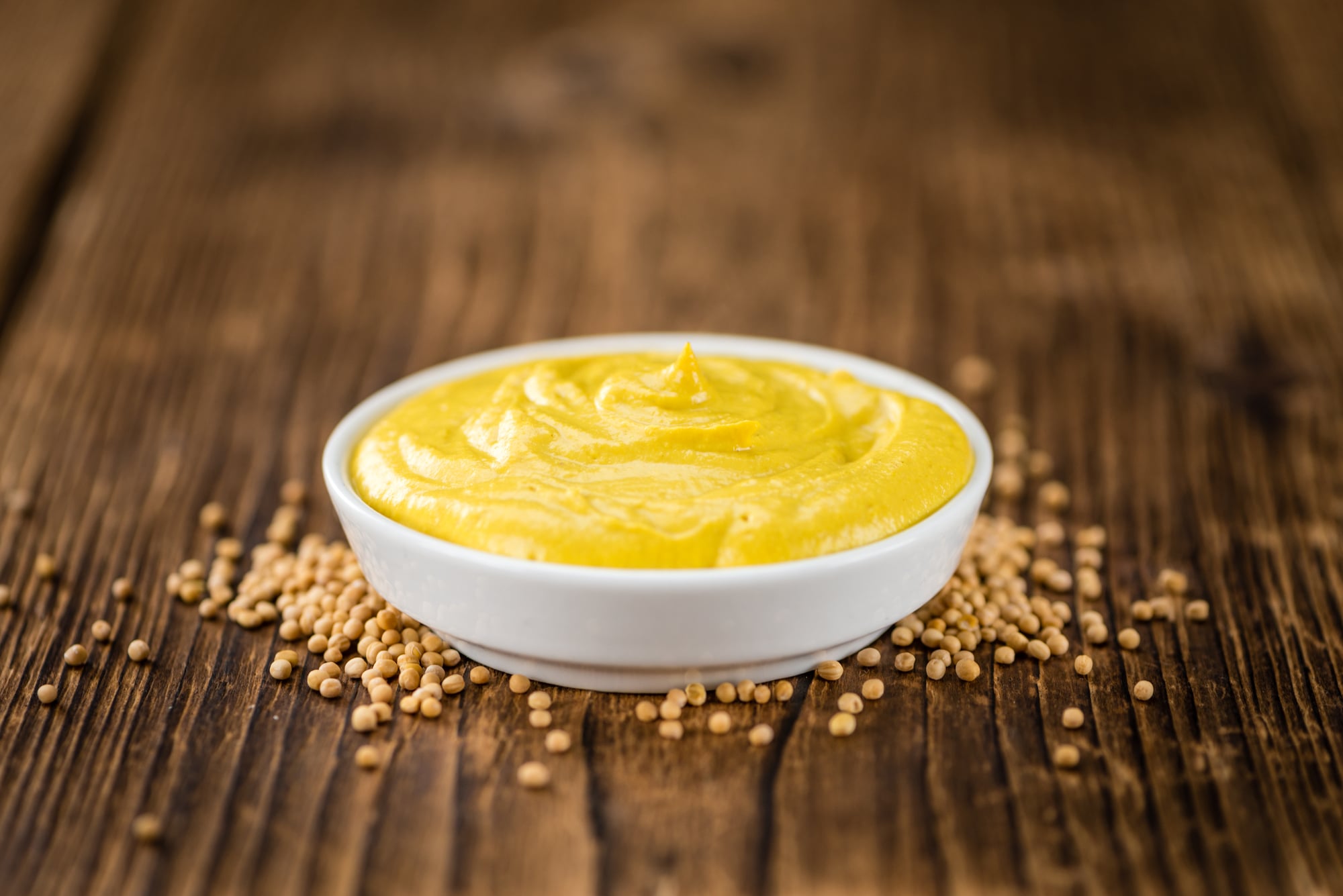
Mustard sauce encompasses a wide range of preparations, from simple Dijon mustard thinned with cream to complex French mustard sauces enriched with white wine and herbs.
The base is always mustard—whether yellow, Dijon, whole grain, or spicy brown—which provides a sharp, tangy flavor with varying levels of heat. Mustard sauces can be smooth and creamy or chunky with visible mustard seeds, depending on the style.
Serve mustard sauce with pork chops, ham, sausages, or roasted chicken for classic pairings. It’s also excellent with salmon, as a dipping sauce for pretzels, or as a spread for sandwiches and burgers.
Try making a honey-mustard variation for chicken tenders, or a creamy Dijon sauce for vegetables. Mustard sauce also works well in salad dressings and as a glaze for roasted vegetables like Brussels sprouts or carrots.
Pro Tip: Don’t boil mustard sauces—high heat can make mustard taste bitter. Add mustard at the end of cooking or keep the sauce at a gentle simmer to preserve its bright, tangy flavor.
Mayonnaise
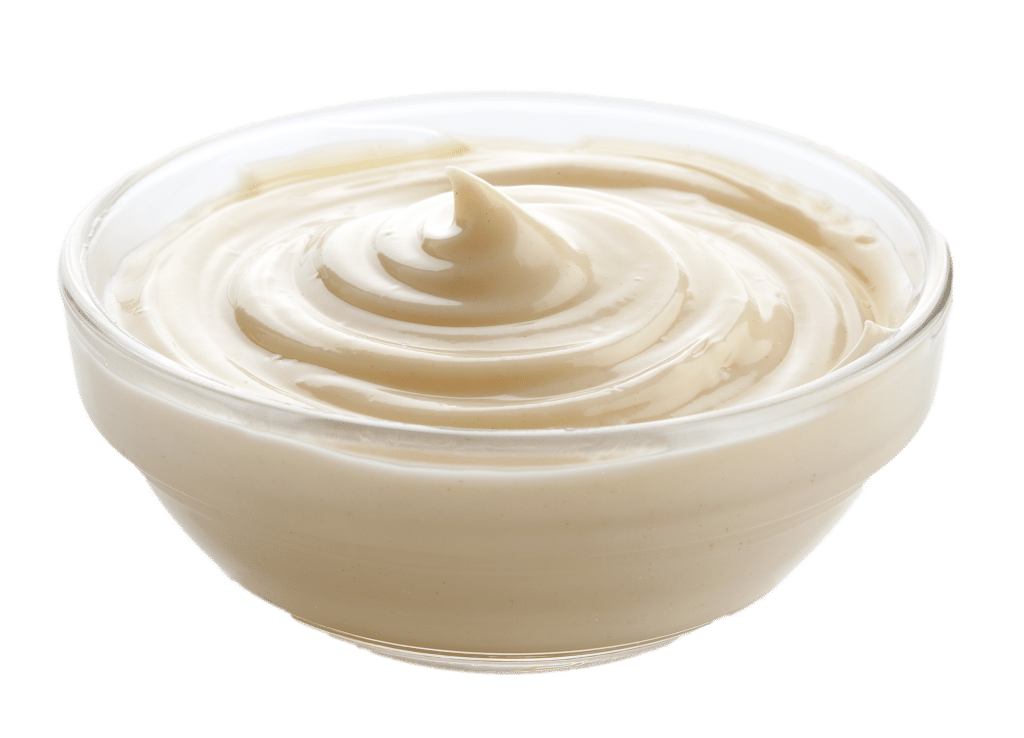
Mayonnaise is an emulsified sauce made by slowly whisking oil into egg yolks and acid (lemon juice or vinegar) until it forms a thick, creamy condiment.
This cold sauce is one of the most versatile in any kitchen, serving as both a standalone condiment and a base for countless derivative sauces. The key to successful mayonnaise is patience—adding the oil too quickly breaks the emulsion, resulting in a separated, oily mess.
Use mayonnaise as a sandwich spread, a base for coleslaw and potato salad, or as a binder for tuna and chicken salad. It’s also the foundation for tartar sauce, aioli, remoulade, and countless other flavored mayonnaises.
Try mixing mayonnaise with herbs and spices for dipping sauces, or use it as a moisture-adding ingredient in baked goods like chocolate cake. Mayonnaise can even be used as a coating for grilled cheese sandwiches instead of butter.
Tartar Sauce
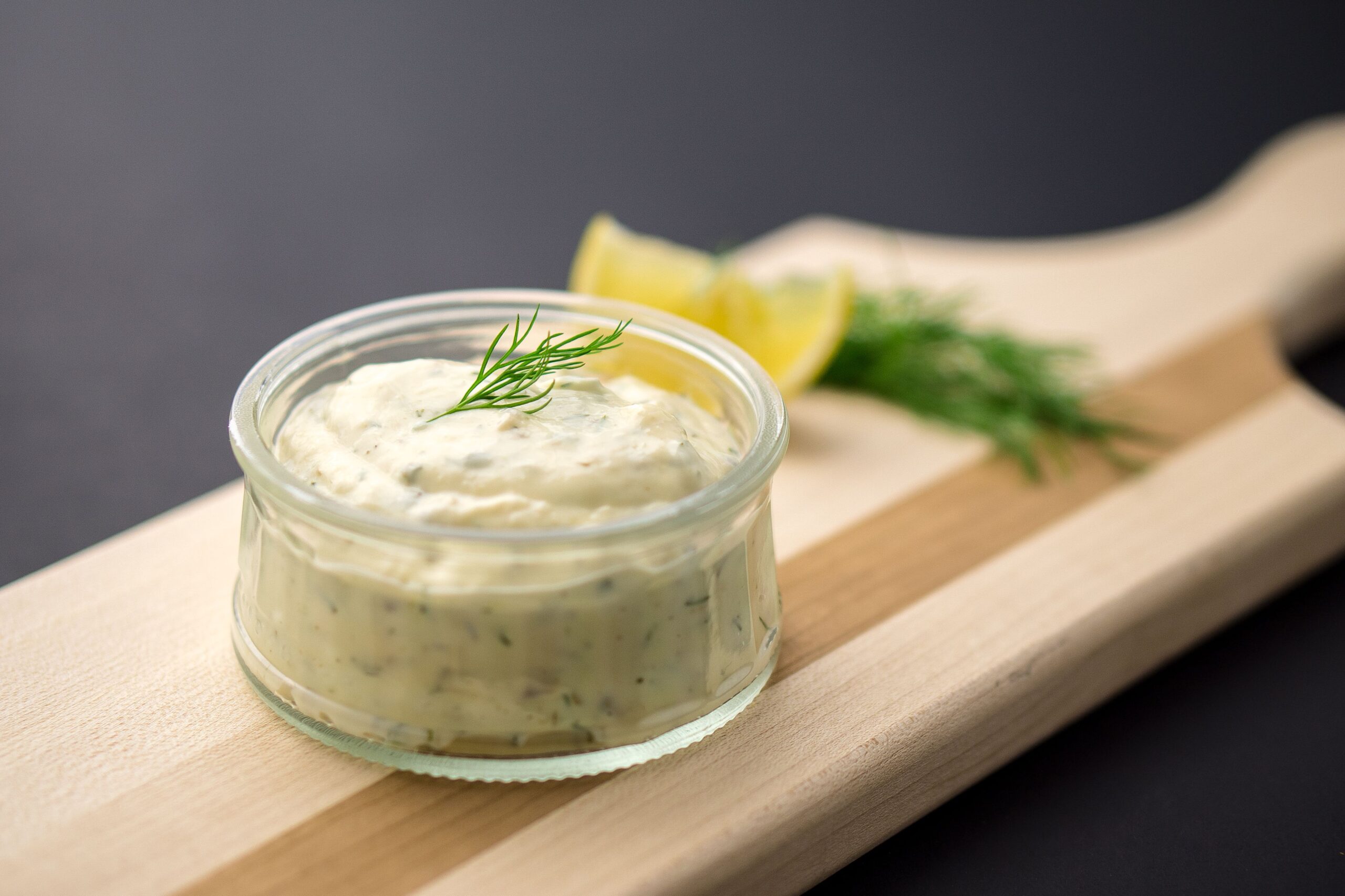
Tartar sauce is a mayonnaise-based condiment mixed with pickles, capers, herbs, and lemon juice, creating a tangy, creamy sauce with a slightly chunky texture. The pickles and capers provide briny, acidic notes that cut through rich, fried foods beautifully.
While store-bought versions are convenient, homemade tartar sauce allows you to control the texture and flavor balance, making it as chunky or smooth as you prefer.
Tartar sauce is the classic accompaniment for fried fish, particularly fish and chips, fish sandwiches, and fried seafood platters. It also pairs well with crab cakes, salmon patties, and grilled fish.
Beyond seafood, try using tartar sauce as a spread for sandwiches, a dip for French fries or onion rings, or as a topping for baked potatoes. The sauce’s tangy creaminess complements anything fried or grilled.
Tomato Sauce
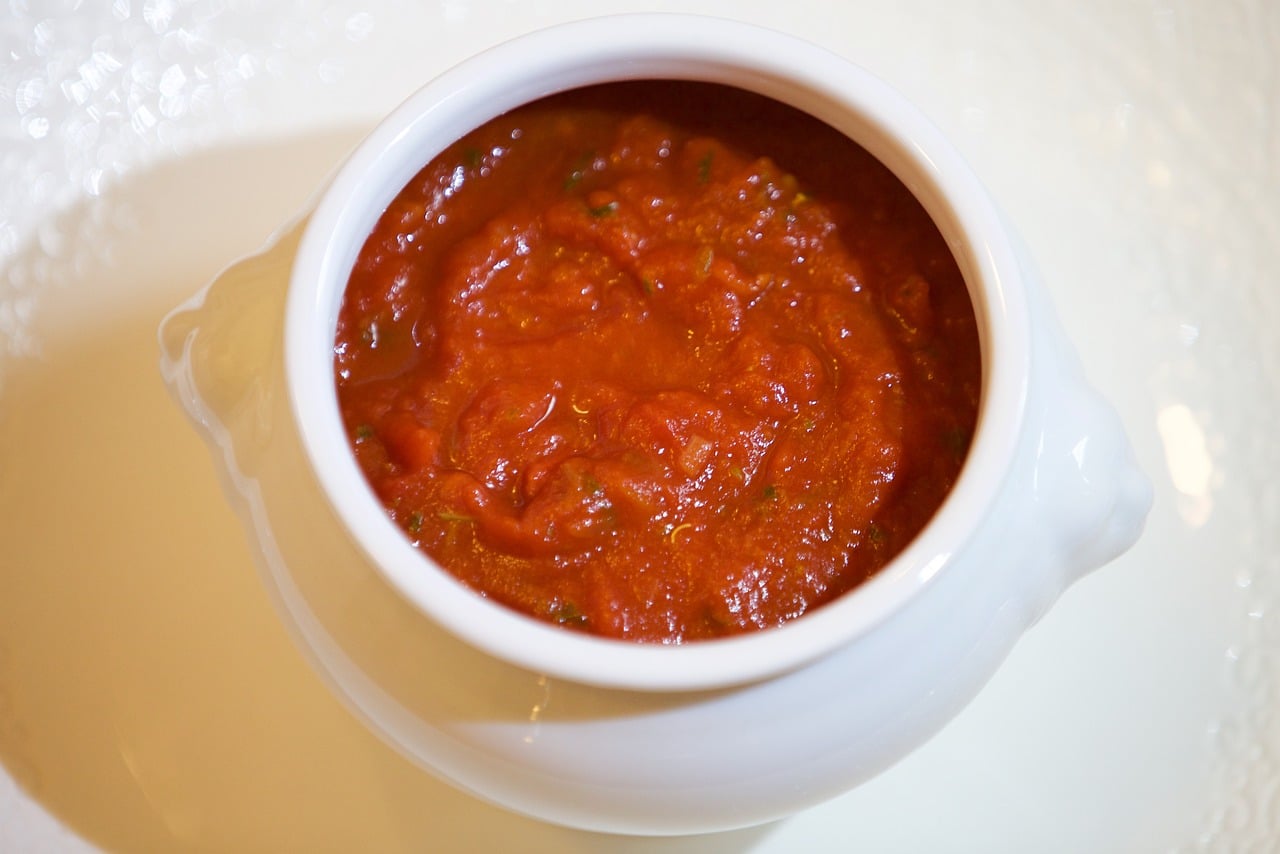
Tomato sauce is a broad category encompassing any sauce made primarily from tomatoes, ranging from simple crushed tomato preparations to complex cooked sauces with aromatics and herbs.
Basic tomato sauce typically includes tomatoes, garlic, onions, olive oil, and herbs like basil or oregano, simmered until the flavors meld. The sauce can be smooth or chunky, depending on whether you blend it or leave the tomatoes in larger pieces.
Use tomato sauce as a base for pizza, a topping for pasta, or a braising liquid for meatballs and chicken. It works well in lasagna, baked ziti, and other casseroles, or as a dipping sauce for mozzarella sticks and breadsticks.
Tomato sauce also serves as a foundation for shakshuka, a base for minestrone soup, or a sauce for stuffed peppers. The versatility of tomato sauce makes it one of the most important sauces to master.
Key Insight: San Marzano tomatoes from Italy are prized for tomato sauce due to their sweet flavor, low acidity, and minimal seeds. Look for DOP certification for authentic San Marzanos.
Marinara Sauce
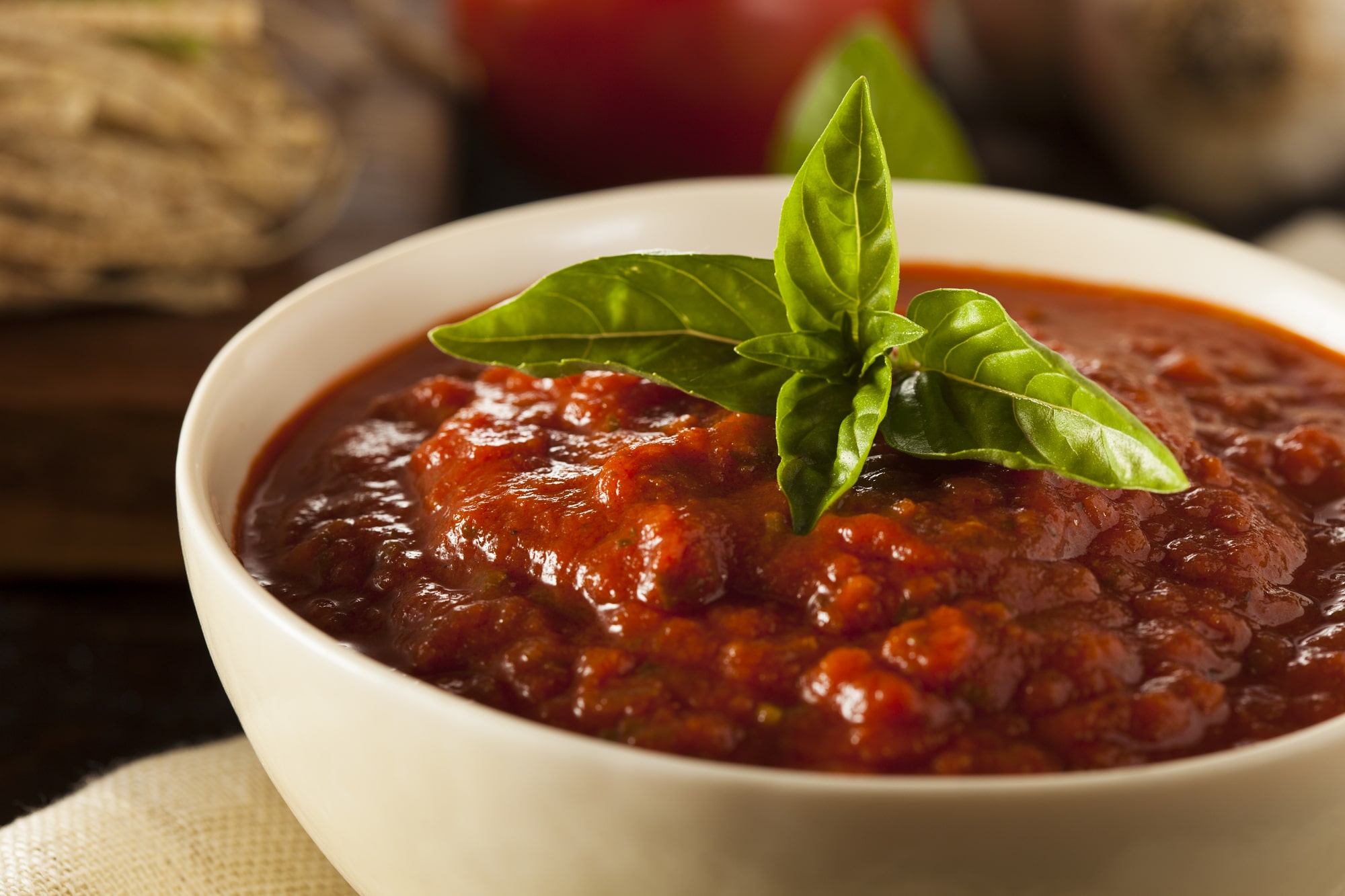
Marinara sauce is a specific type of Italian tomato sauce characterized by its quick cooking time and simple ingredients. Unlike long-simmered tomato sauces, marinara cooks for just 20-30 minutes, preserving the bright, fresh flavor of tomatoes.
The classic recipe includes tomatoes, garlic, olive oil, and fresh basil, with some variations adding oregano or red pepper flakes. The name “marinara” comes from Italian sailors who needed a sauce that could be prepared quickly.
Serve marinara sauce with spaghetti or other pasta shapes, use it as a pizza sauce, or as a dipping sauce for garlic bread and mozzarella sticks. It’s excellent in chicken parmesan, eggplant parmesan, or as a base for seafood fra diavolo.
The sauce also works well for shakshuka, as a topping for bruschetta, or stirred into minestrone soup. Because marinara is so quick to make, it’s perfect for weeknight dinners when you need a flavorful sauce in minutes .
Taco Sauce
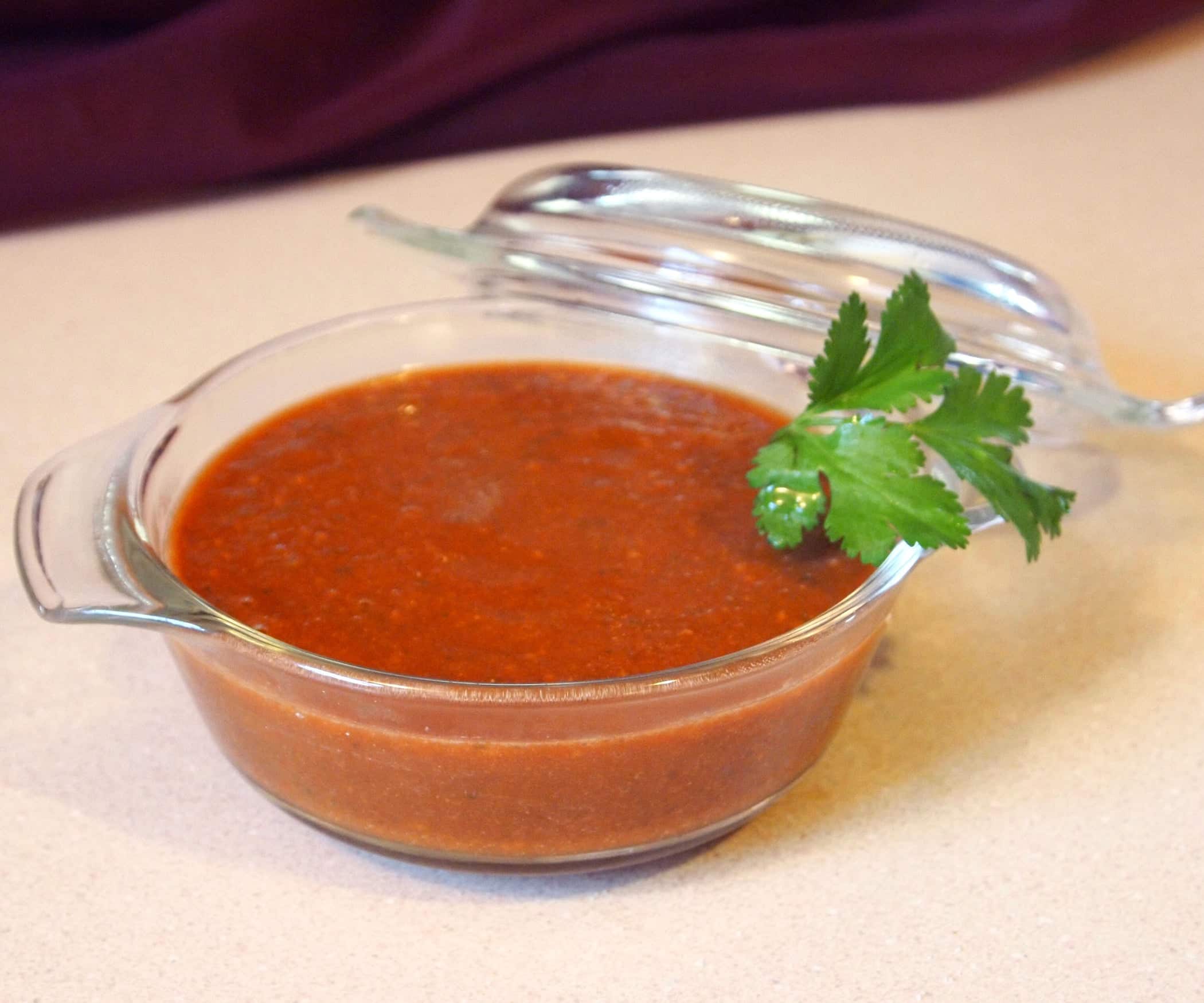
Taco sauce is a Mexican-American condiment featuring tomatoes, vinegar, chili peppers, and spices like cumin and garlic powder. The sauce typically has a thinner consistency than salsa, making it easy to drizzle or squeeze onto tacos and other dishes.
Commercial taco sauces range from mild to hot, with flavor profiles that balance tanginess, heat, and subtle sweetness. Homemade versions allow you to control the spice level and avoid the preservatives found in bottled varieties.
Beyond tacos, use this versatile sauce on burritos, enchiladas, quesadillas, or nachos. It makes a great addition to scrambled eggs, a topping for baked potatoes, or a flavor enhancer for ground beef or chicken.
Try mixing taco sauce with sour cream for a quick dip, using it as a marinade for grilled chicken, or adding it to soups and chili for extra depth. The sauce also works well as a condiment for burgers and hot dogs when you want a tangy, spicy kick.
Béchamel Sauce
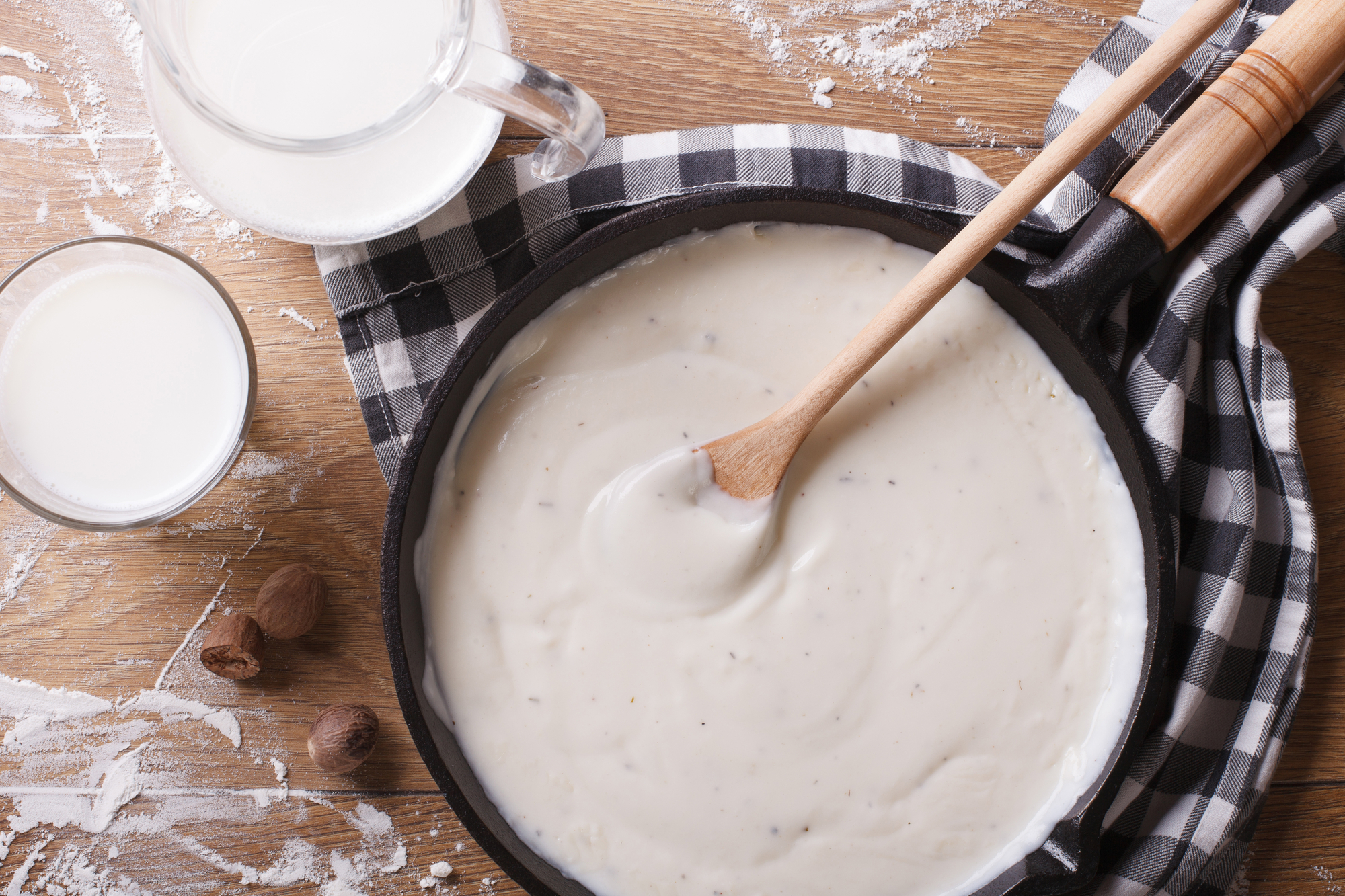
Béchamel is one of the five French mother sauces, made by thickening milk with a white roux (butter and flour cooked together). This creamy white sauce has a subtle, milky flavor that serves as a blank canvas for other ingredients.
The key to smooth béchamel is cooking the roux properly to eliminate the raw flour taste, then gradually adding warm milk while whisking constantly to prevent lumps. The sauce should coat the back of a spoon when properly thickened.
Use béchamel as the base for macaroni and cheese, lasagna, or moussaka. It’s essential in croque monsieur sandwiches and serves as the foundation for gratins and creamy casseroles.
You can enhance basic béchamel with cheese (creating Mornay sauce), mustard, nutmeg, or herbs to create countless variations. The sauce also works well in soups, as a base for creamed vegetables, or as a binding sauce for croquettes and stuffed pasta.
Velouté Sauce
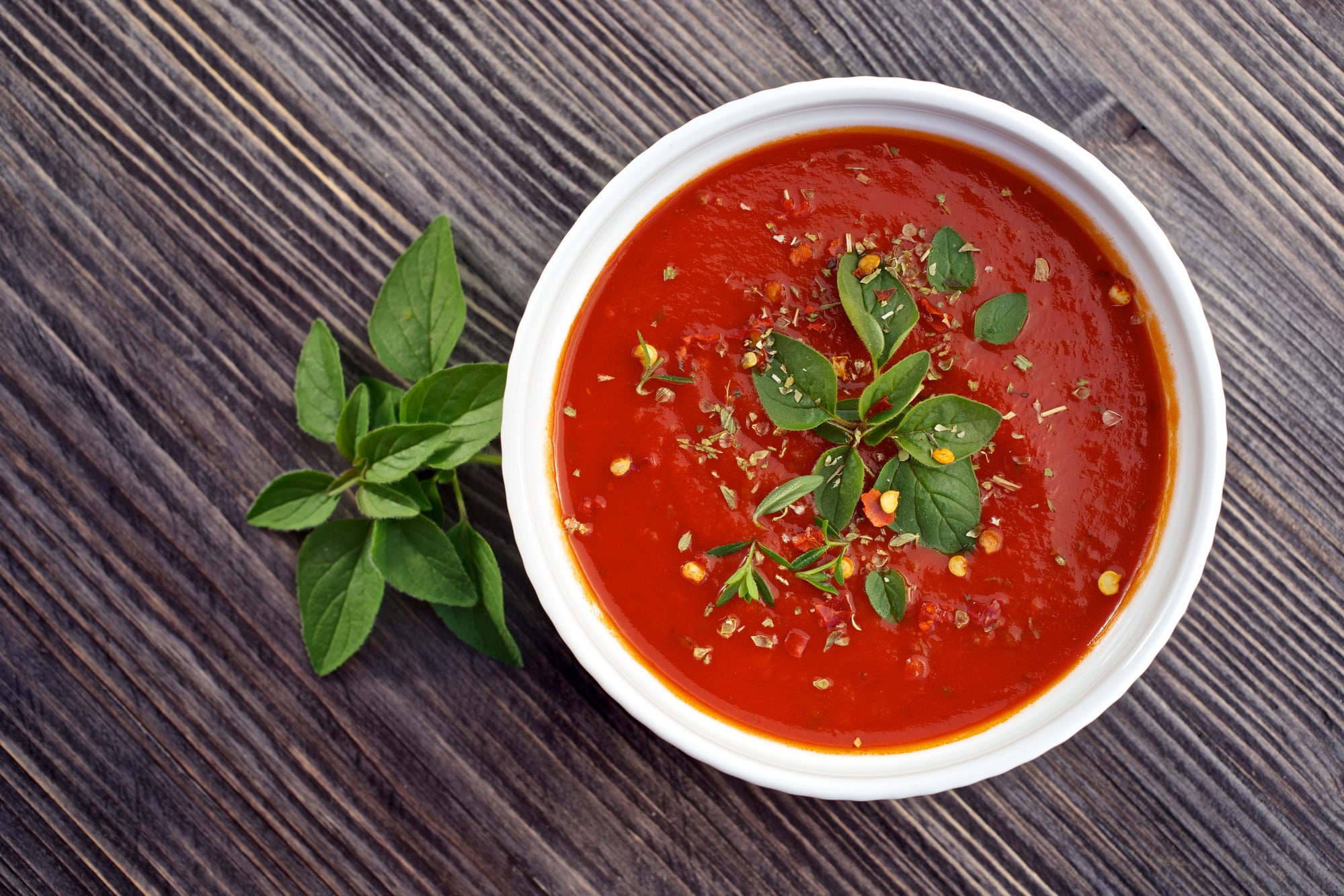
Velouté is another French mother sauce, similar to béchamel but made with light stock (chicken, fish, or veal) instead of milk. The name means “velvety” in French, referring to the sauce’s smooth, silky texture.
Like béchamel, velouté starts with a roux, but the stock base gives it a more savory flavor profile that pairs better with meats and seafood. The sauce should be smooth and glossy, with a consistency that coats food without being too thick or too thin.
Serve velouté with poached chicken, fish, or veal for classic French preparations. It’s the base for several derivative sauces including allemande (enriched with egg yolks and cream), suprême (made with chicken stock and cream), and sauce vin blanc (made with fish stock and white wine).
Use velouté in pot pies, as a sauce for vegetables, or as a base for cream soups. The sauce’s neutral flavor makes it incredibly versatile for both elegant and everyday dishes.
Common Mistake: Using cold stock when making velouté creates lumps and uneven thickening. Always warm your stock before adding it to the roux for a perfectly smooth sauce.
Soy Sauce
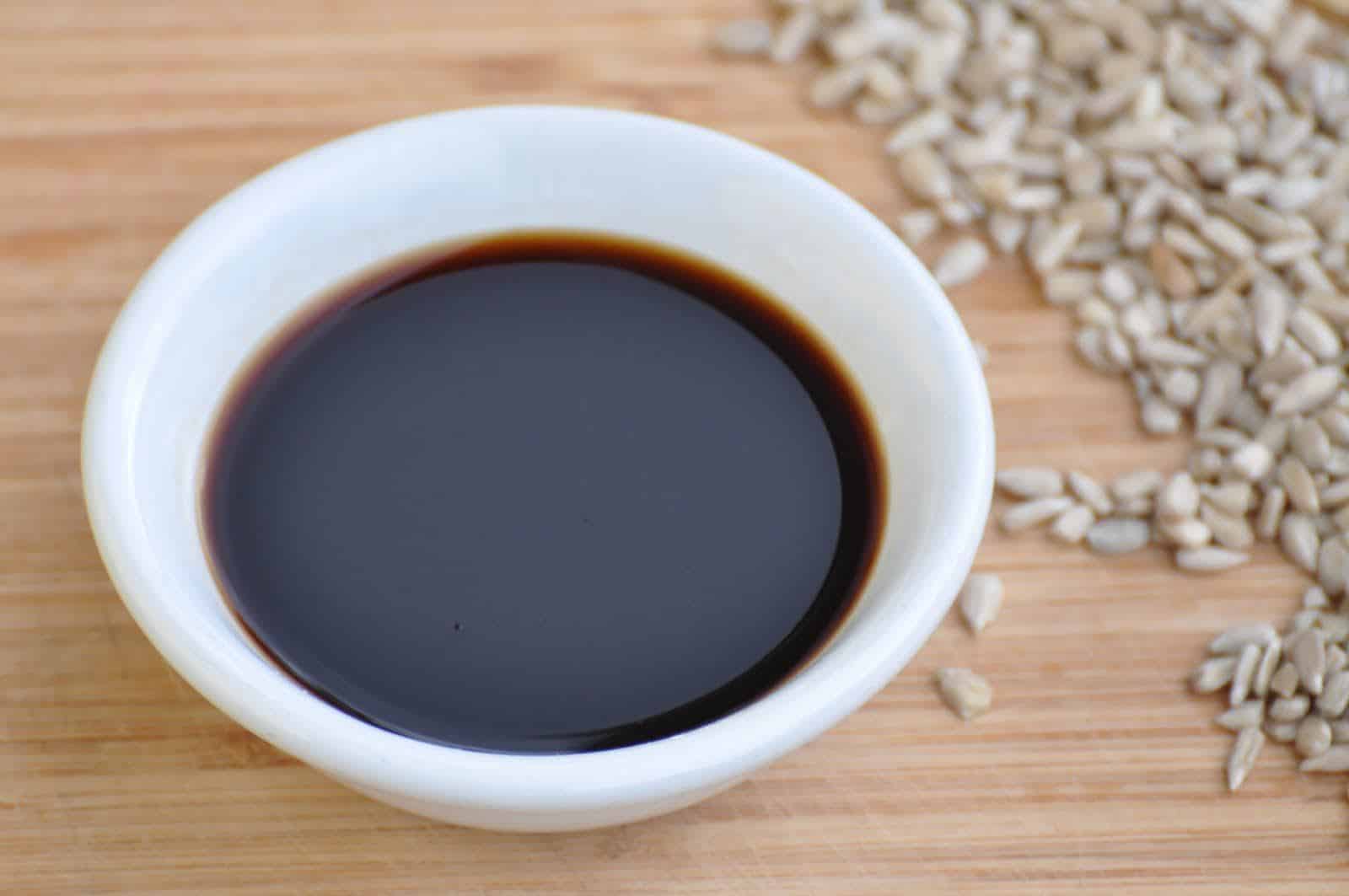
Soy sauce is a fermented liquid condiment made from soybeans, wheat, salt, and water, aged for months or even years to develop complex umami flavor. Originating in China over 2,000 years ago, soy sauce has become essential in Asian cuisines and popular worldwide.
Different varieties include light soy sauce (thinner and saltier), dark soy sauce (thicker with a hint of sweetness), and tamari (wheat-free). The fermentation process creates hundreds of flavor compounds that add depth to dishes.
Use soy sauce in stir-fries, fried rice, and noodle dishes as a primary seasoning. It’s excellent in marinades for grilled meats, as a dipping sauce for sushi and dumplings, or mixed into salad dressings.
Add a splash to soups, stews, and braised dishes to enhance savory notes. Soy sauce also works well in non-Asian applications—try it in mushroom dishes, as a seasoning for roasted vegetables, or even in caramel sauce for a sweet-savory twist .
Cocktail Sauce
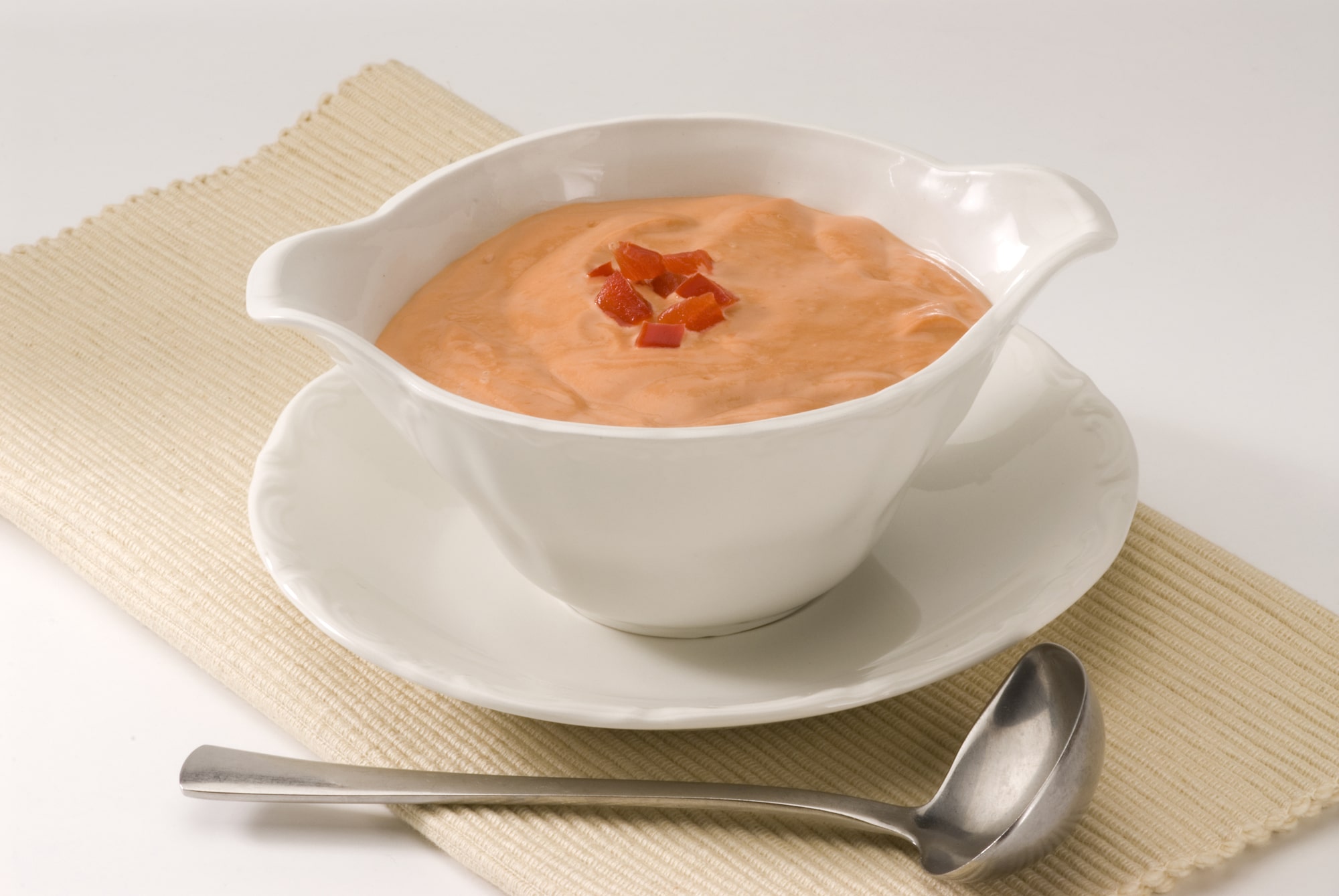
Cocktail sauce is a zesty condiment combining ketchup (or chili sauce) with horseradish, lemon juice, Worcestershire sauce, and hot sauce. The result is a tangy, spicy sauce with a bright red color and a kick that cuts through rich seafood.
The horseradish provides a sharp, sinus-clearing heat that’s different from chili pepper heat—it’s intense but dissipates quickly. The balance between sweet ketchup and sharp horseradish is what makes cocktail sauce so appealing.
Cocktail sauce is the classic accompaniment for shrimp cocktail, oysters, and other raw or steamed shellfish. It also pairs well with fried calamari, crab cakes, and fish sticks.
Beyond seafood, try using cocktail sauce as a spread for seafood sandwiches, a topping for baked potatoes, or mixed into Bloody Mary cocktails for extra kick. Some people even enjoy it as a dipping sauce for French fries or onion rings when they want something tangier than ketchup.
Barbecue Sauce
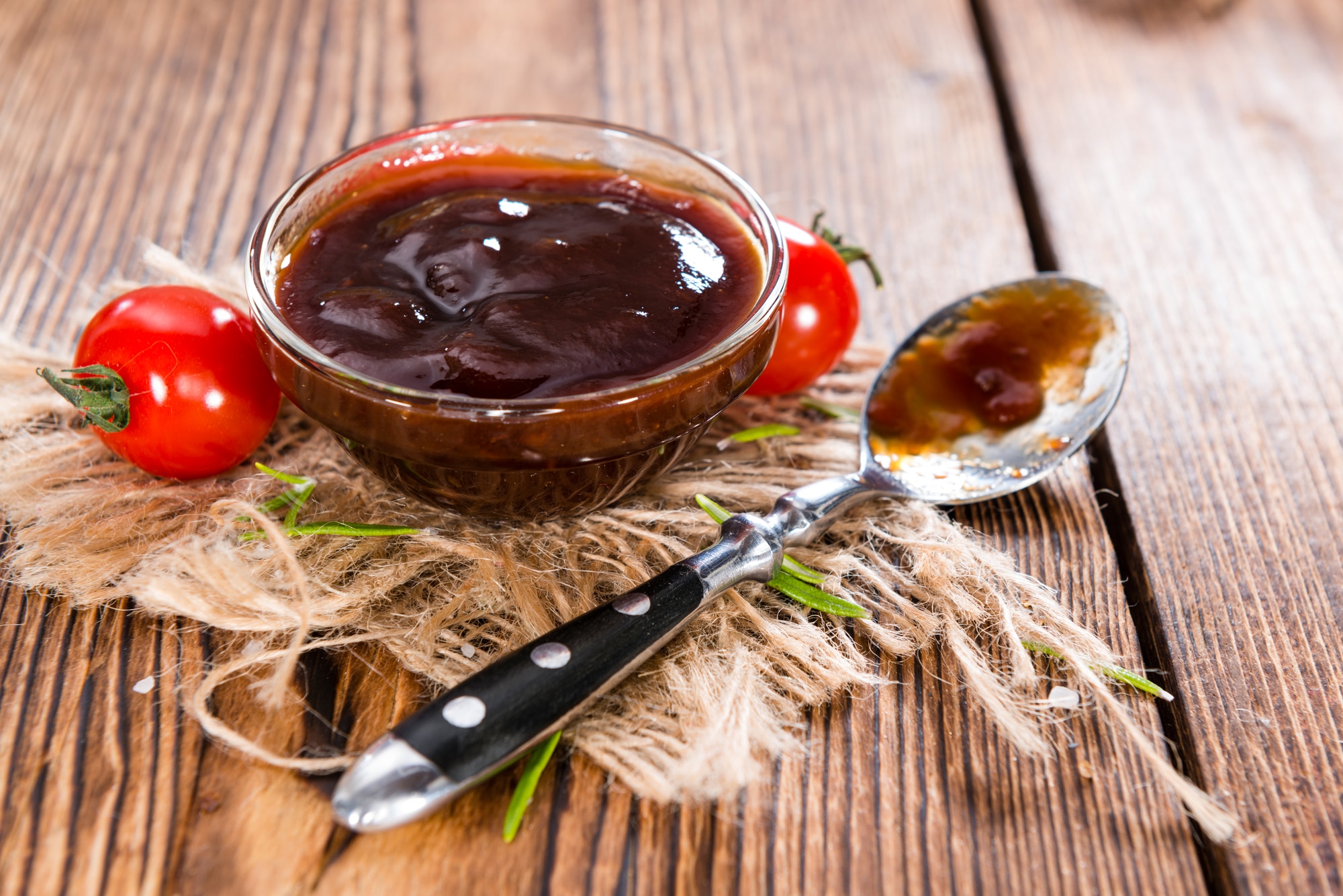
Barbecue sauce is a complex condiment with regional variations across America, but most versions combine tomatoes, vinegar, sweeteners, and spices into a thick, flavorful sauce.
Kansas City-style is thick and sweet with molasses, Carolina-style is vinegar-based and tangy, Texas-style emphasizes spices and smoke, and Alabama white sauce uses mayonnaise as a base. The sauce can be applied during cooking as a glaze or served on the side as a condiment.
Brush barbecue sauce on ribs, chicken, or pork during the last few minutes of grilling to create a caramelized glaze. Use it as a marinade for meats before cooking, mix it into pulled pork or shredded chicken, or serve it as a dipping sauce for chicken tenders and fries.
Barbecue sauce also works well mixed into baked beans, as a pizza sauce, stirred into mac and cheese, or as a glaze for meatloaf. The sauce’s versatility makes it a year-round staple beyond summer grilling season.
It’s great that you pointed out how sauces are an important part of most meals and make or break how good the dish turns out to be. I think our food has been quite boring lately, so I think we should get some sauces to make things different. First off, I’ll try to buy chimichurri sauce online later.