
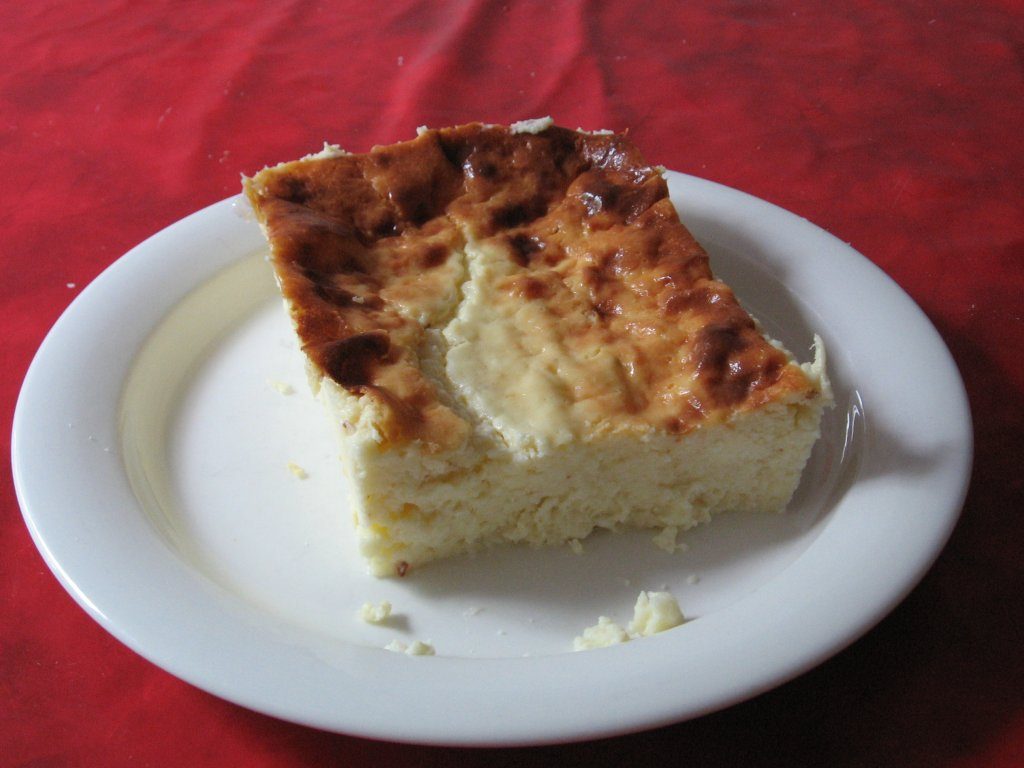
No-bake cheesecake is one of those desserts that looks impressive but comes together with surprisingly little effort — no oven, no water bath, no cracked tops. Whether you made one for a summer cookout, a holiday gathering, or just because you had cream cheese to use up, there is a good chance you ended up with more than you could eat in a day or two.
So the obvious question is: can you freeze it? The short answer is yes, but there are some real trade-offs to understand before you wrap it up and slide it to the back of the freezer. This guide walks you through everything — from how freezing affects the texture to the exact steps for doing it right, how long it keeps, and how to tell when it has gone bad.
Can You Freeze No-Bake Cheesecake?
You can freeze no-bake cheesecake to enjoy at a later time. That said, the ingredients in a typical no-bake cheesecake make freezing tricky, and the no-bake variety can suffer from texture changes when frozen. It is doable — just go in with realistic expectations.
A no-bake cheesecake must be kept chilled at all times, because the cheese can spoil if left at room temperature. Even unfrozen or never-frozen cheesecake should be kept in the refrigerator to be safe.
One important rule before you freeze: do not freeze no-bake cheesecake to set it — you really need to use the refrigerator for that step. Only freeze it once it has already fully set in the fridge and you want to preserve it for later.
Pro Tip: Recipes that use cream cheese as the primary base tend to freeze better than those built around ricotta or another soft cheese. According to Baking Kneads , cream cheese holds up more reliably in the freezer than other soft cheeses, which can turn grainy when thawed.
Does Freezing Change the Texture or Taste of No-Bake Cheesecake?
While freezing keeps the flavors of the cheesecake intact, the texture could have slight changes once thawed. The creamy texture can become slightly denser, and there could be some moisture loss, resulting in a firmer consistency.
Whipped cream and gelatin do not always hold up in the freezer and can result in grainy or icy cheesecake when thawed. Any ice crystals that form can make the treat denser and overly moist. This is why the recipe you use matters as much as how you freeze it.
Cheesecakes with less whipped cream or gelatin tend to hold up better in the freezer. Those that incorporate ingredients like Cool Whip, sour cream, or mascarpone might also freeze more successfully since these ingredients are generally more stable when frozen.
On the flavor side, the good news is that freezing does not strip the taste. If your cheesecake tasted good going into the freezer, there is a solid chance it will taste good when removed if stored properly. The bigger risk is always texture, not flavor.
How to Freeze No-Bake Cheesecake the Right Way
Proper technique makes the difference between a cheesecake that thaws beautifully and one that turns watery and grainy. Follow these steps in order.
- Make sure the cheesecake is fully set. Before you can freeze cheesecake, you must let it fully set and chill in the fridge overnight. If you are making a no-bake cheesecake, make sure it is chilled long enough to fully set.
- Pre-freeze briefly to firm it up. No-bake cheesecakes can be frozen in the same way as baked ones, but because their texture is softer, it helps to freeze the whole cake or slices unwrapped for about 30 minutes first to firm it up, then wrap tightly.
- Decide: whole cake or individual slices. Consider slicing it into individual portions before freezing, so you can thaw only what you need at a time. Slices also thaw faster, which is convenient for weeknight cravings.
- Wrap tightly to keep air out. To keep air out and prevent freezer burn, wrap the cheesecake tightly in a couple of layers of plastic wrap, followed by a layer of aluminum foil.
- Add a final layer of protection. For extra protection, especially if you are planning to store your cheesecake for more than a week, add a second layer of aluminum foil or place the wrapped cheesecake in a freezer-safe bag or airtight container.
- Label and date the package. Label the cheesecake with the date so you know how long it has been frozen. This small step saves you from guessing later.
- Store flat in the coldest part of the freezer. Place the wrapped cheesecake in the coldest part of the freezer, ensuring it sits flat to maintain its shape. Aim for a consistent 0°F (-18°C).
Pro Tip: Remove any fresh fruit toppings, whipped cream, or sauces before freezing. According to Tasting Table , fresh fruits like berries and peaches have high water content and usually do not defrost well — they turn mushy and watery. Add toppings fresh after thawing instead.
How Long Can You Freeze No-Bake Cheesecake?
No-bake cheesecake freezes wonderfully for up to 3 months. However, most food storage experts recommend erring on the shorter end for the best quality. The longer you keep it frozen, the worse the quality will be, so you will want to thaw it within about two months.
| Storage Method | Recommended Time | Quality Notes |
|---|---|---|
| Refrigerator (unfrozen) | 3–5 days | Best texture and flavor; consume promptly |
| Freezer (whole cake) | Up to 2–3 months | Good quality within 2 months; texture may shift after |
| Freezer (individual slices) | Up to 2–3 months | Faster thawing; easier portion control |
| After thawing (refrigerator) | 2–3 days | Consume quickly; do not refreeze |
In the refrigerator without freezing, no-bake cheesecake is best consumed within 3 to 5 days. If you know you will not finish it in that window, freeze it sooner rather than later. Your best bet is to freeze your cheesecake as soon as possible so it tastes nice and fresh after it is defrosted.
How to Thaw Frozen No-Bake Cheesecake
Thawing is just as important as freezing. Rushing the process can ruin the texture you worked hard to preserve.
The best — and safest — way to thaw a frozen cheesecake is overnight in the refrigerator. Thaw in the refrigerator for about 8 hours, then slice and serve. For individual slices, the process is faster — usually 4 to 6 hours.
Do not thaw no-bake cheesecake on the counter or at room temperature. The change in temperature will be too fast and dramatic, accelerating chemical reactions and impacting the quality of the cake. Room temperature defrosting will be uneven — sections of the cheesecake, particularly the center, will still be frozen while others are thawed and soft — and the taste and texture will lose quality as well.
Counter defrosting can also be dangerous. Remember that unless you made a vegan option, there is cheese in your cheesecake. Dairy left at room temperature for more than two hours enters the food safety danger zone.
Pro Tip: Once your cheesecake is fully thawed, it is time to add any toppings, including melted chocolate, a fruity sauce, sour cream, whipped cream, or chunks of candy. Adding these after thawing keeps them fresh and prevents a soggy, watery finish.
Can You Refreeze No-Bake Cheesecake After Thawing?
This is one area where there is a clear right answer: avoid it whenever you can. You should never thaw and then refreeze a cheesecake of any kind. Every time you do so, the overall quality will deteriorate, and the texture especially will become mealy and unpleasant. Instead, consider freezing desserts in individually wrapped containers and thawing them one at a time when you and your guests are ready to enjoy them.
This is exactly why slicing before you freeze is such a smart move. If you freeze individual portions, you only thaw what you need and never have to worry about refreezing a half-eaten slice. Consume thawed cheesecake within 2 to 3 days for optimal taste and texture.
Thinking about smart food storage and preservation? You might also enjoy reading about whole plant-based foods and how they store well for long-term meal planning.
How to Use Frozen No-Bake Cheesecake (Best Uses After Freezing)
Once your cheesecake has thawed, you have more options than just slicing and serving it as-is. The slightly denser texture that comes from freezing can actually work in your favor in certain preparations.
- Serve chilled as individual slices. Thawed no-bake cheesecake slices hold their shape well and are easy to plate. Top with fresh strawberries, blueberries, or a drizzle of caramel sauce to refresh the presentation.
- Crumble into a parfait. If the texture has softened a bit more than you would like, break the cheesecake into chunks and layer it with granola, fresh berries, and whipped cream in a glass for a crowd-pleasing parfait.
- Use as a dessert dip base. Thawed cheesecake filling (without the crust) can be whipped briefly and served as a dip alongside graham crackers, pretzels, or sliced fruit.
- Blend into a milkshake. A slice of thawed no-bake cheesecake blended with milk and a scoop of vanilla ice cream makes a rich, creamy shake — a great way to use a piece that did not thaw perfectly.
- Top with fresh fruit right before serving. If your recipe includes a topping or garnish, it is best to add that after freezing and thawing your cheesecake. Freshly sliced peaches, raspberries, or a lemon curd drizzle bring the dessert back to life.
For more ideas on foods that pair well with dairy-rich desserts, check out this guide to foods for healthy skin — many of the antioxidant-rich fruits that top cheesecakes also support skin health.
Signs That Frozen No-Bake Cheesecake Has Gone Bad
Even in the freezer, no-bake cheesecake does not last forever. Knowing what to look for before you serve it protects you and your guests from a bad experience — or worse, a foodborne illness.
Mold is a clear sign of spoilage. Look for fuzzy spots in green, blue, or white colors on the surface. Discoloration is another red flag — fresh cheesecake should have a consistent color throughout, and brown edges developing on the cake indicate the beginning stages of spoilage.
Texture and flavor changes are often the first signs of spoilage. A cheesecake that has been stored too long may develop an off odor or a slimy surface, both red flags for bacterial contamination.
Here is a quick reference for what to check:
- Smell: If the cheesecake has a sour or unusual odor, it might be time to throw it away.
- Appearance: Look for discoloration or mold growth. Any noticeable changes in texture, like excessive moisture or separation, can indicate spoilage.
- Texture: A cheesecake that has gone bad may feel grainy or develop a slimy layer.
- Taste: If you suspect spoilage, taste a small portion. If it tastes sour, bitter, or off in any way, discard the entire cheesecake.
Important Note: Some pathogens, like Listeria, are odorless and invisible. Relying solely on sight and smell can be risky, especially for those at higher risk of foodborne illness. When in doubt, throw it out — especially for young children, pregnant women, and older adults.
Leaving cheesecake at room temperature is highly discouraged, as it increases the risk of bacterial growth. Cheesecake should only be left out for no more than 2 hours. This applies to thawed cheesecake as well as fresh.
If you are interested in learning more about how food choices affect your overall health, explore our articles on superfoods for a healthy heart and powerful nutrients and foods that fight cancer.
Frequently Asked Questions
Can You Freeze a Store-Bought No-Bake Cheesecake?
Yes. The same rules apply as for homemade versions. Make sure the cheesecake is fully set and chilled, remove any fresh toppings, wrap tightly in plastic wrap and foil, and freeze within the recommended window. Check the packaging for any specific manufacturer guidance, as some store-bought versions contain stabilizers that may affect how they freeze.
Can You Freeze No-Bake Cheesecake Before It Sets?
Do not freeze the cheesecake to set it — the filling will not slice properly and you will lose the velvet texture. Always let it set fully in the refrigerator first — at least 6 to 8 hours, and ideally overnight — before transferring it to the freezer for long-term storage.
How Long Does Thawed No-Bake Cheesecake Last in the Fridge?
Once you have thawed your cheesecake in the fridge, you have a 3 to 5-day window to savor it. Always store it in the fridge to keep it fresh and safe to eat. Most sources recommend consuming it within 2 to 3 days for the best quality.
Can You Freeze Mini No-Bake Cheesecakes?
Mini cheesecakes are easy to freeze. Once they have completely set in the fridge, arrange them on a baking sheet and freeze until solid. Then wrap each cheesecake individually in plastic wrap and store in an airtight container or freezer-safe bag. They thaw faster than a whole cake, making them a great make-ahead option for parties.
Does the Graham Cracker Crust Hold Up in the Freezer?
Generally, yes. The crust is thick, crunchy, and sets up beautifully. When properly wrapped, it holds its structure in the freezer reasonably well. The main risk is moisture from the filling softening the crust during thawing, which is why slow refrigerator thawing is always better than room-temperature thawing.
What Is the Best Way to Freeze Individual Slices?
To freeze individual slices, place them on a parchment-lined baking sheet and freeze for 1 hour or until frozen solid. Once firm, wrap each slice in plastic wrap. Then add a layer of aluminum foil or slide the wrapped slices into a freezer-safe zip-top bag for extra protection against freezer burn.