Can You Freeze Make-Ahead Potatoes? Everything You Need to Know

October 26, 2026
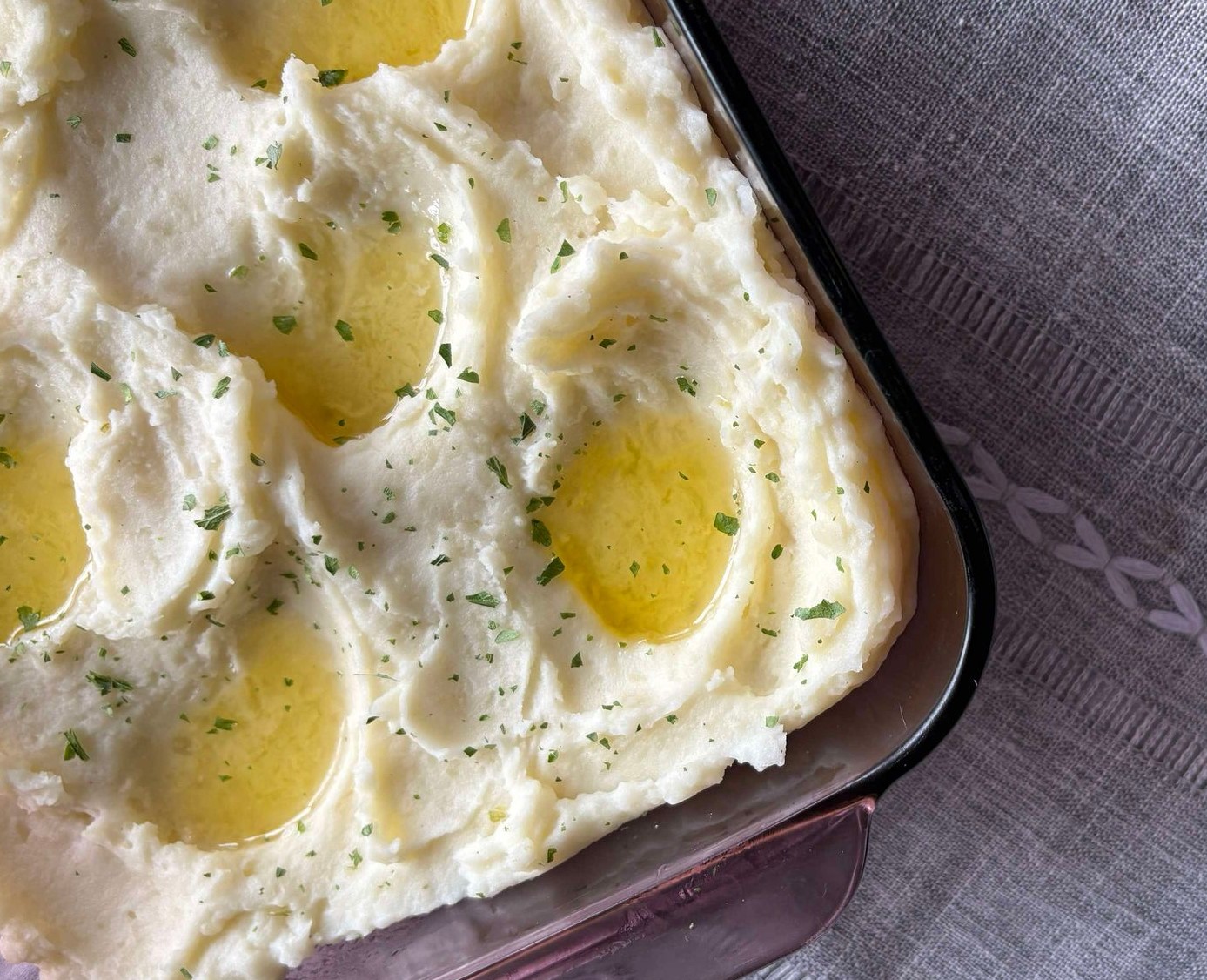
If you have ever prepped a big batch of mashed potatoes before Thanksgiving, doubled a potato casserole recipe, or just found yourself staring at a 10-pound bag you will never finish in time, the question is always the same: can you freeze make-ahead potatoes? The short answer is yes — but how you do it makes all the difference between creamy, satisfying results and a watery, grainy mess.
Freezing make-ahead potatoes is one of the smartest time-savers in the American home kitchen, especially heading into the holidays or a busy weeknight stretch. This guide walks you through exactly how to freeze them, how long they last, how to thaw and reheat them properly, and what to watch for if something has gone wrong.
Can You Freeze Make-Ahead Potatoes?
Yes, you can freeze potatoes, but they need a little preparation first. Because potatoes contain enzymes that affect their color, flavor, and texture, they should be partially cooked before freezing. This applies whether you are working with diced pieces, homemade fries, hash browns, or a full batch of mashed potatoes.
Mashed potatoes freeze very well and can be reheated later for an easy side dish. This is a great way to preserve leftover mashed potatoes or prepare them ahead for busy weeknights. For other potato forms — chunks, wedges, or shreds — a quick parboil before freezing is the key step most people skip.
You can technically freeze raw potatoes, but their texture may suffer when defrosted or cooked. Potatoes are 80% water, so the crystals that form during freezing and defrosting can burst their delicate cell walls, making them mushy or mealy. Save yourself the disappointment and always cook or blanch first.
Pro Tip: If you are freezing potatoes specifically for mashing later, choose Russet or Yukon Gold varieties. Their higher starch content and lower water content mean fewer ice crystals form during freezing, which helps them hold their texture better after reheating.
Does Freezing Change the Texture or Taste of Make-Ahead Potatoes?
Honest answer: yes, freezing does change potatoes somewhat — but the difference is manageable when you use the right technique. When exposed to the freezer’s harsh temperature, the mash’s flavor and texture can change significantly, with the potatoes losing their taste and often becoming surprisingly tough or even a little gritty.
The science behind it is straightforward. The liquid absorbed by the potatoes while cooking will form ice crystals when they are frozen. These ice crystals can then alter the texture of the potatoes and can cause them to become overly sloppy. For chunked or diced potatoes, parboiling before freezing deactivates the enzymes that cause this breakdown.
For mashed potatoes specifically, the fix is simple: if you know you are going to be freezing your mashed potatoes, you should add way more butter or cream than you normally would. Doing this keeps your mashed potatoes smooth and creamy while frozen, as the dairy fats encase the potatoes and protect them.
Mashed potato recipes made with broth, on the other hand, are best eaten straight away and not frozen. Broth adds moisture without any protective fat, and when it is frozen, it turns into ice crystals, which may ruin the texture of the potatoes.
The bottom line: frozen mashed potatoes will never be exactly the same as fresh, and the texture can change slightly. A good stir and an optional splash of milk or cream helps bring them back to life. For a weeknight dinner or holiday prep, they are absolutely worth it.
How to Freeze Make-Ahead Potatoes the Right Way
The method varies slightly depending on the form your potatoes are in, but the core principles stay the same: cook them partway, cool them fast, freeze them flat, and seal out the air.
Freezing Mashed Potatoes
Start by making mashed potatoes as you normally would. For the best texture after freezing, include plenty of butter and milk or cream. The added fat helps the potatoes maintain a smooth, creamy texture once reheated.
- Let the mashed potatoes cool completely, then package them into freezer bags or airtight containers in meal-sized portions. Leave about 1 inch of headspace to allow for expansion.
- Squeeze out as much air as possible before sealing the bag.
- Write the date and contents on each bag so you can use the oldest items first.
- Lay bags flat in the freezer so they freeze evenly and stack efficiently.
Freezing Diced, Chunked, or Wedge Potatoes
- Start with fresh potatoes that are firm and free of soft spots. Peel and cut the potatoes according to how you plan to use them later — slice into 1/4-inch-wide planks for french fries or cut into 1-inch chunks for mash or shepherd’s pie.
- Boil a large pot of unsalted water and add the prepared potatoes. Cook them until they are slightly tender but not falling apart — about 3–5 minutes for small cuts and 4–7 minutes for larger pieces.
- After parboiling, drop the potatoes into an ice bath to quickly stop the cooking process. Drain the potatoes in a colander, shaking off any excess water.
- Arrange the potatoes on a large baking sheet, making sure they are not touching each other. Place the sheet in your freezer for 6–12 hours or until the potatoes are frozen solid.
- Once frozen, transfer the potato pieces to an airtight container or plastic bag. They will last for up to three months.
Pro Tip: Never skip the flash-freeze step on the baking sheet. If you bag up diced potatoes before they are individually frozen, they will clump together into one solid block that is nearly impossible to portion later.
How Long Can You Freeze Make-Ahead Potatoes?
Storage time depends on the form of the potato and how well it was packaged. Here is a quick reference:
| Potato Form | Freezer Life (Quality) | Notes |
|---|---|---|
| Mashed potatoes | 2–3 months | Best with plenty of butter/cream added |
| Parboiled diced/chunks | Up to 3 months | Flash-freeze on a sheet pan first |
| Homemade french fries | Up to 3 months | Blanch before freezing; bake or air-fry from frozen |
| Shredded (hash browns) | Up to 3 months | Blanch and dry thoroughly before freezing |
| Fully cooked (any form) | Up to 12 months | Safety is fine; quality declines after 3 months |
Food kept frozen at 0°F (-18°C) or below is safe indefinitely. However, quality declines over time. For the best taste and texture, aim to use frozen cooked potatoes within about 2–3 months.
If you are planning further ahead, transfer the frozen potatoes into freezer bags, remove excess air, and label each bag with the date. Place the bags into the freezer and use within the next 12 months. Just know that texture and flavor will be noticeably better within that first 2–3 month window.
For more ideas on making the most of your food storage habits, check out this guide on how to make apple cider vinegar at home — another great way to reduce kitchen waste.
How to Thaw Frozen Make-Ahead Potatoes
How you thaw frozen potatoes matters almost as much as how you froze them. Rushing the process is one of the most common reasons people end up with watery, separated results.
The refrigerator is the safest thawing method because it allows even thawing. For mashed potatoes, you can either thaw them for two days in the refrigerator before reheating, or cook them straight from frozen on the stovetop or in a covered dish in the oven or microwave.
All that absorbed water in the potatoes turns into ice crystals when frozen — which melt once they get tossed into the oven or slow cooker. To counteract some of this, try thawing your mashed potatoes in the fridge overnight before heating them up. This extra step rewards you with a much creamier result.
- Refrigerator thaw: Place frozen potatoes in the fridge 24–48 hours before you need them. Best for mashed potatoes and large portions.
- Stovetop from frozen: Transfer the frozen mashed potatoes to a large saucepan or pot with a fitted lid. Warm the potatoes over low heat, stirring occasionally to keep them from sticking. Once the potatoes are softened, cover the pot with a lid and allow them to continue warming for a few minutes.
- Microwave: For best results, thaw your frozen mashed potatoes in the refrigerator first, then transfer them to a microwave-safe container. Microwave the potatoes for 2–3 minutes, then remove and stir. If needed, microwave again for another minute, stir, and repeat as necessary until heated throughout.
- Oven: Transfer to an oven-safe dish, cover tightly with foil, and bake at 350°F until heated through, adding a splash of milk or cream halfway through.
- Diced or chunked potatoes: When you are ready to serve them, simply fry, boil, or microwave them until fork tender — without any need to thaw them.
Pro Tip: Do not thaw potatoes on the counter. Room temperature allows rapid bacterial growth on surfaces. Always use the fridge, stovetop, or microwave.
Can You Refreeze Make-Ahead Potatoes After Thawing?
Technically, it depends on how they were thawed. Once food is thawed in the refrigerator, it is safe to refreeze it without cooking, although there may be a loss of quality due to the moisture lost through thawing.
If thawed in the refrigerator and kept cold, refreezing is generally safe, though quality may decline. If thawed at room temperature, do not refreeze. The USDA’s Food Safety and Inspection Service also notes that you should not refreeze any foods left outside the refrigerator longer than 2 hours — or 1 hour in temperatures above 90°F.
From a quality standpoint, refreezing is not ideal for potatoes. Every time you cool and reheat food, the texture and flavor take a hit, and there is also a higher risk of it drying out or not reheating evenly. The smarter move is to freeze potatoes in individual or meal-sized portions from the start, so you only thaw exactly what you need.
How to Use Frozen Make-Ahead Potatoes (Best Uses After Freezing)
Frozen make-ahead potatoes are more versatile than most people realize. The right application depends on the form you froze them in.
Mashed Potatoes
Reheated frozen mashed potatoes work beautifully as a side dish on their own, but they also shine in other recipes. Frozen mashed potatoes can be used to make leftover mashed potato pancakes, bubble and squeak, or croquettes. They also work well as a topping for shepherd’s pie or a base for potato soup.
If the consistency is still not up to your standards, you can let an extra pat of butter melt in after you have reheated everything. To get some of the original flavor back, sprinkle in some fresh herbs or seasonings like salt and pepper.
Diced and Chunked Potatoes
Once prepared, frozen potatoes can be used in many different ways, from soups and stews to roasted potatoes, hash browns, and mashed potatoes. Toss frozen diced potatoes directly into a pot of soup or stew without thawing — they will finish cooking in the liquid. For roasting, roast potatoes straight from the freezer, although you might want to add a few extra minutes of cooking time.
Homemade French Fries and Hash Browns
Preparing fries ahead of time allows you to bake or air-fry them straight from the freezer. Frozen homemade fries can be baked or air-fried straight from the freezer. This is one of the biggest advantages of freezing potato pieces — no thawing required, and they come out crispier than if you thawed them first.
Want more ideas for making the most of your kitchen prep? Explore traditional South African food or German foods for international potato dish inspiration.
Key Insight: The best uses for frozen make-ahead potatoes are dishes where they will be reheated with added fat or liquid — soups, stews, gratins, and skillet hashes all mask any minor texture changes from freezing.
Signs That Frozen Make-Ahead Potatoes Have Gone Bad
Even in the freezer, potatoes can degrade to the point where they should be discarded. Knowing what to look for protects you from both wasted food and potential foodborne illness.
In some cases, cooked potatoes have a strong odor or visible mold that indicates spoilage. Yet in other cases, this food may harbor harmful bacteria without any noticeable signs. That is why paying attention to multiple warning signs — not just smell — matters.
- Freezer burn: White, dry, or leathery patches on the surface of the potato are a sign of freezer burn. The food is technically safe to eat but will taste dry and bland. Improper freezing of mashed potatoes can leave them with freezer burn or make them become dry, mealy, or watery.
- Off smell: If you notice any signs of spoilage like a sour or “off” smell — any unexpected scent — you are better off throwing out the potatoes.
- Unusual color: Mashed potatoes that have gone bad generally have clear indicators. If you see glossy patches or dry spots, they are no longer fresh and should be thrown out.
- Slimy or mushy texture after thawing: Potatoes that are soft and wrinkly with black spots are likely to have gone bad. If they smell bad, throw them out.
- Past the quality window: If your frozen potatoes have been in the freezer beyond three months, inspect them carefully before using. Quality decline is gradual, but flavor and texture will be noticeably worse.
Especially once cooked, potatoes are a high-risk food for bacteria that can cause food poisoning, because they hold a lot of moisture, are slightly acidic, and contain some protein. It is best to eat them within 4 days of cooking and always reheat them to 165°F (74°C) to kill any bacteria that may have formed. According to Healthline , cooked potatoes carry a high risk of food poisoning, and after a few days they may begin to harbor pathogens and bacteria that could result in illnesses such as salmonella, listeria, botulism, and staphylococcal food poisoning.
When in doubt, throw it out. The risk is never worth it, especially for vulnerable family members. You can also read more about foods to avoid for your health and powerful nutrients that support wellness for broader food safety context.
Frequently Asked Questions
Can You Freeze Mashed Potatoes Made With Cream Cheese or Sour Cream?
Yes. Dairy-rich mashed potatoes — including those made with cream cheese, sour cream, or heavy cream — actually freeze better than plain versions. Mashed potatoes made with plenty of dairy will likely hold up better in the freezer because the fats will keep the potatoes from getting grainy or watery. Freezing mashed potatoes that have no or very few fats is more likely to change their texture, leaving them grainy and mushy.
Can You Freeze Twice-Baked Potatoes?
Yes, twice-baked potatoes freeze well because they are already loaded with dairy and fat. Let them cool completely, wrap each one tightly in plastic wrap, then place them in a freezer bag. Reheat from frozen in a 350°F oven for about 25–30 minutes, or until heated through.
Can You Freeze Potato Soup?
Potato soup can be frozen, but cream-based versions may separate slightly upon reheating. Freeze it in airtight containers with an inch of headspace, and whisk or blend briefly after reheating to restore the texture. Broth-based potato soups freeze with fewer issues.
How Do You Prevent Freezer Burn on Make-Ahead Potatoes?
Packaging with excess air leads to freezer burn; squeeze out air or use vacuum-sealed bags. For extra protection, press plastic wrap directly onto the surface of mashed potatoes before sealing the container. It is very important for food containers to be airtight, moisture-proof, and food-grade to avoid freezer burn, which can ruin your food’s texture and flavor.
Can You Freeze Instant Mashed Potatoes?
In theory, you could freeze instant mashed potatoes, but the texture of instant mashed potatoes probably will not hold up well to freezing because they have been dehydrated, rehydrated, and then frozen. Stick to freezing homemade versions for the best results.
Do You Need to Thaw Frozen Diced Potatoes Before Cooking?
No. Freezing potatoes in advance is an easy way to cut down on meal prep. When you are ready to serve them, simply fry, boil, or microwave them until fork tender — without any need to thaw them. You will have mashed potatoes, french fries, or crispy roasted potatoes on the table in minutes.