Can You Freeze Live Lobster? What You Need to Know Before You Try

November 4, 2026
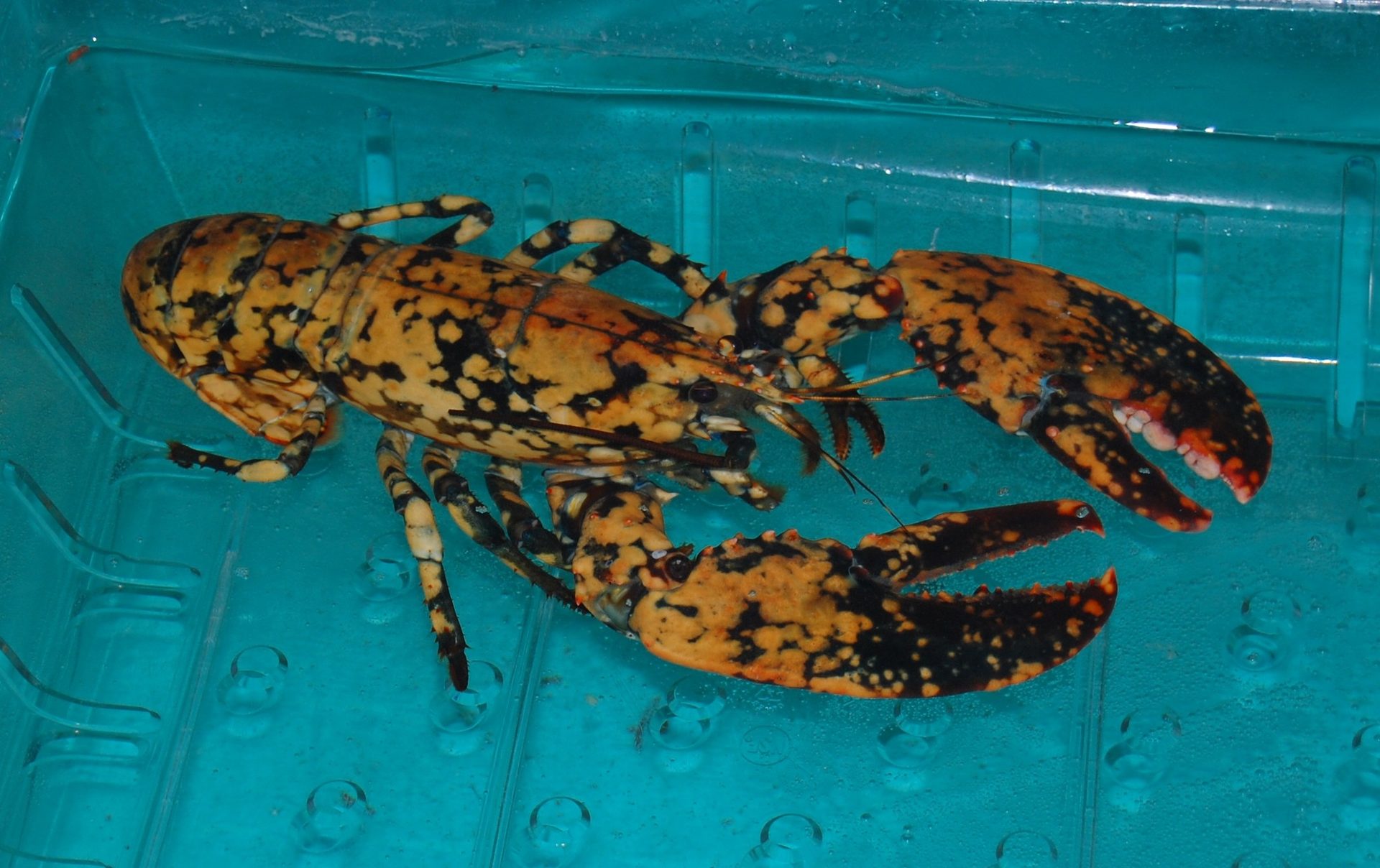
Lobster is one of those ingredients that feels too good to waste. Whether you bought a few extra live ones for a summer cookout or ended up with leftover meat after a big dinner, the question almost always comes up: can you just toss it in the freezer?
The short answer is that you should never freeze a lobster while it’s still alive — but you absolutely can freeze lobster once it has been properly prepared. Done right, you can preserve that sweet, briny flavor for months and pull it out whenever the craving hits. This guide walks you through everything you need to know, from prep to thawing to the best ways to use it afterward.
Can You Freeze Live Lobster?
At the end of the day, freezing lobsters while they’re still alive is simply not a good idea. Freezing live lobsters is not recommended because lobsters have a complex nervous system, and ice crystals can rupture their nerve cells.
Safety aside, freezing and thawing lobster prior to cooking it will lead to enzymes leaching into the meat, resulting in a mushy, unappetizing texture. A stressed lobster may also release toxins that could affect the quality of the meat.
While freezing live lobsters is off the table, that doesn’t mean you can’t freeze whole, cooked lobsters. The key is to cook or at least blanch the lobster first — a step that stops enzyme activity, sets the proteins, and makes the final product far more enjoyable to eat. The University of Maine’s Department of Food Science & Human Nutrition and the Lobster Institute both provide guidance on how to keep your lobster as fresh and tasty as possible.
Pro Tip: If you bought live lobsters and can’t cook them right away, keep them in the coldest part of your refrigerator wrapped in damp newspaper or seaweed — never in fresh water or a sealed container. Cook them within 24 hours for the best results.
Does Freezing Change the Texture or Taste of Lobster?
Yes, freezing does affect lobster to some degree — but how much depends entirely on how well you prepare it beforehand. Freezing can slightly mute the natural sweetness and depth of lobster flavor. Fresh lobster, or properly flash-frozen tails, carry more delicate, ocean-fresh notes that create a richer taste experience.
Freezing raw lobster, whether alive or after dispatching, can lead to changes in texture. The meat can become tougher and more rubbery due to ice crystal formation during freezing. Cooking the lobster first sets the proteins and helps to minimize this issue.
While freezing may slightly alter the delicate texture, the overall taste remains well-preserved, making it a convenient option for home cooks and restaurants alike. The biggest factors are how quickly you freeze it after cooking, how well you seal it, and how long it sits in the freezer. Lobster frozen for 3 to 4 months will taste noticeably better than lobster frozen for 10 to 12 months.
| Freezing Method | Texture Result | Flavor Result | Recommended? |
|---|---|---|---|
| Freeze live (no prep) | Mushy, rubbery | Diminished, off-flavors possible | No |
| Blanch first, then freeze whole | Firm, acceptable | Well preserved | Yes |
| Cook fully, freeze meat in brine | Tender, minimal change | Good to excellent | Yes (best for meat) |
| Cook fully, vacuum-seal whole | Firm, minimal freezer burn | Very well preserved | Yes (best overall) |
How to Freeze Lobster the Right Way
There are two main approaches depending on whether you want to freeze the lobster whole (in the shell) or as picked meat. Both work well — your choice depends on how you plan to use it later.
Method 1: Blanch and Freeze Whole (In the Shell)
This is the best method when you want to keep the lobster intact for later cooking. Lobsters should be chilled and live. Blanch at 212°F for 60 seconds in a 2% salt brine (1.5 ounces, or roughly 1/2 cup, of non-iodized salt or sea salt to 2 quarts of water). Chill after blanching in cold running water or in a tub with a mixture of 50% water to 50% ice. Following a 15-20 minute chill, remove excess surface water.
- Bring a large pot of salted brine to a full boil.
- Drop the live lobster in and blanch for exactly 60 seconds.
- Transfer immediately to an ice water bath and chill for 15 to 20 minutes.
- Pat the lobster as dry as possible with paper towels.
- Place lobster in freezer or vacuum bags, removing as much air as possible. If not using vacuum bags, place in a second freezer bag or wrap with freezer wrap.
- Write today’s date on the bags and place them in the freezer so that air can circulate around them. Keep your freezer at 0°F or colder.
Method 2: Cook Fully and Freeze Picked Meat
Boiling lobster is the best method for par-cooking it for freezer storage. This approach is ideal if you want ready-to-use meat for lobster rolls, pasta, or bisque. The brine method is one of the best for freezing picked lobster meat at home to maintain its quality and prevent it from becoming rubbery.
- Boil or steam the lobster fully until the shell turns bright red.
- Let it cool completely before picking the meat from the claws, tail, and knuckles.
- Prepare a brine by mixing cold water with salt (approximately three tablespoons of salt per quart of water). The brine should be cold. Submerge the cooled lobster meat in the brine until fully submerged. Portion the brined lobster meat into freezer bags or airtight containers. Leave a little headspace at the top, as the liquid will expand slightly during freezing.
- Seal tightly, label with the date, and freeze at 0°F.
Pro Tip: Vacuum-sealed bags make a real difference for lobster. They eliminate the air that causes freezer burn and can extend the quality window by several months compared to standard zip-top bags.
How Long Can You Freeze Lobster?
Properly prepared whole or “in the shell” lobster has a good quality shelf-life of 9 to 12 months. For picked lobster meat, the window is a bit shorter. For best quality, use frozen lobster meat within 4 to 6 months.
That said, the freezer timeline is about quality, not safety. Lobster stored at a consistent 0°F will remain safe to eat beyond these windows — it just won’t taste as good. For the best eating experience, aim to use your frozen lobster well within these ranges.
| Lobster Type | Best Quality Window | Maximum Safe Storage |
|---|---|---|
| Whole blanched (in shell) | 9 to 12 months | Up to 12 months |
| Cooked meat (brine method) | 4 to 6 months | Up to 12 months |
| Cooked tails (vacuum-sealed) | 6 to 9 months | Up to 12 months |
If you enjoy the benefits and trade-offs of eating seafood regularly, keeping a stock of properly frozen lobster in your freezer is a smart way to enjoy a premium protein without paying peak-season prices every time.
How to Thaw Frozen Lobster
Thawing is just as important as freezing — rush it, and you risk rubbery, unevenly cooked meat. Frozen lobsters should be thawed at least overnight or up to 24 hours in the refrigerator so the meat doesn’t stick to the shell. Not thawing a lobster before cooking it can also lead to tough meat.
There are three safe thawing methods, depending on how much time you have:
- Refrigerator (best): Move the lobster meat to the refrigerator 24 hours before you want to enjoy it. This is the slowest and most reliable method.
- Cold water (faster): Submerge the lobster meat in a leak-proof plastic bag and put it in a bowl of cold water. Replace the water every 30 minutes to ensure the meat thaws evenly. This method typically takes 1 to 2 hours, depending on the amount of lobster.
- Microwave (last resort): It’s possible to defrost lobster tails in a microwave before cooking them, but it’s not as ideal as thawing the lobster more slowly. Use the defrost setting in short intervals and watch carefully.
Once thawed, you can set a thawed lobster out for about 30 minutes before you are ready to cook it, so it becomes room temperature for even cooking.
Pro Tip: Never thaw lobster on the counter at room temperature. Leaving it out creates a window where the outer surface enters the bacterial danger zone (above 40°F) while the center is still frozen.
Can You Refreeze Lobster After Thawing?
You can refreeze lobster in certain situations, but it comes with trade-offs. Refreezing lobster tails is no problem as long as safe thawing practices are followed. Thawing lobster in the refrigerator allows you a few days of leeway for cooking or refreezing. As long as the lobster tails thaw within refrigerator temperatures of 40°F or below, refreezing them is OK within two days.
According to the USDA’s Food Safety guidance, once frozen food is thawed in the refrigerator, it is safe to refreeze it without cooking, although there may be a loss of quality due to the moisture lost through defrosting. Repeated thawing and refreezing should be avoided to maintain optimal quality and safety.
The bottom line: if you thawed it properly in the fridge and it has been there for fewer than two days, refreezing is safe. If it was thawed using warm water, left out, or has already been cooked after thawing, skip the refreeze and use it up instead.
How to Use Frozen Lobster (Best Uses After Freezing)
Frozen lobster works beautifully in cooked dishes where it gets incorporated into a sauce, broth, or dressing. The slight softening that happens during freezing actually makes it easier to fold into recipes. Gentle heat is key. Warm it slowly in butter on low heat or add it at the very end of cooking when making soups, bisques, or creamy pastas. Lobster gets rubbery fast, so keep the heat low and quick.
Here are the best ways to use frozen lobster meat after thawing:
- Lobster rolls: Combine lobster meat with a light mayonnaise dressing, celery, and lemon juice. Serve in a toasted bun for a classic lobster roll. This is one of the most popular uses for thawed lobster meat across New England.
- Lobster bisque: You can use frozen lobster tails (and use the shells for stock!) cut into bite-sized pieces, or you can even use frozen pre-cooked chopped lobster meat.
- Lobster pasta: Toss cooked lobster meat with your favorite pasta, a creamy sauce, and fresh herbs for a luxurious meal.
- Lobster pot pie: Lobster pot pie is the ultimate comfort food, with chunks of succulent lobster meat paired with a combination of potatoes, carrots, leeks, and shallots.
- Lobster salad: Leftover lobster is fantastic in cold dishes like lobster salad, pasta salad, or even a simple lemon-herb mix tossed on toasted bread.
For dishes that highlight the lobster front and center — like a simple steamed tail with drawn butter — fresh is always going to outperform frozen. Save the frozen stock for recipes where it plays a supporting role alongside bold flavors. Pairing lobster with the right ingredients also matters; check out these heart-healthy foods that complement a seafood-forward diet.
Signs That Frozen Lobster Has Gone Bad
Even properly frozen lobster can degrade over time, and eating spoiled seafood carries real health risks. Knowing what to look for before you cook it can save you from a very unpleasant meal.
Signs of spoiled lobster include a sour or ammonia-like smell, slimy texture, or discoloration. If you notice any of these signs, discard the lobster immediately. Beyond those clear red flags, watch for these additional warning signs:
- Freezer burn: White or grayish dry patches on the surface of the meat indicate moisture loss. Color changes are minimal but may occur if freezer burn develops. Heavily freezer-burned meat will taste bland and have a dry, chalky texture.
- Off smell after thawing: Fresh lobster smells clean and briny. Any sour, fishy, or chemical odor after thawing is a sign the meat has turned.
- Slimy texture: Leftover lobster is safe to eat as long as it has been properly stored in the refrigerator and shows no signs of spoilage, such as an off smell or slimy texture. The same rule applies to thawed frozen lobster.
- Discoloration: Meat that has turned gray, yellow, or has dark spots beyond normal shell pigment is a sign of breakdown.
- Exceeded storage time: If you can’t remember when you froze it and there’s no label, err on the side of caution and throw it out.
Important Note: Always label your freezer bags with the date before freezing. A simple piece of masking tape and a marker takes five seconds and saves you from guessing later.
Eating spoiled seafood can cause serious foodborne illness. When in doubt, throw it out — no meal is worth the risk. For more on how the foods you eat affect your overall health, this look at foods that support liver function is worth a read.
Frequently Asked Questions
Can You Freeze a Live Lobster Directly Without Cooking It First?
No, you should never freeze live lobsters. Freezing them alive causes irreversible damage to the texture and flavor. Instead, cook the lobster first, then freeze the meat. At minimum, blanch the lobster for 60 seconds in salted boiling water before freezing.
How Do You Freeze Lobster Tails Specifically?
Freeze lobster in the shell to help keep the meat from drying out. Simply wrap the whole lobster or lobster portions in moisture-vapor resistant wrapping and freeze. For tails, you can also vacuum-seal them individually for the best protection against freezer burn.
Can You Cook Frozen Lobster Without Thawing?
You will need to completely thaw the lobster tails first or they can become rubbery if cooked from frozen. The only exception is if you are boiling them in salted water directly from frozen, which adds several extra minutes to the cooking time — but even then, thawing first gives a better result.
How Long Does Thawed Lobster Last in the Refrigerator?
Leftover lobster is best used within 2 to 3 days when stored in an airtight container. The sooner you use it, the better the texture and flavor will be — especially for dishes like rolls or pasta.
Is Frozen Lobster as Good as Fresh?
Frozen lobster tails often get a bad rap, but they can deliver excellent quality when chosen wisely. The key lies in the flash-freezing process, which locks in flavor and texture immediately after the catch. This rapid freezing preserves the lobster’s natural sweetness and firmness, preventing ice crystals from damaging the meat. Home-frozen lobster won’t match commercial flash-freezing, but with proper technique it comes very close.
Can You Freeze Lobster Bisque?
Freezing finished bisque is not ideal. For best results, freeze the bisque but do not add the cream or the lobster. Store in an airtight container for up to 3 months. Thaw overnight in the refrigerator, then gently reheat on the stove. Add the cream and lobster meat only when you are ready to serve.
Frozen lobster is one of the most practical ways to keep a premium seafood on hand year-round. With the right prep — blanching, proper sealing, and consistent freezer temps — you can pull out restaurant-quality lobster meat months after you bought it. The process takes a little extra effort upfront, but it beats throwing away an expensive ingredient or rushing through a meal you weren’t ready for. If you want to build a well-stocked kitchen that makes the most of quality ingredients, also explore these whole plant-based foods that pair well with a seafood-forward eating style.