Can You Freeze Glass Jars of Jam? Everything You Need to Know

October 23, 2026
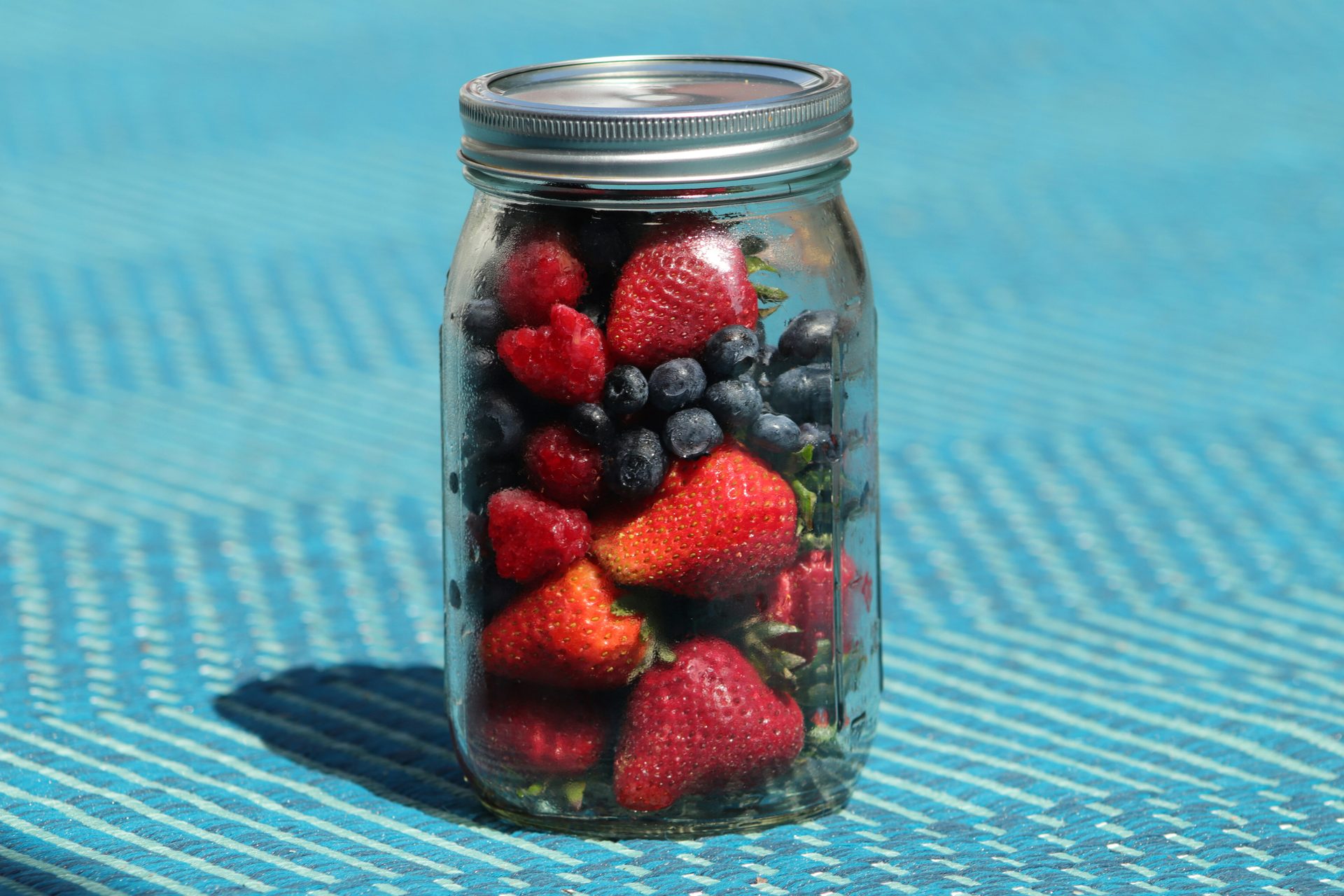
Yes, you can absolutely freeze glass jars of jam — and it’s one of the easiest ways to extend a summer batch well into winter. Whether you made a big pot of strawberry jam from scratch or opened a store-bought jar and can’t finish it in time, the freezer is a practical solution that most American home cooks overlook.
The catch is that glass and freezing don’t always mix well without a few ground rules. Get the jar choice, headspace, and cooling process right, and you’ll have perfectly preserved jam waiting for you months from now. Skip those steps, and you risk cracked jars and a sticky freezer mess. This guide walks you through everything, from prep to thawing to spotting spoilage.
Can You Freeze Glass Jars of Jam?
Yes, it is safe to freeze jam. While jam can last a long time even stored in the pantry or refrigerator, freezing it extends the shelf life of an opened jar significantly. The key is using the right type of glass jar and following a few simple steps to prevent breakage.
Canning jars made of tempered glass, like Ball or Mason jars, are the safest option. These jars are designed to withstand temperature fluctuations and pressure changes. Not all glass jars are created equal, so jar selection matters more than most people realize.
Not all jars are freezer-safe. Jars with tapered sides or straight sides are freezer safe; shoulder jars are not. A “shoulder” refers to the curved narrowing just below the lid — that inward curve is where glass is most likely to crack as the jam expands.
Pro Tip: Check the bottom of your glass jar before freezing. Ball and Mason jars labeled “freezer safe” are your best bet. If you’re reusing a store-bought jam jar, look for straight sides that don’t narrow toward the top.
Some Ball mason jars are suitable, just check that they are straight from bottom to top — the 8 oz quilted crystal jelly jars, wide mouth pints, and wide mouth pint and a half jars are suitable. When in doubt, transfer jam to a container you know is freezer-rated rather than risk a broken jar.
Does Freezing Change the Texture or Taste of Jam?
Freezing can slightly alter the texture of jam. It may become slightly softer or more watery upon thawing. This is due to the formation of ice crystals, which can break down the pectin structure. For most everyday uses — spreading on toast or a biscuit — this difference is barely noticeable.
Texture may become slightly softer after thawing, especially in jams with large fruit pieces, but flavor typically remains stable. Freezer jam made without cooking actually holds up particularly well in this regard.
Uncooked fruit stays much fresher than cooked preserves, so when you crack open your treasure in mid-January, it will taste more like the fresh summer fruit you picked up from the farmers market. That’s a genuine advantage of freezing over long pantry storage.
Reduced-sugar jams and jellies may deteriorate in color and texture more quickly, as they lack the full preservative effects of the sugar. Some fruits may darken more quickly with less sugar present. If you’re working with a low-sugar or no-sugar recipe, plan to use the frozen jam within six months for the best results.
How to Freeze Glass Jars of Jam the Right Way
Freezing jam in glass jars takes only a few minutes of prep, but the details make a real difference. Follow these steps in order to avoid broken glass and freezer burn.
- Choose a freezer-safe jar. Use straight-sided glass jars like wide-mouth Ball or Mason jars. Avoid any jar that curves inward near the lid.
- Leave headspace. Be sure to leave at least ½ inch of free space at the top of the jar to allow for expansion in the freezer. Jam expands as it freezes, and a jar filled to the brim will crack.
- Cool completely before freezing. After ladling your hot jam into clean jars, let it cool completely at room temperature before capping and refrigerating or freezing. Placing a warm jar directly into the freezer increases the risk of thermal shock and breakage.
- Apply lids loosely at first. Spoon jam into jars, leaving ½ inch headspace. Center the lid on the jar, apply the band, and adjust loosely. Once the jam is frozen, adjust the band to fingertip-tight.
- Label every jar. Mark jars with the contents — such as “blueberry jam” — the quantity, and the date. Labeling helps you identify the contents later without having to open the containers.
- Place jars upright. Place the jars upright in the freezer. Once frozen solid, you can stack them if necessary, but initially, maintaining an upright position helps prevent uneven expansion.
Pro Tip: If you’re short on freezer space, store jam in quart-size zippered bags. Add a cup of jam to each bag, seal them well, label them, and store the bags flat on top of each other. This is a space-efficient alternative to glass jars.
How Long Can You Freeze Glass Jars of Jam?
Jam can typically be stored in the freezer for up to 12 months without significant loss of quality. After this time, the flavor and texture may begin to deteriorate. That said, the jam remains safe to eat beyond a year — it’s a quality issue, not a safety one.
Here’s a quick reference for jam storage timelines:
| Storage Location | Estimated Duration | Notes |
|---|---|---|
| Pantry (unopened, shelf-stable) | 1–2 years | Only applies to properly canned jam with intact seal |
| Refrigerator (opened) | 3–4 weeks | Keep lid tight; use clean utensils every time |
| Freezer (homemade or store-bought) | Up to 12 months | Best quality within the first year |
| Refrigerator (after thawing) | 2–4 weeks | Use promptly; do not refreeze after this point |
Freezer/refrigerator jams and jellies are a distinct category of products that have to be stored in the refrigerator — usually up to 3 weeks — or frozen for up to a year. This guidance comes from the National Center for Home Food Preservation , which is the leading authority on home food preservation in the United States.
How to Thaw Frozen Glass Jars of Jam
Thawing jam correctly matters just as much as freezing it properly. The goal is a slow, controlled thaw that keeps texture and flavor intact.
The best method: refrigerator overnight. The best method is to thaw the jam in the refrigerator for several hours or overnight. This slow thawing process minimizes changes in texture and flavor. Move the jar from the freezer to the fridge the evening before you need it.
In a hurry: warm water bath. If you are in a rush, you can submerge the frozen jar of jam in a basin full of warm water. It should take at least half an hour to defrost the jam. Use warm — not hot — water to avoid thermal shock on the glass.
Avoid room-temperature thawing. Thawing at room temperature can lead to condensation, creating a favorable environment for bacterial growth. It’s a small but real risk, especially with homemade jams that contain no commercial preservatives.
To use frozen jam, thaw overnight in the refrigerator. If it has separated, stir to blend it together. A little separation after thawing is completely normal and doesn’t mean anything has gone wrong.
Pro Tip: Once thawed, store the jam in the refrigerator and consume it within a reasonable timeframe — typically 1–2 weeks. The National Center for Home Food Preservation recommends using thawed freezer jams within 3–4 weeks of opening.
Can You Refreeze Glass Jars of Jam After Thawing?
This is one of the most common questions about frozen jam, and the answer depends on your priorities — safety versus quality.
It’s not advisable to refreeze jam after defrosting because repeated freezing and defrosting can cause its consistency to deteriorate. The best option is to freeze jam in portions so you only ever have to defrost the amount you need. Portioning into small jars before the initial freeze is the smartest move.
Repeated thawing and refreezing can compromise the texture and flavor of the jam, potentially leading to the breakdown of pectin and the separation of the fruit and sugar components. Additionally, refreezing thawed freezer jam increases the risk of bacterial growth and spoilage.
From a food safety standpoint, you can safely refreeze certain frozen food that has thawed, but the thawed product must have been kept cold at 40 degrees Fahrenheit or below for no more than 3–4 days. According to the University of Minnesota Extension , this general principle applies across a wide range of frozen foods.
The practical takeaway: if your thawed jam stayed refrigerated and you want to refreeze it within a day or two, it’s likely safe — but the texture will suffer. Avoid refreezing more than once.
How to Use Frozen Jam (Best Uses After Freezing)
Once your jam is thawed, it’s just as versatile as fresh jam — and in some recipes, the slightly softer texture after freezing is actually an advantage. Here are the best ways to put it to use.
- Toast and biscuits: Add a dollop of homemade jam on your morning toast or croissant. This is the classic American use, and it works just as well with thawed freezer jam.
- Yogurt and parfaits: Mix jam into yogurt to make a yogurt parfait. The softer texture after freezing blends seamlessly into yogurt without any extra stirring.
- Baked goods: You can make pies, tarts, and pastries filled with homemade jam. Thawed jam works well as a filling in thumbprint cookies, kolaches, and Danish pastries.
- Ice cream topping: Swirl some jam into homemade ice cream. A slightly runnier thawed jam is perfect for rippling through vanilla or cream cheese ice cream.
- Glazes and sauces: Warm thawed jam in a small saucepan to create a quick glaze for roasted chicken, pork tenderloin, or salmon. Berry and stone-fruit jams work especially well here.
- PB&J sandwiches and wraps: The American staple. Thawed jam spread on whole-grain bread with peanut butter is just as good as fresh — your kids won’t notice the difference.
- Oatmeal and pancakes: Stir a spoonful into oatmeal or use it as a syrup alternative on pancakes and waffles for a fruit-forward breakfast.
If you enjoy pairing jam with cheese and wine, thawed fruit jam works just as well as fresh on a charcuterie board. The flavor holds up well alongside sharp cheddar, brie, or gouda. You might also find that homemade jam pairs nicely with some of the heart-healthy foods you already keep in your kitchen, like whole-grain crackers and nuts.
Signs That Frozen Jam Has Gone Bad
Frozen jam rarely spoils while it’s actually frozen — the cold temperature keeps microbial activity at a standstill. Problems typically develop after thawing, or if the jam was stored improperly before freezing. Here’s what to watch for.
Mold on the surface. The safest rule is simple: if you see mold on jam, do not scrape and eat the rest. Both the National Center for Home Food Preservation and USDA guidance on molds state that jam with mold should be discarded because molds can form toxins that spread deeper into the food than the eye can see.
Off smells. Smell and taste change as well. A sour, yeasty, or alcoholic smell means yeast or other microbes have started to feed on the sugars. Trust your nose — if something smells fermented or “off,” throw the jar out.
Unusual texture changes. If your jam has become very liquid, sticky, or has oil on top, then it has gone bad. It is normal for homemade jams to separate to some extent, but drastic changes in texture are not a good sign.
Bubbles or pressurized lids. Unexpected bubbles or pressurized lids suggest microbial activity and fermentation. A lid that bulges upward or hisses when opened is a sign the jam should be discarded immediately.
Color changes. Jam naturally darkens over time, especially berry jams, but dramatic color changes or patches may signal oxidation or spoilage. A little darkening is normal after a year in the freezer; large discolored patches are not.
Important Note: If the glass jar cracks in the freezer, immediately discard the entire contents. Do not attempt to salvage the jam, as small glass shards may be present. Clean up the freezer thoroughly to prevent further contamination.
Keeping your kitchen stocked with safe, wholesome preserved foods is part of a broader approach to eating well. If you’re also thinking about nutrition, you might find value in reading about foods that promote healthy skin or exploring whole plant-based foods that complement a fruit-forward diet.
Frequently Asked Questions
Can you freeze store-bought jam in the original glass jar?
Yes, you can freeze store-bought jam in glass jars. However, many commercially produced jams are already shelf-stable. If you intend to freeze it, follow the same guidelines for homemade jam regarding jar selection, headspace, and thawing. The main reason to freeze a store-bought jar is if you’ve already opened it and won’t finish it within a few weeks.
Do you need to sterilize glass jars before freezing jam?
Freezer jam goes into clean jars — there’s no need to sterilize them. A thorough wash with hot, soapy water or a run through the dishwasher is all that’s required.
What happens if you overfill the jar?
Be sure to fill the containers up to ½ inch below the top of the container and no more. Overfilling can cause the container to burst due to air expansion during freezing.
Can you freeze any type of jam?
Any jam recipe can be converted to a freezer jam — just skip the canning stage and send it right to the freezer after cooling. This applies to cooked jams, no-cook freezer jams, and even commercial jams you’ve opened.
How do you know if a glass jar is freezer-safe?
Look for jars with straight sides from bottom to top — no inward curves or shoulders. Only use straight-sided jars that you know to be freezer safe. Straight-sided means straight from the bottom to the top with no shoulder or curvature. When in doubt, check the manufacturer’s label or transfer the jam to a container you know is rated for freezer use.
Does freezing jam affect the sugar content?
No. Freezing preserves the jam’s composition rather than changing it. Jams with lower sugar content might become slightly more watery upon thawing, but the sugar level itself does not change during freezing or thawing.
For more food storage ideas and kitchen inspiration, explore guides on foods that support liver function and nutrients and foods that fight cancer — both topics where what you eat and how you store food really do matter.