Can You Freeze Asparagus After Cooking? Everything You Need to Know

October 24, 2026
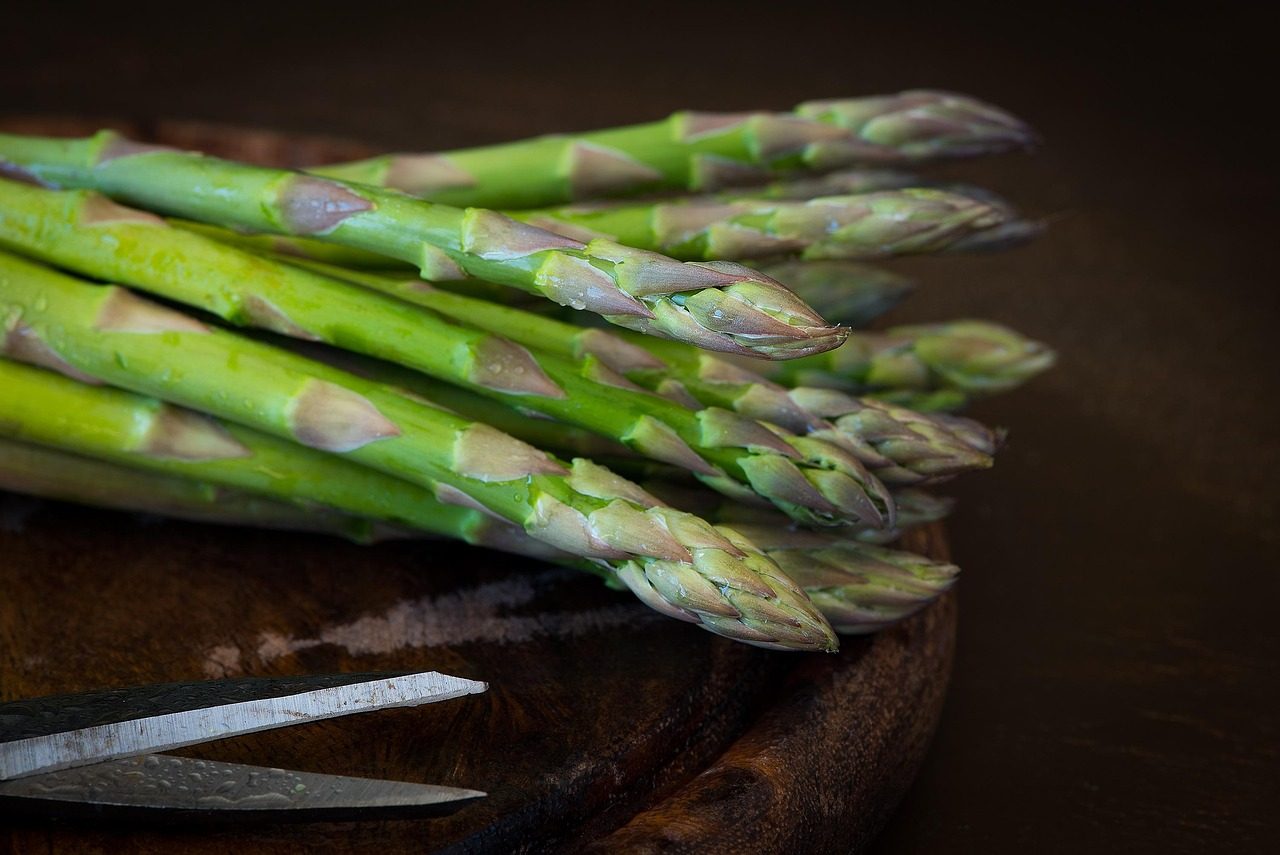
Yes, you can absolutely freeze asparagus after cooking — and it is one of the smartest ways to cut down on food waste and stretch your grocery budget. Whether you roasted a big batch for a weeknight dinner or blanched a surplus from the farmers market, freezing cooked asparagus lets you hold onto those spears for months.
That said, freezing does change the vegetable in a few important ways. Knowing what to expect — and how to store it properly — makes all the difference between asparagus that works beautifully in a soup or casserole and a soggy, freezer-burned disappointment. This guide walks you through every step, from the freezer to the table.
Can You Freeze Asparagus?
Yes, you can freeze asparagus after cooking it. Cooking asparagus before freezing helps to preserve its flavor, texture, and nutritional value. That applies whether you blanched it briefly or cooked it fully as part of a meal.
You can freeze cooked asparagus, and it is a great way to save leftovers. Place the cooked spears into an airtight container in the freezer, and they will last up to 2 months. Blanched asparagus — which is only partially cooked — holds up significantly longer, which is why most cooks prefer that method when freezing in bulk.
Freezing asparagus is super simple to do, and even frozen, it retains all of its nutrients and flavor. If you grow your own asparagus or pick up a large bundle at a US farmers market during peak spring season, the freezer is your best tool for enjoying it well past its short growing window.
Pro Tip: Blanching — briefly boiling asparagus and then shocking it in ice water — is the gold standard before freezing. It locks in color, slows enzyme activity, and gives you a better result than freezing fully cooked leftovers.
Does Freezing Change the Texture or Taste of Asparagus?
Texture is where freezing makes the most noticeable impact. If you are considering freezing asparagus, understand that you will not get the same crisp, snappy results you encounter with garden-fresh stems. Once spears freeze, ice crystals puncture cell walls in the succulent stems, and the result is somewhat mushy.
While freezing cooked asparagus is convenient for meal prep or to avoid wasting food, it will not have the same crisp texture as fresh or blanched asparagus. However, you can still use it for soups, casseroles, and similar dishes.
Flavor holds up much better than texture. Frozen spears pack all the flavor you know and love. They do not need to be thawed before using and make a wonderful addition to casseroles, quiche, and soups. They are also ideal for making sauces and chopping into fresh vinaigrette or dips.
Over time, while the asparagus can be safe to eat, its flavor might diminish and the texture could become soft or mushy when thawed. This is why proper storage and using asparagus within the recommended window matters so much. If you want to learn more about how nutrient-dense vegetables like asparagus fit into a healthy diet, check out this guide to whole plant-based foods.
How to Freeze Asparagus the Right Way
The method you use before freezing makes a bigger difference than the freezer itself. Here is the best approach for cooked asparagus, starting with blanching for the longest-lasting results.
Step 1: Start With Quality Spears
When freezing asparagus, make sure you have high-quality asparagus with peak freshness. Avoid any that are limp, discolored, or soft. If possible, choose thicker spears for freezing — they hold up better to the low temps than the pencil-thin ones.
Step 2: Blanch Before Freezing
It is not recommended to freeze asparagus raw. Blanching partially cooks it, helping to maintain the right texture and flavor, and it also removes enzymes that can cause the vegetable to spoil.
To blanch asparagus, bring a pot of water to a rolling boil, add the asparagus, and let it cook for about 2–4 minutes, depending on the thickness of the spears. After blanching, immediately transfer them to a bowl of ice water to stop the cooking process. Once the asparagus is cooled, drain them well and pat dry with a paper towel.
For size-specific timing, it takes about 2 minutes to blanch a small stalk, 3 minutes for a medium stalk, and 4 minutes for a large stalk.
Step 3: Flash Freeze on a Baking Sheet
Arrange the asparagus in a single layer on a baking sheet and freeze for about 1–2 hours. This process, known as flash freezing, helps prevent the pieces from sticking together.
Pat the asparagus dry after you drain it from the ice water. Get it as dry as possible before freezing so that it does not accumulate additional ice crystals that can make it soggy.
Step 4: Pack and Label
Freezer-quality bags help remove air for optimal preservation. Glass or plastic containers with tight-fitting lids are another great option. Once you place the asparagus in bags or containers, label each with the date to keep track of how long you have had them in the freezer. This is important for maintaining quality and freshness.
Try to remove as much air as possible to prevent freezer burn and maintain the asparagus’s quality. A vacuum sealer works well here, but pressing the air out of a zip-close freezer bag before sealing gets the job done too.
Key Insight: If you are freezing fully cooked leftovers (roasted, sautéed, or steamed), cool them completely at room temperature first, then follow the same flash-freeze and bag method. Just expect a shorter freezer life — about 2 months — compared to blanched spears.
How Long Can You Freeze Asparagus?
Storage life depends on how the asparagus was prepared before freezing. Here is a quick comparison:
| Preparation Method | Freezer Life (Best Quality) | Maximum Safe Duration |
|---|---|---|
| Blanched asparagus | 6–8 months | Up to 12 months |
| Fully cooked leftovers | 1–2 months | 2 months |
| Raw (not recommended) | Poor quality | Not advised |
Store blanched asparagus in the freezer for 6–8 months for the best quality in terms of flavor and texture, though it technically lasts up to 12 months. For fully cooked asparagus, place the cooked spears into an airtight container in the freezer, and they will last up to 2 months.
The freezer time shown is for best quality only — cooked asparagus that has been kept constantly frozen at 0°F will keep safe indefinitely. That said, quality degrades over time, so using it within the recommended windows gives you the best eating experience. Asparagus is packed with powerful nutrients worth preserving, so do not let it linger in the freezer past its prime.
How to Thaw Frozen Asparagus
Here is a tip that surprises many home cooks: in most cases, you do not need to thaw frozen asparagus at all. There is no need to defrost frozen asparagus before cooking it. It can go directly into dishes in the last few minutes of cooking on the stove or before baking. Because the frozen spears become tender upon cooking, they work best in recipes where a tender texture is welcome.
The best way to thaw frozen asparagus is to incorporate it into cooked dishes while it is still frozen. This locks in the texture and color and makes frozen asparagus the perfect addition to pasta, risotto, soups, quiches, casseroles, and stews.
If you do need to thaw it first — for a recipe that specifies it — use the refrigerator method. Cooked asparagus that has been thawed in the fridge can be kept for an additional 3 to 4 days in the refrigerator before cooking; asparagus that was thawed in the microwave or in cold water should be eaten immediately.
Bacteria grow rapidly at temperatures between 40°F and 140°F; cooked asparagus should be discarded if left out for more than 2 hours at room temperature. Keep that food safety window in mind whenever you are thawing or serving cooked asparagus.
Can You Refreeze Asparagus After Thawing?
Refreezing is one area where you need to be careful. As a general rule, refreezing cooked asparagus is not recommended if you want to preserve any remaining texture or quality. Each freeze-thaw cycle breaks down the cell structure further, leaving you with very soft, watery spears.
The smarter approach is to prevent the need for refreezing in the first place. Ideally, freeze asparagus in smaller portions or packets, as this prevents the need for refreezing. If you have a large packet of vegetables frozen, you will have to thaw the packet and then take the required portion, following which you will need to refreeze the packet.
Freezing cooked asparagus is straightforward: divide it into meal-sized portions, transfer each part into its airtight container, and freeze the containers. Portioning by meal size before freezing means you only pull out exactly what you need each time — no refreezing required.
Important Note: If your asparagus was thawed in the refrigerator and has not been left out at room temperature for more than 2 hours, it is technically safe to refreeze — but expect a noticeably softer texture. If it was thawed in cold water or the microwave, use it immediately and do not refreeze.
How to Use Frozen Asparagus (Best Uses After Freezing)
Since frozen asparagus is softer than fresh, the best uses are dishes where a tender texture either does not matter or is actually desirable. Avoid using frozen asparagus in raw salads or as a standalone roasted side dish — it will not have the same bite as fresh spears.
As with most vegetables, asparagus will lose some of its crispness in the freezer, so make its final destination a dish that will cook it down to a tender texture. Try frozen asparagus in a hot or chilled soup, risotto, pasta sauce, or casserole.
Here are the best ways to put frozen asparagus to work in your kitchen:
- Soups and stews — Add frozen spears directly to simmering broth in the last 5–10 minutes of cooking. They thaw and soften quickly without becoming mushy.
- Risotto — Gradually add hot chicken or vegetable broth while stirring until the rice is cooked. Stir in frozen asparagus during the last 10 minutes of cooking, allowing it to thaw and heat through. Finish by adding grated Parmesan cheese and a squeeze of lemon juice.
- Pasta dishes — Toss frozen pieces into boiling pasta water for the last 2 minutes, or stir into a warm pasta sauce.
- Quiche and frittatas — Frozen asparagus works perfectly as a mix-in for egg dishes. No need to thaw beforehand.
- Stir-fries — In a hot skillet or wok, stir-fry bite-sized pieces of chicken breast with garlic and ginger until the chicken is cooked through. Add frozen asparagus and cook until it is heated through and tender-crisp. Toss in a simple sauce made from soy sauce, oyster sauce, and a drizzle of honey.
- Casseroles — Layer frozen asparagus directly into your casserole before baking. It will cook through in the oven without any extra prep.
- Oven roasting from frozen — Lay the frozen spears out on a baking sheet in a single layer, then drizzle with a little olive oil. Roast in a 400°F oven until they shrink a bit and look roasted, about 10–15 minutes.
Asparagus is also a great addition to heart-healthy meal plans. If you are building a diet around nutrient-rich vegetables, take a look at these superfoods for a healthy heart and foods that promote healthy eyesight for more ideas on building a well-rounded plate.
Signs That Frozen Asparagus Has Gone Bad
Even in the freezer, asparagus can go past its prime. Knowing what to look for helps you avoid wasting a dish — or eating something that is no longer safe.
The most common signs that asparagus has gone bad or is past its prime include limp or shriveled stalks, discolored tips, mushy or slimy tips, unpleasant odors, and mold growth.
Here is what to check specifically with frozen asparagus:
- Freezer burn — Look for dry, grayish-white patches on the surface of the spears. Frozen asparagus will last up to a year in the freezer, though keep an eye out for signs of freezer burn. Mild freezer burn is safe to eat but affects flavor and texture. Heavy freezer burn means it is time to toss.
- Off smell after thawing — Fresh asparagus has a mild, grassy scent. If your veggie develops a slimy texture and lousy smell after thawing, throw it away, as these are the signs of spoiled asparagus. One way to identify if your asparagus has gone bad is when you notice its unpleasant and pungent smell.
- Discoloration — It is bad when the spears start turning brown, yellow, or black. Even spots of discoloration are not a good sign.
- Slimy texture after thawing — If your asparagus is slimy or sticky, feels mushy and soft, smells foul, or has visible signs of mold, it is time to toss it.
- Mold growth — The last sign that your asparagus has gone bad is the most obvious: mold growth. Molds are microscopic fungi that thrive in warm, humid environments and can be harmful to your health. Mold that grows on vegetables tends to be green, white, black, or gray in color and often has a fuzzy or powdery texture. Discard any asparagus with significant mold.
When in doubt, throw it out. Asparagus is a relatively affordable vegetable — especially when you buy it in season — and it is not worth the risk of eating spoiled produce. For more on building a food-safe, health-forward kitchen, explore this guide to foods you need to avoid and this resource on foods that support liver function.
Frequently Asked Questions
Can You Freeze Asparagus Without Blanching It First?
Freezing raw asparagus is not recommended because it often leads to loss of flavor and texture. It is always better to blanch the asparagus before freezing it. After blanching, you can thoroughly dry the asparagus and store it in airtight containers or freezer bags before placing it in the freezer. If you are in a pinch and do not have time to blanch, asparagus can be frozen raw and added to dishes like soup.
How Long Does Cooked Asparagus Last in the Fridge Before Freezing?
Cooked asparagus will not necessarily be bad after four days in the fridge, but it is no longer considered safe to eat past that point. That is because it is difficult to notice the first signs of spoilage, and 3 to 4 days is typically how long leftovers stay okay to consume. If you cook asparagus in bulk as part of your meal prep routine, prep enough for the next 3 to 4 days, or freeze the rest if you cook more.
Can You Freeze Cream of Asparagus Soup?
Cream of asparagus soup can be frozen to enjoy at a later date, but there are certain considerations to keep in mind. Dairy-based soups can sometimes separate or become grainy when frozen or reheated. To minimize this, prepare the soup without adding dairy and freeze it. When you are ready to serve, thaw the soup, reheat it, and then add the cream or milk.
What Spear Sizes Work Best for Freezing?
Any type of asparagus can be frozen, but you may have more success with thicker spears. If your asparagus stalks are too thin, they are more likely to get freezer burned and the texture will be grimy and grainy once thawed. Aim for spears that are at least as wide as a standard pencil for the best results.
Do All Colors of Asparagus Freeze Well?
As far as colors of asparagus go, it does not matter. From white to purple to green, all colors of asparagus freeze well. The blanching and flash-freezing process works the same way regardless of variety.
Can You Cook Frozen Asparagus Without Thawing?
You can cook the asparagus from frozen, so there is no need to thaw it first. In fact, going straight from freezer to pan or pot is often the better move — keep frozen asparagus frozen until using it in cooking. Do not thaw it first. This will help prevent it from getting mushy.
Freezing cooked asparagus is a practical, low-effort way to reduce food waste and keep a nutritious vegetable on hand year-round. Blanch when you can, freeze in meal-sized portions, and use it in cooked dishes straight from the freezer for the best results. If you enjoy exploring nutritious and versatile foods, you might also find this article on fibroid healing foods and this overview of foods for healthy skin useful additions to your reading list.