Is It Safe to Eat Unwashed Fruit During Pregnancy? What You Need to Know

April 22, 2026
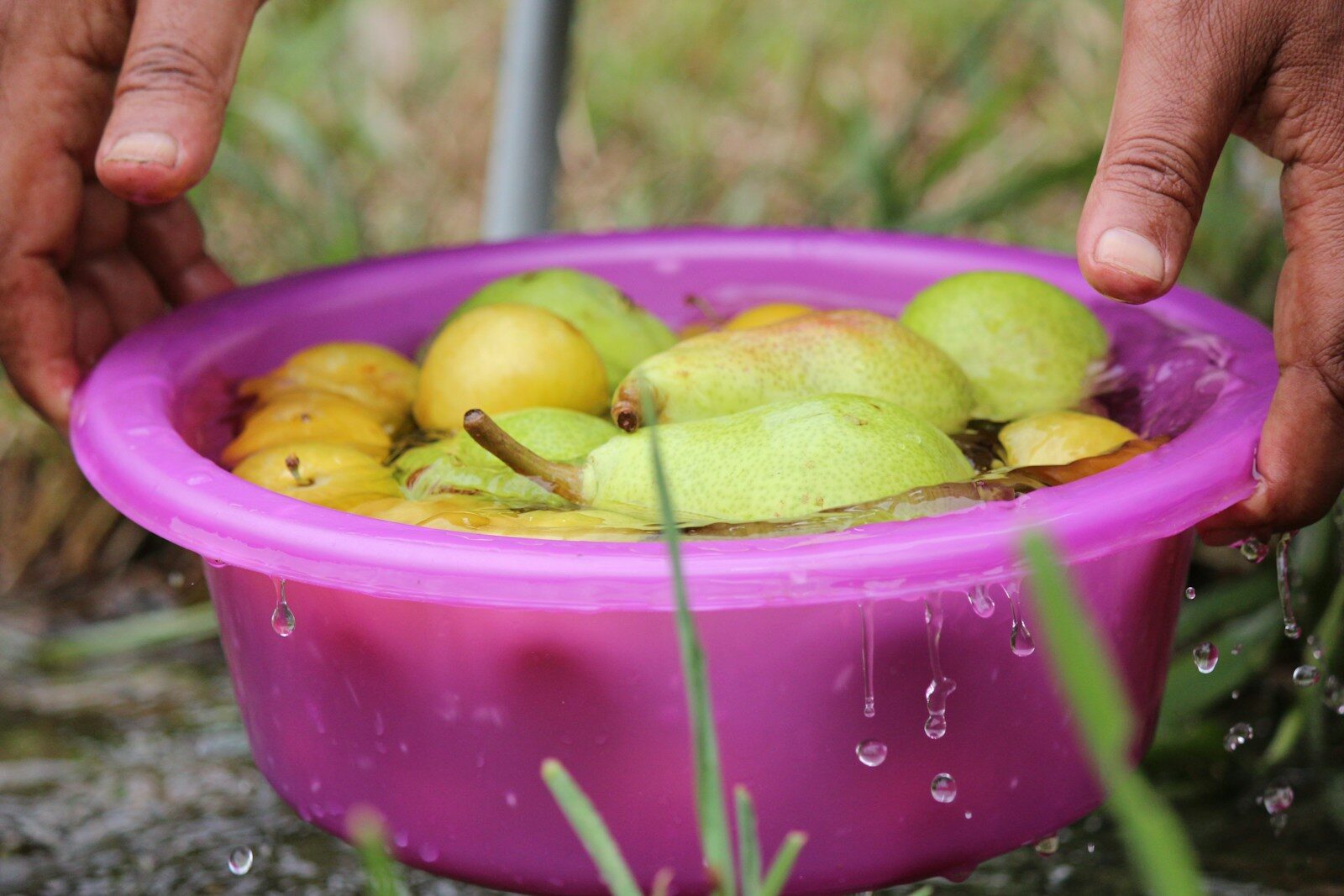
You’re craving a peach, a handful of grapes, or a slice of watermelon — and you just want to grab it and eat it. But you’re pregnant, and somewhere in the back of your mind, a little voice asks: did I wash that? That voice is worth listening to.
Eating unwashed fruit during pregnancy isn’t just a minor hygiene oversight. It carries real, documented risks for both you and your baby — risks that are easy to eliminate with a few simple steps. This guide walks you through exactly what those risks are, what the research says, how to wash fruit properly, and when to be extra cautious.
The Short Answer
No — you should not eat unwashed fruit while pregnant. Washing fruit before eating is important for everyone, but during pregnancy, it becomes genuinely critical. Your immune system is naturally suppressed during pregnancy to protect your baby, which means your body is less equipped to fight off the pathogens that can hide on fruit surfaces.
Unwashed fruits and vegetables are more often associated with foodborne illnesses during pregnancy — and pregnant women are 10 times more likely to get a Listeria infection than the general population. That’s not a number to brush off.
The good news? This is one of the most preventable risks in pregnancy nutrition. A thorough wash before eating is all it takes to enjoy fruit confidently and safely.
Important Note: This information is for educational purposes only and is not intended as medical advice. Always consult with a qualified healthcare professional before making health decisions during pregnancy.
Why It’s a Concern
During pregnancy, your immune system is weakened, which means you are more likely to get sick from viral or bacterial infections. This makes food safety a higher-stakes issue than it would be at any other time in your life.
The surface of unwashed or unpeeled fruits and vegetables may be contaminated with bacteria and parasites such as Toxoplasma, E. coli, Salmonella, and Listeria — and these can come from the soil or through handling. The tricky part is that none of this contamination is visible.
Contaminated food shows no changes in colour, smell, appearance, or taste — so you genuinely cannot tell whether a piece of fruit is carrying harmful pathogens just by looking at it.
Immune system changes in pregnant women place both the mother and unborn child at increased risk of foodborne illness. These illnesses can be worse during pregnancy and may lead to miscarriage or premature delivery. Some foodborne illnesses, such as Listeria and Toxoplasma gondii, can infect the fetus even if the mother does not feel sick.
Key Insight: You can feel completely fine after eating contaminated fruit and still pass a dangerous infection to your baby. This is one of the most important reasons why washing fruit matters so much during pregnancy.
Contamination can also happen at multiple points along the way — not just in your kitchen. Contamination can occur at any time during production, harvest, processing, storage, transportation, or retail. By the time fruit reaches your hands, it has passed through many.
For a broader look at foods and beverages to avoid during pregnancy, including other commonly overlooked risks, it’s worth reviewing the full picture of pregnancy food safety.
What the Research Actually Says
The guidance here is consistent across every major health authority. To get rid of harmful bacteria, wash all raw fruits and vegetables well. That recommendation comes directly from the Mayo Clinic — and it’s echoed by the CDC, the FDA, the March of Dimes, and ACOG.
Raw and poorly washed fruits and vegetables can carry the risk of Toxoplasma, Norovirus, Hepatitis A Virus, and Listeria monocytogenes. In particular, products from a home vegetable garden could be vehicles of Toxoplasma.
The specific dangers of Listeria during pregnancy are well-documented. A pregnant woman who contracts listeriosis may miscarry, give birth to a stillborn baby, or deliver prematurely. The bacterium involved can be transmitted to the fetus and cause a serious brain or blood infection, such as encephalitis, meningitis, or septicemia.
Toxoplasmosis can, in rare cases, also be dangerous for the unborn baby. The most severe cases can lead to miscarriage, stillbirth, or serious health problems in surviving babies, including seizures, enlarged liver or spleen, and serious eye infections.
Listeria outbreaks have also been found on fruits like cantaloupes and peaches — reminders that even whole, seemingly clean fruit can be a source of infection. Soil particles clinging to the skin are a primary concern. Most of the bacteria on fruit will be in the soil or on the surface. Soil can contain many pathogens, including E. coli and Toxoplasma gondii.
There’s also the cross-contamination factor. Cross-contaminations can occur between washed and ready-to-eat fruits and vegetables in contact with unwashed fruits and vegetables, raw animal products, utensils, and work surfaces. Washing fruit protects not just the fruit itself, but everything else in your kitchen.
Pro Tip: Even if you plan to peel the fruit, wash it first. Wash peeled produce too, as the knife could transfer bacteria from the surface of the peel to the flesh.
How to Do It Safely
Washing fruit properly during pregnancy is straightforward, but there are a few steps that make a real difference. Here’s how to do it right:
- Wash your hands first. Wash your hands before and after handling food — bacteria on your hands can transfer directly to the fruit surface.
- Rinse under running water. Rinse all raw produce thoroughly under running water before eating, peeling, cutting, or cooking. Still water in a bowl is less effective at removing surface pathogens.
- Scrub firm-skinned fruit. It is necessary to wash fruits and vegetables carefully by brushing the skin under running water if the product allows for it. A clean produce brush works well for apples, melons, and citrus.
- Remove damaged parts. Remove any damaged parts, as they may contain harmful bacteria. Bruised or broken skin is an entry point for pathogens.
- Rinse again after cutting. Give fruit a final rinse after cutting or peeling, because bacteria on the skin or surface can be transferred to the inside during chopping or slicing.
- Dry with a clean cloth or paper towel. Use a clean cloth or paper towel to dry washed food. This also helps remove any remaining surface residue.
- Eat or refrigerate promptly. Eat, refrigerate, or freeze cut fruit and vegetables immediately to prevent bacterial growth at room temperature.
For additional safety, it is recommended to use special chlorine-based food disinfectant products when washing fruits and vegetables. These are available at most grocery stores and are labeled as produce washes or food-safe sanitizers.
Trimester Considerations
The risk from unwashed fruit applies throughout all three trimesters — Listeria and Toxoplasma don’t take a trimester off. However, the concern is particularly high during the first trimester when the fetus is still developing. During early pregnancy, the organs and nervous system are forming, making any infection especially dangerous.
In the second and third trimesters, your baby is more developed, but your immune system remains suppressed and the risks of preterm labor or low birth weight from foodborne illness remain real. Consistent washing habits throughout pregnancy are the safest approach.
When eating out or away from home, it is best to avoid eating raw fruits and vegetables if you are not sure whether they have been washed thoroughly.
You might also want to explore whole plant-based foods that are easy to prepare safely at home, giving you full control over washing and handling.
When to Avoid It Completely
Even with proper washing, some fruit situations carry enough risk that avoiding them entirely is the safer call during pregnancy.
- Pre-cut fruit from stores, buffets, or salad bars. Avoid pre-prepared or pre-packaged fruit or vegetable salads, including those from buffets and salad bars. You have no way of knowing how, when, or whether the fruit was washed — or what surfaces it touched.
- Delicate berries that can’t be fully cleaned. Delicate foods such as berries and salad greens are best avoided because they can’t be washed well enough to make sure that they are clean. If you do eat berries, rinse them thoroughly just before eating and discard any that are bruised or broken.
- Pre-packaged cut fruit. Pre-prepared or pre-packaged cut fruit and vegetable salads sold in bags or containers, or from salad bars, shops, or buffets, as well as pre-cut fruit and vegetables that will be eaten raw and frozen berries or sweet corn that may not be further cooked, all carry higher listeria risk.
- Fruit from unknown sources. If you’re unsure of the source, storage conditions, or handling of a piece of fruit — especially at events, street stalls, or restaurants — it’s safer to skip it.
- Fruit with broken or damaged skin. Once the skin is compromised, bacteria can penetrate into the flesh where washing won’t reach.
Common Mistake: Many people assume that peeling fruit makes it safe to skip washing. It doesn’t. The knife transfers bacteria from the unwashed skin straight into the flesh as you cut. Always wash first, peel second.
Understanding the full list of foods that carry heightened health risks can also help you make more informed choices about what you’re putting into your body during this important time.
Quick Reference Chart
| Fruit / Situation | Status | Notes |
|---|---|---|
| Fresh whole fruit (washed at home) | ✅ Safe | Rinse under running water, scrub firm skins, dry with clean cloth |
| Apples, bananas, oranges, pears | ✅ Safe (washed) | Excellent pregnancy choices — rich in fiber, vitamins, and potassium |
| Berries (strawberries, blueberries, raspberries) | ⚠️ With Caution | Rinse thoroughly just before eating; avoid if bruised or pre-packaged |
| Melons (watermelon, cantaloupe, muskmelon) | ⚠️ With Caution | Scrub the rind well before cutting; linked to past Listeria outbreaks |
| Grapes | ⚠️ With Caution | Wash well to remove pesticide residue; limit in third trimester |
| Unwashed fruit (any variety) | ❌ Unsafe | Risk of Listeria, Toxoplasma, Salmonella, E. coli |
| Pre-cut fruit from stores or buffets | ❌ Unsafe | Unknown handling; higher contamination risk |
| Pre-packaged cut fruit or frozen berries (uncooked) | ❌ Unsafe | Higher Listeria risk; cook frozen fruit if using in recipes |
| Fruit with broken or damaged skin | ❌ Unsafe | Bacteria can penetrate the flesh; washing won’t fully eliminate risk |
| Unripe papaya | ❌ Unsafe | Contains latex and papain — may trigger uterine contractions |
| Fruit eaten away from home (origin unknown) | ❌ Unsafe | Can’t verify washing; skip unless you can confirm it was properly cleaned |
For more guidance on nutrient-rich foods that actively support your health, take a look at these powerful nutrients and foods that also offer protective benefits during pregnancy. You may also find value in exploring heart-healthy superfoods that pair well with a balanced pregnancy diet.
Frequently Asked Questions
Can eating unwashed fruit cause a miscarriage?
Immune system changes in pregnant women place both the mother and her unborn child at increased risk of foodborne illness. These illnesses can be worse during pregnancy and may lead to miscarriage or premature delivery. Some foodborne illnesses, such as Listeria and Toxoplasma gondii, can infect the fetus even if the mother does not feel sick. While not every exposure leads to miscarriage, the risk is real and well-documented.
Is it safe to eat fruit from a restaurant or café while pregnant?
When eating away from home, it is best to avoid eating raw fruits and vegetables if you are not sure whether they have been washed thoroughly. At a restaurant, you have no way to verify washing standards. Whole fruit you can peel yourself (like a banana or orange) is a safer choice than pre-cut fruit platters.
Do I need to wash fruit that I’m going to peel?
Yes — absolutely. Wash raw vegetables and fruit, even if you plan to peel them. The reason is simple: your knife carries bacteria from the unwashed skin into the flesh the moment you start cutting. Washing first eliminates that transfer.
Is organic fruit safer to eat unwashed during pregnancy?
No. Organic fruit still grows in soil, is still handled by multiple people during harvest and transport, and can still carry Listeria, Toxoplasma, and E. coli. The organic label refers to how the fruit was grown — not how clean it is. Contamination can occur at any time during production, harvest, processing, storage, transportation, or retail — organic or not.
What if I accidentally ate unwashed fruit while pregnant?
Don’t panic — one instance is unlikely to cause harm, but it’s worth being aware of symptoms. Listeriosis can cause mild, flu-like symptoms such as fever, chills, muscle aches, and diarrhea or upset stomach. You may also have a stiff neck, headache, confusion, or loss of balance. Symptoms may appear as late as 2 months after you have eaten something with Listeria. If you develop any of these symptoms after eating unwashed fruit, contact your healthcare provider right away.
How much fruit should I eat per day during pregnancy?
Experts advise pregnant women to have 2 cups of fruit per day, which roughly translates to approximately 400 grams of fruit. If you are consuming fruit as juice, only 1 cup per day is sufficient. Aim for variety and always wash before eating.
Are frozen fruits safe during pregnancy?
Frozen fruit can carry Listeria risk if it’s eaten uncooked — particularly berries. Pre-cut fruit and vegetables that will be eaten raw, as well as frozen fruit or vegetables that may not be further cooked (such as berries, peas, and sweet corn), carry higher contamination risk. If you’re adding frozen fruit to a smoothie or cooking it into a dish, that’s generally safer than eating it thawed and raw.
For more information on building a nutritious, pregnancy-friendly diet, explore these resources on the benefits of avocado during pregnancy, foods that support brain health, and foods that support hormonal and reproductive health. You can also review skin-nourishing foods and liver-supporting foods that are safe and beneficial throughout pregnancy. The pros and cons of eating seafood during pregnancy is another helpful read as you build your pregnancy meal plan.