Can You Eat Shrimp While Pregnant? What Every Mom-to-Be Should Know

April 23, 2026
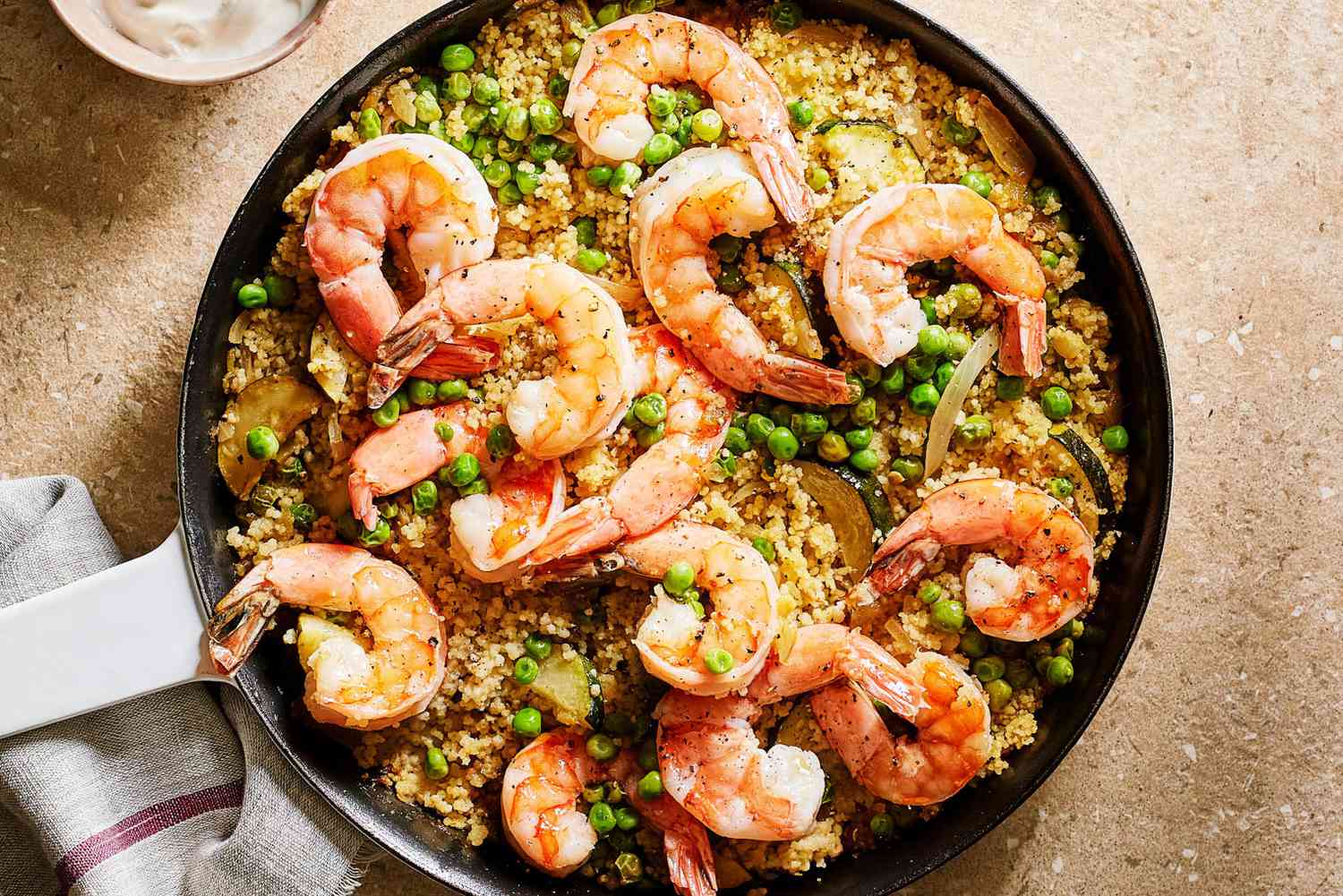
You’re pregnant, you’re craving shrimp, and now you’re second-guessing yourself. Sound familiar? It happens to nearly every expectant mom at some point — standing in a restaurant or staring at a seafood counter wondering if one shrimp dish is going to cause a problem.
Here’s the good news: shrimp is one of the safest, most nutrient-rich seafood choices you can make during pregnancy. But like most things during these nine months, the details matter. Knowing the right amount, the right preparation method, and the situations where you genuinely need to hold off will make all the difference.
This guide covers everything you need to know about eating shrimp while pregnant — from what the FDA actually recommends to trimester-by-trimester considerations, real risks vs. overstated fears, and a quick-scan reference chart to settle the question fast.
The Short Answer
Yes, shrimp is safe to eat during pregnancy and is even considered an excellent seafood option. You don’t have to avoid it — and in fact, cutting it out entirely could mean missing out on nutrients your baby genuinely needs right now.
As long as it’s fully cooked, shrimp is actually a great choice for moms-to-be during all three trimesters because it’s a low-mercury seafood, alongside salmon, pollack, sardines, and catfish.
The FDA includes shrimp on its list of “best choices” for pregnant women because it’s low in mercury compared to other seafood like swordfish or mackerel. That means you can enjoy it as part of a balanced diet — just limit your intake to two to three servings per week (about 8–12 ounces total).
Pro Tip: A single serving of shrimp is 4 ounces — roughly the size of your palm. Two to three of those per week puts you comfortably in the safe zone recommended by the FDA and EPA.
Why It’s Safe
The biggest concern most pregnant women have about seafood is mercury — and rightfully so. If you regularly eat fish high in mercury, it can build up in your bloodstream over time, and too much mercury in your bloodstream could damage your baby’s developing brain and nervous system. But shrimp simply doesn’t carry that risk the way large predatory fish do.
There are a number of types of seafood that are safe to eat during pregnancy, including shrimp. Shrimp contain low levels of mercury; they also are low in fat content and high in protein, making them a healthy choice for pregnant mothers. You can learn more about the pros and cons of eating seafood generally to put this in a broader context.
Beyond mercury, shrimp is packed with nutrients that actively support your pregnancy. Shellfish contain tons of beneficial nutrients for baby, including protein, selenium, iodine, and Vitamin D. They also contain long-chain omega-3 polyunsaturated fatty acids (PUFAs). “PUFAs are essential fatty acids that are needed for membrane development and cell growth.”
- Protein: Shrimp is considered a lean source of protein — 100g of cooked shrimp provides 23g of protein. Integrating sources of lean protein on your plate helps nourish your body, supports your baby’s growth, and helps maintain your own muscle mass.
- Omega-3 fatty acids (DHA): Shrimp is a good source of omega-3 fatty acids — every 100g of cooked shrimp provides 0.3g of omega-3. The DHA component of omega-3 specifically plays a crucial role in fetal brain and eye development. For more on foods that support brain development, see foods that boost brain health and function.
- Selenium: Selenium is beneficial during pregnancy as it can reduce the risks and complications of pregnancy, such as miscarriage and preterm labor.
- Iodine: Iodine is crucial for thyroid function, which regulates metabolism and supports brain development in the fetus.
- Iron, Zinc, B12: Eating seafood during pregnancy provides key vitamins and minerals such as iron, selenium, vitamin B12, and zinc, all of which promote a healthy pregnancy.
Key Insight: According to an ob-gyn at Stanford Medicine Children’s Health, eating shrimp while pregnant and other shellfish may actually decrease the risk of preterm birth — a finding that’s also been shown in studies. Research has also found that eating shellfish and shrimp during pregnancy may help decrease risks of low birth weight.
What the Research Actually Says
Many women skip seafood entirely during pregnancy out of caution — but the research doesn’t support that approach. Eating average amounts of seafood containing low levels of mercury during pregnancy hasn’t been shown to cause problems. And the omega-3 fatty acids in many types of fish can promote a baby’s healthy brain development. As long as you avoid fish known to be high in mercury or contaminated with pollutants, seafood can be a regular part of your healthy-eating plan during pregnancy.
According to research, omega-3 fatty acids such as the ones found in seafood could potentially reduce the risk of preterm birth when consumed during pregnancy. That’s a meaningful benefit, not a minor footnote.
Consuming sufficient omega-3 fatty acids during pregnancy can provide optimum nutrition and aid the baby’s eye and brain development. In addition, it can prevent preterm labor and delivery and lower the risk of preeclampsia. Furthermore, it may prevent allergies in infants and reduce the risk of postpartum depression.
The official guidance from major health authorities aligns with this research. The FDA, the EPA, and the Dietary Guidelines for Americans recommend that, in a week, pregnant people eat at least 8 ounces and up to 12 ounces of a variety of seafood lower in mercury. Shrimp fits squarely in that recommendation. You can also explore foods and beverages to avoid during pregnancy to understand the full picture of pregnancy nutrition guidelines.
Important Note: The concern about seafood and mercury is real — but it applies primarily to large, predatory fish. The bigger and older the fish, the more mercury it’s likely to contain. The FDA says not to eat bigeye tuna, king mackerel, shark, swordfish, or tilefish while pregnant. Shrimp is not on that list.
How to Eat Shrimp Safely During Pregnancy
Shrimp is safe — but how you handle, prepare, and source it makes a real difference. Follow these steps and you can enjoy shrimp with total confidence throughout your pregnancy.
Stick to the Recommended Amount
You should limit your consumption of low-mercury seafood, including shrimp, to between 8 and 12 ounces weekly, as recommended by the FDA. As one ob-gyn notes, “Shrimp has one of the lowest amounts of mercury of seafood, so you’re relatively safe consuming more shrimp than tuna for example.” Still, staying within the weekly window is the right call.
Always Cook It Thoroughly
Shrimp should be well cooked to at least 145ºF (about 62.78ºC) to reduce the risk of food poisoning. If you’re preparing shrimp at home, make sure it’s thoroughly cooked, which means milky white all the way through — raw shrimp is typically gray.
If you’re cooking raw shrimp, make sure to thoroughly rinse them in cold water beforehand, remove the heads, legs, shells, tails, and intestinal tract along the back ridge of the shrimp. Wash your hands thoroughly afterward to prevent spreading or ingesting any bacteria from the raw shrimp.
Prep Method Matters
Not all cooking methods are equal when it comes to nutritional value and safety. Here’s a quick comparison:
| Prep Method | Safety During Pregnancy | Notes |
|---|---|---|
| Boiled / Steamed | ✅ Safest | Preserves nutrients, no added fat |
| Grilled / Baked | ✅ Safest | Healthiest option overall |
| Fried | ✅ Safe (if fully cooked) | Fried shrimp is safe to eat while pregnant, provided it’s thoroughly cooked. However, limit fried foods since they’re often high in oil and calories. Opt for grilled, steamed, or baked shrimp for a healthier option. |
| Shrimp Cocktail (pre-cooked, chilled) | ✅ Safe with caution | It’s okay to eat cold shrimp, like shrimp cocktail, as long as the shrimp have been cooked thoroughly beforehand. Avoid shrimp cocktails from buffets or restaurants where the shrimp may have been sitting out too long. |
| Raw (sushi, sashimi, ceviche) | ❌ Avoid | Risk of listeria, Vibrio, and other pathogens |
Choose Quality Shrimp
When possible, opt for wild-caught or responsibly farmed shrimp. Check the skin color and odor of shrimp — fresh shrimp has a clear, pearl-like flesh and has little or no odor. If it smells strongly fishy or ammonia-like, skip it. You can also check out the difference between shrimp and prawns if you’re wondering whether prawns follow the same safety rules (they do — prawns are safe to eat during pregnancy as long as they are fully cooked).
Trimester-by-Trimester Considerations
It’s advisable to incorporate shrimp into your diet throughout all trimesters. Ensure that shrimp is fully cooked to prevent foodborne illnesses. That said, each trimester has a slightly different nutritional focus:
- First Trimester: Your baby’s brain and nervous system develop rapidly during the gestation process, mostly during the first trimester. Foods that are rich in omega-3 fatty acids, especially DHA and EPA, are critical to the formation of your baby’s healthy brain. Shrimp’s DHA content makes it especially valuable early on.
- Second Trimester: Iron needs increase as your blood volume expands. Eating seafood during pregnancy provides your body with protein, vitamin B-2, and vitamin D. Plus, seafood and shrimp are a source of iron, magnesium, and potassium. Eating iron-rich foods during pregnancy helps your body produce extra blood for you and baby. See powerful nutrients found in whole foods for more on iron-rich dietary choices.
- Third Trimester: DHA is the main component of brain cell membranes. During the third trimester, the fetal brain accumulates approximately 67 mg of DHA per day. Continuing to eat shrimp regularly (within the weekly limit) supports this critical development window. Pair it with other nutrient-dense whole foods for a well-rounded prenatal diet.
Safe Storage and Handling
Store shrimp in the fridge for 1 to 2 days once cooked (or in the freezer for up to 4 months) and reheat shrimp properly to reduce the risk of food poisoning. Store and handle food correctly: refrigerate the shrimp, do not mix the raw foods with other food, and warm up the leftovers before eating, until steaming hot.
When to Avoid It Completely
Shrimp is generally a green-light food during pregnancy, but there are specific situations where you should pass on it entirely.
You have a shellfish allergy. If you’re allergic to shellfish, you should avoid eating shrimp during pregnancy as it can trigger an allergic reaction. Pregnancy is not the time to test your tolerance.
The shrimp is raw or undercooked. Raw or undercooked shrimp can carry harmful bacteria and parasites, such as Listeria and Vibrio, which may cause severe food-borne illnesses. Because pregnancy weakens the immune system, these infections can pose risks to both mother and baby, potentially leading to complications.
You’re eating at a questionable food source. Foodborne illnesses are harder to fight off while pregnant, and even though the bacteria or parasite itself may not directly harm the baby, food poisoning can damage your health and affect your ability to nourish your baby. If the restaurant’s food safety standards are uncertain, it’s better to skip it that day.
It smells off. Uncooked rotten seafood may smell rancid, fishy, sour, or ammonia-like. After cooking, these odors intensify. Do not eat any seafood, whether raw or cooked, if you detect foul, rancid, or fishy scents.
It’s from a potentially contaminated local water source. If you are eating shrimp caught by a family member or friend, use the EPA’s How’s My Waterway tool to learn about the safety of the water in which the shrimp were caught.
Common Mistake: Assuming shrimp cocktail is always safe because it’s “cold.” It’s only safe if it was properly cooked beforehand and has been kept refrigerated. Shrimp that’s been sitting at room temperature at a buffet for an unknown amount of time is a risk you don’t need to take.
Quick Reference Chart
Use this at-a-glance guide whenever you’re unsure about a specific shrimp situation during your pregnancy.
| Shrimp Type / Scenario | Status | Notes |
|---|---|---|
| Fully cooked shrimp (boiled, grilled, baked) | ✅ Safe | Best choice — pink, firm, and opaque |
| Fried shrimp | ✅ Safe | Okay occasionally; limit for calorie/fat reasons |
| Shrimp cocktail (pre-cooked, properly chilled) | ✅ Safe | Must be cooked first and kept cold |
| Tempura shrimp / cooked shrimp sushi rolls | ✅ Safe | Confirm fully cooked before eating |
| Frozen shrimp (cooked properly after thawing) | ✅ Safe | Check for freezer burn; cook to 145°F |
| Shrimp in soups, stews, pasta (fully cooked) | ✅ Safe | Great way to add protein to pregnancy meals |
| Raw shrimp (sushi, sashimi, ceviche) | ❌ Avoid | Risk of Listeria, Vibrio, E. coli, Salmonella |
| Undercooked shrimp (gray or translucent) | ❌ Avoid | Must reach internal temp of 145°F |
| Shrimp from unknown/unregulated sources | ⚠️ Caution | Check local water advisories; buy from reputable suppliers |
| Buffet shrimp (sitting at room temp) | ⚠️ Caution | Bacteria thrive above 40°F; avoid if unsure how long it’s been out |
| More than 12 oz per week | ⚠️ Caution | Even low-mercury seafood has trace mercury; stay within weekly limits |
| Shrimp if you have a shellfish allergy | ❌ Avoid | Allergic reactions during pregnancy carry added risks |
| Smoked shrimp (refrigerated, not reheated) | ⚠️ Caution | It’s okay to eat smoked seafood if it’s in a casserole or other cooked dish. Avoid it cold and unheated. |
For a broader look at what to keep off your plate during pregnancy, visit foods and beverages to avoid during pregnancy for a comprehensive overview.
Frequently Asked Questions
Can you eat shrimp in the first trimester?
Yes. As long as it’s fully cooked, shrimp is a great choice for moms-to-be during all three trimesters. The first trimester is actually when DHA from shrimp is particularly valuable for your baby’s early brain development.
How much shrimp can you eat per week while pregnant?
The CDC and FDA guidelines state that pregnant women can safely consume 8–12 ounces (about two or three servings) per week of low-mercury seafood. Shrimp can be included as part of this weekly allowance. One serving is roughly 4 ounces, about the size of your palm.
Is shrimp cocktail safe during pregnancy?
You can eat shrimp cocktail during pregnancy only if the shrimp is fully cooked and kept properly chilled before serving. The key is that it was cooked thoroughly first — chilling cooked shrimp is perfectly fine.
Can you eat fried shrimp while pregnant?
Yes, fried shrimp is safe as long as it’s cooked all the way through. Just be mindful that fried preparations add extra fat and calories. Grilled, steamed, or baked shrimp is a healthier everyday choice. For more on heart-healthy food choices during pregnancy, check out superfoods for a healthy heart.
Are prawns safe during pregnancy?
Though prawns and shrimp have some subtle differences, they’re “in the same class as shrimp and can be considered safe in pregnancy” as long as they’re fully cooked.
Can raw shrimp cause a miscarriage?
Pregnant women are at a higher risk of getting listeria, and it can cause serious complications, including miscarriage, stillbirth, and preterm labor. Raw shrimp can carry listeria. This is why fully cooking shrimp is non-negotiable — it’s not about being overly cautious, it’s about a real, documented risk. See which foods to avoid during pregnancy for the full list of high-risk items.
What if I accidentally ate raw or undercooked shrimp while pregnant?
Don’t panic — one incident doesn’t guarantee illness. Monitor yourself for symptoms of foodborne illness such as nausea, vomiting, diarrhea, fever, or abdominal cramping. If any symptoms appear, contact your healthcare provider promptly. Being ill with a high fever is not good during pregnancy, and some infections can increase the risk of miscarriage or preterm birth.
Can I eat shrimp at a restaurant while pregnant?
If you’re ordering shrimp at a restaurant, make sure the restaurant has good food safety standards and tell your server that you’re pregnant when ordering. When eating out, confirm with the server that the shrimp dish is fully cooked. Most restaurants are happy to accommodate this request.
Pregnancy nutrition doesn’t have to be a minefield of off-limits foods. Shrimp, when properly cooked and portioned, is genuinely one of the best seafood choices you can make for you and your baby right now. Enjoy it — you’ve got the green light. For more guidance on eating well during this time, explore nutrient-rich foods that support hormonal and reproductive health and foods for healthy skin, both of which offer pregnancy-relevant nutritional insights.