Can You Eat McDonald’s While Pregnant? Here’s What You Need to Know

April 23, 2026
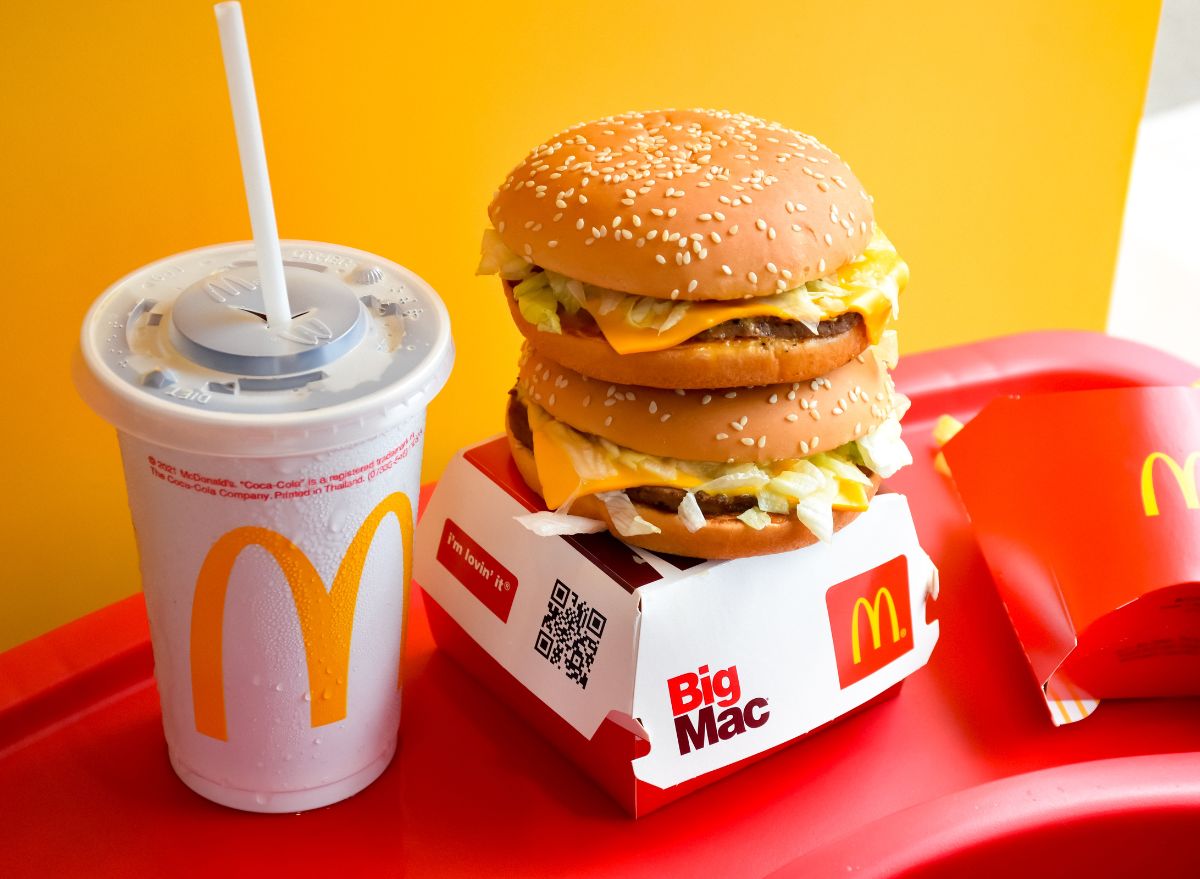
That sudden craving for a Big Mac or a large order of fries during pregnancy is more common than you might think — and you’re not alone in wondering if it’s actually okay to give in. The good news? You don’t have to white-knuckle it through every McDonald’s drive-thru you pass.
What you do need is clear, honest information so you can make the call with confidence. This guide walks you through exactly what’s safe, what to watch out for, and how to order smarter at every stage of your pregnancy — no guilt trip included.
The Short Answer
Yes, you can eat McDonald’s while pregnant — in moderation. While it’s not the healthiest option, an occasional indulgence is generally considered safe during pregnancy. The key word here is occasional.
Occasional fast-food meals — a few times across nine months — are unlikely to harm you or your baby. Regular reliance on fast food, meaning several times per week, raises risks: excessive calories, inadequate nutrients, high sodium, saturated fat, and added sugar.
So the bottom line is this: McDonald’s isn’t off-limits. It just shouldn’t be a daily habit. With a few smart choices and some food safety awareness, you can enjoy it without stressing.
Pro Tip: Always request your burger or sandwich be made fresh. A hot, freshly prepared item carries far less food safety risk than one that’s been sitting under a heat lamp.
Why It’s Generally Safe — With Caveats
According to FDA and ACOG guidelines, fully cooked fast food from regulated chains like McDonald’s is generally safe regarding foodborne illness. Standardized cooking protocols ensure ground beef reaches an internal temperature of at least 155°F–160°F, and poultry reaches 165°F, effectively neutralizing pathogens like E. coli and Salmonella.
A McDonald’s cheeseburger does not contain ingredients that are considered unsafe to eat during pregnancy. McDonald’s uses processed cheese in cheeseburgers, and the meat is thoroughly grilled at a high temperature. That’s actually good news for one of the most common pregnancy cravings out there.
The concerns that do exist are mostly nutritional rather than microbiological. Many fast food items are high in sodium, sugar, saturated fat, and calories but low in the nutrients your baby needs, like folate, iron, fiber, and healthy fats. That’s the real trade-off you’re making — not a safety emergency, but a nutritional one.
There’s also a practical reason many pregnant women find themselves at McDonald’s: sometimes fast food is the only thing they can “keep down” when experiencing severe nausea. If that’s where you are right now, know that eating something is better than eating nothing, and a plain burger or some fries is a reasonable choice in that situation.
Key Insight: The primary concern with McDonald’s during pregnancy is nutritional, not microbiological. Properly cooked items from a regulated chain are generally safe — the bigger issue is what you’re not eating when fast food fills your plate.
What the Research Actually Says
The primary health considerations when eating McDonald’s during pregnancy are nutritional rather than microbiological. High sodium levels, often exceeding 1,000mg per meal, can contribute to gestational hypertension and edema. That’s a real concern worth taking seriously — especially if you already have blood pressure issues.
However, the relationship between sodium and pregnancy hypertension is more nuanced than it might seem. Sodium intake was not associated with the risk of developing a hypertensive disorder of pregnancy in one major study, and this lack of association may reflect differences in the pathophysiology underlying pregnancy- versus non-pregnancy-related hypertensive disorders. Research from a large Danish birth cohort also found that the American College of Obstetricians and Gynecologists (ACOG) discourages sodium restriction during pregnancy for the prevention of preeclampsia, based on null results from salt restriction in clinical trials.
That said, other research points in a different direction. Hypertensive disorders of pregnancy were associated with significantly higher saturated fat and sodium intake compared to controls, and patients with hypertensive disorders were more likely to have lower diet quality and higher consumption of sodium and saturated fats. The takeaway? Occasional McDonald’s isn’t going to upend your pregnancy — but a diet dominated by high-sodium, high-fat fast food carries meaningful risk.
Pregnant women are 20 times more likely to contract listeriosis, and can pass the infection to their unborn babies through the placenta. Listeriosis can result in miscarriage or stillbirth. This is why food safety — not just nutrition — matters at every meal, including fast food runs. The good news is that it is treatable and preventable; if the infection is detected early enough, both the pregnant mother and her unborn baby can be treated with antibiotics.
For a deeper look at which foods carry the most risk during pregnancy, this guide to foods and beverages to avoid during pregnancy breaks it down clearly.
How to Do It Safely
You don’t have to overhaul your entire McDonald’s order — just make a few smart swaps and follow some basic food safety rules.
Food Safety First
- Always ask for your order fresh. Ask the staff to prepare a fresh burger for you — this ensures all ingredients are at the highest possible temperature and carry the least risk for contamination.
- Skip the soft-serve and McFlurries. Avoid raw or undercooked foods and be cautious with items like soft-serve ice cream, which may pose a Listeria risk due to the dispensing machine.
- Skip the pre-cut fruit. Avoid the pre-cut fruit — it’s fresh and pre-cut, which increases the potential for listeria contamination during the preparation process.
- Shakes are lower risk but not risk-free. McDonald’s shakes are prepared with pasteurised milk products, so the ingredients themselves don’t carry a risk of listeria contamination. The concern is in the preparation — the cold mixing machine would need to be completely emptied and thoroughly cleaned regularly to ensure there’s no chance of listeria surviving.
Smarter Menu Choices by Trimester
Your nutritional needs shift as your pregnancy progresses, and so should your McDonald’s strategy.
First Trimester: Nausea often rules this trimester. Consuming fast food during the first trimester carries potential risks of foodborne illnesses, which can be particularly harmful. It’s important to choose menu items that are fully cooked and made with pasteurized ingredients to minimize these risks. Plain options like a basic hamburger, hash browns, or oatmeal are good choices when nothing else sounds appealing.
Second Trimester: Energy returns and appetite increases. This is the best time to be intentional. Safer choices at McDonald’s include a grilled chicken sandwich or salad with dressing on the side, a regular hamburger with a side fruit or small salad, and an Egg McMuffin (with fully cooked egg) instead of sweeter breakfast sandwiches. Swap soda for water or milk.
Third Trimester: Heartburn and bloating become real concerns. Stick to smaller portions, avoid extra-salty or extra-greasy items, and don’t eat right before lying down. Hash browns are safe to eat in pregnancy — ask for them to be freshly prepared to ensure they’re hot when you receive them, though they’re high in fat and salt and should be eaten sparingly.
Healthier Order Modifications
Consider opting for grilled chicken sandwiches and salads with light dressings, and avoiding high-fat items like fries and milkshakes. Stay hydrated and balance your diet with nutrient-dense foods.
- Order a side salad instead of fries (skip the pre-cut apple slices)
- Choose water, milk, or unsweetened iced tea over sodas and shakes
- Go for a single-patty burger over double or triple stacks
- Ask for fries to be cooked fresh and with less salt for a slightly healthier option
- Choose the Egg McMuffin over biscuit sandwiches — the cheese in McDonald’s breakfast products is processed and therefore safe for pregnant women to eat
- Oatmeal is probably the healthiest breakfast option, as it contains fiber, protein, and calcium — and the milk in McDonald’s products is pasteurized, so the oatmeal is safe to eat
Important Note: McDonald’s confirms that all their sauces and milk products are fully pasteurised, so mayo, tartar sauce, and dairy-based items are safe from that standpoint. Always check the full ingredient declaration if you have specific allergies or sensitivities.
For more guidance on building a nutrient-dense diet around your cravings, explore these whole plant-based foods that can complement even an occasional fast food meal, and learn about foods that boost brain health — important for your baby’s development.
When to Avoid It Completely
For most healthy pregnancies, an occasional McDonald’s meal is fine. But there are specific situations where you should hold off — or at minimum, talk to your doctor first.
Avoid McDonald’s (or eat with extreme caution) if you have:
- Gestational diabetes. Hotcakes or pancakes are safe for pregnant women, though if you have diabetes, check with your health professional first. High-sugar, high-refined-carb items can spike blood glucose dangerously.
- Gestational hypertension or preeclampsia. A diet high in saturated fat and sodium increases pregnancy hypertension risk, and poor diet quality is a modifiable risk factor of pregnancy hypertension. If you’ve been diagnosed, steer clear of high-sodium fast food.
- Severe morning sickness (hyperemesis gravidarum). Greasy, high-fat foods can worsen vomiting and nausea significantly.
- A high-risk pregnancy. If you have medical conditions requiring dietary control — such as hypertension, diabetes, or severe obesity — follow clinician-tailored limits.
- A compromised immune system. Eating contaminated food can cause a serious illness called listeriosis. Pregnant women are 20 times more likely to contract the condition — and those with weakened immune systems face even greater risk.
Common Mistake: Thinking that “safe” means “unlimited.” Even when McDonald’s is generally okay for your pregnancy, daily consumption significantly displaces the nutrient-dense foods your baby needs for healthy development. Moderation is the whole game.
You can also review our full list of foods and beverages to avoid during pregnancy for a comprehensive safety reference, and check out fibroid-healing foods if that’s a concern during your pregnancy journey.
Quick Reference Chart
Use this at-a-glance guide the next time you’re in the drive-thru line.
| McDonald’s Item | Status | Notes |
|---|---|---|
| Hamburger / Cheeseburger (single patty) | ✅ Safe | Request fresh preparation; fully cooked beef is safe |
| Grilled Chicken Sandwich | ✅ Safe | One of the better protein choices; ask for fresh |
| Egg McMuffin | ✅ Safe | Fully cooked egg; pasteurized cheese; good breakfast pick |
| Oatmeal | ✅ Safe | Healthiest breakfast option; skip the pre-cut fruit topping |
| French Fries | ⚠️ With Caution | No unsafe ingredients, but high in sodium and fat; ask for less salt |
| Hash Browns | ⚠️ With Caution | Safe when hot and fresh; high in fat and salt — eat sparingly |
| Big Mac / Double Patty Burgers | ⚠️ With Caution | Higher sodium and fat; occasional treat only |
| Milkshakes | ⚠️ With Caution | Pasteurized ingredients, but machine hygiene is a concern; limit intake |
| Salads with Dressing | ⚠️ With Caution | Choose light dressing on the side; avoid pre-cut fruit add-ons |
| Soft-Serve Ice Cream / McFlurry | ❌ Avoid | Listeria risk from soft-serve machine; not worth the risk |
| Pre-Cut Fruit (Apple Slices) | ❌ Avoid | Increased listeria contamination risk from fresh pre-cut produce |
| Large Sodas / Sugary Drinks | ❌ Avoid | High sugar, no nutritional value; replace with water or milk |
For a broader view of which foods support — or undermine — your health during pregnancy, check out this resource on superfoods for a healthy heart and this guide to foods for healthy skin — both relevant during the physical demands of pregnancy.
Frequently Asked Questions
Can I eat McDonald’s in the first trimester?
FDA guidelines indicate that consuming fast food during the first trimester carries potential risks of foodborne illnesses, which can be particularly harmful during this period. It’s important to choose menu items that are fully cooked and made with pasteurized ingredients to minimize these risks. If nausea is driving you to fast food, stick to plain, hot, freshly made items like a basic hamburger or oatmeal.
Is it safe to eat McDonald’s fries while pregnant?
There are no ingredients in McDonald’s fries considered unsafe to eat during pregnancy. For a healthier option, ask for them to be cooked fresh and with less salt. Just keep portions in check — fries are high in sodium and fat, so treat them as an occasional side, not a daily staple.
Can I eat a McDonald’s McFlurry or soft-serve while pregnant?
It’s best to skip soft-serve items. The concern is in the preparation — the cold mixing machine used to prepare soft-serve would need to be completely emptied and thoroughly cleaned regularly to ensure there’s no chance of listeria surviving or multiplying in the machine. The dairy itself is pasteurized, but machine hygiene is the variable you can’t control.
How often can I eat McDonald’s during pregnancy?
FDA guidelines do not specify a safe frequency for consuming fast food during pregnancy. However, they emphasize the importance of a balanced diet and caution against foods that may pose a risk of foodborne illness. Most practitioners consider occasional visits — a handful of times across nine months — to be reasonable for a healthy pregnancy.
Is McDonald’s mayonnaise safe during pregnancy?
Yes. McDonald’s mayonnaise and tartare sauce are made with pasteurised free range egg, which means they don’t carry the raw egg risk associated with homemade mayo. They’re safe to consume in pregnancy.
What’s the safest thing to eat at McDonald’s when pregnant?
Your best bets are the Egg McMuffin, grilled chicken sandwich, a single-patty hamburger or cheeseburger (requested fresh), and oatmeal. Water, milk, or unsweetened tea instead of soda or large shakes is the smart drink swap. These options give you protein and some nutrition without the worst of the sodium and fat load.
Can McDonald’s cause food poisoning during pregnancy?
Fast food chains usually have strict hygiene measures when it comes to food preparation, which significantly reduces your risk. Your best protection is always to request freshly made, hot items and avoid anything that sits at cold or room temperature — like soft-serve or pre-cut fruit. If you ever experience fever, severe vomiting, or stomach cramps after eating out, contact your healthcare provider promptly.
For more pregnancy nutrition insight, explore our guides on powerful nutrients and foods that support long-term health, and foods that support liver function — your liver works especially hard during pregnancy.
And if you’re curious about how convenience foods fit into a broader dietary picture, our breakdown of what convenience food really is offers helpful context.
The bottom line: McDonald’s during pregnancy isn’t the enemy. A craving-driven drive-thru run every now and then won’t derail a healthy pregnancy. Make smart choices, keep it fresh, skip the soft-serve, and balance it with the nutritious meals your baby needs most. You’ve got this.
This information is for educational purposes only and is not intended as medical advice. Always consult with a qualified healthcare professional before making health decisions during pregnancy.