Can You Eat Anchovies While Pregnant? What You Actually Need to Know

April 24, 2026
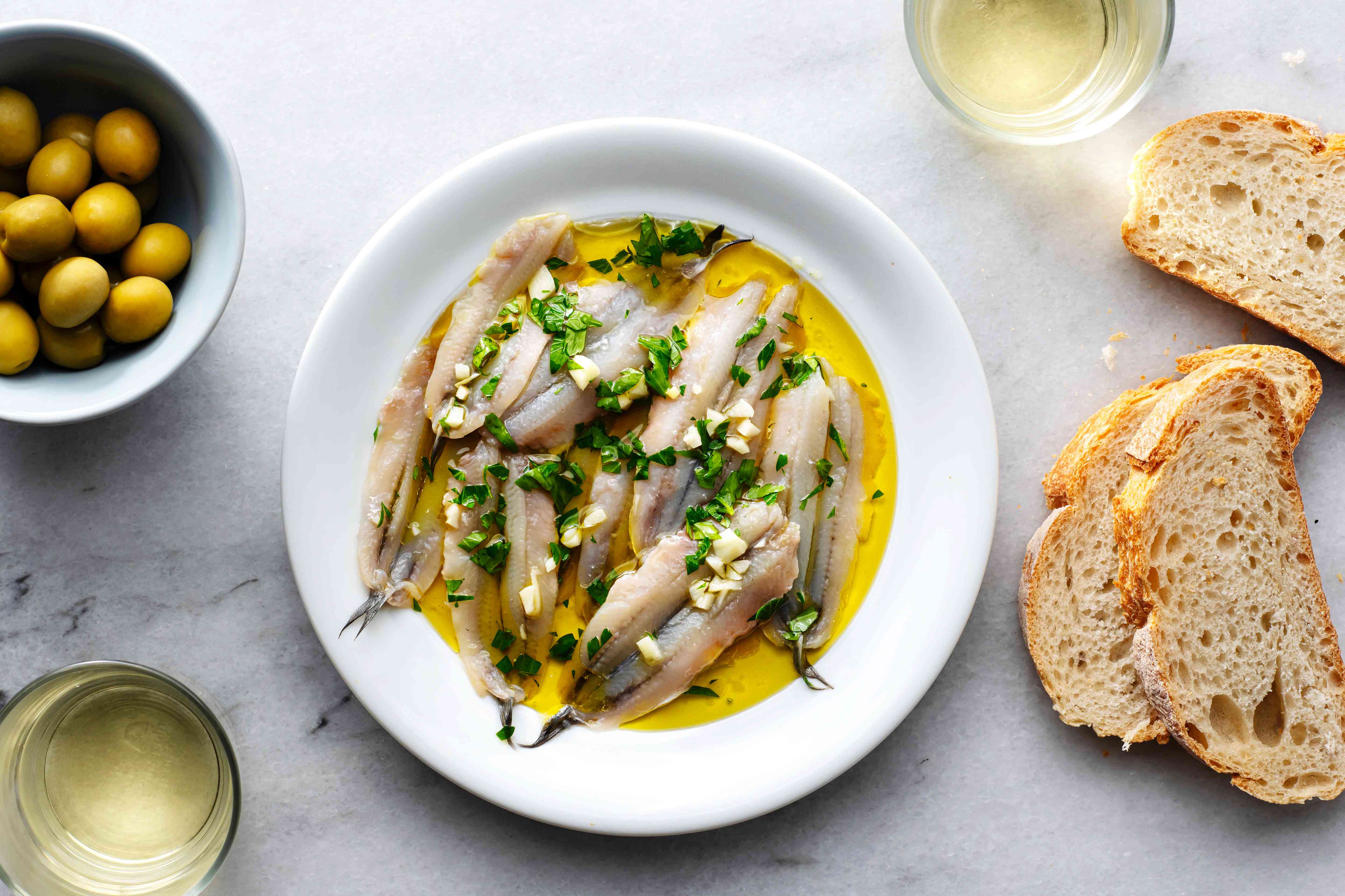
You’re pregnant, you’re craving something salty and savory — maybe on a pizza, stirred into pasta, or straight from the jar — and suddenly you’re second-guessing everything. Anchovies, of all things, now feel like a minefield.
Here’s the good news: anchovies are one of the better seafood choices you can make during pregnancy. They’re low in mercury, loaded with nutrients your baby actually needs, and widely recommended by major health authorities. The key is knowing which form is safe, how much to eat, and the few situations where you should hold off.
This guide walks you through everything — trimester by trimester, form by form — so you can eat with confidence.
The Short Answer
Yes, you can eat anchovies while pregnant — and in most cases, you absolutely should. Anchovies are generally safe to consume during pregnancy if eaten in moderation. They are low in mercury compared to other fish, making them a safer choice, and it’s recommended to limit your intake to 2–3 servings per week.
Not only are they safe, but they’re also on the FDA’s official “Best Choices” list for pregnant women. The Dietary Guidelines for Americans specifically lists anchovies among the fish that are even lower in mercury, placing them in the same category as salmon, sardines, shrimp, and trout.
The only real caveats involve how they’re prepared. Raw or improperly stored anchovies carry foodborne illness risks. Canned, cooked, or commercially packed anchovies? You’re in great shape.
Pro Tip: When in doubt at a restaurant, choose anchovies that are baked into a hot dish — like pizza or pasta sauce — rather than served cold or straight from a deli container.
Why It’s Safe
The biggest fear most pregnant women have about fish is mercury. That’s a valid concern for large, predatory fish — but anchovies sit at the opposite end of the spectrum. Anchovies are a small, short-lived fish. In general, smaller fish lower on the food chain tend to have lower mercury levels than large predatory fish like shark, swordfish, king mackerel, and some types of tuna. This makes anchovies broadly compatible with common pregnancy fish guidance when eaten as part of a balanced diet.
Beyond mercury, anchovies are genuinely nutritious for pregnancy. Anchovies may look small, but nutritionally they can be mighty. Depending on how they’re prepared, anchovies often contribute omega-3s, especially DHA, which are important for baby’s brain and eye development — and many pregnant people struggle to get enough DHA through diet alone, so including low-mercury seafood can help meet those needs.
They also bring more than just omega-3s to the table:
- Omega-3 DHA & EPA: Pregnant women are advised to get 200 milligrams of DHA daily, and anchovies provide 1.7 grams of total omega-3s per 3-ounce serving, containing both DHA and EPA.
- Iron: Pregnant women are advised to get 27 milligrams of iron per day — 50% more than non-pregnant women — because blood volume increases significantly. Anchovies are a good source of iron, and they contain heme iron, which is more easily absorbed than the nonheme iron found in plant foods.
- Calcium: Some anchovy products include softened, edible bones. When you eat the whole fish, you get a helpful calcium boost, and calcium supports fetal bone development while helping protect maternal bone stores.
- Protein: Protein supports maternal blood volume expansion, fetal growth, and tissue development — and anchovies can add protein to meals without requiring a large portion size.
- Vitamin B12: Vitamin B12 is essential for the formation of red blood cells and the nervous system — both critical during pregnancy.
Major health organizations back this up. FIGO (the International Federation of Gynecology and Obstetrics) has recommended that pregnant women preferentially eat small fish like anchovies and sardines because of a lower risk of methylmercury contamination compared with large, predatory fish. You can learn more about the pros and cons of eating seafood to understand the broader picture.
Key Insight: Anchovies deliver 1.7g of omega-3s per 3-oz serving — a powerful dose of the exact nutrients your baby’s developing brain needs most.
What the Research Actually Says
The research on anchovies during pregnancy is reassuring, and it comes from the most credible sources available.
The Food and Drug Administration (FDA), the Environmental Protection Agency (EPA), and the Dietary Guidelines for Americans recommend that pregnant people eat at least 8 ounces (224 grams) and up to 12 ounces (340 grams) of a variety of seafood lower in mercury per week. Anchovies count toward this total and are explicitly listed as a “Best Choice.”
Fish intake during pregnancy is recommended because moderate scientific evidence shows it can help your baby’s cognitive development. The research on DHA is particularly compelling. DHA is generally known as the most important omega-3 for pregnancy because it is a critical building block of the brain, retina, and nervous system. A growing number of studies show a correlation between omega-3 intake — especially DHA — and cognitive and visual function, and overall brain development. In humans, brain development undergoes its most rapid and complex growth during the last trimester of pregnancy and the first two years after birth.
The research also addresses the mercury concern directly. Mercury can harm a developing baby’s brain — but eating average amounts of seafood containing low levels of mercury during pregnancy hasn’t been shown to cause problems. And the omega-3 fatty acids in many types of fish can actually promote a baby’s healthy brain development.
One myth worth busting: there is no scientific evidence to suggest that eating anchovies can cause a miscarriage. However, it’s always important to consume seafood in moderation due to the presence of mercury and other contaminants. And on allergies: the claim that eating anchovies will make your baby allergic to fish has no scientific backing. In fact, several studies suggest that eating fish during pregnancy may actually reduce the risk of food allergies in the baby.
Anchovies are also a smart choice for heart health during pregnancy, since omega-3s support cardiovascular function in the mother as well. For a deeper look at how foods support brain development, the connection to DHA-rich seafood is well established.
How to Do It Safely
The form and preparation of anchovies matters more than the quantity. Here’s how to enjoy them safely across all three trimesters.
Safe Amounts
General pregnancy guidance encourages eating 2–3 servings of low-mercury seafood per week, often framed as 8–12 ounces total. Anchovies can count toward that total, though many people eat them in small quantities — a few fillets in pasta sauce, salad dressing, or sautéed vegetables — rather than as a full serving.
On a daily basis, 4–6 fillets provide about 400–600 mg of sodium, which is a reasonable amount. Just don’t eat the whole can every day.
Safest Prep Methods
- Canned/jarred anchovies (in oil or brine): Both canned and cooked anchovies are safe for pregnant women. Canned anchovies are typically pre-cooked and can be eaten directly.
- Baked into hot dishes: Anchovies baked on pizza or mixed into a hot pasta sauce are typically considered a pregnancy-safe way to enjoy them because the fish is heated thoroughly.
- Fresh anchovies (cooked): Fresh anchovies should be thoroughly cooked to eliminate any potential parasites. Cook to an internal temperature of 145°F (63°C).
- Anchovy paste: Commercially produced anchovy paste is generally safe as it’s made from cured anchovies and used in small amounts as a flavor base.
Managing the Sodium
Fresh anchovies are low in salt, with only 88 milligrams of sodium per 3-ounce serving — but the same amount of prepared anchovies can have over 3,000 milligrams. That’s a significant jump. If you’re monitoring blood pressure or experiencing swelling, these tips help:
- Rinse salt-packed anchovies briefly and pat dry before using.
- Skip additional salt in recipes that already include anchovies, capers, olives, soy sauce, or cheese.
- Pair with fresh ingredients like tomatoes, lemon, herbs, and garlic to boost flavor without extra salt.
- Canned anchovies are actually higher in most nutrients than their fresh counterparts, so look for lower-sodium options when available.
Trimester-by-Trimester Guide
| Trimester | Safety Status | Key Notes |
|---|---|---|
| First Trimester | ✅ Safe | You can eat anchovies in the first trimester. They’re packed with omega-3 fatty acids essential for your baby’s brain development — just ensure they’re properly cooked to avoid any risk of contamination. Note: nausea may make strong-flavored fish less appealing. |
| Second Trimester | ✅ Safe | Eating anchovies in the second trimester is safe and beneficial. They provide vital nutrients like calcium and protein, supporting your baby’s growth. |
| Third Trimester | ✅ Safe | You can enjoy anchovies throughout your third trimester. Their high nutrient content aids in maintaining your energy levels and supports fetal development. Stick to cooked or canned anchovies to ensure they’re safe. DHA accumulation in fetal brain tissue is especially rapid during this trimester. |
Important Note: This information is for educational purposes only and is not intended as medical advice. Always consult with your OB-GYN, midwife, or a registered dietitian before making significant changes to your pregnancy diet.
When to Avoid It Completely
Anchovies are broadly safe, but there are specific situations and forms you should steer clear of entirely.
Raw or Undercooked Anchovies
It’s best to avoid raw anchovies during pregnancy. Raw fish can pose a risk of bacterial or parasitic infection, which can be harmful to both you and your baby. This includes fresh anchovies that haven’t been cooked through.
Deli-Style Marinated Anchovies (Open Containers)
The only type of anchovy that pregnant women should avoid is the cold, marinated, raw type you get at delis, only if they’re stored or served from open containers, due to the risk of cross-contamination. Marinated anchovies are not necessarily cooked, and depending on how they were handled, they may carry higher parasite or foodborne illness risk.
Anchovies from Buffets or Uncertain Sources
Avoid seafood from venues where cold foods sit out for long periods — like buffets or long deli displays — especially if temperature control is unclear.
Excessive Amounts If You Have Hypertension or Preeclampsia Risk
Many anchovy products are salt-cured or packed in brine with added salt. Excess sodium can worsen swelling and may be an issue if you have chronic hypertension, gestational hypertension, or preeclampsia risk. If any of these apply to you, talk to your provider before adding anchovies regularly to your diet.
If You Have a Known Fish Allergy
Some individuals may experience allergic reactions to anchovies, which could affect both mother and baby. If you have a diagnosed fish allergy, anchovies are off the table entirely. Check with your allergist if you’re unsure.
Common Mistake: Assuming all “marinated” anchovies are safe just because they come in a jar. Factory-sealed, commercially packed marinated anchovies are generally fine — but open-container deli anchovies are a different story. Always check the source.
For a full overview of which foods to skip entirely during pregnancy, see this guide on foods and beverages to avoid during pregnancy.
Quick Reference Chart
| Anchovy Type / Situation | Status | Notes |
|---|---|---|
| Canned anchovies (in oil or brine) | ✅ Safe | Pre-cured, shelf-stable. Eat in moderation due to sodium. |
| Anchovies baked on pizza or in pasta sauce | ✅ Safe | Heat destroys pathogens. One of the safest ways to enjoy them. |
| Anchovy paste (commercially made) | ✅ Safe | Used in small amounts; made from cured anchovies. |
| Fresh anchovies (fully cooked to 145°F) | ✅ Safe | Must reach proper internal temperature. Low sodium when fresh. |
| Factory-sealed marinated/pickled anchovies | ⚠️ Use Caution | Generally considered safe if commercially packed and sealed. Avoid if from open deli containers. |
| Anchovies if you have gestational hypertension | ⚠️ Use Caution | High sodium content can worsen swelling or blood pressure. Consult your provider. |
| Raw, uncooked fresh anchovies | 🚫 Avoid | Risk of bacteria and parasites. Not safe during pregnancy. |
| Open-container deli marinated anchovies | 🚫 Avoid | Cross-contamination risk. Temperature control uncertain. |
| Anchovies in excess (whole can daily) | 🚫 Avoid | Sodium overload. Stick to 4–6 fillets per sitting, 2–3 times per week. |
| Any anchovies if you have a fish allergy | 🚫 Avoid | Consult your allergist and OB-GYN. |
Anchovies fit naturally into a nutrient-rich eating pattern during pregnancy. Their omega-3 content also makes them relevant for supporting healthy eye development in your baby — a benefit that’s especially active in the third trimester.
Frequently Asked Questions
Can anchovies cause a miscarriage?
There is no scientific evidence to suggest that eating anchovies can cause a miscarriage. However, it’s always important to consume seafood in moderation due to the presence of mercury and other contaminants.
How many anchovies can I eat per week while pregnant?
According to the FDA, pregnant women can safely consume up to 12 ounces (340 grams) of low-mercury fish, like anchovies, per week — which equates to about 2–3 servings. Because anchovies are so salty, most people naturally eat far less than this.
Are canned anchovies safe during pregnancy?
Anchovies are safe for pregnant women to eat if they’re from a can, tin, or jar. They’re cured with salt during processing, which significantly reduces microbial risk. Just watch the sodium content and choose low-sodium options when you can find them.
Can I eat anchovies on pizza while pregnant?
Absolutely. Anchovies baked on pizza or mixed into a hot pasta sauce are typically considered a pregnancy-safe way to enjoy them because the fish is heated thoroughly. This is actually one of the safest ways to eat them.
What about anchovy sauce or Worcestershire sauce?
Both are typically made from fermented or cured anchovies and used in very small quantities as flavor enhancers. The amounts involved are far too small to pose any mercury or sodium concern. They’re considered safe during pregnancy.
Are anchovies safe to eat while breastfeeding?
Anchovies (canned or pickled) are safe while breastfeeding. The omega-3 fatty acids in anchovies pass into breast milk and benefit the baby. The same sodium considerations apply.
Is anchovy paste safe during pregnancy?
Yes. Commercially produced anchovy paste is made from salt-cured anchovies and is used in tiny amounts. It’s safe in pregnancy, though you should still account for its sodium contribution in your overall daily intake.
What fish should I avoid during pregnancy instead?
The bigger and older the fish, the more mercury it’s likely to contain. The FDA says not to eat the following while pregnant: bigeye tuna, king mackerel, marlin, orange roughy, swordfish, shark, and tilefish. Anchovies are the opposite of these — small, young, and low on the food chain. For more on what to avoid during pregnancy, that full guide covers far more than just fish.