Author: Emmanuella Oluwafemi

  • 9 Health Benefits of Eating Oats and Oatmeal

    9 Health Benefits of Eating Oats and Oatmeal

    Oats are one of the healthiest grains on the planet. They are whole grains, gluten-free, and a wonderful source of essential vitamins, minerals, antioxidants, and fibre.

    Studies have revealed that oats and oatmeal have lots of health benefits. These benefits include lower blood sugar levels, weight loss, and a reduced risk of heart disease.

    Below are 9 evidence-based health benefits of eating oatmeal and oat.

    What Are Oatmeal and Oats?

    Oats are delicious whole-grain food, scientifically known as Avena sativa.

    Oat groats are the most whole and intact form of oats, and they take a long time to cook compared to other forms. For this reason, most oat lovers prefer cooking rolled, steel-cut oats, or crushed oats.

    Instant (quick) oats, which are the most commonly sold variety are the most highly processed variety. These instant oats take the shortest time to cook, but real oat lovers believe the texture may be mushy.

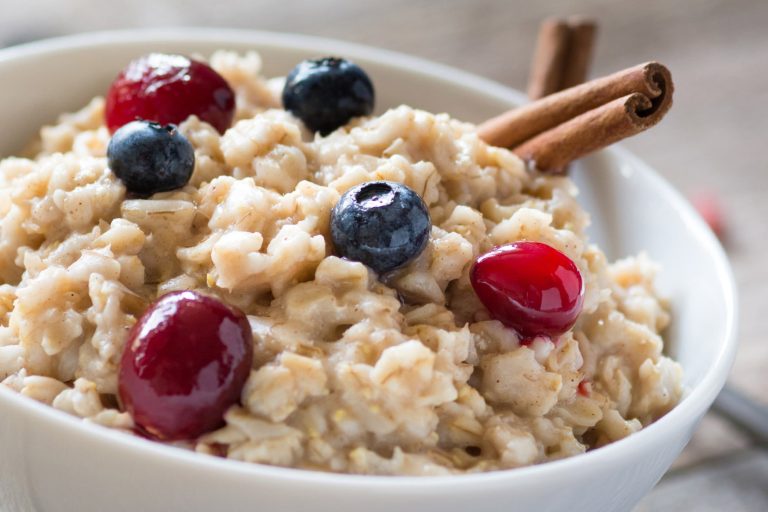
    Oats are a very common breakfast option, cooked and eaten like oatmeal, which is made by boiling the oats in milk or water. In some places, oatmeal is referred to as porridge.

    Oatmeals are also often included in granola bars, muffins, cookies and many other baked goods.

    Oats Are Incredibly Nutritious

    Oats have a well-balanced nutrient composition. They are a good source of fibre and carbs, including the wonderful fibre beta-glucan.

    They also contain more protein and fat than most grains.

    Oats are packed with vital vitamins, minerals and antioxidant of plant compounds. A ½ cup (78 grams) of dry oats carries:

    • Phosphorus: 41% of the RDI
    • Manganese: 191% of the RDI
    • Magnesium: 34% of the RDI
    • Vitamin B1 (thiamin): 39% of the RDI
    • Iron: 20% of the RDI
    • Copper: 24% of the RDI
    • Folate: 11% of the RDI
    • Zinc: 20% of the RDI
    • Vitamin B5 (pantothenic acid): 10% of the RDI
    • Smaller amounts of potassium, calcium, vitamin B3 (niacin) and vitamin B6 (pyridoxine).

    This comes with 13 grams of protein, 8 grams of fibre, 51 grams of carbs, 5 grams of fat, but only 303 calories.

    This means that oatmeal and oats are amongst the most nutrient-dense foods you can have for breakfast or even add to your pastries.

    Whole Oats Are high in Antioxidants, Including Avenanthramides

    Whole oats are very rich in antioxidants and some beneficial plant compounds are known as polyphenols. Most notable is a very unique group of antioxidants known as avenanthramides, which are almost primarily found in oats.

    Avenanthramides may help to lower blood pressure levels by increasing nitric oxide production. This gas molecule usually helps to dilate blood vessels and encourages better blood flow.

    In addition, avenanthramides posses anti-itching and anti-inflammatory effects. Large amounts of Ferulic acid is also found in oats. This is another wonderful antioxidant.

    Oats Contain a Powerful Soluble Fiber known as Beta-Glucan

    Oats contain huge amounts of beta-glucan, which is a type of soluble fibre. Beta-glucan dissolves partially in water and creates a thick, gel looking solution in the gut.

    Below are the health benefits of beta-glucan fibre:

    • Reducing blood sugar and insulin response
    • Reducing LDL and total cholesterol levels
    • Increasing feeling of fullness
    • Increasing the growth of good bacteria in the digestive tract

    Oats Can help to Lower Cholesterol Levels and also Protect LDL Cholesterol From Damage

    Studies reveal that heart disease is the top cause of death globally. One common risk factor is hypertension or high blood cholesterol.

    Many studies have revealed that the beta-glucan fibre found in oats is very effective at lowering both total and LDL cholesterol levels.

    Beta-glucan may help to increase the excretion of cholesterol-rich bile, which will then reduce the circulating levels of cholesterol in the blood.

    The oxidation of LDL (known as the “bad” cholesterol ) cholesterol, which happens when there is a reaction between LDL and free radicals, is another important step in the progression of different heart diseases.

    It not only produces inflammation in arteries, it damages tissues and can also increase the risk of strokes and heart attacks.

    One study has also reported that antioxidants in oats can work together with vitamin C to help prevent LDL oxidation.

    Oats Can Improve Blood Sugar Control

    Type 2 diabetes is a very popular disease that is characterized by significantly elevated blood sugars levels. It usually comes from a decrease in sensitivity to the hormone insulin.

    Oats may be helpful to lower very high blood sugar levels, especially in individuals who are overweight or those who have type 2 diabetes.

    Oats may also improve insulin sensitivity.

    These effects are mostly attributed to the ability of beta-glucans to create a thick gel that not only delays the emptying of the stomach but also the absorption of glucose into the blood

    Oatmeal Is Quite Filling and May Help to encourage weight loss

    For people who consider oatmeal (porridge) a delicious breakfast food, they also enjoy it because it’s also very filling.

    Eating foods that are filling may also help you eat fewer calories and shed some weight.

    By slowing down the time it takes your stomach to get rid of food, the beta-glucan contained in oatmeal may help to increase your feeling of fullness.

    Beta-glucan can also help to promote the release of peptide YY (PYY), which is a hormone that is produced in the gut as a response to eating.

    This feeling of fullness initiated by this satiety hormone has been discovered to lead to lower calorie intake and may also decrease your risk of suffering obesity.

    Finely Ground Oats May be very Helpful With Skin Care

    It is no coincidence that you can find oats in numerous skincare products. Producers of these skincare products usually list finely blended oats as “colloidal oatmeal.”

    The use of colloidal oatmeal as a skin-protective substance was approved by the FDA back in 2003. But oat wasn’t first discovered to be great for the skin in 2003. Oats have a very long history of use in the treatment of irritation and itch in various skin conditions.

    For instance, a skincare product that is oat-based has been discovered to potentially improve uncomfortable symptoms of eczema.

    Please note that the skincare benefits of oat are only derived from oats that are applied directly to the skin, not those that are consumed as food.

    Oat May Decrease the Risk of Childhood Asthma

    This may be a surprising oat benefit, but it is one that most mothers will be glad to know about. Asthma is no doubt, the most common chronic illness in children.

    It is an inflammatory disorder that affects the airways (blocking the tubes that carry air to and from an individual’s lungs).

    Although it has been discovered that not all kids have the same symptoms of asthma, many kids may experience recurrent wheezing, coughing, and shortness of breath.

    Many researchers are of the opinion that the early introduction of solid foods to children may lead to an increased risk of developing asthma and many other allergic diseases.

    However, other studies suggest that this assumption doesn’t apply to every food. An early introduction of oatmeal or oats, for instance, may actually be protective to children.

    One research reports that feeding infants with oats before the age of 6 months is connected to a reduced risk of asthma in children.

    Oats May Help to Relieve Constipation

    A lot of elderly people frequently experience constipation, with less frequent, or irregular bowel movements that are hard or seemingly impossible to pass.

    Laxatives are usually used to relieve constipation in older people. However, even though these laxatives are very effective, they have also been associated with weight loss and reduced quality of life.

    Studies suggest that the oat bran ( this is the fibre-rich outer layer of the grain) may help to relieve constipation in elderly people.

    One trial revealed that the well-being of 30 elderly patients was improved after they consumed a soup or dessert that contained oat bran every day for 12 weeks.

    What’s else? 59% of the elderly patients were able to stool easily without using laxatives after the completion of the 3-month study, while the total laxative use went 8% higher in the control group.

    How to Incorporate Oats Into Your Diet?

    You can never get bored with oats as you can enjoy them in several ways. The most common way is to simply make oatmeal (porridge) for breakfast.

    Here is an easy and straightforward way to make oatmeal:

    • 1 cup (250 ml) of water or milk
    • 1/2 cup of rolled oats
    • A pinch of salt

    Combine all ingredients in a small pot and bring to a boil. after two minutes, reduce the heat to a simmer and properly cook the oats, occasionally stirring, until soft.

    To make your oatmeal tastier and even more nutritious, you can add dried or fresh fruits, cinnamon, nuts, seeds, milk, or Greek yoghurt.

    Also, oats can be included in many baked goods, granola, muesli, and bread.

    Even though oats are naturally gluten-free, they can sometimes be contaminated with gluten. That may not be intentional, as it often happens because they may be harvested and processed with the same tools or equipment used for other grains that contain gluten.

    If you are dealing with celiac disease or gluten sensitivity, make sure to only buy oat products that are certified to be gluten-free.

    Oats Are Incredibly Good for You

    Oats are a wonderfully nutritious food packed with essential vitamins, minerals and antioxidants.

    In addition, these grains are high in fibre and protein when compared to other popular grains.

    Oats contain some very unique components — most specifically, the antioxidants called avenanthramides and the soluble fibre beta-glucan.

    The benefits of eating oat include lower cholesterol levels and blood sugar, reduced constipation, and protection against skin irritation.

    In addition, oats are very filling and posses many properties that make them a great food for people who are looking for weight loss.

    How do you like your oats? let us know by leaving a comment in the comment section below.

  • Tofu: Origin, Benefits, Risks and More

    Tofu: Origin, Benefits, Risks and More

    Tofu is a highly nutritious food, but it is one of those foods that has sparked debates for decades.

    While some people can’t preach enough about the numerous health benefits of tofu, others have declared that it is a genetically-modified poison that must be avoided by all means.

    This confusion may leave you wondering whether it will be a mistake for you to eat tofu or not.

    This article explores in details the wonderful health benefits of tofu to determine whether or not it is good for you.

    What Is Tofu?

    Tofu is not a natural food. It is made of condensed soy milk that is made into hard white blocks almost like the process of cheese making. Tofu originated in China and it has become a world wide delicacy.

    Rumor has it that one Chinese cook discovered tofu about two millennia ago (2,000 years) when he accidentally mixed a large batch of fresh soy milk with nigari.

    Just in case you are wondering what Nigari is, it is what is left after the salt has been extracted from seawater. Nigari is a mineral-rich coagulant that is used to solidify tofu and keep its form.

    Most of the soybeans sold around the world are currently grown in the United States, and a very large percentage of it is genetically modified (GMO).

    Although GMO foods have been a source of serious controversy, research carried out so far has not yet found them to be harmful to humans.

    However, if you feel like you have a problem with GMO, simply make you tofu at home or opt for non-GMO, organic tofu brands.

    Contains Many Nutrients

    Tofu has a high protein content and also contains all of the vital amino acids that your body needs. Tofu also provides carbs, fats, and a wide range of vitamins and minerals.

    A single 3.5-ounce (100-gram) serving of tofu offers you:

    • Carbs: 2 grams
    • Protein: 8 grams
    • Fat: 4 grams
    • Fiber: 1 gram
    • Calcium: 20% of the RDI
    • Copper: 11% of the RDI
    • Selenium: 14% of the RDI
    • Manganese: 31% of the RDI
    • Phosphorus: 12% of the RDI
    • Zinc: 6% of the RDI
    • Magnesium: 9% of the RDI
    • Iron: 9% of the RDI

    The above comes with exactly 70 total calories, and that makes tofu a nutrient-dense food.

    However, there are different coagulants that can be used in the making of tofu, thus the micronutrient content of tofu vary greatly depending on the coagulant used in its making.

    Nigari adds a higher volume of magnesium while precipitated calcium only increases the calcium content of your tofu.

    Contains Antinutrients

    Just like a lot of plant foods, tofu contains different antinutrients.

    These anti-nutrients include;

    • Phytates: Phytates can decrease the absorption of minerals, such as zinc, calcium, and iron.
    • Trypsin inhibitors: These compounds are known to block trypsin, which is an enzyme needed for the proper digestion of protein.

    However, simply soaking or cooking soybeans can help to eliminate or inactivate some of these antinutrients.

    Sprouting your soybeans before making tofu with it will reduce phytates by up to 56% and diminish trypsin inhibitors by as much as 81% while also increasing the protein content of your soybeans by up to 13%.

    Fermentation is also a wonderful way to reduce antinutrients. This is the very reason reason why fermented, probiotic soy foods — such as miso tempeh, miso, tamari, or natto — are very low in antinutrients.

    Do not forget that the antinutrient content of tofu is nothing to be concerned about unless you are deliberately following an imbalanced diet and only relying on tofu as your primary source of zinc or iron.

    Tofu contains Beneficial Isoflavones

    Soybeans are rich in natural plant compounds known as isoflavones.

    These compounds function as phytoestrogens, which meaning that they are capable of attaching to and activating estrogen receptors in your body.

    The effects produced by this phytoestrogen is similar to that of the hormone estrogen, but they are weaker.

    Tofu contains 20.2–24.7 mg of isoflavones per 3.5-ounce (100-gram) serving.

    A large part of the health benefits of tofu are linked to its high isoflavone content.

    Tofu Contains Saponins

    Also, tofu contains saponins, which are compounds that thought to have protective effects on the heart health.

    Studies carried out on animals reveal that saponins can not only improve blood cholesterol, but also increase the disposal of bile acids, both of which will help to lower the risk of heart disease risk.

    Tofu May Reduce the Risk of Heart Disease

    Only a few research specifically look at tofu’s effects on cardio health.

    However, studies have revealed that high consumption of legumes, including soy, is linked to lower rates of cardio disease.

    Scientists have also found out that soy isoflavones can help to reduce the inflammation of blood vessel and also improve their elasticity.

    One research found out that take 80 mg of isoflavones supplements per day for 3 months (12 weeks) improved the blood flow of people who were at risk of stroke by 68%.

    It was also discovered that 50 grams of soy protein daily is also linked with improved levels of blood fats and an estimated 10% less risk of heart disease.

    What else is there to know? In postmenopausal women, a high intake of soy isoflavone has been linked to different heart-protective factors, which includes an improvements to waist circumference, body mass index, fasting insulin, and “good” HDL cholesterol.

    Tofu is Linked to a Reduced Risk of Some Cancers

    Studies have examined the effects of soy products, especially tofu on prostate, breast, and digestive system cancers.

    Breast Cancer

    Studies revealed that ladies who eat soy products at least one time in a week have as much as 48–56% less risk of breast cancer.

    This protective effect against breast cancer is believed to derived from isoflavones, which has also been been revealed to positively influence both the menstrual cycle and blood estrogen levels.

    It seems that exposure to soy during childhood and adolescence may be most protective, but that’s not to say that intake later in life is not beneficial.

    In fact, studies reveal that women who included more of soy products to their diet at least once in a week throughout their adolescence and adulthood had enjoyed to 24% less risk of breast cancer, compared to individuals who ate soy only during their adolescence alone.

    One constant criticism of tofu and many other soy products is that they may likely increase the risk of breast cancer. However, a two-year research that was carried out on postmenopausal women who ate two servings of soy daily failed to identify an increased risk.

    Other studies have also reported similar outcomes, including a review of 174 researches, which found no connection between soy isoflavones and an increased breast cancer risk.

    Cancers of the Digestive System

    One research observed that higher consumption of tofu was connected to a 61% less risk of stomach cancer in men.

    Interestingly, a second research revealed a 59% less risk in women.

    What’s else? a recent review of different studies in 633,476 individuals linked higher intake of soy or tofu to a 7% lower risk of cancers of the digestive system.

    Prostate Cancer

    Two review studies revealed that men who consumed higher amounts of soy, most specifical tofu, had as much as 32–51% lesser risk of prostate cancer.

    A third review also confirmed these findings but included that the goodness of isoflavones may greatly depend on the amount consumed by a person and the type of gut bacteria that is present.

    Tofu May Reduce Your Risk of Diabetes

    Several test-tube studies carried out recently and animal studies reveal that soy isoflavones may help to boost blood sugar control.

    In one research of healthy postmenopausal females, 100 mg of soy isoflavones daily reduced their blood sugar levels by 15% as well as insulin levels by 23%.

    For postmenopausal women who have diabetes, taking 30 grams of isolated soy protein as supplement lowered the fasting insulin levels by 8.1%, “bad” LDL cholesterol by 7.1%, total cholesterol by 4.1%, and insulin resistance by 6.5%.

    In a different study, taking isoflavones every day for an entire year improved blood fats and insulin sensitivity while reducing the risk of heart disease.

    However, the above findings are not universal. In another review of 24 human studies, it was discovered that soy protein that is intact — as opposed to protein extracts or isoflavone supplements — was a lot more likely to lower blood sugar levels.
    Therefore, there is need for more studies.

    Other Potential Benefits of tofu

    Tofu

    Due to the high isoflavone content of tofu, it may also be good for:

    • Bone health: Some scientific data have Suggested that 80 mg of soy isoflavones daily may help reduce bone loss, especially during the early stages of menopause.
    • Brain function: Studies also reveal they soy isoflavones may have a good influence on brain function and memory, especially for women who are over 65 years of age.
    • Menopause symptoms: Soy isoflavones may be helpful in the reduction of hot flashes. However, this has not been agreed by all studies.
    • Skin elasticity: This may be one reason why women will love tofu. Taking as much as 40 mg of soy isoflavones daily can reduce wrinkles significantly and improve skin elasticity after 2-3 weeks.
    • Weight loss: In one research, taking soy isoflavones for 2–6 months resulted in an average weight loss of up to 10 pounds more than the control group.

    Tofu May Cause Problems for Some People

    While it is considered safe to eat tofu and some other soy foods daily. That said, you may need to be moderate about your tofu consumption if you have:

    • Breast tumors: Due to the weak hormonal effects of tofu, some doctors advice women with breast tumors that are estrogen-sensitive to limit their soy intake.
    • Thyroid issues: Some doctors also advise people who have poor thyroid function to avoid tofu and other soy foods due to its goitrogen content.

    However, in a recent report from the European Food Safety Authority (EFSA) they reached a conclusion that soy and soy isoflavones should not be a bother or reason for concerns for breast and uterine cancers or thyroid function.

    Nevertheless, studies agree that babies shouldn’t be fed with soy isoflavones as if may disrupt the healthy development of their reproductive organs.

    Although there is yet to be enough human studies on this subject, some animal studies have suggested that the intake of high amounts of tofu or soy may interfere with fertility.

    If you have any concerns about tofu consumption, discuss soy and your health with your doctor.

    Tofu varieties and ways of Preparation

    You can purchase tofu in bulk or in individual packages, either refrigerated or not.

    It is also possible for you to find it freeze-dried, dehydrated, jarred, or canned.

    Generally, there is no need for heavy processing to make tofu, so it is best that you choose varieties with very short ingredients lists.

    When checking out the ingredient list you should expect to see only ingredients such as water, soybeans, and coagulants — like calcium sulfate, delta gluconolactone or magnesium chloride, — and maybe some seasoning.

    If you’re not comfortable with buying tofu from the store, you can make yours at home with soy milk, lemon juice, and some water.

    You can enjoy your tofu as a snack or part of a dish. There are lots of delicious tofu recipes you may want to try as well.

  • What is Banana Allergy?

    What is Banana Allergy?

    Bananas are considered a happy fruit, and almost everyone I know loves them. But, this nutritious and greatly loved fruit can cause allergic reactions in some people.

    Banana allergy isn’t an allergic reaction to all of the banana, but an allergy to a particular protein found in the fruit. This allergic reaction usually ranges from mild cases to potentially life-threatening cases.

    Any adult or child who shows symptoms of allergic reactions to bananas must have a medical evaluation done to check their risk factors anaphylaxis, and allergies to other substances.

    Incidence

    Banana allergies are not too common, and just like other allergies, this occurs mainly when the immune system overreacts to substances that are otherwise not harmful.

    The symptoms people experience for different allergies differ from individual to individual. While some people only experience mild skin reactions or irritations, some others will experience anaphylaxis, which is a life-threatening allergic reaction.

    People who deal with a banana allergy are more vulnerable to different other allergies to substances that probably have no connection with bananas. There are two reasons why this is true:

    Firstly, an allergy is proof that you have an over-reactive immune system that may cause some reactions to other substances that appear to be completely harmless.

    Secondly, the proteins that are present in bananas have some similarities to proteins found in some other natural substances, especially latex, which is a raw material for may regularly used items such as balloons, hygiene gloves, and condoms.

    Banana allergies are relatively rare as earlier mentioned, and that explains why they do not rank among the most common allergies. Interesting to note is how in most areas of the world, below 1 percent of the population suffers a banana allergy.

    However, individuals who have allergic reactions to substances that contain proteins like those found in bananas are at a higher risk.

    Risk factors

    A person is at risk of having a banana allergy if they have been confirmed to be allergic to latex, other fruits or vegetables.

    Other risk factors for people with banana allergies, as well as for those allergic to other kinds of food, include the following:

    • An allergy to anything else, including pollen, foods, and plants
    • A family history of allergies, especially to bananas
    • A history of eczema or atopic dermatitis
    • Having asthma
    • A history of oral allergy syndrome with any foods

    Symptoms of banana allergy

    The expected symptoms of banana allergies will greatly depend on the type of allergy an individual has. There is also a chance that symptoms can change over time.

    An allergy that is considered to be relatively minor, known as oral allergy syndrome (OAS), usually happens when the banana gains contact with the skin in the mouth, lips, and throat.

    OAS occurs mainly due to the presence of protein in any fruit or some other plant material that is like what can be obtained from pollen. OAS is not so mild and often gets worse during allergy season.

    The symptoms of OAS include:

    • A rash or sores on the mouth, lips, or tongue
    • Swelling of parts of the mouth or throat
    • In rare cases, anaphylaxis

    While the symptoms of OAS sometimes tend to appear immediately after eating your banana. There are other forms of banana allergy that can also cause anaphylaxis and that mostly appear immediately following banana consumption.

    Also, there are some people who have reported to experience gastrointestinal distress after eating a banana and babies may have some painful diaper rash as symptoms of banana allergy.

    Adults may have some sores on and around their rectum when the proteins from already digested banana come in contact with their skin.

    Some individuals, especially growing children and infants, may have reactions in the form of a red rash after eating bananas and any other acidic fruits. This reaction is not an actual allergy but a simple skin irritation from eating the acidic fruit.

    A quick clean of the mouth and face immediately after they eat the fruit can help to reduce or completely eliminate symptoms of irritation.

    Banana allergy in infants

    Banana Allergy

    For infants, the symptoms of a banana allergy are very similar as they are for grown people and young children.

    Whatever you have to introduce new foods to an infant, it is important that you do so with caution, especially with foods that commonly cause allergic reactions such as peanuts.

    If you notice that your child has eczema or another allergy, there is a greater risk of a severe allergic reaction to other foods.

    However, it is recommended that you introduce common food allergens (inclusive of soy, chestnut, eggs, peanuts, and tree nuts) to your child even they are about 5 ½ months old or before they reach 7 ½ months.

    A further delay in the introduction of these kinds of food will increase the chances of your child having a food allergy.

    Parents and guardians should must monitor their infants and young kids for any signs or symptoms of an allergic syndrome known as food protein-induced enterocolitis syndrome (FPIES).

    Kids who have FPIES usually develop severe gastrointestinal problems, including diarrhoea and vomiting 2–3 hours after consuming an allergen. Blood allergy tests are very unlikely to diagnose the above condition.

    Many babies and young children who have FPIES initially show some signs of allergies to formula or breast milk.

    FPIES usually causes some allergies to different foods when children who have it eventually begin to adult food, though soy and dairy are among the most common triggers of FPIES.

    Children who have this disorder often need to be food with a limited diet, and when left untreated, FPIES can lead to severe dehydration and malnourishment.

    Other foods that should be avoided

    The proteins in a banana are very similar to those that are found in many different fruits and vegetables.

    So, if you notice that your child or someone else has a banana allergy, it is vital for them to get an allergy testing done to know what kind of foods they can and cannot safely eat.

    A cross-reaction to banana has also been discovered in people who are allergic to ragweed, most especially during the ragweed pollen season that comes during the late summer and fall.

    Apart from banana, some other foods that a person who has a banana allergy may have to avoid include;

    • Kiwi
    • Avocado
    • Tomato
    • Papaya
    • Potato
    • Bell pepper
    • Chestnut

    People who have a banana allergy are also very likely to have an allergy to products made from latex. And in almost every common product that we use daily, latex is an ingredient. Such a person may want to consider avoiding hygiene gloves, balloons, and certain condoms.

    Anyone who may feel concerns must tell his/her doctor about any case or history of banana allergies before they begin the use of latex products, and they should also consider testing for a latex allergy.

    The interesting part of banana allergy is that many people who are allergic are still able to eat a banana when cooked without having any symptoms.

    This only happens because the allergen protein usually disintegrates when the banana is properly cooked.

    This means that It may not be necessary that you avoid cooking foods that contain bananas, but we cannot advise that you eat them as only an allergist have the ability to provide you with accurate, individualized details about the risks you may be exposed to.

    When to see a doctor

    Banana allergies are uncomfortable but often treatable, however, not all the rashes and signs of irritation you notice are due to any form of allergies.

    This means that you need to do an allergy testing to be sure, as it can help to determine what the right treatment for the rash or reactions is, as well as completely rule out any other potential health conditions.

    A person has to report any signs of an allergic reaction to a medical practitioner who may then refer them to an allergist if he/she cannot handle the situation.

    Infants who get a rash after consuming a banana may be at a high risk of anaphylaxis. It is vital that a parent or caregiver calls a doctor immediately when they notice their babies or children show any signs or symptoms of an allergic reaction.

    Swelling of the throat, loss of consciousness, difficulty breathing, and other serious allergy symptoms can potentially be life-threatening emergencies, so it is important to call 911 or your local emergency number when you notice any of the above.

    Your doctor may prescribe someone who has an epinephrine injection pen (EpiPen) to help with the reduction of risk from dangerous symptoms in the future.

    The conclusion

    More than a quarter of children with allergies usually outgrow their allergies, so there is a possibility that a child who suffers a banana allergy may grow up to eventually be able to eat bananas without worrying about any dangers.

    Kids who only suffer mild allergic reactions are more likely to outgrow a banana allergy. However, no study has specifically investigated people outgrowing banana allergies.

    Banana allergies can be very uncomfortable, but the good part is that bananas are easy to avoid. It is not wise for people to assume that their banana allergies are not harmful, or that they will go away as they grow older.

    Even what you may consider as a minor banana allergy can develop to become a more severe case or cause a serious reaction.

    There are other fruits that are great for consumption if you have been diagnosed with a banana allergy. Please see a doctor and a nutritionist for advice on other available fruit options that you will not react to.

    Let us know if you have heard of a banana allergy before now, or if you have experienced one yourself. Do so leaving a comment in the comment section below.

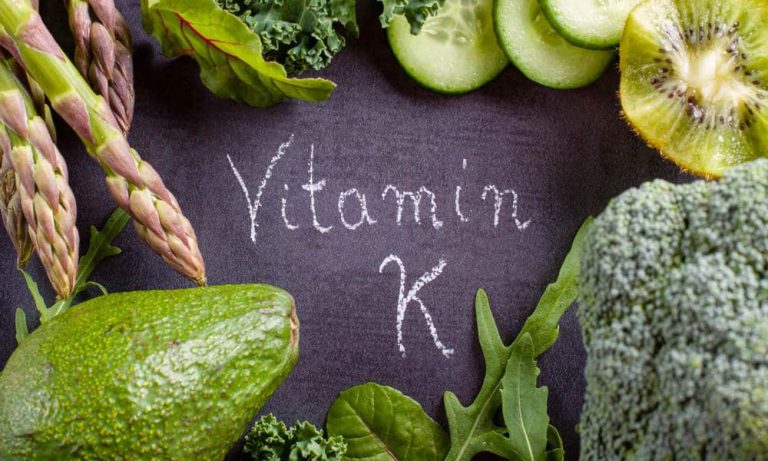
  • Vitamin K: Sources, Benefits, and Risks

    Vitamin K: Sources, Benefits, and Risks

    Vitamin K is the name for a group of vitamins that are fat double and play a major role in blood clotting, regulation of blood calcium levels, and bone metabolism.

    The human body requires vitamin K to make prothrombin, a clotting and protein factor that is vital in bone metabolism and blood clotting.

    People who make use of blood-thinning pills like Coumadin, or warfarin, should not begin the consumption of any additional vitamin K unless prescribed by a doctor.

    Vitamin K deficiency is a very rare condition, but in extreme cases, it can lead to an increase in blood clotting time, which causes excessive bleeding or haemorrhage.

    Vitamin K1, or phylloquinone, is derived from plants. K1 is the primary type of dietary vitamin K. A lesser source of vitamin K is vitamin K2 which is also known as menaquinone, and it occurs in some animal-based foods and fermented foods.

    Uses of vitamin k

    Phylloquinone, which is also known as vitamin K1, is derived from plants. When consumed, the bacteria present in the large intestine changes it to its storage form, which is vitamin K2. This vitamin k2 is then absorbed in the small intestine before it is stored in the liver and in fatty tissue.

    Without the presence of vitamin K, the body is unable to produce prothrombin, which is a clotting factor that is vital for bone metabolism and blood clotting.

    Most Americans get enough vitamin K, thus they are not at risk of its deficiency. Vitamin K deficiency is most likely to affect newborns and people with a malabsorption problem, as a result of short-bowel syndrome, celiac disease, cystic fibrosis, or ulcerative colitis.

    Normally, newborns are given a vitamin K injection to guard them against bleeding in the skull, which could be a fatal thing.

    The recommended daily vitamin K intake depends on gender and age. Women who are aged 19 years and above are to consume 90 micrograms (mcg) of vitamin K a day, and men should consume 120 mcg a day.

    Benefits of vitamin K

    Vitamin K benefits the human body in a variety of ways.

    Bone health

    There seems to be a link between low vitamin K intake and osteoporosis.

    Several pieces of research have suggested that vitamin K provides support for the maintenance of strong bones, it improves bone density and also lowers the risk of fractures. Nevertheless, studies are yet to confirm this.

    Cognitive health

    Increased levels of vitamin K in the blood have also been linked with better episodic memory in aged people.

    In one research, healthy people who were above the age of 70 years and also had the highest vitamin K1 blood levels had the highest performance of verbal episodic memory.

    Heart health

    Vitamin K is also great for the heart as it may help to keep the blood pressure lower through the prevention of mineralization, where there is a build-up of minerals in the arteries. What this does it to enable the heart to freely pump blood through the body.

    Mineralization is an occurrence that happens naturally with age, and it has been found to be a major risk factor for heart disease. The right intake of vitamin K has been discovered to also reduce the risk of stroke.

    Sources of vitamin k

    Vitamin K1 is easy to get in your daily diet especially if you are a vegetarian. This vitamin occurs in large amounts in leafy green vegetables, such as Swiss, kale, and chard. Some other sources of vitamin K include some fruits and vegetable oils.

    Sources of menanoquines, or vitamin K2, include dairy products, meat, eggs, and Japanese “natto,” which is made from fermented soybeans. Below is a sample of some food sources of vitamin K:

    • a 3-ounce serving of natto contains 850 mcg of vitamin k
    • 10 sprigs of parsley contain 90 micrograms (mcg) of vitamin k
    • one cup of raw spinach contains 145 mcg
    • a half-cup serving of frozen and boiled collard greens contains 530 mcg
    • a half-cup serving of grapes contains 11 mcg
    • a hard-boiled egg contains 4 mcg
    • 1 tablespoon of soybean oil contains 25 mcg

    Most adults in the U.S. are believed to consume enough vitamin K.

    Recipe tips

    The healthy recipes below have been specifically developed by a professional dietitian. They are guaranteed to increase your daily vitamin K intake.

    • Powered-up spinach lasagne
    • Baked halibut with garlicky kale & toasted cashews
    • Spinach-pesto salad
    • Roasted Brussels sprouts with toasted pecans & avocado

    Dietary fat helps to promote the absorption of vitamin K, which means that a simple salad of green leaves, with nicely drizzled olive oil, will not only provide you with vitamin K but also help the body absorb it.

    Risks

    At present, no tolerable upper limit for vitamin K has been determined. Toxicity is, however, very rare. And it is also unlikely to result from the consumption of foods containing vitamin K.

    However, it is important to note that taking any type of vitamin K supplement can lead to toxicity.

    It is possible for vitamin K to interact with several common medications, such as blood thinners, antibiotics, anticonvulsants, weight-loss drugs, and cholesterol-lowering drugs.

    Blood thinners, like warfarin, are used for the prevention of harmful blood clots which as capable of blocking the blood flow to the heart or brain. These medications work by delaying or decreasing vitamin K’s clotting ability.

    Thus a sudden decrease or increase in the vitamin K intake can interfere with the effects of these medications. Keeping your daily vitamin K intake consistent from can help to prevent these problems.

    Anticonvulsants, if used while breastfeeding or during pregnancy, can cause an increase in the risk of a vitamin K deficiency in a newborn or a fetus. Some examples of anticonvulsants are Dilantin and phenytoin.

    Medications for lowering Cholesterol levels may interfere with fat absorption. Also, dietary fat is vital for the absorption of vitamin K, thus individuals who are using this medication may be exposed to a higher risk of deficiency.

    If you or anyone you know are taking any of these medications, it is vital that you or such a person speak to a doctor about your intake of vitamin K.

    Finally, the best way you can ensure that your body gets sufficient nutrients is to feed on a balanced diet, with lots of fresh fruit and vegetables.

    While people love to take supplements, they should only be bought for use in case of vitamin K deficiency, and even then, under professional medical supervision.

  • Passion Fruit: Benefits and Side Effects

    Passion Fruit: Benefits and Side Effects

    Passion fruit is a delicious and nutritious tropical fruit and it has begun to gain popularity, especially amongst individuals who are health-conscious.

    Despite the small size of this fruit, it is healthy rich in vitamins, antioxidants, and plant compounds that could be beneficial to your health.

    Below is everything that you must know about the passion fruit.

    What exactly is passion fruit?

    Passion fruit is a seed of the Passifloravine, which is a type of passionflower. Passion fruit has a tough outer layer and a juicy seed-filled center.

    If you are worried about the smallness of this fruit, I’m glad to have you know that there are several types of passion fruit, and that vary in both size and color. Yellow and purple varieties are the most commonly available passion fruits, including:

    Passiflora edulis: These ones are very small and round or oval-shaped passion fruits with purple skin.

    Passiflora flavicarpa: This kind of passion fruit is round or oval in shape with yellow skin and usually a little larger than the purple type.

    Though passion fruits are a tropical fruit, there are a few varieties that can survive in sub-tropical climates.

    This is the main reason why they’re grown all over the globe, and crops can be found in Europe, Asia, Australia, and North and South America.

    Passion fruit is undeniably highly nutritious

    Passion fruit is a great source of nutrients, especially vitamin C, fiber, and provitamin A.

    A single ball of purple passion fruit contains (1):

    • Fiber: 2 grams
    • Calories: 17
    • Vitamin C: 9% of the Daily Value (DV)
    • Iron: 2% of the DV
    • Potassium: 2% of the DV
    • Vitamin A: 8% of the DV

    Though the above may not seem like much, bear in mind that what you see here are the values for only one piece of this small fruit that contains only 17 calories. This, Calorie for calorie, passion fruit is a good source of fiber, vitamin A, and vitamin C.

    Passion fruit is also rich in beneficial plant compounds, including polyphenols and carotenoids.

    In fact, a group of researchers revealed findings that suggest passion fruit was richer in polyphenols than some other tropical fruits, including papaya, lychee, mango, banana, and pineapple.

    Additionally, you need to know that passion fruit offers a tiny amount of iron.

    The human body does not usually absorb iron very well from plants. However, the iron contained in passion fruit is accompanied by a lot of vitamin C, which is popular for its ability to enhance iron absorption

    Health benefits of passion fruit

    Due to the stellar nutrient profile of the passion fruit, these tiny balls of goodness may offer various health benefits to consumers.

    Rich in antioxidants

    Antioxidants function as protectors to your body against free radicals. If you don’t know what free radicals are, they are unstable molecules that are capable of causing damage to your cells when they are present in your body and in large numbers.

    Passion fruit is packed with a lot of antioxidants. To be more specific, it is rich in beta carotene, vitamin C, and polyphenols.

    Polyphenols are plant compounds with a wide range of antioxidant and great anti-inflammatory properties. This means that polyphenols may reduce a person’s risk of chronic inflammation and conditions such as heart disease.

    As for vitamin C, it is an essential antioxidant that is humans need to get from your the food we eat. It helps to provide support for your immune system as well as healthy aging.

    Beta carotene is also a vital antioxidant as well. The human body converts it into vitamin A, and as you probably are aware, it is essential for the preservation of good eyesight.

    Diets that are rich in plant-based beta carotene have been connected to a lower risk of some types of cancer, including cancers of the colon, prostate, stomach, and breast.

    The seeds of passion fruit are rich in piceatannol, which is a polyphenol that may help to improve insulin sensitivity in people with excess weight, and potentially reducing the risk of type 2 diabetes when taken as a supplement.

    Passion fruit is a good source of dietary fiber

    A single-fruit serving of the delicious passion fruit will provide you with a total of around 2 grams of fiber — that is quite a lot for such a small fruit.

    Fiber is essential for keeping your gut healthy and even preventing constipation, which is a great thing for people like me. Yet most individuals don’t eat enough of fiber.

    Soluble fiber can helps slow down the digestion of the foods you eat, which can help to prevent blood sugar spikes.

    Meals that are high in fiber are not just a great way of avoiding constipation, they have also been associated with lowering the risk of illnesses, such as diabetes, heart disease, and obesity

    Passion fruit peel is also very wonderful and they have been used in supplements to help reduce inflammation.

    The high content of antioxidant in passion fruit peels may provide them strong anti-inflammatory effects when they are taken as a supplement.

    One small research did an investigation on the effects of a purple passion fruit peel supplement on the symptoms of asthma over one month.

    The group of research subjects who took the supplement experienced a reduction in coughing, wheezing, and shortness of breath.

    In another research in people who had knee osteoarthritis, those who were taking the peel extract of a purple passion fruit reported less stiffness and pain in their joints than people who did not take the supplement.

    However, the effects of antioxidants on pain and inflammation in those who had osteoarthritis still remain unclear, and more studies are needed.

    Potential downsides of passion fruit

    For most people, the passion fruit is perfectly safe for consumption, but some allergies do occur in a tiny population of people.

    Individuals who have a latex allergy often appear to be most at risk of an allergy to passion fruit.

    The reason for this is that some of the plant proteins contained in the passion fruit possess a structure that is similar to that of the latex proteins, that can cause an allergic reaction in some individuals.

    The skin of purple passion fruit may also hold some chemicals known as cyanogenic glycosides. These cyanogenic glycosides can be combined with some enzymes to create the poison cyanide and these are potentially poisonous in large amounts.

    Nonetheless, the passion fruit’s hard outer layer of skin is not usually consumed because it is generally considered to be inedible.

    How to eat a passion fruit

    Because not everyone has seen a passion fruit, it is only born that not everyone knows how to eat it. To eat this delicious tropical fruit, all you need to do is to slice or rip the rind open to reveal the colorful, juicy flesh and tiny seeds.

    The passion fruit seeds are edible, so there is no problem if you choose to eat them together with the juice and flesh.

    The white film that separates the rind from the flesh is also very edible, but most Individuals prefer not to eat it, as it has a very bitter taste.

    Do not worry about getting bored eating the passion fruit because it is greatly versatile and can be used in a variety of ways. A lot of people like myself enjoy this fruit raw and would rather eat it straight out of the rind.

    Some of the more common ways to consume the passion fruit include:

    Drinks: Passion fruit can be squeezed through a sieve to extract its delicious juice, which you can decide to add to cocktails or just use to make a cordial in your next flavored water.

    Desserts: Passion fruit is often used as a topping or as flavoring for different cakes and desserts such as cheesecake or mousse.

    On salads: If you need something different in your salad, you can add some passion fruit to add a crunchy texture and a very sweet flavor to salads.

    In yogurts: You can mix your passion fruit with some natural yogurt to create a delicious snack.

    The conclusion

    If what you are looking for is a tasty and nutritious snack, the passion fruit is a wonderful choice.

    It is very low in calories and quite high in nutrients, antioxidants and fiber — all of which makes the passion fruit an excellent addition to a healthy, and balanced diet.

    In my country, passion fruit is hard to find, and when you eventually find them, they come at very pricey. How often do you get passion fruits and how do you love to eat them? share with us in the comments section provided below.

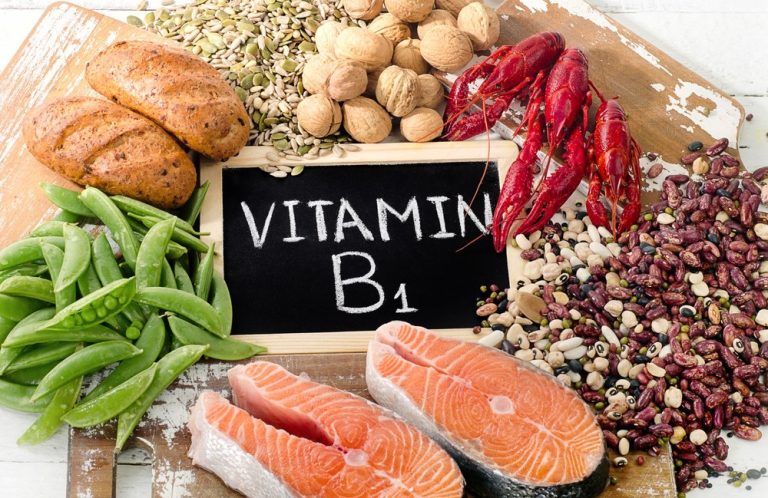
  • Vitamin B1 (Thiamine, Thiamin): Food Sources, and Benefits

    Vitamin B1 (Thiamine, Thiamin): Food Sources, and Benefits

    Sometimes you may be tempted to ask how many B vitamins exist. This article is not about to answer that question, instead, we will be discussing Vitamin B1, also known as thiamine, or thiamin.

    Vitamins are a class of food that most people make a conscious effort to have in every meal. This B1 vitamin enables the body to use carbohydrates as fuel or energy. It is vital for glucose metabolism, and it also plays a vital role in the function of nerve, heart, and muscle function.

    Thiamine is a water-soluble vitamin, just as all the vitamins of the B complex.

    Vitamins are generally classified according to the materials that they dissolve in. There are some vitamins that dissolve in water, and there are others that dissolve in fat.

    Vitamins that are water-soluble are easily carried through the bloodstream. Any extra vitamin B1 the body does not need is eliminated in urine.

    Foods

    There are very high concentrations of Thiamin in the outer layers and germ of most cereals, as well as in beef, yeast, pork, whole grains, nuts, and pulses.

    Fruit and vegetables that you can find vitamin B1 in include liver, cauliflower, oranges, potatoes, eggs, kale, and asparagus.

    Other sources of vitamin B1 include blackstrap molasses and brewer’s yeast.

    Breakfast cereals and other products that are made with white rice or white flour may be packed full of thiamine.

    In the United States of America, people eat about half of their daily vitamin B1 intake from foods that naturally have some thiamin content, while most others come from some foods that are fortified with thiamine.

    Cooking, heating, processing foods, and boiling them in clean water, destroys vitamin B1. As thiamine is a water-soluble vitamin, it dissolves easily into the cooking water. If you are cooking white rice that is not fortified, it will contain just one-tenth of the thiamin you can get from brown rice.

    It was noted by the National Institutes of Health (NIH) Office of Dietary Supplements (ODS) that a single serving of fortified breakfast cereal gives quote total of 1.5 milligrams (mg) of vitamin B, which is above a hundred percent of your daily recommended amount of thiamine.

    A single slice of whole wheat bread packs 0.1 mg or 7 percent of the daily vitamin B1 requirement. Chicken, cheese, and apples do not contain any thiamin.

    Humans need a regular supply of thiamine because it is not a vitamin that is stored in the body. It must be a part of our daily diet.

    Benefits of thiamine

    Vitamin B1, or thiamin, helps to prevent complications in the brains, nervous system, stomach, muscles, heart, and intestines. Vitamin B1 is also involved in the flow of electrolytes in and out of the nerve cells and muscle.

    It greatly helps with the prevention of diseases like beriberi, which involves disorders of the nerves, heart, and digestive system.

    Uses of vitamin B1 in medicine

    There are some patients who may need to receive thiamine for the treatment of certain conditions.

    People who may have low levels of vitamin B1 include individuals with peripheral neuritis. This is an inflammation of the nerves that are on the outside of the brain or the pellagra.

    People who have persistent diarrhoea, ulcerative colitis, and poor appetite may also receive vitamin B1. People who are in a coma may be given vitamin B1 injections.

    There are some athletes that use thiamin to help improve their activeness. It is not a prohibited substance for people who workout and athletes in the United States.

    Other conditions in which vitamin B1 supplements may be used include:

    • Canker sores
    • AIDS
    • Cataracts
    • Cerebellar syndrome, a type of brain damage
    • Glaucoma and other vision problems
    • Diabetic pain
    • Cervical cancer
    • Heart disease
    • Stress
    • Motion sickness
    • Kidney disease in patients who have diabetes type 2
    • A weakened immune system.

    Please note that not all of the above uses have been confirmed by studies.

    Deficiency symptoms

    A deficiency of thiamine commonly leads to beriberi, which is a condition that features problems like challenges with the peripheral nerves and wasting.

    Anorexia and weight loss can develop.

    There may be some mental problems, such as confusion and short-term memory loss.

    People who lack thiamine may experience weakening of the muscles and cardiovascular symptoms such as an enlarged heart.

    How much vitamin B1 does your body need?

    In the United States, the recommended daily allowance (RDA) of thiamin that should be taken by mouth is 1.1 mg for females and 1.2 mg for males who are over the age of 18 years.

    For pregnant or breastfeeding females of any age, they are required to consume 1.4 mg each day.

    Who is at risk of a B1 deficiency?

    Vitamin B1

    Individuals with poor diet, “morning sickness” during pregnancy, cancer, bariatric surgery, and those who experience hemodialysis are at a high risk of thiamin deficiency.

    Those who drink alcohol regularly to an excess may suffer a deficiency, as they may find it impossible to absorb thiamin from the food they eat.

    The wernicke-korsakoff syndrome is one dangerous disorder that often affects people who are chronic alcoholics. It is connected to a lack of thiamin, and if not treated, it can be fatal.

    Individuals with Wernicke-Korsakoff syndrome and people who are withdrawing from alcohol use may be given some vitamin B1 injections to help them recover better and faster.

    There are other diseases that can hinder the absorption of vitamin B. An example of such disease is HIV, and this lack of absorption can lead to a deficiency of thiamine.

    Functions of vitamin B1

    All of the B vitamins are water-soluble. These vitamins greatly help to convert fats, carbohydrates, and protein into glucose or energy.

    B vitamins are impossible for keeping the skin, liver, hair, and eyes healthy. Thiamine also plays an important role in the nervous system ( which is basically one of the engines that keep the body running) and they are needed for proper brain function.

    The B vitamins are super vitamins and are sometimes referred to as the anti-stress vitamins, because of their ability to boost the body’s immune system when we are stressed.

    Side effects of vitamin B1

    Evidence is yet to confirm any harm that can be done from consuming too much vitamin B1, but the United States Food and Drug Administration (FDA) has warned on the use of supplements.

    They implore people to check with their doctors or health care provider before going ahead to use any supplements with or as a substitute for any foods.

    They also call on the public to talk to a physician and seek advice on ways to improve their health, instead than self-diagnosing and self-meditation.

    Interactions of thiamine

    A cup of tea or coffee are the most common ways we start our day. However, these two contain tannins, which are chemicals that are likely to interact with thiamin, making it more difficult to absorb.

    Some of the chemicals in fish and raw shellfish and can destroy vitamin B1, and that can potentially lead to a deficiency if consumed in large quantities. Processing or cooking usually destroys these chemicals, but that is also a way to destroy thiamin.

    Have you ever lacked vitamin B1, or do you have any details you’d like to share with us? please, do not hesitate to leave a comment in the comments section provided below. We look forward to hearing from you.

  • Riboflavin (Vitamin B2): Food Sources, and Benefits

    Riboflavin (Vitamin B2): Food Sources, and Benefits

    Riboflavin is also known as vitamin B2 and is one out of the eight B-complex vitamins. Just like the other B vitamins, riboflavin plays an energy production role in the body, but it also has quite a number of vital uses.

    Riboflavin food sources

    Riboflavin is a water-soluble vitamin that is constantly flushed out of our bodies on a daily basis, thus it must be restored daily. The best way to get riboflavin is to eat foods that are rich in vitamin B-12.

    This B vitamin can be found in nuts, eggs, broccoli, meats, dairy products, Brussel sprouts, brewer’s yeast, soybeans, mushrooms, wild rice, whole grains, leafy green vegetables, enriched cereals and loaves of bread.

    Benefits of riboflavin

    Riboflavin is an essential vitamin that is vital for healthy growth and overall good health. This B vitamin helps your body to easily break down proteins, carbohydrates, and fats that help to produce energy, and it lets your body to use oxygen.

    Vitamin B2 is also used for the function and development of skin, blood cells, lining of the digestive tract, and other vitals.

    Vitamin B2 is also vital for vision as it helps to improve eye health. Per claims by the University of Michigan, riboflavin is useful for the protection of glutathione, which is a vital antioxidant in our eyes.

    It was also reported by the United States National Library of Medicine that feeding on foods that are rich in riboflavin can help reduce the risk of cataracts development. You may also find supplements containing niacin or riboflavin helpful food the prevention of cataract.

    The levels of some chemicals, vitamins, and minerals in the bloodstream appear to be somewhat dependent on harassment amounts of riboflavin in the system.

    For instance, vitamin B2 changes folate and vitamin B6 into simpler forms that the body can use. The American Journal of Clinical Nutrition suggests that riboflavin is vital to how the body processes iron.

    Research shows that without riboflavin, the body is most likely to suffer a shortage of blood known as anaemia. Taking foods rich in riboflavin can also help you reduce levels of homocysteine in the body by up to 26 or 40%.

    Riboflavin may also be essential to pregnant women as well. Per a study carried out by the University Women’s Hospital in Heidelberg, Germany, vitamin B2 deficiency may play a role in the cause of pre-eclampsia, a condition that leads to high blood pressure in the latter part of pregnancy.

    People who suffer from migraines may discover that taking a few doses of riboflavin can be helpful.

    In a study carried out by the department of neurology of the Humboldt University of Berlin revealed that people who took high doses of vitamin B2 had significantly fewer cases of migraines.

    Deficiency and dosage

    Riboflavin

    It is rare for people in developed nations to suffer from a deficiency of vitamin B2 because it can be found in most of their common food options.

    Some individuals are more prone to this deficiency than others, an example of such people include those who are underweight as a result of being on an extreme diet and those who may have digestive issues such as celiac disease.

    Elderly people, teenagers, and alcoholics are more vulnerable to a vitamins B2 deficiency when they indulge in a poor diet.

    Riboflavin deficiency can cause sore throat, anaemia, sores on the lips or in the mouth, swelling of soft tissues in the mouth, and inflammation of the skin. Such symptoms may be noticed within a few days of a deficiency, per reports from the American Journal of Clinical Nutrition.

    The RDA of vitamin B2 greatly depends on gender, age, and reproductive status. Recommended daily allowance for riboflavin is 1.1 mg per day for women and 1.3 mg per day for men.

    A higher dose of up to 3 mg daily can help with the prevention of cataracts. Higher riboflavin doses of up 400 mg can be used for the treatment of migraines.

    One hard-boiled egg contains 0.3mg, a single cup of chopped kale has 0.1 mg, one glass of whole milk contains 0.4 mg. From a single cup of whole almonds, you can get 1.4 mg of riboflavin or up to 85 per cent of the recommend daily allowance.

    As a supplement, vitamin B2 is often included in B-complex vitamins, and multivitamins. It is also sold separately in doses of 100mg, 50mg, and 25mg.

    Relatively free of toxicity, vitamin B2 is considered safe for consumption in high doses because the excess will be flushed away through urine. With that said, there may be some side effects that show up after the intake of high amounts of riboflavin.

    Side effects of riboflavin overdose

    The only side effects that have been noticed are diarrhoea and a change in urine colour from see-through to yellow-orange. These side effects only show up after an overdose.

    We would like to know what your thoughts are. Please don’t hesitate to leave a comment below if you have any opinions to share on riboflavin.

  • Bara Fruit (Bitter Melon): Benefits, Uses, and Side Effects

    Bara Fruit (Bitter Melon): Benefits, Uses, and Side Effects

    Bara fruit is another name for Bitter melon. Also known as Momordica charanti, the Bara fruit is a tropical vine that is a member of the gourd family and cousins with the squash, zucchini, cucumber, and pumpkin.

    The Bara fruit is grown all around the world for its delicious fruit, which has long been considered a staple in many different Asian cuisines.

    The Chinese variety of the bara fruit is typically long, a pale green colour, and with skin covered in wart-like bumps.

    The Indian variety of the Bara plant, on the other hand, looks different as it is narrow, with both ends pointed and some rough, jagged spikes on the skin.

    Apart from the sharp taste, and distinct look of this plant, the bitter melon has gained a spot in the herbal medicine space as it has been discovered to possess lots of wonderful health benefits.

    Here are 6 amazing benefits of the Bara fruit ( bitter melon ) and its extract

    Packs many different Important Nutrients

    Bara fruit is a wonderful source of many different key nutrients.

    A single cup (94 grams) of raw bara fruit provides:

    • Carbs: 4 grams
    • Calories: 20
    • Fibre: 2 grams
    • Vitamin A: 44% of the RDI
    • Vitamin C: 93% of your Reference Daily Intake (RDI)
    • Potassium: 8% of the RDI
    • Folate: 17% of the RDI
    • Iron: 4% of the RDI
    • Zinc: 5% of the RDI

    Bara fruit is especially rich in vitamin C, which is an important micronutrient that helps with disease prevention, wound healing and bone formation.

    Bara fruit is also very high in vitamin A, which is a fat-soluble vitamin that not only promotes skin health but aids proper vision.

    Bara fruit also provides folate, which is very essential for growth and development, and also some smaller amounts of zinc, potassium, and iron.

    Bara fruit is a great source of gallic acid, catechin, chlorogenic acid, and epicatechin too — all of these are powerful antioxidant compounds that work together to help protect your cells against damage.

    The bara fruit is also good for people looking to lose weight as it is low in calories yet high in fibre — which fulfils approximately 8% of the recommended daily fibre needs in a one-cup (94-gram) serving of this nice tasty fruit.

    Can Help Reduce Blood Sugar

    Thanks to the potent medicinal properties of the bara fruit, it has long been used for by indigenous people all around the world to help with the treatment of diabetes-related conditions.

    In recent years, several studies confirmed the fruit’s role in blood sugar control.

    A study that was carried out for 3-month in 24 adults who have diabetes revealed that taking up to 2,000 mg of bara fruit daily help to decrease blood sugar levels and haemoglobin A1c, which is a test that was used to measure blood sugar control over the three months.

    Another study in 40 people who had diabetes revealed that taking about 2,000 mg per day of the bara fruit supplement for a total of 4 weeks led to a modest drop in blood sugar levels.

    What else? the supplement significantly decreased fructosamine levels, which is another marker of long-term blood sugar control.

    Bara fruit is believed to help with improving the way that sugar is used in your tissues and also promotes insulin secretion, the hormone is responsible for helping with regulating blood sugar levels.

    However, studies in humans are currently limited, and some more high-quality research is strongly needed to help you understand how bara fruit may impact your blood sugar levels and that of the general population.

    The Bara Fruit may Have Cancer-Fighting Properties

    Studies suggest that the Bara fruit contains some specific compounds that have cancer-fighting properties.

    For instance, one test-tube study revealed that bara fruit extract was effective at eliminating cancer cells of the colon, stomach, lung, and the nasopharynx, the area that is located right at the back the nose and behind your throat.

    Another test-tube study that was carried out produces similar findings and reported that the bars fruit extract was capable of blocking the growth and the spread of breast cancer cells, at the same time promoting the death of cancer cells.

    Bear in mind that all of the above-mentioned studies were carried out with concentrated amounts of Bara fruit extract on each cell in the laboratory.

    More studies are required in order to determine the effect bara fruit may have on the growth and development of cancer cells in humans even it is consumed in the normal amount used in food.

    Could Decrease Cholesterol Levels

    It has been discovered that high cholesterol levels can lead to a build-up of fatty plaques in a person arteries, and that may eventually force the heart to work extra hard just to pump blood effectively. This increases the risk of heart diseases.

    Several studies carried out in animals revealed that the bara fruit may be helpful in decreasing cholesterol levels and offering support to the heart’s health.

    Another study in rodents on a high cholesterol diet revealed that administering bara fruit extract caused a significant drop in the total levels of cholesterol, triglycerides and “bad” LDL cholesterol.

    Another research revealed that giving the bara fruit extract to rats significantly helped to reduce their cholesterol levels when compared to a placebo. The higher doses of the bara fruit extract that was given to the rats should the greatest level of decrease in cholesterol levels.

    However, all the current studies on the possibility of bara fruit having cholesterol-lowering properties are mostly carried out on animals using very large amounts of the bara fruit extract.

    More studies are needed to determine whether or not these same results apply to people who eat this plant as part of their diet.

    May Aid Weight Loss

    Bara fruit or bitter melon is a great addition to any plant-based weight loss diet because of its low-calorie content and high fibre quality. Each one-cup (94-gram) serving of the bitter melon contains about 2 grams of fibre.

    What fibre does to aid weight loss is to slowly pass through your digestive tract and help you feel fuller for longer. This reduced your hunger and appetite, thus making you eat less often.

    Thus, if you decide to swap higher-calorie ingredients with bara fruit, it could help to up your intake of fibre and reduce your calorie consumption to aid weight loss.

    Some studies have also shown that the bara fruit may have some good effect on weight loss and fat burning.

    One research revealed that taking a capsule that contains 4.8 grams of bara fruit extract on a daily basis resulted in a significant drop in belly fat.

    Participants of the study lost an average of 0.5 inches (1.3 cm) in the circumstance of their waist after just seven weeks of use.

    Similarly, a research carried out on rats who were on a high-fat diet revealed that bara fruit extracts helped them to lose more weight compared to when they were placed on a placebo.

    Please note that all the studies above were carried out with very high-dose of the bara fruit supplements. There is still no clarity whether eating the bara fruit as part of your normal diet will offer you the same health benefits.

    Versatile and Delicious

    The bara fruit posses a very sharp flavour that works great in many dishes.

    To prepare this fruit, you must start by washing it thoroughly and cutting it open lengthwise. Next, you must use a spoon or any other utensil to scoop out the seeds that fill up the centre, then you can proceed to cut the fruit into thin slices.

    You can’t get bored with the bitter melon or bara fruit as it can be enjoyed either raw or cooked in many recipes.

    In fact, if you are feeling creative you may choose to pan-fry, steam, bake, or even hollow it out and stuff the middle with any of your choice of fillings.

    Here are a few very interesting ways you can include the bara fruit to your diet:

    • Juice a bara fruit along with a few other fruits and vegetables if you would like a nutrient-packed smoothie.
    • Mix a bara fruit into your next stir-fry if you want something more filling and packed with health benefits.
    • Sauté bara fruit alongside tomatoes, garlic, and onions and use them in your scrambled eggs.
    • Combine some seedless bara fruit with your desired salad dressing and garnish for a tasty salad.
    • Stuff with some ground meat and vegetables and dish with some black bean sauce.

    Potential Side Effects of the bara fruit

    Bitter Melon

    When eaten in moderation, the bara fruit can be a very healthy and nutritious addition to your dining table.

    However, eating it in high amounts or taking some bitter melon supplements may be linked with many different adverse effects.

    To be specific, bara fruit has been linked to vomiting, stomach pain, and diarrhoea.

    It is also not recommended for pregnant women, as the long-term effects of this fruit on health is yet to be extensively studied.

    Due to the impact of this fruit on blood sugar, it is vital that you consult with your doctor or any professional healthcare provider before making it a part of your diet especially if you’re taking any blood-sugar-lowering medications.

    Also, have an appointment with a healthcare professional before you supplement with bara fruit if you have any other medical conditions or you are taking any medications, and make sure to use it as directed.

    The conclusion

    Bara fruit is a plant in the gourd family that has a unique flavour and appearance.

    This plant is not only rich in several vital nutrients, but it has also been linked to numerous health benefits, such as improving blood sugar control.

    Please note that people who are expecting babies or those who are on certain drugs — specifically blood sugar-lowering drugs — should speak to their doctors before they consume very high amounts of bara fruit or taking its supplements.

    Still, in moderation, the bara fruit makes for a nutritious, flavorful, and very easy addition to a clean, well-rounded diet.

    You have heard about how important it is to include fruits and vegetables to your diet. However, because you probably didn’t grow up eating the bara fruit, you may not have considered adding it to your diet. Here is a chance for you to try something new.

    We will love to hear from you, please do not hesitate to leave a comment below.

  • Pegan Diet

    Pegan Diet

    The pegan diet is one that will get you confused if you decide to take it for its name. However, it is simply a style of eating that was inspired by two of the most famous diet trends, I.e paleo and vegan.

    According to the creator of the pagan diet, Dr. Mark Hyman, it is a diet that promotes optimal health by way of balancing blood sugar and reducing inflammation. However, some of the components of the pagan diet remain very controversial.

    In this article, we will be reviewing everything you must know about the pegan diet, and that includes its drawbacks and potential health benefits.

    What Is the Pegan Diet?

    The pegan diet is one that combines the key principles from vegan and paleo diets, based on the belief that only nutrient-dense, whole foods are capable of reducing inflammation, support optimal health and balancing blood sugar.

    If the first thing that comes to your mind is that going vegan and paleo at the same time sounds almost impossible, then you need to know that you’re not alone in that line of thought.

    Despite its name being a combination of alphabets from the two diets earlier mentioned, the pegan diet is very unique and posses its own separate set of guidelines that must be followed. In fact, you may enjoy it more because it is less restrictive than either a vegan or paleo diet on its own.

    A major emphasis in the pegan diet is placed on the consumption of organic vegetables and fruit, but a regular intake of little to moderate amounts of certain fish, meat, seeds, nuts, and some legumes are advised.

    Heavily processed oils, grains, and sugars are not encouraged — but are still acceptable in very little amounts.

    Unlike other diets, the pegan diet is more of a lifestyle than a diet as it is not designed to be a typical, short-term diet. It was instead, created with the aim for it to be more sustainable over a long period of time, or even indefinitely.

    Foods to eat on the organize diet

    The pegan diet is great as it focuses strongly on the consumption of whole foods or foods options that have undergone very little to no processing at all before they finally arrive at your dining table.

    Eat Lots of Plants

    The major food group that is found on the pegan diet is fruit and vegetables— these two kinds of food should make up to 75% of your total intake.

    Low-glycemic fruits and vegetables, like non-starchy vegetables, and berries, should be consumed more in order to reduce your blood sugar response.

    Very little amounts of sugary fruits and starchy vegetables may be allowed for people who have been able to maintain a healthy blood sugar control long before starting the diet.

    Choose Responsibly Sourced Protein

    Even though the pegan diet majorly lays emphasis on plant foods, enough intake of protein from animal sources is not frowned at, but encouraged.

    Also bear in mind that because 75% of the pegan diet consists of fruits and vegetables, a little below 25% of it is left for animal-based proteins. Because of that, you’ll have a very low meat intake unlike you would if you decide to go on a typical paleo diet — at the same time, more than you’ll get if you’re on any vegan diet.

    The pegan diet is one that doesn’t encourage eating meats and eggs that are farmed conventionally. Instead, it focuses more attention on grass-fed, pasture-raised sources of pork, poultry, beef, and whole eggs.

    The organ diet also encourages the consumption of fish — specifically the ones that tend to have quite a low mercury content such as wild salmons and sardines.

    Stick to Minimally Processed Fats

    If you are on this diet, you must eat only healthy fats from specific sources, like:

    • Seeds: Except for processed seed oils
    • Nuts: Except peanuts and peanut butter
    • Avocado and olives: Avocado oil and Cold-pressed olive oil may also be used
    • Coconut: Only unrefined coconut oil is permitted on this diet
    • Omega-3s: Supplements are not bad but you need to focus on those from algae or low-mercury fish.

    Pasture-raised, grass-fed, meats and whole eggs are also contributors to the fat content when it comes to the pegan diet.

    Some Whole Grains and Legumes May Be Consumed

    Despite the fact that the consumption of most grains and legumes are not encouraged on the pegan diet, because of their potential to influence a consumer’s blood sugar, the different options of gluten-free whole grains and legumes are also allowed for consumption in limited quantities.

    Intake of grains should not be more than a 1/2 cup (125 grams) per individual meal, while the intake of legumes should not be more than 1 cup (75 grams) per day.

    Here are a couple of grains and legumes that are allowed for you to eat:

    • Legumes: Chickpeas, lentils, black beans, pinto beans
    • Grains: Black rice, quinoa, millet, teff, amaranth, oats

    However, you must further restrict foods like that if you have diabetes or any other condition that may contribute to poor blood sugar control.

    Food options to Avoid

    The pegan diet is a more flexible diet than the normal vegan or paleo diet because it allows of an occasional intake of all of your favourite foods.

    That said, there are several foods and food groups that are strongly discouraged on this diet. Some of the foods that are discouraged on this diet are known to be unhealthy, while other food options may be considered to be very healthy — and it depends on whom you ask.

    These kinds of foods are typically avoided on the pegan diet;

    • Dairy: yoghurt, cow milk, and cheese are greatly discouraged on this diet. However, foods that are made from sheep or goat milk are permitted for consumption in very limited quantities. There are times when grass-fed butter is also allowed.
    • Gluten-free grains: Even grains that do not contain gluten are highly discouraged. Very little amounts of gluten-free whole grains are occasionally permitted.
    • Gluten: All gluten-containing grains are strongly discouraged.
    • Legumes: Most legumes are strongly discouraged as a result of their potential to make your blood sugar higher. Low-starch legumes, like lentils, can be permitted.
    • Sugar: Any form of artificially added sugar, whether refined or not, is to be avoided. It may be occasionally used — but very sparingly.
    • Refined oils: Oils that are refined or highly processed, such as soybean, canola, sunflower, and corn oil, are mostly always avoided.
    • Food additives: flavourings, artificial colourings, preservatives, and any other additive are to be avoided.

    The reason most of these foods are forbidden as a result of their perceived impact on blood sugar levels and/or inflammation.

    Potential Benefits

    Pegan diet

    There is also a change that the pegan diet will contribute to your health in many different ways.

    The emphasis on the consumption of fruit and vegetable intake is most likely its best trait.

    Fruits and vegetables are some of the foods that are nutritionally diverse. They are full of fibre, minerals, vitamins, and plant compounds that are known to prevent disease and also reduce both inflammation and oxidative stress.

    The pegan diet may also emphasize healthy, unsaturated fats from seafood like fish, seeds, nuts, and other plants that have a positive impact on cardiovascular health.

    There are so many different diets on the planet that you can choose from, but before you choose a diet that you feel is right for you, make sure to talk to your doctor first.

    We would like to hear from you, please leave a comment below.

  • What is Food Addiction?

    What is Food Addiction?

    Is food addictions a real thing? oh yes, it is. Food is important for the survival of every living thing. It is also a vital aspect of health and wellness, enjoyment, and of course, a must-have in every celebration.

    Food is more than just a thing that provides sustenance, it is also a source of gratification as it offers different nice aromas, textures, and taste.

    However, even though everyone likes a nice taste in their mouth, there are some people who get addicted to food just as a drug addict is towards the substance they abuse.

    For men and women who suffer from food addiction, foods that are highly palatable (especially those that are rich in sugar, salt, and fat) often triggers chemical reactions in their brains which will induce a feeling of satisfaction and pleasure.

    This kind of chemical reaction has been described as comparable to how an addict reacts or responds to the substance they are addicted to because these foods activate the same brain reward centres that other substances activate.

    People who are addicted to food usually become dependent on the feeling of enjoyment that they derive from eating specific foods, and that feeling pushes them to consume even more of those foods.

    Behaviours like this create a vicious cycle as the addict finds himself constantly searching for foods that provide him with that pleasurable feeling. Addicts often find themselves overindulging or eating more than is required for normal nutrition or satiety.

    Such addiction can result in several emotional, physical, and some social consequences, like obesity, heart disease, digestive issues, isolation, depression, and low-self esteem.

    A food addict will most likely ignore the consequences of overeating and continue to engage in this destructive behaviour just for the pleasurable feeling that comes with it.

    Due to the ferocious cycle created by the addiction to food, and the many detrimental consequences that are connected to this behaviour, it is important that a person seeks professional help.

    If you know anyone who has been dealing with a food addiction, or if you have found yourself dealing with it, there is hope that you can live a life free of this addiction.

    There are a few ways you can find the much-needed help to get you back to normal, and one of those ways is by talking to someone about it.

    Causes of Food Addiction

    Food addiction is most likely the buildup of several factors that play out in the overall cause of this problem.

    There’s a possibility that a man or woman can develop food addiction due to psychological, biological, or even social problems.

    Some of the biological causes that may have an influence on the progress of food addiction include the side effect of certain medications, hormonal imbalance, some abnormalities in various brain structures, and even having family members who struggle with the same addiction.

    Psychological factors may also be responsible for the development of food addiction. Some of the factors included in this category are sexual or emotional abuse, being a survivor or victim of a traumatic event, chronic low self-esteem, finding it difficult to healthily cope with negative situations, or dealing with loss or grief.

    Psychological factors like the above can push an individual to use food as a coping mechanism especially if they are trying really hard not to get addicted to more harmful substances like hard drugs and alcohol.

    Either way, too much of a good thing is a bad thing and that explains why they experience symptoms that are unhealthy.

    There are also social implications that may influence a person to turn food into a coping mechanism.

    Such social problems include pressure from society or peers, disturbance from family, child abuse, social isolation, stressful life events, and a lack of social support.

    Food addiction may also be associated with other disorders that co-occur, like substance abuse or eating disorders.

    Food addiction is one mental health issue that may cause serious complications if you leave it untreated. This is why it is important that professional help is sort for the effective treatment of the disorder.

    Signs and Symptoms

    There are numerous signs and symptoms that can help you identify food addiction. The following are likely symptoms of food addiction that you can watch out for:

    1. Gorging in more snacks or food than a person can physically tolerate
    2. Eating a particular food or different foods to the point of feeling sick
    3. Going out of your way and doing unimaginable things to obtain some specific foods
    4. Continuing to eat certain foods even if you are no longer hungry
    5. Eating food in secret, isolation to prevent external interference
    6. Avoiding relationships, social interactions, or functions to spend time eating some specific foods.
    7. Difficulty functioning in a career or job as a result of decreased efficiency
    8. Spending some significant amount of money purchasing certain foods just for bingeing purposes
    9. Chronic fatigue and decreased energy
    10. Difficulty with concentration
    11. Sleep disorders, like insomnia or even oversleeping
    12. Irritability
    13. Restlessness
    14. Headaches
    15. Suicidal ideations
    16. Digestive disorders

    If you or any of your loved one has recently experienced or is currently experiencing any of the above symptoms due to food addiction, immediately begin to seek out professional help to help you work through these important issues.

    Food Addiction Effects

    If you or someone you know had been struggling with a condition like food addiction, there is a chance that you may understand the implications that such an addiction can have on the various aspects of your daily life.

    If food addiction is left untreated or ignored, it can begin to consume your life rapidly, thereby creating chronic and damaging symptoms.

    With an understanding of how food addiction may negatively affect the different aspects of your daily life may be all the encouragement, you need to get the help you deserve and need. Read the following to find out some of the different effects of food addiction:

    Physical Effects

    An addiction to food can result in quite a number of negative physical consequences in a person’s body as an excess of a specific, or different foods is consumed. Below are some of the physical effects that you may be experiencing:

    • Diabetes
    • Heart disease
    • Obesity
    • Malnutrition
    • Digestive Problems
    • Chronic pain
    • Chronic fatigue
    • Headaches
    • Lethargy
    • Reduced sex drive
    • Sleep disorders
    • Stroke
    • Arthritis
    • Osteoporosis
    • Kidney/Liver Disease

    Psychological Effects

    We have hinted earlier that food addiction can be somewhat debilitating to a person’s mental health, especially if such a person experiences a lack of help or inadequate support. Some of the psychological effects that you may experience include the following:

    • Depression
    • Low self-esteem
    • Panic attacks
    • Feeling sad, hopeless, or in despair
    • Increased feelings of anxiety
    • Increased irritability, especially in a situation where access to the desired food is restricted
    • Suicidal ideation
    • Numbness or emotional detachment

    Finally, it is unavoidable that food addiction can have an impact on a person’s relationship and social life. The social effects of an addiction to food may include:

    • Decreased performance at school or work
    • Division within family units
    • Isolation from loved ones
    • Lack of enjoyment in taking part in hobbies or doing activities once enjoyed
    • Risk of jeopardizing career or finances
    • Avoidance of social functions or events

    Food Addiction Treatment

    If you or someone you love has found yourself slowly sinking into the vicious cycle of this mental health condition called food addiction, there is a chance that you are likely experiencing or have experienced a roller coaster of emotions, such as frustration, despair, and hopelessness.

    Living every day with food addiction may most likely preventing you from living and enjoying your best life. However, the good news is that the possibility for healing always exists.

    By summoning the courage to see appropriate help and care that you need, you can easily find the resources that are required to address your addiction in the most effective manner.

    The upside of all of this is that there are some specialized food addiction treatment centres where you can find help to approach this mental health disorder in both a holistic and a comprehensive manner.

    These food addiction treatment centres usually offer multi-speciality treatment that is focused on addressing medical issues, as well as nutritional concerns while also integrating the much-needed psychotherapy.

    There is a saying that a problem shared is half solved, thus there is also a myriad of wonderful support groups that you can become a part of.

    Some of the support groups you can take advantage of including Overeaters Anonymous, Food Addicts Anonymous, and Food Addicts in Recovery Anonymous.

    These groups offer a 12 step based program that can effectively address food addiction on an emotional, physical, and spiritual aspects, thus offering the much-needed support to people who are seeking to get healed from their food addiction.

    Making an attempt to deal with your food addiction on your own can most possibly draw you further into isolation or fear.

    Having help, guidance, and support from a centre where eating disorder or food addiction is treated, seeing a specialist, or joining a support group may be enough to provide you or that loved one with all the tools and the resources that you need to heal and recover from food addiction.

    Have conquered food addiction? tell us all about it.