11 Korean Side Dishes That Pair Perfectly with Kimchi Fried Rice

November 29, 2026
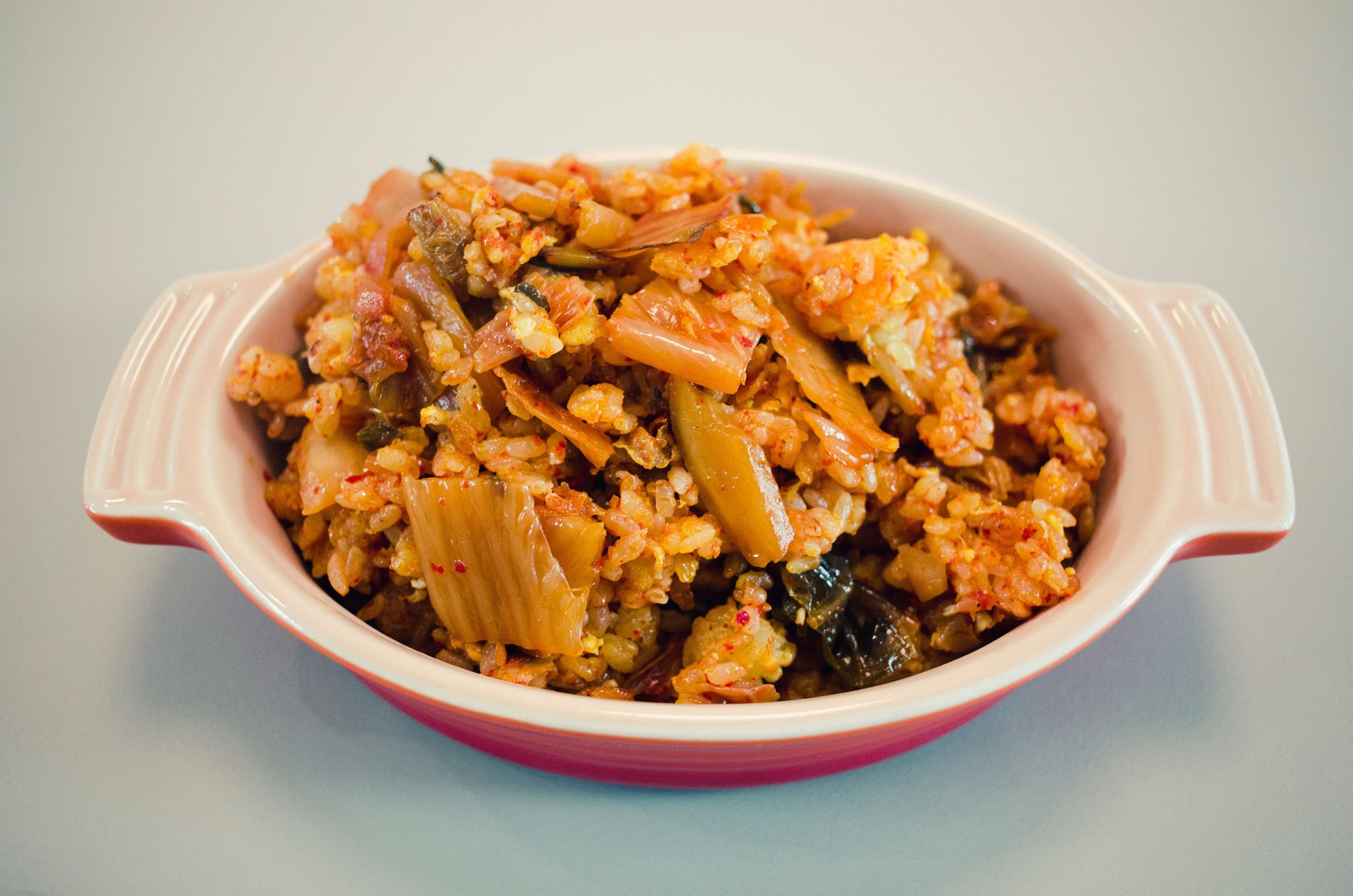
If you’ve ever wondered what to serve with kimchi fried rice, you’re not the only one second-guessing it.
If you’ve ever wondered what to serve with kimchi fried rice, you’re not alone. Kimchi fried rice is often served alone, and plenty of home cooks eat it straight from the pan and call it dinner. But build a small spread around it and the same skillet of spicy, deeply savory rice turns into a proper Korean meal.
In Korea, the dish is hot and spicy enough that it is typically served with danmuji and a small bowl of any kind of mild and warm soup, which gives you a clue about the balance you’re going for: something cooling, something crunchy, and something protein-rich to round things out. The eleven sides below lean into that same logic, from quick vegetable banchan you can throw together in minutes to Korean-style egg dishes and a fusion side built for American backyard gatherings.
1. Daikon Radish Salad
Daikon radish (Raphanus sativus) is the cooling counterpart your kimchi fried rice is missing. Sliced thin or cut into matchsticks and tossed with rice vinegar, a little sugar, and salt, it turns crisp and faintly sweet within thirty minutes, cutting through the richness of the rice without fighting its spice.
This is close to the same radish used in danmuji, the yellow pickle traditionally served alongside kimchi fried rice, so it already has a built-in flavor connection to the main dish. One blogger who tested a full lineup of pairings specifically called out daikon radish pickles as one of the standout sides for this exact meal.
Pro Tip: Salt the sliced daikon for ten minutes and squeeze out the excess liquid before dressing it. You’ll get a crunchier, less watery salad.
2. Smashed Cucumber Salad
Smashed cucumber salad, or oi muchim, takes English cucumber (Cucumis sativus) and bruises it with the flat side of a knife so the dressing soaks in faster. Toss the pieces with garlic, sesame oil, rice vinegar, and a pinch of gochugaru for a crunchy, slightly spicy side that mirrors the flavors already in your rice instead of clashing with them.
It’s the kind of quick banchan Korean home cooks keep on rotation, and it shows up often in roundups of sides for this exact dish—one recipe writer specifically recommends Korean Cucumber Salad as a natural match for kimchi fried rice. If you like building a full cold-and-crunchy spread for a crowd, the same instinct applies to planning what to serve with a shrimp boil, where refreshing sides do the same balancing work.
3. Spicy Edamame
Steamed edamame pods are young soybeans (Glycine max), and tossed in chili oil, garlic, and flaky salt they make a hands-on, snackable side that’s ready in under ten minutes. They’re salty enough to stand up to the rice but light enough that they don’t turn the meal heavy.
Edamame already shows up as an add-in for kimchi fried rice itself—one recipe developer notes you can stir frozen edamame directly into the pan if you want more protein in the dish. Serving a bowl on the side instead keeps the rice simple while still giving guests something to pick at, similar to the finger-food approach in a spread built around chicken nachos.
4. Korean Bean Sprout Salad
Korean bean sprout salad, or sukju namul, is one of the most common banchan on any Korean table, and it’s an easy match for kimchi fried rice because it’s served cold and lightly seasoned. Mung bean sprouts (Vigna radiata) or soybean sprouts are blanched briefly, then tossed with sesame oil, garlic, and soy sauce.
The technique matters more than the ingredient list: the key to keeping the bean sprouts crisp-tender is blanching them for only 60 seconds, then immediately rinsing them under cold water to stop the cooking process. Skip that step and the sprouts turn mushy instead of snappy. This salad also turns up repeatedly in Korean side-dish roundups built specifically around kimchi fried rice, alongside Korean Stir-Fried Fish Cakes and Korean Cheese Corn. For readers who like pairing Asian-inflected proteins with crisp vegetable sides, the same approach works well in a spread for ahi tuna.
5. Garlic Bok Choy
Baby bok choy (Brassica rapa subsp. chinensis) takes well to a quick sauté in sesame oil with plenty of sliced garlic and a splash of soy sauce. The leaves wilt in under five minutes while the stalks stay crisp, giving you a green vegetable side that doesn’t require much more than a hot pan and a few minutes of attention.
Because bok choy is mild, it’s a good way to add a vegetable course to the meal without competing with the kimchi’s fermented heat. If you’re the type who likes rounding out a protein-forward main with a simple green side, you’ll recognize the same logic from guides on what to serve with chicken piccata.
6. Gyeran Mari
Gyeran-mari is a rolled Korean omelette made by pouring beaten egg into a pan in thin layers and rolling each one into the last, so the finished log has a tight spiral when sliced. It is a savory banchan made with beaten eggs mixed with several finely diced ingredients, then progressively fried and rolled, typically with carrot and scallion folded in for color and crunch.
It’s a common sight on the same table as other banchan—one recipe developer recommends serving it alongside a traditional Korean meal with kimchi and other healthy banchan like kongnamul muchim. If you’re already gathering deviled eggs appetizer ideas for a gathering, gyeran mari is worth adding to the platter too, since it gives egg-loving guests a Korean option that’s just as easy to slice and share. For more appetizer-style pairing inspiration, see this guide on what to serve with meat empanadas.
7. Braised Tofu
Dubu jorim, or soy-braised tofu, is pan-fried firm tofu simmered in a soy sauce, garlic, and gochugaru glaze until it turns glossy and slightly sticky. It’s one of the easiest ways to add plant-based protein to the table without reaching for meat, and leftovers reheat well the next day.
For a sweeter spin, one recipe writer suggests marinating tofu in honey, soy sauce, garlic, and chili flakes before pan-frying, calling the result a delicious side dish that pairs perfectly with kimchi fried rice. Because braised tofu holds up well made a day ahead, it’s a practical choice if you’re thinking about convenience food options for a busy weeknight spread.
8. Steamed Eggs
Gyeranjjim is a steamed egg custard whisked with water or broth and gently cooked until it puffs up soft and silky, almost like a savory pudding. It’s typically seasoned with just a little salt and scallion, which makes it a gentle, almost palate-cleansing side next to something as bold as kimchi fried rice.
Because it’s mild and comes together in one bowl, it also fits right alongside the best side dishes for deviled eggs if you’re building a buffet-style spread that mixes Korean and Western appetizers on the same table.
9. Sunny Side up Eggs
A fried egg on top is less a side dish and more the traditional finishing touch. If you’re serving it as a meal, topping it with a fried egg, sunny side up, is a traditional topping for Kimchi Fried Rice, and the runny yolk essentially acts like a bit of sauce for the dish.
When asked directly what pairs well with kimchi fried rice, one recipe outlet’s own FAQ notes that it can be paired with other Korean dishes, such as bulgogi, Korean spinach salad or wontons—but the sunny side up egg remains the default, go-to answer. It’s also a natural one to offer alongside deviled eggs serving suggestions, since both give guests a soft, rich bite to balance spicier dishes.
Important Note: Runny egg yolks carry a small risk of foodborne illness. If you’re serving young children, pregnant guests, older adults, or anyone with a weakened immune system, cook the eggs until both the white and yolk are fully set.
10. Mayak Eggs
Mayak gyeran translates loosely to “drug eggs,” a nickname earned because mayak means drug and gyeran means eggs, a playful nickname that refers to their addictively delicious taste. The eggs are soft-boiled to a jammy yolk, then marinated for several hours in soy sauce, garlic, sesame oil, and chili, so the flavor works all the way through.
They’re soft-boiled rather than fried, which gives them a different texture from sunny side up eggs or gyeran mari. Mayak eggs are Korean-style marinated eggs that are known for being incredibly rich, salty, and a little spicy, which makes them a strong fit if you’re planning a deviled eggs party menu and want a spicier, umami-forward alternative in the mix.
| Egg Dish | Texture | Spice Level | Best For |
|---|---|---|---|
| Gyeran Mari | Soft, rolled omelette | Mild | Sliced appetizer platters |
| Steamed Eggs | Silky custard | Mild | Palate-cleansing side |
| Sunny Side Up | Crispy edge, runny yolk | None | Topping the rice directly |
| Mayak Eggs | Jammy, marinated | Medium-spicy | Make-ahead banchan |
11. Korean-Style BBQ Baked Beans
This is the one fusion side on the list, built for American tables rather than pulled straight from a Korean banchan spread. Start with a classic baked bean base, then stir in gochujang, a splash of soy sauce, and a bit of brown sugar to bring the sweet-and-spicy balance Korean BBQ is known for.
It works because kimchi fried rice is already a natural fit for a backyard Korean barbecue spread—one recipe developer puts it plainly: nothing goes better with Kimchi Fried Rice than Korean BBQ, like Korean Marinated Short Ribs (LA Galbi), Beef Bulgogi or Spicy Pork Bulgogi. If short ribs or bulgogi are already on your grill, these baked beans slide in as the potluck-style side that ties the American and Korean halves of the table together. For more ideas on building out a Korean barbecue spread, check this guide on what to serve with A5 Wagyu.
Pro Tip: Make the baked beans a day ahead. The gochujang mellows and distributes more evenly overnight, and you’ll free up stovetop space for the fried rice itself.
None of these eleven sides need to show up on the table all at once. Pick two or three based on what you’re already cooking—a crunchy salad, one egg dish, and maybe the baked beans if you’re grilling—and you’ll have a spread that respects the same balance Korean cooks have been building around kimchi fried rice for generations. Whether you’re mixing Korean banchan with deviled eggs serving suggestions for a crowd or keeping things simple with a fried egg on top, the goal stays the same: something cool, something crunchy, and something to soak up all that spicy, savory rice. If you’re planning a bigger spread, it’s also worth browsing other pairing guides, like what to serve with chicken parmesan, for more ideas on rounding out a full menu.