
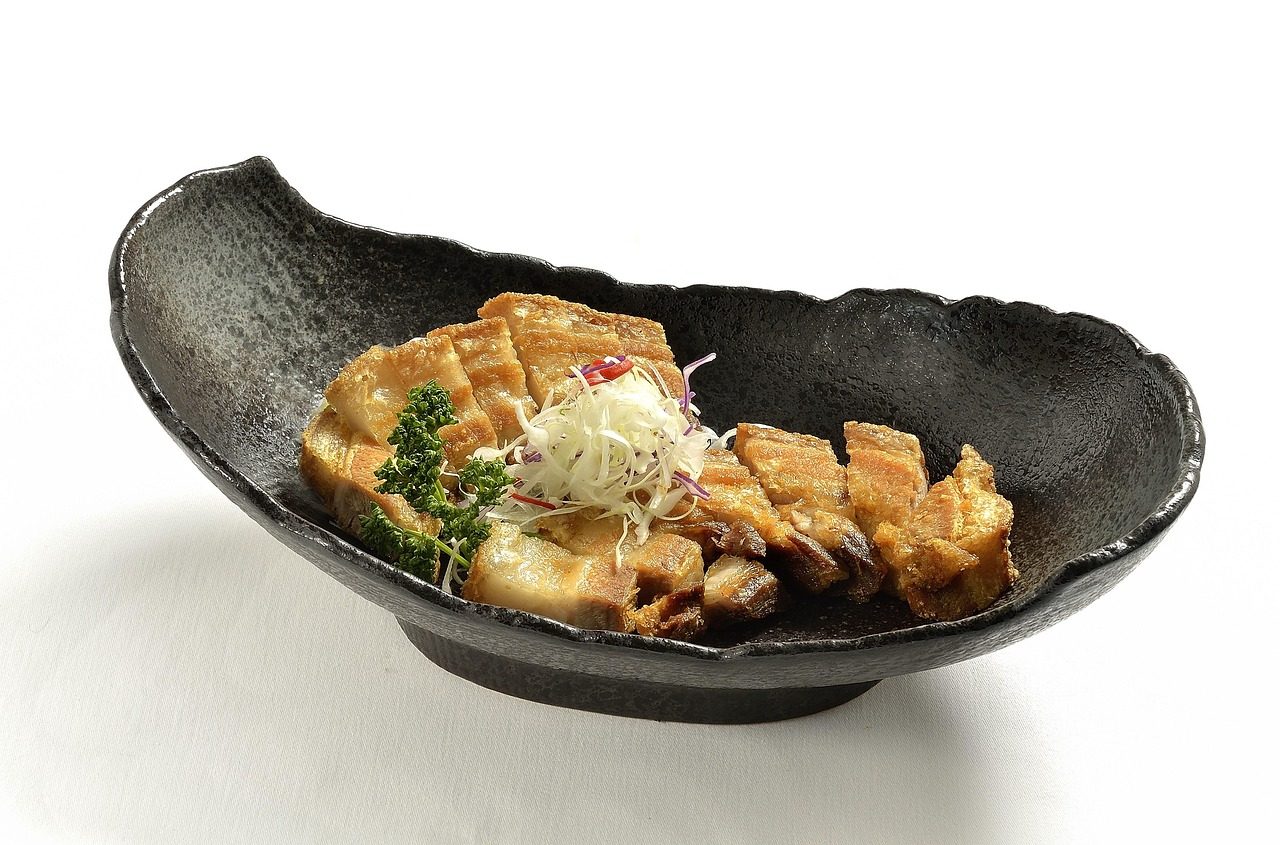
If you’re wondering what to serve with lechon, the short answer is: something sharp enough to cut through all that crackling pork fat. Lechon itself needs no introduction at a Filipino celebration — a whole roast pig with blistered, bronzed skin and meat that falls apart at the touch is already the centerpiece. But without the right sides, that richness gets heavy fast, especially by your third or fourth plate.
Filipino home cooks solved this problem generations ago, and two dishes show up at nearly every lechon table for a reason: they add acid, crunch, and starch exactly where the roast needs it. Lechon belongs to that category of deeply savory food that practically demands a bright counterpoint, which is why pickles and garlic rice became non-negotiable parts of the spread.
Whole roast pig traditions aren’t unique to the Philippines, either. Whole lechon is a staple of Filipino, Puerto Rican, Cuban, and Dominican celebrations, and if you’ve ever built a spread around Latin-style meat empanadas, you already understand the instinct to balance a rich, slow-roasted protein with something crisp or acidic on the side. For a U.S. backyard lechon roast, get atchara and sinangag right and the rest of the menu falls into place.
1. Atchara
Atchara is the pickle that almost every Filipino household serves alongside roast pork, and it’s built specifically to handle lechon’s richness. The base is shredded green papaya — the unripe fruit of the Carica papaya tree — along with carrots, ginger, garlic, and sometimes bell peppers or raisins, all cured in a sweet-and-sour vinegar brine. The result is a crunchy, tangy relish that looks almost like a slaw but bites like a pickle.
The pairing isn’t just tradition for tradition’s sake. Lechon is commonly served with atchara pickles as a side dish, and that habit shows up across nearly every version of the dish, from whole roast pig to the pan-fried pork belly called lechon kawali. According to When in Manila , atchara brings a sweet and tangy crunch that pairs wonderfully with the succulent lechon, and this traditional Filipino side dish adds a refreshing acidity that helps cleanse the palate between bites. That palate-cleansing effect matters more than people expect; without it, the fat from the skin coats your mouth and every bite after the first starts to taste the same.
You’ll see the same logic in other classic Filipino pork pairings. Urban Bliss Life notes that air fryer pork belly, or lechon kawali, is often served alongside Spam fried rice, ginisang ampalaya, carrot cucumber salad, mango salad, and atchara — the pickle is almost always part of the lineup, no matter how the pork is cooked.
If you’re building atchara from scratch for a U.S. party, here’s what typically goes into the jar:
- Shredded green papaya (look for it at Filipino, Vietnamese, or general Asian grocery stores)
- Julienned carrots and a small piece of fresh ginger
- Minced garlic and thinly sliced red bell pepper
- White or cane vinegar, sugar, and salt for the brine
- Optional raisins or pineapple tidbits for extra sweetness
For anyone short on time, there’s a real difference between a quick-pickled version and the traditional fermented style — and both have a place at the table.
| Style | Prep Time | Texture | Shelf Life |
|---|---|---|---|
| Quick atchara | 30–45 minutes | Crisp, slightly sharp | About 1 week refrigerated |
| Traditional atchara | 1–3 days (brined and rested) | Softer, deeply tangy | 3–4 weeks refrigerated |
Pro Tip: Make atchara at least a day ahead. The flavor actually improves as it sits in the fridge, so it’s one of the easiest make-ahead sides for a lechon party.
If you or a guest is watching sodium or managing a heart condition, keep in mind that lechon and its sauces can be rich in saturated fat, so a vinegar-forward side like atchara is a genuinely useful way to lighten the plate. For more guidance on balancing rich meals like this, see this overview of foods to eat and avoid with coronary heart disease, and talk to a doctor or registered dietitian for advice specific to your health needs.
2. Sinangag
Sinangag is the second essential, and it solves a different problem than atchara does: lechon needs something starchy to soak up the drippings and the liver-based dipping sauce Filipinos call sarsa. Plain white rice works in a pinch, but garlic fried rice is what actually shows up at most celebrations.
According to The Kitchn , in Tagalog, sinangag translates to garlic fried rice, and it’s exactly as it sounds: rice fried with a generous amount of garlic, salt, and pepper. It’s traditionally a breakfast dish — Kawaling Pinoy explains that sinangag is traditionally prepared for breakfast as a way to make use of leftover rice from the night before — but at a lechon feast, it works just as well served alongside the roast at lunch or dinner.
You might also know sinangag’s most famous pairing: it’s often combined with itlog, meaning egg, creating the popular Filipino breakfast known as silog. For a lechon spread, you don’t need the fried egg — the garlic rice alone is enough to balance the plate — but adding a fried egg on top is a nice option if you’re serving lechon for a late breakfast or brunch-style gathering.
Making sinangag at home for a crowd is straightforward:
- Start with cold, day-old rice so the grains stay separate instead of turning mushy.
- Heat oil in a wide skillet or wok over medium heat and add a generous amount of minced garlic.
- Cook the garlic until golden brown, then remove some of it to use as a crispy topping later.
- Raise the heat, add the rice, and stir-fry until it’s heated through and slightly crisp in spots.
- Season with salt and pepper, then top with the reserved crispy garlic bits before serving.
Common Mistake: Using freshly cooked, hot rice is the most common reason sinangag turns out gummy instead of fluffy. Day-old, chilled rice fries up far crisper and holds its shape.
Garlic rice also plays well with the rest of a Filipino party spread. If your menu already includes noodle dishes or appetizer platters, think of sinangag the same way you’d think about a starch at any crowd-fed event — similar to how you’d plan sides for a shrimp boil or a tray of chicken nachos: something neutral enough to round out bolder, saucier dishes.
Building Out the Rest of the Table
Atchara and sinangag cover the two biggest jobs — acid and starch — but a full lechon spread usually has a few more pieces. Filipino liver sauce, called sarsa ng lechon, is the classic dipping sauce for the meat itself, and many hosts round out the table with pancit or fresh lumpia alongside it. According to Gamin Traveler , a well-rounded lechon meal often includes steamed jasmine rice, Filipino liver sauce, pancit canton, or fresh lumpia, and the same source notes that iced calamansi juice, cold beer, or a glass of buko coconut juice help balance the rich, savory flavor of the roast pig.
The same push-and-pull between rich protein and something bright on the side shows up well beyond Filipino cooking. It’s the same reason a plate of chicken parmesan needs a crisp salad, or why a A5 wagyu dinner calls for something acidic to cut through all that marbling. Lechon just takes the idea further, since you’re usually feeding a crowd for several hours instead of plating a single entrée.
If you’re hosting a mixed Filipino-American backyard party, there’s nothing wrong with blending traditions on the same table. A platter of deviled eggs is a familiar, no-fuss addition that works surprisingly well next to atchara — both are cooling, bite-sized, and easy to eat standing up with a drink in hand. For deviled eggs appetizer ideas that fit a lechon spread, keep the toppings simple: smoked paprika, crispy bacon bits, or a dash of hot sauce all pair fine with the richer Filipino dishes around them. Good side dishes for deviled eggs tend to be exactly what a lechon table already offers — pickled vegetables, light salads, and citrus-forward dressings — so building a combined deviled eggs party menu around your lechon roast isn’t much of a stretch. If guests ask what pairs well with deviled eggs on a table like this, the honest answer is the same acidity-driven sides doing double duty for the pork: vinegar slaws, pickled onions, and crisp, cold bites that reset the palate.
Once the main spread is set, don’t forget dessert. Something light works best after a meal this rich — even a simple angel food cake topped with fresh fruit gives guests a cool, airy finish after plates of crispy skin and garlic rice. Between the pickled crunch of atchara, the garlicky bite of sinangag, and a few familiar American party staples rounding out the table, you’ll have a lechon spread built the way Filipino cooks have been building it for generations — balanced, generous, and genuinely hard to stop eating.