What to Serve With Fried Oysters: 14 Sides That Always Work

November 26, 2026
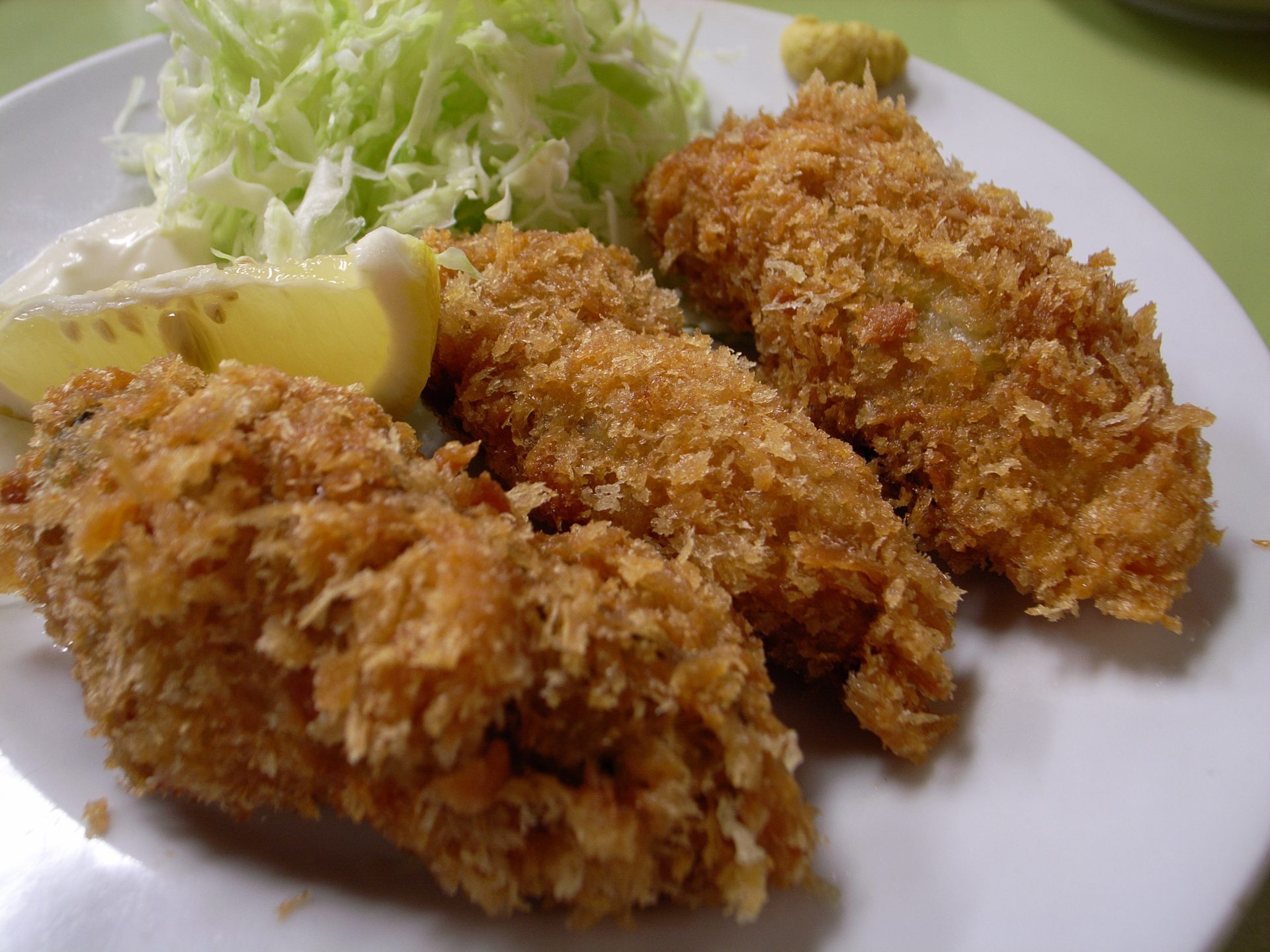
Fried oysters have a short list of demands: something crunchy, something tangy, and something that cools off the palate between bites. Figuring out what to serve with fried oysters is less about following one rigid menu and more about balancing richness with acid, crunch with creaminess, and heat with something cold. Oysters themselves pair naturally with savory flavors like citrus, black pepper, cream, and corn, which is exactly why Southern and Creole kitchens built an entire side-dish tradition around them.
If deviled eggs are already on your party menu, you’re in good company. A platter of fried oysters sits comfortably next to deviled eggs and other make-ahead appetizers at a seafood boil, a fish fry, or a holiday spread. Below are 14 sides, sauces, and breads that Southern cooks, seafood shacks, and home kitchens have leaned on for generations, organized so you can mix and match based on how casual or formal your meal needs to be.
1. Arugula and Orange Salad
A fried oyster’s crunchy cornmeal crust and rich, briny center need something sharp to cut through all that oil, and a citrus salad does exactly that. The combination of the lemony dressing, peppery arugula, and fresh orange slices helps undercut the greasiness of your fried oysters, giving you a more balanced bite. The bitterness of the arugula plays against the sweetness of the orange, so every forkful resets your palate before the next oyster.
Keep the dressing light, just olive oil, a squeeze of citrus, and a pinch of salt, so it doesn’t compete with the fried exterior. If you want something more filling for a dinner party, swap in a spinach and feta version, or keep it simple with shredded lettuce and shaved parmesan when you’re short on time.
2. Jalapeno Cheddar Grits
Creamy, cheesy grits turn a plate of fried oysters into full-on Southern comfort food. Serving oysters over a bed of grits is one of the easiest ways to turn them into the ultimate comfort food, and the jalapeno adds just enough heat to contrast with the sweetness of the corn. Stone-ground grits cooked low and slow in chicken stock, then finished with sharp cheddar and a handful of pickled jalapenos, give you a base that’s rich enough to anchor the whole plate.
Pro Tip: Stir a splash of hot sauce into your grits right before serving. It wakes up the cheese without overpowering the jalapeno’s natural heat.
3. Oven-Baked Fries
Crispy on crispy works better than most people expect. Restaurants have served fried oysters alongside French fries, onion rings, or sweet potato fries for decades because the two fried textures play off each other instead of competing. Oven-baked fries keep things slightly lighter than a double fry, which matters when oysters are already soaking up oil on the stovetop.
Toss your potato wedges in olive oil, smoked paprika, garlic powder, and a little cayenne before roasting at a high temperature for crisp edges. This is also one of the easiest convenience-style sides on this list, since you can prep the fries while the oyster batter rests.
4. Sauteed Zucchini and Corn
For a lighter, vegetable-forward side, sauteed zucchini and corn brings sweetness and a little char without weighing down the plate. Sauteeing the corn kernels and zucchini together infuses them with a nutty flavor that enhances their natural sweetness, and a spritz of lemon juice at the end brings a bright touch. Fresh or frozen corn both work, so this is a reliable side even outside of peak summer corn season.
A hot skillet and a few minutes of cook time are all you need. Resist the urge to crowd the pan; the zucchini needs room to brown rather than steam, or you’ll lose the contrast against your crispy oysters.
5. Pickled Red Cabbage
Quick-pickled cabbage is the palate cleanser this plate needs. The sharp, tangy bite of pickled cabbage cuts through the richness of fried seafood, and every bite carries a little sweetness, a little sourness, and a little spice, making it the perfect accompaniment to fried oysters.
- Thinly slice red cabbage and pack it into a jar.
- Heat equal parts vinegar, water, and sugar with a pinch of salt until dissolved.
- Pour the warm brine over the cabbage and let it sit for at least 30 minutes before serving.
The color alone makes this a striking addition to a seafood platter, and it keeps well in the fridge for a few days if you want to prep it ahead of a party.
6. Green Bean Casserole
This one feels unexpected until you taste it. Fried oysters show up often on Thanksgiving tables, and green bean casserole’s creamy mushroom sauce and earthy green beans play well against salty fried oysters. The dish’s familiar, slightly nostalgic flavor balances the boldness of fried seafood without fighting for attention.
If you’re building a holiday menu around a seafood course, this casserole lets you serve something comforting and make-ahead-friendly while the oysters get fried to order just before the meal starts.
7. Clam Chowder
Doubling up on seafood might sound heavy, but a cup of chowder alongside fried oysters is a classic coastal pairing. A creamy soup is an excellent accompaniment to fried oysters, and options like cream of celery, cream of chicken, or corn and shallot bisques all work well served hot or cold. New England-style clam chowder, thick with potatoes and bacon, gives the meal some heft without duplicating the exact flavor of the oysters themselves.
If you’re sourcing fresh clams or oysters from out of state, it’s worth knowing how seafood holds up in transit; sites that cover shipping frozen food properly can help you plan ahead for a seafood dinner when you’re not near the coast.
8. Roasted Asparagus
Asparagus brings a clean, slightly grassy contrast to the richness of fried oysters. Roasted asparagus is a classy and versatile side dish you can put together quickly, and the high heat draws out the spears’ natural sweetness, which pairs well with salty, meaty fried seafood. A drizzle of hollandaise is optional, but its mild tang adds another layer that complements the fried batter.
Roast at a high temperature, around 425°F, just until the tips start to brown. Overcooked asparagus turns limp and loses the snap that makes it work here.
9. New Orleans-Style French Bread
No list of fried oyster sides is complete without bread, and in Louisiana that almost always means a crusty French loaf. Many people consider fresh French bread one of the best things to eat alongside fried oysters, and it’s the foundation of the iconic New Orleans oyster po’ boy sandwich. Split the loaf, add mayo, lettuce, tomato, and your fried oysters, and you’ve turned a side dish into the whole meal.
If you’re not making a po’boy, a warm baguette with butter is still a solid way to soak up any extra sauce left on the plate.
10. Corn Fritters
Corn fritters bring a second fried element to the table, but their sweetness sets them apart from the savory oysters. One classic version is often recommended with a drizzle of maple syrup on top, which sounds unusual next to seafood but actually works the same way syrup works with fried chicken: sweet and salty in the same bite.
Key Insight: Fritters made with fresh summer corn hold their shape better than canned corn, which releases more moisture into the batter and can make frying trickier.
11. Tartar Sauce
Tartar sauce is the default dipping sauce for fried seafood for a reason. It’s a classic side dish for fried oysters and other seafood, built on a simple base of mayonnaise, chopped pickles or capers, and a little lemon juice. The tang cuts through the fried batter without introducing much heat, which makes it the gentler option compared to remoulade.
- 1 cup mayonnaise
- 2 tablespoons minced dill pickles or capers
- 1 tablespoon lemon juice
- 1 teaspoon Dijon mustard
- Fresh dill or parsley, chopped
Mix everything together and let it sit in the fridge for at least 20 minutes so the flavors have time to meld before serving.
12. Cajun Remoulade
If tartar sauce is the mild option, remoulade is its bolder Louisiana cousin. Cajun remoulade is Louisiana’s spicier answer to classic French remoulade, creamy, zesty, and a little fiery, with enough acidity to cut through rich seafood and crispy fried foods. The sauce traveled to the American South from France, and local chefs began adding ingredients like brown mustard, paprika, and cayenne to give it that distinct Cajun flair over time.
| Feature | Tartar Sauce | Cajun Remoulade |
|---|---|---|
| Base | Mayonnaise, pickles, lemon | Mayonnaise, mustard, hot sauce, paprika |
| Heat Level | None to mild | Mild to spicy |
| Flavor Profile | Bright, tangy | Smoky, tangy, peppery |
| Best With | Lighter fried fish | Bold, salty fried seafood |
For best results, make remoulade at least 30 minutes ahead so the garlic and Cajun seasoning have time to mellow into the mayonnaise instead of tasting sharp and separate.
13. Homemade Coleslaw
Coleslaw does double duty as a side dish and a topping. In the South, creamy coleslaw with a touch of vinegar is treated as more than just a salad, it’s also a beloved side and condiment that shows up on sandwiches as often as it sits on its own plate. The cool, crunchy cabbage mix is an easy way to balance the heat and oil of fried oysters without introducing another heavy element.
Common Mistake: Dressing coleslaw too far in advance makes it watery. Toss the cabbage with dressing no more than an hour before serving for the best crunch.
A simple vinegar-based slaw works well if you want something lighter, while a mayo-based version leans closer to a classic diner-style side. Either way, build it with green and red cabbage for color and crunch.
14. Southern Hushpuppies
Hushpuppies are about as classic as a fried oyster side gets. Southern seafood plates most often pair fried oysters with cheese grits, french fries or fried potatoes with onions, coleslaw, and hush puppies, or hoe cakes, and hushpuppies round out that lineup with their own crisp, cornmeal-based crunch. Dip them in the same remoulade or tartar sauce you’ve already made for the oysters, and you’ve got a cohesive plate built around just two or three sauces.
If you’re feeding a crowd and want to stretch your frying oil efficiently, fry the hushpuppies first while the oil is still clean, then move on to the oysters.
Important Note: Fried foods like hushpuppies, fries, and fritters are best enjoyed in moderation as part of a balanced diet. If you’re managing cardiovascular health, resources on foods to eat and avoid with coronary heart disease can help you plan a fried-seafood meal that still fits your dietary needs. This is general information, not medical advice.
Putting together a fried oyster spread doesn’t require all 14 of these sides at once. A cheese grits base, one bright salad or pickled vegetable, a bread option, and two sauces like tartar and remoulade will cover most of what a table needs. If you’re planning a larger seafood night, these pairings work just as well alongside a shrimp boil spread or an ahi tuna plate, since the same acid-and-crunch logic applies across most fried or raw seafood.
For gatherings that mix appetizers and mains, round out your party appetizer spread with deviled eggs, then move into fried oysters as the main event with two or three sides from this list. And if you need a sweet finish after all that fried, salty food, a lighter dessert like angel food cake closes out the meal without feeling heavy.