Inside the Traditional Turkish Breakfast: 18 Dishes That Define Kahvaltı

November 20, 2026
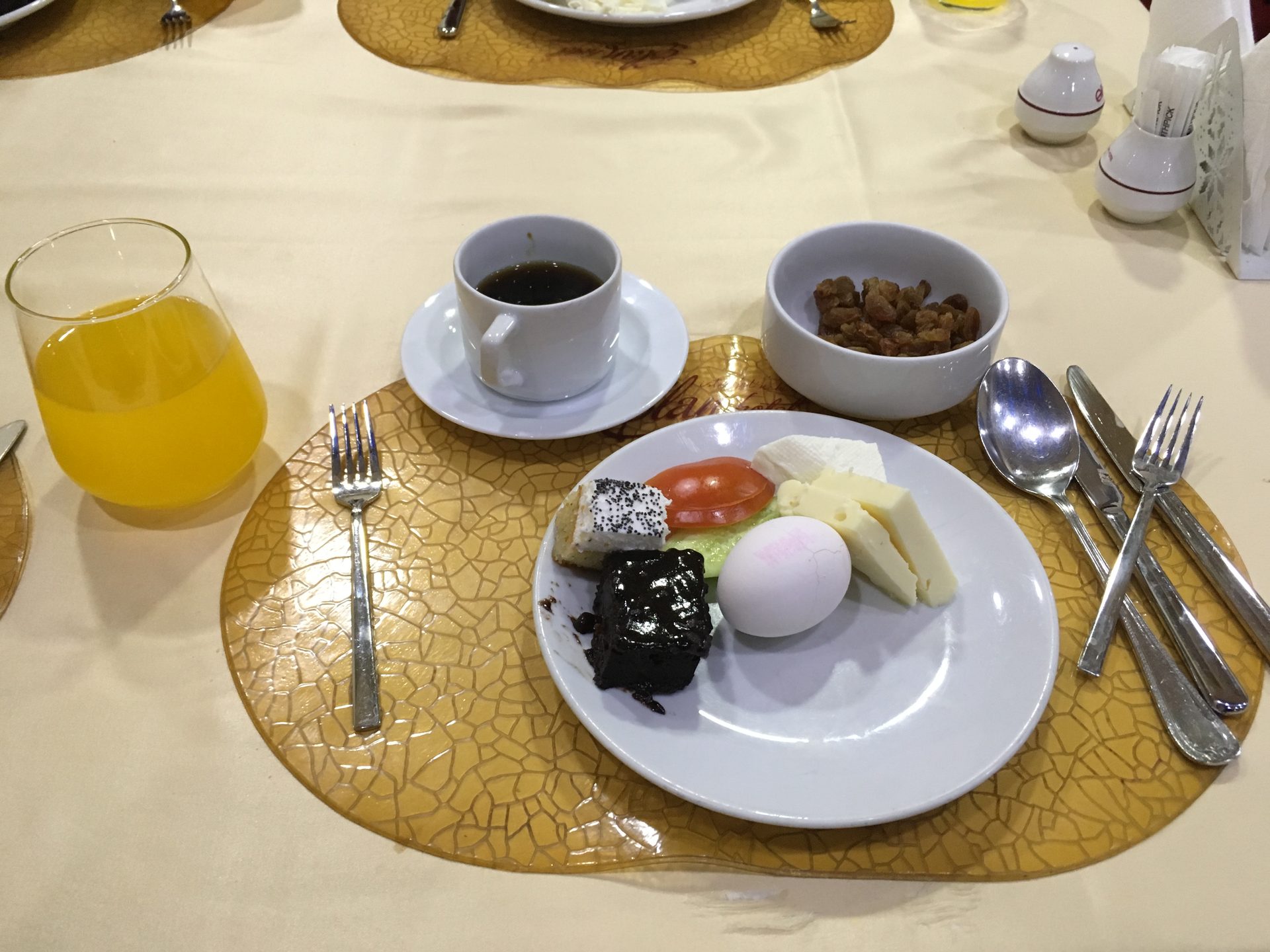
A traditional Turkish breakfast rarely fits on one plate. Hosts crowd the table with a dozen small dishes, pour endless glasses of tea, and let the meal stretch on for hours rather than minutes.
The word for this ritual is kahvaltı, and the Turkish breakfast entry on Wikipedia refers to the traditional breakfast of Turkey, characterized by a wide variety of small dishes served together, typically blending a multitude of flavors, textures, and food categories. Eggs, cheese, bread, preserves, and tea all share the table at once, so no single dish really defines the meal on its own.
That communal, cheese-and-pastry style of eating is not unique to Turkey. Many Balkan nations that spent centuries under Ottoman rule, Albania among them, built their own version of a savory, dairy-heavy morning spread, and a closer look at Albanian breakfast dishes shows the same love of flaky pastry, white cheese, and strong tea or coffee that shapes a traditional Balkan breakfast. The two food cultures grew up at the same table, even if they now go by different names.
Before getting into each dish, here is a quick snapshot of the full spread. For more morning inspiration from around the world, the site’s breakfast traditions collection covers how other cultures approach the first meal of the day.
| Dish | Type | What It Brings to the Table |
|---|---|---|
| Menemen | Egg dish | Scrambled eggs with tomato and pepper |
| Simit | Bread | Sesame-crusted ring bread |
| Börek | Pastry | Layered yufka filled with cheese or meat |
| Kaymak | Dairy spread | Thick clotted cream, usually with honey |
| Çay | Drink | Black tea served in tulip glasses |
| Sucuklu yumurta | Egg dish | Fried eggs with spiced beef sausage |
| Sucuk | Cured meat | Garlicky, cumin-spiced beef sausage |
| Kaygana | Egg dish | Thick, savory Black Sea egg pancake |
| Katmer | Pastry | Thin, buttery layered flatbread |
| Pekmez | Sweetener | Boiled-down grape or mulberry syrup |
| Çılbır | Egg dish | Poached eggs over garlicky yogurt |
| Gözleme | Flatbread | Griddle-cooked bread with savory filling |
| Bazlama | Bread | Soft, pillowy griddle bread |
| Kuymak | Hot dish | Cornmeal melted with stringy cheese |
| Mıhlama | Hot dish | Black Sea cousin of kuymak |
| Beyaz peynir | Cheese | Soft, brined white cheese |
| Kaşar | Cheese | Firm, mild yellow cheese |
| Van otlu peyniri | Cheese | Herbed cheese from eastern Anatolia |
1. Menemen
Menemen is the dish most visitors remember first, and it earns that reputation honestly. It is a skillet of eggs cooked slowly with tomato, green pepper, and often onion until the mixture turns soft and slightly saucy rather than dry.
Menemen is a beloved Turkish breakfast dish made with scrambled eggs, tomatoes, green peppers, and onions, and this simple one-pan dish is both flavorful and hearty, making it a staple in Turkish households, with the vegetables sautéed until tender before the eggs are added and gently cooked until set. Bread is essential here, torn into pieces and dragged through the pan to soak up every bit of the tomato-and-butter sauce.
The dish sits in good company across the eastern Mediterranean. Travelers who enjoy traditional Egyptian food will recognize the same instinct for cooking eggs directly into a spiced tomato base rather than serving them plain, a sign of how closely these regional breakfast traditions overlap.
Pro Tip: Order menemen “az pişmiş” (lightly cooked) if a softer, almost custardy texture is preferred over a firmer scramble.
2. Simit
Simit is the bread that shows up everywhere in Turkey, from street carts to bakery windows, and it works just as well as a snack as it does a breakfast staple. The ring-shaped loaf gets dipped in grape molasses and rolled in sesame seeds before baking, which gives it a slightly sweet crust and a satisfying crunch.
Its roots run deep: in Istanbul the simit tradition goes back to the year 1525, when it first got produced by local bakeries. That makes it one of the oldest street foods still sold on the exact same corners centuries later.
At the breakfast table, simit is usually torn into pieces and used to scoop up cheese, jam, or kaymak rather than eaten plain. Readers who enjoy exploring bakery culture elsewhere might also appreciate the piece on traditional French food, where bread plays an equally central, almost ritual role at the table.
3. Börek
Börek covers a whole family of pastries built from yufka, a thin dough rolled out sheet by sheet and layered with a filling before baking or frying. Cheese is the most common choice, though spinach, potato, and minced meat versions all show up regularly on a kahvaltı spread.
One standout variation deserves special mention: börek is made of thin sheets of filo pastry filled with cheese or minced meat, sometimes also served filled with potatoes or spinach and white cheese, and su böreği is an absolute favourite for some. Su böreği, or “water börek,” gets its name from boiling the yufka sheets before layering, which produces a softer, almost lasagna-like texture.
The same technique travels well beyond Turkey’s borders. The layered, cheese-or-meat-filled pastry at the heart of authentic Albanian recipes, known locally as byrek, uses nearly identical yufka dough, a reminder that regional breakfast traditions across the former Ottoman lands share more than they differ. Fans of flaky pastry might also enjoy traditional Greek foods, where spanakopita follows a very similar method.
4. Kaymak
Kaymak is the richest thing on the table, a thick, clotted cream skimmed from slowly simmered buffalo or cow’s milk. It has a dense, almost fudgy texture that holds its shape on a spoon rather than spreading like regular cream.
The classic pairing is simple and never changes: honey spooned generously over a thick layer of kaymak, spread onto warm bread. A proper weekend serpme kahvaltı fills the table with honey served alongside kaymak, a thick clotted cream, and this pairing is often treated as the sweet centerpiece of the whole spread.
Because it tastes genuinely indulgent, kaymak and honey often gets suggested as the dish to build a celebratory morning around, the kind of idea worth borrowing for a best Valentine’s Day breakfast at home.
Pro Tip: The highest-quality kaymak traditionally comes from water buffalo milk, which produces a firmer, more buttery result than cow’s milk versions.
5. Çay
Tea, not coffee, is what actually fuels a Turkish breakfast table. Çay is black tea brewed strong in a double teapot called a çaydanlık, then served in small, tulip-shaped glasses that keep it hot without the need for a handle.
The scale of this habit is hard to overstate. Çay is served in a clear glass without milk, and Türkiye has the highest level of tea consumption per capita in the world, making it also one of the biggest exporters of tea to the rest of the world. Refills keep coming throughout the meal, and glasses rarely sit empty for long.
Tea culture built around small glasses and constant refilling shows up in other parts of the world too; readers curious about that pattern elsewhere might enjoy the guide to traditional Russian drinks, where tea plays a similarly social role.
6. Sucuklu Yumurta
Sucuklu yumurta is eggs fried together with sliced sucuk, the spiced beef sausage that releases its red, paprika-tinted oil into the pan as it cooks. The eggs pick up that color and flavor as they set, which makes the dish instantly recognizable on sight.
Sucuklu yumurta is where fried eggs are cooked with slices of spicy Turkish garlic sausage, sucuk, that release their oils into the pan. It is typically served sizzling, straight from the skillet it was cooked in, rather than plated separately.
For anyone comparing how different cultures treat eggs as the hot, protein-rich anchor of breakfast, the piece on traditional Japanese breakfast offers an interesting contrast, built around rice and fish rather than bread and sausage.
7. Sucuk
Sucuk itself is a dry-cured, fermented beef sausage, seasoned heavily with garlic, cumin, and sumac, then stuffed into a casing and air-dried until it develops a firm, slightly tangy bite. It is eaten well beyond breakfast, but the morning table is where it shows up most often, usually sliced and pan-fried until the edges crisp.
Important Note: Sucuk and sucuklu yumurta are not the same thing. Sucuk is the sausage on its own; sucuklu yumurta is the specific dish made by frying that sausage together with eggs.
Cured, air-dried sausage traditions exist across many food cultures for similar reasons of preservation and flavor concentration. South Africa’s boerewors, covered in the guide to traditional South African food, follows a different spice profile but a comparable drying and smoking logic.
8. Kaygana
Kaygana is a thicker, more substantial relative of menemen, closer to a savory pancake than a scramble. The eggs get beaten with flour or a little milk before cooking, which gives the finished dish a denser, almost bread-like structure that holds together when sliced.
It is strongly associated with the Black Sea region, where cooks often fold in local greens, cheese, or minced meat depending on the season and what is available. Unlike menemen, kaygana is usually cut into wedges rather than scooped, making it easier to share around a crowded breakfast table.
Readers interested in how other cuisines turn eggs into something heartier than a simple scramble might enjoy the overview of traditional Indian foods, where besan-based pancakes follow a similar logic with chickpea flour instead of wheat.
9. Katmer
Katmer is a thin, multi-layered flatbread, rolled out until it is nearly translucent, then folded repeatedly with butter or clotted cream between each layer before cooking on a flat griddle. The result is flaky and rich, with dozens of paper-thin layers packed into a single piece.
Gaziantep, in southeastern Turkey, is the city most closely tied to katmer, and the savory version there often includes a dusting of ground pistachio alongside the butter. A sweeter version filled with kaymak and sugar also appears on breakfast tables, usually as an occasional treat rather than an everyday staple.
Layered, butter-rich flatbreads are not unique to Turkey. Traditional Pakistani food includes paratha, which uses a similar folding technique to build flaky layers, though the dough and cooking fat differ.
10. Pekmez
Pekmez is a thick, dark syrup made by boiling down grape juice, though mulberry, fig, and carob versions also exist depending on the region. It has a deep, slightly earthy sweetness that is noticeably less sharp than refined sugar or honey.
One classic breakfast pairing pops up again and again in guides to the spread: a sweet option such as honey, jam, or tahini and pekmez rounds out the table alongside the savory dishes. Tahin-pekmez, a blend of sesame paste and grape molasses, is eaten by the spoonful or spread on bread, especially in winter when it is considered warming.
Thick, boiled-down fruit syrups used as a daily sweetener show up elsewhere too. Traditional Venezuelan food includes papelón, an unrefined cane sugar block dissolved into drinks and dishes, serving a similar role as a less-processed sweetener.
11. Çılbır
Çılbır is poached eggs served over a bed of thick, garlicky strained yogurt, finished with a drizzle of butter or oil that has been infused with red pepper flakes. The contrast between the warm, runny yolk and the cool, tangy yogurt is the whole point of the dish.
It has Ottoman palace roots and historically carried a bit more prestige than the average breakfast egg dish, though today it appears on both home tables and restaurant menus across the country. The yogurt base also makes it noticeably lighter than menemen or sucuklu yumurta.
Key Insight: Çılbır works just as well as a light lunch or dinner dish, which is why it shows up on Turkish menus well outside the breakfast hours.
12. Gözleme
Gözleme is a savory flatbread cooked on a large, flat griddle called a sac, filled before folding with options like spinach and cheese, minced meat, or potato. It gets rolled thin, filled, folded into a rectangle or triangle, and cooked until the outside turns golden and slightly crisp.
Street vendors and market stalls often make gözleme to order, rolling the dough right in front of customers before it hits the griddle. It is heavier and more filling than most other items on the breakfast table, which is why it sometimes gets treated as a meal on its own rather than one dish among many.
Griddle-cooked, stuffed flatbreads are a familiar format well beyond Turkey. Traditional Malaysian food includes roti canai, a flaky, pan-fried bread usually served with curry rather than a savory filling folded inside.
13. Bazlama
Bazlama is a soft, slightly thick flatbread leavened with yeast and cooked on a griddle rather than baked in an oven. It puffs up as it cooks, leaving a pillowy, slightly chewy interior under a lightly charred exterior.
Villages across Anatolia have their own versions, but the basic method stays consistent: a simple dough of flour, water, yeast, and salt, rolled out and cooked quickly over direct heat. Unlike simit, bazlama is almost always homemade rather than bought from a bakery or street cart.
It is usually served warm, torn by hand, and used the same way as other breads on the table, as a vehicle for cheese, jam, or kaymak. Simple, yeasted griddle breads built for everyday comfort appear in plenty of other home-cooking traditions, including the hearty, homestyle cooking behind a traditional German stew.
14. Kuymak
Kuymak is a hot, creamy dish from the Black Sea region made by melting fresh, unsalted cheese into cooked cornmeal along with plenty of butter. The texture should be smooth and stretchy, almost like a savory fondue, rather than grainy or thick.
One regional food guide sums up both the dish and its reputation well, describing kuymak (mıhlama) as cornmeal melted with stringy cheese, eaten hot, and calling it “a Black Sea must”. It is typically served straight from the pot it was cooked in, with diners dipping bread directly into the shared dish.
15. Mıhlama
Mıhlama is close enough to kuymak that the two names are often used interchangeably, though cooks in different Black Sea towns sometimes draw a line between them. Both dishes combine cornmeal, butter, and a stretchy local cheese into a hot, communal dish meant for sharing straight from the pan.
Key Insight: Where a distinction exists, mıhlama is usually associated with Rize province and kuymak with Trabzon, though the ingredients and method barely differ between the two.
Either name leads to the same experience at the table: a pot of melted cheese and cornmeal, served bubbling hot, meant to be scooped up with fresh bread rather than eaten with a fork.
16. Beyaz Peynir
Beyaz peynir is the soft, brined white cheese found on nearly every Turkish breakfast table, made from sheep, cow, or goat milk and aged in brine much like Greek feta or Bulgarian sirene. It has a salty, slightly tangy flavor and a crumbly texture that softens further the longer it sits.
Most breakfast spreads include more than one type, as one description of the classic spread notes: the table covers white cheese (beyaz peynir) and stringy yellow kaşar, a bowl or two of olives, sliced tomatoes and cucumbers, eggs done as menemen or sucuklu yumurta, honey paired with clotted cream, several jams, simit, and fresh bread. Beyaz peynir is usually the first cheese reached for, often eaten plain or drizzled with a little olive oil.
17. Kaşar
Kaşar is a firmer, pale yellow cheese made from sheep or cow milk, aged until it becomes mild, sliceable, and slightly elastic rather than crumbly. Younger kaşar has a mellow, almost buttery flavor, while aged versions develop a sharper, more pronounced bite.
A proper breakfast spread includes several cheeses, from soft white beyaz peynir to aged, stringy varieties like kaşar, giving the table a range of textures rather than relying on one type alone. It is also one of the few breakfast cheeses that melts well, which makes it a common choice for toasted sandwiches later in the day.
18. Van Otlu Peyniri
Van otlu peyniri, or herbed cheese, comes from the far eastern province of Van and stands apart from every other cheese on this list because of what gets mixed into it. The Wikipedia entry on Van herbed cheese notes that it is traditionally made from raw sheep milk, though cow and goat milk may be used or added, and it is semi-hard in texture, produced primarily in the Kurdish-inhabited villages in the Van Province of Turkey.
Wild herbs, often including garlic, thyme, and fennel gathered from the surrounding mountains, get folded through the curds before the cheese is pressed and aged, leaving visible green flecks throughout. Van itself has built something of a reputation around this breakfast culture more broadly: one cheese writer notes that many people have called Van the world capital of breakfasts, as they are often composed of over 20 items, with otlu peyniri as the signature item locals point to first.
Important Note: Otlu peyniri is traditionally made in spring, when mountain herbs are freshest and milk yields are at their richest, so flavor and availability can shift with the season.
The result is sharp, salty, and distinctly herbal, a cheese that tastes noticeably different from one wheel to the next depending on which wild herbs went into that particular batch.
Eighteen dishes, and still only a partial picture of what a full kahvaltı table can hold once regional specialties and household traditions get added in. What ties them together is less about any single recipe and more about the pace of the meal itself: small plates, strong tea, and no reason to rush. Readers who want to keep exploring how other cultures build their own version of this slow, shared first meal can find more in the site’s full breakfast traditions collection.