10 Traditional West African Breakfast Dishes Worth Waking Up For

November 20, 2026
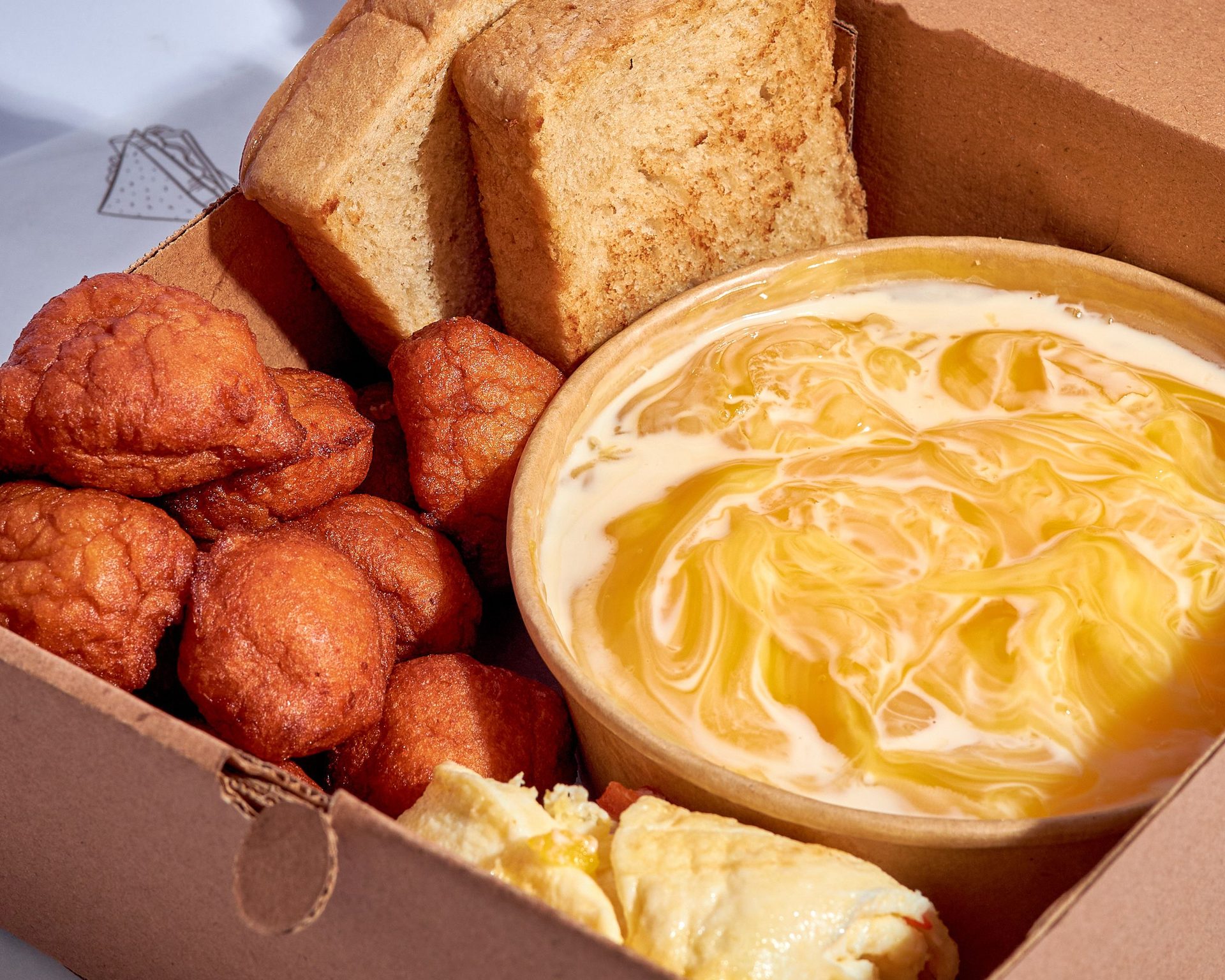
A traditional West African breakfast rarely resembles the cereal-and-juice routine familiar to much of the world. In Gambia and Senegal, mornings often begin with bread still warm from a wood-fired oven or a shared bowl of hand-pounded millet porridge passed around a family table. These meals are savory as often as they are sweet, built on grains, peanuts, and sour milk rather than sugar alone.
This piece walks through ten dishes that define breakfast across the Senegambia region, from crusty tapalapa loaves to the nutty, slow-cooked comfort of churag gerteh porridge. Readers curious about how other cultures approach the first meal of the day can also browse this site’s broader collection of breakfast traditions from around the globe for comparison.
1. Tapalapa
Tapalapa is the bread most people picture when they imagine a Gambian or Senegalese morning table. According to Wikipedia , tapalapa is a traditional West African bread originating in Senegal based on the French baguette, though it is slightly smaller, and baked in a large, traditional wood-burning oven made of mud brick. That colonial-era connection also shows up in this site’s look at traditional French food, where the baguette’s influence on former colonies becomes clear.
What separates tapalapa from an actual baguette is the flour blend. Tapalapa is made from a mixture of wheat and millet flour, to which is added maize flour, as well as cowpea flour, according to 196 Flavors . The millet used is pearl millet (Pennisetum glaucum), a drought-hardy grain grown widely across the Sahel, and the cowpea flour added to the dough comes from cowpeas (Vigna unguiculata), also known as black-eyed peas.
Loaves are long and rustic rather than uniform. Tapalapa loaves are usually elongated and rustic, measuring about 12 to 15 inches long, with a crusty exterior and a soft, chewy interior, according to My Gambia . It is also widely shared across the region: tapalapa is mainly eaten in Senegal, Mauritania, Gambia, and Guinea.
Pro Tip: Fresh tapalapa is best eaten within hours of baking, while the crust still crackles. Vendors who deliver it by motorbike early in the morning are usually selling the freshest loaves of the day.
2. SenFurr
SenFurr is tapalapa’s lighter cousin. Tapalapa is a soft, dense baguette, while SenFurr is a lighter and fluffier yeast baguette, notes My Gambia’s breakfast guide . The name itself is Wolof in origin, loosely translating to something close to “your bakery,” reflecting how closely tied these breads are to the small neighborhood ovens that produce them each morning.
Because the dough leans on wheat flour and yeast rather than the denser millet-cowpea mix, SenFurr rises higher and stays softer longer. Tapalapa and SenFurr are the two most popular breads used in Gambian breakfasts, snacks, and dinners. Readers interested in how other African regions build their morning meals around starchy staples may also want to look at traditional South African food, which leans on maize porridge in a similar daily role.
3. Chereh
Chereh, sometimes written cherreh or chéré, is a steamed millet couscous rather than a bread. The cracked millet grains are moistened, rolled by hand into small pellets, and steamed in stages until they puff up light and fluffy, a technique that takes practice to get right without clumping. It is one of the older methods of preparing millet in Senegambian households, predating the newer wheat breads that colonial trade introduced.
For breakfast, chereh is most often served warm with sour curdled milk and a spoonful of sugar stirred through, giving it a tangy-sweet contrast similar to yogurt over grain. Families who prefer a savory start sometimes pair it instead with a light peanut or vegetable sauce. Grain-based breakfasts with a similar steamed or soaked preparation also appear in traditional Egyptian food, where fava beans and bread play a comparable daily role.
4. Mono
Mono is a smooth cornmeal porridge, closer in texture to a thin pudding than to the grainier millet dishes on this list. Finely ground cornmeal is whisked slowly into boiling water or milk until it thickens into a lump-free, pourable consistency, then sweetened lightly or left plain depending on the household.
Children are often served mono first thing in the morning because it is easy to digest and quick to prepare before school. Some families mix in a touch of vanilla or ground nutmeg for flavor, while others keep it simple with just sugar and evaporated milk. Smooth, milk-based morning porridges are far from unique to West Africa; similar preparations turn up in traditional Indian foods, where rice- and semolina-based porridges fill the same comforting role.
5. Lakh
Lakh is arguably the most recognizable millet porridge in Senegambian cooking. Finely ground millet is cooked down slowly into a thick, smooth pudding, then ladled into bowls and topped with sour, curdled milk known locally as sow or ruff, along with a generous spoonful of sugar. The combination of warm millet against cold, tangy milk is part of what makes lakh so distinctive.
Some cooks flavor the base with a touch of baobab fruit powder or vanilla, which adds a faint citrus-like tartness to the pudding itself. Lakh is substantial enough to carry workers through a long morning, which is part of why it remains a staple rather than an occasional treat. Readers who enjoy pairing sweet breakfast staples with a hot drink might also appreciate traditional Egyptian drinks, several of which follow a similarly sweet, milk-forward profile.
Key Insight: The sour curdled milk served with lakh, chereh, and latcheri is not the same as plain spoiled milk. It is deliberately fermented, similar in principle to kefir or buttermilk, and is treasured for the tang it adds against the sweetness of the grain.
6. Latcheri
Latcheri, also spelled lacciri in some households, is another steamed millet couscous closely related to chereh but typically made with a slightly coarser grind of millet. The grains are steamed in a covered pot over simmering water, much like North African couscous, until each grain separates and turns tender without becoming mushy.
Because the texture holds up well, latcheri is as likely to appear at lunch as at breakfast, though the morning version usually leans sweet, finished with sour milk and sugar rather than a savory sauce. The steaming technique itself has close parallels in traditional Greek foods, where grain dishes are often prepared in similarly careful stages to avoid overcooking.
7. Chura Gerteh
Chura gerteh, sometimes rendered churag gerte, takes its name directly from Wolof: gerte means peanut, and the dish is essentially a millet porridge enriched with roasted, ground peanuts. The nuts are pounded into a paste and stirred into the cooking millet, which thickens the porridge further and gives it a rich, nutty depth that plainer porridges lack.
Peanuts have long been one of Senegal’s most important crops, and chura gerteh is one of the clearest ways that history shows up on the breakfast table. The porridge is typically eaten on its own, since the peanut already provides enough fat and protein to make it filling without a milk topping. Other cuisines that lean heavily on peanuts for a hearty start to the day include dishes found in traditional Pakistani food, where nuts and legumes frequently anchor breakfast spreads.
8. Mburu Ak Butter
Mburu is the Wolof word for bread, and mburu ak butter is exactly what it sounds like: a split piece of tapalapa or baguette-style bread spread generously with butter or margarine. It is one of the simplest and most common breakfasts in both Gambia and Senegal, prepared in seconds and eaten on the move by workers and schoolchildren alike.
Street vendors and small shop counters often sell this combination fresh in the early morning, sometimes offering chocolate spread or mayonnaise as alternative fillings alongside the classic butter. It is almost always paired with a hot drink, whether that is strong Touba coffee, sweet attaya tea, or plain black tea. Hot, strongly brewed morning drinks play a similarly central role in traditional Chinese drinks, where tea culture shapes the entire rhythm of the meal.
- Margarine or butter, the most traditional and widely available filling
- Chocolate spread, popular with children
- Mayonnaise with boiled egg, a heartier savory option
- Plain butter with a side of boiled potato or sardine
9. Mburu Ak Sauce
Where mburu ak butter is the quick version, mburu ak Sauce is the heartier, savory breakfast sandwich sold at stalls across Dakar and beyond. The centerpiece is usually ndambe, a thick bean stew. Ndambe is beans cooked in a spiced tomato paste, typically served on bread as a breakfast sandwich, according to Wikipedia’s overview of Senegalese cuisine .
The sandwich itself is built to be portable and filling. In Dakar, this breakfast often arrives as a warm baguette enveloping a spread of ndambe, a spicy, hearty stew featuring black-eyed peas, tomatoes, and potatoes, as described by Saveur . The gravy soaks into the bread rather than sitting on top of it, which is part of why the dish works so well as a one-handed, eat-on-the-way meal.
Important Note: Names and exact ingredient ratios for several of these dishes shift slightly between Gambian and Senegalese households, and even between ethnic groups such as Wolof, Mandinka, and Fula communities within the same country. Treat the descriptions here as common starting points rather than a single fixed recipe.
10. Koko
Koko refers to a warm, spiced porridge found in various forms across West Africa, typically made from fermented millet or corn flour cooked with water into a smooth, pourable consistency. Ginger and sometimes cloves are common flavorings, giving the porridge a gentle warmth that pairs well with cool mornings.
It is rarely eaten alone. Koko is most often served alongside fried bean cakes, known locally as koose or akara, creating a breakfast that balances a soft, spiced porridge against something crisp and savory. The same instinct to pair a warm starch with a cooked protein shows up in traditional Japanese breakfast, where rice and miso soup are balanced against grilled fish or egg.
| Dish | Base Ingredient | Texture | Typical Pairing |
|---|---|---|---|
| Tapalapa | Wheat, millet, maize, cowpea flour | Dense, chewy, crusty | Butter, mashed sardines, eggs |
| SenFurr | Wheat flour, yeast | Light, fluffy | Margarine, jam |
| Chereh | Steamed cracked millet | Light, grainy couscous | Sour curdled milk, sugar |
| Mono | Cornmeal | Smooth, pudding-like | Milk, sugar or salt |
| Lakh | Finely ground millet | Thick, pudding-like | Sour curdled milk, sugar |
| Latcheri | Steamed millet, coarser grind | Grainy, couscous-like | Sour milk or peanut sauce |
| Chura Gerteh | Millet and ground peanut | Creamy, nutty | Eaten on its own |
| Mburu ak butter | Bread and butter | Crusty bread, soft spread | Attaya or Touba coffee |
| Mburu ak Sauce | Bread and bean stew (ndambe) | Soft bread, hearty sauce | Hot sauce, boiled egg |
| Koko | Fermented millet or corn | Warm, spiced porridge | Koose or akara fritters |
Taken together, these ten dishes show that a traditional West African breakfast is less about a single national dish and more about a flexible set of grains, breads, and sauces that get combined differently in every household. Millet alone shows up as bread, couscous, and three distinct porridges, while a single loaf of bread can swing from a light sweet snack to a hearty savory meal depending on what gets spread or dipped into it.
Anyone planning to try these recipes at home should expect some trial and error, particularly with the steamed millet dishes like chereh and latcheri, where texture depends heavily on technique. Starting with the simpler options, mburu ak butter or mono, offers an easy entry point before working toward the more involved porridges like lakh and chura gerteh.