Traditional Kurdish Clothing: 20 Garments That Define Kurdish Dress

November 17, 2026
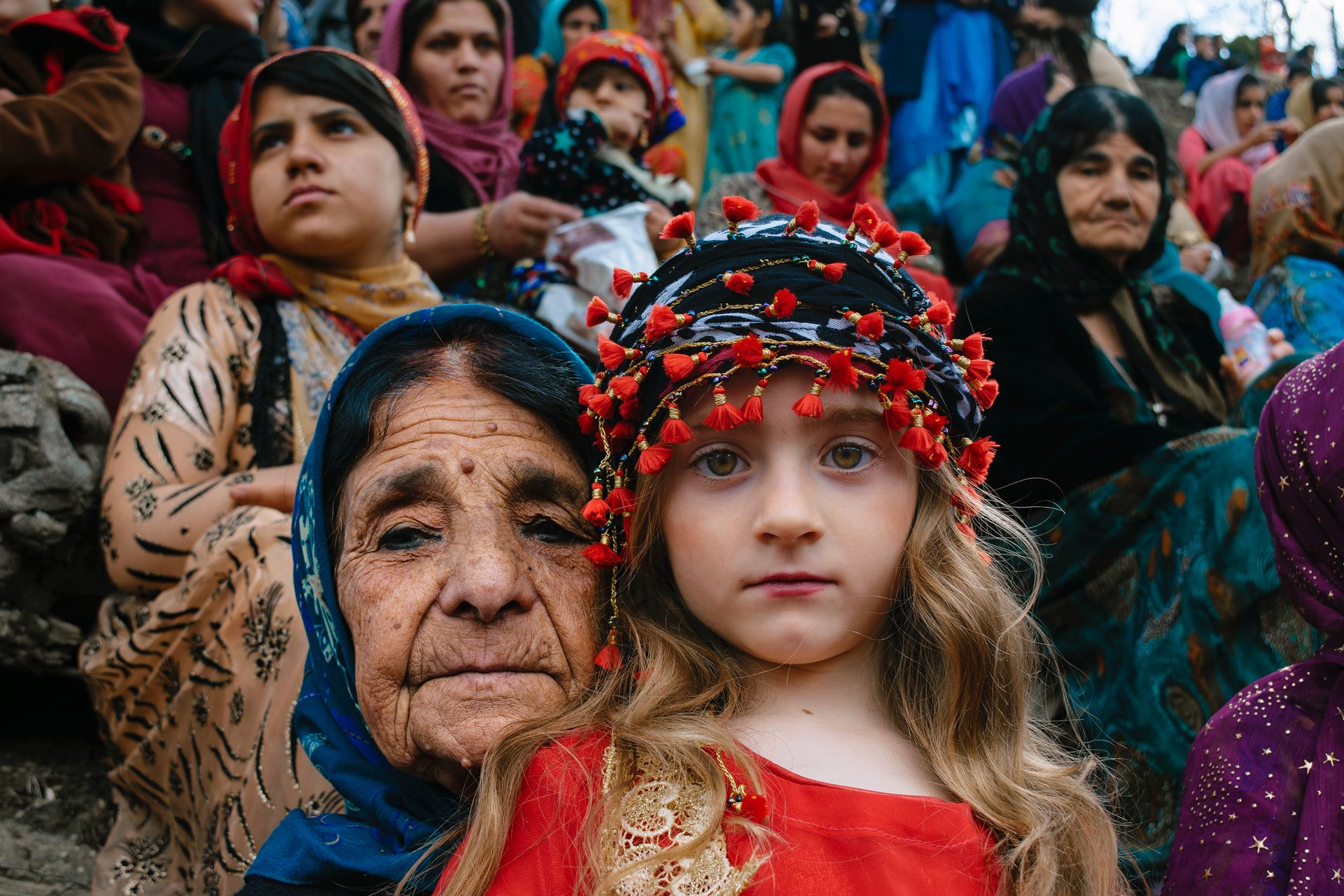
Traditional Kurdish clothing is far from a single fixed costume. During Newroz 2024, the Kurdish clothing market was abuzz with activity, and female Kurdish clothing artisans saw a substantial increase in demand for Newroz attire compared to previous years. That seasonal surge says something important about how Kurdish dress works: it is living clothing, worn for weddings, festivals, and family gatherings rather than kept in a museum case.
The traditions typically vary across different regions and tribes of Kurdistan, and while Kurdish clothing was historically more complex and varied, it has evolved into a simpler form over time. A dress, jacket, or headscarf can look completely different depending on whether the wearer is from a mountain village in Hawraman or a lowland town near the Iraqi-Iranian border. This guide walks through twenty specific garments and accessories that make up Kurdish folk attire, in the order most commonly described by Kurdish communities themselves.
Color and fabric also carry meaning. In Kurdish clothing, every color has significance: red symbolizes strength, courage, passion, and the blood of martyrs from Kurdish struggles; green represents natural themes tied closely to spring celebrations such as Nowruz; yellow represents sunlight, prosperity, and is often used in festive attire; and blue represents spirituality, commonly seen in sashes and men’s attire. Keep that color language in mind as you move through the pieces below.
| Element | Typical Material | Common Use |
|---|---|---|
| Shal and shepik | Wool | Men’s national outfit, formal occasions |
| Fistan / kras | Silk or velvet | Women’s festive dress |
| Sharwal | Cotton | Everyday and formal trousers |
| Chokheh-style vests | Felt | Cold-weather layering |
This split in materials reflects practicality: the shal and shepik are made from wool, the fistan from silk or velvet, the shalwar from cotton, and felt garments from pressed wool fiber.
1. Kras
The kras is the long women’s dress that forms the foundation of Kurdish women’s clothing. Women wear a long floor-length dress, often of light sheer fabric, with long sleeves ending in a flared, dangling triangle that can be knotted together behind the dress or wrapped and knotted individually around each arm. The same word is also used on the men’s side for a plainer garment.
Men typically wear a dress shirt called kras under a jacket and loose trousers. So the term shifts meaning by gender: an elaborate sheer gown for women, a simple collarless shirt for men. Readers comparing long, flowing national dresses elsewhere may notice similarities to Indian traditional clothing, where draped and layered garments carry similar regional variation.
2. Zher Kras
Underneath the kras, women wear a foundational layer that keeps the sheer outer dress modest and structured. Under the dress, a combination of a long, wide-strapped camisole called zher kras and bloomers of shimmering fabric are worn. This underlayer is rarely seen in photographs since it sits beneath the visible gown, but it does most of the structural work.
Because the outer kras is often made of sheer or lightweight fabric, the zher kras is usually cut from a sturdier material that can hold its shape through a full day of dancing or standing at a wedding. It is one of the least documented pieces of Kurdish dress in English-language sources, largely because it is undergarment rather than display clothing.
3. Derpey
The derpey works as a companion piece to the zher kras, completing the hidden foundation layer under a woman’s dress. The bloomers, known as derpey, are made of shimmering fabric and worn alongside the camisole under the outer dress. Together these two pieces allow the sheer kras above to drape properly without exposing skin.
In practical terms, the derpey functions similarly to the loose trousers worn under outer garments across much of the wider region, serving both modesty and comfort during long hours of standing, dancing, or kneeling during ceremonies.
4. Helik
Over the dress, a short vest adds color, structure, and a visual focal point to the outfit. A short vest is worn over the dress, usually made of solid-colored, velvet-like fabric and called the helik. Because it sits at chest height, the helik is often the piece that carries the most elaborate embroidery or metallic trim.
Pro Tip: When identifying regional Kurdish garments in photographs, look first at the vest. Helik styles, colors, and embroidery patterns often signal which part of Kurdistan the wearer is from more reliably than the dress itself.
5. Sulta
Instead of a short vest, some women choose a more tailored jacket for their outfit. A short tailored jacket, called the salta, can be worn over the dress as an alternative to the sleeveless vest or long robe-like coat. The sulta sits closer to a fitted blazer than a loose robe, giving the silhouette a more structured line through the shoulders and waist.
Older European travel writing on Kurdish dress described a similar fitted jacket style worn with elaborate gold-thread ornamentation, suggesting this tailored silhouette has circulated in Kurdish wardrobes for well over a century, even as fabric choices and trim have changed.
6. Kawa
The kawa is a long coat-style garment that functions as an outer layer for both men and women, depending on regional custom. A long, robe-like coat called the kawa, with or without sleeves, can be worn over the dress as another layering option. An early twentieth-century account of Kurdish dress described a related men’s coat in similar terms.
Over the base layers, a long coat called the kawa reaches to the feet, is buttonless, does not meet at the front, and is made of heavier fabric with sleeves slit a few inches from the wrist. Kurdish men’s clothing is generally described as “Kawa and Pantol” across various styles and colors. Travelers exploring how other cultures layer outerwear over base garments may enjoy comparing this to German traditional clothing, where regional coats and jackets follow a similar logic.
7. Kollwana
The kollwana is a women’s cape that had fallen out of everyday use but has been returning to Kurdish wardrobes in recent years. Another traditional element making a comeback is the women’s cape, known as the kollwana. Its revival says something about how Kurdish fashion moves in cycles, with older silhouettes resurfacing as younger generations look for ways to reconnect with regional identity.
Unlike the fitted sulta or structured helik, the kollwana drapes loosely over the shoulders, adding volume and movement to formal outfits without restricting the arms the way a tailored jacket would.
8. Faqiana
The faqiana refers specifically to the dramatic sleeve treatment on the kras rather than a separate garment. The dress ends in long sleeves that finish in a flared, dangling triangle, which can be knotted together behind the dress or wrapped and knotted individually around each arm. This sleeve style is one of the most recognizable visual markers of Kurdish women’s dress at a glance.
During dancing, particularly in group line dances at weddings, the faqiana sleeves swing and catch the light, which is part of why this cut has stayed popular even as other elements of the outfit have simplified over time.
9. Lechik
Head coverings for Kurdish women vary widely by region, age, and occasion, and the lechik is one of several terms used for a woman’s headscarf or wrap. Patterned scarves worn over the hair commonly appear alongside the kras and helik at festive gatherings, often matched in color or trim to the rest of the outfit.
Kurdish artisans use handloom techniques passed down through generations, with natural plant-based dyes such as madder for reds and indigo for blues, and embroidery featuring geometric and floral designs worked in chain, pin, and mouse-tooth stitches. Those same dyeing and embroidery traditions commonly extend to women’s headscarves and shawls, not just dresses and vests.
10. Klaw
Klaw is a general Kurdish term for a hat or cap, and headwear carries deep historical roots in the region. The Kurds were described as wearing a long piece of cloth rolled several times around the head to form a turban, known as the mandil, or a handkerchief that replaces it. Median-style hats are still used in most parts of Kurdistan today.
Depending on the region, a klaw might be a simple felt skull cap worn alone or the base layer under a wrapped scarf such as the jamana, discussed later in this guide. Style, height, and decoration of the cap often signal clan or hometown, much like the vest does for women’s outfits.
11. Sharwal
The sharwal is the loose, roomy trouser that forms the lower half of men’s traditional Kurdish clothing. Men typically wear a combination of loose, billowy trousers that taper at the bottom, paired with a matching jacket over a dress shirt. The trousers feature tight lower legs with a loose, baggy crotch that can extend to knee length.
The shalwar itself is made from cotton, which suits the warmer lowland climates where it is most commonly worn in this cut. Readers familiar with South Asian dress will recognize the shared name and silhouette in Pakistani shalwar kameez, a related style that spread across a wide swath of the broader region through centuries of trade and migration.
12. Kurtak
The kurtak is a shorter jacket or tunic worn as part of the layering system in men’s and women’s Kurdish outfits, though naming for this piece shifts noticeably from one Kurdish-speaking area to another. Traditions typically vary across different regions and tribes of Kurdistan, and while there are common elements, local names for individual garments are not always standardized.
Important Note: Several garment names in this list, including kurtak, puzawana, and khirkhal, are documented inconsistently in English-language sources. Spelling and exact construction can shift by dialect, village, or tribe, so treat regional names as a starting point rather than a fixed standard.
13. Şal Û Şepik
Şal û Şepik is the formal men’s outfit widely recognized as the closest thing to a Kurdish national costume, pairing wide trousers with a fitted jacket. From the shal and the shepik to the fistan, each piece of Kurdish attire carries meaning and history, reflecting marital and social status, wealth, and regional tradition. Both the shal and the shepik are traditionally made from wool, which suits the colder mountain regions where this outfit is most closely associated.
This pairing is commonly worn as a complete wedding outfit for grooms and male wedding party members, similar to how other cultures reserve a specific national silhouette for formal ceremonies, as seen in Japanese traditional dress worn at weddings and major life events.
14. Shal
Shal refers specifically to the wide-cut trousers worn as half of the şal û şepik set. Unlike the tapered sharwal worn with everyday kras shirts, the shal trousers paired with the formal shepik jacket tend toward a fuller, heavier cut suited to wool fabric and cooler weather.
For men, the main dress consists of a jacket and a pair of wide trousers that are especially iconic for Kurdish dress in general, with the widest cuts preferred in southern, central, and eastern Kurdistan while western Kurds favor a straighter cut. That east-west divide in trouser width is one of the clearest regional markers in men’s Kurdish clothing.
15. Faranji
Faranji is a felted wool vest associated with men’s outfits in the Hawraman region, known by a different name depending on the local dialect. Felt garments like this one served a clear practical purpose in mountain communities exposed to harsh winters and long periods of outdoor herding or farming work.
Wool and felt garments help protect against the cold, which was especially useful given the mountainous environment many Kurdish communities call home. The faranji sits as a layering piece, worn under or over a jacket rather than as a standalone garment, much like vest and waistcoat styles found in other traditional clothing style guides from mountain and highland cultures around the world.
16. Puzawana
Puzawana is a lesser-documented accessory associated with certain regional Kurdish outfits, and precise details on its construction are harder to confirm than for more widely photographed pieces like the kras or helik. As with several items on this list, naming and use appear to shift by district, and English-language sources offer limited detail beyond general mentions.
What is clear from the broader pattern of Kurdish dress is that smaller accessories, whether scarves, belts, or trim pieces, typically coordinate in color and fabric with the main garment rather than standing apart from it, following the same color logic described earlier in this guide.
17. Klash
Klash are the traditional handmade shoes most associated with Kurdish men’s footwear, instantly recognizable by their woven white fabric upper. Many Kurdish men wear a traditional, handmade style shoe of white fabric called klash, while others choose well-polished dress shoes instead. The soles are typically made from rubber or repurposed tire material, a practical adaptation that keeps the shoe durable for mountain terrain.
Klash production remains a living craft in parts of Kurdistan, with artisans hand-weaving the cotton upper by a technique passed down through families. For readers interested in how other cultures preserve handmade footwear traditions, Australian traditional clothing offers a different but equally practical example shaped by climate and terrain.
18. Jamana
The jamana is the black-and-white checked scarf most people picture when they imagine Kurdish men’s headwear. The jamana, also known as jamadani or aghabanu, is a traditional Kurdish headgear made of cotton that forms a complete part of Kurdish clothing. Older men tend to wear a skull cap, whose style often identifies their clan or town of origin, with the jamana wrapped around it to provide protection from cold or sun.
Kerchiefs or shawls of varying colors, traditionally indicating party affiliation, may also be worn around the neck or shoulders to ward off cold or dust. The jamana’s checked pattern has become something of a visual shorthand for Kurdish identity in media coverage, much like distinctive headwear functions as a cultural marker in Chinese traditional clothing.
19. Pshtwen
The pshtwen is the long sash or cummerbund wrapped around the waist to finish the men’s outfit. Around the waist, men wrap a long, narrow piece of lightweight fabric as a cummerbund called the pshtwen. This sash does double duty: it cinches the loose sharwal or shal trousers at the waist and, historically, provided a place to tuck a dagger or small tools.
Blue is commonly seen in sashes and men’s attire, representing spirituality within the broader color language of Kurdish dress. A well-wrapped pshtwen also signals how carefully someone has dressed; a loose or poorly wound sash is considered sloppy at a wedding or formal event.
20. Khirkhal
Khirkhal refers to an ornamental anklet or ankle jewelry piece worn by Kurdish women, part of the broader jewelry tradition that accompanies the kras and helik at festive occasions. Jewelry is common, and all women, regardless of age, can be seen wearing accessories, with older women in particular wearing more expensive jewelry, especially if she received a large dowry from her husband’s family.
Anklets and similar jewelry pieces sit at the bottom of what is otherwise a top-heavy display of ornamentation, balancing out the embroidered vest and headpiece with a detail that catches the eye only when the wearer moves or dances. Combined with the rest of the outfit described throughout this guide, pieces like the khirkhal complete a look that has survived, and adapted, across generations. For a broader look at how other regions build formal national dress from similar layered pieces, American traditional clothing shows a very different set of influences shaping a national wardrobe.
Taken together, these twenty garments show that Kurdish dress is less a single outfit than a flexible system: a base dress or shirt, layered vests or coats, wide trousers cinched at the waist, and a set of headwear and jewelry that signal region, status, and occasion. Kurdish clothing holds historical roots tracing back to ancient times and stands as a distinctive symbol of Kurdish heritage, with the quality of fabric and craftsmanship continually progressing while preserving its traditional essence. Whether it is worn daily, saved for Newroz, or brought out for a wedding, each piece still carries the regional story it was built to tell.