Why Is My ZZ Plant Turning Yellow? Causes, Fixes, and Prevention Tips

September 30, 2026
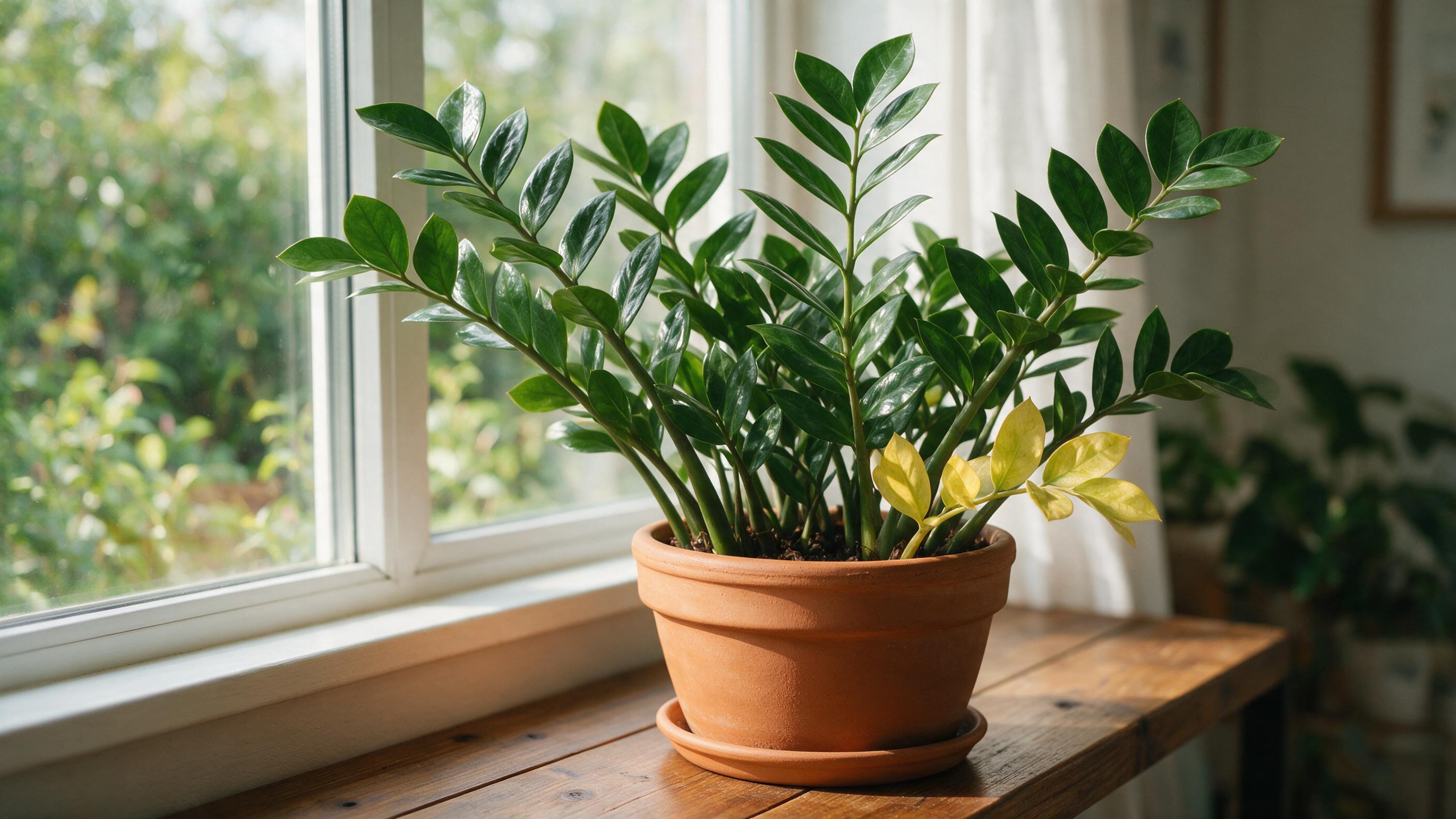
You glance over at your ZZ plant and notice something off — a few leaves have gone from that signature glossy green to a dull, fading yellow. It’s one of the more unsettling sights for any houseplant owner, especially when the plant has a reputation for being nearly indestructible.
The good news is that yellowing on a ZZ plant is almost always fixable, and the cause is usually something straightforward. ZZ plant leaves turn yellow most often from overwatering, but nine things can cause it in total: overwatering, root rot, underwatering, direct sun, nutrient deficiency, natural aging, temperature stress, transplant shock, and pests. Knowing which one you’re dealing with makes all the difference.
This guide walks you through every cause, how to tell them apart, and exactly what to do next — whether your plant needs a rescue repot or just a small adjustment to its spot on the shelf.
What Does It Mean When Your ZZ Plant Is Turning Yellow?
Yellow leaves on a ZZ plant are a communication signal, not a death sentence. Yellowing leaves are the plant’s way of signaling stress, not failure. The challenge is that several different problems produce leaves that look nearly identical at first glance.
Also known as the ZZ plant and the eternity plant, Zamioculcas zamiifolia is a popular houseplant native to East Africa that can grow up to four feet tall and has glossy, oval leaves, typically dark green. That deep green color comes from chlorophyll, and anything that disrupts chlorophyll production or nutrient transport will show up as yellowing.
Seven different problems produce similar-looking yellow leaves, and the fix for one cause can make another worse. That’s why it pays to slow down and diagnose before reaching for the watering can — or stopping watering entirely.
Pro Tip: Before assuming the worst, look at which leaves are yellowing and where on the plant they sit. The location and pattern of yellowing is your most reliable clue to the cause.
Is Yellowing in Your ZZ Plant Always a Sign of a Problem?
Not always. One of the most commonly overlooked explanations is simply the plant’s natural growth cycle. ZZ plants naturally shed their oldest leaves as new fronds push up from the center. The lower leaves on the outermost stems turn yellow and drop — it’s the plant cycling out old growth, not a problem.
The natural aging process can cause ZZ plant leaves to turn yellow, and this is typically not a cause for concern. As ZZ plants grow and mature, it’s perfectly normal for the lower or older leaves to gradually change color and eventually yellow.
The key distinction is scale. If only a few lower leaves are yellowing and the top of the plant looks fine, there’s nothing to fix. If yellowing is spreading upward, affecting multiple stems, or accompanied by soft stems or soggy soil, that’s when you need to take action.
Watering Issues Causing Your ZZ Plant to Turn Yellow
Watering problems are responsible for the vast majority of yellow ZZ plant leaves. Both too much and too little water can cause the same visible symptom, which is why checking the soil and roots — not just the leaves — is the right starting point.
Overwatering
The number one cause of yellowing leaves among ZZ plants is overwatering. ZZ plants basically thrive off of neglect — they don’t need much water to survive. ZZ plants store water in their rhizomes — the thick, potato-like underground structures — which makes them exceptionally drought-tolerant and highly vulnerable to sitting in wet soil.
When roots sit in waterlogged soil, oxygen can’t reach them. Anaerobic bacteria multiply and attack root tissue, causing rot. Rotted roots can no longer transport water and nutrients up the stems — so even in wet soil, the plant essentially starves. The leaves yellow from the bottom up as a result.
One of the easiest signs of rot is a soft stem. If the base of a yellowing stem feels mushy instead of firm, the roots are likely failing. The soil may also smell damp or musty, which signals fungal growth.
Underwatering
Underwatering is less common but real. ZZ plants are remarkably drought-tolerant — their rhizomes act as an underground water reservoir — but they do reach a stress point if ignored long enough. If yours has been bone dry for months, the rhizomes eventually run out of stored water and the plant starts shedding leaves to conserve resources.
Yellowing from drought tends to start at leaf tips and edges rather than spreading uniformly from the center. Underwatered ZZ plants will have wrinkly stems, yellowing leaves, and overall droopiness, which is a noticeably different texture than the mushy, limp stems caused by overwatering.
Only water when 100% of the soil volume is dry. Water until water flows freely from the drainage hole at the bottom of the pot. Be sure to discard any excess water that flows into the saucer.
Pro Tip: Skip the fixed weekly schedule. Check the soil with your finger before every watering — if the top two inches still feel moist, wait a few more days. The soil’s condition matters far more than the calendar.
Light Conditions Behind Your ZZ Plant Turning Yellow
ZZ plants are quite forgiving when it comes to light, but extremes in either direction can lead to problems. Too little light can cause the plant to become leggy, and too much direct sunlight can scorch the leaves, leading to yellowing.
Too Much Direct Sun
ZZ plants tolerate low light well, but extended direct sun — especially through south- or west-facing windows in summer — scorches the leaves. They go pale yellow first, then develop crispy brown edges as the damage progresses.
Direct-sun yellowing looks different from overwatering yellowing: it starts at the tips and edges of leaves closest to the window, not at the base of the plant. Move the plant back from the window, or filter the light with a sheer curtain. ZZ plants do best with 4–6 hours of bright indirect light daily — no direct sun on the leaves.
Too Little Light
People hear “low light” and think “no light.” This is wrong. ZZ plants are “low light tolerant,” not “low light loving.” If your plant is in a dark corner, it is slowly starving. It may survive for a while, but it will sacrifice old leaves (yellowing) to push out weak, new growth.
Because photosynthesis cannot occur, the plant cannot produce chlorophyll, which is a component of photosynthesis. If you suspect low light is the issue, keep it in bright indirect light — not a dark corner, not direct sun. Three to five feet from a bright window is ideal for most homes. You can also explore the best houseplants for low-light areas if your space genuinely can’t support a ZZ plant’s light needs.
Soil, Nutrients, and Root Health Causing Your ZZ Plant to Turn Yellow
Poor Drainage and Compacted Soil
The type of soil and the drainage capabilities of your pot play a significant role in the health of your ZZ plant. Overwatering is generally the cause of a yellow ZZ plant. These plants only require a drink when their soil feels dry to the touch. They need to be planted in a well-draining potting mix, in a container with drainage holes, too.
A pot without drainage holes traps water at the root level regardless of how carefully you water. If you’re using a decorative cachepot, always lift the inner nursery pot out after watering and let it drain fully before setting it back inside.
Nutrient Deficiencies
ZZ plants are light feeders, but in soil that’s been depleted over years without repotting or fertilizing, deficiencies show up as yellowing — and the pattern tells you which nutrient is missing.
The pattern matters here. Nitrogen deficiency often shows up as yellowing on lower, older leaves first, with new growth emerging a lighter green. Potassium deficiency causes yellow edges, while magnesium deficiency starts with yellowing between the veins of older leaves. Iron deficiency will cause interveinal chlorosis, wherein the foliage turns yellow while the veins remain green.
The University of Florida IFAS recommends only a “low-dose liquid fertilizer according to manufacturer instructions twice per year,” and UConn similarly suggests fertilizing “once or twice during the growing season” at half-strength. A balanced 10-10-10 fertilizer diluted to half strength during spring and summer covers most deficiencies without risking fertilizer burn.
Root-Bound Plants
Root-bound plants, characterized by roots tightly coiled within the pot, may exhibit yellow leaves due to restricted growth and inadequate nutrient uptake. Repotting into a larger container with fresh, well-draining soil can alleviate this issue.
Repot every 2–3 years. Fresh soil restores nutrients and improves drainage — addressing the two most common causes of yellowing at once.
Pro Tip: Never fertilize a plant you suspect is overwatered or root-rotted. Fix the watering issue first — adding fertilizer to a stressed root system makes the problem worse, not better.
Environmental Stress Triggering Your ZZ Plant to Turn Yellow
Even with perfect watering and light, your ZZ plant can develop yellow leaves from environmental conditions inside your home. Temperature swings, drafts, and low humidity are common culprits in American households, especially during winter heating season and summer air conditioning use.
Temperature Extremes
ZZ plants are tropical and prefer steady temperatures between 65–75°F (18–24°C), but winter placement can easily expose them to stress. When kept near single-pane windows, drafty doors, or air-conditioning vents, cold air can shock the leaves. If temperatures fall below 45°F (7°C), leaf cells may become damaged, causing yellowing and often brown tips.
At the same time, indoor heating creates another risk. Placing a ZZ plant close to radiators, fireplaces, or heat vents exposes it to hot, dry air, which increases moisture loss faster than the roots can replace it, leading to dehydration and yellow leaves.
Leaf texture offers another clue: cold damage can make leaves look glassy before they turn yellow or brown, while heat damage causes them to dry, crisp, and curl. During winter, move your ZZ plant at least two to three feet away from cold windows, especially if the glass feels freezing to the touch, as direct exposure can damage the leaves.
Low Humidity and Stagnant Air
Stagnant air hinders the exchange of gases, particularly carbon dioxide and oxygen, around the plant’s leaves. Plants, including ZZ plants, rely on this exchange for photosynthesis. When the air is stagnant, this process becomes less efficient, potentially slowing down growth and causing leaves to turn yellow due to reduced photosynthesis.
To combat dry conditions and maintain optimal humidity for your ZZ plant, consider using a humidifier. This can help create a more favorable environment for your ZZ plant, preventing leaf yellowing and promoting healthy growth. Grouping your houseplants together also raises local humidity naturally — a simple trick that works well in dry American climates, particularly during winter months.
Pests and Disease Leading to Your ZZ Plant Turning Yellow
Although ZZ plants are relatively pest-resistant, they can still fall victim to a few common houseplant pests. Spider mites and mealybugs are the usual suspects, and their presence can lead to yellowing leaves.
Weakened or stressed ZZ plants become more susceptible to insect infestations. Sap-sucking bugs like spider mites can drain your plant of moisture. This problem quickly manifests itself by yellowing leaflets and fronds. If not killed early on, these small pests proliferate and move all along leaves and fronds and into nooks and crannies. The piercing mouths of the insects exhaust your plant and accelerate yellowing, especially if your ZZ is already unhealthy from a nutrient deficiency or improper soil moisture.
The sugary honeydew excreted by pests like mealybugs and scale insects can create a sticky film on the plant’s leaves. This residue provides an ideal medium for the growth of sooty mold, a black or dark gray fungal substance.
To identify and treat an infestation, follow these steps:
- Inspect the plant: look for webbing, tiny bugs, or cottony masses on the leaves and stems.
- If you spot pests, move the infected plant away from others to prevent spreading.
- Remove mealybugs, scale insects, or other pests manually using a cotton swab or by spraying with insecticidal soap. Afterward, gently clean the affected leaves with a damp cloth to remove the sticky residue.
- Spray your plant with a neem oil solution at night once every two weeks. Apply the solution generously underneath the leaf surfaces to prevent re-infestation.
- Treat the pest infestation in your other houseplants as well. Pests can jump, crawl, or fly from one plant to another, so it’s important to remove them from all plants.
You can use a plant identification app or an Android plant app to help identify pests and confirm what you’re dealing with before treating.
How to Diagnose Why Your ZZ Plant Is Turning Yellow
To determine the cause of your ZZ plant’s yellow leaves, evaluate its watering schedule, the amount of light it receives, and the temperature and humidity of its environment. Working through a simple checklist saves you from applying the wrong fix.
| What You See | Most Likely Cause | First Action |
|---|---|---|
| Yellowing starts at the bottom, stems feel soft or mushy | Overwatering / root rot | Stop watering; check roots |
| Yellowing at leaf tips and edges, soil bone dry | Underwatering | Water thoroughly; soak method if soil is hydrophobic |
| Pale yellow near window, crispy brown edges | Direct sun / scorching | Move plant back or add a sheer curtain |
| Yellowing on lower leaves only, new growth fine | Natural aging or nitrogen deficiency | Observe; fertilize if plant hasn’t been fed in over a year |
| Yellowing between veins, veins stay green | Iron or magnesium deficiency | Apply chelated iron or diluted Epsom salt solution |
| Patchy yellowing, visible bugs or webbing | Pest infestation | Isolate plant; treat with insecticidal soap or neem oil |
| Yellowing on the side facing a vent or cold window | Temperature stress | Move plant at least 2–3 feet from the heat or cold source |
Yellow ZZ plant leaves are not the problem; they are a symptom. Your plant’s entire health is tied to those powerful rhizomes under the soil. Always check the roots and rhizomes first — if they’re firm and white, the problem is environmental. If they’re soft and brown, overwatering is almost certainly the cause.
How to Fix a ZZ Plant That Is Turning Yellow
Once you’ve identified the cause, here’s how to act on it. Work through the steps that match your diagnosis above.
Fixing Overwatering and Root Rot
Stop watering right away to prevent further damage. If yellowing is mild, help the soil dry faster by moving the plant to a warmer, brighter spot, and gently poke a few holes in the soil with a chopstick to improve airflow around the roots.
If the stems feel mushy, you need to act more decisively. Remove your plant from the pot and inspect the roots for damage. Anything that is squishy, brown, and rotten should be removed. You can then repot the rest of the plant in fresh soil. Be sure to use dry soil and mix it with about one-third sand. If the soil is seriously saturated, consider repotting the plant into a fresh, dry mix, removing any rotted roots and parts of the plant with a pair of clean pruners as you do so. Don’t water it straight away once it’s replanted — wait a week or so first.
Fixing Underwatering
Water slowly and thoroughly until water drains from the bottom. If the soil is so dry it’s become hydrophobic (water runs straight through without absorbing), place the pot in a tray with a few inches of water for 20–30 minutes to rehydrate the rhizomes from below. Gradually increase your watering frequency. Give the plant a thorough soak, allowing excess water to drain away. It’s important not to overcompensate by flooding the plant, as this could exacerbate the issue.
Removing Yellow Leaves
Regardless of the cause, yellow leaves won’t recover their color. In most cases, yellow leaves won’t return to their former green color despite tackling the cause. So, it’s best to remove affected foliage with a pair of clean and sharp pruners or scissors. This will improve the overall look of your plant and help it to focus its energy on healthier growth. Be aware that these plants can irritate the skin, so wear gloves when handling them.
The recovery you’re actually watching for is new fronds emerging from the base. That’s the signal the plant is healthy and growing again — not the yellow leaves changing color. Fix the problem, and the new growth that follows will come in healthy and green.
Pro Tip: Always sterilize your scissors or pruning shears with rubbing alcohol before cutting yellow leaves off your ZZ plant. This prevents transferring any fungal spores or bacteria from one plant to another.
How to Prevent Your ZZ Plant from Turning Yellow Going Forward
Most ZZ plant yellowing is preventable with a few consistent habits. The plant genuinely doesn’t need much — it just needs the right conditions kept steady.
- Water by soil feel, not schedule. Only water when 100% of the soil volume is dry. Water until water flows freely from the drainage hole at the bottom of the pot. Be sure to discard any excess water that flows into the saucer.
- Reduce watering in winter. As growth slows, ZZ plants need less water and more stable conditions, but many people don’t adjust in time. Cut back to once a month or less between November and February.
- Use the right pot and soil. Inadequate drainage can lead to an overwatered ZZ plant, which is the most common reason for yellow spots or brown leaves to appear. Proper care should be taken when choosing the pot for your plant to prevent waterlogged soil and promote healthier root oxygenation.
- Keep it away from vents and drafts. ZZ plants won’t do well near drafts or heating vents. A stable spot a few feet from a bright window is ideal year-round.
- Fertilize lightly during the growing season. If you repot your ZZ plants annually, fertilization isn’t necessary. This is because they’ll get all the essential nutrients from the soil. However, if you do decide to fertilize your ZZ, do so when the plant is actively growing, so it can take up all the nutrients.
- Inspect for pests monthly. Regularly checking your plants for pests will help you catch infestations early and keep your ZZ plant healthy.
- Repot on a regular cycle. Repot every 2–3 years. Fresh soil restores nutrients and improves drainage — addressing the two most common causes of yellowing at once.
For more ideas on keeping your indoor plant collection thriving, browse the full guide to types of plants or explore different types of rubber plants if you’re looking for similarly low-maintenance companions for your ZZ.
Frequently Asked Questions
Can yellow ZZ plant leaves turn green again?
Once a leaf has yellowed, it will not regreen regardless of the cause or fix applied. Remove it cleanly at the stem base with sterilized scissors to keep the plant tidy and direct energy toward healthy foliage. Focus on the new growth that follows as your sign of recovery.
How often should I water my ZZ plant to prevent yellowing?
Every 2–3 weeks in summer, once a month or less in winter. Check the top 2 inches of soil first — water only when completely dry. In practice, this means checking the soil before every scheduled watering rather than following a fixed routine.
Should I repot my ZZ plant if it has yellow leaves?
It depends on the cause. If root rot is confirmed, repotting into fresh, dry soil is necessary. If the plant is root-bound, repotting in a larger pot with fresh, well-draining soil, with the roots gently loosened before being placed in the new pot, is the right move. If the yellowing is from light or temperature stress, repotting won’t help and may add unnecessary stress.
Can my ZZ plant recover from root rot?
Yes, if caught before total rhizome collapse. Remove all rotted roots and rhizomes, repot in dry, well-draining soil, and hold off on watering for at least a week. Once the plant is relocated to a stable environment, new growth should remain green, even if older yellow leaves eventually drop.
Is a yellowing ZZ plant toxic to pets?
Yes. ZZ plants contain calcium oxalate crystals, which are toxic to dogs and cats if ingested. If you share your home with pets, keep your ZZ plant out of reach and check out resources on how to keep cats out of houseplants for practical strategies. You can also explore plants that repel cats to help redirect their attention away from your collection.
What’s the best fertilizer for a yellowing ZZ plant?
Start with a balanced liquid fertilizer (10-10-10 or 20-20-20) diluted to half strength. This covers nitrogen and potassium. A common mistake is assuming a yellowing ZZ needs fertilizer before ruling out watering issues. Nutrient problems in ZZ plants are almost always secondary — fix the watering first, then assess nutrition.