Can You Freeze Yogurt Cups? Everything You Need to Know

September 28, 2026
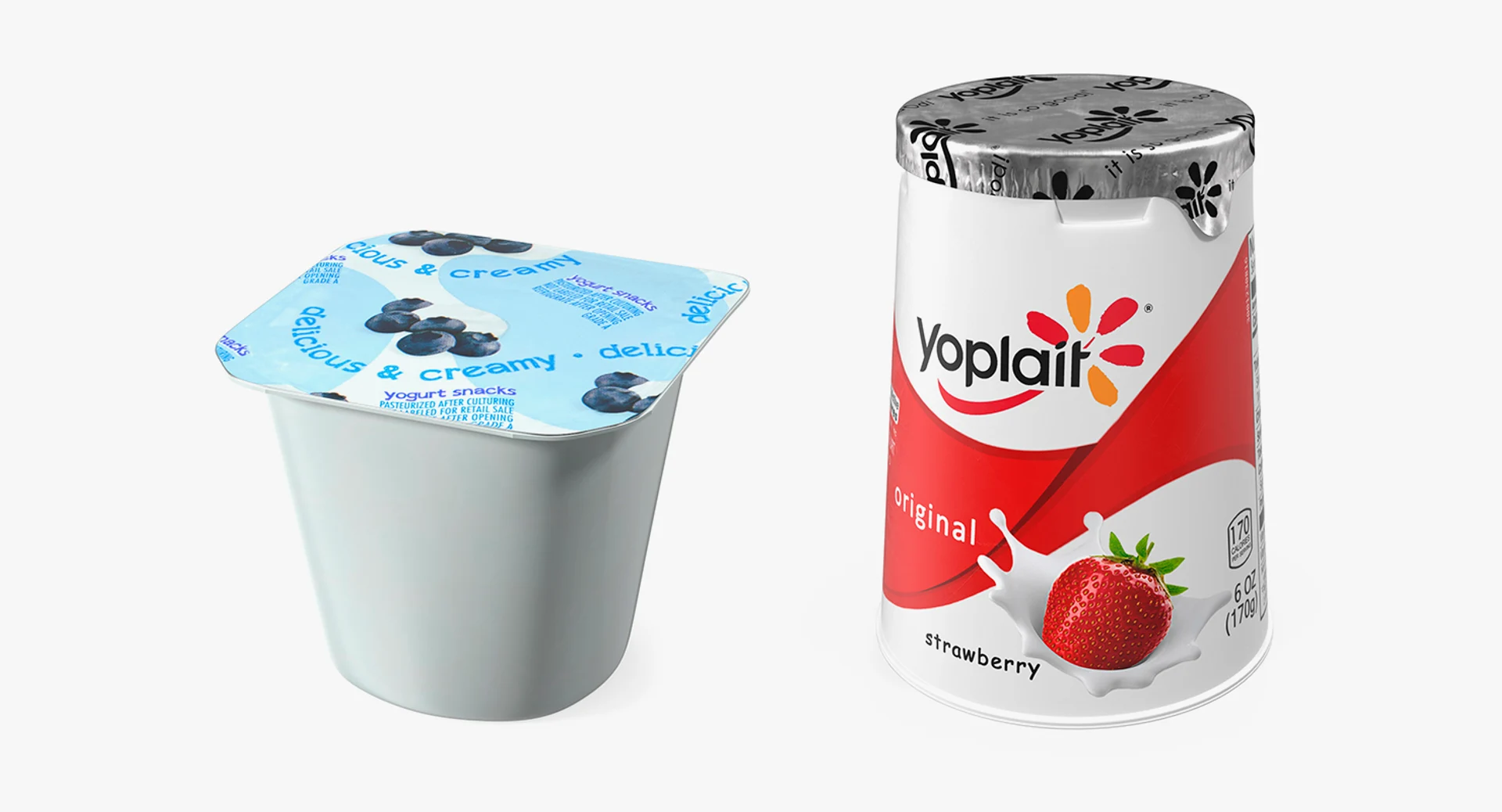
Yogurt cups are a staple in most American refrigerators — affordable, protein-packed, and easy to grab on the go. But what happens when you stock up on a great sale, or you simply bought more than you can eat before the expiration date? The good news is that your freezer can save the day.
Yes, you can absolutely freeze yogurt cups. The process is straightforward, and with the right technique, you can preserve your yogurt for weeks without wasting a single cup. This guide walks you through everything — from how freezing affects texture to the best ways to use yogurt after it comes out of the freezer.
Can You Freeze Yogurt Cups?
If you buy individual serving cups of yogurt, those are typically safe to freeze as long as they don’t come in glass containers. That covers most of the popular brands you’ll find at grocery stores across the US — think Chobani, Dannon, Activia, Siggi’s, and Fage single-serve cups, all of which come in plastic or foil-sealed plastic containers.
You can freeze Greek yogurt, plain yogurt, fat-free yogurt, organic yogurt, yogurt cups, squeeze tubes of yogurt — even plain or flavored or swirled with fruit — you can absolutely freeze all types of yogurt. So whether you have a multipack from Costco or a few individual cups sitting in your fridge, the freezer is a perfectly valid storage option.
One thing to keep in mind: since yogurt is partially liquid, it will expand when you freeze it, so make sure your containers have a little space to allow for expansion. Often yogurt cups have a plastic seal, and don’t be surprised if the plastic seal pops under the plastic lid. This is normal and doesn’t mean the yogurt has gone bad.
Pro Tip: Before freezing a whole multipack, test one cup first. Thaw it in the fridge overnight and check the texture. This way you know exactly what to expect before committing a dozen cups to the freezer.
Does Freezing Change the Texture or Taste of Yogurt Cups?
Freezing does change yogurt — and it helps to know exactly what to expect before you pull that cup out of the freezer. Freezing collapses the protein networks in yogurt. The process releases water that, when frozen, separates from the milk solids. This is why thawed yogurt looks and feels different from a freshly opened cup.
When you put yogurt in the freezer, you’ll notice some changes when it thaws: the flavor tends to get a little tangier and less sweet, the consistency will be more watery than usual even after mixing, and the texture is less smooth and more grainy and gritty. These are all normal results of the freeze-thaw cycle, not signs that the yogurt has spoiled.
The good news on the nutrition front: freezing doesn’t kill off the beneficial live and active cultures in yogurt. Instead, it puts them into a dormant state. Once you thaw the yogurt, those helpful bacteria wake right back up, ready to get to work — meaning you still get all the probiotic benefits.
Often, yogurts with stabilizing ingredients have the most consistent texture when frozen. Look for ingredients like pectin, xanthan gum, and gelatin, which prevent yogurt from separating in the freezing process. If eating thawed yogurt with a spoon is important to you, check the label for these stabilizers before buying in bulk.
| Quality Factor | Fresh Yogurt | Frozen and Thawed Yogurt |
|---|---|---|
| Texture | Smooth, creamy | Grainy, watery, or separated |
| Flavor | Balanced, mildly tangy | Slightly more tart |
| Probiotics | Active cultures | Dormant but intact after thawing |
| Best Use | Eating straight from the cup | Smoothies, baking, cooking |
How to Freeze Yogurt Cups the Right Way
Freezing yogurt cups is one of the simpler food storage tasks you can do at home. The method you choose depends on how you plan to use the yogurt later. Here are the most practical approaches for US home kitchens.
Method 1: Freeze the Cup As-Is
You can freeze yogurt directly in the container you purchased from the store. If you just bought one of those packs with multiple small yogurts, you can put them straight into the freezer with no problem. This is the easiest method and works well for single-serve cups.
To add a layer of protection against freezer burn, slip the cups into a zip-top freezer bag before placing them in the freezer. Doing the initial freeze on a baking sheet is a good idea, just in case a seal breaks.
Method 2: Transfer to an Airtight Container
If you bought a large tub and want to freeze portions, transfer the yogurt into smaller airtight freezer-safe containers. This helps minimize exposure to air, which can lead to changes in texture and the formation of ice crystals. Make sure to leave some space at the top of the container, as yogurt may expand slightly when frozen.
Generally, the best containers for freezing are flexible plastic, such as plastic Tupperware or Ziploc freezer bags. Silicone containers are also great for freezing because they stretch to accommodate the expansion from freezing liquids.
Method 3: Freeze in an Ice Cube Tray
Putting yogurt in the freezer in small portions for smoothies or baking is easy. You can pour your yogurt into an ice cube tray, freeze, and transfer to a sealable freezer bag to prevent freezer burn. This method is especially handy if you regularly make smoothies and want pre-measured yogurt portions ready to go.
Small portions of yogurt will take up to 3 hours to freeze, but it will take at least 6 hours and as many as 24 hours to freeze fully an entire quart or more.
Pro Tip: Use a permanent marker to write the freeze date directly on the cup or bag. Aim to use yogurt within 30 days for the best spoon-eating experience, or within 2 months for smoothies and baking.
Method 4: Freeze Fruit Yogurt Separately Mixed
If you’re freezing yogurt that has fruit in it, open the container, thoroughly stir the yogurt, then place it in a freezer-safe, sealed container. If you don’t mix fruit yogurt first, it won’t freeze evenly. A quick stir before freezing makes a noticeable difference in the final result.
How Long Can You Freeze Yogurt Cups?
Generally, frozen yogurt can be stored for up to 2 months without significant changes in taste or texture. That said, the window for the best experience at the spoon is shorter. If you plan on eating the yogurt with a spoon, aim to consume your yogurt freezer stash within 30 days.
Keep in mind that while frozen yogurt can be safe to consume beyond 2 months, the quality may decline, with possible changes in flavor and a grainier texture. For yogurt going into smoothies or baked goods, the 2-month mark is a comfortable deadline rather than a hard cutoff.
One important note: you can freeze yogurt up to two months past its expiration date, but it must be consumed immediately after thawing. Don’t freeze yogurt that has already been sitting open in the fridge for a week or more — freeze it fresh for the best results.
| Intended Use After Thawing | Recommended Freeze Time |
|---|---|
| Eating with a spoon | Up to 30 days |
| Smoothies and blended drinks | Up to 2 months |
| Baking and cooking | Up to 2 months |
| Frozen treats (popsicles, frozen cups) | Up to 2 months |
How to Thaw Frozen Yogurt Cups
How you thaw your yogurt matters for both quality and food safety. The method you choose will affect the final texture and whether the yogurt is safe to eat.
Refrigerator thawing (recommended): It’s safer to thaw yogurt in the refrigerator, as this helps ensure the yogurt stays within a safe temperature range that inhibits unsafe bacteria from thriving. Ideally, place your frozen yogurt in the fridge the night before you plan to consume it. A standard single-serve cup takes roughly 8 to 12 hours to fully thaw this way.
Counter thawing (short window only): If necessary, you can partially thaw yogurt outside the refrigerator, but it should be eaten or refrigerated within two hours to ensure it remains safe. This works in a pinch, but the fridge method is always the better choice.
What to do after thawing: The yogurt will separate a bit after thawing and can become watery or grainy. Be sure to mix well before you plan on eating it to try to get it as smooth as possible. A hand blender on the lowest speed can help restore a creamier consistency.
Pro Tip: If you’re adding frozen yogurt to a smoothie, skip the thawing step entirely. If you’re using your frozen yogurt cubes in a smoothie, there’s no need to thaw — just toss them in and blend away.
One important safety note: if the yogurt was made from raw milk, don’t thaw it on the counter for any period of time. Raw milk yogurt carries a higher bacterial risk and should always be thawed in the refrigerator.
Can You Refreeze Yogurt Cups After Thawing?
This is a question worth thinking through carefully before you thaw a whole batch. The short answer: it’s technically possible in some cases, but generally not recommended.
Every time yogurt goes through a freeze-thaw cycle, the ice crystals do more damage to its delicate protein structure. Trying to refreeze it will only make the separation worse, leaving you with a texture that’s even grainier and more watery. For both quality and food safety reasons, it’s always best to thaw only what you plan to use and enjoy it all in one go.
If you have used most of your thawed yogurt but have some left over, you can refreeze it — but only if you thawed it in the fridge. If you let it defrost on the counter, discard the rest. Counter-thawed yogurt has been sitting in a temperature zone where bacteria can grow, making it unsafe to refreeze.
The best way to avoid the refreezing question altogether is to freeze yogurt in single-use portions from the start. If you know you won’t be using the entire container of yogurt after it’s been refrozen, consider portioning it out into smaller containers before freezing it again. Smaller portions are easier to thaw and use, and it helps prevent the yogurt from having to go through multiple thawing and freezing cycles.
How to Use Frozen Yogurt Cups (Best Uses After Freezing)
Thawed yogurt might not win any awards for texture eaten straight from the cup, but it shines in a wide range of recipes. Here are the best ways to put your frozen yogurt to work.
- Smoothies: This is the most popular use. You can freeze yogurt for smoothies — freeze it in cubes, then blend it with your favorite fruits and greens for a creamy, cold smoothie. Thawed yogurt blends just as well and adds protein to every cup.
- Baking: The changes in yogurt after it’s been frozen and thawed won’t be obvious when you use it to make drinks, or for cooking and baking. Use it in muffins, pancakes, quick breads, cakes, and yogurt-based marinades.
- Frozen Treats: Silicone ice cube trays and clean, food-grade popsicle sticks can turn yogurt into a great popsicle-like treat for hot days. Kids especially love these as a healthier alternative to store-bought pops.
- Sauces and Dips: Thawed yogurt works well stirred into tzatziki, salad dressings, or dipping sauces where the slightly looser texture is not an issue.
- Oatmeal and Overnight Oats: You can use thawed yogurt in recipes or add it to oatmeal for extra protein.
- Soups and Stews: If you’re using yogurt in a soup or a stew, you can throw it in frozen and let the heat take care of thawing.
Yogurt is a heart-healthy food that pairs well with other nutrient-dense ingredients, making it a smart addition to smoothies and baked recipes even after freezing. You can also combine it with whole plant-based foods like berries, oats, and seeds for a well-rounded snack or breakfast.
Signs That Frozen Yogurt Has Gone Bad
Even in the freezer, yogurt can go bad — especially if it wasn’t stored properly or has been frozen for too long. Here’s what to watch for before eating thawed yogurt.
- Off smell: If the yogurt has developed a sour, off, or fermented smell after thawing, it’s a clear sign that it has started to spoil. Spoiled yogurt can be harmful if consumed, so it should not be refrozen or eaten.
- Visible mold or unusual color: Mold growth or color changes are signs that yogurt has gone bad. Mold can develop if yogurt has been left out at room temperature for extended periods or if it was improperly stored. Any visible mold or unusual discoloration is a red flag that the yogurt should be discarded.
- Excessive separation: Some liquid separation after thawing is completely normal. But if the separation is excessive after thawing, refreezing may cause the yogurt to become unpleasantly watery and lumpy — and heavily separated yogurt that smells off should be tossed.
- Freezer burn: Technically, yogurt is safe to eat for quite a while past two months, but freezer burn can set in, with taste and textural changes after the two-month mark. Yogurt with heavy freezer burn is safe but unpleasant — best used in baking where the flavor will be masked.
- Expired before freezing: Discard any yogurt that smells off or has noticeable signs of microbial growth, such as black mold or a slimy film, regardless of whether it has passed its expiration date.
Eating well starts with knowing what’s safe in your kitchen. If you’re curious about other foods that support your health, check out this guide to fibroid healing foods or explore powerful nutrients and foods that fight cancer for more food storage and nutrition ideas.
Frequently Asked Questions
Can You Freeze Store-Bought Yogurt Cups Without Removing the Lid?
Yes. You can freeze yogurt directly in the container you purchased from the store. Just be aware that the foil or plastic seal may pop slightly as the yogurt expands — this is normal and doesn’t affect safety or quality.
Does Freezing Kill the Probiotics in Yogurt?
Probiotics survive in your freezer for at least a few weeks. One test-tube study found no significant decline in the amount of bacteria present in yogurt after a 35-day freezing period. The cultures go dormant in the cold but reactivate once the yogurt thaws.
Can You Freeze Greek Yogurt Cups?
Yes, but with a caveat. You can freeze Greek yogurt, but you may lose that extra-thick, creamy texture along the way. It’s best to use your frozen Greek yogurt for baking rather than consuming it on its own. Greek yogurt’s higher protein content means more pronounced separation after thawing.
How Long Does It Take for a Yogurt Cup to Thaw in the Fridge?
Place the cup in the refrigerator until it defrosts — this may take up to 24 hours depending on the amount. A standard 5- to 6-ounce single-serve cup typically thaws overnight in 8 to 12 hours.
Can You Eat Yogurt Straight from the Freezer?
You can eat your frozen yogurt without thawing it completely. Yogurt fresh from the freezer may be solid, making it difficult to dig into with a spoon, so some thawing may be necessary to soften it. Letting it sit at room temperature for 10 to 15 minutes makes it much easier to eat.
Can You Freeze Flavored or Fruit-on-the-Bottom Yogurt?
Yes. You can freeze any flavored yogurt in its container or a freezer-safe container. For fruit-on-the-bottom styles, stir the fruit into the yogurt before freezing so it freezes evenly. This also makes it easier to stir and use after thawing.
Is Frozen Yogurt the Same as Freezing Regular Yogurt?
No. Store-bought frozen yogurt is a separate product made with different ingredients and stabilizers designed for freezing. Frozen yogurt is different from refrigerated yogurt in terms of ingredients. Freezing regular, refrigerated yogurt extends its shelf life but does not turn it into the smooth, scoopable dessert you’d find at a frozen yogurt shop.
For more food storage tips and healthy eating ideas, explore our guides on foods for healthy skin and foods that enhance liver function. And if you’re looking to build a more nutritious pantry overall, our article on superfoods for a healthy heart is a great place to start.