Tilapia During Pregnancy: What You Can Actually Eat and How Much Is Safe

April 24, 2026
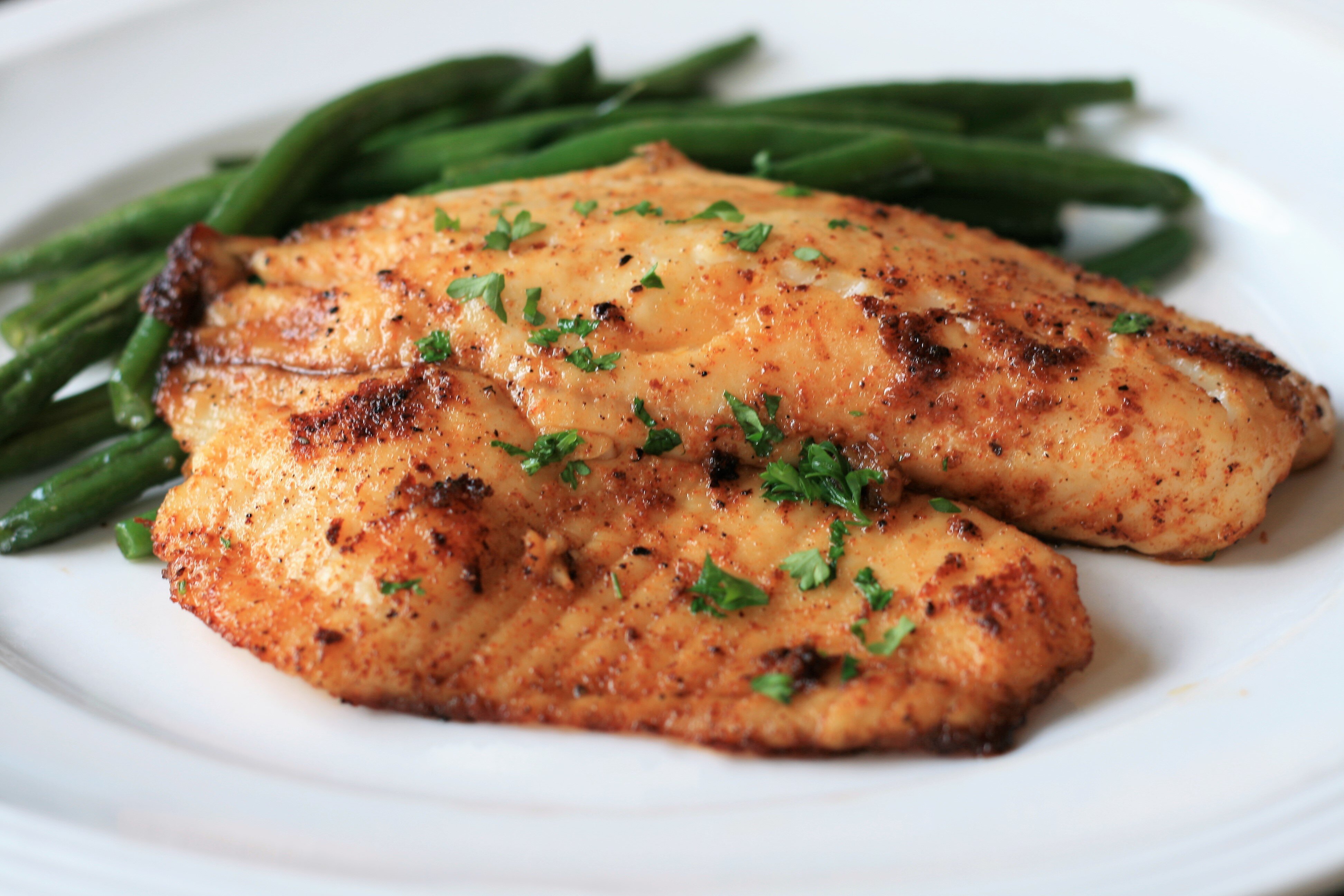
If you’ve been standing in the grocery store staring at the tilapia fillets and wondering whether they’re safe to bring home, here’s the good news: tilapia is one of the most pregnancy-friendly fish you can choose. It’s mild, affordable, easy to cook, and — most importantly — ranked among the lowest-mercury fish available.
That said, a few real rules do apply. How you prepare it, where it comes from, and how much you eat each week all matter. This guide walks you through everything you need to know so you can enjoy tilapia with full confidence throughout your pregnancy.
The Short Answer
Yes — tilapia is safe to eat during pregnancy. Tilapia is considered safe to eat when pregnant, so long as it’s fully cooked, and it’s a fish that is low in mercury. In fact, it’s not just “okay” — it’s actively encouraged.
In 2017, the FDA released advice urging pregnant women, breastfeeding moms, and young children to consume more fish and seafood, including salmon, canned tuna, shrimp, tilapia, and crab. This was a shift from older, more cautious guidance that led many pregnant women to avoid fish altogether.
Pro Tip: Tilapia is one of the FDA and EPA’s official “Best Choices” for pregnant women — meaning it can be eaten 2–3 times per week without mercury concerns.
Among the types of fish you can buy in a typical grocery store, farm-grown tilapia contains the least amount of mercury and thus is among the safest for pregnant women to eat. So if tilapia has been a regular part of your diet, you don’t need to cut it out — you just need to follow a few simple guidelines.
Why It’s Safe
The biggest concern with eating fish during pregnancy is mercury — a heavy metal that can accumulate in fish tissue and, at high levels, harm a developing baby’s nervous system. Tilapia sidesteps this concern almost entirely.
Tilapia has one of the lowest mercury levels of all types of fish and seafood, with a mercury concentration mean (PPM) of only 0.013 according to the FDA. In terms of filleted fish, tilapia therefore has lower mercury levels than almost any other type of fish. The only seafood lower in mercury than tilapia are scallops, clams, shrimp, oysters, and sardines.
Beyond mercury, tilapia is also a genuinely nutritious choice for pregnancy. Key benefits include rich protein to support fetal growth and maternal tissue repair, omega-3 fatty acids that may aid in brain development, selenium that supports immune function, and vitamin B12 to help with red blood cell production.
As a high-quality protein source, tilapia contains approximately 20–26 grams of protein per 100-gram cooked serving, which is essential for fetal growth, placental development, and the increased maternal tissue requirements during pregnancy.
Key Insight: The FDA and EPA concluded that the nutritional benefits of eating lower-mercury fish outweigh the potential risks of consuming mercury. Lower-mercury fish like tilapia provide needed protein, iron for a healthy blood supply, and omega-3 fatty acids that help reduce inflammation and promote healthy brain development in babies.
You can explore more about the pros and cons of eating seafood during pregnancy and beyond, which provides helpful context for making informed choices about your overall seafood intake.
What the Research Actually Says
For years, the prevailing advice leaned toward caution with fish during pregnancy. That guidance has shifted significantly as more research has accumulated — and it now points clearly in the direction of eating more fish, not less.
Most of the studies that the FDA and EPA reviewed as part of developing updated guidelines compared levels of fish consumption with the IQ of offspring. These findings consistently demonstrated that among women who consumed more fish during pregnancy, there were improvements in the child’s IQ — with the positive effect extending to both verbal and overall IQ.
Fish intake during pregnancy is recommended because moderate scientific evidence shows it can help the baby’s cognitive development. The omega-3 fatty acid DHA, found in fish, plays a particularly important role in this process.
One nuance worth knowing: tilapia is not the highest omega-3 fish available. While tilapia is not as rich in omega-3 fatty acids as fatty fish like salmon or mackerel, it still provides some nutritional benefits. A single four-ounce serving of tilapia contains about 200 milligrams of omega-3 fatty acids. That’s a meaningful contribution, especially when tilapia is part of a varied diet that includes other fish and plant-based foods.
Moms-to-be who eat seafood 2–3 times each week during pregnancy have babies who reach developmental and cognitive milestones more quickly. Tilapia counts fully toward that goal.
Important Note: Mercury in fish can accumulate in your body over time. While mercury is removed from the body naturally, the process can take several months. So following safe fish advice before pregnancy can benefit the developing child, especially during the important first trimester.
How to Eat Tilapia Safely During Pregnancy
Tilapia is one of the most forgiving fish to eat during pregnancy — but a few practical steps will keep you and your baby fully protected.
Safe Serving Amounts
Pregnant women can consume tilapia as part of their 2 to 3 servings of fish per week, which equates to about 224 to 336 grams (8 to 12 ounces) weekly. This amount supports overall health during pregnancy. One serving is roughly the size of your palm — about 4 ounces.
Tilapia has no specific consumption limits due to its low mercury content, unlike tuna or oily fish, which have weekly restrictions. That means you can freely swap tilapia in and out of your weekly meal rotation without the need to track it as carefully as higher-mercury options.
Trimester-by-Trimester Guidance
- First Trimester: It’s advisable to start incorporating tilapia into your diet from the first trimester onwards. Tilapia is a good choice due to its low mercury content, making it a potentially healthy option throughout pregnancy.
- Second Trimester: Eating tilapia during the second trimester is safe and beneficial. Protein needs increase as your baby grows rapidly — tilapia is an efficient, lean way to meet them.
- Third Trimester: You can safely eat tilapia during the third trimester. It helps meet increased nutritional needs as your baby grows, and its low mercury content and high nutritional value make it a good choice.
Cooking and Prep Methods
The number one rule: always cook tilapia thoroughly. Pregnant women should avoid raw or undercooked fish, as it can harbor harmful bacteria and parasites. Always ensure that tilapia is cooked thoroughly to an internal temperature of 145°F (63°C).
The best pregnancy-safe cooking methods for tilapia include:
- Baking or roasting — Even heat distribution makes it easy to reach a safe internal temperature throughout the fillet.
- Pan-searing or grilling — Quick, high-heat methods that cook tilapia thoroughly while keeping it moist and flavorful.
- Poaching or steaming — Gentle methods that preserve nutrients and are easy on a sensitive pregnancy stomach.
- Broiling — Fast and effective; watch closely to avoid undercooking in the center.
Common Mistake: Assuming tilapia is “done” when it looks white on the outside. Always use a food thermometer to confirm an internal temperature of 145°F — the flesh should be opaque all the way through and flake easily with a fork.
Sourcing: Does It Matter Where Your Tilapia Comes From?
Yes — origin does play a small but real role. Overall, you CAN eat farmed tilapia from any country and it’s likely to be safe, but it’s a good idea — as with many foods — to check the source. Look for tilapia sourced from the U.S., Canada, Ecuador, or Peru, where farming practices tend to be more regulated.
Farm-raised tilapia from reputable sources is safe during pregnancy. It’s typically monitored for contaminants, ensuring purity and safety. Always choose fresh or frozen options and cook them fully to eliminate any risk of foodborne illness.
For storage safety: store tilapia immediately in the refrigerator and use within 1–2 days, or freeze for longer storage. If using frozen tilapia, thaw it in the refrigerator overnight rather than at room temperature to prevent bacterial growth. Do not refreeze raw fish once thawed, though it is safe to refreeze after thorough cooking.
For more on building a nutrient-rich pregnancy diet, check out these powerful nutrients and foods that support overall health, and consider how tilapia fits into your broader eating plan.
When to Avoid It Completely
Tilapia is safe in most forms — but there are specific situations where you should skip it entirely.
Raw or Undercooked Tilapia
Raw tilapia is unsafe in pregnancy. Tilapia sushi is also unsafe during pregnancy for similar reasons. This includes not eating raw fish, like that found in some sushi or sashimi, available in many restaurants and food stores. Those who are pregnant and children often have weaker immune systems and are more at risk for foodborne illnesses.
Cold-Smoked Tilapia
If you enjoy smoked tilapia, you are best avoiding it while pregnant. Cold-smoked fish can still contain parasites or pathogens which could lead to listeriosis and is therefore best avoided. Hot-smoked tilapia that has been fully cooked through the smoking process is generally considered safe — but when in doubt, skip it.
Tilapia from Unknown or Unregulated Sources
If you’re eating tilapia caught by a friend or family member from local waters, check your state’s fish advisory before eating it. Check for fish and shellfish advisories to tell you how often you can safely eat those fish. If there is no advisory, eat only one serving and no other fish that week.
If You Have a Fish Allergy
Eating tilapia can trigger allergic reactions in some individuals, potentially affecting pregnancy health. If you’ve never eaten tilapia before and have a history of fish allergies, speak with your OB-GYN before introducing it during pregnancy.
Important Note: Always review the full list of foods and beverages to avoid during pregnancy to make sure your overall diet is as safe as possible — not just your fish choices.
Quick Reference Chart
| Tilapia Type / Situation | Safety Status | Notes |
|---|---|---|
| Fully cooked tilapia fillet | ✅ Safe | Cook to 145°F internal temperature; 2–3 servings/week |
| Frozen tilapia (properly thawed and cooked) | ✅ Safe | Thaw in refrigerator; cook thoroughly before eating |
| Farm-raised tilapia (reputable source) | ✅ Safe | Check country of origin; U.S., Canada, Ecuador preferred |
| Hot-smoked tilapia (fully cooked through) | ✅ Safe (verify) | Confirm it was fully cooked during smoking process |
| Raw tilapia / tilapia sushi / tilapia tartare | ❌ Avoid | Risk of harmful bacteria and parasites; unsafe in pregnancy |
| Cold-smoked tilapia | ❌ Avoid | May harbor Listeria; best avoided entirely during pregnancy |
| Tilapia from unknown local waters (no advisory) | ⚠️ Use Caution | Check local fish advisories; limit to 1 serving/week if no advisory available |
| Tilapia from heavily polluted or unregulated farms | ⚠️ Use Caution | May contain environmental toxins; choose verified sources |
| Tilapia if you have a fish allergy | ⚠️ Consult OB-GYN | Allergic reactions possible; get medical clearance first |
For a broader look at seafood safety, the FDA’s official fish consumption advice includes a full chart of best, good, and avoid choices for pregnant women. You might also find value in reviewing heart-healthy superfoods that complement a seafood-rich pregnancy diet.
Frequently Asked Questions
Can I eat tilapia in the first trimester?
Yes. It’s advisable to start incorporating tilapia into your diet from the first trimester onwards. Tilapia is a good choice due to its low mercury content, making it a potentially healthy option throughout pregnancy. Just make sure it’s fully cooked.
How many times a week can I eat tilapia while pregnant?
Eat 2 to 3 servings a week from the FDA’s “Best Choices” list, with one serving equal to 4 ounces. Tilapia is firmly on that best choices list. Tilapia has no specific consumption limits due to its low mercury content, unlike tuna or oily fish, which have weekly restrictions.
Is tilapia better than salmon during pregnancy?
Both are excellent choices, but they serve slightly different nutritional roles. A consumer’s safest bets are tilapia and salmon; mercury typically is undetectable in either fish. Salmon provides more omega-3 fatty acids per serving, while tilapia is leaner, lower in calories, and often more affordable. Ideally, vary your fish choices to get the full range of nutrients. You can learn more about foods that boost brain health to understand why omega-3-rich seafood matters so much during pregnancy.
Can I eat tilapia at a restaurant while pregnant?
Yes, as long as it’s ordered cooked — not raw or sushi-style. Seafood can be a healthy choice when eating out. If you’re still learning how to cook fish at home, work towards the goal of eating seafood 2–3 times each week by ordering it at restaurants. Ask your server to confirm it’s fully cooked if you’re unsure.
Is farmed tilapia safe during pregnancy?
Farm-raised tilapia from reputable sources is safe during pregnancy. It’s typically monitored for contaminants, ensuring purity and safety. The key is sourcing from reputable suppliers and always cooking it thoroughly. Generally speaking, tilapia that you find in the U.S. has low levels of mercury and has been farmed with a low environmental impact.
What if I accidentally ate raw tilapia while pregnant?
One accidental exposure is unlikely to cause serious harm, but watch for symptoms of foodborne illness — nausea, vomiting, fever, or diarrhea — in the days following. If you experience any adverse reactions after consuming fish, such as allergic symptoms or gastrointestinal distress, seek medical advice promptly. When in doubt, call your OB-GYN.
Does tilapia have enough omega-3 for pregnancy?
Tilapia provides a moderate amount of omega-3s — useful, but not the highest available. Omega-3 supplements do not provide the protein, omega-6 fatty acids, vitamins, or minerals found in fish that are also important to your health and your child’s development. Taking supplements instead of eating fish means you would be missing out on those additional nutrients present in fish. For maximum benefit, pair tilapia with other omega-3-rich foods like salmon, walnuts, or flaxseed. You can also browse nutrient-dense foods that support hormonal and reproductive health during pregnancy.
Can I eat tilapia every day while pregnant?
The FDA recommends 2–3 servings of low-mercury fish per week — not daily. While tilapia is very safe, over-relying on tilapia can create nutrient imbalances, lacking other essential nutrients for a healthy pregnancy. Variety is the goal. Rotate tilapia with salmon, cod, shrimp, and other safe seafood options for the broadest nutritional coverage. See this guide to foods that support liver function for more ideas on building a balanced pregnancy plate.
This information is for educational purposes only and is not intended as medical advice. Always consult with a qualified healthcare professional before making health decisions during pregnancy.