Can You Freeze Icing? What Every Home Baker Needs to Know

November 8, 2026
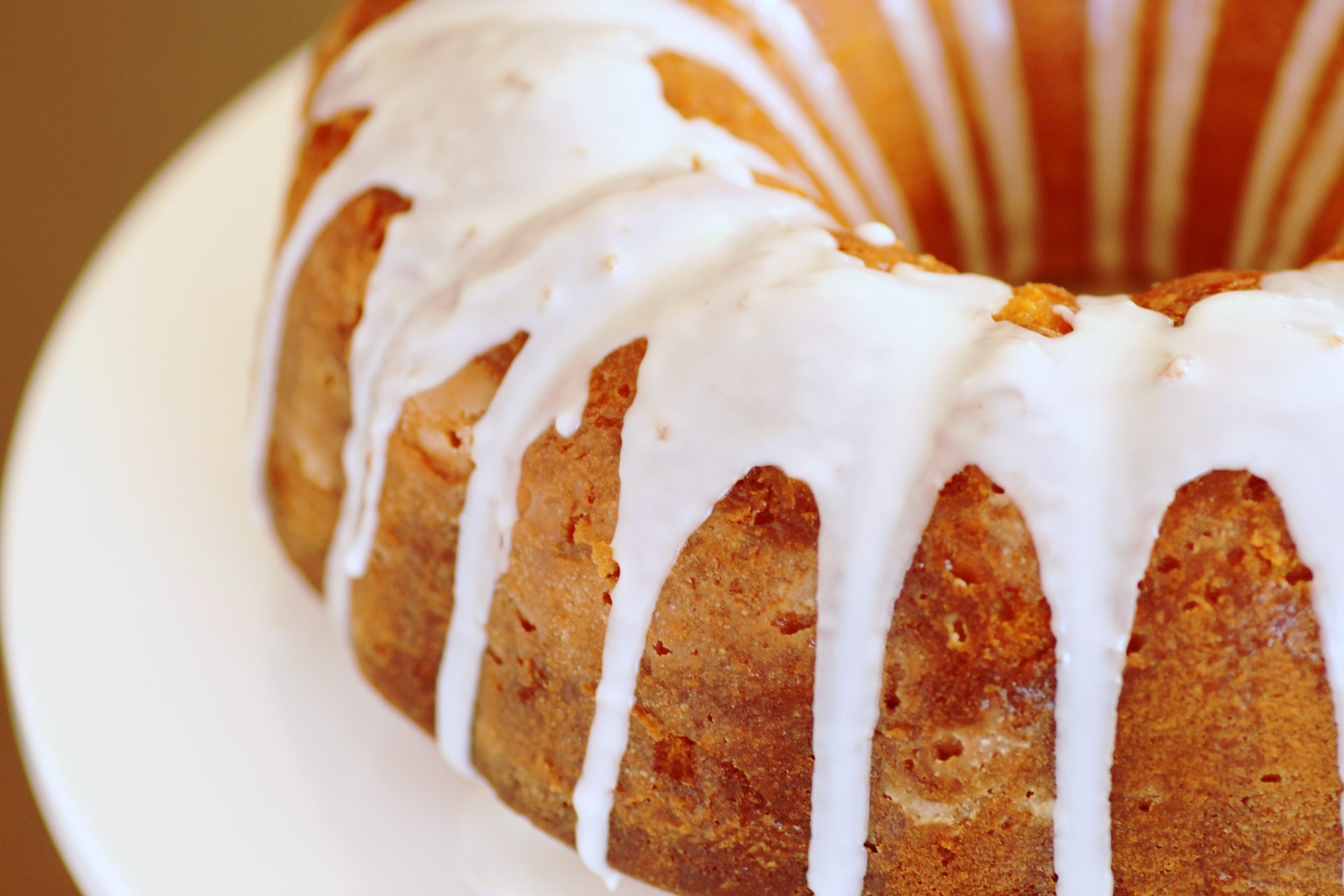
If you have ever finished decorating a birthday cake and found yourself staring at a bowl of leftover icing, you have probably wondered whether you can just throw it in the freezer and deal with it later. The good news is that, for most types of icing, the answer is yes — and doing it correctly takes only a few extra minutes.
Knowing how to freeze icing properly can save you time on your next baking project, reduce waste, and give you a head start when a last-minute cake request comes in. This guide covers every type of icing you are likely to work with, from American buttercream to royal icing, and walks you through storage, thawing, and everything in between.
Can You Freeze Icing?
Yes, you can freeze frosting and use it later for up to three months without sacrificing taste or quality. That said, not every type of icing behaves the same way in the freezer, and the results you get depend largely on what your icing is made of.
Butter-based and high-fat frostings are the most stable candidates for freezing, while egg-white or delicate dairy bases may require extra care. The most important factor is the fat-to-liquid ratio. Frostings with high fat content act as a natural preservative, protecting the texture from the harsh crystallization that occurs in sub-zero temperatures.
Here is a quick breakdown of how the most common icing types handle freezing:
- American buttercream — Freezes exceptionally well. The high butter and sugar content protects texture and flavor.
- Swiss and Italian meringue buttercream — Freeze well but are slightly more delicate; re-whipping after thawing is essential.
- Cream cheese frosting — Although cream cheese frosting does generally freeze quite well due to the high fat content, sometimes freezing can slightly alter the texture, and it may become slightly softer or grainy after thawing.
- Royal icing — Can be frozen, but it is a bit more finicky. Store it in an airtight container with plastic wrap pressed onto the surface. Thaw it in the fridge overnight, then re-beat to restore its texture.
- Whipped cream frosting — Freezing whipped cream frostings may not work out as well since it may change the texture and may or may not be re-whippable. It is best made fresh.
- Ganache — Ganache is typically chocolate and cream, so storage matters. In the fridge it lasts about one to two weeks airtight, and in the freezer up to three months airtight.
Pro Tip: If you regularly make icing in large batches, freezing portions in advance is a trick many professional bakeries use when preparing for large orders. You can have ready-to-use frosting on hand without starting from scratch every time.
Does Freezing Change the Texture or Taste of Icing?
Freezing does affect icing, but the changes are manageable for most types. Freezing and thawing can alter the texture and consistency of frosting, particularly if it is not done properly. The formation of ice crystals during freezing can disrupt the smooth structure of the frosting, leading to a grainy or separated texture. Some frostings may also become slightly thinner or more watery after thawing. However, with proper thawing and re-whipping, most of these changes can be reversed.
Freezing or refrigeration should not significantly affect the taste of the buttercream if it is adequately protected from air exposure. Taste changes are almost always the result of poor sealing — icing that absorbs freezer odors will taste off regardless of how long it was stored.
Buttercream is a delicate frosting that can easily absorb strong odors and flavors. Strong scents can cause changes in the texture of buttercream, making it unpleasant to eat. To keep your frosting from absorbing unwanted odors, store it away from strong-smelling foods, such as garlic, fish, and certain cheeses.
One additional thing to watch: if you freeze colored buttercream, colors may fade, so it is better to color the icing right before decorating rather than freezing it for prolonged periods.
How to Freeze Icing the Right Way
The method you use makes a real difference in the quality of your icing after thawing. The goal is to eliminate air exposure as completely as possible before the icing ever hits the freezer shelf.
- Let it cool completely. Before freezing, ensure the frosting is completely cooled. Warm or hot frosting can create condensation inside the freezer bag or container, leading to ice crystals and a compromised texture.
- Portion it out. Consider dividing your icing into smaller portions using airtight containers or freezer bags. This way, you only thaw what you need without compromising the entire batch.
- Press out all the air. The first line of defense is a high-quality, heavy-duty freezer bag. Standard sandwich bags are too thin and porous to prevent oxidation over several months. Squeeze out every bit of air before sealing.
- Double up for protection. Place the sealed bags into a rigid, airtight plastic tub for physical protection. This two-layer approach guards against both freezer burn and accidental crushing.
- Label clearly. Label clearly with the date and the flavor or type of frosting. If you made a colored batch, note the color too — this saves a lot of guesswork later.
For buttercream specifically, you can place the frosting on a sheet of plastic wrap and fold it to fully encase the frosting, ensuring an airtight seal on all sides. Shaping the frosting into flat squares makes stacking and storage easier. Flattening the frosting also increases the surface area, allowing it to thaw more quickly.
Pro Tip: You can also freeze icing directly in a piping bag. Storing icing in piping bags, sealed tightly and kept in your freezer, allows you to easily access and preserve frosting, saving you time and effort. When you are ready to decorate, just thaw and pipe.
How Long Can You Freeze Icing?
Freezer life varies by icing type, but three months is the benchmark for best quality across most varieties. Here is a reference table to keep handy:
| Icing Type | Freezer Life | Notes |
|---|---|---|
| American buttercream | Up to 3 months | Most stable; re-whip after thawing |
| Swiss / Italian meringue buttercream | Up to 3 months | More delicate; must re-whip before use |
| Cream cheese frosting | Up to 3 months | Slight texture change expected; mix gently |
| Royal icing | 3 to 6 months | Re-beat after thawing; add water if too thick |
| Ganache | Up to 3 months | Airtight container required |
| Whipped cream frosting | Not recommended | Make fresh for best results |
Buttercream frosting can be frozen for up to three months — after that it will still be safe, but the quality might start to degrade. Royal icing can last three to six months in the freezer in an airtight container.
The single most important factor in frosting shelf life is whether it contains perishable dairy like cream cheese, fresh whipped cream, or eggs. Those ingredients determine whether frosting belongs in the fridge immediately or can safely sit out for a day or two. When in doubt, treat any dairy-heavy icing as perishable and prioritize getting it into the freezer quickly.
How to Thaw Frozen Icing
Thawing is where most home bakers run into trouble. Rushing the process almost always damages the texture, so patience is the most important ingredient here.
The only safe way to thaw frosting is a slow 12-to-24-hour transition in the refrigerator to prevent the fats from breaking down. If you attempt to rush the process by leaving the icing on the counter or using a microwave, you will destroy the structural integrity of the fat crystals. This results in a “broken” frosting where the oil separates from the solids, making it unusable for piping.
Once the icing has thawed in the fridge overnight, you still have one more step before it is ready to use:
- Transfer the icing from the fridge to the counter and let it sit at room temperature for about 30 minutes.
- Bring the frosting to a cool room temperature of about 65°F for 30 minutes before moving it to a mixer. Use a stand mixer fitted with the paddle attachment rather than the whisk. Beating the frosting on low-to-medium speed for two to three minutes will knock out any large air pockets caused by ice crystals and force the fats and liquids back into a smooth, cohesive state.
- If the icing is still too soft, it may have absorbed a small amount of moisture. You can easily fix this by adding sifted powdered sugar, one tablespoon at a time, until the peaks are firm again.
For cream cheese frosting specifically, mix it gently after thawing to avoid making it runny. Cream cheese frosting is more sensitive to over-mixing than buttercream, so a light hand goes a long way.
Important Note: If you are large-batch thawing, plan ahead. If you are defrosting a large amount of buttercream, you can pull it from the freezer two days in advance to make sure it is ready to go when you are.
Can You Refreeze Icing After Thawing?
This is one of the most common questions bakers ask, and the short answer is: it is best to avoid it. Refreezing frosting after it has been thawed is generally not recommended. The freezing and thawing process can alter the texture and consistency of the frosting, and refreezing it can further degrade its quality.
When frosting is thawed, the ice crystals that formed during freezing can cause the frosting to become watery or grainy. Refreezing the frosting can cause these ice crystals to grow, leading to an unpleasant texture and consistency. Refreezing thawed frosting can also cause the growth of bacteria or mold, especially if the frosting is not handled and stored properly.
The best way to avoid this situation is to freeze icing in small, single-use portions from the start. That way, you only thaw exactly what you need, and you never have to decide whether it is safe to refreeze a partially used container. Avoid refreezing to maintain quality and safety. Minimize the time frosting is kept at room temperature after being refrigerated, as repeated temperature changes can degrade its quality.
How to Use Frozen Icing (Best Uses After Freezing)
Once your icing is properly thawed and re-whipped, you can use it just about anywhere you would use a freshly made batch. Use your leftover frosting any way you would use a fresh batch — to frost cakes, cupcakes, brownies, or cookies, or just to eat by the spoonful.
Here are some of the best ways to put thawed icing to work:
- Layer cakes and sheet cakes — Thawed buttercream spreads and smooths just as well as fresh, making it ideal for crumb-coating and final coverage on birthday or celebration cakes.
- Cupcakes — Pipe thawed buttercream or cream cheese frosting directly onto cupcakes. If it feels slightly soft, chill it in the fridge for 15 to 20 minutes before piping.
- Cookie decorating — Thawed royal icing works well for flooding and outlining sugar cookies. Add a few drops of water if it has thickened during storage.
- Filling for pastries and cinnamon rolls — Cream cheese frosting spread on top of cinnamon rolls, bundt cakes, and banana bread is a natural fit for thawed frosting, where exact piping precision is less critical.
- Frosting dip — Add two to three tablespoons of milk or cream to make the frosting a bit lighter, then dip fresh fruit, gingerbread cookies, or graham crackers.
- Practice piping — If the texture is slightly off after thawing, use the icing for practicing new piping techniques before committing it to a finished cake.
One thing to keep in mind: if you froze colored icing, the color may have shifted slightly. Touch up the shade with a small amount of gel food coloring before using it for any project where color accuracy matters. Gel or paste food coloring is more stable and less likely to change during storage than liquid food coloring.
Signs That Frozen Icing Has Gone Bad
Freezing extends the shelf life of icing significantly, but it does not make icing last forever. Before using any frozen icing, take a moment to check it for these warning signs.
- Mold growth — Any visible mold growth, which can appear as fuzzy spots in any color, means you should discard the entire container immediately. Do not attempt to scoop around mold in frosting.
- Off or sour smell — Fresh frosting should smell sweet, buttery, or like its flavoring. A sour, rancid, musty, or otherwise unpleasant smell means the frosting has gone bad.
- Significant color change — Some darkening over time can be normal, but frosting that has turned a noticeably different color from when it was fresh indicates deterioration.
- Persistent grainy or watery texture — Some separation can occur in refrigerated frosting and can be corrected by re-whipping. Frosting that remains grainy or watery after re-whipping and has been stored a long time has likely gone off.
- Excessive freezer burn — A sign of spoilage is the presence of significant ice crystals or freezer burn on the surface of the frosting. While a few ice crystals are normal, excessive ice formation indicates that the frosting has been exposed to air and moisture, which can compromise its quality.
- Off taste — Rancid butter produces a noticeably unpleasant flavor. If frosting tastes sour, bitter, or otherwise wrong, discard it.
If you are ever unsure, the safest call is to discard the icing and make a fresh batch. Spoiled frosting can contain bacteria, mold, or yeast, which can cause food poisoning. If you consume spoiled frosting, you may experience symptoms such as nausea, vomiting, diarrhea, and stomach cramps.
Important Note: Regardless of appearance, discard cream cheese frosting after two weeks refrigerated, opened store-bought frosting after four weeks, and homemade buttercream after two weeks refrigerated. Do not rely on looks alone, especially with cream cheese-based icing.
Frequently Asked Questions
Can You Freeze Store-Bought Canned Frosting?
Yes. For long-term storage, freezing is an excellent option for canned frosting. Place it in freezer bags or an airtight container to prevent freezer burn and flavor contamination. The texture may change slightly upon defrosting, but the freshness will be preserved. Once thawed, stir it well before using.
Can You Freeze a Frosted Cake?
You can also freeze a decorated cake. Simply place your decorated cake, uncovered, in the freezer until it is frozen solid, about four hours. Remove it from the freezer, then wrap tightly in plastic wrap and aluminum foil, which helps prevent freezer burn. Stored like this, a decorated cake will keep in your freezer for up to one month.
How Long Does Thawed Icing Last in the Fridge?
Once thawed, treat the icing as if it were freshly made. You should only keep your thawed frosting in the fridge for an additional three to four days. Use it promptly for the best texture and flavor.
Does Cream Cheese Frosting Freeze as Well as Buttercream?
It freezes reasonably well, but with a caveat. Because of the high fat content, cream cheese frosting freezes quite well and can stay frozen for up to three months in an airtight container. Because it is not safe to leave this frosting at room temperature, it should thaw in the fridge. Expect a slightly softer texture after thawing, and mix gently to avoid making it runny.
Is It Safe to Freeze Icing That Contains Raw Egg Whites?
Royal icing containing raw egg whites poses a slight risk of foodborne illness and should be refrigerated promptly. If you plan to freeze royal icing made with raw egg whites, use it within the standard three-month window and always thaw it in the refrigerator, not on the counter.
Can You Freeze Icing in a Piping Bag?
Yes, and it is actually a convenient approach for small amounts. Seal the piping bag tightly, removing as much air as possible, and place it flat in the freezer. Thaw it in the fridge overnight before using. This works especially well for simple decorating projects where you only need a small amount of a single color.
Why Does My Buttercream Look Curdled After Thawing?
Once the frosting has thawed completely in the fridge, it will likely look a bit spongy or even slightly curdled. Do not panic — this is a natural result of the freezing process. Simply bring it to room temperature, then beat it with the paddle attachment on a stand mixer on low-to-medium speed for two to three minutes. It should come back together smoothly.