
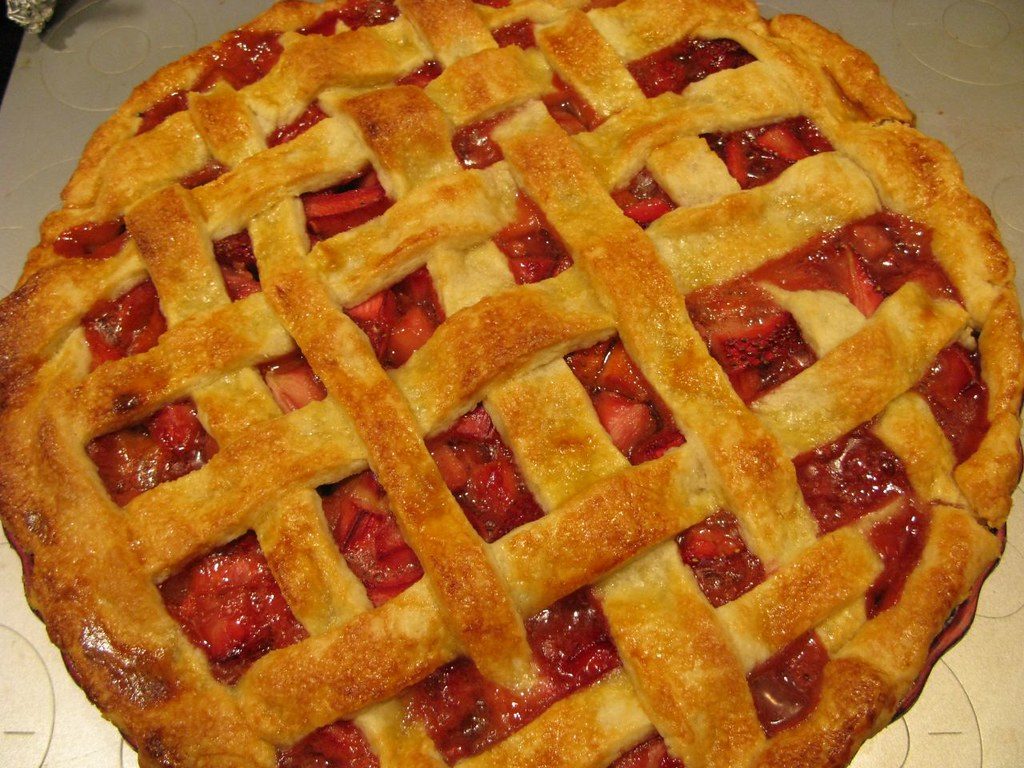
Rhubarb has one of the shortest seasons of any produce you’ll find at American grocery stores and farmers markets. Rhubarb season runs from April to June, which means if you love it in pies, crisps, and sauces, you’re working against the clock. Freezing is the most practical way to extend that window — and the good news is that rhubarb handles it exceptionally well.
If you’ve got rhubarb coming in faster than you can use it, freezing is one of the easiest ways to deal with the extra, and you’ve got a few options — none of them complicated. Whether you picked up a bundle at a weekend farmers market or you’re harvesting from a backyard patch, this guide walks you through everything from prep to storage to knowing when it’s time to toss it.
Can You Freeze Rhubarb?
Rhubarb freezes very well. As long as it’s packaged properly and kept cold, it will keep good quality for about a year. That makes it one of the more freezer-friendly vegetables you’ll work with in the kitchen.
You can freeze fresh rhubarb in several ways — raw or cooked, in water, with or without sugar, in a syrup, orange juice, or cooked as a sauce. The method you choose mostly depends on how you plan to use it later.
Rhubarb is technically a vegetable, and its season is short. It’s also usually used in baking or cooked preparations, so whether it’s fresh or frozen doesn’t matter as much as it does with other foods that are commonly served raw. That quality makes it an ideal freezer candidate — the cooking process compensates for any changes that happen during freezing.
One important note before you start: trim away and discard all leaves or greenery, which are dangerously toxic. This applies whether you’re freezing fresh-harvested rhubarb or prepping store-bought stalks.
Pro Tip: If you grow your own rhubarb, freeze it the same day you harvest it for the best quality. According to Rhubarb Central , if you can’t freeze it the same day, keep it in the refrigerator for up to 3 days before freezing.
Does Freezing Change the Texture or Taste of Rhubarb?
Frozen rhubarb will be softer when thawed — that’s normal, and there aren’t a lot of ways around it. It still works perfectly for pies, crisps and cobblers, pancakes, muffins, and other baked things. The softening is a non-issue in most recipes because rhubarb gets cooked down anyway.
Rhubarb softens and releases some liquid after freezing and thawing. Since most recipes that use rhubarb involve cooking and softening it, this change in texture isn’t a bad thing. There is little loss of flavor after thawing rhubarb.
Where you’ll notice a difference is in raw or lightly dressed preparations. Don’t use frozen rhubarb in recipes where it’s served raw, since it can get soggy. Stick to cooked dishes and baked goods and you won’t have any complaints.
The main difference between red and green rhubarb is the color. Both freeze just fine. Some people say red rhubarb is a little milder and green is more tart, but in most recipes, the difference isn’t a big deal. Use whichever variety you have on hand.
How to Freeze Rhubarb the Right Way
The flash-freeze method gives you the most flexibility — individual pieces you can grab by the cup rather than one frozen block. Here’s how to do it from start to finish.
Step 1: Select and Prep Your Stalks
When selecting rhubarb, the redder the stalks, the sweeter — though it’s all tart. Both red and greenish-pink stalks that are fully ripe are delicious. Look for stalks that are firm but tender. If a stalk is wilted or too soft, don’t buy it. Opt for thinner stalks — they’re younger and have a better texture. Thick stalks are often woody and not as palatable.
Wash the rhubarb thoroughly, since it grows close to the ground and dirt and grit can cling to the stalks. Trim away and discard all leaves or greenery, which are dangerously toxic. You don’t need to peel rhubarb before freezing. The skin softens during cooking, so just wash, trim, and cut it up.
Step 2: Cut into Pieces
If you have a go-to recipe you’d like to make later, slice the rhubarb according to those directions. If not, slice it about 1-inch thick for easy storage and flexibility. Food Network’s test kitchen does not recommend freezing full stalks, as they won’t hold their shape well when they thaw.
Step 3: Flash Freeze on a Baking Sheet
Freeze the rhubarb pieces flat. Scatter the dry pieces on a parchment paper-lined baking sheet so they’re not touching one another. Freeze until solid, 2 to 3 hours. This way, the pieces will stay separate when packed instead of freezing into one big block, and you can pull out a cup or three as needed.
Step 4: Transfer to Freezer Bags and Label
Pre-portion the rhubarb in freezer-safe bags. It’s smart to portion it into common quantities called for in your go-to recipes. For example, if you often bake a pie that calls for 4 cups of rhubarb, measure out 4 cups and freeze them in a freezer-safe resealable bag.
Use airtight containers or freezer bags to prevent freezer burn and other forms of spoilage. Label and date the containers so you can easily keep track of how long the rhubarb has been frozen.
Optional: Blanching Before Freezing
Fresh, raw rhubarb freezes beautifully and does not need to be blanched. However, you can choose to blanch it to help preserve the color and quality if you want. Blanching is worth doing if you know you’ll be freezing for a longer period of time — flash freezing raw rhubarb is fine if you plan on eating it within 4 months, but otherwise you’ll want to blanch or fully cook the rhubarb before freezing it.
To blanch: bring a large pot of water to a boil while you prep the rhubarb. Drop the cut pieces into the boiling water, cook for just one minute, then remove and immediately transfer to a bowl of ice water. Let the pieces sit in cold water for a couple of minutes, then drain, pat dry, and complete the remaining steps.
Pro Tip: According to Simply Canning , if you measure rhubarb into recipe-sized portions before freezing, you can grab a bag and go straight to baking with no measuring needed later.
How Long Can You Freeze Rhubarb?
Frozen rhubarb lasts for up to a year in the freezer. For best results, be sure to store it in a tightly sealed container or bag that’s suitable for the freezer. Beyond the one-year mark, the rhubarb remains safe to eat if it has stayed continuously frozen, but the quality will likely decline.
The table below summarizes storage times by freezing method:
| Freezing Method | Best Quality Window | Notes |
|---|---|---|
| Raw, flash frozen (dry pack) | Up to 4 months | Best for quick use; most versatile |
| Raw, blanched | Up to 12 months | Better color and texture retention |
| Sugar pack or syrup pack | Up to 12 months | Good for pies and desserts |
| Cooked or stewed | Up to 12 months | Ready to use in sauces and jams |
Freezing rhubarb in vacuum bags keeps it fresher for longer and is the best method for avoiding freezer burn. If you don’t have a vacuum sealer, a zip-top freezer bag with as much air pressed out as possible works well.
How to Thaw Frozen Rhubarb
The easiest approach — and the one most home cooks use — is to skip thawing altogether. Add frozen rhubarb directly to recipes for cooked preparations and baked goods. You don’t need to defrost it first. Don’t use frozen rhubarb in recipes where it’s served raw, since it can get soggy.
Only thaw frozen rhubarb if you’re using it in recipes with a shorter cooking time, like pancakes or cookies. Pies, cakes, and quick breads are all baked long enough that the frozen rhubarb will fully cook in the batter, so there’s no need to thaw it for those kinds of recipes.
When thawing is necessary, the refrigerator method is your best option. Refrigerator thawing is a safe and easy method for defrosting raw rhubarb. Simply place the frozen rhubarb in a covered container or plastic bag and leave it in the refrigerator overnight. This method is ideal for small quantities of rhubarb and allows for a gradual thawing process.
Keep in mind that thawed rhubarb releases liquid. One approach is to thaw frozen rhubarb on the kitchen counter using a sieve set over a bowl and discard the excess liquid — or add it to a punch or other beverage. Since rhubarb tends to shrink after thawing, be sure to start with enough frozen rhubarb.
Pro Tip: When baking with frozen rhubarb, toss the frozen pieces in a spoonful of flour or cornstarch before using them in a recipe — frozen rhubarb can release a lot of liquid when cooked, which can sometimes cause soggy baked goods. You might also need to add a few extra minutes to the total cook time.
Can You Refreeze Rhubarb After Thawing?
Refreezing thawed rhubarb is not a good idea. The risks associated with refreezing thawed rhubarb are significant, and it is generally not worth the convenience. If you have thawed rhubarb that you don’t plan to use immediately, it is recommended to use it in a cooked dish, such as a pie or jam, where the heat can help address any bacteria or other microorganisms that may have developed.
The best way to avoid this situation is to portion your rhubarb before freezing it. It’s smart to portion rhubarb into common quantities called for in your go-to recipes. For example, if you often bake a pie that calls for 4 cups of rhubarb, measure out 4 cups and freeze them in a freezer-safe resealable bag. If you don’t know what you’ll be making, pack the pieces into airtight bags, flatten them, and stack them neatly. That way you only pull out what you need.
How to Use Frozen Rhubarb (Best Uses After Freezing)
Frozen rhubarb performs best in cooked and baked applications. The tart taste of rhubarb works in both savory and sweet preparations. You can think of it like cranberries — pairing rhubarb in savory sauces for meat, or baking it like a fruit in muffins, breads, and cakes.
Here are the best ways to put your frozen stash to work:
- Pies and tarts — The classic use. If the frozen rhubarb is frosted with ice and you’re cooking something with a specific texture like a pie, you can pop rhubarb into a saucepan and cook it down with a touch of sugar and cornstarch to soak up the extra moisture.
- Crisps and cobblers — Making a rhubarb crisp or rhubarb crumble is a great way to use frozen rhubarb. This classic dessert is easy to make and always a crowd-pleaser.
- Sauces and compotes — No need to defrost the rhubarb — just give it some extra time to soften and cook down, and remember that it will thicken as it cools. You can make it on the stovetop, simmering the compote ingredients uncovered until the rhubarb is tender. It pairs well with ice cream, yogurt, or hot oatmeal.
- Muffins and quick breads — Add frozen pieces directly to the batter without thawing. Toss them in a little flour first to absorb extra moisture.
- Jams and preserves — You can even freeze rhubarb first and then use it for jam later.
- Savory dishes — Rhubarb works well braised into stews or reduced into glazes for pork and poultry. Its tartness balances rich meats the same way a vinegar-based sauce would.
For more ideas on how nutrient-rich foods can support your health, see superfoods for a healthy heart and whole plant-based foods — rhubarb fits naturally into both eating styles.
Signs That Frozen Rhubarb Has Gone Bad
Frozen rhubarb doesn’t spoil the way fresh produce does, but it can degrade in quality over time. Here’s what to look for before you use it.
- Heavy ice crystals or freezer burn — If you’ve had rhubarb in the freezer for a long time and there are a lot of ice crystals and/or freezer burn, it’s probably past its prime. Rhubarb with freezer burn is still safe to eat, but the texture and color may have changed.
- Off-flavors or aromas — To determine if frozen rhubarb has gone bad, look for signs of spoilage such as off-flavors or aromas, slimy or soft texture, or the presence of mold or yeast.
- Discoloration beyond normal fading — Some color change is normal, especially without blanching. Significant browning or gray patches combined with an off smell are a sign to discard.
- Mushy texture before cooking — Thawed rhubarb is always softer than fresh, but if it turns completely mushy or watery before you’ve even started cooking, the quality has likely deteriorated too far.
Important Note: Freezing rhubarb in your kitchen will not make it poisonous. According to Sweet Peas and Saffron , the safety concern applies to rhubarb that has been damaged by a hard outdoor frost — not rhubarb you freeze yourself at home.
To keep your frozen rhubarb in the best shape possible, store it in airtight bags with as much air removed as possible, label bags with the date, and use within 12 months. If you’re concerned about anti-inflammatory foods or foods rich in protective nutrients, rhubarb is worth keeping on hand — it’s a good source of fiber, vitamin K, and potassium.
Frequently Asked Questions
Do You Need to Blanch Rhubarb Before Freezing?
Some say blanching helps preserve the color and texture of rhubarb, but the difference in quality between frozen raw rhubarb and frozen blanched rhubarb is minimal. Rhubarb is an acidic vegetable, so it doesn’t benefit from blanching the same way low-acid vegetables like peas, carrots, and corn do. That said, if you’re freezing for longer than 4 months, blanching is worth the extra step.
Can You Freeze Cooked Rhubarb?
Yes — if you’ve already cooked your rhubarb down, you can freeze it too. Place rhubarb in a pan with a small amount of water, simmer until tender, and let cool completely. Drain or not as you like, measure into portions, then pack, seal, and freeze. You can sweeten it while cooking — sugar, brown sugar, syrup, or honey all work well.
Can You Freeze Rhubarb Whole?
If you don’t have a specific recipe in mind, slice rhubarb about 1-inch thick for easy storage and flexibility. Food Network’s test kitchen does not recommend freezing full stalks, as they won’t hold their shape well when they thaw. Cutting first also makes it much easier to measure out portions straight from the freezer.
How Do You Keep Frozen Rhubarb from Clumping?
Freezing on a cookie sheet helps prevent the frozen pieces from getting stuck together. The step is not technically necessary, but it prevents big clumps of frozen rhubarb pieces that make it difficult to take out just the amount you need from the freezer.
Is Frozen Rhubarb as Good as Fresh?
For cooking and baking purposes, yes. As long as it’s packaged properly and kept cold, rhubarb will keep good quality for about a year. It won’t be crisp like fresh, but for cooking and baking — adding to pie, yogurt, ice cream — it works great. The only time fresh has a clear advantage is in raw preparations, which are rare for rhubarb anyway.
Can You Use Frozen Rhubarb in Smoothies?
Yes. Frozen rhubarb blends well and its tartness pairs nicely with sweeter fruits like strawberries, mango, or banana. Frozen rhubarb works beautifully in pies, crisps, muffins, sauces, jams, and smoothies. Add it straight from frozen — no thawing needed.