Can You Freeze Butter or Margarine? Everything You Need to Know

November 5, 2026
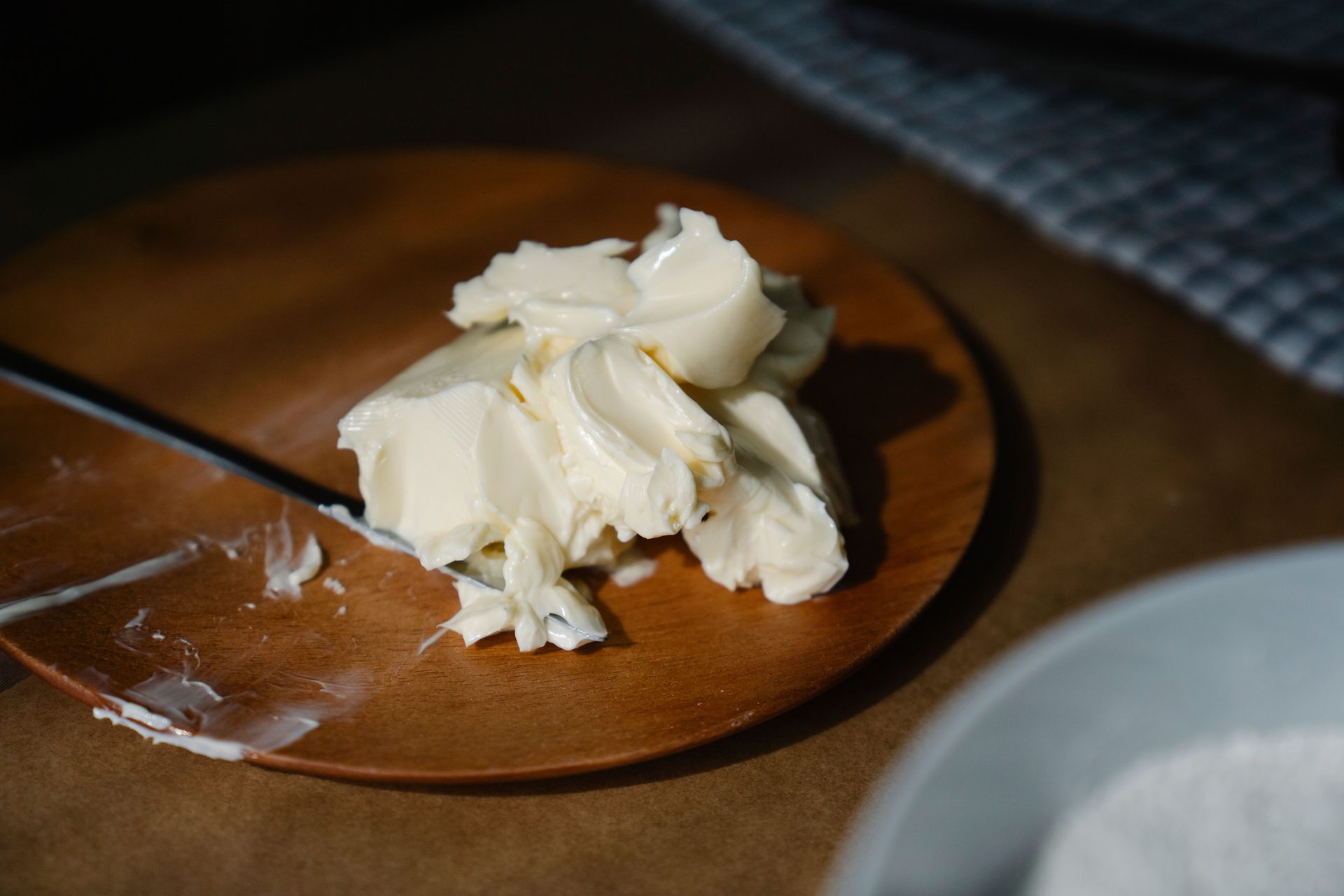
Butter and margarine are two of the most used fats in American kitchens — and both freeze surprisingly well. Whether you spotted a great sale at the grocery store, stocked up before the holidays, or simply have more than you can use before the expiration date, the freezer is your best friend for keeping these staples fresh and ready to go.
This guide walks you through everything you need to know: how freezing affects texture and taste, the right way to wrap and store each type, how long they last, how to thaw them safely, and which recipes actually benefit from frozen butter or margarine straight from the freezer.
Can You Freeze Butter or Margarine?
You can freeze dairy butter, margarine, or plant-based spreads. Both hold up well in the freezer when stored correctly, making them ideal candidates for bulk buying and long-term storage.
Most butter is sold in packaging that is freezer safe, which means you can place the entire package right in the freezer if necessary. If you are worried about your butter picking up different smells and flavors from the freezer over a long time, you can take the extra step of wrapping the sticks of butter in aluminum foil or cling wrap.
Margarine requires a bit more attention. Most margarine products are sold in squeeze bottles or tubs for easy spreading, and often these types of packaging are not freezer safe. You’ll need to transfer your margarine product into a new container that is freezer safe. Stick margarine, on the other hand, tends to freeze more like butter — with minimal fuss.
Pro Tip: Before freezing any margarine, check the label. Some brands — particularly certain specialty spreads — specifically state the product should not be frozen. When in doubt, transfer the product to a freezer-safe airtight container rather than trusting the original tub.
The USDA confirms that frozen foods remain safe indefinitely because freezing stops microbial growth entirely. The quality window is what matters — not safety. So the real question isn’t whether you can freeze butter or margarine, but how to do it in a way that keeps quality high when you’re ready to use it.
Does Freezing Change the Texture or Taste of Butter or Margarine?
For butter, the good news is that properly frozen butter tastes and performs almost exactly like fresh. Most people agree that freezing and thawing butter has no noticeable effect on its flavor or texture if it is used within about four months. When properly frozen and thawed, butter should taste virtually identical to fresh butter.
That said, some minor changes can happen. You might notice minor texture changes, particularly if the butter has been frozen for several months. The texture may become slightly more crumbly initially, but this usually resolves once the butter reaches room temperature. When you store butter in the freezer, its water and fat molecules can separate while freezing, leading to changes in texture. When thawed, the butter might be less creamy or even a little crumbly, but these changes are mostly superficial and shouldn’t affect how the butter works when cooking or baking.
Margarine behaves a little differently due to its composition. Freezing margarine is a practical way to prolong its usability. Since it contains water and oils emulsified together, freezing can sometimes cause separation or texture changes. However, if handled correctly, margarine freezes well without significant degradation in quality.
At freezing temperatures, the emulsion partially breaks down — fat and water come apart. It’s not spoilage. Stir it back together; it’ll behave normally for cooking and baking. For spreading directly on bread, fresh margarine gives a cleaner result.
Margarine’s plant oils don’t develop rancidity as quickly as dairy fats, but they can absorb freezer odors more readily. Double-wrapping is the most effective way to prevent this. If you cook or bake with a whole-food plant-based approach, knowing that margarine holds up well in the freezer makes it easier to keep your pantry stocked.
How to Freeze Butter or Margarine the Right Way
Proper wrapping is the single most important step. Exposure to air causes freezer burn and allows your butter or margarine to absorb odors from other foods in the freezer — both of which ruin quality.
For butter sticks:
- Keep butter in its original carton and place it inside a resealable freezer storage bag to protect its delicate flavor.
- For extra protection, wrap individual sticks in aluminum foil or plastic wrap before placing them in the bag.
- Mark the date on each stick of butter so you can keep track of how long it has been in the freezer.
For margarine tubs:
- Transfer your margarine product into a new container that is freezer safe.
- Press a layer of plastic wrap directly onto the surface of the margarine before sealing the lid — this limits air contact.
- Place the sealed container inside a freezer bag for an added layer of odor protection.
For margarine sticks:
- Wrap individual sticks in parchment paper before sealing them in a freezer-safe bag. This double protection maintains texture and flavor, making them perfect for baking projects months later.
Pro Tip: If a stick or tub is too large for you to use in a short amount of time, you may want to slice or portion it into smaller sizes prior to freezing. Smaller portions thaw faster and let you grab only what you need without defrosting a whole block.
For specialty compound butters — like garlic butter, honey butter, or herb butter — place the prepared butter in a labeled zip-top bag in the freezer, or spoon the softened butter into a small freezer-safe container with a lid, seal well, and freeze. These make great additions to heart-healthy meals when used in moderation.
How Long Can You Freeze Butter or Margarine?
Freezer life varies depending on the type of butter or margarine and how well it’s wrapped. Here’s a clear breakdown:
| Product Type | Freezer Life | Notes |
|---|---|---|
| Salted butter (sticks) | Up to 12 months | Salt acts as a preservative; best candidate for long freezing |
| Unsalted butter (sticks) | 5–9 months | More prone to absorbing odors; wrap tightly |
| Compound/flavored butter | 2–3 months | Added ingredients shorten shelf life |
| Margarine sticks | Up to 12 months | Most freezer-friendly margarine format |
| Margarine tubs | 3–6 months | May separate slightly; fine for cooking after thawing |
| Plant-based spreads | 3–4 months | Texture more likely to change; best used in cooking |
Salted butter is the best candidate for freezing, as the salt acts as a preservative, helping to maintain flavor and texture. Salted butter can be kept in the freezer for up to a year without significant changes in quality. Unsalted butter can also be frozen but won’t keep as well as salted butter. The absence of salt leaves the butter more prone to picking up other freezer odors, so it is best to use it within six months.
When freezing margarine, you can keep it in the freezer for up to 12 months. You can choose to keep it frozen longer than this and it is fine to do so, however, it might start to lose its flavor and texture. Be sure to freeze these products before their “use by” date, and they’ll be fine to stay in the freezer for up to four months at minimum quality — though stick formats last considerably longer.
One important note: the longer butter or margarine stays in the freezer, the higher the chances are that it will lose some flavor or texture. Always use older packages first and rotate your stock.
How to Thaw Frozen Butter or Margarine
How you thaw butter or margarine depends on how you plan to use it. There’s no single right method — each approach has its place.
In the refrigerator (best for most uses): Place the frozen butter in the fridge overnight to defrost. It can take about 6 to 7 hours or even overnight to thaw, depending on the temperature of your refrigerator. This is the gentlest method and preserves the best texture for spreading or creaming.
On the countertop: Let the frozen butter sit at room temperature for 3 to 4 hours to defrost. This works well when you need softened butter for baking but didn’t plan ahead. For margarine, the margarine will need to defrost for around 4 hours at room temperature.
Grating for fast results: Grating butter is one of the ways you can get to thawed butter quickly. Grate frozen butter using the large holes of a box grater — grating the butter onto a piece of waxed paper makes for easy transferring to a mixing bowl. The small pieces of butter will soften almost immediately. Let sit for about 15 to 30 minutes or until it comes to room temperature.
In the microwave (last resort only): Heat the frozen butter at 50% power for 10-second increments, just until thawed. Thawing butter in the microwave is not really recommended unless your recipe calls for melted butter. You almost always wind up with hot melted butter in the center and other areas that are still partially frozen.
Pro Tip: Avoid using the microwave to thaw butter, as this can cause uneven melting and changes in texture. Stick to the refrigerator or countertop method whenever possible for the best results.
For tub margarine that has separated slightly after freezing, stir it back together after thawing; it’ll behave normally for cooking and baking.
Can You Refreeze Butter or Margarine After Thawing?
This is one of the most common questions — and the answer is: technically yes, but it’s not a great idea. Once butter has been completely thawed, avoid refreezing it. The repeated freezing and thawing process can significantly impact texture and quality. Instead, use thawed butter within the same timeframe you would use fresh butter.
The same logic applies to margarine. If margarine has been kept in the freezer and defrosted, it can be kept for up to 3 months in the refrigerator. Refreezing it after that point risks a noticeably degraded texture and increased risk of rancidity from repeated temperature cycling.
The best strategy is to avoid the refreezing situation altogether by portioning before you freeze. It can also be helpful to freeze in smaller amounts so that you can take out and thaw what you need for a recipe without having to thaw all of the butter at once. Freezing individual sticks or half-sticks means you only defrost what you actually need.
How to Use Frozen Butter or Margarine (Best Uses After Freezing)
Frozen and thawed butter performs well across virtually every cooking and baking application. In some cases, using butter directly from the freezer — without thawing at all — actually gives you better results.
Certain recipes, such as biscuits and pie crusts, call for cold butter because it creates steam as it melts in the oven, which helps lift and form flaky layers. You can grate frozen butter directly into pastry dough, which helps create flaky textures in pie crusts and biscuits. This technique works just as well with stick margarine.
Here are the best uses for frozen or thawed butter and margarine:
- Baking (cakes, cookies, muffins): Thaw fully and bring to room temperature before creaming with sugar. For baking that requires creaming butter with sugar, complete thawing is necessary.
- Pie crusts, biscuits, and scones: Pie crust, biscuit, and scone recipes typically call for cold butter that needs to be cut into flour. Rather than defrost the frozen butter, you can grate it using the largest holes on a box grater and stir it into the flour mixture.
- Sautéing and pan cooking: For sautéing or general cooking, partial thawing is often sufficient. You can also add small cubes of frozen butter directly to a warm pan.
- Sauces and gravies: Frozen butter melts directly into pan sauces. Thawed margarine works just as well for making roux-based gravies.
- Toast and spreading: Always thaw fully first. For spreading directly on bread, fresh margarine gives a cleaner result — so thaw in the fridge overnight for best spreadability.
- Compound butters: Honey butter, garlic butter, and herb butter all add a special touch to your recipes. Make a large batch, freeze in a log shape, and slice off rounds as needed.
Butter and margarine are also foundational to many dishes that support liver function and overall wellness when used as part of a balanced diet. If you’re focused on skin health, incorporating quality fats through cooking is also a consideration worth exploring through resources on foods for healthy skin.
Signs That Frozen Butter or Margarine Has Gone Bad
Frozen butter and margarine don’t spoil the way perishables do, but they can degrade in quality — and in some cases, go rancid. Here’s what to look for before you use anything that’s been in the freezer for a while.
Smell: If the butter smells sour or shows signs of discoloration or mold on the surface, it’s likely gone bad and needs to be tossed. For margarine, when the vegetable oils oxidize, they produce aldehydes and ketones — compounds with that unmistakeable sharp, waxy, crayon smell. That smell is a clear sign to discard it.
Color: Margarine that has spoiled will be discolored, being light on the inside and darker on the outside, which you will notice when you cut it in half. Fresh butter and margarine should be consistent in color throughout.
Texture: If margarine has been left out in the open air for too long, you may notice that the texture changes considerably. Margarine turns from being solid into a liquid form when it spoils. Butter that has developed a dry, cracked, or grayish surface has likely suffered significant freezer burn.
Freezer burn: If stored improperly or for a long period of time, frozen butter may change texture. The main culprit for textural changes in frozen butter is freezer burn. If frozen butter develops freezer burn, it’s best to just throw it away. The texture of the butter will have changed, and it will affect whatever baked good or savory dish you’re making.
Important Note: Even after the expected expiry date, if there are no signs of butter or margarine having gone bad, it is still safe and good to use. Always rely on your senses — smell, color, and texture — rather than the date alone.
Frequently Asked Questions
Can you freeze whipped butter?
Yes, you can freeze whipped butter, but it can end up losing much of its lushness and not be as fluffy and fresh as it was initially. Whipped butter is less dense than regular butter as it contains more air. This makes it smoother and easier to spread. After thawing, it may not return to its original airy texture, so it’s best used for melting over toast or vegetables rather than spreading.
Can you freeze plant-based butter alternatives?
Yes, you can freeze plant-based butter, also known as vegan butter, which is a non-dairy butter alternative primarily made by mixing water with vegetable oil, including avocado, olive, palm kernel, and coconut. The texture and taste of non-dairy butter is more likely to change slightly once the spread is thawed, so plan to use it for cooking rather than spreading after freezing.
Can you freeze margarine in its original tub?
Unfortunately, some margarine spreads cannot be frozen in their original packaging, as it is not freezer-grade. The original packaging may crack or break if frozen. If you choose to freeze these products, remove the product from the original container and place it in a freeze-grade container.
Does freezing butter affect its performance in baking?
Once fully thawed, butter performs identically to fresh butter in cooking applications. For pastry work, frozen butter is actually an advantage — grating frozen butter over flour and then tossing the flour and butter together only takes a few seconds, coats the shreds of butter with flour, and because the butter is still frozen, it keeps your dough nice and cold and will melt perfectly in the oven.
How do you know if margarine is still good after freezing?
You will be able to find the expiration date of margarine at the back of the tub or on the wrapping, but it usually lasts well past this date if it is stored and handled properly. If the margarine does not smell bad, or if it has not discolored, it will be safe to consume.
Is it safe to freeze butter that has been sitting on the counter?
It’s perfectly safe to freeze butter so long as you freeze it before its expiration date. Note that you should never freeze butter that’s sat on your counter for longer than two days, nor should you freeze rancid butter. Freeze it while it’s still fresh for the best results after thawing.
For more guidance on making smart food choices and understanding how everyday ingredients fit into a healthy diet, explore resources on powerful nutrients found in everyday foods or read about the pros and cons of common dietary staples. And if you’re looking to make the most of your kitchen staples, learning what whole foods support your health is a great place to start.