Can You Freeze Spaghetti and Meatballs? Everything You Need to Know

November 5, 2026
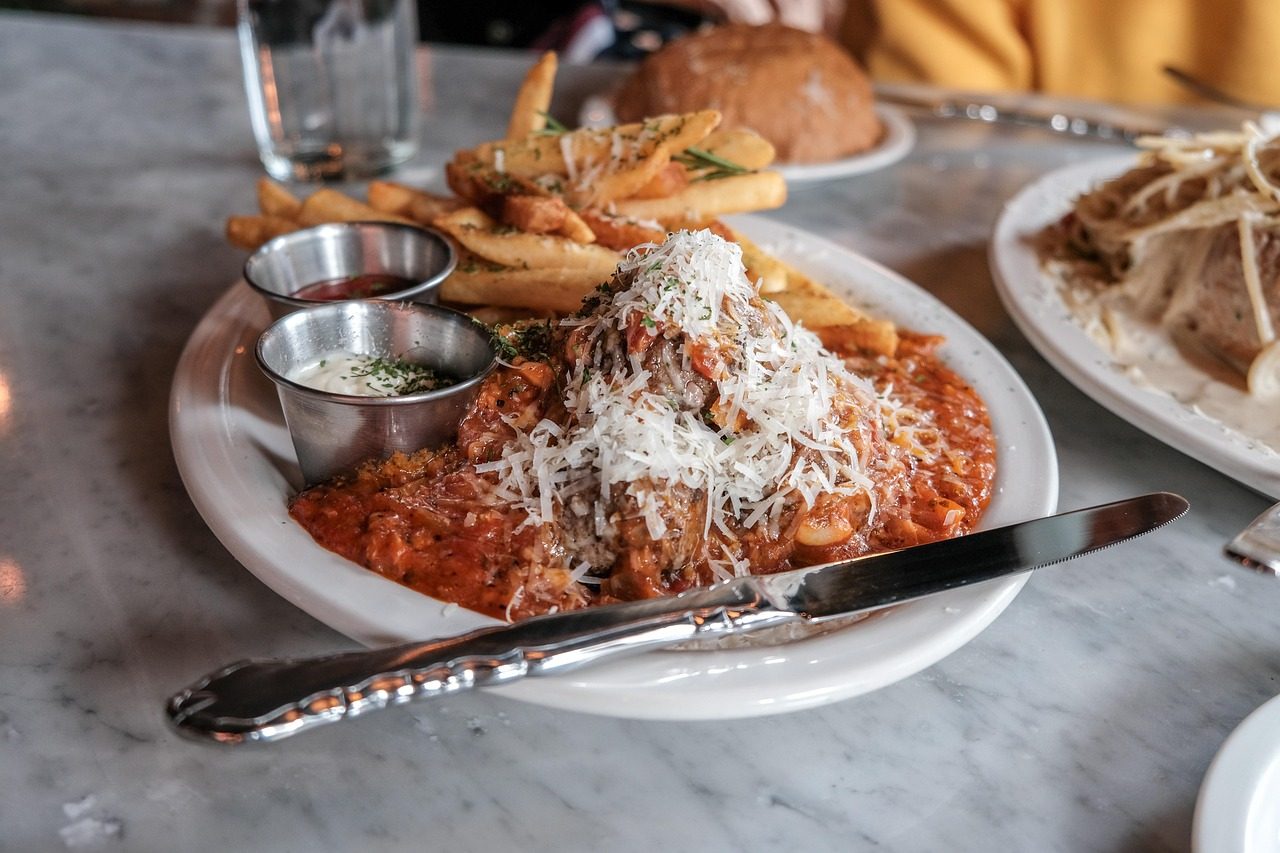
Spaghetti and meatballs is one of those meals that practically begs to be made in bulk. Whether you batch-cooked on Sunday, ended up with more than your family could eat, or are building up a stash of easy weeknight dinners, the freezer is your best friend here.
The short answer: yes, you can absolutely freeze spaghetti and meatballs — pasta, sauce, meatballs, and all. But how you freeze it makes a real difference in what you pull out later. This guide covers every step, from prep to storage to reheating, so nothing goes to waste.
Can You Freeze Spaghetti and Meatballs?
You can freeze spaghetti and meatballs, and all parts of this dish can be frozen. That includes the noodles, the tomato-based sauce, and the meatballs themselves. Each component holds up well in the freezer when stored correctly.
Spaghetti freezes well thanks to its high starch and water content. In fact, it’s common in many restaurants to freeze even handmade fresh pasta if there’s any left at the end of the day. The sauce also freezes exceptionally well — bulk freezing of spaghetti sauce is a common practice in Italian cooking, and it can be frozen for up to six months.
You have two main options: freeze everything together as one ready-to-reheat meal, or freeze the components separately for more flexibility. Both work well. The right choice depends on how you plan to use it later.
Pro Tip: If you cook spaghetti specifically with freezing in mind, make a bigger batch than usual. The effort of cooking one double batch is far less than cooking twice — and you end up with a ready meal waiting in the freezer for a busy night.
Does Freezing Change the Texture or Taste of Spaghetti and Meatballs?
Meatballs handle freezing better than almost any other component of this dish. You can freeze meatballs without any deterioration of flavor and texture, and when you defrost them later, they will taste like they were freshly made. The sauce also survives the freezer in great shape — the flavors often deepen slightly after freezing and reheating.
The noodles are where you need to pay the most attention. Avoid overcooking your pasta if you know you’ll eventually end up freezing it. Pasta that is overcooked will be even softer and mushier when you thaw it. The freezer does not reverse softness — it locks it in.
Once you’re ready to eat your frozen pasta, you reheat it the same way as you cook it in advance — by boiling. For this reason, pasta from the freezer often tastes similar, if not identical, to pasta boiled straight out of the packet. As long as you start with al dente noodles and use airtight packaging, the quality difference after freezing is minimal.
How to Freeze Spaghetti and Meatballs the Right Way
Good results start before anything goes into the freezer. Follow these steps to keep your spaghetti and meatballs tasting as close to fresh as possible.
- Cook pasta al dente. If you’re making spaghetti in advance and intend to freeze it, slightly undercook your spaghetti. It will help it freeze better, and the noodles will absorb some moisture in the freezer, so when you reheat them they’ll be perfectly cooked.
- Cool everything down first. Before you freeze anything, let the food come to room temperature. If you put hot food in the freezer, you could accidentally thaw some of the other frozen food and make it unsafe. In addition, the safety and quality of your pasta could be compromised if it’s cooled too quickly.
- Toss noodles with olive oil (if freezing separately). Freezing the noodles when they are cooked al dente will give you the best results when you thaw and want to use them later. Try mixing a bit of olive oil into the spaghetti noodles so they don’t stick together from all the starch.
- Choose your storage method. Transfer the cooked pasta, meatballs, and sauce as a combined mixture to a freezer-safe container or storage bag, glass jars, or an airtight container. Or freeze the components in separate bags for more flexibility later.
- Remove as much air as possible. Whether mixed together or separate, place the components into a heavy-duty freezer bag or freezer-safe container. If using freezer bags, remove as much air as possible to guard against freezer burn. If using Tupperware, make sure it is airtight — fill a shallow container almost to the brim, or place a piece of parchment paper or plastic wrap over the top to help prevent freezer burn.
- Account for expansion. As your sauce freezes it will expand, so leave about an inch of room between the sauce and the container lid so it doesn’t push out of your container.
- Label with the date. Label and date the packaging. You’d be surprised how easy it is to forget about frozen meals, even ones as delicious and heartwarming as this.
- Freeze flat to save space. Lay your freezer bag on its side and freeze flat to help you save freezer space.
Pro Tip: If you freeze the components separately, consider freezing the sauce in small mason jars or ice cube trays so you can thaw individual servings as needed. This is especially handy for quick lunches or single-portion meals.
How Long Can You Freeze Spaghetti and Meatballs?
Storage time depends on whether you freeze the whole dish together or the components separately, and what type of freezer you use.
| Component | Standard Freezer (0°F) | Deep Freezer | Notes |
|---|---|---|---|
| Spaghetti and meatballs (combined) | 2–3 months (best quality) | Up to 6 months | Safe beyond 3 months, but quality may decline |
| Pasta noodles (alone) | Up to 3 months | Up to 6 months | Cook al dente before freezing |
| Tomato-based sauce | Up to 6 months | Up to 6 months | Freezes exceptionally well |
| Meatballs (with sauce) | 2–3 months | Up to 6 months | Sauce helps protect texture |
Use your meals within 3 months of freezing. They’re still safe to eat after the 3-month mark, but the longer they stay in the freezer, the larger the risk of freezer burn. The USDA Food Safety and Inspection Service notes that food stored constantly at 0°F will always be safe — only the quality suffers with lengthy freezer storage.
Your frozen foods will keep their quality longer if stored in the coldest part of the freezer, such as the bottom or the back. The side door storage areas usually get a little warmer, so food might soften or start to defrost.
How to Thaw Frozen Spaghetti and Meatballs
How you thaw your spaghetti and meatballs affects both food safety and final texture. There are three reliable methods, each with its own trade-offs.
Refrigerator thawing (best method): The best way to thaw out any meal is to place it in the fridge overnight. This gives your food time to thaw safely in a cold temperature. Thaw the freezer bag in the fridge for 12–24 hours before cooking. Once thawed, remove the thawed leftovers from the fridge at least 30 minutes prior to reheating so they will be as close to room temperature as possible.
Cold water thawing (faster): Cold water thawing is faster than refrigerator thawing but requires more attention. The frozen leftovers must be in a leak-proof package or plastic bag. If the bag leaks, water can get into the food and bacteria from the air or surrounding environment could enter it. Foods thawed by the cold water method should be cooked before refreezing.
Microwave thawing (fastest): Microwave thawing is the fastest method. When thawing leftovers in a microwave, continue to heat it until it reaches 165°F as measured with a food thermometer.
Reheating options once thawed:
- Stovetop: Reheat your thawed sauce on low-medium heat in a thick-bottomed pan or pot over the stovetop, or use a microwave. The stovetop is usually the most efficient as long as you stir the sauce as you go to make sure it reheats evenly. Covering the pot with a lid will help trap heat, allowing heat to penetrate your reheating meatballs and sauce from all sides.
- Oven: Place the frozen pasta in an oven-safe dish and bake at 350°F for 20–30 minutes, or until heated through.
- Microwave: For single-serve containers, the easiest way is to reheat in the microwave in 1-minute increments until fully heated.
Pro Tip: Frozen pasta can be a bit dry after reheating, so add a little extra sauce or a drizzle of olive oil. This brings the dish back to life without much extra effort.
Can You Refreeze Spaghetti and Meatballs After Thawing?
The answer depends on how you thawed it. According to the USDA Food Safety and Inspection Service , once food is thawed in the refrigerator, it is safe to refreeze it without cooking, although there may be a loss of quality due to the moisture lost through thawing.
Do not refreeze any foods left outside the refrigerator longer than 2 hours — or 1 hour in temperatures above 90°F. The USDA also notes that it is safe to refreeze any food remaining after reheating previously frozen leftovers to the safe temperature of 165°F as measured with a food thermometer.
Safety and quality are two different things, though. If you’re still in the safe window for cooking and eating the dish and it was thawed in the refrigerator and kept cold (40°F or below), it’s perfectly safe to refreeze. However, refreezing might result in undesirable changes in texture and some loss of flavor.
Properly stored spaghetti sauce and meatballs can last for up to 2–3 months in the freezer without significant loss of quality. However, as the food is refrozen multiple times, its flavor and texture may degrade faster. For optimal quality, it’s best to limit refreezing to once or twice.
The practical takeaway: freeze in individual or family-sized portions from the start. That way you only thaw exactly what you need, and you never have to refreeze at all.
How to Use Frozen Spaghetti and Meatballs (Best Uses After Freezing)
Frozen spaghetti and meatballs is more versatile than just reheating the same plate. There is definitely an option to freeze the spaghetti, meat, and pasta sauce separately. Since all parts of this dish freeze, you can be creative about how you use each item when you thaw it — for example, you could use the sauce on uncooked plain pasta in a baked pasta dish.
Here are some of the best ways to put frozen spaghetti and meatballs to work:
- Classic spaghetti dinner: Thaw overnight in the fridge, warm on the stovetop, and serve with garlic bread and a salad. This is the simplest option and works perfectly on busy weeknights.
- Baked pasta: Layer thawed sauce and meatballs with cooked pasta (or use the frozen noodles) in a baking dish, top with mozzarella, and bake at 375°F until bubbly. A great way to repurpose the dish into something that feels new.
- Meatball subs: Thaw the meatballs and sauce separately, pile them into a hoagie roll, top with provolone, and broil until melted. This is one of the most popular uses for leftover meatballs in the US.
- Soup base: Add thawed sauce and sliced meatballs to chicken or beef broth with diced vegetables and small pasta for a quick Italian-style soup.
- Pizza topping: Use the thawed tomato sauce as a pizza base and slice the meatballs as a topping. Works especially well on homemade pizza night.
- Stuffed peppers: Mix thawed pasta and sauce with rice or additional ground beef, stuff into bell peppers, and bake. A filling meal that stretches the original dish into something completely different.
For more ideas on building a well-rounded food strategy, check out this guide on whole plant-based foods that pair well with tomato-based pasta dishes, or explore foods that support liver function if you’re thinking about the nutritional side of your weekly meal plan.
Signs That Frozen Spaghetti and Meatballs Has Gone Bad
Freezing keeps food safe by slowing the movement of molecules, causing microbes to enter a dormant stage. Freezing preserves food for extended periods because it prevents the growth of microorganisms that cause both food spoilage and foodborne illness. That said, frozen food can still degrade in quality — and in rare cases, it can become unsafe if it wasn’t stored properly.
Watch for these warning signs before reheating:
- Freezer burn: Dry, grayish-white patches on the noodles or meatballs signal moisture loss. The food is still technically safe to eat, but the texture and flavor will be noticeably off. Freezer burn can make the sauce less flavorful, so it’s important to take steps to prevent it — primarily by using airtight packaging and removing excess air before freezing.
- Excessive ice crystals: Ice crystals forming on the surface of frozen meatballs can indicate that they have been stored improperly and may have degraded in quality. A small amount of ice is normal; a thick coating suggests temperature fluctuations.
- Discoloration: If the color of the frozen meatballs has changed significantly or if there are dark spots or discoloration present, it is a sign of spoilage.
- Off smell after thawing: Always check for spoilage signs like odor, slimy texture, or discoloration before refreezing or reheating. A sour or rancid smell after thawing means the batch should be discarded.
- Slimy texture on meatballs: Once thawed, meatballs should feel firm and moist — not slippery or tacky. A slimy texture is a clear sign of bacterial growth and the batch should not be eaten.
- Sauce that smells sour: Spaghetti sauce will last about a week in the fridge before you will be able to taste the sourness coming on. If thawed sauce smells fermented or sharp, discard it.
Important Note: Once thawed, microbes that were dormant in the freezer can again become active, multiplying under the right conditions to levels that can lead to foodborne illness. Handle thawed items as you would any perishable food. When in doubt, throw it out.
For a broader look at how food choices affect overall health, the guides on superfoods for a healthy heart and nutrients and foods that fight cancer are worth reading alongside your meal planning routine.
Frequently Asked Questions
Can you freeze spaghetti and meatballs with sauce already mixed in?
Yes. You can freeze the cooked spaghetti, meatballs, and sauce together in a freezer-safe container for a quick and convenient meal. The sauce actually helps protect the noodles from drying out during freezing.
How long does thawed spaghetti and meatballs last in the fridge?
After thawing, the food should be used within 3 to 4 days. Keep it in an airtight container and make sure your refrigerator stays at or below 40°F.
Can you freeze spaghetti and meatballs in glass containers?
Yes, with caution. Mason jars and glass containers work well, but you must leave headspace. For best results, leave an inch or two of empty space when putting on the lid. This will prevent the sauce from expanding so much that it cracks the jar.
Is it better to freeze meatballs with or without sauce?
With sauce. The question of whether to freeze meatballs raw or cooked, and with the sauce or without, comes down to preference — but freezing them cooked with the sauce yields the best results. The sauce acts as a protective layer that keeps the meatballs moist through the freeze-thaw cycle.
Can you freeze gluten-free pasta with meatballs?
Gluten-free pasta is not recommended for freezing. In general, it doesn’t freeze all that well and tends to become mushy or fall apart after thawing. If you’re using gluten-free noodles, freeze the sauce and meatballs separately and cook fresh noodles when you’re ready to serve.
Can you cook frozen spaghetti and meatballs directly from frozen?
It is safe to reheat frozen leftovers without thawing, either in a saucepan or microwave (in the case of a soup or stew) or in the oven or microwave for casseroles and combination meals. Just expect it to take longer, and make sure the internal temperature reaches 165°F before serving.
If you enjoy exploring food culture and storage tips, you might also like reading about traditional Greek foods or classic German dishes — many of which also freeze beautifully for easy weeknight meals.