Can You Freeze Uncooked Corn on the Cob? (Yes — Here’s How to Do It Right)

November 5, 2026
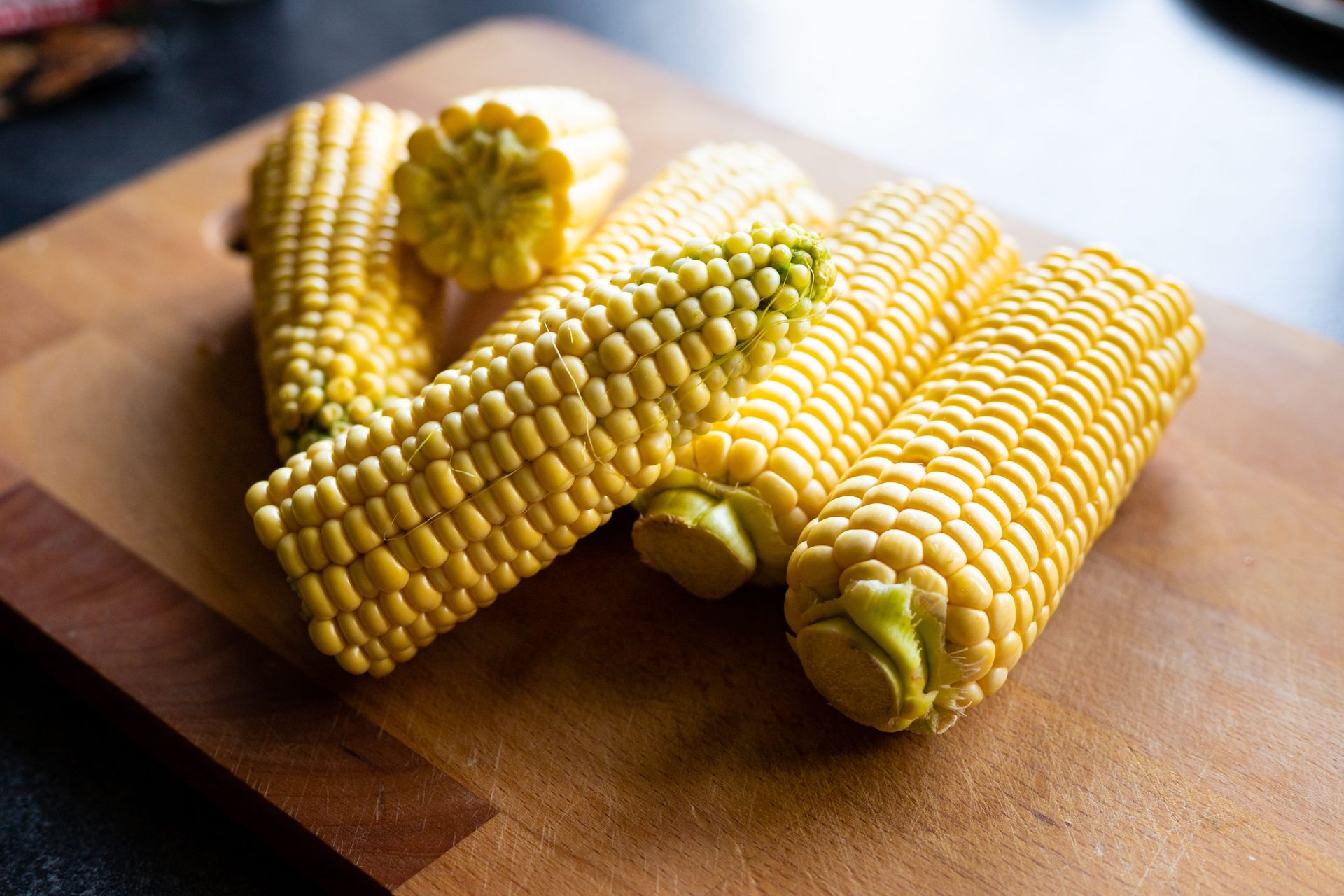
Fresh sweet corn is one of summer’s best foods — and one of its most fleeting. Whether you picked up a dozen ears at a farmers market, scored a deal at a roadside stand, or grew your own, corn season in the United States moves fast. Freezing uncooked corn on the cob is one of the smartest ways to hold onto that summer sweetness well into fall and winter.
The good news: corn freezes excellently, maintaining just about all its sweet flavor and crunchy, bouncy texture. This guide walks you through everything you need to know — from prep and blanching to thawing, cooking, and spotting spoilage — so none of those ears go to waste.
Can You Freeze Uncooked Corn on the Cob?
Yes, absolutely. Corn on the cob freezes great, and you can freeze it before or after cooking. Freezing it raw (uncooked) is actually one of the fastest methods — no boiling required if you’re short on time.
That said, there’s an important distinction between freezing corn raw and freezing it after a quick blanch. The natural enzymes in corn need to be inactivated before freezing to prevent both loss of color and nutrients along with flavor and texture changes — and those enzymes are inactivated by a hot blanch. Skipping that step is fine for short-term storage, but blanching gives you better results over the long run.
You have three practical options when freezing uncooked corn on the cob:
- Blanched whole cobs — best texture and longest shelf life
- Raw whole cobs (no blanching) — fastest method, best used within a few months
- Raw kernels cut off the cob — saves freezer space, ready to drop into recipes
Pro Tip: The sooner you freeze corn after picking or buying it, the better it will taste. Once a cob is picked and off the stalk, its sugars start to break down — so don’t let ears sit on the counter for days before freezing.
Does Freezing Change the Texture or Taste of Corn on the Cob?
Freezing does affect corn somewhat, but the impact depends heavily on your method. Blanching before freezing gives corn a bit of a texture edge, but it’s a small difference — for cooked or baked dishes like creamed corn, corn risotto, casseroles, or cornbread, the end product will be nearly identical.
Raw-frozen corn (without blanching) tells a slightly different story. Corn that has been frozen without blanching definitely has a different texture than blanched corn and needs to be cooked to use — it isn’t the way to freeze corn you’d like to use in salads or fresh bean and corn salsas. For hot dishes like soups, stews, and stir-fries, though, the difference is minimal.
Whole cobs frozen without blanching also soften over time. The biggest difference noted is that the corn starts to get a little softer as time goes on, which may not be a problem at all depending on how you plan to use it. If you plan to boil or grill the corn anyway, a slightly softer texture after thawing is rarely noticeable once it’s seasoned and on the plate.
How to Freeze Corn on the Cob the Right Way
Select only tender, freshly-gathered corn in the milk stage. Before you freeze anything, inspect each ear: look for plump kernels, bright green husks, and white silks. Gently pull back the husks to check for any hidden insects or moldy kernels that usually hide out at the tip of the ear.
Method 1: Blanched Whole Cobs (Recommended)
This is the method recommended by the National Center for Home Food Preservation for the best quality results. Follow these steps:
- Shuck the corn. Remove the husk and all silk strands. Trim any shriveled or damaged ends with a knife.
- Blanch by ear size. Water blanch small ears (1¼ inches or less in diameter) 7 minutes, medium ears (1¼ to 1½ inches in diameter) 9 minutes, and large ears (over 1½ inches in diameter) 11 minutes. Cool promptly and completely to prevent a “cobby” taste.
- Ice bath. Transfer the ears with tongs to ice water and cool for about 5 minutes, then remove and pat dry.
- Wrap and bag. Dry well with paper towels to maintain the corn’s texture as it freezes, then wrap each cob in plastic wrap or parchment paper to avoid freezer burn and place in a freezer-safe bag, removing as much air as possible before sealing.
- Label and freeze. Write the date on the bag. Use the ears within 8 to 12 months.
Method 2: Raw Whole Cobs (No Blanching)
If you need a faster option, you can freeze fresh corn on the cob without blanching by simply husking the corn, drying it thoroughly, and vacuum sealing it right away — though the flavor and texture might not be as well preserved as with blanching for long-term storage.
This method is ideal for shorter periods of storage — up to about 4 months. Wrap each husked ear tightly in plastic wrap, place in a freezer bag, and squeeze out as much air as possible before sealing.
Method 3: Raw Kernels Cut Off the Cob
This method saves freezer space and makes cooking easier later. Remove the husks, slice off the kernels, and transfer them to freezer bags. Stand the cob upright in a large bowl and run a sharp knife downward along all sides — the bowl catches the kernels and keeps your counter clean.
Use within 3 months for best results, but the corn may last up to 6 to 8 months. This is a great option if you plan to use the corn in soups, chili, or casseroles throughout the year. For more ideas on preserving summer produce, see how to freeze fresh uncooked zucchini using a similar approach.
Pro Tip: To prevent raw kernels from clumping together in the bag, spread them in a single layer on a baking sheet and freeze for one hour first. Then transfer to a freezer bag — every kernel stays separate and pours out easily.
How Long Can You Freeze Corn on the Cob?
Storage time varies by method. Here’s a quick reference:
| Method | Recommended Use-By | Maximum Safe Period |
|---|---|---|
| Blanched whole cobs | 8–12 months | Up to 12 months |
| Raw whole cobs (no blanching) | Up to 4 months | Up to 6 months |
| Raw kernels (no blanching) | 3 months | 6–8 months |
| Vacuum-sealed (blanched) | 12 months | Over 12 months |
Properly stored, frozen corn will maintain best quality for about 12 months in the freezer, although it will usually remain safe to eat after that. Quality is the main concern past the one-year mark — the corn won’t make you sick, but it may taste bland or have a tougher texture.
Corn on the cob can last up to 12 months when properly frozen and vacuum sealed compared to only a few months with ordinary storage methods. Vacuum sealing removes air and moisture, preventing freezer burn and preserving the flavor and texture of the corn for an extended period. If you have a vacuum sealer, it’s worth using it here.
How to Thaw Frozen Corn on the Cob
You actually have more flexibility here than you might think — frozen corn on the cob doesn’t always need to thaw before cooking.
You do not need to thaw frozen corn before cooking. In fact, the way you’ll thaw it is by actually cooking it. Drop whole frozen cobs directly into a pot of boiling water and cook for 5–7 minutes, or until the kernels are tender. This is the easiest approach for a weeknight side dish.
If you prefer to thaw first, just place the corn in the refrigerator for a few hours. For whole cobs, overnight in the fridge works well. You can also thaw them for an hour or so on the counter, then cook the ears whole or slice the kernels off the cob.
Important Note: Thawing at room temperature can create a breeding ground for bacteria. If you thaw corn on the counter, cook it immediately — don’t leave it sitting out for more than an hour or two.
For kernels already cut off the cob, thaw them in the fridge overnight or in a bag placed in a bowl of cool water before using. You can also add frozen kernels directly to hot soups or sauté pans without thawing at all.
Can You Refreeze Corn on the Cob After Thawing?
Refreezing thawed corn is not a good idea. Once you have thawed the corn, avoid refreezing it as this can affect texture and taste. Each freeze-thaw cycle causes ice crystals to form and rupture the corn’s cell walls, resulting in mushy, waterlogged kernels.
You might notice ice crystals forming in large clumps, indicating the corn has been thawed and refrozen, which affects its quality. The texture loss from refreezing is significant — especially for corn you planned to eat on the cob.
The best way to avoid this problem is to freeze corn in portions you’ll actually use at one time. You can use gallon-size freezer bags or quart-sized ones — portioning the corn into 2-cup servings works well for side dishes or recipes. That way you pull out exactly what you need and nothing gets thawed and refrozen unnecessarily.
Once thawed, eat the corn immediately or within 3 to 5 days of placing any leftovers in the fridge.
How to Use Frozen Corn on the Cob (Best Uses After Freezing)
Frozen corn is remarkably versatile in the kitchen. Whether you froze it whole or as kernels, there are plenty of ways to put it to work.
Cooking Whole Frozen Cobs
Bring a large pot of water to a boil, drop the frozen corn on the cob into the pot, and cook for 3 to 5 minutes until the kernels are bright yellow and burst easily when poked with a fork. Serve with butter and salt for a classic American side.
You can also roast or air fry frozen cobs. Coat each ear in olive oil, wrap individually in aluminum foil, and bake 35–45 minutes at 400°F until hot and beginning to brown slightly. For the air fryer, preheat to 370°F, lightly brush corn with oil, arrange in a single layer, and air fry for 6 minutes per side until hot and beginning to brown slightly.
Best Uses for Frozen Kernels
Corn kernels that you blanched before freezing hold up well in salsas, salads, and gazpachos. They work beautifully in Mexican street corn bowls, corn chowder, and summer grain salads. Frozen raw kernels that were not blanched don’t work well in cold recipes and work better when added to hot dishes.
- Soups and chowders — add kernels directly from frozen
- Stir-fries and sautés — toss into a hot pan with butter, onion, and peppers
- Casseroles and bakes — mix into cornbread batter or corn pudding
- Tacos and burrito bowls — thaw and use as a topping
- Shrimp or crawfish boils — drop whole frozen cobs directly into the pot
Corn is also a nutritious addition to a balanced diet. It pairs well with other whole foods — check out this overview of whole plant-based foods for more ideas on building meals around produce you’ve preserved at home. If you’re also interested in how corn and other vegetables support your health, the guides on superfoods for a healthy heart and foods that promote healthy eyesight are worth a read.
Save the cobs too — you can freeze them the same way until you’re ready to use them. They’re a great addition to broths and stocks and make a flavorful base for corn chowder or sweet corn egg drop soup.
Pro Tip: Corn is a traditional ingredient in many cuisines around the world. If you enjoy exploring how different cultures use corn and similar staple vegetables, the guides on traditional South African food and traditional Egyptian food are fun reads.
Signs That Frozen Corn on the Cob Has Gone Bad
Knowing when to toss frozen corn is just as important as knowing how to store it. Here’s what to look for before you cook:
Freezer burn. A common pitfall for frozen foods is freezer burn, which you will recognize from the development of ice crystals over the surface of the corn. While it does not make food unsafe to eat, it does have a significant impact on the taste and texture — the corn becomes dehydrated and chewy. You can cut away freezer-burned sections and use the rest, or toss it if the damage is widespread.
Discoloration. Brown or gray spots on the corn, or a squishy or slimy texture, are usually a sign of bacterial growth — and the corn should be thrown out.
Off smell. If you notice an unpleasant smell, it means your corn has gone bad. Fresh frozen corn should smell neutral or faintly sweet. A sour, fermented, or otherwise off odor is a clear sign to discard it.
Damaged packaging. If the packaging is compromised, it increases the risk of contamination and spoilage. Check your bags for tears or broken seals every time you open the freezer.
Quality decline (not spoilage). Even corn that hasn’t gone bad can lose appeal over time. Even if frozen corn hasn’t spoiled, its quality can decline — manifesting as freezer burn (dry, discolored patches), loss of flavor where the corn tastes bland or less sweet, and tough texture where the kernels become less tender. Corn in this state is still safe to eat; use it in cooked dishes where texture matters less, like soups or casseroles.
Frequently Asked Questions
Can you freeze corn on the cob in the husk?
Yes. Some people have luck freezing fresh sweet corn with the husks still intact. If you try this method, wrap them very tightly in a couple of layers of plastic wrap and store in freezer bags with as much air removed as possible. The husk offers some protection against freezer burn, but blanching still produces better results for longer storage.
Do you have to blanch corn before freezing?
No, blanching is not required. If you don’t have the time to blanch corn, you can freeze raw sweet corn by removing the husks, slicing off the kernels, and transferring them to freezer bags. Use within 3 months for best results, but the corn may last up to 6 to 8 months. Blanching simply extends shelf life and preserves texture better.
How do you cook frozen corn on the cob without thawing?
Bring a large pot of water to a boil, drop the frozen corn on the cob into the pot, and cook for 3 to 5 minutes until the kernels are bright yellow and burst easily when poked with a fork. Add a minute or two to cooking time compared to fresh corn.
How long does corn last in the fridge before freezing?
Corn only lasts 3 to 5 days in the fridge. If it’s past 3 to 5 days, don’t put it in the freezer hoping to extend its life. Freeze corn as soon as you know you won’t use it within a day or two of buying it.
Can you freeze corn on the cob that has already been cooked?
Yes. You can freeze corn on the cob that is fresh or cooked — the process is the same for either, as long as you’ve allowed cooked corn to cool to room temperature first. Wrap each ear in plastic wrap or aluminum foil, then place in a freezer-safe zip-top bag. Use pre-cooked frozen corn within 2–3 months for the best texture.
Is corn a healthy food to stock up on?
Corn contains fiber, B vitamins, and antioxidants. It fits well into a varied diet alongside other vegetables and whole foods. For more on building a nutrient-rich eating pattern, see the guides on fibroid healing foods and foods for healthy skin — both of which highlight the role vegetables play in overall wellness.