
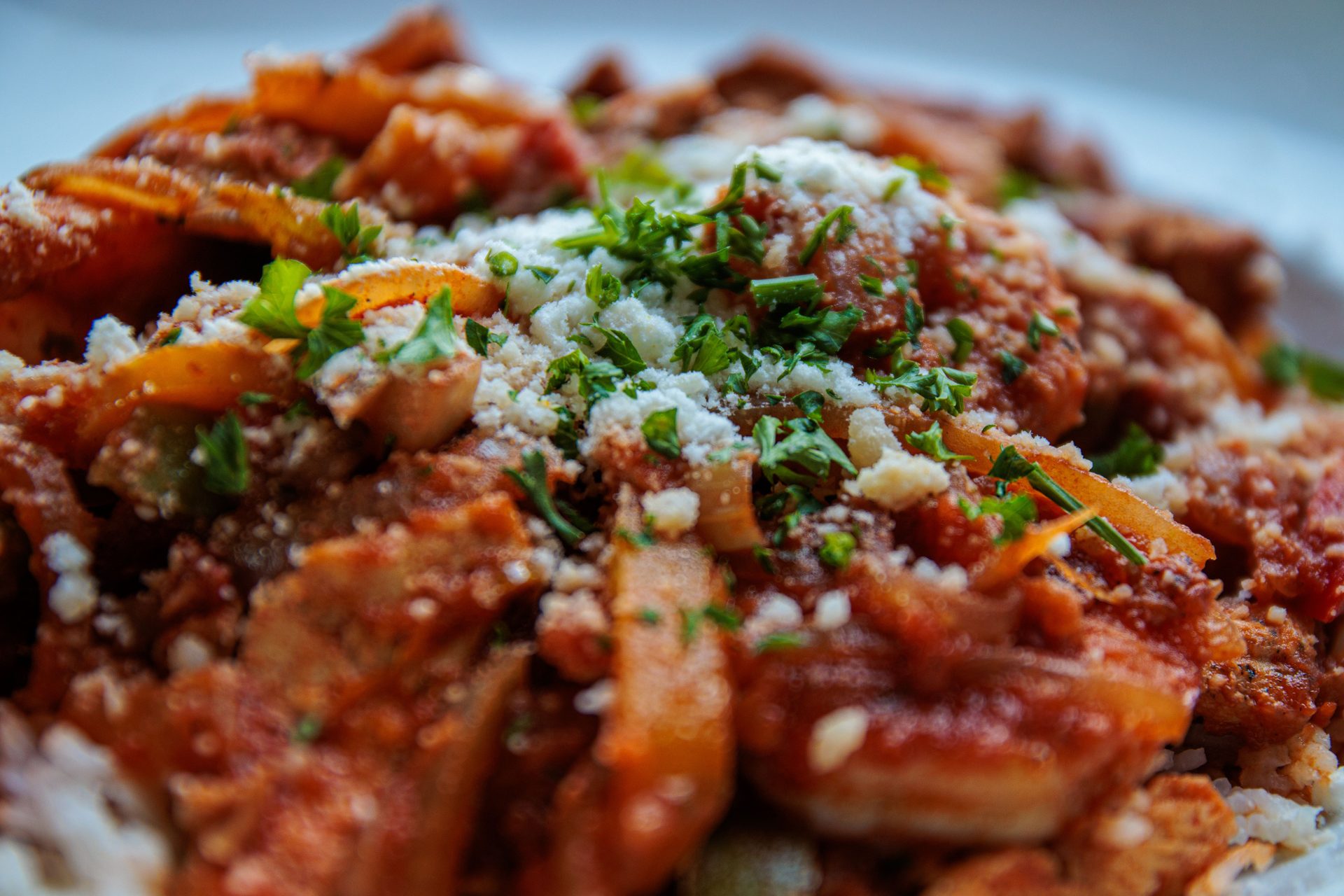
Jambalaya is one of America’s great one-pot meals — a bold, spicy Louisiana staple built on rice, meat, and the famous “Holy Trinity” of onion, celery, and bell pepper. It originated in French Louisiana during the colonial period, and today it shows up at everything from weeknight dinners to backyard cookouts across the country. The problem? A proper pot of jambalaya feeds a crowd, and leftovers pile up fast.
If you’ve ever wondered whether you can freeze jambalaya without ruining it, the short answer is yes — but there are a few things worth knowing before you reach for the freezer bags. Rice and shrimp both behave unpredictably in the freezer, and the way you pack and store the dish makes a real difference in what you get when you reheat it.
This guide walks you through everything: what freezing does to the texture and flavor, the right way to pack it, how long it keeps, safe thawing methods, and the warning signs that your frozen jambalaya has gone bad.
Can You Freeze Jambalaya?
Jambalaya can be successfully frozen if proper steps are taken. Make sure to cool the dish completely before freezing and use airtight containers or freezer bags to prevent freezer burn. Whether you made a classic New Orleans Creole version with tomatoes or a smokier Cajun-style brown jambalaya, the same rules apply.
Traditionally, the meat includes sausage of some sort — often a smoked meat such as andouille — along with pork, chicken, or seafood such as crawfish or shrimp. The vegetables are usually a sofrito-like mixture known as the “trinity” in Creole and Cajun cooking, consisting of onion, celery, and green bell pepper. The good news is that chicken, sausage, and the vegetable base all freeze well. The tricky ingredients are rice and shrimp, which require a little extra attention.
Chicken and sausage freeze well and will maintain their texture when reheated. Be sure to fully cook these ingredients before freezing to ensure food safety. Seafood is a different story — more on that below.
Pro Tip: If you know ahead of time that you’re making a big batch to freeze, cook the jambalaya base without the rice and add fresh rice when you reheat it. This single step prevents the most common complaint about frozen jambalaya: mushy, waterlogged rice.
Does Freezing Change the Texture or Taste of Jambalaya?
Reheated, frozen jambalaya is quite safe to eat if you observe the right practices regarding food hygiene and safety. However, it won’t taste quite as good as it did when you cooked it the first time around. That’s an honest assessment, and it applies to most cooked rice dishes.
The two ingredients most affected by freezing are rice and shrimp. One of the main drawbacks when it comes to freezing jambalaya is how the rice changes its texture when it’s frozen in the liquid. While it’s still completely safe to freeze and reheat, if rice is frozen inside the jambalaya mixture, the texture will not be nearly as good as when it’s fresh. This is because rice in the jambalaya gets mushy when it’s frozen.
Shrimp presents its own challenge. Frozen rice can become very mushy when frozen. The second issue is that shrimp turn spongy and flabby after freezing. If you can’t do without the shrimp, the flabby texture doesn’t affect the taste — but the mouthfeel changes noticeably.
The spices, broth, sausage, and vegetable flavors hold up well. Jambalaya freezes for 3 months and maintains its spicy, smoky, and savory flavors best when cooled and stored airtight. So the overall flavor profile survives the freezer — it’s mostly a texture issue if you don’t take precautions.
How to Freeze Jambalaya the Right Way
Getting good results from frozen jambalaya comes down to a few key decisions: what you freeze, how you cool it, and what container you use. Follow these steps for the best outcome.
Step 1: Decide What to Do About Rice and Shrimp
Before you even think about containers, decide how you want to handle the two problem ingredients:
- Rice: If you are looking to freeze the jambalaya and serve it at a later time, simply cook the jambalaya without ever adding rice. Then, on the day you are ready to serve, bring the frozen jambalaya to a boil in your favorite pot and add rice at that point.
- Undercooked rice: Another way to prevent your rice from going mushy is to cook the rice halfway through before adding it into the mix. This way the rice is still a little bit hard before you freeze, and by the time you thaw and reheat, the rice would have been fully cooked.
- Shrimp: If you’re making seafood jambalaya, it’s best to freeze the dish without the seafood and add it fresh when you reheat the meal. Seafood tends to become rubbery when frozen and reheated.
If you’re working with leftovers that already have fully cooked rice and shrimp mixed in, don’t worry — you can still freeze them. The best thing you can do is take your remaining jambalaya and store it in a food saver vacuum-sealed container. Storing the jambalaya in a container that is vacuum-sealed will help prevent moisture from escaping the rice and hence turning the rice into a clumpy, mushy mess.
Step 2: Cool It Completely
Before freezing, it’s crucial to let the jambalaya cool completely. Placing hot food in the freezer can lead to uneven freezing and can compromise the texture of the dish. Let it sit at room temperature for about 30 minutes, stirring occasionally to speed up the cooling process.
Don’t leave it sitting out longer than two hours total. Jambalaya should not sit out for longer than two hours at room temperature. After that, bacteria can begin to grow and it should be thrown out.
Step 3: Portion and Pack
Consider dividing your jambalaya into smaller portions before freezing. Using Souper Cubes to split jambalaya leftovers into one-cup or two-cup portion sizes works well. Portioning before freezing means you only thaw what you need, which protects the rest.
Airtight containers, Stasher Bags, or resealable plastic bags work well for freezing. Make sure to leave some space at the top of the container or bag to allow for expansion during freezing. If you use freezer bags, flatten the jambalaya and press the bags flat to expel air. Double the bags for extra protection from the cold air in the freezer.
Step 4: Label and Freeze
Seal the containers or bags tightly to prevent freezer burn and label each container with the date of preparation and the contents. Include any additional information, like the type of jambalaya — for example, chicken and andouille sausage, or seafood jambalaya — the quantity, or specific ingredients. This saves a lot of guesswork later when your freezer fills up.
Pro Tip: For an extra layer of protection against freezer burn, cover the top of your containers with aluminum foil or plastic wrap before sealing, then place them in the freezer. This is especially helpful if your freezer door gets opened frequently.
How Long Can You Freeze Jambalaya?
Jambalaya can be frozen for up to three months. Most sources agree on this window as the point where flavor and texture start to decline noticeably. When stored properly in the freezer, jambalaya can maintain its flavor and texture for up to three months, allowing you to enjoy it at your convenience.
In the refrigerator — for shorter-term storage — the best way to store leftover jambalaya is to place it in an airtight container and keep it in the refrigerator for up to four days.
| Storage Method | How Long It Keeps | Best Container |
|---|---|---|
| Refrigerator | Up to 4 days | Airtight container or zip-lock bag |
| Freezer (best quality) | Up to 3 months | Vacuum-sealed bag or airtight container |
| Freezer (still safe) | Up to 6 months | Double-bagged freezer bags |
Keep in mind that a general rule when preserving food made of more than a single ingredient is that the dish will generally only last as long as its quickest expiring ingredient. In the case of jambalaya, that means as long as its meat products. Seafood jambalaya will degrade faster than a chicken-and-sausage version.
How to Thaw Frozen Jambalaya
How you thaw jambalaya matters as much as how you freeze it. Rushing the process can affect texture and, more importantly, food safety.
Refrigerator thawing (recommended): Defrosting your jambalaya properly before reheating is essential. The recommended method is removing it from the freezer and leaving it in your fridge overnight. This will allow the temperature to rise slowly without having to expose the dish to room temperature, and it will help to prevent the growth of harmful bacteria.
Cold water method (faster): If you’re short on time, you can also thaw quickly by placing the frozen jambalaya in a bowl of cold water and changing out the water every 30 minutes until thawed. Make sure the bag is sealed completely before submerging it.
Avoid the oven for defrosting. Avoid using the oven for defrosting because it can make your jambalaya dry. The dry, high heat pulls moisture from the rice before the center even warms through.
Once thawed, reheat it using one of these methods:
- Stovetop: Place the pan over medium-low heat and add the leftovers. Stir the jambalaya occasionally to ensure even heating and prevent it from sticking to the bottom of the pan. If the jambalaya appears a bit dry or has lost moisture during storage, you can add a small amount of chicken broth or water to reach your desired consistency.
- Microwave: You can also reheat jambalaya in the microwave. Use a microwave-safe dish and cover it with a damp paper towel to keep the moisture in. Heat in 1-minute intervals, stirring in between, until it’s fully warmed.
Regardless of method, when reheating frozen jambalaya, make sure it reaches an internal temperature of at least 165°F to kill any potential bacteria. According to FoodSafety.gov , this temperature applies to all reheated leftovers and casseroles, especially those containing poultry or pork.
Can You Refreeze Jambalaya After Thawing?
It’s not recommended to refreeze jambalaya as it can impact the texture and taste of the dish. You don’t want to defrost jambalaya and then refreeze because the meat will not be safe to eat once thawed a second time.
This is why portioning before freezing is so valuable. When you freeze jambalaya in individual or two-serving portions, you only pull out what you need. The rest stays frozen and untouched, which keeps it safe and preserves quality.
Important Note: If your jambalaya contains shrimp or other seafood, the no-refreezing rule is especially important. Seafood is highly perishable, and repeated freeze-thaw cycles increase the risk of foodborne illness significantly.
If you thawed more than you could eat and the leftovers sat in the fridge, treat them like fresh leftovers: eat within four days and do not refreeze.
How to Use Frozen Jambalaya (Best Uses After Freezing)
Frozen jambalaya is more versatile than most people realize. Beyond simply reheating it as-is, there are several ways to use it that actually work with — rather than against — the texture changes that happen during freezing.
- Stuffed peppers: Spoon thawed jambalaya into halved bell peppers, top with shredded cheese, and bake at 375°F for 20–25 minutes. The peppers add structure and the baking re-crisps the edges.
- Jambalaya soup: Add chicken broth to your thawed jambalaya and simmer it into a thick, hearty soup. The slightly softened rice blends naturally into a stew-style consistency.
- Breakfast hash: Pan-fry thawed jambalaya in a cast-iron skillet with a little oil until the edges crisp up. Top with a fried egg for a Louisiana-style breakfast hash.
- Stuffed burritos or wraps: The bold Cajun and Creole spices in jambalaya pair well with flour tortillas, shredded lettuce, and sour cream.
- Add fresh shrimp on reheat: You can add fresh shrimp and reheat them with the rest of the jambalaya. This is the best way to get good shrimp texture in a dish that was frozen without seafood.
If you froze the jambalaya base without rice, you’ll need to defrost and get the once-frozen jambalaya up to a boiling point, then add the rice. Bring it back to a boil and allow it to simmer for 20 to 30 minutes, during which time the rice will cook and, in the process, absorb all of those beautiful flavors.
Jambalaya’s bold seasoning profile also makes it a great base for other globally inspired rice dishes — the technique of cooking rice directly in a spiced broth is common across many food cultures.
Signs That Frozen Jambalaya Has Gone Bad
Even properly frozen food can go bad. Knowing what to look for before you reheat a container of jambalaya can save you from a very unpleasant experience.
Here are three ways to know if jambalaya has gone bad. Smell and appearance are typically the best indicators — if it smells off or has visible mold, it should be thrown out. Taste is not a reliable indicator as jambalaya often has strong flavors, but if it tastes unusually sour or unpleasant, it should be discarded. Mold is not always visible on jambalaya, so if it has been in the fridge for longer than four days or in the freezer for more than three months, it’s best to throw it out.
Watch for these specific warning signs:
- Freezer burn: To prevent freezer burn, make sure your containers are airtight and remove as much air as possible from freezer bags. Freezer burn doesn’t make food unsafe, but it can cause it to lose flavor and texture. Heavily freezer-burned jambalaya will taste bland and dry even after reheating.
- Rancid or sour smell: Spoiled jambalaya would have a rancid smell and odd appearance. Trust your nose — if it smells wrong, don’t eat it.
- Slimy texture after thawing: Any unusual sliminess on the meat or rice after thawing is a sign of bacterial growth. Discard immediately.
- Discoloration: Significant color changes beyond the normal darkening of reheated rice — especially gray or green patches — indicate spoilage.
When in doubt, throw it out. Food poisoning from improperly stored meat-based dishes is not worth the risk. For more on how food choices affect your health, see this guide to foods that can have negative long-term health effects.
Frequently Asked Questions
Can you freeze jambalaya with shrimp in it?
Yes, but the shrimp will become rubbery and flabby after thawing. Despite the texture changes, the shrimp are still completely safe to eat if you decide to keep the shrimp in the jambalaya when you freeze it. For better results, freeze the base without shrimp and add fresh shrimp when you reheat.
Can you freeze jambalaya with rice in it?
Yes. If you’re freezing leftover jambalaya that has fully cooked rice, a vacuum-sealed bag is a great choice. This helps to maximize the freshness of the contents whilst keeping out moisture which could impact the texture of the rice. Expect some softening of the rice regardless.
How do you keep jambalaya from getting mushy after freezing?
The most reliable method is to add the rice when you choose to reheat it, which will prevent the risk of your rice developing a mushy texture. If the rice is already cooked in, undercooking it slightly before freezing and using a vacuum sealer are your best options.
Can you freeze Cajun and Creole jambalaya the same way?
Both Creole and Cajun jambalaya can be frozen using the same guidelines. The main practical difference is that Creole jambalaya uses tomatoes, giving it a reddish color and slightly sweeter flavor, while Cajun jambalaya is tomato-free and drier. The tomato-based Creole version may release slightly more liquid on reheating, so drain or stir well before serving.
How long does jambalaya last in the fridge before you need to freeze it?
Fresh jambalaya should keep for three to four days in the refrigerator. Its safety and quality will always depend on the ingredient with the shortest shelf life — either the seafood and/or the chicken. If you know you won’t finish it within four days, freeze it within the first 24 hours for the best quality.
Is jambalaya a good meal prep dish?
Yes — due to its popularity and the relative ease of making large batches, the dish is common at music festivals, tailgate parties, sporting events, and holiday feasts. It’s also frequently an easy weeknight meal. Freezing individual portions makes it one of the most practical batch-cooking options in American home kitchens. For more ideas on foods that support a healthy lifestyle, explore this resource on whole plant-based foods or learn about superfoods for a healthy heart.