Can You Freeze Pumpkin Puree? Storage Tips, Shelf Life, and More

November 4, 2026
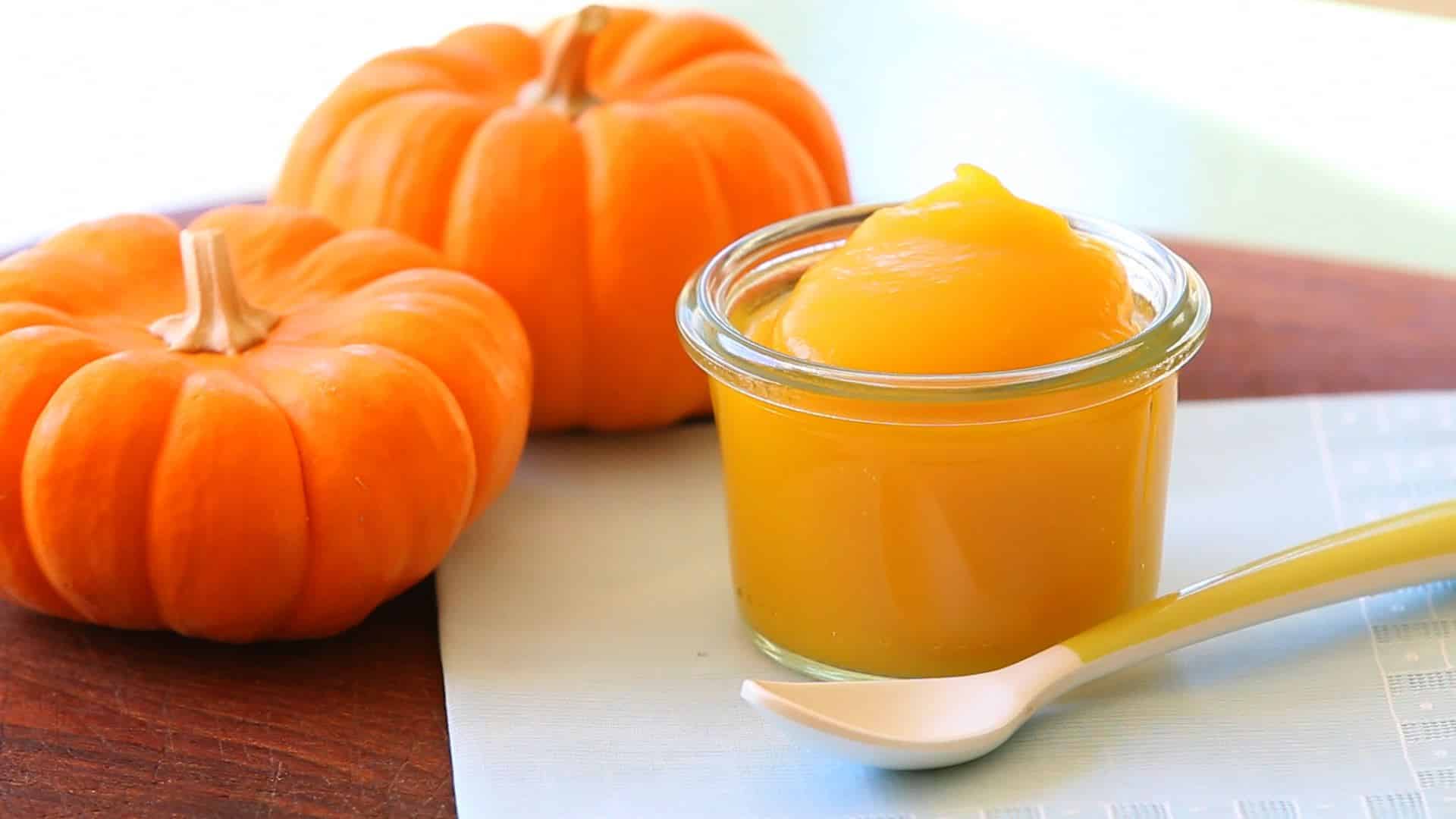
If you’ve ever cracked open a can of pumpkin puree for a single recipe and found yourself staring at the leftovers, you’ve probably wondered whether the freezer is a viable option. The short answer is yes — pumpkin puree freezes exceptionally well, and with the right technique, it can stay usable for months.
Whether you made a big batch from scratch using sugar pumpkins or you have half a can left over from a batch of pumpkin bread, freezing is far smarter than letting it sit in the fridge until it turns. This guide walks you through everything you need to know: how to freeze it properly, how long it lasts, how to thaw it safely, and when to toss it.
Can You Freeze Pumpkin Puree?
Yes, you can freeze pumpkin puree, and it is a simple way to make sure nothing goes to waste. This applies to both store-bought canned puree and homemade puree made from fresh pumpkins. Pumpkin puree is not recommended for home canning, so freezing is the best option for long-term preservation.
One important note if you’re working with a can: you cannot freeze canned pumpkin puree in the actual can. Freezing canned goods is a food safety risk — all canned goods contain some liquid, and when you freeze it, that liquid expands, causing the can to swell, crack, or even explode. Always transfer the puree to a freezer-safe bag or container first.
It also helps to freeze the puree while it’s still fresh. Make sure the puree is still fresh and hasn’t been open for too long before freezing — pumpkin puree starts to change flavor quickly and may taste sour if it has been out for too long. No more than two days after opening is best for optimal results.
Pro Tip: If you bake with pumpkin regularly, freeze plain puree only. Adding eggs, sugar, or spices before freezing can negatively affect texture and flavor once thawed — keep the mix-ins fresh.
Does Freezing Change the Texture or Taste of Pumpkin Puree?
Frozen and thawed pumpkin puree has the same taste and texture as fresh unless it was stored improperly or for too long. That said, there is one minor change worth knowing about. Freezing may slightly alter the texture by releasing extra water from the puree. You can easily drain this extra liquid by placing a wet cloth inside a sieve and pouring the puree into it.
After thawing, the puree might separate slightly. Give it a good stir to bring back its consistent texture — and don’t drain the liquid off, as that moisture will be factored into your recipes.
For recipes like soups or smoothies, any texture changes will go completely unnoticed. Baked goods like muffins, bread, and pie are equally forgiving. The main scenario where slight wateriness could matter is a very dense or precise bake — in that case, a quick drain through a fine sieve solves the problem in minutes.
How to Freeze Pumpkin Puree the Right Way
If you want your pumpkin puree to taste just as good when you thaw it, the way you freeze it makes all the difference — and luckily, it only takes a few minutes of prep. Follow these steps for the best results:
- Cool it completely. Warm puree can cause condensation, which leads to freezer burn. Let homemade puree cool to room temperature before packaging.
- Portion it out. Before freezing, consider how you’ll use the puree in the future. Freezing in specific portion sizes is very convenient — for example, if you often use a cup of puree at a time, freeze it in one-cup portions.
- Choose the right container. Spoon the puree into freezer bags or airtight containers. Silicone bags or standard freezer bags work well because they thaw quickly — flatten them out for easy stacking and space-saving in the freezer.
- Remove air. Don’t leave air in the freezer bags, as it can cause freezer burn. Press the bag flat and seal it tightly before placing it in the freezer.
- Label and date everything. Mark the bags or containers with the date of freezing and the portion size so you know exactly what you’re grabbing later.
- Freeze flat. Lay bags flat in the freezer until solid, then stack them upright like books for easy storage.
For very small amounts — such as a few tablespoons for smoothies or oatmeal — simply spoon the puree into ice cube trays or silicone molds and freeze until solid. Once frozen, transfer the cubes to a sealed freezer bag or airtight container. This works great for adding a nutritional boost to blended drinks without thawing a full portion.
Pro Tip: Use a kitchen scale to portion puree into freezer bags held open inside a tall glass. It’s the most accurate, least messy method — especially when freezing multiple portions at once.
How Long Can You Freeze Pumpkin Puree?
For the best quality, frozen pumpkin puree should be used within three to six months. While it can last longer in the freezer, the texture and flavor may begin to degrade after this time. Most sources agree on this window as the sweet spot for flavor and texture.
Here’s a quick reference for pumpkin puree storage:
| Storage Method | Shelf Life | Notes |
|---|---|---|
| Refrigerator (opened) | 3–7 days | The USDA leftovers guide puts the refrigerator window at about 3–4 days. Some sources extend this to 7 days in an airtight container. |
| Freezer (best quality) | 3–6 months | Optimal flavor and texture window for both canned and homemade puree. |
| Freezer (safe to eat) | Up to 12 months | Pumpkin puree can stay safe to eat for up to 1 year in the freezer, though consuming it within 3 months is recommended for the best taste and texture. |
If you’re storing homemade puree made from whole plant-based ingredients, the same timeline applies — just make sure the puree was fully cooked and cooled before it went into the freezer. It’s better to freeze pumpkin cooked, as it will be ready to go and the texture will be much better than if you froze it raw and thawed it later.
How to Thaw Frozen Pumpkin Puree
Thawing frozen pumpkin puree is simple, and doing it the right way keeps the texture smooth. The best method is to transfer the portion you need from the freezer to the fridge and let it thaw overnight. This is the safest and most hands-off approach.
If you’re short on time, you have two faster options:
- Warm water bath: Submerge the tightly-sealed bag in a large bowl of warm water — it will be thawed in 10–15 minutes. This works best with freezer bags where the pumpkin is squished flat.
- Microwave: To thaw pumpkin puree in the microwave without overheating, use the defrost setting or the lowest power level, heating in short 20–30 second bursts. Stir between intervals to ensure even thawing, and continue until it reaches a spoonable consistency.
No matter which method you use, be sure to thaw your pumpkin puree safely. Avoid leaving it at room temperature for more than 2 hours, as this can lead to bacterial growth.
Once thawed, let the puree come to room temperature before using it in your recipe to avoid any drastic changes in texture. Give it a good stir before adding it to batters or soups — a little separation is completely normal and not a sign of spoilage.
Can You Refreeze Pumpkin Puree After Thawing?
The general recommendation is to avoid refreezing pumpkin puree once it has been thawed. Once you’ve thawed the pumpkin puree, try not to refreeze it, as this can affect its quality and texture as well as food safety.
Technically, you can refreeze fresh pumpkin puree — but with important caveats. From a food safety perspective, refreezing is acceptable if it was thawed properly in the refrigerator and has not been left at room temperature for more than two hours. If these conditions are met, the risk of bacterial growth remains minimal.
However, quality takes a hit. The act of refreezing doesn’t come without potential consequences — while the puree may remain safe to eat, its texture, moisture content, and overall quality may deteriorate with each freeze-thaw cycle. While refrozen puree can last up to 2–3 months in the freezer, it is best used within one month for optimal taste and texture.
The simplest way to avoid this situation entirely is to freeze the puree in small, recipe-ready portions from the start. That way, you only thaw exactly what you need and never have to deal with leftovers from a thawed batch.
How to Use Frozen Pumpkin Puree (Best Uses After Freezing)
Frozen pumpkin puree can be used just like fresh. Once it’s thawed and stirred, it performs the same way in nearly every recipe that calls for canned pumpkin. Here are the best ways to put it to work:
- Pumpkin pie and pie filling: You can substitute frozen pumpkin for fresh pumpkin in most recipes, including pies. Just ensure it is thawed and properly drained if needed.
- Baked goods: It works well in most baked goods like muffins, breads, and cookies. Use it anywhere a recipe calls for canned pumpkin — pumpkin bread, donuts, pancakes, and cakes all work beautifully.
- Soups and stews: If you’re using it in a soup recipe or a smoothie, you don’t even have to defrost it first. Drop frozen cubes directly into a simmering pot and stir as the liquid melts them.
- Smoothies: Pop a couple of still-frozen ice cube-sized portions of pumpkin directly into smoothies for extra vitamins and a thick texture.
- Pasta sauces and chili: Stir thawed puree into a creamy pasta sauce or a pot of chili for added body, color, and a mild earthy sweetness. It pairs especially well with warm spices like cumin and smoked paprika.
Pumpkin puree is also a surprisingly nutritious ingredient year-round. It’s rich in beta-carotene and fiber, making it a smart addition to everyday cooking — not just fall baking. If you’re interested in how nutrient-dense foods support overall wellness, take a look at this guide to powerful nutrients and foods worth keeping in your kitchen. For skin-friendly cooking, pumpkin’s antioxidant profile also makes it one of the standout foods for healthy skin.
Pro Tip: If your thawed puree seems a bit watery for a dense bake like pumpkin pie, strain it through a fine mesh sieve lined with cheesecloth for 10–15 minutes. This firms it up without losing flavor.
Signs That Frozen Pumpkin Puree Has Gone Bad
Even when stored properly, pumpkin puree can eventually degrade. Before using any frozen puree, do a quick check using your senses. Signs that pumpkin puree has spoiled include mold, color darkening or discoloration, an off-smelling odor, and a slimy or watery consistency.
Here’s what to look for specifically:
- Visible mold or discoloration: Examine the color first — any sign of discoloration or mold means it’s time to toss.
- Off or sour odor: If the puree doesn’t smell like pumpkin, or smells “funny” or sour, it’s no good.
- Freezer burn: Discard if the surface shows grayish-yellow discoloration or dry, frosty patches, which are signs of freezer burn.
- Grainy or separated texture after thawing: Some liquid separation is normal and fixable with a stir. However, if you’re unsure whether the puree has been in the freezer too long, check it once thawed — any off smells or significant changes in texture may indicate it’s past its prime.
- Metallic or paint-like smell: This can indicate oxidation from improper sealing. When in doubt, throw it out.
When in doubt, let the pumpkin puree thaw completely and check its smell and appearance. Any weird or off-putting odor, mold, discolorations, or freezer burn are signs it’s not safe to eat anymore. Never taste-test puree that looks or smells questionable.
Keeping a well-stocked freezer with properly labeled, portioned ingredients is one of the easiest ways to reduce food waste and eat well throughout the year. For more ideas on building a health-forward kitchen, explore this overview of superfoods for a healthy heart and this look at foods that support liver function — many of which freeze just as well as pumpkin puree.
Frequently Asked Questions
Can You Freeze Canned Pumpkin Puree Directly in the Can?
No. All canned goods contain some liquid, and when you freeze it, that liquid expands — causing the can to swell, crack, or even explode. Always transfer the puree to a freezer-safe bag or airtight container before freezing.
Can You Freeze Pumpkin Pie Filling?
Yes, you can freeze pumpkin pie filling. This is especially useful during the holiday season when you might make more filling than necessary — just like pumpkin puree, portion it out, package it correctly, and freeze it. Keep in mind that pie filling with added eggs and spices may thaw with a slightly different texture than plain puree.
How Long Does Opened Pumpkin Puree Last in the Fridge?
Once opened, a can of pumpkin puree keeps in the fridge for 5 to 7 days. Make sure to transfer the leftovers to an airtight container so they don’t get contaminated and go bad prematurely. If you won’t use it within that window, freeze it right away.
Can You Use Frozen Pumpkin Puree Without Thawing It First?
In some cases, yes. If you’re using it in a soup recipe or a smoothie, you don’t have to defrost it. For baking, though, you’ll want to thaw it fully and bring it to room temperature so it incorporates properly into batters and doughs.
Does Homemade Pumpkin Puree Freeze the Same Way as Canned?
Yes — the process and timeline are identical. You can freeze pumpkin puree for months, and this method works with both homemade and store-bought varieties. Just make sure homemade puree is fully cooked, cooled, and free of any added dairy or eggs before freezing for the best results.
What’s the Best Type of Pumpkin to Use for Homemade Puree?
Small pie pumpkins are a great choice — they have a smooth texture and a sweeter flavor. Larger pumpkins work too, but flavor will vary. Some decorator-style pumpkins are not bred for flavor. For homemade puree, stick with sugar pumpkins or pie pumpkins for the best results in baking and cooking.