Can You Freeze Nutella? What to Know Before You Put That Jar in the Freezer

November 3, 2026
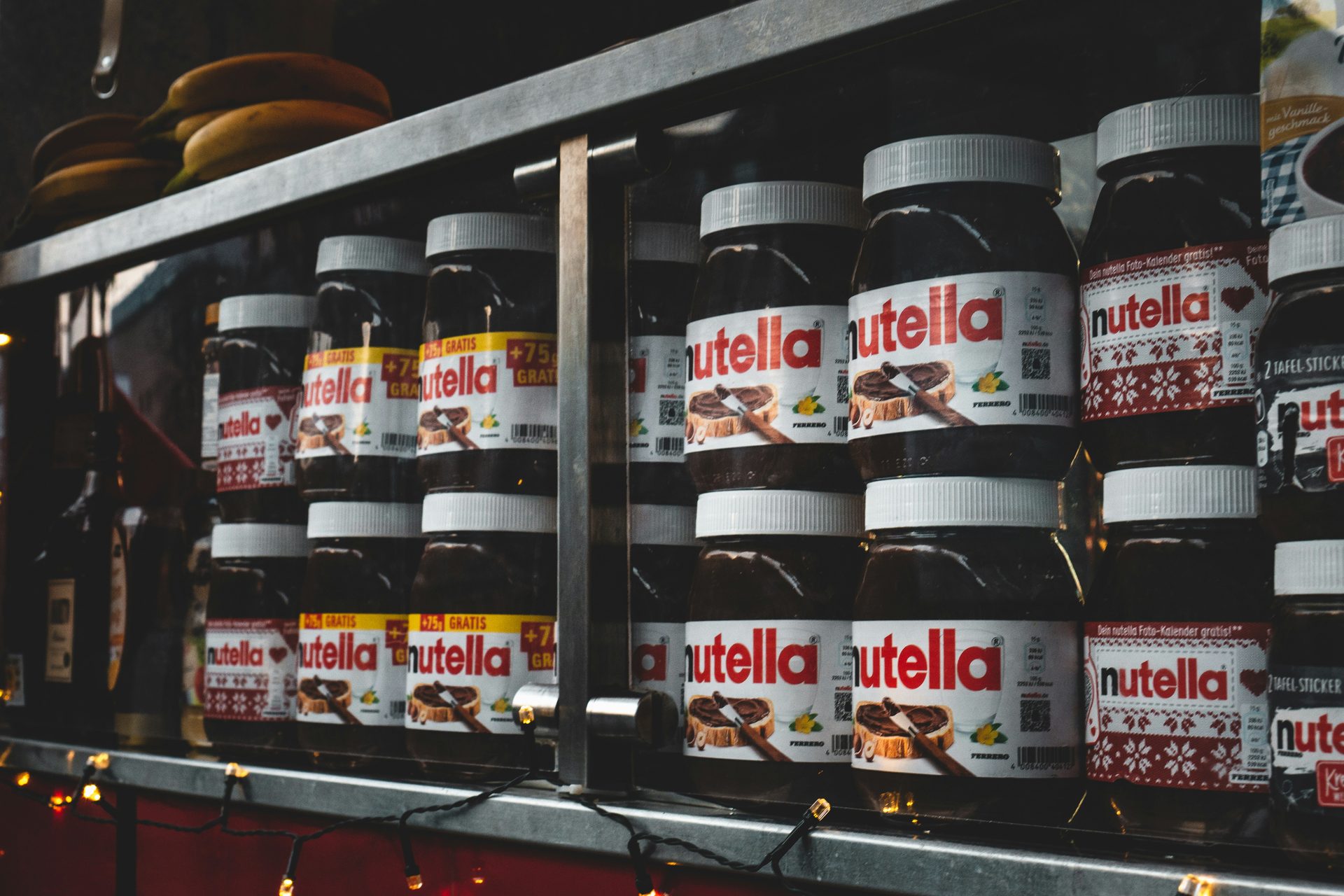
Spotted a great deal on Nutella at Costco and grabbed a few extra jars? Or maybe you opened one, used a few spoonfuls, and now you’re wondering if the freezer can buy you more time. Either way, the question is the same: can you actually freeze Nutella without ruining it?
The short answer is yes — with some important caveats. You can freeze Nutella in its jar or in smaller portions, and the product stays safe to eat. The main trade-off sits in texture and flavor. Knowing what to expect — and how to do it right — makes all the difference between a jar worth eating and one you’ll toss in the trash.
Can You Freeze Nutella?
Yes, you can freeze Nutella for up to 6 months. The best way to do this is to simply place an unopened jar into the freezer and leave it there. It will freeze solid and remain perfectly safe to eat for at least 6 months, provided it’s still sealed.
The reason Nutella freezes relatively well is that it is essentially a hazelnut paste with added seasonings and oil. This means there is no significant water content that might freeze, expand, and cause the jar itself to crack, split, or break in any meaningful way.
That said, Ferrero — the company that makes Nutella — does not recommend freezing. The maker advises storage between 18–24°C (64–75°F) in a cool, dry place, with no refrigeration at all. Freezing is a workaround for specific situations, not the default storage method. If you go through a jar within a few months, room-temperature storage in your pantry is perfectly fine and requires zero extra effort.
Pro Tip: Freezing makes the most sense when you’ve stocked up during a sale, live somewhere with a consistently warm kitchen, or know you won’t open a jar for several months. For everyday use, your pantry shelf is all you need.
Does Freezing Change the Texture or Taste of Nutella?
Yes — and this is the part most people don’t expect. The spread does not freeze into a rock-hard ice block the way soup or fruit does, but it does become much firmer than in the cupboard. The fat phase reacts to cold by turning solid, giving frozen Nutella a dense, slightly crumbly feel until it warms back up.
During the freezing process, the water content in Nutella forms ice crystals. These ice crystals can disrupt the structure of fats and sugars, leading to changes in texture. The formation of ice crystals can also affect the stability of emulsifiers present in Nutella, such as lecithin, which helps keep the spread smooth and creamy.
After thawing, some jars show a thin layer of oil on top or tiny sugar crystals. This is normal and doesn’t mean the Nutella has gone bad. A good stir with a clean spoon usually brings it back to a workable consistency. The flavor itself holds up reasonably well — the chocolate and hazelnut notes survive freezing — but Nutella never returns to the exact same silky flow you get from a fresh jar in the cupboard. Tiny sugar crystals may form, and the spread can feel thicker on the tongue. If you enjoy Nutella mainly straight from the spoon or on bread, that shift might bother you.
The takeaway: frozen Nutella works great as a baking ingredient or mix-in, but it may disappoint if you’re expecting fresh-jar spreadability on your morning toast.
How to Freeze Nutella the Right Way
How you freeze Nutella depends on whether the jar is still sealed or already opened. Both methods work — they just require slightly different steps.
Freezing an Unopened Jar
The best way to freeze Nutella is in an unopened container, because it is still vacuum sealed. It will keep its original texture a bit better and will be less likely to have freezer burn. All you need to do is label the jar with the date and place it in the freezer. That’s it.
One important caution: a Nutella jar is made from regular glass, so it will be very brittle when frozen. Be careful not to drop the jar or treat it too roughly. If you’re at all concerned, transfer the Nutella to a freezer-safe plastic or silicone container before freezing.
Freezing an Already-Opened Jar
For an open jar, you have two options: freeze it in the original container or portion it out first. You can freeze Nutella in smaller, single-serving portions — an excellent strategy for portion control that also allows for faster thawing when you’re ready to use it.
- Seal the container tightly. Before freezing, ensure the jar is tightly sealed. This prevents air from entering, which can lead to freezer burn and affect the quality of the spread.
- Press out excess air. Remove any excess air from the container before sealing it by pressing down on the Nutella gently, allowing any trapped air to escape. This helps prevent freezer burn and maintains the spread’s texture and taste.
- Use freezer-safe containers. Transfer the Nutella to a freezer-safe container. Look for airtight containers made of materials like BPA-free plastic or silicone.
- Portion into cubes for convenience. Scoop Nutella into silicone ice cube trays, small muffin tins lined with paper cups, or tiny airtight containers. Level the tops so cubes sit flat. Freeze until solid, then pop them out and place them in a zip-top freezer bag, pushing out extra air before sealing.
- Label everything. Label the container with the date of freezing. This will help you keep track of how long the Nutella has been frozen, ensuring you consume it within the recommended time frame for best quality.
Pro Tip: Silicone ice cube trays are ideal for portioning Nutella. Each cube equals roughly one to two tablespoons — perfect for dropping straight into brownie batter or oatmeal without thawing the whole batch.
How Long Can You Freeze Nutella?
Nutella can be safely stored in the freezer for an extended period, generally up to six months, while maintaining optimal quality. Beyond this period, while it may still be safe to consume, you might start to notice subtle changes in its texture or flavor.
Beyond six months, freezer burn will likely start as ice crystals form on and in the Nutella. This will dissolve the sugar content of the Nutella, ruining the texture itself. For best results, plan to use frozen Nutella within that six-month window.
It’s also worth keeping the bigger picture in mind. Once opened, the brand states a shelf life of about twelve months for most formats when stored in proper conditions at room temperature. That means freezing rarely stretches the usable period by much for a regular household, and the texture trade-off may not feel worth it if you go through a jar in a reasonable time.
| Storage Method | Estimated Shelf Life | Texture Impact |
|---|---|---|
| Pantry (unopened) | Up to best-by date + several months | None |
| Pantry (opened) | Up to 12 months | None |
| Freezer (unopened) | Up to 6 months | Slight — firms up, may need stirring after thaw |
| Freezer (opened, portioned) | Up to 6 months | Moderate — grainier, best used in recipes |
How to Thaw Frozen Nutella
Thawing Nutella is straightforward, but the method matters. The easiest method is to move Nutella from the freezer to a cool spot on the counter and wait. A full jar may need half a day or more. Smaller portions usually soften within an hour.
It is best not to defrost Nutella in the microwave, as this sometimes makes the chocolate seize and makes the texture strange. Similarly, avoid thawing it in the refrigerator. The best way to defrost Nutella is to leave it on the counter in your kitchen for a few hours. If you leave it in the fridge, the fat content will still be a little solid when you come to it, making it difficult to spread. Allowing it to sit at room temperature results in a smooth spread.
Once thawed, stir the spread slowly with a clean spoon. Allowing the Nutella to fully thaw before removing the lid will allow you to instantly mix the solution you’re dealing with. The Nutella may separate slightly during freezing, so a post-freeze mix will make the spread a little more appealing.
Can You Refreeze Nutella After Thawing?
This is where opinions in the food community diverge. Some sources say refreezing is fine; others strongly advise against it. The more cautious — and practical — position is to avoid it when possible.
It is generally not recommended to refreeze Nutella after it has been thawed. Refreezing can significantly degrade the quality of the spread, leading to further textural changes such as increased graininess and potential oil separation that is harder to rectify. Repeated freezing and thawing cycles can also introduce more moisture into the product, which can affect its stability.
To avoid this, it’s best to only thaw the amount of Nutella you intend to use in the near future. If you find yourself with partially thawed Nutella that you decide not to use immediately, it’s better to store it in the refrigerator and consume it within a few weeks rather than refreezing it.
This is exactly why portioning Nutella into individual servings before freezing is such a smart move. You only thaw what you need, which removes the temptation to refreeze the rest. If you enjoy whole food-based spreads and ingredients in your everyday cooking, the portioning habit transfers well across the board.
How to Use Frozen Nutella (Best Uses After Freezing)
Frozen or just-thawed Nutella may not spread on toast the way a fresh jar does, but it shines in plenty of other applications. Since Nutella isn’t quite as good after it has been frozen and defrosted, using it as an ingredient in a frozen dessert is a great way to enjoy the sweet and creamy goodness of Nutella without noticing that it’s not quite as good as it is fresh.
Here are the best ways to put frozen Nutella to work:
- Frozen desserts: You can use it to make ice cream, milkshakes, fudgesicles, ice cream cake, or frozen yogurt.
- Baking: Freezing small portions for baking can help too, since you can drop a frozen cube straight into cookie dough or brownie batter.
- Hot drinks and oatmeal: Frozen portions work well stirred into hot oatmeal, folded into batter, melted into warm milk, or blended with frozen fruit.
- Nutella bites: Scoop small portions onto a parchment-lined baking sheet, freeze until firm, and eat them straight from the freezer as a cold snack.
- Smoothies and shakes: Frozen Nutella can be used in various recipes, such as frozen desserts, baked goods, and smoothies.
If you love using nutrient-rich ingredients in everyday meals, check out this guide to foods that promote healthy skin for more ideas on building a well-rounded pantry. And for those who enjoy exploring global flavor inspiration, traditional Greek foods offer plenty of hazelnut and chocolate-adjacent dessert ideas worth trying.
Pro Tip: Got an almost-empty Nutella jar? Pour in a splash of whole milk, seal it, shake it, and freeze it. The result is a creamy Nutella-flavored popsicle — no mold required.
Signs That Frozen Nutella Has Gone Bad
Nutella’s high sugar and fat content make it fairly resistant to spoilage, but it’s not immune — especially after months in the freezer or improper storage. Four simple methods — smell, taste, appearance, and texture — can help determine if your Nutella has turned.
Watch for these warning signs:
- Visible mold: Inspect Nutella for any visible mold growth, which may appear as fuzzy spots of various colors. The presence of mold indicates that the Nutella is no longer safe to eat.
- Off smell: Fresh Nutella emanates the aroma of chocolate and nuts. If an unpleasant smell emanates from your Nutella, it means it has gone bad.
- Dry, hardened texture that won’t recover: If you see that your Nutella has become hard and dry, it is spoiled and should be discarded. This is different from the normal firmness of frozen Nutella, which softens after thawing.
- Dull or off color: Any changes in color or texture warrant immediate disposal. A dull or off-color Nutella should never be consumed.
- Loss of chocolate flavor: If your Nutella lacks the distinct taste of chocolate, it should be discarded.
- Severe freezer burn: Freezer burn occurs when food is exposed to cold air and loses moisture, resulting in dry, discolored patches and an unpleasant taste. Mild freezer burn on the surface can sometimes be stirred in, but heavy freezer burn throughout means it’s time to throw it out.
When in doubt, trust your senses. A jar of Nutella that smells rancid, looks wrong, or tastes flat isn’t worth the risk. For a broader look at how food quality and safety connect to your overall wellbeing, the guide to superfoods for a healthy heart is a useful companion read.
Frequently Asked Questions
Can you freeze Nutella in the original glass jar?
Technically yes for an unopened jar, but with caution. When it’s freezer cold, glass can be very brittle. The exception is borosilicate glass, which items like Pyrex dishes are made from. A Nutella jar is made from regular glass, so it will be very brittle when frozen. Handle it gently, and consider transferring to a plastic or silicone container if you’re worried about breakage.
Does Nutella freeze solid?
When frozen, Nutella solidifies just like chocolate or butter. It becomes firm and dense, not rock-hard like water-based foods. As it thaws, Nutella turns exceptionally soft.
How long does it take for Nutella to freeze?
Nutella will typically freeze solid within 2–3 hours. However, the freezing time may vary depending on the amount of Nutella you are freezing and the temperature of your freezer. Smaller portioned cubes freeze faster than a full jar.
Can you freeze Nutella sandwiches?
Although Nutella sandwiches can be frozen, it’s not a good idea. They will never thaw well. Instead, freeze Nutella and bread apart.
Is it safe to eat Nutella past its best-by date?
Unopened jars are typically safe to consume for an extended period, often several months past the best-by date. Consumers are advised to observe the spread for any changes in smell, texture, or taste, as these are signs that the Nutella may have gone bad. Quality and freshness may begin to decline over time, so even if Nutella is safe to eat beyond the best-by date, its flavor might not be as intended.
What is the best way to store Nutella day-to-day?
Nutella’s composition is such that it does not require refrigeration, and it should ideally be kept in a pantry or on a kitchen counter away from direct sunlight and heat sources. The jar must be sealed properly after each use. It is also important to use clean utensils when serving Nutella to prevent the introduction of bacteria which could lead to contamination. For more on smart food storage habits and building a kitchen that supports your health goals, explore this overview of Nutella storage rules and texture tips or browse our guide to foods that support liver function for a broader nutritional perspective.