Can You Freeze Walnuts Out of the Shell? (Yes — Here’s How)

October 24, 2026
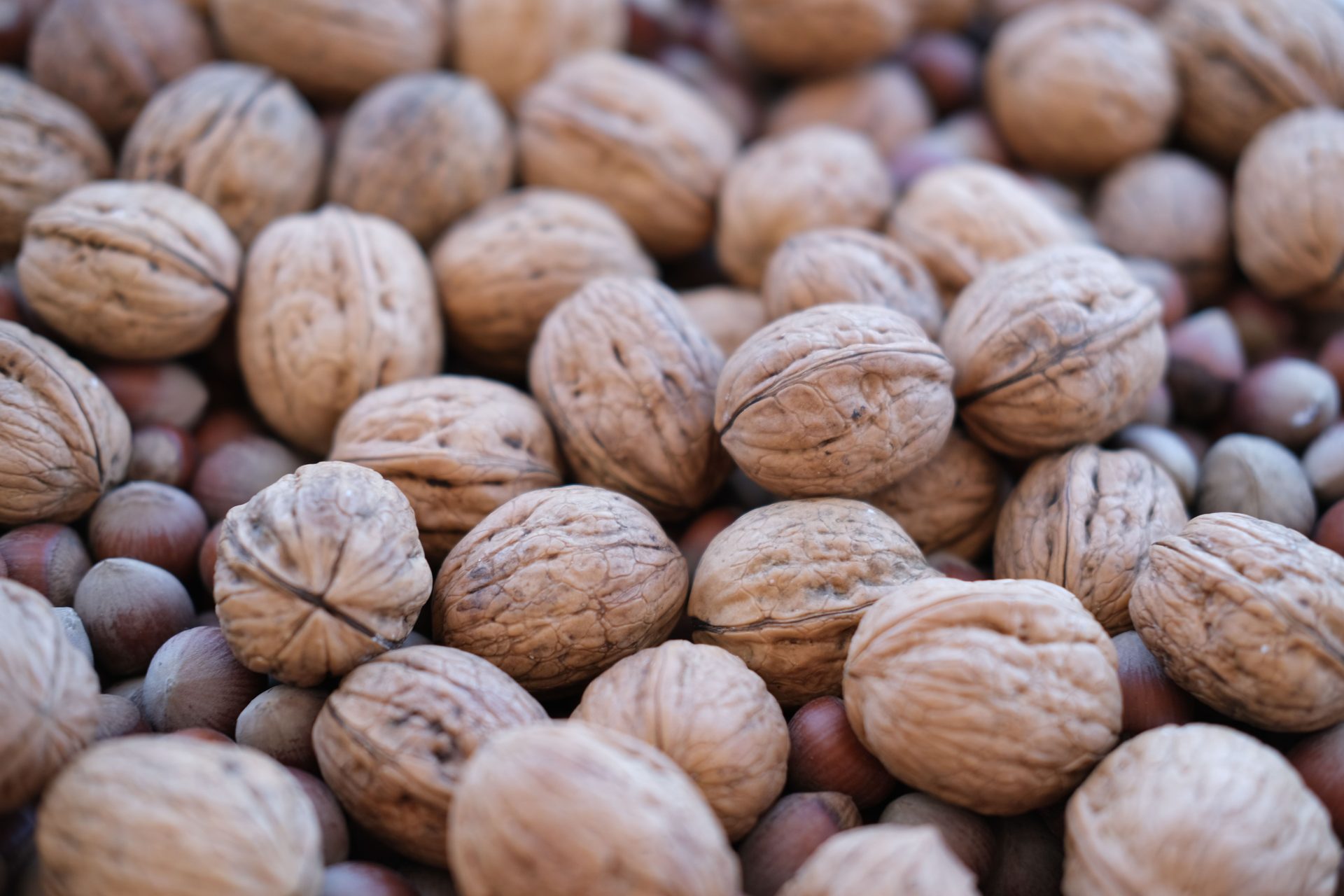
Walnuts are one of the easiest nuts to overbuy. You grab a big bag at Costco or stock up during the fall harvest season, and suddenly you have far more than you can use before they go bad. The good news: freezing shelled walnuts works exceptionally well, and it’s one of the simplest ways to keep them fresh for months.
Because of their high oil content, walnuts must be stored properly to avoid becoming rancid. The freezer solves that problem almost entirely. Whether you bought a bulk bag of walnut halves from the store or shelled a fresh harvest yourself, this guide walks you through everything you need to know.
Can You Freeze Walnuts Out of the Shell?
Yes, you can freeze walnuts, and they can be kept for up to one year in the freezer. Both unshelled and shelled walnuts can be frozen the same way. Freezing shelled walnuts is especially practical because you skip the cracking step every time you need a handful.
Freezing allows you to preserve the freshness, texture, and taste of the walnuts. Freeze them as fresh as possible or right after purchase to get the best results. The longer walnuts sit at room temperature before you freeze them, the more flavor they lose going in.
The high content of fatty acids means that nuts without a shell go bad faster when these fats make contact with oxygen. In the case of chopped or ground nuts, this happens even faster due to the increased surface area. That’s exactly why the freezer is your best friend when you have more shelled walnuts than you can use in a few weeks.
Walnuts are also a nutritional powerhouse worth protecting. They’re rich in omega-3 fatty acids, antioxidants, and other compounds linked to heart health and cancer-fighting nutrients — all the more reason to store them in a way that preserves their quality.
Does Freezing Change the Texture or Taste of Walnuts?
This is the question most people have before they commit to freezing a large batch. The short answer is: the changes are minor and rarely noticeable in everyday use.
Freezing can alter the texture of walnuts, causing them to become slightly softer. The freezing process can also affect their taste, leading to a mild loss of flavor. However, these changes are generally subtle and may not be noticeable in most recipes.
When walnuts are frozen, the water inside their cells expands, causing the cell walls to rupture. This can result in a slightly softer texture compared to fresh walnuts. In practice, you’ll notice this most if you eat them plain as a snack. In baked goods, salads, or oatmeal, the difference is almost undetectable.
When it comes to walnuts, freezing does not significantly impact their nutritional value. The freezing process primarily affects the texture and taste of walnuts rather than their nutrient content. Therefore, freezing walnuts can be an excellent way to enjoy their nutritional benefits all year round.
Pro Tip: If texture matters to you — for example, when using walnuts as a topping or eating them as a snack — let them come to room temperature after thawing and give them a quick toast in a dry skillet. This restores their crunch and brings out their flavor.
How to Freeze Walnuts Out of the Shell the Right Way
Freezing shelled walnuts takes only a few minutes of prep. Follow these steps to avoid clumping and freezer burn.
- Start with fresh, dry walnuts. Select fresh, good-quality walnuts and ensure they are free from any mold, cracks, or signs of spoilage. Fresh walnuts will have a mild, nutty aroma. Discard any that smell off or look shriveled before you freeze anything.
- Pat them dry if needed. Pat the walnuts dry using a clean towel. It’s important to remove excess moisture to prevent ice crystals from forming during freezing, which can affect the texture of the walnuts.
- Flash freeze on a baking sheet. Lay your walnuts in a single layer on a baking sheet, ensuring they aren’t clumped together. This technique is commonly referred to as flash freezing. Once they’re frozen, you can then transfer them to your chosen airtight container or freezer-safe bag.
- Transfer to an airtight container or freezer bag. Store shelled nuts in plastic freezer bags or jars to minimize absorption of external flavors and moisture. If using a bag, press out as much air as possible before sealing.
- Label with the date. Label the bag or container with the freezing date to keep track of how long they’ve been stored. This takes two seconds and saves a lot of guesswork later.
- Freeze whole, not chopped. Avoid freezing ground or chopped walnuts as this will impair the quality of flavor. Instead, freeze the walnuts whole and then grind or chop them once defrosted.
When storing walnuts in your refrigerator or freezer, store them away from foods with strong odors — such as fish, cabbage, and onions. Walnuts can absorb the flavors of other foods. The same rule applies in the freezer, so keep them away from strongly scented items.
Pro Tip: Freeze walnuts in portion-sized bags — for example, one cup per bag. That way you only thaw what you need for a recipe, and the rest stays frozen and fresh.
How Long Can You Freeze Walnuts Out of the Shell?
Shelled walnuts hold up very well in the freezer, especially compared to pantry or even refrigerator storage.
| Storage Location | Approximate Shelf Life |
|---|---|
| Pantry (room temperature) | 2–4 weeks |
| Refrigerator | Up to 6–12 months |
| Freezer (best quality) | 12–24 months |
| Freezer (safe indefinitely) | Continuously frozen at 0°F |
Properly stored, shelled walnuts will maintain best quality for about 18 to 24 months in the freezer, but will remain safe to consume after that time if they have been continuously frozen. The freezer time shown is for best quality only — shelled walnuts kept constantly frozen at 0°F will keep safe indefinitely.
They can be stable for as long as two years in the freezer if they remain constantly frozen, but the longer they stay in there, the greater the risk of flavor and quality declining. As a rule of thumb, if you need to keep raw walnuts for longer than a month, they should be frozen.
According to the California Walnuts board , if you buy walnuts in sealed packaging, you can store them in their original packaging in the refrigerator or freezer. Once you open the bag, transfer the walnuts to an airtight container to maintain freshness and then place them back in the refrigerator or freezer.
How to Thaw Frozen Walnuts
Thawing frozen walnuts is straightforward, and in many cases you don’t even need to thaw them at all.
Thaw in the refrigerator (recommended): To defrost frozen walnuts, just transfer the pack of nuts from the freezer to the fridge. Leave the nuts to thaw for a few hours to overnight. This is the safest method and reduces any risk of the fats turning rancid from temperature swings.
Thaw at room temperature (quick method): You can thaw walnuts at room temperature in about 15 minutes. This works fine for small amounts, but don’t leave them sitting out for hours. If you are thawing your frozen walnuts at room temperature, avoid keeping them out for long.
Use straight from frozen (for cooking): If you will be cooking with the walnuts or toasting them, you will not need to defrost them — they can be used straight from the freezer. Toss them directly into a baking batter, stir-fry, or onto a sheet pan.
Toast from frozen (for snacking): Preheat the oven to 375 degrees Fahrenheit. Line a baking sheet with parchment paper. Lay the shelled walnuts spread across the baking pan. Place them in the oven and toast for 5 to 10 minutes until the walnuts turn golden brown.
Can You Refreeze Walnuts After Thawing?
It’s best to avoid refreezing walnuts as it can impact their texture and taste. Use thawed walnuts promptly.
Refreezing is not the best idea. Once you’ve decided to thaw your walnuts, aim to use the entire batch or portion you’ve taken out. Refreezing can impact the texture and sometimes even the taste. If you’ve stored your walnuts in smaller amounts or individual portions, this becomes super convenient.
The simplest way to avoid this situation is to freeze in small, single-use portions from the start. That way you only ever pull out what you need, and the rest of the batch stays undisturbed in the freezer.
Pro Tip: Measure out common recipe amounts — 1/2 cup, 1 cup — before freezing. Label each bag and you’ll never have to thaw more than you need.
How to Use Frozen Walnuts (Best Uses After Freezing)
Frozen and thawed walnuts are versatile in the kitchen. They work best in applications where a slight softness in texture doesn’t matter — which covers most everyday uses.
- Baking: Frozen walnuts go straight into brownie batter, banana bread, muffins, and cookies without thawing. The heat from the oven handles everything.
- Salads and grain bowls: Thaw a small portion and toss them over a kale salad, quinoa bowl, or roasted vegetable plate. A quick toast first adds crunch back.
- Oatmeal and yogurt parfaits: Chop them up to garnish salads, yogurt, fruit bowls, or oatmeal. They thaw in minutes at room temperature.
- Homemade pesto or walnut sauce: Frozen walnuts blend just as smoothly as fresh ones once thawed.
- Snacking: Let them thaw in the fridge overnight and bring to room temperature before eating. Toast them briefly for the best texture and flavor.
- Smoothies: Add them frozen directly to your blender for a boost of healthy fats without any prep.
Walnuts are a great addition to a whole plant-based diet and have been associated with supporting liver function and eye health. Keeping a stash in the freezer means you always have them ready to add to meals.
According to Michigan State University Extension , it is the oil content of walnuts — though mostly healthier polyunsaturated fat — that makes proper storage important. Exposure to warm temperatures for long periods of time will cause the fat in walnuts to change and turn rancid. Freezing stops that process entirely, so you can use them confidently in any recipe.
Signs That Frozen Walnuts Have Gone Bad
Even frozen walnuts can eventually decline in quality. Here’s what to check before you use them.
Smell: Fresh walnuts have a mild nutty aroma. If the walnut instead smells like rancid oil, or even cooking oil, it is rancid and should be thrown away. Rancid nuts are not necessarily very dangerous to your health, but their nutritional content does diminish, and they will not have the greatest taste.
According to MSU Extension , you can tell walnuts are turning old if they are rubbery or shriveled. They have turned rancid if they have a strange odor similar to paint thinner. Throw away rancid walnuts.
Appearance: If you are unsure, you can crack the shell and look inside. If there is a net forming on the walnut, or if there are any signs of mold, it should be thrown away. Shelled walnuts that look shriveled, discolored, or have visible mold spots should be discarded immediately.
Taste: The longer you store them, the likelier it is that more of them will turn bad and taste bitter — no one wants to eat or use bitter walnuts in their desserts. A quick taste test before adding them to a recipe is always a good idea if they’ve been in the freezer for over a year.
Freezer burn: White, dry patches on the surface of the walnut mean moisture has escaped. Freezer-burned walnuts aren’t unsafe to eat, but the texture and flavor will be noticeably worse. Proper airtight packaging prevents this entirely.
Frequently Asked Questions
Can you freeze walnuts in their original store packaging?
If the walnuts are in their original, unopened packaging, there is no need to prep them — you can simply put the package into the freezer. For optimal flavor and freshness, however, it’s recommended to transfer them to airtight containers or resealable freezer bags.
Do frozen walnuts need to be thawed before eating?
Not always. If you will be cooking with the walnuts or toasting them, you will not need to defrost them — they can be used straight from the freezer. For snacking, let them thaw in the fridge for a few hours or at room temperature for about 15 minutes.
What’s the best container for freezing walnuts?
You can choose a plastic freezer container that seals airtight, or a sealable freezer bag. Both options work well to keep air and moisture locked out, further preserving the nuts stored within. Glass mason jars with tight lids also work well and resist odor absorption.
Can you freeze walnut halves and walnut pieces the same way?
Yes. The process is identical for halves and pieces. Just note that in the case of chopped or ground nuts, the increased surface area means they lose flavor more quickly, so be sure to eat or cook with these products promptly after thawing.
Is it better to refrigerate or freeze walnuts?
According to the California Walnut board, the best way to store walnuts is in your refrigerator or freezer. If you are going to use the walnuts right away, put them in the refrigerator. If you’ll be storing them longer than a month, go ahead and store them in the freezer.
Can freezing walnuts help if I bought them in bulk?
Absolutely. When purchasing walnuts in bulk, it is best to transfer the nuts into airtight containers when you get home. Divide them into portion-sized bags before freezing so you can pull out only what you need each time. Walnuts are also a great addition to anti-inflammatory diets and skin-healthy eating plans, so having a steady supply on hand makes it easy to use them regularly.