Can You Freeze Fresh Corn With the Husk On? (Yes — Here’s How)

October 22, 2026
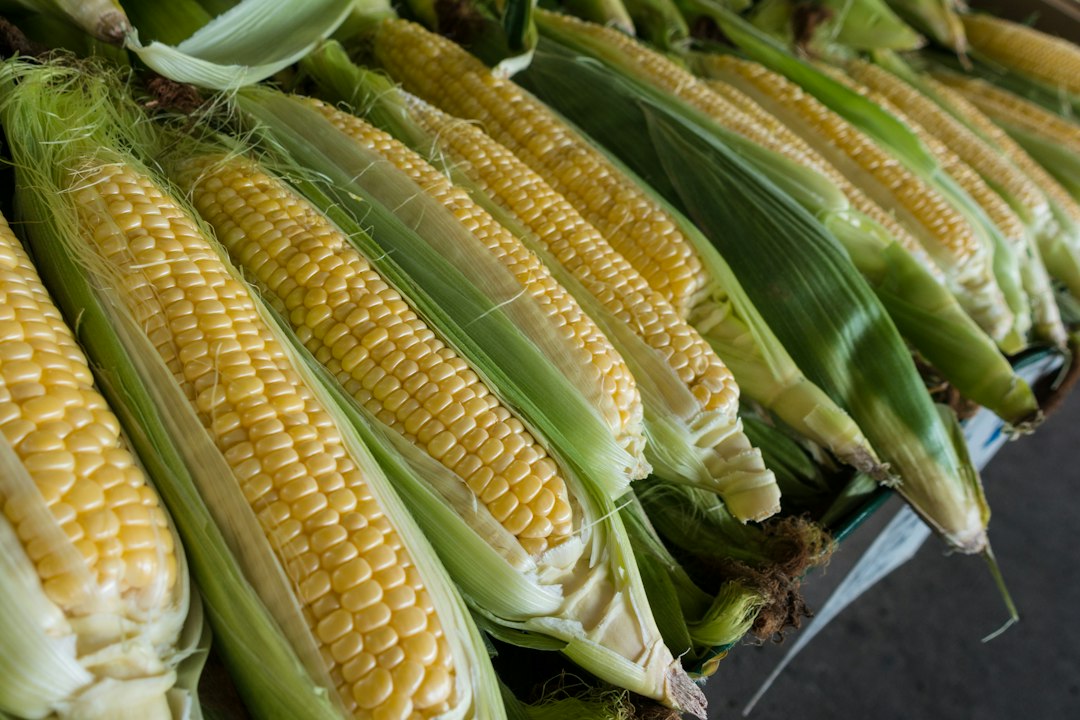
Sweet corn season in the United States runs from roughly June through September, and it moves fast. If you’ve ever come home from a farmers market or roadside stand with more ears than you can eat in a few days, you’ve probably wondered whether you can just toss them straight into the freezer — husk and all.
The short answer is yes. You can freeze corn on the cob in the husk without blanching it first, and it’s the easiest way to enjoy delicious, fresh corn once summer has ended. That said, there are a few things worth knowing before you load up the freezer — including how long it will stay good, what happens to the texture, and when blanching makes more sense.
Can You Freeze Fresh Corn?
Yes, and corn is one of the more forgiving vegetables to freeze. Corn freezes excellently, maintaining just about all its sweet flavor and crunchy, bouncy texture — and with a few minutes of prep you can enjoy fresh corn well into the cold months.
You have a few different options: freeze the whole ear in the husk, shuck and blanch the cobs first, or cut the kernels off and freeze them loose. The best method depends on how long you want to store it and how you plan to use it later. This article focuses specifically on freezing corn with the husk on, but covers all the key details you need to make the right call for your situation.
One thing that matters regardless of method: timing. For the sweetest flavor, freeze corn within 24 hours of picking or buying if possible — the sugars in corn start turning to starch as soon as it’s harvested, which dulls the flavor over time. If you’re buying from a grocery store rather than a farm stand, avoid pre-husked corn when you can, since corn starts to lose its sweetness as soon as it’s husked — buy ears still in the husk and wait to peel them until you’re ready to prep and freeze.
Does Freezing Change the Texture or Taste of Fresh Corn?
Somewhat, yes — but less than you might expect. While the texture of the corn won’t be as crisp and fresh, frozen corn on the cob is quite close in taste and texture to its fresh counterpart, and it makes a simple, quick side dish for busy weeknight dinners.
The method you choose has a big impact on how much quality changes. Blanching preserves the flavor, texture, and color of corn by stopping the natural enzymes that break it down, and it also helps reduce the risk of freezer burn — yes, it takes a bit more prep time, but it pays off in long-term quality.
When you skip blanching and freeze corn in the husk instead, the tradeoff is a shorter useful window. The biggest difference is that the corn starts to get a little softer as time goes on, which may not be a problem at all depending on how you plan to use it. Freezing corn kernels in a raw, unblanched state won’t result in the same texture as fresh, raw corn kernels that pop in your mouth — so while they’re not great for salads or fresh salsas, they do well in soups, chili, and skillet meals.
Pro Tip: If you plan to eat the corn straight off the cob, blanching before freezing gives you noticeably better texture. If you’re adding it to soups, chowders, or casseroles, freezing in the husk works just fine and saves you a lot of prep time.
How to Freeze Fresh Corn the Right Way
Before you freeze anything, start with the best ears you can find. Compared to store-bought frozen corn, home-frozen corn on the cob tastes fresher and has a better bite — look for ears that feel heavy for their size, with bright green husks tightly wrapped around the cob, golden and slightly sticky silks, and plump, milky kernels free of pests.
Here are the three main approaches, starting with the in-husk method:
Method 1: Freeze Corn in the Husk (No Blanching)
This is the quickest method and requires almost no prep. The major benefit of freezing corn on the cob in the husk is that there’s no need to blanch it first — the thick husks help to prevent freezer burn. However, by skipping the blanching process, you’re shortening the shelf life of your frozen corn.
- Don’t peel anything. Don’t peel or remove anything — if the husk is snug against the corn, it will help prevent freezer burn.
- Wrap tightly. Wrap the corn in plastic wrap and/or place it in a plastic bag, removing as much air as possible. Use a vacuum sealer if you have one.
- Label and date. Write the date and method (blanched or unblanched) on each bag so you know exactly what’s in there and when it went in.
- Freeze immediately. Place the wrapped ears in the coldest part of your freezer and use within about 4 months.
Method 2: Blanch and Freeze Whole Cobs (Best for Long Storage)
According to the National Center for Home Food Preservation , the standard approach is to husk the corn first, then blanch based on ear size. Select only tender, freshly gathered corn in the milk stage, husk and trim the ears, remove silks and wash — then water blanch small ears (1¼ inches or less in diameter) for 7 minutes, medium ears (1¼ to 1½ inches) for 9 minutes, and large ears (over 1½ inches) for 11 minutes. Cool promptly and completely to prevent a “cobby” taste.
After blanching, dry well with paper towels to maintain the corn’s texture as it freezes, then wrap each cob in plastic wrap or parchment paper to avoid freezer burn and place in a freezer-safe bag, removing as much air as possible before sealing.
Method 3: Blanch and Freeze Kernels (Most Versatile)
This takes the most effort upfront but gives you the most flexibility later. For whole kernel corn, water blanch for 4 minutes, cool promptly, drain, and cut from the cob — cut kernels about 2/3 the depth of the kernels. Then spread the kernels in a single layer on a baking sheet and freeze for 1–2 hours to prevent clumping, then transfer frozen kernels into freezer bags and remove as much air as possible before sealing.
Pro Tip: Flash-freezing kernels on a baking sheet before bagging them means you can scoop out exactly the amount you need later without the whole bag turning into a solid block.
If you need to ship frozen corn to family or friends, check out this guide on how to ship frozen food with ease to keep it safely frozen in transit.
How Long Can You Freeze Fresh Corn?
How long your frozen corn stays good depends directly on which method you used. Here’s a quick comparison:
| Method | Freezer Life | Best Use |
|---|---|---|
| In the husk, no blanching | Up to 4 months | Soups, stews, casseroles |
| Blanched whole cobs | Up to 12 months | Eating on the cob, grilling |
| Blanched kernels | 8–12 months | Soups, salads, salsas, baking |
| Raw kernels (no blanching) | Up to 6 months | Cooked dishes only |
One advantage of blanching the corn is that it will keep its flavor longer in the freezer — blanched corn will stay fresh in the freezer for about 12 months, while raw corn will lose quality after six months.
The in-husk method is ideal for shorter periods of storage — up to about 4 months. That makes it a great option if you picked up a few extra ears at the farmers market and want to use them before the holidays, but it’s not the right choice if you’re trying to stock up for the whole winter.
How to Thaw Frozen Fresh Corn
The right way to thaw depends on how you froze the corn and what you plan to do with it.
For frozen corn still in the husk, let the frozen corn thaw in the fridge overnight or in a bowl of cool water on the counter (keep them in the bag) before removing the husks and cooking in boiling water for 3 to 5 minutes.
For blanched whole cobs, you don’t always need to thaw first. You don’t even need to thaw frozen corn on the cob before cooking — drop it into a large pot of boiling water and cook for 3–5 minutes until bright yellow and tender. You can also place frozen corn on a plate and microwave for 4–6 minutes, turning halfway through.
For loose frozen kernels, frozen corn kernels can replace fresh ones without needing to be thawed first — add them straight from frozen to hot dishes. If you’re using them in a cold application like a salsa or salad, thaw them in the fridge overnight first.
Important Note: Never thaw corn (or any vegetable) at room temperature for extended periods. Thaw in the refrigerator or in cold water to keep the food safe.
Can You Refreeze Fresh Corn After Thawing?
Refreezing corn after it has fully thawed is not recommended. Each freeze-thaw cycle breaks down the cell structure of the kernels further, resulting in a mushier texture and duller flavor the second time around. If the corn was thawed in the refrigerator and has not been cooked, you technically can refreeze it — but the quality loss is noticeable.
The better approach is to freeze corn in portion sizes that match how you cook. Mark each freezer package with how many cups of corn it contains and the date it went into the freezer so you can grab exactly what you need without thawing more than you’ll use. One ear of corn on the cob yields roughly ¾ cup to 1 cup of kernels — a useful number to keep in mind when portioning bags.
How to Use Frozen Fresh Corn (Best Uses After Freezing)
Frozen corn is one of the most useful things you can keep in your freezer year-round. How you use it depends on which method you chose.
Blanched kernels are the most versatile. You can use blanched frozen corn kernels as you would fresh cooked corn — in salads, burritos, grain bowls, wraps, salsas, or just as a side dish with a bit of brown butter. Baking with this type of frozen corn is also a great choice, such as adding it to sweet potato cornbread or corn muffins for some added texture. If you enjoy corn-based baked goods, you might also enjoy learning about whether cornbread is a Thanksgiving food and its place in American food traditions.
Unblanched or in-husk frozen corn is better suited for cooked applications. Good options include a quick side dish (boiled, microwaved, or stir-fried with butter, salt, and pepper), soups and stews, corn chowder, or cheesy casseroles.
For grilled corn from the freezer, brush frozen corn with butter, wrap in foil, and grill over medium heat for 10–15 minutes. The husk-on method works especially well here since the husk can go straight onto the grill after thawing.
Signs That Frozen Fresh Corn Has Gone Bad
Frozen corn rarely becomes unsafe to eat if it has stayed solidly frozen, but it can lose quality to the point where it’s not worth eating. Watch for these signs:
- Severe freezer burn: White, dry, papery patches on the kernels mean moisture has escaped. The corn is still safe but will taste bland and have a tough, dry texture in those spots.
- Off smell after thawing: Fresh corn smells mildly sweet. If thawed corn smells sour, fermented, or otherwise unpleasant, discard it.
- Slimy or mushy texture: Some softening is normal, but kernels that are slimy after thawing are a sign of quality breakdown — especially if the corn was stored past its recommended window.
- Discoloration: Yellowing or browning beyond what’s normal for cooked corn, or gray, dull kernels, can indicate enzyme activity that wasn’t halted by blanching.
- Ice crystals inside the bag: A large buildup of ice crystals inside the bag suggests the corn thawed and refroze at some point, which significantly degrades quality.
Label each bag clearly with the date and method, and invest in quality freezer-safe or vacuum-sealed bags — they keep corn fresher longer than thin plastic. When in doubt about whether frozen corn is still good, the safest move is to toss it.
Frequently Asked Questions
Do You Have to Blanch Corn Before Freezing It in the Husk?
No. While blanching is definitely the most common way to prepare corn for freezing, you don’t have to take this step. Skipping blanching is perfectly fine for short-term storage of up to 4 months, especially if you plan to cook the corn in soups, stews, or casseroles rather than eating it straight off the cob.
Does the Husk Protect the Corn in the Freezer?
Yes, to a degree. The husk helps retain the corn’s natural moisture, ensuring that the kernels remain plump and juicy when cooked, and it acts as a natural barrier protecting the corn from freezer burn and preserving its flavor. That said, since husks can trap moisture, be sure to wrap tightly to avoid freezer burn even when the husk is left on.
Can You Freeze Corn That Has Already Been Cooked?
Yes, but the texture may change — it’s generally better to freeze corn raw or blanched rather than fully cooked. If you do freeze cooked corn, use it within 2–3 months and expect a softer texture after reheating.
How Do You Know If Fresh Corn Is Good Enough to Freeze?
Select only tender, freshly gathered corn in the milk stage — meaning the kernels should be plump and release a milky liquid when pressed. Start with the freshest corn possible — if you start with corn that has been sitting on the counter for a few days instead of being stored in the refrigerator, you’re already one step behind when it comes to quality.
Can You Freeze Corn Still in the Bag From the Store?
It’s not ideal. Store packaging isn’t designed for long-term freezer storage and won’t protect against freezer burn. Transfer corn to proper freezer-safe bags or wrap individual ears tightly in plastic wrap before freezing, whether you leave the husk on or remove it first.
Corn is one of the easiest summer vegetables to preserve, and freezing it in the husk is the fastest way to do it. Whether you grab a few extra ears at your local farmers market or harvest a bumper crop from your garden, a little prep now means sweet corn ready to go all winter long. For more on foods and storage, explore our guides on foods that start with C and foods that start with G for more ingredient ideas to stock your kitchen.