How Much Does It Cost to Build a House in Fort Worth, TX?

October 22, 2026
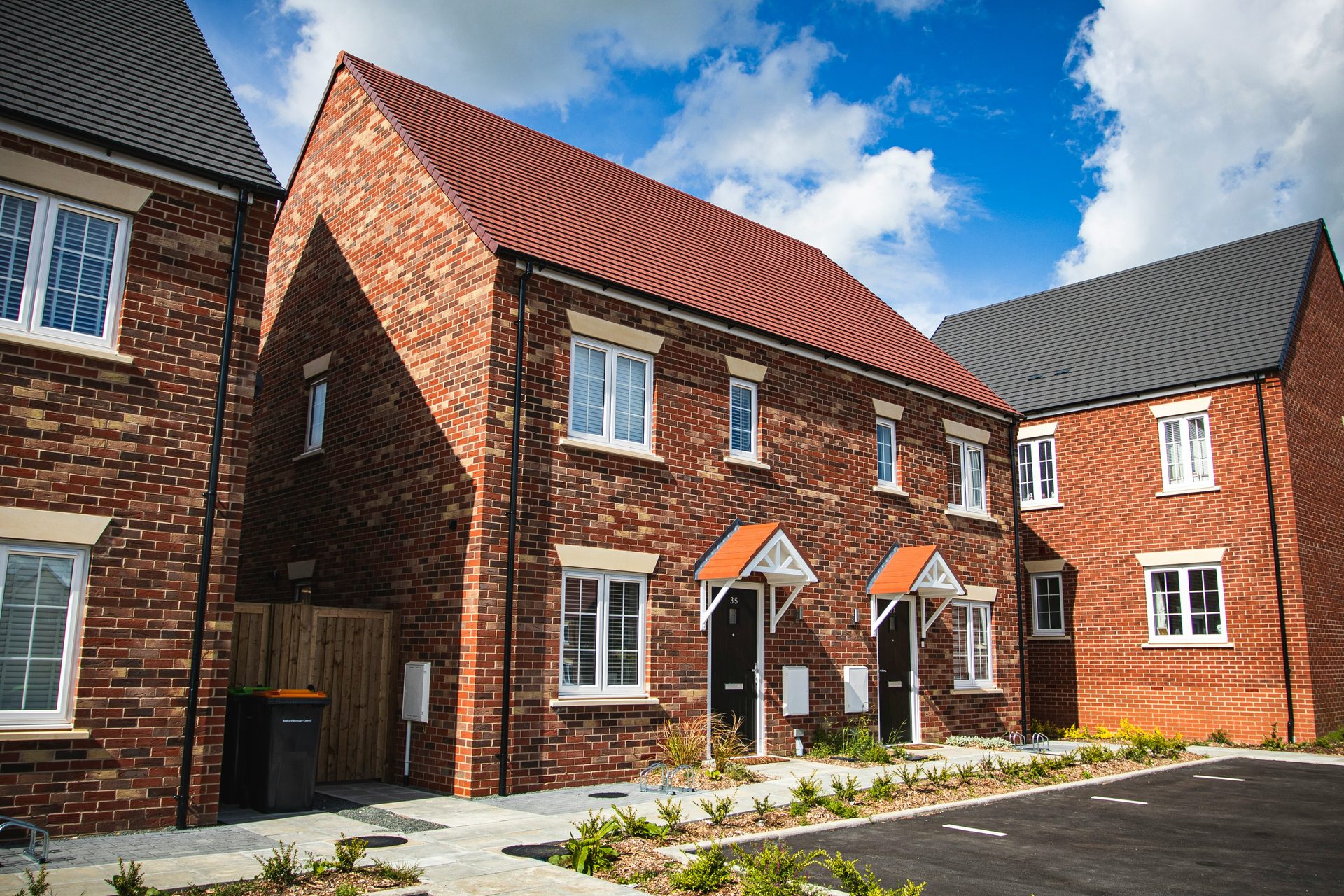
Fort Worth is one of the fastest-growing cities in the country, and that growth comes with a price tag when you decide to build from the ground up. Whether you’re drawn to the DFW metroplex for its strong job market, its relative affordability compared to coastal cities, or simply the appeal of a brand-new home built exactly to your specifications, understanding what construction actually costs here is the first step toward making a smart financial decision.
Building a house in Fort Worth is not a single-line-item expense. Land, labor, permits, materials, and finish choices all stack up quickly — and the final number can vary by hundreds of thousands of dollars depending on the decisions you make. This guide breaks down every major cost category so you can plan your budget with confidence and avoid the surprises that derail too many new builds.
Average Cost to Build a House in Fort Worth, TX
The total cost to build a house in Fort Worth depends heavily on the type of home you want and the builder you choose. Average single-family home construction in Fort Worth runs $200–$500 per square foot, with labor rates at $38–$55 per hour and permit costs ranging from $10,000 to $18,000. That wide range reflects the gap between a production-built starter home and a fully custom build with premium finishes.
For a more grounded ballpark, buyers can anticipate spending about $325,000 for an entry-level new construction home of around 1,600 to 1,700 square feet in the Texas market. Custom homes sit in a different category entirely. Custom home pricing in the Fort Worth area starts considerably higher — around $700,000.
Here is a quick overview of total project cost estimates by home type for the Fort Worth market:
| Home Type | Estimated Total Cost | Notes |
|---|---|---|
| Production/Spec Home | $280,000 – $400,000 | Pre-designed plans, standard finishes |
| Entry-Level Custom | $400,000 – $600,000 | Some customization, builder-grade upgrades |
| Mid-Range Custom | $600,000 – $900,000+ | Quartz counters, hardwood floors, semi-custom plans |
| Luxury Custom | $900,000 – $2M+ | Fully custom, premium materials, complex design |
Important Note: These totals typically exclude the cost of land, site preparation, and utility connections. Always request an itemized estimate from your builder before committing to a budget.
The average project in Fort Worth takes 6–12 months to complete, though timelines can stretch depending on permitting delays, trade availability, and design complexity.
Cost to Build a House Per Square Foot in Fort Worth, TX
Per-square-foot pricing is the most useful metric for comparing builders and planning your budget. In the Fort Worth and broader DFW market, costs vary by finish level and construction type.
As of 2025, most custom homes in DFW fall into three tiers: entry-level custom at $180–$250 per sq. ft. (standard finishes, efficient floor plans), and mid-range custom at $250–$350 per sq. ft., which offers upgraded finishes, semi-custom floor plans, hardwood floors, quartz countertops, energy-efficient windows, and custom cabinetry.
For production-style and more affordable builds, the cost to build a house in Fort Worth ranges from $120 to $210 per square foot depending on construction grade: standard grade runs $120–$140 per sq. ft., premium grade $140–$170 per sq. ft., and luxury grade $170–$210 per sq. ft.
At the higher end of the market, Dallas–Fort Worth construction costs reach $190–$340 per sq. ft., supported by a competitive contractor market.
| Build Quality | Cost Per Sq. Ft. | 2,000 Sq. Ft. Total | 2,500 Sq. Ft. Total |
|---|---|---|---|
| Standard/Production | $120 – $180 | $240,000 – $360,000 | $300,000 – $450,000 |
| Entry-Level Custom | $180 – $250 | $360,000 – $500,000 | $450,000 – $625,000 |
| Mid-Range Custom | $250 – $350 | $500,000 – $700,000 | $625,000 – $875,000 |
| Luxury Custom | $350 – $500+ | $700,000 – $1M+ | $875,000 – $1.25M+ |
Pro Tip: Larger homes don’t always mean a lower cost per square foot. Complex architectural designs, multiple stories, and custom features can drive up the price — simpler, single-story homes with open floor plans are usually more cost-effective.
Cost Breakdown: What You’re Actually Paying For in Fort Worth, TX
Your per-square-foot number covers a lot of ground, but it doesn’t tell the whole story. Here is where your construction budget actually goes:
Foundation: Most new homes in Texas have a concrete slab foundation, which is strong, durable, and minimizes rot and moisture problems. A concrete slab foundation costs $6–$14 per square foot, or $12,000–$40,000 total on average. Many older homes in Texas use pier and beam foundations, which may work best for sloped lots or areas with expansive soil, costing $16,000–$30,000. North Texas soil conditions — including clay-heavy and limestone-shale areas — can add engineering requirements that push foundation costs higher.
Framing: The cost of framing a house is $11–$30 per square foot for labor and materials, or $30,000–$75,000 total for a typical house including the roof frame. Framing takes 30 to 60+ days depending on size and complexity.
Roofing: Roof installation costs $3–$6 per square foot on average. Asphalt shingle roofs fall within this range and last 15–30 years. Premium materials like slate or tile cost $7–$25+ per square foot installed.
Exterior: New house siding costs $4–$13+ per square foot installed, depending on material. Vinyl siding is a popular, affordable choice, while brick and stone provide a high-end look at a higher price.
Mechanical Systems (Electrical, Plumbing, HVAC):
- Wiring a new house costs $4–$9 per square foot, or $8,000–$22,500 total on average.
- Rough-in plumbing costs $8,000–$15,000. Plumbers also charge $450–$1,800 per fixture to install bathtubs, sinks, toilets, and other fixtures.
- HVAC in Fort Worth requires serious attention. The local hot-humid subtropical climate demands enhanced systems — Fort Worth climate adaptations include R-38+ attic insulation, R-13+ wall insulation, and tornado-resistant design elements. Budget $10,000–$20,000+ for HVAC in a typical-sized home.
Interior Finishes:
- Flooring costs $4–$15 per square foot with installation.
- Cabinets cost $150–$500 per linear foot, or $4,500–$15,000+ total installed.
- Countertops cost $50–$150 per square foot with installation, depending on material.
- Drywall installation costs $1.50–$3.50 per square foot. Interior painting costs $1–$3 per square foot of wall or ceiling surface.
Permits and Soft Costs: A Fort Worth custom build typically requires plan review, building permits, trade permits, inspections, and possible revisions. Soft costs — including design, permits, and utility connections — usually add 10–25% of total project costs. Simple residential projects may be closer to 10%, while luxury builds often exceed 20%.
Common Mistake: The per-square-foot price generally covers construction, materials, labor, and basic finishes — but it often does not include the price of land, site preparation, permits, landscaping, or major upgrades. Always ask your builder for a full itemized breakdown.
Cost of Land in Fort Worth, TX
Land is one of the most variable costs in any new build, and Fort Worth’s rapid growth has pushed lot prices significantly higher in desirable areas. DFW’s rapid growth means land prices are rising, especially in desirable school districts and close-in neighborhoods.
For residential lots in the metro area, common land prices in DFW typically range between $100,000 and $500,000 per acre, particularly in neighborhoods undergoing significant development, driven by new infrastructure, housing projects, or commercial expansions.
In the broader North Texas region surrounding Fort Worth, subdivided lots can range from $20,000 for a typical mobile home lot to over $100,000 for a 1-acre lot in a developed community. Raw land in the area — from Fort Worth to Palo Pinto down to Stephenville and north into Wise County — can range from $15,000 per acre for larger rural tracts to over $50,000 per acre for small parcels in some cities such as Aledo, TX.
In suburban areas within the DFW footprint, you might find lots for $100,000–$300,000, while in prime Dallas neighborhoods, lots can exceed $1 million. Utility connections matter too: a Fort Worth lot without a water tap or meter on site, or without a sewer tap, can add $7,000–$8,000 more in site development costs.
| Land Type | Estimated Price Range |
|---|---|
| Rural tract (North TX region) | $15,000 – $50,000+ per acre |
| Suburban lot (DFW metro) | $100,000 – $300,000 |
| In-demand neighborhood lot | $300,000 – $500,000+ |
| Prime urban/infill lot | $500,000 – $1M+ |
Keep in mind that raw land typically costs less per acre but more to develop. Raw or unplatted land has never been divided, which means it will generally cost less to purchase by the acre but more to develop in terms of grading, utilities, and roads. Always include closing costs, loan fees, and property taxes during the holding period in your total land budget.
Factors That Affect Building Costs in Fort Worth, TX
No two builds are identical, and several factors can push your Fort Worth project significantly above or below the averages above.
Labor Market Pressure
The construction boom in North Texas has led to higher labor and material costs. Skilled trades are in high demand, which can affect both price and build time. Builders compete for framers, electricians, plumbers, HVAC crews, drywall teams, and finish carpenters. If a project stalls because a trade is booked out, the schedule can stretch and the carrying cost of the job can rise. You can review statewide residential permit activity through the U.S. Census Bureau’s Building Permits Survey to understand broader demand trends.
Materials
Construction costs have been experiencing +3.8% year-over-year growth, with growing adoption of energy-efficient standards making careful budgeting more critical than ever. Material costs in Fort Worth run approximately 5% above the national average. Lumber, concrete, insulation, cabinetry, tile, windows, roofing, and fixtures all change with market conditions, so locking in material pricing early in your project can protect your budget.
Lot Conditions and Site Work
A cleared, level lot is cheaper to build on than a sloped or heavily wooded site. If the property needs demolition, tree removal, grading, drainage correction, or retaining work, the project gets more expensive before the house is even framed. The lot can influence the project more than many first-time owners expect. Areas with limestone shale or bedrock can be expensive to dig for foundations, but rock makes for an excellent foundation once you get there.
Design Complexity and Finish Level
A 2,200-square-foot home can sit near the lower part of the mid-range if the lot is straightforward and the finish package is disciplined. The same size can get expensive quickly if you add custom cabinetry, upgraded tile work, large structural spans, extra bathrooms, high-end appliances, or specialty exterior materials.
Weather and Climate Requirements
DFW’s climate — hot summers, occasional ice storms, and heavy rains — means homes must be built to withstand a range of conditions. This translates into higher HVAC specifications, upgraded insulation, and storm-resistant construction details that add cost but protect your investment long-term. You can explore energy-efficient insulation standards from the U.S. Department of Energy to understand what’s recommended for the North Texas climate zone.
Permitting and Code Compliance
If the site has drainage issues, access issues, or special zoning constraints, the approval path can take more time and money — especially on infill lots or irregular parcels where the design has to fit the lot. Permit fees themselves are rarely the biggest line item. The real cost comes from the professional time needed to get the project approved correctly and keep it moving.
Key Insight: Always set aside 10–15% of your total budget for unexpected expenses. This contingency fund can cover change orders, delays, or price increases in materials.
Building vs. Buying a House in Fort Worth, TX
One of the most practical questions you’ll face is whether to build new or buy an existing home in Fort Worth. Both paths have real financial trade-offs worth examining.
On the buying side, the average Fort Worth house price was $340K as of a recent month, up 1.5% since the prior year. Existing homes in the lower price bands are often older stock: pricing on similarly sized existing homes is around $295,000–$300,000, and most of those homes were built in the 1980s and 90s, meaning they are likely due for upgrades or repairs that will add additional costs.
Building new gives you control over every finish and system in the house, but it costs more upfront and takes longer. Since many builders have so many spec homes underway, it’s possible to get into a new construction home within just two or three months of signing a contract. Expect a wait of around ten months on a custom house purchased through a builder, and up to 24 months if you’re buying raw land and doing everything from scratch.
Here is a direct comparison to help you weigh both options:
| Factor | Building New | Buying Existing |
|---|---|---|
| Upfront Cost | Higher ($400K–$900K+) | Lower ($295K–$340K avg.) |
| Customization | Full control | Limited without renovation |
| Move-In Timeline | 6–24 months | 30–60 days typical |
| Maintenance Risk | Low (new systems) | Higher (older systems) |
| Energy Efficiency | Modern standards | Often outdated |
| Hidden Costs | Permits, site prep, land | Repairs, updates, inspection issues |
| Warranty | Builder warranty included | None (sold as-is) |
New homes are more energy-efficient, tend to increase in value long-term, and in some markets are even more affordable than resale homes — making new construction worth exploring before looking at existing homes. If you’re weighing housing costs in other Texas or major U.S. markets, it’s worth comparing what apartment living looks like in cities like Las Vegas, Miami, or Washington, D.C. to understand what your dollar buys in different markets.
If you’re interested in alternative construction approaches, modular building is another option worth considering. Modular homebuilding in Texas tends to start at $42 per square foot, with an average total cost of $121,400 — though modular homes are less common in the Fort Worth market and may require extra legwork to find a qualified builder. For those interested in other types of structures, you can also explore what it costs to build a greenhouse as a comparison for smaller-scale construction projects.
How to Save Money When Building a House in Fort Worth, TX
Building in Fort Worth doesn’t have to mean blowing your entire budget. With smart planning and the right decisions at the right time, you can meaningfully reduce your total project cost without sacrificing quality.
1. Choose a Simpler Floor Plan
To reduce overall costs, consider sites that have lower development requirements while accounting for commute time. Simple designs cost less because they require a smaller labor force and fewer material costs. Single-story, open-concept plans with straightforward rooflines are consistently the most cost-effective to build.
2. Get Multiple Bids and Itemized Estimates
It is always recommended to get bids from at least three licensed contractors and compare them before making any decision. Get multiple quotes and ask for itemized estimates — this helps you compare apples to apples and avoid surprises later. Make sure each bid covers the same scope of work, including site prep, permits, and finish allowances.
3. Select Cost-Effective Materials
Choose materials that are both durable and affordable. Budget builds use vinyl siding, standard drywall, and builder-grade cabinets — all of which perform well and keep costs down. You can always upgrade specific elements like countertops or flooring later as your budget allows.
4. Research Permits Early
Understand county-specific requirements to avoid delays and obtain permits as early as possible. Permit delays are one of the most common and costly sources of schedule overruns on new builds. Getting your approvals in order before breaking ground keeps the project on track and prevents expensive carrying costs on construction loans.
5. Talk to Your Builder Before Buying Land
Fort Worth custom home builders usually accommodate customers who already possess land, but it can also be effective to get a hold of a builder while you’re still searching for land, as they will assist you in obtaining a better concept of the sort of land you’ll prefer to build on. A builder can flag site issues — drainage problems, utility gaps, foundation challenges — before you commit to a lot.
6. Plan Upgrades in Phases
Plan to budget about 10% of your total home cost on custom options and upgrades. For a $175,000 base home, that’s $17,500 in additional upgrades. However, this amount differs greatly by family and needs — many clients opt to wait on upgrades for a few years and focus on the base house with a few key options.
7. Explore Builder Incentives
Some Texas builders are offering low interest rates and closing cost incentives, providing real money-saving benefits for buyers who choose to build a new home. Ask every builder you interview what current incentives they are offering — these can add up to tens of thousands of dollars in savings on the right project.
8. Lock in Material Pricing Early
Given that construction costs have been experiencing +3.8% year-over-year growth in the Fort Worth market, locking in material pricing through your builder’s purchase agreements as early as possible protects you from mid-project cost increases. Discuss price-lock provisions with your contractor before signing any construction contract.
Pro Tip: If you’re comparing housing costs across different cities while deciding where to put down roots, it’s useful to look at what renting costs in major metros. Check out apartment costs in cities like Seattle, San Francisco, or Manhattan to see how Fort Worth’s build costs stack up against renting in high-cost markets.
Building a house in Fort Worth is a significant financial commitment, but it gives you something that buying an existing home rarely does: a home built precisely to your standards, with modern systems, full warranties, and no inherited maintenance headaches. By understanding where every dollar goes — from land and labor to permits and finishes — you put yourself in the best position to build smart, stay on budget, and end up with a home that holds its value in one of Texas’s most dynamic real estate markets. For more housing cost comparisons across major U.S. cities, explore what apartment living costs in places like Phoenix, Ohio, or Orlando.