How Much Does It Cost to Build a House in Victoria? A Real-Numbers Guide

October 21, 2026
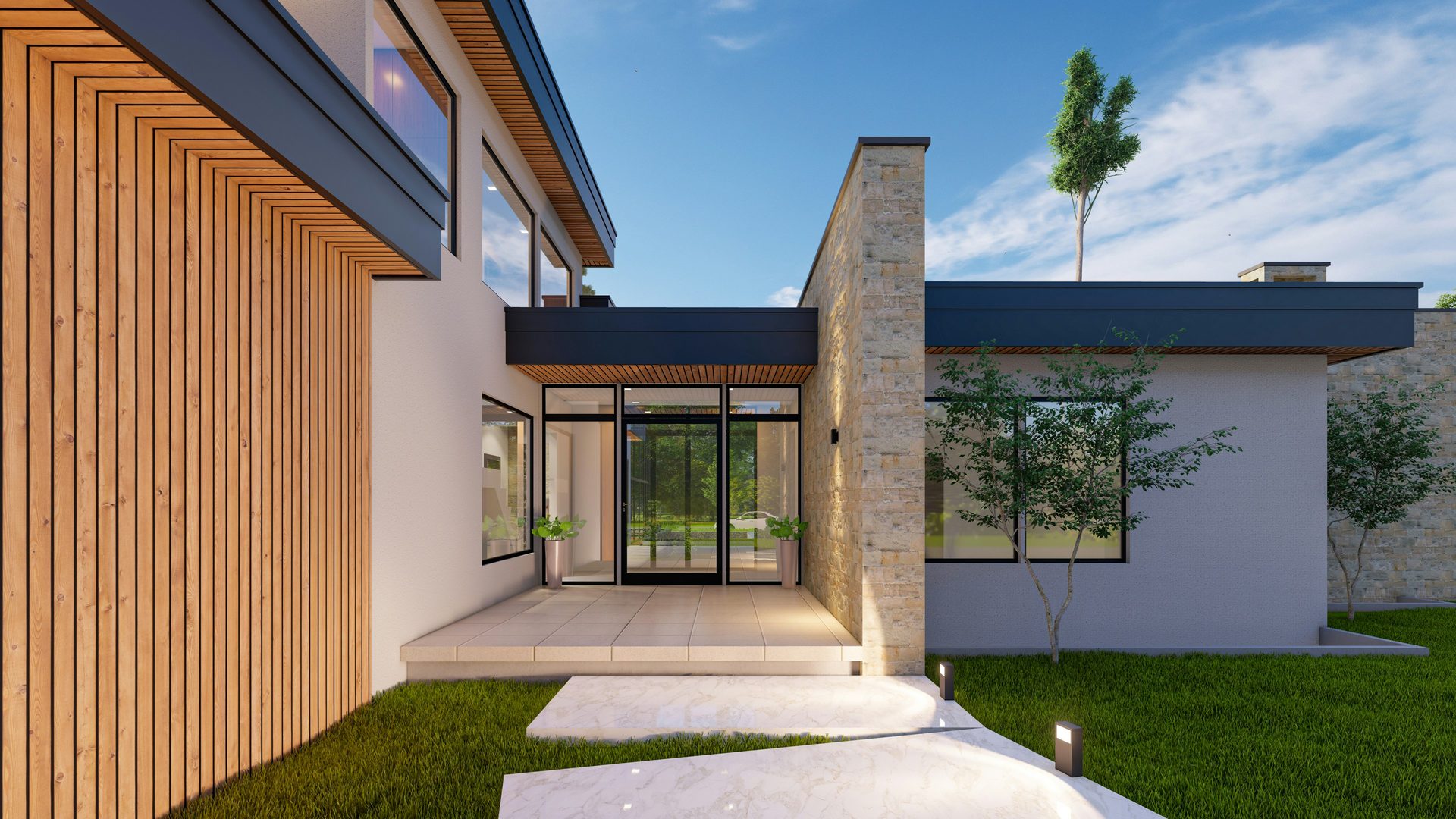
Building a house in Victoria is one of the biggest financial decisions you will ever make — and the price tag is rarely what you expect when you first start researching. Between the base build cost, site preparation, permits, land, and the inevitable upgrades, the final number can be tens or even hundreds of thousands of dollars higher than the headline figure a builder advertises.
This guide cuts through the noise with real cost figures, a full breakdown of what you are actually paying for, and practical strategies to keep your budget under control from the first sod to the final handover.
Average Cost to Build a House in Victoria
On average, building a standard home in Victoria costs between $1,800 and $3,000 per square metre. Premium homes with high-end finishes, custom features, or architectural designs can cost upwards of $3,500 per square metre. For Melbourne specifically, the range is wider. In 2025, the average cost to build a home in Melbourne ranges between $1,900 and $4,000 per square metre.
Translating those rates into total build costs gives you a clearer picture of what to budget:
- For a basic 3–4 bedroom home with straightforward finishes, expect around $300,000–$400,000 for a standard home roughly 150m² to 200m².
- Mid-range homes with higher-quality finishes such as stone benchtops and upgraded fixtures will fall between $400,000 and $600,000.
- Custom or luxury homes, often designed specifically to the owner’s taste with unique features and materials, typically cost between $600,000 and $900,000 or more.
When you factor in land, permits, and site preparation, the all-in cost climbs significantly. Adding land, site preparation, permits, and landscaping, the average all-in budget for a Melbourne new build sits between $750,000 and $950,000.
Key Insight: The ABS-cited average new house build cost in Victoria sits around $327,000 — but that figure reflects construction only and needs significant context when planning a complete project budget.
Outside of Melbourne, regional Victoria generally offers lower construction costs. Regional areas across Australia average $1,400–$2,500 per square metre, though limited trades may affect building activity and increase the final cost. The trade-off is real: cheaper land and lower per-metre rates, but potential delays in finding skilled tradespeople.
Cost to Build a House Per Square Foot in Victoria
Most Victorian builders quote in square metres, but understanding cost per square metre at different build tiers helps you set a realistic scope before you approach anyone for a quote.
| Build Type | Cost Per m² | Example: 200m² Home |
|---|---|---|
| Budget / Entry-Level Project Home | $1,800 – $2,200 | $360,000 – $440,000 |
| Standard / Mid-Range Project Home | $2,200 – $3,000 | $440,000 – $600,000 |
| Quality Project or Semi-Custom Home | $2,500 – $3,700 | $500,000 – $740,000 |
| Custom / Architecturally Designed | $3,500 – $5,500+ | $700,000 – $1,100,000+ |
| Luxury / High-End Custom | $5,500 – $8,000+ | $1,100,000 – $1,600,000+ |
On a per-square-metre basis, the Melbourne average sits around $2,500 to $3,000 per square metre for a well-specified project home. A fully custom or architecturally designed home in Melbourne typically costs between $3,500 and $8,000 per square metre — or more for exceptional luxury finishes. On a 250 square metre home, that means a construction budget of $875,000 to $2,000,000+ before land.
One important cost trend to be aware of: according to Rider Levett Bucknall’s Q4 2025 Australia Construction Market Update, construction costs are forecast to rise by approximately 4.0% in Melbourne in 2026. On the other hand, material cost growth has moderated significantly from its post-pandemic peak, with the Victorian Construction Cost Index rising a more measured 2.7% over the year to June 2025, down from 3.0% the year prior.
Pro Tip: With costs forecast to rise 4% in 2026, the sooner you sign a fixed-price contract, the more you save.
Cost Breakdown: What You’re Actually Paying For in Victoria
A builder’s quoted price rarely tells the full story. Understanding where each dollar goes helps you spot gaps in a quote before you sign anything.
Site Preparation and Foundation
This is the first major cost after you own the land. Typical site cost expenses include connections to services such as water, sewer, electricity, and gas, along with earthworks and levelling. On a flat, standard block these costs are manageable, but complications escalate quickly. One builder recounted a project in the Dandenong Ranges where excavation to make the land flat enough for the foundation cost an unexpected $45,000.
Framing, Roofing, and Structure
The structural stage — frame, roof, and external walls — represents a large portion of the build budget. Timber-framed houses are more affordable than brick veneer or double-brick homes. Steel framing is more durable but comes at a premium. Double-storey construction adds further cost. Going up with a double-storey place means extra structural engineering and more labour, which adds about an additional $1,000 per square metre.
Fit-Out and Finishes
This is where budgets most commonly blow out. Standard tiles, laminate benchtops, and basic joinery sit at the lower end. Stone benchtops, custom joinery, higher-end tapware, engineered timber floors, and designer lighting will increase your per-metre rate quickly.
Permits and Compliance
You need a building permit before any construction can begin in Victoria. The state government charges a levy of $1.28 per $1,000 of your construction value. On a $400,000 build, that is around $512 in state levy alone. Add private surveyor fees, council fees, and inspections, and total permit costs for a standard home usually come to between $3,000 and $8,000.
Costs Typically Excluded from Builder Quotes
Expect additional expenses such as site preparation, council approvals, driveways, and landscaping — many of these are not included in a builder’s base price. Other commonly excluded items include:
- Fencing and retaining walls
- Utility connections (water, gas, NBN)
- Window furnishings and appliances
- Landscaping and turf
- Demolition (for knockdown rebuilds), which can range from $10,000 to $40,000 depending on the size and complexity of the teardown
Important Note: Always add 20–25% to base building costs for site works, connections, and contingencies. A $500,000 build will realistically cost $625,000 total.
Cost of Land in Victoria
Land is often the single largest line item in your total budget, and in Victoria the price varies enormously depending on where you want to build.
In Greater Melbourne, land values have remained high despite a relatively flat property market. The median land price in Greater Melbourne sits at approximately $400,000, meaning most Melbourne families budget between $750,000 and $1,000,000 all-in for a complete house and land package.
The size of available lots is also shrinking. The average new residential lot in Greater Melbourne is now just 388 square metres, which is 35% smaller than it was 20 years ago. On a narrow, compact block, building double storey is often the only way to get the space your family needs.
Inner-city and premium suburbs command far higher land prices. The priciest suburbs for building custom homes are clustered around Melbourne’s inner-city and bayside areas. Toorak sits at the top with median house prices around $5.3 million, followed by East Melbourne at $3.6–3.8 million and Kooyong at $2.5+ million.
Regional Victoria offers a much more accessible entry point. Areas like Ballarat, Bendigo, Geelong, and the Latrobe Valley typically offer residential land for $150,000–$300,000, though you should factor in trade availability and longer construction timelines when building outside metro Melbourne.
Victorian Government Incentives
Victorian homebuyers can tap into a few incentives that ease the financial load of building. The First Home Owner Grant gives eligible first-home buyers $10,000 for newly built homes valued up to $750,000. Stamp duty concessions apply to properties under $600,000, with partial discounts available for homes up to $750,000.
Factors That Affect Building Costs in Victoria
No two builds cost the same, and understanding what drives your price up or down gives you real control over your budget.
Location Within Victoria
Building in prime metropolitan areas typically costs more due to higher land prices, stricter council regulations, and a demand for premium finishes. Building costs in inner-city Melbourne can be substantially higher compared to suburban or regional areas. In regional Victoria, lower land costs help, but potential trade shortages and longer timelines may affect overall savings.
Design Complexity
A simple single-storey layout will cost far less than a split-level or custom eco home. The more complex the home design, the more materials, time, and skilled labour it needs — so always weigh design goals against your build budget before locking in plans.
Site Conditions
Flat, accessible sites with good soil are the cheapest to build on. Sloping blocks, tight access inner-city sites, or highly reactive clay soils can add tens of thousands in excavation, retaining, and foundations. Always get a soil test done before you commit to purchasing a block. Sloped land, poor soil, rock, and boundary easements all add to site costs — get a soil test done before you sign anything.
Builder Type
Project or volume builders offer pre-designed plans with limited changes, so they can keep base build rates lower. Volume builders often offer sharper prices with fewer customisation options, while boutique builders provide more flexibility, typically at a higher price point.
Labour Market
Labour shortages are real — and they’re pushing timelines and prices upward across Australia. Whether it’s bricklayers in Perth or electricians in Melbourne, high demand means higher rates. Skilled tradies are in short supply and there is a huge amount of construction work underway across the state.
Energy Efficiency Standards
Updated energy efficiency standards continue to affect overall pricing for 2025 builds. Energy-efficient materials like double-glazed windows or insulated roofing increase upfront costs but lower long-term expenses. If you are building a greenhouse or energy-efficient structure alongside your home, factor those costs into your total project budget separately.
Common Mistake: Many builders advertise a “starting from” price that covers only the base structure. One of the most common misconceptions when building a new home is assuming the builder’s advertised “starting from” price covers everything you’ll need to move in. It usually reflects a base-level package, covering only the essentials.
Building vs. Buying a House in Victoria
The decision to build or buy is rarely straightforward in Victoria, and the right answer depends heavily on your location, timeline, and financial position.
| Factor | Building | Buying Established |
|---|---|---|
| Upfront cost | Higher (land + build + extras) | Single purchase price |
| Customisation | Full control over design | Limited without renovation |
| Timeline | 12–24+ months to completion | Settlement in 30–90 days |
| Stamp duty | Paid on land only | Paid on full purchase price |
| Depreciation benefits | Maximum depreciation available | Reduced on older homes |
| Hidden costs | Site works, permits, upgrades | Renovation, maintenance |
| Government grants | FHOG $10,000 available | Not available for established homes |
In Melbourne’s current market, the comparison is nuanced. According to Ray White Chief Economist Nerida Conisbee’s mid-2025 analysis, Melbourne house prices have grown only around 4% since 2021 while Victorian construction costs rose approximately 25% over the same period. That gap means the cost advantage of building has narrowed considerably in metro areas.
Melbourne’s median house value came in at $947,611 in June 2025, according to Cotality’s home value index. When you consider that an all-in new build in Melbourne typically runs $750,000–$1,000,000 before you add premium finishes or a desirable suburb, buying an established home in many areas can be cost-competitive — especially when you factor in the time and stress of managing a build.
That said, building has clear advantages for buyers who want a brand-new home with modern energy efficiency, a warranty, and the ability to personalise every detail. In cities, building can sometimes be cheaper than buying established properties, especially for new land releases. If you are weighing up your housing options across different markets, it is worth comparing what apartment living costs in cities like Miami or San Francisco to understand how Victoria’s property market stacks up globally.
For buyers considering regional Victoria, the calculus shifts further toward building. In some regional areas, building can still be cheaper, especially if you already own land. Regional cities like Ballarat and Bendigo offer land at a fraction of Melbourne prices, making a new build genuinely competitive with established property. If you are curious how apartment costs compare in other regional or mid-sized markets, Idaho and Louisiana offer useful reference points for how affordability plays out in different contexts.
How to Save Money When Building a House in Victoria
Controlling costs on a Victorian build requires decisions made early — most of the budget is locked in before a single brick is laid.
1. Choose a Project Home Over a Full Custom Build
Opting for a pre-designed or project home can save substantial money because these designs benefit from economies of scale. Volume builders have negotiated pricing with suppliers and have refined their processes across hundreds of identical builds. The savings over a custom home can easily reach $100,000 or more on a comparable-sized home.
2. Lock in a Fixed-Price Contract
You can lower costs by choosing a project builder, limiting upgrades, using cost-effective finishes, and signing a fixed-price contract to avoid price increases during construction. A fixed-price contract transfers the risk of material and labour cost increases to the builder rather than leaving you exposed.
3. Choose Your Block Carefully
Flat, rectangular lots are generally cheaper to build on. Smart land choice can save you $30,000–$100,000 in construction costs and increase your home’s value. Before purchasing any block, commission a soil test and check for easements, overlays, and bushfire attack level (BAL) ratings — all of which affect what you can build and what it will cost.
4. Minimise Variations During the Build
Custom design changes made after signing the contract quickly increase costs. Decide on your floor plan, finishes, and inclusions before you sign — every variation during construction is charged at a premium and can delay your timeline.
5. Keep the Floor Plan Efficient
You can lower the cost to build a custom home by keeping the floorplan efficient, simplifying the roof and structure, choosing finishes carefully, and getting detailed, itemised quotes from multiple builders. A compact, well-designed floor plan often delivers more liveability per dollar than a sprawling layout with wasted hallway space.
6. Build Your Contingency Into the Budget from Day One
It is critical to establish a realistic budget and include a contingency fund of 10–20% for unexpected expenses, which helps manage additional costs without compromising the build’s quality. Unexpected site conditions, council requirements, and variation costs are normal parts of any build — the builders who are surprised by them are the ones who didn’t plan for them.
7. Stage Non-Essential Items
Staged construction — prioritising essential works and completing landscaping or extensions later — is a practical way to manage cash flow. Driveways, decks, sheds, and landscaping can all be completed after handover without affecting your certificate of occupancy. If you are also planning ancillary structures like a greenhouse, staging those projects separately keeps your primary build budget focused.
8. Get Multiple Quotes and Compare Inclusions Carefully
Compare multiple builder quotes and inclusions carefully. Two quotes at the same headline price can differ by $50,000 or more once you account for what is actually included. Ask every builder for a full inclusions list and clarify exactly what is provisional versus fixed before you sign anything. You can also explore how housing costs compare in other markets — like Seattle or Washington DC — to benchmark whether your Victorian build represents good value for the investment.
Pro Tip: Ask your builder specifically whether site costs are fixed or provisional. A fixed site cost means the price is locked in. A provisional site cost is just an estimate that can change later — sometimes significantly. This single question can save you from a very unpleasant surprise mid-build.