How Much Does It Cost to Build a House in Bali? A Practical Budget Breakdown

October 20, 2026
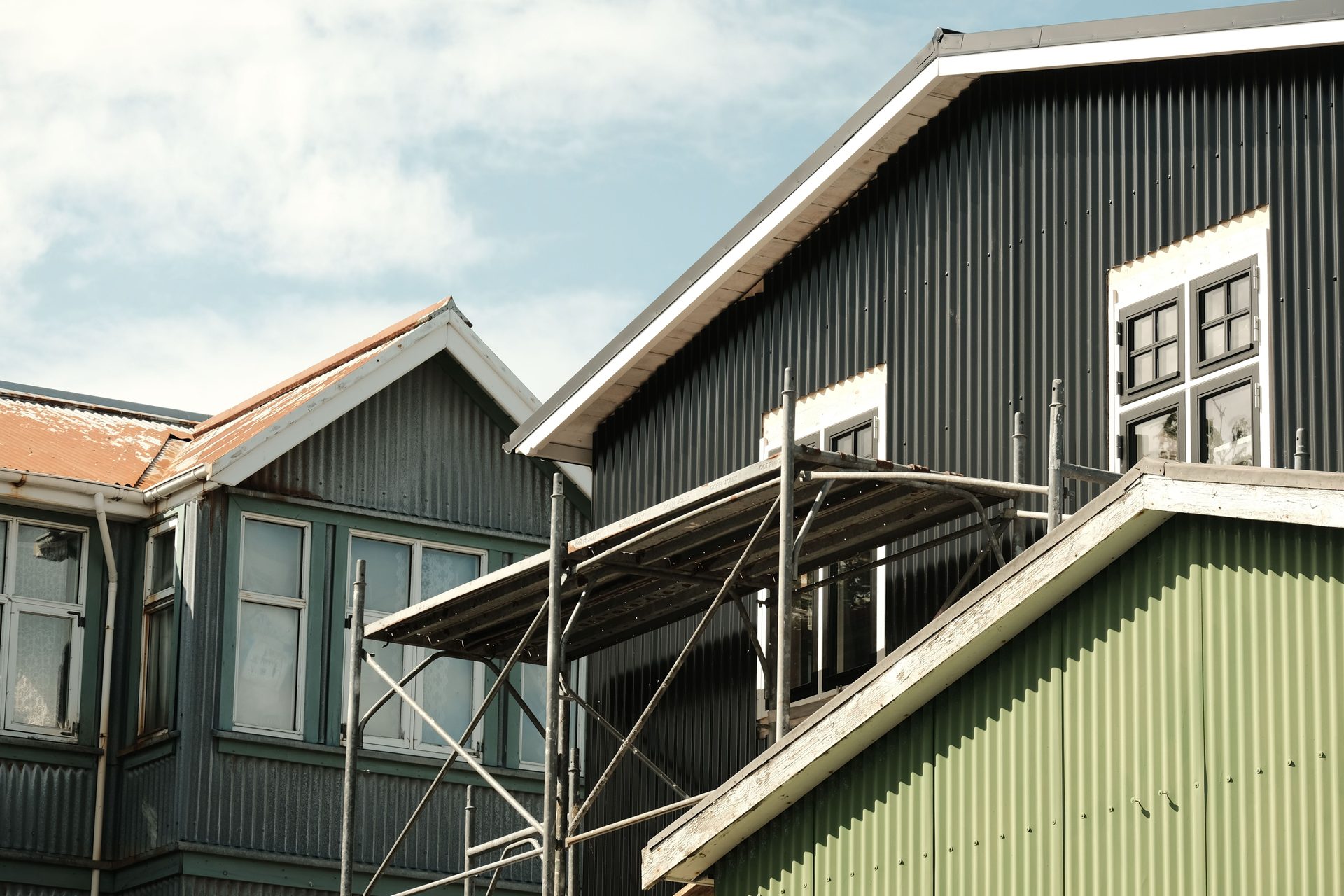
Bali has quietly become one of the most sought-after places in the world to build a private home or villa — and for good reason. Labor costs remain a fraction of what you’d pay in Western countries, the climate allows for open, airy designs that cost less to build, and the rental income potential in tourist hotspots can be genuinely impressive.
But the gap between a dream Bali build and a budget blowout is real. Costs vary wildly depending on where you build, what you build, and who you hire to build it. This guide breaks down everything you need to know before you break ground — from per-square-meter construction rates and land prices to the hidden fees that catch most first-timers off guard.
Average Cost to Build a House in Bali
Building a house in Bali is significantly more affordable than building in the United States, Australia, or most of Europe — but it’s not as cheap as many people assume. The total cost depends heavily on the quality tier you’re targeting, the size of the build, and the location of the land.
Building a villa in Bali costs around IDR 10M–15M per square meter for mid-range and IDR 20M+ per square meter for luxury. To put that in dollar terms, Bali’s construction costs in 2025 generally range from about IDR 6 million to 15+ million per square meter, approximately USD $400–$1,000+ per square meter for a villa.
For a practical example of what that means at the project level: a 2–3 bedroom villa with a total size of 150 m² and a 30 m² swimming pool will cost around IDR 1.8 billion to IDR 2.2 billion ($113,000–$142,000), depending on materials and design. At the higher end, as of 2026, construction costs typically range from $1,000 to $1,800 per m² for a finished, investment-grade villa (excluding land).
Key Insight: All construction cost figures exclude land. In Bali, land is almost always leased rather than purchased outright by foreigners, and that lease cost is a major separate budget line. Factor it in from day one.
Here is a summary of average total project costs by build type for a typical 150–200 m² home:
| Build Type | Construction Cost (per m²) | Estimated Total (150 m²) |
|---|---|---|
| Basic / Minimalist | IDR 6–8M (~$370–$500) | ~$55,000–$75,000 |
| Mid-Range / Tropical Modern | IDR 9–12M (~$560–$750) | ~$84,000–$112,000 |
| Luxury / High-End | IDR 15–20M+ (~$940–$1,250+) | ~$140,000–$188,000+ |
These figures cover structure, standard fixtures, and finishes, but do not include land, furnishings, permits, or professional fees. You can explore what apartments cost in Bali if you’re comparing build-versus-buy options for a smaller footprint.
Cost to Build a House Per Square Foot in Bali
Most contractors in Bali quote in square meters, but if you’re more comfortable thinking in square feet, the conversions are straightforward. For a modern reinforced-concrete villa built to Indonesian standards with good finishing, realistic prices in 2025–2026 are typically in the range of USD $600–$2,000 per m², depending on specification, location, and level of detailing.
That translates to roughly $56–$186 per square foot. For context, build costs for a commercial-grade build in Bali can hover around $41 per square foot ($6.7 million IDR per m²), while the same type of construction in the US would run between 4 and 8 times the price.
According to 2025 market data from established developers and construction firms across the island, minimalist villas with basic finishes range between IDR 6–8 million per square meter. These villas typically feature straightforward layouts, local materials, and standard fixtures — ideal for first-time investors or those prioritizing rental yield over luxury.
Tropical modern villas — the most popular choice among foreign buyers — blend contemporary aesthetics with Bali’s natural environment. Expect to pay IDR 9–12 million per square meter for open-plan designs, mid-range finishes, and a balance of local and imported materials. This category represents the sweet spot for most property investors in areas like Canggu, Seminyak, and Ubud.
Pro Tip: In Bali it is common to receive quotations that differ by 30–40% for seemingly similar villas. Very often the cheapest offers are based on incomplete drawings, optimistic assumptions about materials, or the use of unlicensed subcontractors. When comparing prices, always ask for a detailed Bill of Quantities (BoQ) and clarify which standards and permits are included.
Lower-cost builds around $600–$800 per m² do exist, but they often face durability issues such as moisture damage and rust within a few years. Bali’s tropical humidity is relentless — cutting corners on waterproofing is one of the most common and costly mistakes builders make.
Cost Breakdown: What You’re Actually Paying For in Bali
The per-square-meter rate is just the starting point. A realistic Bali build budget includes several cost layers that are frequently left out of initial quotes. Here’s what actually goes into the total price:
Core Construction (Structure, MEP, Finishes)
This is what the per-m² rate covers: the concrete frame, roofing, plumbing and electrical runs inside the building, floor and wall finishes, paint, internal doors, and basic sanitary ware. MEP installation includes electrical wiring, plumbing and sewer lines inside the building, and basic water tank and pump configuration. Finishes cover floor and wall finishes, paint, basic sanitary ware, internal doors, and simple built-in carpentry. Standard external works include basic terraces, pool structure (if included), simple landscaping, and access paths.
Swimming Pool
A pool is nearly expected on any Bali villa with rental ambitions. The cost of building a pool in Bali depends on the size and material used. For example, a 5 x 3 meter pool can cost around IDR 72 million (~$4,392) with ceramic tiles, IDR 75 million (~$4,575) with natural stone, or IDR 78 million (~$4,758) with mosaic tiles.
Furnishings
Furnishing is an important step that can greatly increase both the appeal and rental income of your Bali villa. However, the construction cost does not cover furnishing. Budget ranges by tier are:
- Basic Furnishing: IDR 75 million to IDR 150 million ($5,000–$10,000) — essential items like beds, sofas, dining tables, and basic kitchen appliances.
- Mid-Range Furnishing: IDR 200 million to IDR 350 million ($13,000–$23,000) — stylish furniture, modern appliances, and tasteful décor.
- Luxury Furnishing: IDR 500 million or more ($32,000+) — high-end designer furniture, custom pieces, and premium décor.
Permits, Legal, and Professional Fees
Set aside at least IDR 5,000k ($350) for permits, due diligence, and compliance with local regulations. That figure is a minimum — complex projects with foreign ownership structures will cost considerably more. Architectural plans start from IDR 35,000 per m² for professional designs.
Taxes
When you purchase land or property, you’ll face the BPHTB (Bea Perolehan Hak atas Tanah dan Bangunan) at 5% of the transaction value and the seller’s Final Income Tax (PPh Final) on the transfer. Additionally, starting January 1, 2025, Indonesia raised the standard VAT rate to 12%. However, certain sectors still apply an effective 11% rate due to how the taxable base is calculated.
Important Note: Construction budgets often exclude VAT (12%) and PB1 (Development Tax). Always ask your contractor whether their quote is inclusive or exclusive of tax — the difference can add tens of thousands of dollars to your final bill.
If you’re also considering building other structures on your property, it’s worth understanding how much it costs to build a greenhouse as a reference point for auxiliary structure pricing.
Cost of Land in Bali
Land is where Bali’s cost picture gets complicated for foreign buyers. Foreigners cannot own land in Indonesia, as only Indonesian nationals can own land under the Hak Milik land title. However, foreigners can still own or use land through leasehold or by establishing a PT PMA, which allows foreigners to use the land for a specific period.
On the leasehold model, you’re essentially paying for the right to use the land for a set term — typically 25 to 30 years with extension options. In 2025, foreigners typically secure land through long-term leases (minimum 30 years). The lease cost varies enormously by location.
In fashionable districts like Seminyak, Canggu, Berawa, and Uluwatu, land prices typically start around USD $1,000–$2,000 per square meter. At the other end of the spectrum, the average land price in Lovina and Singaraja is IDR 279 million ($17,019), with an average land price per square meter of IDR 1.4 million ($85.40).
Here’s a snapshot of land pricing by key area:
| Area | Market Profile | Approx. Land Cost (per m²) |
|---|---|---|
| Seminyak / Canggu | Premium tourist hotspot | $1,000–$2,000+ |
| Uluwatu | Cliff views, strong rental yield | ~40% less than Canggu |
| Ubud | Cultural / wellness hub | Mid-range, varies widely |
| Tabanan / Pererenan | Emerging, growing fast | Below prime areas |
| Lovina / Singaraja (North) | Authentic, low tourist traffic | ~$85 per m² |
Land prices have shown remarkable appreciation, particularly in coastal and scenic areas. In Canggu, Uluwatu, and Tabanan, land values have increased 50% since 2019, with annual growth rates of 6–8%.
While Canggu prices have stabilized due to saturation, Uluwatu land remains approximately 40% cheaper despite commanding similar (or higher) nightly rental rates. This “lower entry, high ceiling” dynamic offers the strongest ROI potential in 2026.
You can also compare Bali’s property costs with other international rental markets — for instance, see apartment costs in Honolulu or apartment costs in San Francisco to understand how Bali stacks up against high-cost US markets.
Factors That Affect Building Costs in Bali
No two builds in Bali cost the same. Once you understand which variables move the needle most, you can make smarter decisions about where to spend and where to save.
Location and Site Accessibility
If your construction site is off the beaten path, you might see higher costs due to transportation and accessibility challenges. However, apart from these outlying areas, location is not a major price influencer on construction cost itself — though it dramatically affects land cost. Contractors in tourist-heavy spots like Canggu or Seminyak charge more because demand is higher.
Design Complexity
Your architectural vision significantly impacts your budget. Open-concept layouts with floor-to-ceiling windows, infinity pools, and complex structural elements naturally cost more than simpler designs. Items such as custom furniture, advanced smart-home systems, deep-well drilling, complex retaining structures, or extensive lighting design are usually calculated separately, because they vary drastically from project to project.
Materials and Finishes
Material selection represents another major cost variable. Luxury materials like marble or high-end woods add premium pricing (adding 1–3 million IDR per square meter). Multi-story constructions also command higher prices — typically 6.5–7 million IDR per square meter versus 6 million IDR for single-story villas — due to additional structural requirements.
Labor Costs
Labor in Bali is still more affordable compared to Western countries, ranging from IDR 500,000 to 1,000,000 per day, but it varies by area. Skilled tradespeople — tilers, carpenters, electricians — command higher rates than general laborers, and quality varies significantly between contractors.
Seasonal Timing
The rainy season (October–March) can extend foundation timelines by 20–40% due to excavation flooding and concrete curing delays. Starting your build in the dry season (April–September) gives you a cleaner timeline and reduces the risk of weather-related cost overruns.
Permits and Compliance
You must obtain a PBG (Persetujuan Bangunan Gedung) before construction begins and an SLF (Sertifikat Laik Fungsi) before the building is occupied. Building without these permits risks sealing or demolition by local authorities. Building permits, while more streamlined than in the past, still require 3–5 months and professional guidance to navigate successfully.
Contractor Type and Contract Structure
There are two ways to build a house in Bali: you can search for a builder and negotiate a final all-inclusive rate (which means no surprises if you stick to the initial plans), or you can manage the construction yourself, hiring workers and sourcing materials independently. This second choice, which at first glance seems less expensive, can quickly turn into a nightmare while losing control of your initial budget.
Common Mistake: One common pitfall is final projects costing far more than original plans, typically due to failure to settle detailed construction quotations and material descriptions before starting the building process. Always lock in a detailed Bill of Quantities before signing any contract.
Building vs. Buying a House in Bali
If you’re weighing whether to build from scratch or purchase an existing property, the comparison is more nuanced than it might first appear.
Buying a finished villa can be faster, but you pay for someone else’s margin and design choices. Building often allows you to achieve better quality and layout at a comparable or lower total cost per m², especially if you already hold suitable land.
On the buying side, prices for villas, land, houses, and apartments in Bali vary widely depending on location, property type, and ownership structure. For example, villas can range from around $60,000 for smaller or off-plan units to over $1 million for luxury properties, with most mid-range villas typically priced between $300,000 and $500,000.
In many cases, building a villa can result in a lower cost per square meter compared to buying a completed property. However, this depends on construction quality, timeline, and project management.
| Factor | Building | Buying |
|---|---|---|
| Cost per m² | Lower (if well-managed) | Higher (includes developer margin) |
| Design control | Full customization | Limited to existing layout |
| Timeline | 6–12 months to complete | Move-in ready (or near-ready) |
| Risk | Cost overruns, delays | Hidden defects, title issues |
| Legal complexity | Permits, PBG, SLF required | Title transfer, BPHTB tax |
| Rental ROI potential | Higher (built to spec) | Varies by existing condition |
Most villas take about 6 months to 1 year to complete. If you need a property generating rental income quickly, buying may make more sense — but if you have the patience and planning bandwidth, building gives you a product tailored to the market.
Overall, property prices in Bali are significantly lower compared to markets like the United States, Australia, New Zealand, and Singapore, making it an attractive option for investors. For US-based readers, it’s useful to compare what you’d spend in domestic markets — check Miami apartment costs, DC apartment costs, or Manhattan apartment costs to see how far your money goes differently in Bali.
It’s also worth understanding that foreigners cannot own Hak Milik (Freehold). You are limited to Hak Pakai (Right to Use) or Leasehold structures. This applies whether you’re building or buying, and it affects how you structure the investment from a legal standpoint.
How to Save Money When Building a House in Bali
Building in Bali doesn’t have to break the bank. With the right approach, you can significantly reduce costs without sacrificing the quality or livability of your home.
Choose Your Location Strategically
The cost differential between north and south Bali persists due to labor availability, material transportation costs, and the overall development infrastructure. Land prices in southern regions have “exploded” since post-pandemic reopening, making northern alternatives increasingly attractive to budget-conscious investors. Areas like Tabanan, Pererenan, and parts of Ubud offer significantly lower land costs while still delivering strong lifestyle value.
Use Local Materials
To save on construction costs, you can use local materials, negotiate with local contractors, and plan for future maintenance. Locally sourced volcanic stone, bamboo, and tropical hardwoods are not only less expensive than imported alternatives — they also suit Bali’s climate better and give your home an authentic aesthetic that renters love.
Opt for a Simpler Design
Bali’s warm weather makes it possible to build open-style homes, which are more affordable to build and take care of. Semi-open living areas, natural ventilation instead of central air conditioning, and straightforward rooflines all reduce both construction and ongoing maintenance costs.
Lock In a Fixed-Price Contract
Material costs in Indonesia fluctuate. A fixed-price contract with a developer protects you from this. Make sure the contract specifies materials down to brand and grade — vague specifications are how budgets balloon. Successful investors prioritize comprehensive contracts with exact material specifications.
Build During the Dry Season
Scheduling your groundbreaking for April or May gives you the maximum window of dry-season building before the rains arrive in October. This reduces the risk of foundation delays and concrete curing problems that add both time and money to your project.
Hire a Reputable Licensed Contractor
When choosing a builder in Bali, the nominal price per square meter is only one factor. Equally important are licensing, experience with foreign clients, clarity of contracts, and how payment milestones are linked to physical progress on site. A slightly higher rate with strict quality control and proper documentation is often cheaper in the long run than a low rate with hidden extras and constant corrections.
Phase Your Build
If budget is tight, consider building in phases. Start with the main living structure and pool, then add secondary bedrooms or a staff quarters in a second phase once rental income starts flowing. This approach keeps your initial capital outlay manageable while still getting you into the market.
Pro Tip: Rental income from Bali properties is usually very good. In many cases, owners earn between 7% and 18% per year. Getting 20% is rare, but possible. Factor rental projections into your build budget decisions — a slightly higher construction spend on quality finishes and a pool can meaningfully increase your nightly rate and occupancy.
If you’re comparing international property and living costs more broadly, it may also help to look at Las Vegas apartment costs, Phoenix apartment costs, or New Jersey apartment costs as domestic benchmarks. For those considering other international destinations, Kathmandu apartment costs offer another Southeast Asia-adjacent comparison point.
Building a house in Bali requires careful planning, the right legal structure, and a realistic budget that accounts for every cost layer — from the land lease to the last piece of furniture. But for those who do the homework, it remains one of the most rewarding and cost-effective ways to own a piece of one of the world’s most desirable destinations.