
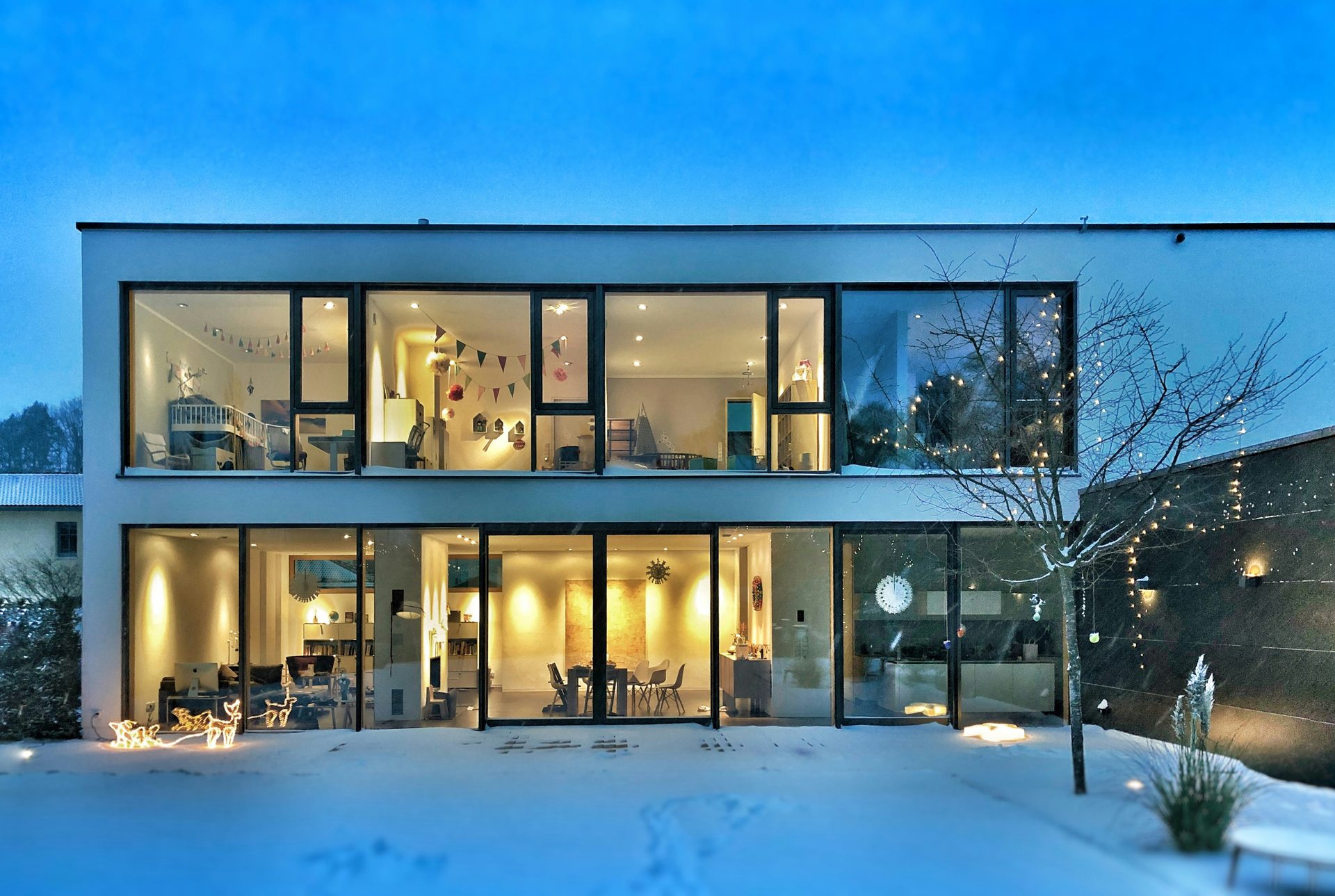
Pennsylvania offers a compelling mix of rolling farmland, established suburbs, and vibrant urban corridors — but none of that comes cheap when you’re starting from scratch. The average cost to build a house in Pennsylvania is $350,000 to $750,000, not including the cost of the land or excavation and site prep. That’s a wide range, and where your project lands within it depends on dozens of decisions you’ll make before a single nail gets driven.
Whether you’re eyeing a modest ranch in Lancaster County or a custom build outside Pittsburgh, understanding exactly what drives those numbers puts you in a far stronger position to budget, negotiate, and plan. This guide walks you through every major cost category — land, labor, materials, permits, and more — so you can build with confidence rather than sticker shock.
Average Cost to Build a House in Pennsylvania
The average cost to build a house in Pennsylvania is $350,000 to $750,000, not including the cost of the land or excavation and site prep. The cost per square foot to build a house in PA ranges from $200 to $450+, depending on the home size and style, material quality and finishes, and location.
In 2026, single-family home construction costs in Pennsylvania typically range from $200 to $500 per square foot, and the average project takes 6 to 12 months to complete. It’s worth noting that Pennsylvania runs above the national average. At $141 per square foot for a standard finish, Pennsylvania sits above the national average of approximately $120 per square foot, and these figures reflect 2026 RSMeans construction data adjusted for Pennsylvania’s regional labor and material costs.
Here’s a quick snapshot of what to expect at different build tiers:
| Build Type | Cost Per Sq Ft | Typical Total Cost |
|---|---|---|
| Basic / Builder-Grade | $200 – $320 | $350,000 – $500,000 |
| Mid-Range Custom | $300 – $400 | $500,000 – $650,000 |
| High-End / Luxury Custom | $400 – $500+ | $650,000 – $1,000,000+ |
Construction costs in Pennsylvania have been experiencing 3.5–4.5% year-over-year growth, with current market analysis showing stable conditions with steady regional variations. That upward trend means locking in contractor bids sooner rather than later can work in your favor.
Pro Tip: Always budget an extra 15% on top of your contractor’s estimate. When budgeting for new home construction, including an extra 15% to cover overruns and unexpected costs is strongly recommended.
Cost to Build a House Per Square Foot in Pennsylvania
The cost to build a house in Pennsylvania is $200 to $320 per square foot on average for a simple home with basic materials and finishes. These builder-grade homes typically come in only a limited number of styles and floor plans, which vary from one builder to the next.
Costs start at $320 to $450+ per square foot for a custom-built home with high-end fixtures and finishes. If you’re building in Central Pennsylvania specifically, building a custom home in Central Pennsylvania costs between $200 and $400 per square foot, with the price varying based on finishes, the complexity of the floor plan, and site conditions. For a typical 2,200 square foot custom home in York, Lancaster, or Cumberland County, expect to invest between $440,000 and $750,000, not including land.
Pittsburgh follows its own pricing structure. In Pittsburgh, cost per square foot varies based on customization level: standard construction starts at $178 per square foot, mid-tier construction runs around $277 per square foot, and high-end construction starts at $565 per square foot.
The table below shows estimated total construction costs by home size, based on a mid-range per-square-foot rate:
| Home Size | Low Estimate ($200/sq ft) | Mid Estimate ($320/sq ft) | High Estimate ($450/sq ft) |
|---|---|---|---|
| 1,200 sq ft | $240,000 | $384,000 | $540,000 |
| 1,800 sq ft | $360,000 | $576,000 | $810,000 |
| 2,400 sq ft | $480,000 | $768,000 | $1,080,000 |
| 3,000 sq ft | $600,000 | $960,000 | $1,350,000 |
Key Insight: Every additional 100 square feet adds $20,000 to $40,000 to your build, but complexity matters as much as size. A compact home with a complex roofline and multiple angles can cost more than a larger, simpler rectangle.
Cost Breakdown: What You’re Actually Paying For in Pennsylvania
Materials make up about 50% to 60% of the total cost to build a house, while labor makes up the rest. The home’s size, design complexity, layout, and your choice of materials and finishes have the biggest impact on the total cost. Here’s a closer look at the individual line items that make up your build budget.
Foundation
Building a new foundation costs $6 to $14 per square foot, or $12,000 to $28,000 total on average for a concrete slab, which has become one of the most popular types in new home construction in Pennsylvania due to its cost-effectiveness. Crawl spaces and basements are also popular options but come at a higher cost: a crawl space foundation costs $15 to $18 per square foot, while an unfinished basement foundation costs $35 to $50+ per square foot. Pennsylvania’s climate makes basements popular — they may cost more upfront, but they offer valuable storage and future living space.
Framing
Framing a house costs $13 to $30 per square foot for labor and materials, or $30,000 to $80,000 total for a typical house, including the roof trusses. Framing makes up a significant chunk of the total construction cost, and it takes 30 to 60+ days depending on the size, layout, and design complexity.
Roofing
A new roof costs $3 to $6 per square foot on average, depending on the material. Asphalt shingle roofs — the most popular type in Pennsylvania — typically fall within this price range and last 15 to 30 years.
Exterior Finishes
Siding costs $4 to $13 per square foot, or $8,000 to $37,000 total with installation, depending on the material, style, and quality. Vinyl siding is a popular, affordable option for Pennsylvania homes, while wood and brick siding cost more but provide a high-end look.
Electrical, Plumbing, and HVAC
- Electrical wiring costs $5 to $9 per square foot, or $12,000 to $22,500 total on average. Costs fall on the high end for houses with more complex layouts or those requiring a more powerful electrical service panel.
- Plumbing for new construction costs $10,000 to $15,000 depending on the home’s layout and pipe material used. Plumbers charge an extra $450 to $1,800 per fixture to install sinks, toilets, bathtubs, and showers.
- Labor rates in Pennsylvania currently average $38 to $58 per hour, while material costs run 5–10% above the national average.
Interior Finishes
- Wood flooring installation in Pennsylvania ranges between $4.49 and $9.23 per square foot.
- Cabinets and countertops, such as granite countertops and teak wood cabinets, may cost between $14.39 and $130.64 per square foot.
- For a 3,000 sq ft home, you should budget at least $20,000 for interior furnishings.
Permits
Pennsylvania permits typically cost $1,500 to $5,000 depending on municipality and project scope. Some municipalities charge more: building permits in Pennsylvania can range between $2,000 and $6,000 depending on the project’s scope and location. All new residential construction in Pennsylvania requires a building permit, and permit costs typically range from $1,500 to $5,000 depending on the municipality and project size.
Important Note: Processing times for permits vary by jurisdiction within Pennsylvania, typically taking 4 to 8 weeks for standard projects. Factor this into your overall project timeline before breaking ground.
Cost of Land in Pennsylvania
Land is one of the most variable costs you’ll face, and in Pennsylvania, the range is enormous. The average price of land in Pennsylvania is $30,000 to $45,000 per acre, but prices vary significantly depending on the location. You can find rural farmland for as low as $6,000 per acre in some parts of the state, while quarter-acre lots in suburban locations cost $100,000 or more.
Urban county parcels command approximately $32,000 per acre, suburban properties cost around $17,500 per acre, while rural land remains the most accessible at just $6,000 per acre. Near growing towns and commuter corridors, prices climb sharply: small residential lots near growing towns and city commuter corridors can price at $50,000 per acre or more, depending on utilities and approvals.
Here’s a regional breakdown of land pricing across Pennsylvania:
| Land Type / Region | Estimated Cost Per Acre |
|---|---|
| Rural / Remote | $500 – $6,000 |
| Farmland (statewide avg.) | $8,490 – $9,560 (per USDA 2025) |
| Suburban Residential | $17,500 – $45,000 |
| Urban / Metro-Adjacent | $50,000 – $100,000+ |
According to USDA’s 2025 Land Value Report, Pennsylvania farmland real estate value climbed to $9,560 per acre in 2025, a 3.1% increase from 2024. For residential buildable lots specifically, location relative to utilities and road frontage matters enormously. Properties with established access and nearby utilities generally sell faster and at higher prices than landlocked tracts, and the need for easements, driveway construction, or extended utility runs can reduce value and shrink the buyer pool.
Once you’ve purchased land, you’ll still need to prepare it. Excavation costs $1,500 to $10,000 on average to level and grade the site for a new foundation. However, costs can quickly exceed $20,000 for steeply sloped lots or property with rough terrain or large boulders.
Common Mistake: Many buyers underestimate land preparation costs. A lot that looks affordable at $40,000 per acre can add $30,000 or more in site prep if it has significant slope, drainage issues, or requires utility extensions.
Factors That Affect Building Costs in Pennsylvania
No two builds in Pennsylvania cost the same, and several key variables drive the final number up or down. Understanding these factors helps you make smarter trade-offs when building your budget.
Location Within the State
Pennsylvania’s state cost index of 1.10x means that a project costing $200,000 nationally would cost approximately $220,000 in Pennsylvania, and construction costs within the state vary significantly by city. Philadelphia and its suburbs typically command the highest construction costs, while rural central and northern Pennsylvania tend to be more affordable.
Home Size and Complexity
Generally speaking, the larger the home, the more materials and labor are required, escalating construction costs. Every additional square foot adds to expenses, from the foundation and framing to interior finishes and exterior cladding. Floor plan complexity matters just as much as raw square footage. The more corners and angles a design has, the more it will cost to build, based largely on increasing complexity.
Material Quality and Selections
Opting for high-end materials and designer finishes inevitably leads to higher custom home costs, while choosing more economical alternatives can help control costs. The sheer number of selections required for a home construction project can quickly add up, further influencing the budget. You’ll make choices for every room — flooring, countertops, appliances, plumbing fixtures, lighting, and door hardware — and each one compounds.
Labor Availability and Timing
Skilled trades remain in short supply in 2026, so plan for 6 to 10 week delays on subcontractor scheduling. Labor shortages persist, with hundreds of thousands of jobs unfilled, driving wages higher and timelines longer. Starting your project in late winter or early spring, before peak construction season, can sometimes improve scheduling and pricing.
Lumber and Material Volatility
Lumber remains elevated, and builders recommend budgeting an 8 to 12% contingency for framing material price fluctuations. Inflation has cooled in some sectors, but construction costs per square foot remain volatile because the prices of concrete, steel, and copper continue to fluctuate.
Energy Codes and Compliance
Pennsylvania mandates moderate but increasing adoption of energy-efficient practices, which may require energy compliance documentation and specialized approvals. State-level energy codes and new compliance rules add costs that simply didn’t exist a decade ago. While these requirements increase upfront costs, they typically reduce long-term utility bills. If you’re also considering other structures on your property, it’s worth exploring how much it costs to build a greenhouse as a comparison point for smaller construction projects.
Construction Timeline
A typical home in Pennsylvania takes 8 to 14 months from breaking ground to move-in in 2026. This includes permitting (1 to 3 months), foundation and framing (2 to 3 months), mechanical rough-ins (1 to 2 months), and finishes (2 to 3 months). Custom homes or complex sites can take longer, and every month of delay carries potential cost implications from material price changes or subcontractor rescheduling.
Building vs. Buying a House in Pennsylvania
Before committing to a new build, it’s worth running a clear comparison against buying an existing home. The numbers in Pennsylvania tell an interesting story.
In most cases, it is cheaper to buy a house than build one in Pennsylvania. According to current real estate market data, the median sale price for single-family homes in Pennsylvania is $297,800, which is lower than the current average cost to build a house in the state.
In Pennsylvania, buying an existing home is typically 10 to 20% less expensive upfront than building new. However, building new offers long-term value through modern energy efficiency — saving 30 to 50% on utilities — along with no immediate repairs, warranties, and complete customization.
Here’s a side-by-side comparison of the two paths:
| Factor | Building New | Buying Existing |
|---|---|---|
| Upfront Cost | $350,000 – $750,000+ | ~$297,800 median |
| Customization | Full control | Limited without renovation |
| Timeline to Move-In | 8 – 14+ months | 1 – 2 months |
| Maintenance (Year 1) | Minimal (new systems) | Possible immediate repairs |
| Energy Efficiency | Modern codes, lower bills | Varies by age of home |
| Bidding Wars | None | Possible in hot markets |
| Warranties | Builder warranties included | Typically none |
New homes come with warranties, meaning less immediate maintenance, and they also have better energy efficiency, which can lead to lower utility bills. On the other hand, building a home is a time-intensive process, often taking several months to over a year to complete, which might not suit those who need a home straight away.
Financing is another differentiator. Construction loans differ from regular mortgages and often require higher credit scores and larger down payments of 15 to 25%. Luckily, state-backed financing options can help offset costs — the Pennsylvania Housing Finance Agency (PHFA) partners with lenders to offer low-interest mortgages and reduced fees for eligible buyers.
If you’re weighing housing costs across different markets, it may help to compare what renters are paying in similar states. For context, you can explore apartment costs in New Jersey or apartment costs in Ohio to understand how Pennsylvania’s housing market compares regionally.
Key Insight: Building a custom home usually costs 10 to 20% more than buying a similar existing home. However, building gets you exactly what you want — modern energy efficiency and no deferred maintenance.
How to Save Money When Building a House in Pennsylvania
Building in Pennsylvania doesn’t have to mean blowing your entire budget. With smart planning and a few strategic decisions, you can bring costs down meaningfully without sacrificing the home you want.
1. Choose a Simpler Floor Plan
Complex rooflines, multiple wings, and irregular angles all add cost. A straightforward rectangular or L-shaped footprint keeps framing, roofing, and exterior work more efficient. A simple ranch on a flat lot is much cheaper than a two-story home with a walkout basement, spa bathroom, and outdoor living space.
2. Select a Flat, Buildable Lot
The land you choose directly affects your site prep costs. In many Pennsylvania counties, slope, drainage, and soil quality determine whether land is farmable, buildable, or primarily recreational. Flat, usable ground usually prices higher than steep wooded acreage, particularly when buyers plan to build. Paying a bit more for a flat lot often saves money on excavation and foundation work.
3. Be Strategic With Finishes
Every room presents numerous choices, including flooring, countertops, appliances, plumbing fixtures, lighting fixtures, and door hardware. Making thoughtful decisions and prioritizing selections based on importance and impact can help manage costs effectively. Spend on the items you’ll notice daily — kitchen countertops, master bath fixtures — and economize on less visible areas like utility room flooring or secondary bathroom tile.
4. Get Multiple Bids
Prices will vary even among comparable contractors, so you need to compare at least three bids to expose outliers while giving yourself leverage in negotiations. Don’t automatically choose the lowest bid — check references, licensing, and what’s actually included in each quote.
5. Build During the Off-Season
Market demand, seasonal variations, and the need for specialized expertise can drive up labor costs. Starting your project in fall or early winter — when contractor demand typically softens — can sometimes yield better pricing and faster scheduling.
6. Explore State Financing Programs
The PHFA’s Keystone Home Loan program is available for first-time buyers and veterans, offering VA, FHA, and conventional loans with income-based eligibility. The Keystone Government Loan (K-Gov) is available to all buyers, providing affordable VA, FHA, and USDA loans. These programs can meaningfully reduce your financing costs over the life of the loan.
7. Build Contingency Into Your Budget
Plan for a 10 to 20% contingency buffer to cover inflation, delays, or design changes. Homeowners who skip this step often find themselves making painful trade-offs mid-construction when unexpected costs arise. Having that cushion allows you to make better decisions rather than forced ones.
8. Consider Energy-Efficient Upgrades Upfront
Spending more on insulation, high-efficiency windows, and a quality HVAC system during construction is almost always cheaper than retrofitting later. New homes with modern amenities and energy-efficient features lead to savings on utilities and maintenance, and while energy systems require a higher initial investment, they contribute to lower utility bills and increase the home’s resale value.
Pro Tip: If you’re building in a metro-adjacent area, compare apartment rental costs in your target region while your home is under construction. For example, reviewing DC apartment costs or Philadelphia apartment costs can help you budget for temporary housing during the build timeline.
Building a house in Pennsylvania is a significant financial commitment, but it’s also one that can pay dividends for decades. It is essential to create a detailed budget and work closely with a reliable builder to keep your project on track. The more clearly you understand where your money goes — from land and permits to framing and finishes — the better positioned you’ll be to make decisions that align with both your vision and your budget. If you’re also exploring rental markets in other states as part of your broader housing research, it’s worth comparing Michigan apartment costs or North Carolina apartment costs to see how Pennsylvania stacks up across the region.