How Much Does It Cost to Build a House in New Hampshire?

October 19, 2026
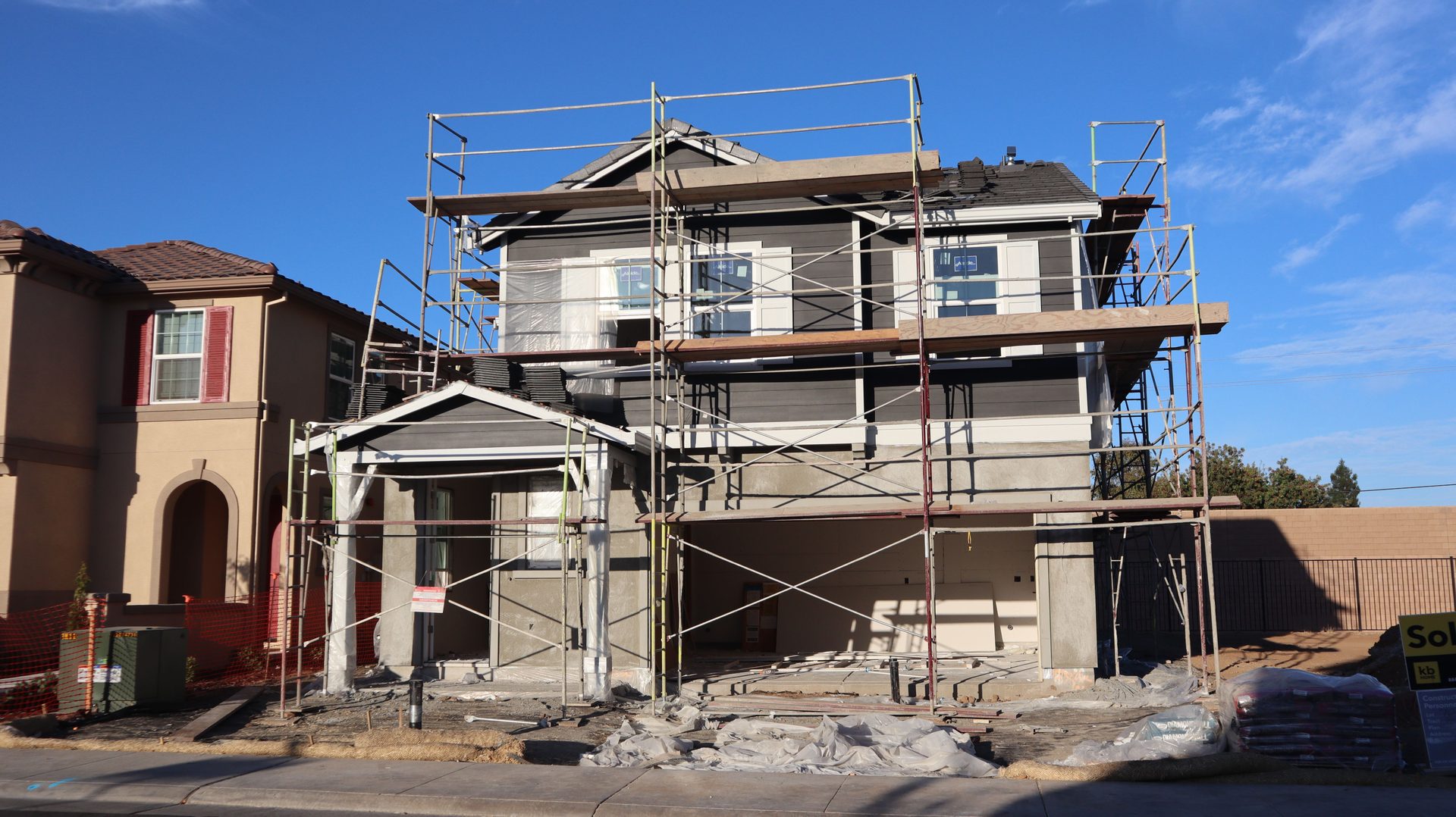
New Hampshire’s mix of mountain scenery, coastal access, and one of the lowest tax burdens in the country makes it a compelling place to put down roots — but building here is not cheap, and the numbers can surprise even seasoned buyers.
If you are planning a new construction project in the Granite State, understanding exactly where your money goes is the difference between a budget that holds and one that quietly spirals. This guide breaks down every major cost category — from land and site work to permits and finishes — so you can plan with confidence before you ever break ground.
Average Cost to Build a House in New Hampshire
In New Hampshire, builders estimate construction costs in 2025–2026 at $200 to $350 per square foot for custom builds, with the average closer to $238 per square foot for standard residential construction. That figure covers the structure itself but does not include land, site preparation, or soft costs like permits and architectural fees.
The average price to build a house in New Hampshire is approximately $361,098, and this amount can go beyond $500,000 once you include land costs, excavations, permits, and other expenses. For a high-end or fully custom build, a ballpark figure to consider is around $400 per square foot, a range that typically covers a well-appointed mid-range custom home with materials like tile showers, hardwood flooring, solid surface countertops, quality windows, and vinyl siding.
Key Insight: Construction costs in 2025–2026 are unlikely to drop dramatically, but the market is more stable than the volatile 2020–2023 period. Plan conservatively and build in a contingency buffer.
New home construction in New Hampshire can take up to 9 to 12 months from start to finish. Total construction timeline typically ranges 4–7 months for the build itself, but winter weather in New Hampshire can extend timelines by 4–8 weeks. Factor that seasonal reality into both your schedule and your financing costs.
Here is a summary of typical total project cost ranges by build type, excluding land:
| Build Type | Cost Per Sq Ft | Total Cost (2,000 Sq Ft) |
|---|---|---|
| Modular / Entry-Level | $150–$175 | $300,000–$350,000 |
| Standard Custom Build | $175–$300 | $350,000–$600,000 |
| High-End Custom Build | $300–$400+ | $600,000–$800,000+ |
Cost to Build a House Per Square Foot in New Hampshire
The average cost to build a house in New Hampshire is $238 per square foot, with a typical range of $175 to $300 per square foot depending on location, quality, and specifications. That wide spread reflects the real variation across the state — a modest ranch in Coos County will cost far less per square foot than a coastal custom home in Rockingham County.
For planning purposes, homeowners across Seacoast NH and Southern New Hampshire should think in ranges rather than a single number, because cost per square foot changes with finish level, structural complexity, and location — coastal versus inland — not just total size.
Here is how per-square-foot costs translate across common home sizes, using the $238 average as a baseline:
| Home Size | Low Estimate ($175/sq ft) | Average ($238/sq ft) | High Estimate ($300/sq ft) |
|---|---|---|---|
| 1,000 sq ft | $175,000 | $238,000 | $300,000 |
| 1,500 sq ft | $262,500 | $357,000 | $450,000 |
| 2,000 sq ft | $350,000 | $476,000 | $600,000 |
| 2,500 sq ft | $437,500 | $595,000 | $750,000 |
| 3,000 sq ft | $525,000 | $714,000 | $900,000 |
Cost per square foot typically includes foundation, framing, roofing, exterior finishes, plumbing, electrical, HVAC, insulation, drywall, flooring, cabinets, basic fixtures, and labor. Anything beyond that baseline — upgraded finishes, specialty systems, complex rooflines — adds to the per-square-foot number.
Cost Breakdown: What You’re Actually Paying For in New Hampshire
Understanding where each dollar goes helps you make smarter trade-offs. Below is a detailed look at the major cost categories for a standard new construction home in New Hampshire.
Foundation: Concrete footings, frost walls, slabs, or basements form the structural base. Granite ledge — common in New Hampshire — high water tables, or steep slopes increase complexity and cost. A standard foundation for a 2,000 sq ft home on prepared land costs $30,000 to $50,000; on challenging sites, $50,000 to $80,000.
Framing: Lumber prices stabilized in 2024–2025 after the volatile 2020–2021 market. Current framing lumber costs range from $450 to $600 per thousand board feet (as of early 2025). A 2,000 sq ft stick-built home requires approximately 40,000 to 50,000 board feet, translating to $18,000 to $30,000 in material alone, plus labor of $25,000 to $45,000.
Materials: Materials cost about $50 per square foot on average. Specific line items include:
- Framing materials including foundation, lumber, and steel beams: approximately $20,000 to $50,000.
- Wood flooring installation in New Hampshire: $3.68 to $10.82 per square foot.
- Cabinets and countertops such as granite and teak wood: $16.64 to $153.01 per square foot.
- Plumbing fixture installation: $80.30 to $91.10 per hour, plus materials.
Labor: New Hampshire’s skilled labor wages are higher than national averages, largely due to the regional cost of living and demand for construction professionals. Labor can represent 35% to 50% of the total home-building expenditure. In New Hampshire, labor typically accounts for 25–30% of the total budget, and using a general contractor generally adds an additional 10–25% to the price tag.
Permits and Soft Costs: Indirect costs like permits, land prep, and interiors can exceed $25,000. Permits alone may cost up to $4,900. Permit fees vary by municipality but typically range from $500 to $3,000.
Pro Tip: New Hampshire’s HB 577 allows third-party plan review and inspection, which can reduce permit fees by up to 80% and accelerate your permitting timeline. Ask your builder about this option before filing.
Site Work: A realistic site work budget for a partly wooded lot with moderate slopes includes approximately $70,000 for clearing, excavation, a 500-foot driveway, well drilling, a four-bedroom septic system, and utility connections. Many areas in New Hampshire lack municipal water and sewer systems, and installing an onsite septic system and well can cost an additional $15,000 to $30,000.
Interior Furnishings: The costs for furnishings depend on your preferences and the quality of the finish. For a 3,000 sq ft home, you should budget at least $30,000 for interior furnishings.
Cost of Land in New Hampshire
Land is one of the most variable line items in any New Hampshire build budget, and the range is enormous depending on where in the state you are looking.
Urban land in New Hampshire runs $50,000–$200,000 per acre, suburban land $15,000–$75,000 per acre, and rural land $3,000–$25,000 per acre. Rural land is cheaper per acre but may need a well, septic, and long utility runs, which can add $10,000–$30,000 or more to your total.
Location within the state creates dramatic differences. In the Seacoast region, premium pricing is common near ocean access and strong job corridors — a build-ready lot in Rye can command $600,000–$900,000 for well under an acre. In the Lakes Region, demand around Winnipesaukee remains intense, with a $2,750,000 median selling price with 85 sales in 2025, signaling a high-price environment that lifts surrounding land values.
On the other end of the spectrum, White Mountains and North Country recreational and timber parcels can look inexpensive per acre, but access, slope, wetlands, and clearing costs can change the equation quickly.
Important Note: New Hampshire’s effective property tax rate is 1.77%, ranking 4th highest in the nation. That ongoing carrying cost should factor into your total budget, not just the purchase price of the land.
The biggest swing factors in land value include zoning and allowed use, soils and septic feasibility, road frontage and access, utilities, and topography — steep slopes can reduce the buildable footprint significantly. Always verify buildability with a soil test, survey, and local zoning review before purchasing a parcel. You can also explore apartment costs in neighboring states to compare your overall housing options before committing to a build.
Factors That Affect Building Costs in New Hampshire
Several forces push construction costs up or down in New Hampshire. Knowing them helps you make smarter decisions at every stage of the process.
Location Within the State: Land prices in New Hampshire range dramatically from rural towns to cities near the Massachusetts border. Urban areas such as Manchester, Nashua, and Portsmouth demand higher lot prices, often exceeding $100,000 for an average-sized lot. Labor costs follow a similar pattern — construction projects near metropolitan areas usually incur higher labor costs compared to rural zones.
Climate and Building Requirements: Due to cold winters and significant seasonal changes, New Hampshire homes require high-quality insulation and energy-efficient windows, raising upfront costs. Measures such as spray foam insulation, double- or triple-pane windows, and advanced heating systems are common for reducing long-term energy expenses.
Site Conditions: Site conditions are one of the biggest swing factors builders see across New Hampshire. Site preparation is where real-world conditions meet your plans, and even a beautiful Seacoast lot can introduce surprises that influence budget and schedule. Ledge rock, high water tables, and steep slopes all add cost. Ledge is common across Seacoast NH and coastal Maine — if your foundation or utilities intersect rock, plan for extra time and heavy machinery.
Design Complexity: The complexity of your home’s design can significantly affect building costs. Custom homes with unique designs and architectural features are typically more expensive than simpler spec homes. Custom elements like high ceilings, complex rooflines, and large windows require more sophisticated construction techniques and materials, driving up costs.
Material Choices: After surging over 300% in 2020–2021, lumber prices have normalized. Pricing as of January 2025 hovers between $450 and $600 per thousand board feet, with overall costs stable relative to 2024. Framing costs are expected to remain relatively steady, though global trade conflicts may introduce volatility.
Timber Frame Construction: Timber frame homes, popular in New Hampshire, command premium pricing of 20–40% above conventional framing. If you love the aesthetic, budget accordingly.
Architectural and Professional Fees: Custom homes often require architectural services costing 5% to 15% of the overall build price. Homeowners who desire unique designs or need modifications for local building codes may face higher architect fees.
Common Mistake: Many builders budget only for construction costs and forget soft costs — surveys, engineering, insurance, and temporary utilities. These can add $20,000–$30,000 or more to your total project cost before a single wall goes up.
Building vs. Buying a House in New Hampshire
The build-versus-buy question in New Hampshire comes down to your timeline, budget flexibility, and how much customization matters to you.
The cost of buying: The statewide median sale price for a single-family home reached a record $535,000 in 2025, up 3.9% over 2024. In the Seacoast region, medians run considerably higher — around $689,000 for single-family homes. In more rural counties like Coos, the median sits closer to $252,000.
The cost of building: Construction costs in New Hampshire range from roughly $175 to $300 per square foot for a standard custom build, with high-end custom homes pushing $350 to $400 or more. For a 2,000-square-foot home at an average of $238 per square foot, construction alone runs approximately $476,000 — before land, site work, or contingencies.
In New Hampshire, buying an existing home is typically 10–20% less expensive upfront than building new. However, building new offers long-term value through modern energy efficiency — saving 30–50% on utilities — plus no immediate repairs, warranties, and complete customization.
| Factor | Building New | Buying Existing |
|---|---|---|
| Upfront Cost | Higher (construction + land + site work) | Lower (median $535,000 statewide) |
| Timeline to Move In | 9–12+ months | 1–2 months after offer accepted |
| Customization | Complete control | Limited to what exists |
| Energy Efficiency | Modern systems, 30–50% utility savings | Older systems may need upgrades |
| Immediate Repairs | None — everything is new | Possible, especially in older homes |
| Inventory Pressure | Not competing with buyers | Tight market, ~2 months of supply |
New Hampshire’s statewide supply remains tight at roughly two months of inventory — well below the five to seven months considered a balanced market — though the landscape is improving. As of late 2025, statewide listings were up about 17% year over year, with over 4,500 homes available for sale.
As of early 2026, mortgage rates for a 30-year fixed loan are hovering in the mid-6% range, which significantly impacts monthly payments and purchasing power — for both buyers and builders financing through construction-to-permanent loans. If you are weighing renting versus owning in other markets, it may help to review apartment costs in DC or apartment costs in Boston for regional context.
Building is a compelling option for buyers who want control over design, energy performance, and location. New Hampshire has numerous custom builders and modular companies offering plans from rustic cabins to sleek contemporaries. Building may be right for you if customization is paramount — you can lay out spaces according to how you live and choose finishes that fit your taste.
How to Save Money When Building a House in New Hampshire
Building in New Hampshire does not have to max out your budget. The following strategies can meaningfully reduce your total project cost without sacrificing quality.
- Choose a simpler design. The square footage of the plan will directly affect the total cost, so stick to the amount of space you actually need. Overall, the more your home design conforms to typical styles, the cheaper it will be. Avoid complex rooflines, bump-outs, and custom angles that add labor hours.
- Consider modular construction. Modular homes are factory-built and typically 15–25% cheaper than stick-built alternatives. Small ranch homes with simple designs, slab foundations, and standard finishes are also among the most affordable options in New Hampshire. If you are curious about greenhouse structures as an add-on, see how much it costs to build a greenhouse for a cost comparison.
- Act as your own general contractor. New Hampshire allows owner-builders, and managing subcontractors yourself can save 15–20% in general contractor fees — but it requires significant time, construction knowledge, and project management skills. Only pursue this route if you have the bandwidth and experience.
- Choose a rural location strategically. Consider rural areas to save on land costs while ensuring access to utilities. Just remember that rural lots often require a private well and septic system, so factor those costs into your comparison.
- Use third-party plan review. New Hampshire’s HB 577 allows you to request third-party plan review and inspection, which can accelerate timelines and reduce permit costs by up to 80%. This is one of the most underused cost-saving tools available to NH builders.
- Get multiple bids. Get estimates from multiple home construction companies before you choose one to work with. Bids on the same project can vary by 20–30% or more, and competition among contractors works in your favor.
- Set a contingency budget. Set aside a contingency fund of about 10–15% of the total budget to cover unexpected expenses. New Hampshire’s rocky terrain, ledge, and unpredictable winters mean surprises are common — having reserves prevents a mid-project financial crisis.
- Time your build for spring starts. The total construction timeline typically ranges 4–7 months depending on weather, complexity, and permitting delays, and winter weather in New Hampshire can extend timelines by 4–8 weeks. A spring groundbreaking lets you maximize the construction season and avoid costly cold-weather concrete pours.
Pro Tip: Work with a builder who has direct experience in your specific town. Local knowledge of zoning boards, soil conditions, and municipal inspectors can save weeks of delays and thousands in unexpected costs.
Building a home in New Hampshire is a significant financial commitment, but with the right preparation it is entirely manageable. Whether you are drawn to the Seacoast, the Lakes Region, or the quieter towns of the North Country, understanding your full cost picture — land, site work, construction, permits, and contingencies — puts you in a far stronger position to make the build work on your terms. If you are still weighing your options across the region, exploring apartment costs in Miami or apartment costs in Seattle can help you benchmark New Hampshire’s overall cost of living against other major markets before you commit.