
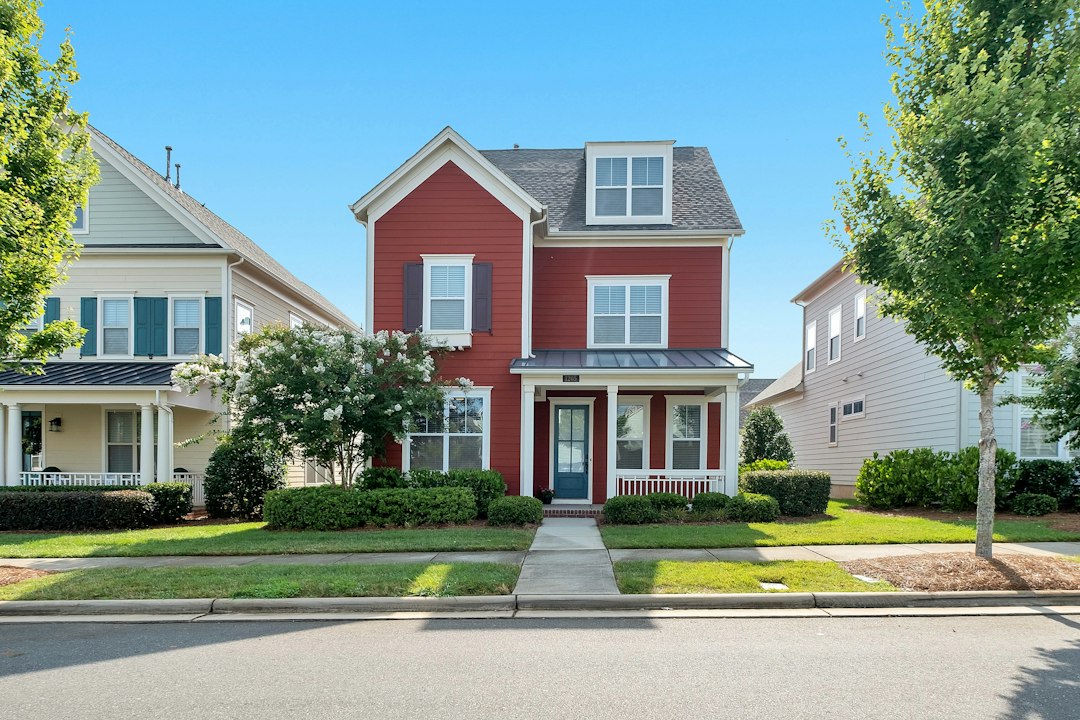
Nebraska offers some of the most affordable new home construction costs in the entire country, making it an appealing state for buyers who want to build rather than settle for an existing property. Whether you are planning a modest starter home on the plains or a custom build in the Omaha suburbs, knowing the real numbers before you break ground is the best way to protect your budget.
In this guide, you will find a full breakdown of what it costs to build a house in Nebraska — from per-square-foot rates and land prices to the hidden fees that catch most first-time builders off guard — along with practical strategies to keep your project on track financially.
Average Cost to Build a House in Nebraska
Building a house in Nebraska is a major investment, with costs varying based on location, materials, and home size. On average, new home construction in Nebraska costs between $89 and $132 per square foot, with a typical total cost ranging from $200,000 to $500,000 for a standard-sized home. That said, figures vary noticeably across sources depending on build type and finish level.
Building a home in Nebraska costs $220,000–$340,000 on average, with land adding approximately $49,800 per acre, plus extra costs for permits and labor. If you are planning a fully custom home with premium finishes, expect to pay $300 to $500 per square foot — or $350,000 to over $1.5 million in total.
Nebraska has lower construction costs compared to the national average. For context, according to the NAHB’s 2024 Construction Cost Survey, the cost to build a new home averages around $162 per square foot for a 2,647 square foot home, excluding land and the general contractor’s fee for overhead and profit. Nebraska consistently comes in below that benchmark, giving you more home for your money than in most other states.
Key Insight: Nebraska construction costs range from roughly $89 per square foot for a basic build to $280 or more per square foot for a high-end custom home, according to data from Home-Cost.com. Your total will depend heavily on location within the state, finish quality, and whether you choose a spec, semi-custom, or fully custom build.
Timeline is also worth factoring into your budget planning. It takes 9 to 12 months on average to build a new home or full-scale addition in Nebraska, with smaller projects potentially taking 3 to 6 months depending on permits, weather, and contractor availability.
Cost to Build a House Per Square Foot in Nebraska
The cost to build a house in Nebraska ranges from $100 to $160 per square foot, averaging around $220,000 excluding land. However, that range shifts significantly based on where in the state you are building and what type of home you choose.
| Build Type | Cost Per Square Foot | Notes |
|---|---|---|
| Minimum Standard / Basic | $70 – $90 | Low-end materials, smaller footprint |
| Good Standard (Starter Home) | $90 – $135 | Mid-quality materials, 2–3 bedrooms |
| Best Quality Standard (Class 3) | $150 – $190 | 3–4 bedrooms, 2–3 baths, roomier layout |
| Semi-Luxury | $225+ | Larger than average, upgraded finishes |
| Luxury / Custom High-End | $375 – $500+ | Premium materials, large square footage |
Urban areas like Omaha or Lincoln tend to be more expensive, while rural regions offer lower rates around $100 per square foot. More specifically, in Omaha, you can generally expect to pay between $110 and $225 per square foot to build a new home with a home builder.
According to Home-Cost.com, Nebraska’s construction cost range is $160 to $280 per square foot when general contractor fees for overhead and profit are included — a useful reminder that the base per-square-foot figure you see advertised rarely tells the whole story.
Important Note: When builders quote a cost per square foot, that figure usually covers construction costs only. It does not include land, site prep, or the finished lot premium — and understanding what is in and out of that number prevents budget surprises.
Cost Breakdown: What You’re Actually Paying For in Nebraska
Breaking down where your money goes is one of the most useful exercises you can do before committing to a build. The costs fall into several distinct categories, and knowing which ones you can control makes a real difference in your final budget.
Materials
Materials occupy the largest chunk of overall new home construction costs, generally taking at least 50% — or roughly $50 per square foot — of total spending, depending on the size of the house and the quality of the material. Some of the key material line items in Nebraska include:
- Framing materials (foundation, lumber, and steel beams): approximately $20,000 to $50,000
- Insulation (fiberglass, drywall, foam): $1.41 to $1.51 per square foot for installation
- Windows and doors (professional installation): $314.48 to $786.19 per door, depending on material
- Wood flooring installation: $3.60 to $8.32 per square foot
- Cabinets and countertops: $12.74 to $117.70 per square foot depending on material choices
Labor
Labor costs make up about 40 percent of the cost of building your house. The rates you pay for framers, roofers, plumbers, and electricians are subject to the market you are building in — city markets are usually more expensive than rural markets, but not always.
The cost to install plumbing fixtures such as sinks, faucets, showers, and PVC pipes throughout a home runs between $61.77 and $70.08 per hour, plus materials and parts.
Interior Finishes
According to the NAHB’s 2024 Construction Cost Survey, the biggest cost driver in home construction is interior finishes — cabinets, flooring, countertops, fixtures, appliances, and paint. This is also where you have the most control over your budget, since builder-grade finishes vs. mid-range upgrades can swing costs by $30,000 or more on a typical home.
Permits and Fees
The cost per square foot to build a home in Nebraska includes permit fees. Construction or building permits are legal documents that authorize the construction process, and permit costs are usually based on the construction type, occupancy type, home building area, and project scope. A basic building permit in Nebraska starts at $580.69 for $100,000 of construction value, plus $2.78 for each additional $1,000.
Exterior Finishing
Exterior finishing — doors, windows, siding, and similar elements — will cost about $35,000 to $40,000. Interior finishing, which covers HVAC, floors, appliances, countertops, cabinets, and fixtures, will cost roughly twice that amount and can exceed $50,000.
Structural and Foundation Work
Framing and foundation are typically the most expensive parts of building in Nebraska, and can make up 25 to 40 percent of total costs, especially if you are using a basement foundation or custom architectural framing. In Omaha specifically, your home’s structure eats up around 20 to 30 percent of your budget, covering excavation, pouring concrete foundations, framing walls, and installing floor and roof structures.
Pro Tip: If you want the most control over your build budget, focus your attention on interior finishes — that is where costs are most flexible. Choosing builder-grade cabinets and standard flooring now does not prevent you from upgrading later, and it can save tens of thousands of dollars upfront.
Cost of Land in Nebraska
Land is a separate line item from construction costs, and it varies enormously depending on whether you are buying a residential lot near a city or raw acreage in a rural part of the state.
For residential building purposes, the average price per acre in Nebraska is $49,800, though this depends on the size and location of the land. That figure reflects developed or semi-developed residential land near population centers, not agricultural acreage.
For raw agricultural land, the picture is different. The market value of agricultural land in Nebraska declined by 1 percent over the prior year to an average of $3,905 per acre as of February 1, 2026, marking the second consecutive year of decline since reaching the record high non-inflation-adjusted statewide land value in 2024. Land industry professionals cited lower crop prices, elevated farm input costs, and prevailing interest rates as the primary factors influencing agricultural land values.
Residential lot pricing near Nebraska’s major metros is substantially higher than statewide agricultural averages. Construction costs are typically 10 to 15 percent higher in cities like Omaha due to demand and permitting delays, so considering nearby towns like Bellevue or Grand Island can offer better value.
| Land Type / Location | Estimated Cost Per Acre | Source / Notes |
|---|---|---|
| Residential lot (statewide avg.) | ~$49,800 | Houzeo, 2025 data |
| Agricultural land (statewide avg.) | $3,905 | Univ. of Nebraska-Lincoln, as of Feb. 1, 2026 |
| Sarpy County farmland (near Omaha) | $13,349 | Growers Edge Farmland Value Index, Q1 2025 |
| Land listings (active market avg.) | ~$9,057 | LandSearch, current listings |
Beyond the purchase price, you also need to budget for site preparation. You must clear and level the land before construction begins, which can cost anywhere between $1,500 and $3,000. If the lot has challenging terrain, poor soil conditions, or difficult access, those preparation costs can climb considerably higher. If you are also thinking about building a greenhouse on your property, that is an additional structure to factor into your overall land use and budget planning.
Factors That Affect Building Costs in Nebraska
No two builds cost exactly the same, and several variables will push your total up or down from the averages. Understanding these factors gives you real leverage when planning your project.
Location Within the State
Urban location is one of the biggest cost drivers — Omaha costs 10 to 15 percent more than rural Nebraska. Costs are lower in rural Nebraska due to lower labor and material prices, while cities like Omaha and Lincoln tend to have higher costs due to demand and permitting requirements.
Home Type and Floor Plan Complexity
Not all homes cost the same per square foot — the type of home you are building significantly impacts your total new construction cost. Complex floor plans with multi-level layouts, unusual angles, or vaulted ceilings add cost, as do premium materials like brick exterior versus vinyl siding, and custom modifications to standard plans.
Ranch-style or two-story homes with simple rectangular floor plans are typically the most affordable to build. Single-story construction eliminates stair framing, and simple rooflines reduce material and labor costs.
Build Category
The type of build you choose sets the ceiling and floor for your budget:
- Spec/Production homes — Builder-designed with standardized floor plans and limited customization. Lowest cost per square foot.
- Semi-custom homes — Semi-custom homes use solid floor plans but let you make changes, adjust room sizes, add features, and choose from many finishes. Semi-custom homes average 6 to 9 months to build.
- Full custom homes — Architect-designed and built to your exact specifications. Full custom homes can take 9 to 12 months or longer, with weather, permit timelines, and material availability all affecting the schedule.
Site Conditions
Sloped lots, poor soil quality, and limited site access all increase excavation and foundation costs. Timeline pressure matters too — rush jobs cost more. If you are building in a new subdivision outside city limits, also be aware of Sanitary Improvement Districts. A Sanitary Improvement District is a special taxing district created by developers to finance infrastructure in new subdivisions located outside city limits, with roads, sewer systems, water lines, sidewalks, and street lights funded through municipal bonds that homeowners repay via special assessments and ongoing annual SID taxes.
Ongoing Ownership Costs
Your build cost is just the beginning. New construction homes are often sized at 2,500 to 3,000 square feet, which increases utility consumption — OPPD and MUD bills in Omaha average $300 to $350 monthly. Property taxes in Nebraska, at 1.50%, are relatively high compared to surrounding states, which is worth factoring into your long-term housing cost calculations.
Common Mistake: Many builders focus entirely on construction cost per square foot and forget to budget for land prep, permit fees, utility hookups, and furnishings. For a 3,000 sq ft home, you should budget at least $20,000 for interior furnishings alone — on top of everything else.
Building vs. Buying a House in Nebraska
One of the most practical questions you will face is whether building from scratch actually makes financial sense compared to purchasing an existing home. The answer depends on your priorities, timeline, and flexibility.
Building a home from scratch in Nebraska is often more expensive than purchasing an existing home. The average cost to build a new home is around $450,000, while the median price for an existing home is approximately $285,000.
In Omaha specifically, the cost to build a house is around $450,000 for an average new home, whereas existing homes average about $285,000. Looking at the broader Omaha market, the average cost to build including land runs around $600,000 for a 2,000 to 2,500 sq ft new home, compared to a median existing home price of approximately $350,000.
| Factor | Building New | Buying Existing |
|---|---|---|
| Upfront cost | Higher ($450,000+ avg. with land) | Lower (~$285,000 median) |
| Customization | Full control over layout and finishes | Limited to what exists |
| Move-in timeline | 9–12 months | 1–2 months |
| Immediate repairs | Unlikely (everything is new) | Possible (older systems) |
| Energy efficiency | Modern standards built in | May require upgrades |
| Floor plan | Exactly what you want | Compromise likely |
It is usually cheaper to buy a home than to build a new one. However, by building your own home, you have the freedom to customize it to your needs. While new homes take 9 to 12 months to complete, homes for sale in Nebraska close in just 1 to 2 months, with more listings and lower prices.
If you are weighing the cost of renting while your build is underway, it helps to understand the rental market in comparable cities. You can explore apartment costs in Ohio or check out apartment pricing in Idaho to see how Nebraska stacks up regionally. For those considering urban rental alternatives during a build, Seattle apartment costs and Miami apartment costs illustrate just how affordable Nebraska’s housing market remains by comparison.
For many buyers, the right question is not “which is cheaper?” but “which delivers better long-term value for my situation?” If you want a home built exactly to your specifications with no deferred maintenance concerns, building may be worth the premium. If speed and lower upfront cost are priorities, buying an existing home is the stronger financial move in Nebraska’s current market.
How to Save Money When Building a House in Nebraska
Even in a relatively affordable state like Nebraska, there are meaningful ways to reduce your construction costs without sacrificing quality. The most impactful savings come from decisions made before the first shovel hits the ground.
Choose a Simpler Floor Plan
Simple, efficient floor plans with rectangular footprints and standard ceiling heights reduce costs significantly, and builder-grade finishes can always be upgraded later. Every corner, angle, and vaulted ceiling you add increases both materials and labor — sometimes dramatically.
Build Up, Not Out
Building up (adding a second story) is cheaper per square foot than expanding outward, since you avoid additional foundation and roof costs for a larger footprint.
Consider Building Outside Major Metro Areas
Construction costs are typically 10 to 15 percent higher in cities like Omaha due to demand and permitting delays — considering nearby towns like Bellevue or Grand Island can offer better value. The savings on land and labor in smaller markets can add up to tens of thousands of dollars on a full build.
Use Pre-Approved Plans
Custom architectural drawings add both cost and time. Using pre-approved or semi-custom plans reduces design fees and can speed up the permitting process. Design fees range from a couple of thousand to several thousand dollars depending on the type of house and how large your floor plan is, and it is common for architect and design fees for high-end house plans to exceed eight percent of the cost of building a home.
Get Multiple Contractor Bids
Online calculators give you ranges, but talking to an actual builder gives you real numbers for your specific situation. Getting at least three bids from licensed general contractors allows you to compare pricing and identify any outliers before committing.
Prioritize Structural Quality, Defer Cosmetic Upgrades
Invest in your foundation, framing, roofing, and insulation — the bones of the house that are expensive to fix later. You can always upgrade countertops, flooring, and fixtures over time. Interior finishes are where you have the most control over your budget, and choosing builder-grade over mid-range upgrades can swing costs by $30,000 or more on a typical home.
Pro Tip: If you are financing your build, explore your loan options carefully. A construction-to-permanent loan covers land purchases and home-building costs, then converts to a conventional mortgage after construction is complete and you move in — simplifying the financing process significantly compared to managing two separate loans.
Explore Financing Options Early
Beyond construction loans, you are generally required to have a credit score above 480 and enough cash to make a 10 percent down payment of the project cost. Getting pre-qualified early helps you understand your real budget ceiling and negotiate with builders from a position of strength. If you are also comparing housing costs across different markets, resources like Michigan apartment costs, Louisiana apartment costs, and North Carolina apartment costs can help you benchmark Nebraska’s overall housing affordability in a broader context.
Building a house in Nebraska is one of the more financially accessible paths to homeownership in the country, but it still requires careful planning. Nebraska has lower construction costs compared to the national average, land prices are reasonable, the permitting process is relatively simple, and the Omaha metro has a strong builder community with skilled labor available. With the right team, a realistic budget, and a clear understanding of what drives costs up or down, you can build a home that fits both your vision and your finances.