Smoked Salmon During Pregnancy: What’s Actually Safe and What to Skip

April 3, 2026
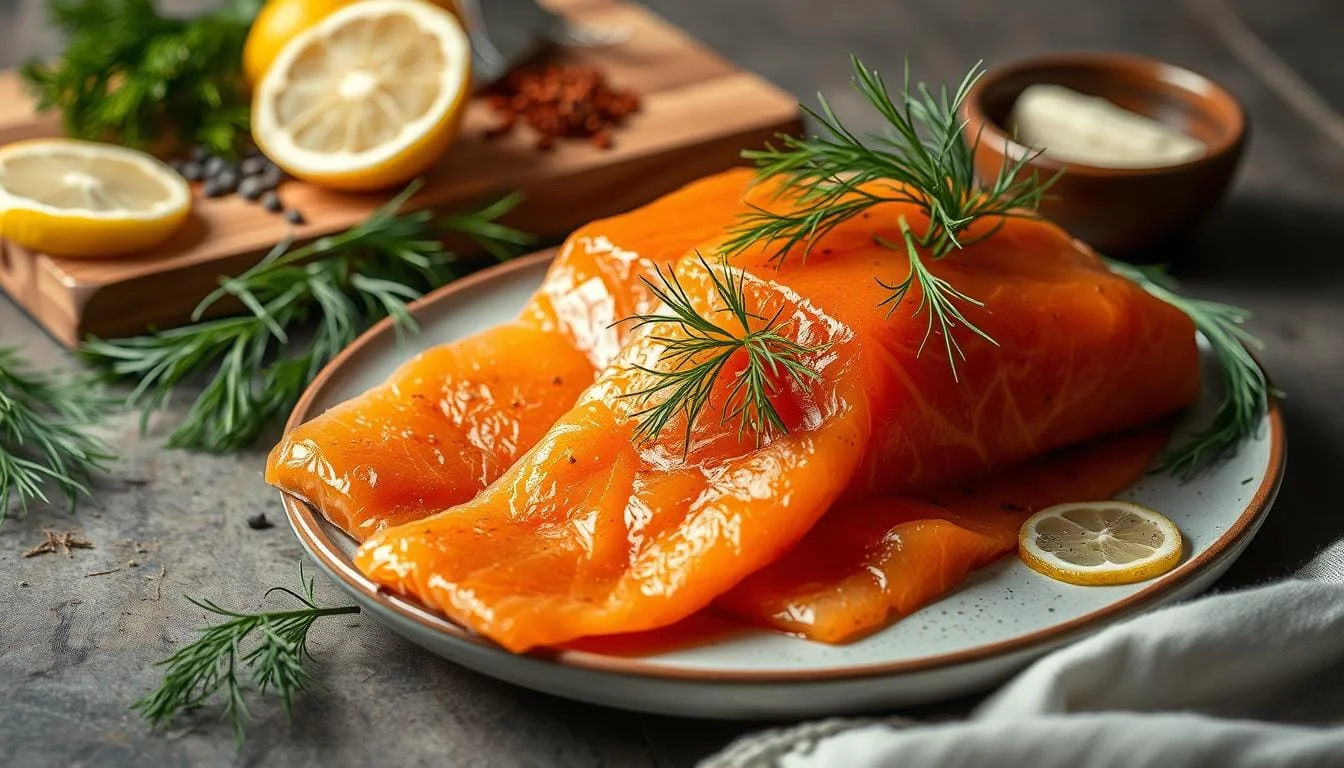
You’re pregnant, you’re craving smoked salmon, and now you’re staring at the package wondering if you’re about to make a terrible decision. You’re not alone — this is one of the most Googled pregnancy food questions out there, and for good reason.
The answer isn’t a simple yes or no. It depends entirely on the type of smoked salmon you’re looking at. Some varieties are completely off the table during pregnancy. Others, prepared the right way, can actually be a nourishing, omega-3-rich addition to your diet. This guide breaks it all down so you can make a confident, informed choice — no guesswork required.
The Short Answer
It depends on how the salmon was smoked. Pregnant women can safely eat hot-smoked salmon when heated to 165°F or shelf-stable forms, but cold-smoked salmon puts you at risk of tapeworm and Listeria infections. So before you take a bite, the most important thing you can do is check the label — and know what you’re looking for.
Here’s the quick breakdown:
- Hot-smoked salmon (fully cooked): Generally safe, heated to 165°F
- Canned or shelf-stable smoked salmon: Safe
- Cold-smoked salmon (lox, nova, gravlax): Avoid during pregnancy
- Refrigerated smoked salmon (not reheated): Avoid unless heated thoroughly
Pro Tip: When in doubt at a restaurant or deli counter, ask whether the salmon is hot-smoked or cold-smoked. If the staff can’t tell you, it’s safest to skip it for now.
Why It’s a Concern
Pregnancy changes the way your immune system works — and that matters more than most people realize when it comes to food safety. “One of the less obvious changes is to the immune system, making pregnant women and their developing babies more susceptible to some foodborne illnesses,” and these illnesses can be serious and, in the worst case, lead to miscarriage or premature delivery.
The specific danger with cold-smoked salmon is a bacterium called Listeria. Cold-smoked salmon has the potential to contain Listeria monocytogenes because the cold-smoking process does not cook — and therefore does not kill — potential foodborne bacteria that have contaminated the fish. The presence of the Listeria bacteria can lead to listeriosis, a serious infection for pregnant women and their unborn babies.
What makes Listeria particularly tricky? Listeria can reproduce at very low temperatures — meaning refrigeration doesn’t stop it. That’s why even vacuum-sealed, refrigerated smoked salmon from a reputable grocery store still carries risk during pregnancy.
In pregnancy, listeriosis can cause miscarriage, death in utero, and premature birth. Listeria isn’t the only concern, either. In addition to Listeria, other pathogens can also be found in smoked salmon, including botulinum, anisakis, and salmonella.
There’s also the sodium issue. Smoked salmon has a high sodium content, which is something to pay attention to. “During pregnancy, it’s essential to consume salt-cured foods like hot-smoked salmon in moderation because of their high sodium content, which can lead to increased blood pressure or preeclampsia, which can be dangerous for mothers and their unborn babies.”
Important Note: If you accidentally ate cold-smoked salmon before reading this, don’t panic. Watch for symptoms like fever, chills, muscle pain, digestive upset, or headache. At the first sign of illness, consult your healthcare provider — fast treatment changes outcomes.
What the Research Actually Says
Multiple major health organizations have weighed in on this — and they largely agree. The key distinction, consistently, is how the salmon was prepared.
Refrigerated smoked seafood, such as salmon, trout, whitefish, cod, tuna, or mackerel, carry significant risk — but it is OK to eat smoked seafood during pregnancy if it is canned, shelf-stable, or an ingredient in a casserole or other cooked dish. This guidance comes directly from FoodSafety.gov, a U.S. government resource.
The Mayo Clinic echoes this position. To avoid harmful bacteria or viruses, don’t eat fish and shellfish that has not been cooked — and that includes refrigerated seafood that hasn’t been cooked and is labeled nova style, lox, kippered, smoked, or jerky.
On the nutrition side, the science strongly supports eating cooked salmon during pregnancy. Fish is a healthy source of lean protein, healthy fats, vitamins, and minerals. The FDA even recommends that pregnant and breastfeeding women eat 8–12 ounces (227–340 grams) of low-mercury fish each week, and salmon is considered low in mercury.
Compared with other sources of protein, fish is often higher in the omega-3 fatty acids EPA and DHA. DHA plays an especially important role during pregnancy by contributing to fetal brain development, and it has been linked to better infant and child development.
Research also points to benefits beyond the baby. Omega-3 fatty acids, which are abundant in salmon, do more than support your baby — they’re also good for your mental and physical health. Research suggests that higher omega-3 intake during pregnancy may reduce the risk of postpartum depression.
The bottom line from the research: seafood during pregnancy is genuinely beneficial — the concern isn’t salmon itself, it’s undercooked or cold-processed salmon specifically. When prepared correctly, it’s a nutritional win.
How to Do It Safely
Good news: you don’t have to give up smoked salmon entirely. You just need to know which types are safe and how to handle them. Here’s your practical guide.
Understand the Two Types of Smoked Salmon
The entire safety question hinges on one distinction. In short, cold-smoked salmon is undercooked while hot-smoked salmon should be fully cooked when prepared properly.
- Cold-smoked: Dry-cured and smoked at 70–90°F (21–32°C). It isn’t fully cooked, which results in a bright color, soft texture, and strong, fishy flavor.
- Hot-smoked: Brine-cured and smoked at 120°F (49°C) until its internal temperature reaches 135°F (57°C) or higher. Because it’s fully cooked, it has firm, flaky flesh and a strong, smoky flavor.
Pro Tip: You can tell if salmon is fully cooked by its color. Look for hot-smoked salmon (darker pink and flaky) that has been fully cooked, or make sure you cook cold-smoked salmon before consuming during pregnancy.
Safe Preparation Methods
- Choose hot-smoked salmon that is labeled “fully cooked” or “pasteurized.” Hot-smoked salmon is fully cooked and shouldn’t cause dangerous infections. However, if the hot-smoked salmon wasn’t previously heated to 165°F, make sure to do that before eating it to ensure safety.
- Reach for canned or shelf-stable options. Canned or pasteurized salmon is subjected to rigorous heat treatments, arriving on your plate already cooked and ready to eat.
- Cook cold-smoked salmon before eating. If you have cold-smoked salmon and want to use it, heat it thoroughly in a dish — a pasta bake, quiche, or hot dip — until steaming.
- Read every label carefully. If you’re unsure whether a product has been hot- or cold-smoked, it’s best to check with a server or call the company. Cold-smoked salmon may be labeled under a different name, such as lox, nova style, kippered, or gravlax.
How Much Is Safe?
Pregnant women can consume up to two portions of smoked salmon per week, with each portion being about 140 grams when cooked. This amount provides essential nutrients, making it a healthy choice during pregnancy.
Keep sodium in mind, too. Since smoked salmon is salt-cured, it’s worth balancing your intake with lower-sodium meals throughout the day, especially if you’re monitoring blood pressure.
Trimester-by-Trimester Considerations
The safety rules don’t change trimester to trimester — the type and preparation method matter throughout your entire pregnancy. That said, nutrient needs do shift as your baby grows.
It’s advisable to incorporate hot-smoked salmon into your diet throughout pregnancy, especially in the second and third trimesters when nutrient needs are higher. Always ensure it’s heated to 165°F to minimize risks.
During the first trimester, if nausea is making food choices difficult, canned salmon mixed into mild dishes (crackers, rice, or simple pasta) can be an easier way to get your omega-3s without triggering queasiness from stronger smells.
Key Insight: Wild-caught or farmed salmon? Each is generally safe when fully cooked, though wild salmon from reputable waters is sometimes preferred for lower contaminant levels.
When to Avoid It Completely
Some situations call for a clear, firm no. Avoid smoked salmon entirely — regardless of how it’s labeled — in the following scenarios:
- It’s cold-smoked and not being cooked. Cold-smoked fish remains essentially uncooked, with smoking at temperatures often below 30°C. Pathogens can survive, including Listeria — making cold-smoked salmon a risk, regardless of brand or price.
- It’s labeled lox, gravlax, nova, or kippered. Lox and gravlax-style salmon have been cured in salt but not smoked. As such, they’re considered uncooked fish.
- It’s refrigerated smoked salmon from a deli counter. Deli-prepared items carry higher contamination risk because of shared surfaces and handling. Foods to avoid during pregnancy often include deli-counter items for exactly this reason.
- It’s a smoked salmon spread, pâté, or cream cheese dip. Pre-processed food products such as smoked salmon pâté and spreads or salmon-flavored cream cheese or dips may pose a threat of contamination.
- It’s refrigerated fish jerky. Refrigerated fish jerky is considered undercooked fish, while jerky that’s canned or shelf-stable is considered safe to eat during pregnancy without extra cooking.
- You have a fish allergy. Fish allergies can cause reactions in pregnant women, including itching, swelling, and respiratory issues. Always discuss known allergies with your OB-GYN.
- Storage is questionable. Poorly stored smoked salmon may lead to histamine poisoning, causing headaches, nausea, and rashes. When in doubt, throw it out.
Common Mistake: Assuming “ready to eat” on the label means it’s pregnancy-safe. Does “ready to eat” mean risk-free? Not always. Only hot-smoked, canned, or fully cooked products guarantee safety.
Quick Reference Chart
Use this at-a-glance chart when you’re at the grocery store, reading a menu, or just need a fast answer. You can also check out this deeper look at the pros and cons of eating seafood for broader context on fish during pregnancy.
| Smoked Salmon Type | Pregnancy Status | Why | What to Do |
|---|---|---|---|
| Hot-smoked salmon (fully cooked) | ✅ Safe (with caution) | Cooked to temperature that destroys pathogens | Heat to 165°F before eating; limit sodium intake |
| Canned / shelf-stable smoked salmon | ✅ Safe | Subjected to rigorous heat treatment | Safe to eat as-is; refrigerate after opening |
| Cold-smoked salmon (cooked in a dish) | ⚠️ With Caution | Safe only when heated until steaming hot | Must be incorporated into a fully cooked meal |
| Cold-smoked salmon (raw / unheated) | ❌ Unsafe | Not fully cooked; Listeria risk | Avoid completely during pregnancy |
| Lox / gravlax / nova style | ❌ Unsafe | Salt-cured only, considered uncooked fish | Avoid completely during pregnancy |
| Refrigerated smoked salmon (deli) | ❌ Unsafe (unless cooked) | High contamination risk; Listeria survives refrigeration | Only eat if heated to 165°F in a cooked dish |
| Smoked salmon pâté / cream cheese dip | ❌ Unsafe | Pre-processed; high contamination risk | Avoid completely during pregnancy |
| Refrigerated fish jerky (smoked salmon) | ❌ Unsafe | Considered undercooked fish | Choose shelf-stable/canned jerky instead |
| Shelf-stable smoked salmon jerky | ✅ Safe | Canned/shelf-stable = safely processed | Safe to eat without additional cooking |
Frequently Asked Questions
Can I eat smoked salmon on a bagel while pregnant?
It depends on what’s on that bagel. If it’s topped with cold-smoked lox or nova-style salmon — the silky, raw-textured kind — that’s a no during pregnancy. If the salmon has been hot-smoked and fully cooked, and you heat it through, you can enjoy it. Most classic bagel-and-lox combinations use cold-smoked salmon, so it’s best to swap it out for a cooked alternative when you’re expecting.
Is sushi-grade smoked salmon safe during pregnancy?
The advice from the American College of Obstetricians and Gynecologists (ACOG) and food safety professionals recommends avoiding all raw or undercooked fish, including sushi and poke, during pregnancy. “Sushi-grade” refers to quality and parasite reduction through freezing — but it does not mean the fish is cooked. Avoid it while pregnant.
What if I already ate cold-smoked salmon before I knew I was pregnant?
First, take a breath. A single exposure doesn’t guarantee illness. It’s important not to panic. Take stock and watch for symptoms: fever, chills, muscle pain, digestive upset, or headache. At the first sign of illness, consult your healthcare provider — fast treatment changes outcomes. Even if you feel fine, mention it at your next prenatal appointment.
Can I eat smoked salmon during the first trimester?
You can eat smoked salmon during the first trimester, but it’s essential to ensure it’s well-cooked and from a reliable source. Cooking helps kill any potential bacteria or parasites, making it safer for you and your developing baby. The same rules apply in every trimester — the type and preparation matter most.
Is canned salmon the same as smoked salmon?
Not always, but canned salmon products — whether smoked or plain — are generally safe during pregnancy because they go through rigorous heat processing. It is OK to eat smoked seafood during pregnancy if it is canned, shelf-stable, or an ingredient in a casserole or other cooked dish. Check the label to confirm it’s a canned or shelf-stable product, not a refrigerated one.
Are there safer fish I can eat to get the same nutrients?
Absolutely. There are other types of fish you can enjoy during pregnancy, as long as they are considered low-mercury fish. These include shrimp, light tuna (not white), haddock, sole, and oily fish like herring. Canned sardines are another great option — they’re rich in brain-supporting nutrients like omega-3s and vitamin D, with low mercury levels. For non-fish options, plant-based whole foods like walnuts, flaxseed, and chia seeds also provide omega-3 fatty acids.
How do I know if smoked salmon at a restaurant is safe?
Ask your server directly: “Is the smoked salmon hot-smoked and fully cooked, or is it cold-smoked?” If they’re unsure, or if it’s a classic lox-style presentation (silky, translucent, served cold), skip it. Fully cooked hot-smoked salmon will look flaky and darker pink — similar to baked salmon in texture. When in doubt, opt for a grilled or baked salmon dish instead, which removes all uncertainty. For a broader look at foods and beverages to avoid during pregnancy, that resource covers additional items worth knowing about.
Does freezing cold-smoked salmon make it safe?
Cold-smoked and raw salmon must be frozen at -20°C for a minimum of 24 hours to inactivate parasites — yet this leaves Listeria untouched. So freezing reduces some risks but doesn’t eliminate all of them. Cooking to a safe internal temperature remains the only reliable way to neutralize Listeria.
This information is for educational purposes only and is not intended as medical advice. Always consult with a qualified healthcare professional before making health decisions during pregnancy.