Can You Eat Oysters While Pregnant? What You Actually Need to Know

April 24, 2026
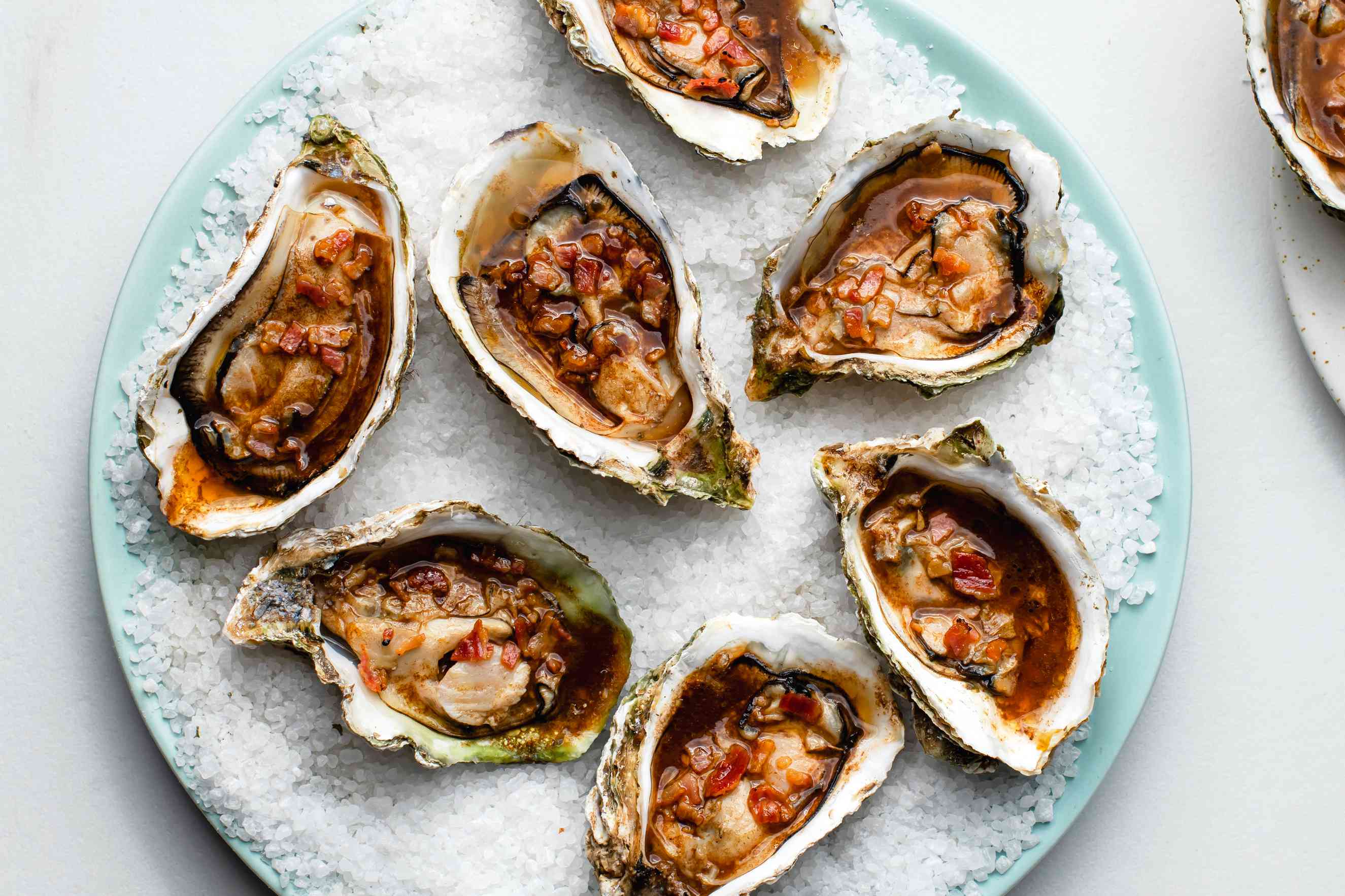
Oysters and pregnancy — it sounds like a combination that should come with a big red warning label. But the truth is more nuanced than a flat-out “no,” and knowing the real rules can make a big difference in how confidently you navigate your pregnancy diet.
If you’ve been wondering whether that craving for oysters is something you can safely satisfy, you’re in the right place. This guide breaks down exactly what’s safe, what’s risky, what the research says, and how to enjoy oysters during pregnancy without putting yourself or your baby at risk.
Medical Disclaimer: This information is for educational purposes only and is not intended as medical advice. Always consult with a qualified healthcare professional before making decisions about your diet during pregnancy.
The Short Answer
Yes, it can be okay — and even healthy — to eat oysters during pregnancy. But this doesn’t mean it’s okay to eat all types and preparations of oysters. The key word here is cooked.
According to the FDA, pregnant people can safely enjoy 8 to 12 ounces of low-mercury seafood per week, including cooked oysters. The FDA even acknowledges cooked oysters as one of the “best choices” of seafood a person can eat while pregnant.
So if you’ve been avoiding oysters entirely out of caution, you may not need to. You just need to know how to eat them safely — and which forms to skip completely.
Why It’s a Concern
Pregnancy changes your body in ways that make certain foods riskier than they’d normally be. Pregnancy weakens your immune system, and when your immune system isn’t as strong, you’re more susceptible to illnesses such as food poisoning — which can make you sick after eating raw or undercooked food containing bacteria.
With oysters specifically, there are two primary threats to understand:
- Vibrio vulnificus bacteria: Infections due to the bacteria Vibrio vulnificus are a concern for pregnant women. It is found in multiple types of shellfish including clams, shrimp, crabs, mussels, and oysters. Shellfish contaminated with this bacteria have a normal appearance, smell, and taste. Vibrio vulnificus causes serious infections, including blistering skin infections that can lead to blood infections (sepsis).
- Toxoplasma gondii parasite: Seawater can be contaminated with Toxoplasma gondii parasites that originate from feline fecal matter, survive sewage treatments, and travel through river systems into the ocean. Certain types of shellfish, including oysters, clams, and mussels, filter Toxoplasma gondii from seawater, meaning raw shellfish can contain the parasite. Humans can be exposed when eating raw or undercooked shellfish, including oysters.
Toxoplasmosis infection during pregnancy can result in miscarriage, stillbirth, or severe developmental delays. These are serious consequences — but the good news is that they are almost entirely preventable with proper cooking.
Important Note: Since both Vibrio vulnificus and Toxoplasma gondii cannot survive at high temperatures, thorough cooking of shellfish, including oysters, can be used to prevent infections from these organisms. Because of this, it is safe for women to eat fully cooked oysters during pregnancy.
There’s also a mercury consideration. Consuming too much mercury can be dangerous to a baby in utero and damage their nervous system, so the FDA creates guidelines to help pregnant people avoid mercury poisoning. Fortunately, oysters are a low-mercury seafood option — which means that, if cooked thoroughly, they are not off the list during pregnancy. You can find more about the full list of foods and beverages to avoid during pregnancy to keep your diet on track.
What the Research Actually Says
When you look at the guidance from major health authorities, a clear and consistent picture emerges: cooked oysters are safe; raw oysters are not.
Fish are part of a healthy eating pattern and provide key nutrients during pregnancy to support a child’s brain development. Choline supports development of the baby’s spinal cord, and fish provide iron and zinc to support children’s immune systems. Fish intake during pregnancy is recommended because moderate scientific evidence shows it can help your baby’s cognitive development.
Oysters, specifically, are nutritional powerhouses. Eastern oysters have an impressive nutrient density score and are particularly rich in vitamin B12, zinc, copper, biotin, EPA+DHA, taurine, iodine, selenium, iron, manganese, choline, and protein.
Research also confirms their standing in terms of mercury safety. The Dietary Guidelines for Americans specifically lists oysters among the fish on the “Best Choices” list that are even lower in mercury. This puts oysters in the same safe category as salmon, shrimp, and sardines for pregnant women.
The Global Alliance for Improved Nutrition found that bivalves — like clams, mussels, and oysters — have very high densities of micronutrients important for reproduction. In their analysis, bivalves scored just as high in iron, zinc, and vitamin B12 for micronutrient density compared with organ meats.
On the risk side, when you ingest raw or undercooked oysters that contain bacteria including listeria, it could infect your digestive tract. Due to a weakened immune system during pregnancy, you could be susceptible to foodborne illnesses, which have the potential to cause a miscarriage, stillbirth, premature delivery, or death of a newborn. These aren’t risks to take lightly — but again, they apply specifically to raw and undercooked oysters, not properly cooked ones.
For a broader look at how seafood fits into a healthy diet, including the pros and cons of eating seafood is a helpful resource.
How to Eat Oysters Safely During Pregnancy
If you want to enjoy oysters during pregnancy, the rules are clear and very manageable. Here’s how to do it right.
Safe Serving Amounts
The 2020–2025 Dietary Guidelines for Americans suggest no more than two or three servings (8 to 12 ounces) of “safe” seafood like oysters a week during pregnancy. One serving is about 4 ounces — roughly the size of your palm.
Safe Cooking Methods
Since raw oysters carry the risk of contamination and food poisoning, only eat oysters that have been fully cooked — either by frying, broiling, baking, or boiling. Here are specific time and temperature guidelines:
- Stir-fry: In oil for about 3 minutes at 375°F (191°C)
- Boil/soup/chowder: 3 to 5 minutes until edges curl
- Grilled/broiled/chargrilled: 3 inches from heat source for 3 minutes
- Steamed: 4 to 9 minutes once water is boiling
Cook clams, mussels, and oysters until their shells open. Throw away any that don’t open. An open shell is your signal that the oyster is fully cooked and ready to eat.
Choosing Fresh Oysters
To minimize the risk of illness while consuming oysters, pregnant women should select oysters with closed shells, clean them before cooking, cook them quickly and thoroughly, and limit their intake.
If you are going to eat oysters, it’s important to ensure they are fresh. If the oyster is open, discard it because it means it’s dead or probably rotten. Also, look out for dry oysters because that’s a sign that it’s injured or dying.
What About Smoked Oysters?
You should also avoid smoked oysters during pregnancy. Although technically cooked during the smoking process, they’re not always cooked at a safe temperature. There’s an important distinction here, though:
- Cold-smoked oysters: Cold-smoked oysters are kept cool during the smoking process, which doesn’t really cook them. The bacteria inside is only inhibited from growing, not completely dead. Your body heat can revive bacteria and cause harm.
- Hot-smoked oysters: Hot-smoked oysters are safe for pregnant women. The high-temperature smoking process makes the oysters fully cooked and destroys all harmful bacteria.
- Canned oysters: Canned oysters are frequently pre-cooked and sterilized, lowering their risk of infection and making them safe to consume during pregnancy.
Trimester Considerations
The rules around safe, fully cooked oysters apply throughout all three trimesters. The core guidance doesn’t change based on how far along you are — the preparation method is what matters most.
That said, it is recommended to avoid oyster consumption especially in the first and last trimesters, since they are considered high-risk periods. During the first trimester, your baby’s foundational development is happening rapidly. In the third trimester, your body is under greater physical stress. If you feel more comfortable skipping oysters entirely during these windows, that’s a perfectly valid choice. Just be sure to get those key nutrients — like zinc, iron, and omega-3s — from other safe sources.
Pro Tip: When ordering oysters at a restaurant, always confirm they are fully cooked before eating. Ask your server directly — it’s your right as a pregnant person to know exactly how your food was prepared.
To support your overall pregnancy nutrition, foods that boost brain health and function can complement the omega-3s you get from cooked oysters.
When to Avoid Oysters Completely
Even with the “cooked oysters are safe” rule in place, there are specific situations where you should skip oysters altogether during pregnancy:
- Raw or undercooked oysters, always: Don’t eat raw fish and shellfish. Examples of raw or undercooked foods to avoid include sushi, sashimi, ceviche, and raw oysters, scallops, or clams.
- If you have a shellfish allergy: Shellfish can trigger allergies, which may be heightened during pregnancy. If you’ve ever had an allergic reaction to shellfish, this is not the time to test your limits.
- If you’re immunocompromised or have liver disease: Although pregnancy is not specifically identified as a risk factor for Vibrio vulnificus infection, the severity of illness and high mortality rate associated with this infection make it advisable for pregnant women to avoid potential exposures. If you have any underlying health conditions that further compromise your immune system, speak with your doctor before eating any shellfish.
- If you’re unsure about the source: Consider the oysters’ source and quality. If they were from a trusted and reputable source known for safe seafood, the risk may be lower. However, it’s best to be cautious if there are contamination concerns or if they were from an unknown source.
- Cold-smoked oysters: As noted above, cold-smoked oysters don’t reach a temperature sufficient to kill bacteria, making them a form to avoid entirely during pregnancy.
If You Accidentally Ate Raw Oysters: Watch for any signs of foodborne illness, such as nausea, vomiting, diarrhea, stomach cramps, or fever — these symptoms can occur within hours or days after consuming contaminated food. Contact your obstetrician and inform them about the situation; they can guide you based on your circumstances and advise on any necessary precautions.
For a broader overview of what to keep off your plate, the full guide to foods and beverages to avoid during pregnancy is worth bookmarking.
Quick Reference Chart
| Oyster Type / Preparation | Safe During Pregnancy? | Notes |
|---|---|---|
| Fully cooked (fried, broiled, baked, boiled) | ✅ Safe | 2–3 servings (8–12 oz) per week max; shell must open during cooking |
| Steamed oysters (shell opens) | ✅ Safe | Steam for 4–9 minutes after water boils; discard any that don’t open |
| Canned oysters (shelf-stable) | ✅ Safe | Pre-cooked and sterilized during canning process |
| Hot-smoked oysters | ✅ Safe | High heat during smoking kills harmful bacteria |
| Raw oysters (on the half shell) | ❌ Unsafe | Risk of Vibrio, Listeria, and Toxoplasma gondii infection |
| Cold-smoked oysters | ❌ Unsafe | Not cooked to a temperature sufficient to kill bacteria |
| Smoked refrigerated oysters (not canned) | ❌ Unsafe | Risk of Listeria contamination |
| Oysters from unknown/untrusted sources | ⚠️ Use Caution | Source quality affects contamination risk significantly |
| Oysters if you have a shellfish allergy | ⚠️ Avoid | Allergic reactions can be heightened during pregnancy |
| Oysters in first or third trimester | ⚠️ Use Caution | Higher-risk periods; consult your doctor for personalized guidance |
Oysters are also rich in nutrients that support heart health and healthy skin — benefits that extend well beyond pregnancy.
Frequently Asked Questions
Can I eat oysters in the first trimester?
Fully cooked oysters are technically safe throughout pregnancy, but many healthcare providers recommend extra caution in the first trimester when your baby’s foundational development is happening rapidly. If you’re concerned, skip oysters during the first trimester and reintroduce them as cooked options in the second trimester. Always check with your OB-GYN for personalized advice.
What happens if I accidentally ate raw oysters while pregnant?
Remember, one accidental meal does not guarantee harm, and many women have eaten oysters without issues. Monitor yourself for symptoms like nausea, vomiting, or fever, as these can indicate a possible foodborne illness. Consider contacting your healthcare provider if you suspect you have eaten raw or uncooked oysters while pregnant to know the next steps you can take.
Are oyster sauces and condiments safe during pregnancy?
Yes. Commercial oyster sauce is cooked and processed, making it safe to use as a cooking ingredient during pregnancy. It doesn’t carry the same bacterial risks as raw or undercooked whole oysters.
Can I eat oysters while breastfeeding?
Yes. You can totally eat oysters while breastfeeding. The same low-mercury, fully cooked guidelines apply, but the heightened infection risk associated with raw oysters is no longer a concern for your baby once you’re no longer pregnant.
What nutrients do oysters provide during pregnancy?
Oysters are high in essential nutrients such as vitamin B12, omega-3 fatty acids, zinc, and iron — all important both for you and your baby during pregnancy. Beyond that, vitamin B12 helps form your baby’s brain and spinal cord, reducing the risk of birth defects affecting these areas. Iodine helps regulate thyroid hormones, which aid in your baby’s skeletal and cognitive development. Oysters also promote the development of a baby’s spinal cord, thanks to an essential nutrient called choline.
How do I know when oysters are fully cooked?
Fully cooked oysters will have a firm texture. When cooking in the shell, the shell will open — and any oyster that doesn’t open after cooking should be discarded. Cooking at the right temperature and time will help kill harmful bacteria, typically Vibrio vulnificus. However, if you overcook the oysters, it will make them tough and lose their natural flavor.
Are there good alternatives if I want to skip oysters entirely?
Absolutely. Besides oysters, other low-mercury options include salmon, sardines, shrimp, scallops, and crab. These all provide excellent protein, omega-3 fatty acids, and other key pregnancy nutrients. Make sure you continue taking your prenatal vitamins daily — even if your diet is good, prenatals ensure you’ll get those all-important nutrients like folic acid, iron, calcium, vitamin D, choline, omega-3 fatty acids, B vitamins, and vitamin C. You can also explore whole plant-based foods and nutrient-dense healing foods to round out your pregnancy diet, and learn more about powerful nutrients that support overall health.
Can oysters help with pregnancy-related anemia?
Oysters are rich in both iron and vitamin B12, essential nutrients to prevent anemia. Consuming oysters during pregnancy can help supplement your diet with nutrients crucial for preventing anemia — a condition that’s more common during pregnancy due to increased blood volume demands. Pair cooked oysters with other liver-supporting foods to maximize your iron absorption.