
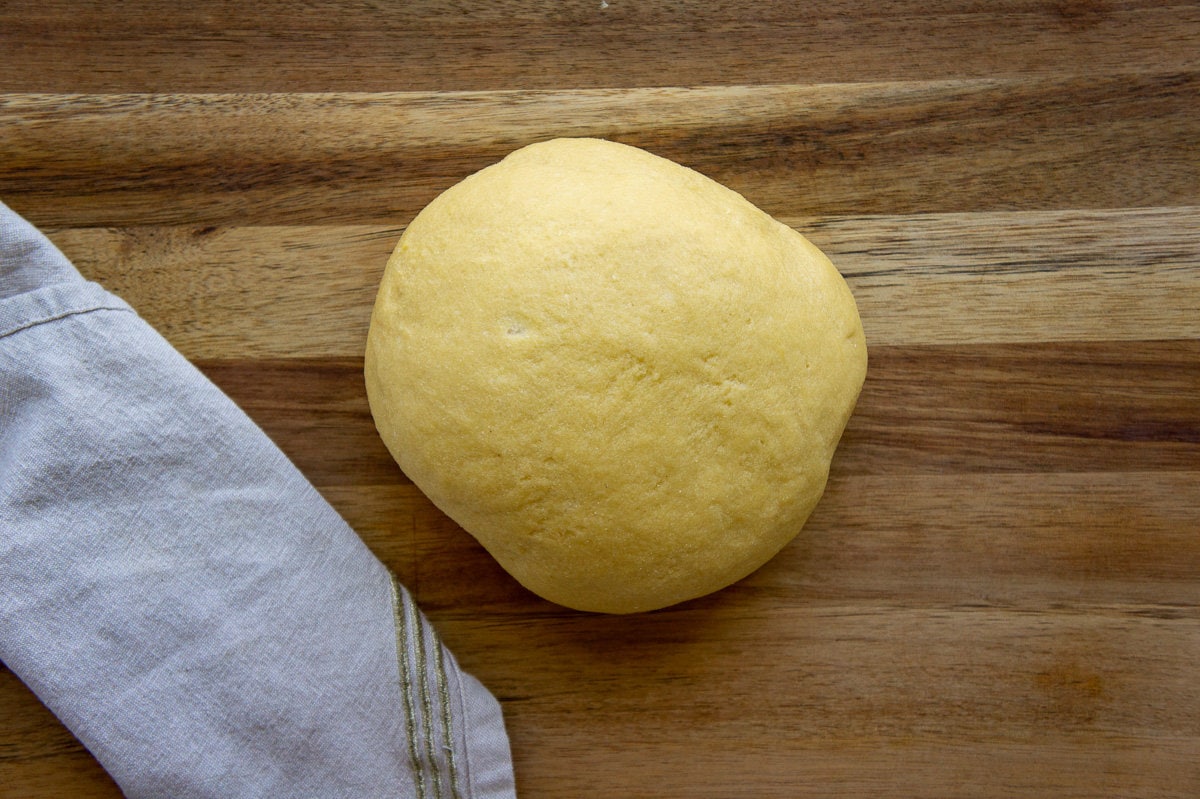
That spoonful of cookie dough is calling your name — and honestly, pregnancy cravings don’t play fair. But before you dig into the mixing bowl, there’s something important you need to know about what’s actually in traditional raw cookie dough and why it poses a real risk during pregnancy.
The good news? You don’t have to white-knuckle your way through nine months of zero cookie dough. With the right information, you can make smart, confident choices — and still satisfy that craving safely. This guide breaks down exactly what the risks are, what the research says, and what you can eat instead.
Important Note: This information is for educational purposes only and is not intended as medical advice. Always consult with your OB-GYN or midwife about your specific dietary needs during pregnancy.
The Short Answer
Traditional raw cookie dough is not safe to eat during pregnancy. That includes homemade dough, store-bought refrigerated dough labeled “ready to bake,” and any batter you might lick off the spoon mid-bake. Raw cookie dough contains two main ingredients that pose significant health risks during pregnancy: uncooked eggs and raw flour — both of which can harbor harmful bacteria that are particularly dangerous for expecting mothers and their developing babies.
However — and this is the part worth getting excited about — some companies make edible cookie dough and brownie batter that you can find in stores, made with heat-treated flour and pasteurized eggs or no eggs at all. Before enjoying, read the label carefully to make sure the dough is meant to be eaten without baking or cooking.
So the answer isn’t a flat-out “never eat anything resembling cookie dough.” It’s “know what you’re eating, and choose the right version.” Keep reading for everything you need to make that call confidently.
Why It’s a Concern
Pregnancy changes your body in remarkable ways — including how your immune system functions. During pregnancy, your immune system is weakened, which makes it harder for your body to fight off harmful foodborne microorganisms that cause foodborne illness. That means a bacterial exposure that might give a non-pregnant person a rough 24 hours can hit you significantly harder — and potentially affect your baby too.
Pregnant women are a high-risk population for foodborne illnesses because of changes to the mother’s immune system, and pathogens can cross the placenta and harm the developing baby. Raw cookie dough puts you face-to-face with two specific bacterial threats.
Threat #1: Raw Eggs and Salmonella
Raw eggs can contain Salmonella bacteria, which poses an increased risk during pregnancy due to a weakened immune system. Salmonella infection during pregnancy can lead to severe dehydration, fever, and in some cases, pregnancy complications.
Signs of Salmonella poisoning may begin within six hours of consumption, while illness from E. coli typically takes about three days to hit. Resulting food poisoning symptoms could last up to a week and include diarrhea that could range from watery to bloody, and stomach cramps.
Threat #2: Raw Flour and E. Coli
This one surprises a lot of people. Flour doesn’t look like a raw food, but most flour is raw — meaning it hasn’t been treated to kill germs that cause food poisoning, such as E. coli and Salmonella. These harmful germs can contaminate grain while it’s still in the field or flour while it’s being made. Steps like grinding grain and bleaching flour don’t kill harmful germs.
E. coli infection in pregnancy is not linked to any higher risk of birth defects, but infection can cause dehydration and, in some severe cases, bleeding, miscarriage, premature labour, or stillbirth. That’s not a risk worth taking for a spoonful of dough.
Key Insight: Even “eggless” cookie dough recipes are not automatically safe during pregnancy — the raw flour alone is a hazard. Both ingredients need to be addressed for dough to be truly pregnancy-safe.
What the Research Actually Says
This isn’t just cautious advice from overzealous pregnancy books. The data behind these warnings is real and well-documented. The CDC investigated outbreaks linked to raw flour or cake mix in 2016, 2019, 2021, and 2023, and some of these investigations led to recalls.
The Centers for Disease Control and Prevention has reported multiple multistate E. coli outbreaks due to flour or cake mixes since 2016, and those outbreaks led to 100 illnesses and 27 hospitalizations. These weren’t fringe incidents — they were widespread enough to trigger national recalls and public health warnings.
On the Salmonella side, most cookie dough contains raw eggs, which may be contaminated with Salmonella bacteria — causing fever, diarrhea, and vomiting, which can last for up to one week. In severe cases, severe Salmonella infection may require hospitalization and can even develop into sepsis — a widespread bacterial infection.
Regarding myths you may have heard: a common myth is that small amounts of cookie dough are safe during pregnancy, and another is that the risk lessens in later trimesters. Both are false — raw dough poses consistent risks throughout all trimesters.
You can learn more about the broader landscape of foods and beverages to avoid during pregnancy to get a fuller picture of pregnancy food safety beyond cookie dough.
Common Mistake: Assuming that store-bought refrigerated cookie dough (like Pillsbury’s classic roll) is safe to eat raw. Unless the packaging explicitly says “safe to eat raw,” it is not intended for raw consumption and should be baked before eating.
How to Do It Safely
Here’s the part you’ve been waiting for. You absolutely can enjoy cookie dough during pregnancy — you just need to use the right ingredients and methods. There are two reliable routes: buying commercially made edible cookie dough, or making your own pregnancy-safe version at home.
Option 1: Buy Commercially Made Edible Cookie Dough
Commercial edible cookie dough brands use professionally heat-treated flours and pasteurized eggs in their recipes. Pasteurization means that foods are treated with mild heat, which kills off dangerous bacteria. Some brands avoid using these ingredients altogether with eggless recipes. As long as the product avoids raw eggs and flour and states that it is safe to consume raw on the packaging, this edible cookie dough is a safe option to consume while pregnant.
If raw cookie dough is okay to eat, it will explicitly state that you can eat it without baking on the packaging. Look for that label and don’t assume — some brands carry both edible and bake-only versions side by side.
Option 2: Make Your Own Pregnancy-Safe Cookie Dough
Making it yourself gives you full control over every ingredient. Here’s how to do it safely:
- Heat-treat your flour first. To eliminate the risk of bacteria in flour, spread it out on a pan and place it in the oven at 350°F (175°C) for 5 minutes, or until it reaches a safe internal temperature. Let it cool completely before using.
- Skip raw eggs entirely. There are numerous eggless cookie dough recipes available that use alternative ingredients like milk or yogurt, eliminating the risk associated with raw eggs altogether.
- Use pasteurized eggs if your recipe needs them. Pasteurized eggs have been heat-treated to kill harmful bacteria, making them a safer option for recipes that call for raw or undercooked eggs.
- Stick to safe add-ins. Chocolate chips, vanilla extract, brown sugar, and butter are all fine. Avoid any mix-ins that carry their own pregnancy risks.
- Store it properly. Edible cookie dough can be stored in an airtight container in the refrigerator for up to one week.
Pro Tip: When heat-treating flour at home, use a food thermometer to confirm it reaches 160°F (70°C) internally — that’s the temperature at which harmful bacteria are reliably killed. Don’t rely on time alone.
What About Cookie Dough Ice Cream?
Great news here. Cookie dough ice cream is made with cookie dough that is pasteurized, so in this case, it is safe to eat while pregnant — when it comes from a grocery store. However, take caution when eating cookie dough ice cream out at a restaurant or if it is homemade, as in those cases it’s best to avoid it in case the cookie dough includes raw ingredients.
Also worth noting: avoid soft-serve cookie dough ice cream, as the serving machine might be contaminated.
Trimester Differences
The risk of raw cookie dough does not change based on your trimester. It’s important to avoid cookie dough even in the third trimester — the risk of ingesting harmful bacteria from raw ingredients is present throughout pregnancy, and these infections can affect your health and your baby’s development. Whether you’re in week 6 or week 36, the same rules apply.
When to Avoid It Completely
Even with the safer alternatives available, there are situations where you should skip cookie dough altogether — no exceptions.
- Any traditional homemade dough made with regular flour and raw eggs — even “just a taste” carries real risk.
- Store-bought refrigerated dough not labeled “safe to eat raw” — these are formulated for baking, not raw consumption.
- Homemade cookie dough ice cream — you can’t verify the ingredients or whether the dough was treated safely.
- Restaurant desserts with raw cookie dough elements — unless you can confirm the kitchen uses pasteurized, heat-treated dough.
- Any product with a flour recall — flour and baking mixes containing flour have long shelf lives, so it’s a good idea to check your pantry to see if you have any flour or baking mixes that have been recalled in recent years. Throw away any recalled flour or baking mixes you have.
If you’ve accidentally eaten raw cookie dough, eating a small amount is unlikely to cause harm in most cases — but it’s important to stay alert. Monitor yourself for signs of foodborne illness like nausea, vomiting, or diarrhea, as these could indicate a need for medical advice. If you experience symptoms, reach out to your doctor for guidance.
Pregnancy nutrition goes well beyond cookie dough. Exploring whole plant-based foods and foods that boost brain health can help you build a diet that supports both your wellbeing and your baby’s development during this important time.
What to Do Instead
Craving that sweet, doughy fix doesn’t have to mean settling for something disappointing. These alternatives genuinely hit the spot — and every one of them is pregnancy-safe.
Best Cookie Dough Alternatives During Pregnancy
| Alternative | Why It Works | Where to Find It |
|---|---|---|
| Store-bought edible cookie dough | Uses heat-treated flour and pasteurized or no eggs; labeled safe to eat raw | Most major grocery stores, online retailers |
| Homemade eggless dough with heat-treated flour | Full ingredient control; eliminates both main risks | Make at home using your own kitchen |
| Grocery store cookie dough ice cream | Commercially pasteurized dough chunks; safe from reputable brands | Grocery store freezer aisle |
| No-bake oat energy balls | Cookie-dough-like texture; made with oats, nut butter, and chocolate chips — no raw flour or eggs | Make at home; some health food stores carry pre-made versions |
| Chickpea cookie dough | Naturally egg and flour-free; high in protein and fiber; surprisingly delicious | Make at home with canned chickpeas, nut butter, vanilla, and sweetener |
| Baked cookies (fully cooked) | Once baked through, all bacteria are killed — enjoy freely | Bake at home or buy from bakeries |
Keep in mind that although edible cookie dough is safe to eat, it’s full of sugar and should be eaten in moderation as an occasional treat. Pair it with nutrient-dense choices throughout your day. For inspiration on building a well-rounded pregnancy diet, check out these healing foods and heart-healthy superfoods that support overall wellness.
Pro Tip: Chickpea cookie dough is one of the most satisfying pregnancy-safe swaps out there. Blend one can of drained chickpeas with 2–3 tablespoons of nut butter, a splash of vanilla, a pinch of salt, and a tablespoon of maple syrup. Fold in chocolate chips and refrigerate. It tastes far better than it sounds.
Quick Reference Chart
Use this at a glance whenever you’re not sure what’s safe. Bookmark it, screenshot it, or send it to your partner so they know what to grab (or not grab) at the store.
| Cookie Dough Type | Safety Status | Why |
|---|---|---|
| Traditional homemade dough (raw eggs + regular flour) | 🚫 Unsafe | Contains raw eggs (Salmonella risk) and untreated flour (E. coli risk) |
| Store-bought “ready to bake” refrigerated dough | 🚫 Unsafe (raw) | Not formulated for raw consumption; bake it fully before eating |
| Homemade dough with pasteurized eggs + heat-treated flour | ✅ Safe | Both bacterial risks are eliminated through proper preparation |
| Commercially made edible cookie dough (labeled safe to eat raw) | ✅ Safe | Made with pasteurized/no eggs and heat-treated flour; read the label |
| Grocery store cookie dough ice cream (brand name) | ✅ Safe | Commercially pasteurized dough used in production |
| Restaurant cookie dough ice cream or desserts | ⚠️ Use Caution | Can’t verify ingredients; ask staff or avoid to be safe |
| Soft-serve cookie dough ice cream | 🚫 Avoid | Soft-serve machines can harbor contamination |
| Homemade cookie dough ice cream | 🚫 Unsafe | Homemade dough typically contains untreated ingredients |
| Eggless homemade dough with untreated flour | ⚠️ Still Risky | Raw flour alone is a hazard — heat-treat the flour first |
| Chickpea or oat-based no-bake dough | ✅ Safe | No raw eggs or flour involved; naturally pregnancy-friendly |
| Fully baked cookies (even soft/gooey ones) | ✅ Safe | Baking temperatures kill bacteria; fully cooked is fully safe |
Frequently Asked Questions
Is it okay to lick the spoon or beaters when making cookie dough while pregnant?
No — even a small taste of traditional raw cookie dough carries the same risks as eating a full spoonful. Tasting or eating raw (unbaked) dough or batter can put you at risk for food poisoning. The amount doesn’t change the type of risk, only the likelihood of exposure.
What if I accidentally ate raw cookie dough before I knew I was pregnant?
Eating a small amount of cookie dough is unlikely to cause immediate harm in most cases — but it’s important to stay alert. Watch for symptoms like nausea, vomiting, stomach cramps, or diarrhea over the next few days. If anything develops, contact your healthcare provider right away.
Can I eat cookie dough in my first trimester but not later?
No — the risk is consistent across all trimesters. You should avoid eating cookie dough during any stage of pregnancy, including the first trimester. Raw cookie dough contains raw eggs and flour, which can harbor harmful bacteria like Salmonella and E. coli, posing health risks to both you and your developing baby.
Is Pillsbury cookie dough safe to eat raw during pregnancy?
Only the products that are explicitly labeled “safe to eat raw.” Pillsbury does make an edible cookie dough line with this designation. Manufacturers of premade cookie dough products do take steps to make these raw ingredients safer, including heat-treating flour and pasteurizing eggs — however, while some manufacturers add “safe to eat raw” labels, others add disclaimers on ready-to-bake cookie packaging that discourages consuming raw dough. Always check the label before eating.
Does freezing cookie dough make it safe to eat raw?
No. Freezing does not kill bacteria — it only pauses their activity. Once thawed, any Salmonella or E. coli present in the raw dough can become active again. The only ways to eliminate these bacteria are through cooking (baking) or using pre-treated ingredients.
Are there any pregnancy-safe cookie dough brands I can look for?
There are several companies now that specifically make edible cookie dough. Look for brands that clearly state “edible” or “safe to eat raw” on the packaging and list heat-treated flour and pasteurized or no eggs in their ingredients. Be sure to read the label before eating cookie dough that is raw, as some brands carry both edible cookie dough and cookie doughs that are not safe to eat prior to baking.
What about cookie dough flavored things — like protein bars or yogurt?
Cookie dough-flavored products that are commercially manufactured — like protein bars, flavored yogurts, or packaged snacks — are generally safe, as they don’t contain actual raw eggs or untreated flour. They’re processed and shelf-stable, which means any ingredients have been treated appropriately. When in doubt, check the ingredient list and confirm there are no raw egg or raw flour components.
Understanding what’s safe to eat during pregnancy goes beyond cookie dough. Check out this guide on foods and beverages to avoid during pregnancy for a comprehensive look at pregnancy nutrition dos and don’ts. You might also find value in learning about the pros and cons of eating seafood during pregnancy and how certain foods support skin health — which can be especially helpful as your body changes.
Key Insight: Pregnancy food safety doesn’t have to feel overwhelming. Most foods are completely fine to eat — it’s a short list of specific preparations and ingredients that require attention. Raw cookie dough is one of them, but the workaround is easy and genuinely delicious.