Can You Eat Papaya While Pregnant? What You Need to Know Before Taking a Bite

April 17, 2026
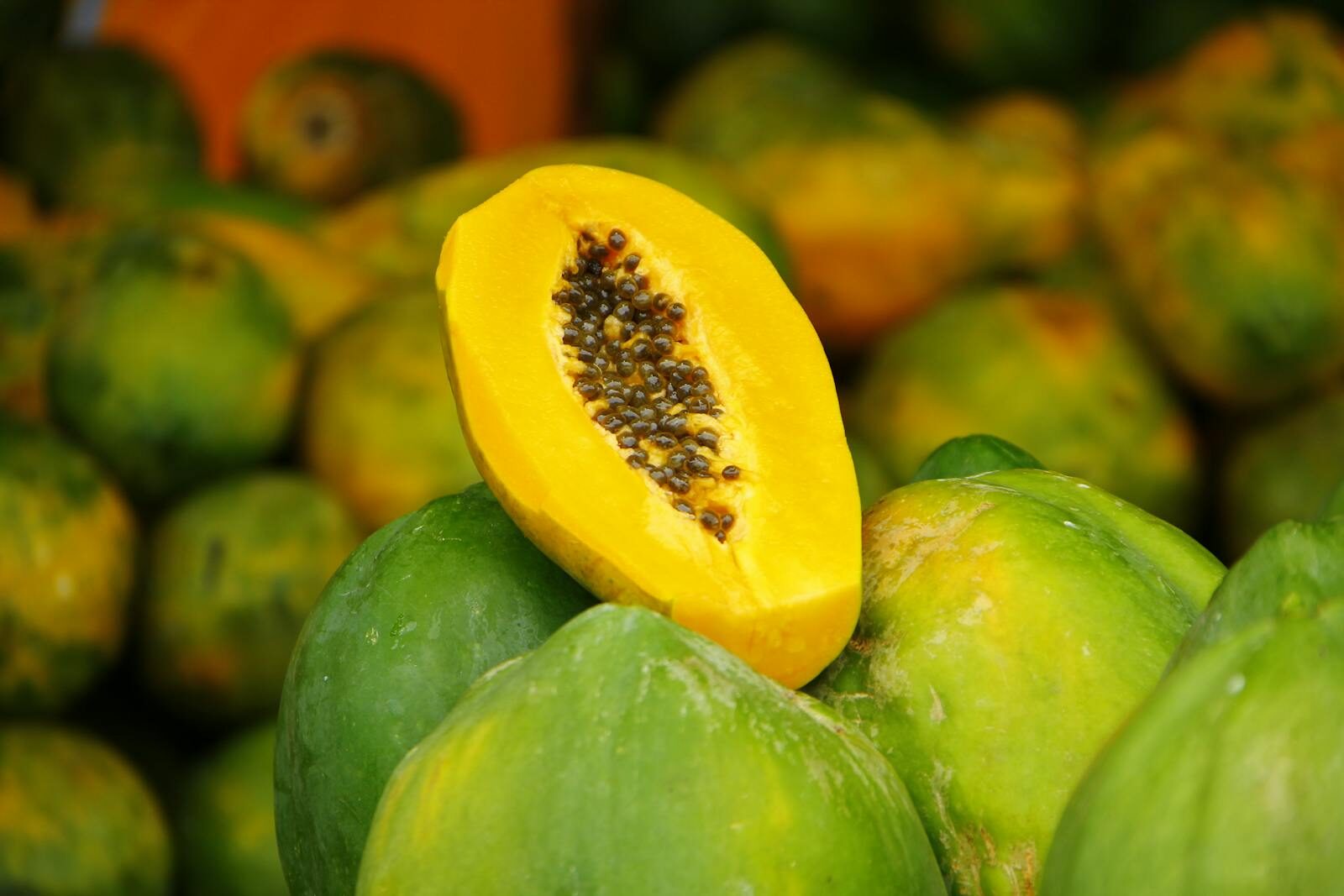
You’ve probably heard at least two completely opposite things about papaya and pregnancy — that it’s a nutritious superfood, and that it’s something to avoid entirely. Both camps have a point, and the truth sits right in the middle.
The answer depends almost entirely on one thing: the ripeness of the fruit. Papaya is a nutritious and delicious tropical fruit that many people love, but the answer to whether you can eat it while pregnant is “yes” — but only if the fruit is very ripe. Once you understand that distinction, navigating papaya during pregnancy becomes a lot less confusing.
In this guide, you’ll get the straight facts on what the research actually says, how to eat papaya safely if you choose to, when to avoid it completely, and what to reach for instead. No guesswork, no panic — just clear, confident answers.
The Short Answer
There’s confusion around eating papaya while pregnant because ripe papaya is suitable for pregnant people, while unripe papaya isn’t. So the short answer is: it depends on what’s in your bowl.
Fully ripe papaya is generally safe for pregnant women when eaten in moderation and as part of a balanced pregnancy diet. Ripe papaya provides essential nutrients like folate, vitamin C, fiber, and antioxidants that support fetal development and maternal immunity.
Unripe papaya, on the other hand, should be strictly avoided during pregnancy as it contains latex and papain, which may trigger uterine contractions and increase miscarriage risk.
Pro Tip: When in doubt at the grocery store or market, skip the papaya entirely and choose a safer alternative. If you can’t confirm it’s fully ripe, it’s not worth the risk.
Why It’s a Concern
The worry around papaya during pregnancy doesn’t come out of nowhere — it has a real biological basis. The concern mainly comes from the effect of unripe or semi-ripe papaya and its latex on the uterus. Unripe papaya contains higher amounts of a milky white latex rich in enzymes like papain, which have shown uterine-stimulating effects in animal or laboratory settings.
Here’s why that matters: the latex in unripe papaya may act like prostaglandin and oxytocin, which the body produces to begin labor. Synthetic prostaglandin and oxytocin are often used to start or augment labor contractions. In other words, the compounds in unripe papaya can mimic the very hormones that trigger labor.
Unripe or green papaya also contains an ingredient called papain. Papain is potentially bad for a developing fetus and may even cause certain congenital disabilities.
The first trimester deserves extra caution. Unripe papaya must be strictly avoided during early pregnancy. This is the stage when the placenta is being formed, and the presence of even an insignificant amount of latex can be detrimental to the womb.
The concern doesn’t fully disappear later in pregnancy, either. During the final three months of pregnancy, papaya can induce premature labor by causing uterine contractions due to the enzyme papain. Additionally, reports suggest bleeding or hemorrhaging from the edge of the placenta can also be caused by eating raw papaya in later pregnancy.
Important Note: The risk is specifically tied to unripe papaya and its latex content. Fully ripe papaya has a very different chemical profile and is considered safe in moderation by most healthcare providers.
What the Research Actually Says
Much of what we know about papaya and pregnancy comes from animal and laboratory studies, which is worth understanding before drawing firm conclusions.
One of the most-cited studies examined papaya consumption in pregnant rats at different stages of gestation. There was no significant difference in the number of implantation sites and viable fetuses in the rats given ripe papaya relative to the control. No sign of fetal or maternal toxicity was observed in all the groups.
The same study drew a clear line between ripe and unripe fruit. Ripe papaya juice did not show any significant contractile effect on uterine smooth muscles isolated from pregnant and non-pregnant rats; conversely, crude papaya latex induced spasmodic contraction of the uterine muscles similar to oxytocin and prostaglandin.
The results suggest that normal consumption of ripe papaya during pregnancy may not pose any significant danger. However, the unripe or semi-ripe papaya, which contains high concentration of the latex that produces marked uterine contractions, could be unsafe in pregnancy.
What about human evidence? There is no solid human evidence that small portions of fully ripe papaya cause miscarriage or birth defects. There is enough experimental concern about unripe papaya, latex, leaf, and seed preparations that they are best treated as unsafe in pregnancy, especially in the first trimester and near the due date.
Small portions of fully ripe papaya are likely low risk for many otherwise healthy pregnant women, but because high-quality human studies are limited, most doctors still recommend an individualized, cautious approach.
Key Insight: Science supports a clear split: ripe papaya = generally safe in moderation; unripe papaya latex = real uterine risk. The nuance matters more than any blanket “avoid papaya” rule.
How to Do It Safely
If you’ve gotten the green light from your OB-GYN and want to enjoy ripe papaya during pregnancy, here’s how to do it confidently and safely. Think of it as a short checklist before every serving.
Choose the Right Fruit
Choose only fully ripe papaya. Look for yellow-orange skin and flesh that’s soft to the touch. The latex content drops as papaya ripens. If you’re not sure whether the papaya is ripe or unripe, it’s best not to buy it.
- Safe to eat: Deep yellow to orange skin, soft flesh, sweet smell
- Avoid: Any green patches on the skin, firm or white flesh, milky white sap when cut
- Avoid: Green papaya salads, chutneys made with unripe papaya, or any dish using semi-ripe fruit
Wash and Prep Properly
In addition to being ripe, papaya must be washed thoroughly with water and a vegetable brush before eating. Washing papaya thoroughly before eating will eliminate any pesticides, bacteria, or contaminants that may have found their way onto the skin of the fruit. It can also help reduce the foodborne illness risk that comes with food consumption.
It’s also worth knowing that it is not recommended to eat papaya peel, as it is hard to digest, may contain pesticide residues, and has higher latex content that could pose risks during pregnancy.
Mind Your Portion Size
Don’t overindulge. Half a cup to one cup of ripe papaya a day is enough to get the benefits while staying safe. The majority of pregnant women can eat a small bowl or a few slices of ripe papaya a few times a week without any harm. It may be consumed as a mid-morning snack, during breakfast, or mixed in smoothies.
Store It Correctly
Refrigerate cut papaya within 2 hours and make sure your fridge’s temperature is below 40°F. This reduces any risk of bacterial growth, which is especially important during pregnancy when your immune system is working differently.
Trimester Differences
Your trimester matters when it comes to papaya. Most doctors advise avoiding papaya in the first trimester, especially unripe or semi-ripe papaya. This is a sensitive period for implantation and early fetal development, so extra caution is recommended even with ripe papaya.
During the second trimester, you may continue to eat ripe papaya throughout your pregnancy — though keeping portions modest is always wise. In the third trimester, be more cautious again, as healthcare professionals recommend avoiding papaya during pregnancy’s third trimester due to the potential for papain-triggered contractions.
Pro Tip: Skip papaya enzyme supplements entirely during pregnancy. Avoid papaya enzyme supplements in pregnancy unless your doctor approves. Safety data is limited, and supplements are not the same as eating ripe fruit. Plus, supplements aren’t regulated by the FDA.
When to Avoid It Completely
Even if you’re generally comfortable with ripe papaya, there are specific situations where avoiding papaya altogether is the smarter choice. Check this list carefully — it applies to you if any of the following are true.
- You’re in your first trimester. Unripe or semi-ripe papaya and papaya latex should not be consumed in pregnancy, especially during the first trimester. Many providers recommend skipping even ripe papaya during this sensitive window.
- You have a high-risk pregnancy. Research supports the fact that mild uterine contractions can affect endometrial receptivity. This is the reason why gynecologists usually recommend pregnant women not to eat unripe papaya at all, especially those who have become pregnant through IVF or IUI.
- You have a latex allergy. If you have a latex allergy, there’s a chance of cross-reactivity — skip papaya until you chat with your allergist.
- You can’t confirm ripeness. If you’re pregnant, you should know for certain if a papaya is ripe or not before you eat it. If you are not 100% certain that it is ripe, it’s best to avoid it and choose another fruit instead.
- You’re near your due date. In the third trimester, papain content can still stimulate contractions. In the third trimester, papaya can induce early labor by giving rise to uterine contractions due to the presence of the enzyme papain.
- You’re consuming papaya in any non-fresh form. Drinking papaya juice in pregnancy is not considered safe. It is also recommended that drinking papaya juice available in the market should be avoided. Dried papaya should also be skipped, as processing can concentrate problematic compounds.
Common Mistake: Assuming that green papaya salad is fine because it’s a popular dish. Unripe or semi-ripe preparations — including green-papaya salads and chutneys made with green fruit — should be avoided during pregnancy.
What to Do Instead
If you’d rather sidestep the papaya question entirely — totally valid — you have plenty of delicious, pregnancy-safe options that deliver the same nutrients without any of the uncertainty. Check out our full guide to foods and beverages to avoid during pregnancy for a broader picture of what to watch out for.
Many pregnant women eat papaya mainly for the high vitamin C content, but there are numerous other fruits you can choose that have just as much vitamin C, taste delicious, and will never form latex in them regardless of when you buy and eat them.
Here are some of the best papaya alternatives during pregnancy:
- Mango: Packed with Vitamin A, perfect for supporting healthy cell growth. It offers a similar tropical sweetness without any ripeness-related risk.
- Cantaloupe/Melon: Many melons, especially cantaloupe, have sweetness plus a soft texture that is very similar to papaya. Cantaloupes also contain fiber, vitamin C, and potassium.
- Oranges: Rich in Vitamin C and folate, just like papaya — and completely safe throughout all three trimesters.
- Bananas: A great source of fiber and potassium for maintaining energy levels and healthy digestion. They’re also well-known for helping ease nausea.
- Apples: Since apples are an essential source of fiber, vitamins, and minerals, they can be consumed all through the pregnancy period. The consumption of apples can help boost immunity, reduce the risk of allergies and asthma, aid in digestion, and overcome constipation.
- Berries: Berries are high in vitamins and antioxidants to support both the baby and the mother. Blueberries, strawberries, and raspberries are all excellent choices.
For more on building a nutrient-rich pregnancy diet, explore whole plant-based foods that support you and your baby, and learn about superfoods for a healthy heart that are safe and beneficial during pregnancy.
Quick Reference Chart
Use this chart to quickly check what’s safe, what’s risky, and what to avoid entirely when it comes to papaya during pregnancy.
| Papaya Type / Form | Safety Status | Key Reason |
|---|---|---|
| Fully ripe papaya (yellow-orange, soft) | ✅ Generally Safe (in moderation) | Low latex content; provides folate, vitamin C, fiber |
| Semi-ripe papaya (yellow-green skin) | ⚠️ Use Caution / Avoid | Still contains elevated latex levels |
| Unripe / green papaya | 🚫 Avoid Completely | High latex and papain — stimulates uterine contractions |
| Green papaya salad / green papaya chutney | 🚫 Avoid Completely | Made with unripe fruit; same risks apply |
| Papaya juice (store-bought) | 🚫 Avoid Completely | May contain papaya concentrate; loses fiber benefit |
| Dried papaya | 🚫 Avoid Completely | Concentrated compounds; ripeness hard to verify |
| Papaya enzyme supplements (papain) | 🚫 Avoid Unless Doctor Approves | Unregulated; safety data limited in pregnancy |
| Papaya seeds | 🚫 Avoid Completely | Contain compounds that may be unsafe; learn more about papaya seeds |
| Papaya leaves / leaf extract | 🚫 Avoid Completely | Linked to potential miscarriage risk in studies |
| Ripe papaya (first trimester) | ⚠️ Use Extra Caution | Sensitive period for implantation; consult your doctor first |
| Ripe papaya (second trimester) | ✅ Generally Safe (small portions) | Moderate risk period; stick to ½–1 cup max |
| Ripe papaya (third trimester) | ⚠️ Use Caution | Papain may stimulate contractions near due date |
Frequently Asked Questions
Can eating papaya cause a miscarriage?
It is a myth that papaya causes miscarriage — the truth is, unripe papaya can pose risks to pregnancy. Fully ripe papaya in small amounts has not been shown to cause miscarriage in human studies. The risk is specifically associated with unripe papaya, its latex, seeds, and leaf preparations.
What happens if I accidentally ate unripe papaya while pregnant?
You should not panic if you find out that you’ve accidentally consumed a small amount of unripe papaya because you didn’t know about it. A small, one-time amount is unlikely to cause harm. That said, contact your healthcare provider if you have concerns, experience any cramping, or are in your first trimester.
Is papaya safe in the first trimester?
This is when you should be most cautious. Most doctors advise avoiding papaya in the first trimester, especially unripe or semi-ripe papaya. This is a sensitive period for implantation and early fetal development, so extra caution is recommended even with ripe papaya. When in doubt, skip it and ask your OB-GYN directly.
Can I eat papaya in the third trimester?
Healthcare professionals recommend avoiding papaya during pregnancy’s third trimester. Some individuals who have complications are advised to avoid raw or dried papaya during pregnancy. Even ripe papaya should be approached cautiously as your due date approaches, since papain may contribute to uterine activity.
Is papaya good for morning sickness or constipation during pregnancy?
Yes — if it’s ripe. Ripe papaya is rich in nutrients that can benefit the pregnancy diet and can also treat pregnancy ailments such as morning sickness, heartburn, and constipation. Ripe papaya is full of fiber, which helps keep your digestive system running smoothly. Pregnancy can often cause constipation, so adding a small portion of ripe papaya to your meals can prevent this uncomfortable issue. You can also find more about fibroid-healing foods and other foods that support your body during major hormonal changes.
Can I drink papaya juice while pregnant?
Drinking papaya juice in pregnancy is not considered safe. It is also recommended that drinking papaya juice available in the market should be avoided. Converting papaya into juice negates its major benefit of fiber. Additionally, papaya juice available in tetra packs may contain papaya concentrate, which can be very harmful to pregnancy.
What nutrients does ripe papaya provide during pregnancy?
Ripe papaya (with a deep yellow skin) is considered a source of natural and healthy nutrients, including beta-carotene, choline, fiber, folate, potassium, and vitamins A, B, and C. These nutrients support everything from your baby’s neural tube development to your own immune function and digestion. For more on foods that support your body’s nutrient needs, explore our guide on powerful nutrients and the foods that contain them, as well as foods that boost brain health — many of which are safe and beneficial during pregnancy.
Are papaya seeds safe during pregnancy?
No. Papaya seeds are best avoided during pregnancy. They contain concentrated compounds that may be unsafe, and the research on their safety during pregnancy is limited. You can read more about the properties of papaya seeds to better understand why they’re in a separate category from the ripe fruit itself.
This information is for educational purposes only and is not intended as medical advice. Always consult with a qualified healthcare professional before making health decisions during pregnancy.