What Is Christophobia? Causes, Symptoms, and What Christians Can Do

March 18, 2026
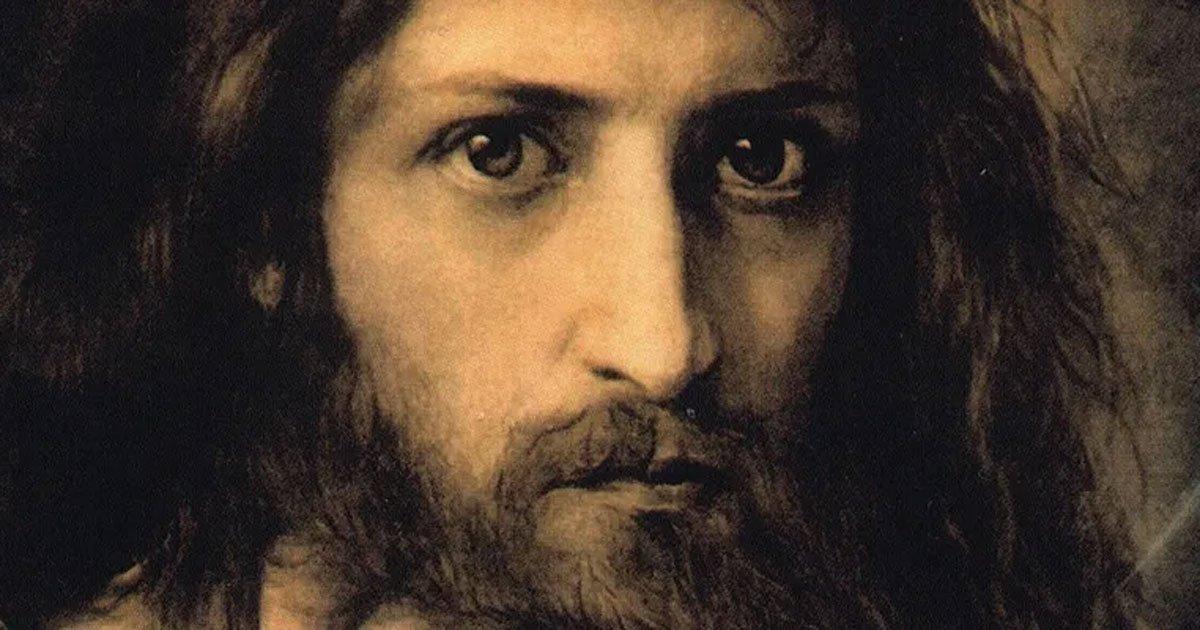
Across the globe, millions of people who identify as Christian report experiencing hostility, discrimination, and social exclusion because of their faith. Whether it manifests as workplace bias, online harassment, or violent persecution in certain regions, anti-Christian sentiment is a documented and growing concern that affects believers in vastly different ways depending on where they live.
Christophobia — a term used to describe irrational fear of, hostility toward, or prejudice against Christians and Christianity — sits at the intersection of psychology, sociology, and human rights. Understanding it requires looking honestly at both the personal experiences of those targeted and the broader cultural and historical forces that shape anti-Christian attitudes.
This article breaks down what Christophobia is, how it presents, what drives it, and — most importantly — what individuals and communities can do when they encounter it.
What Is Christophobia
Christophobia refers to an irrational fear of, aversion to, or discriminatory bias against Christians, Christian beliefs, or Christian institutions. The term is modeled after other recognized forms of religious prejudice, such as Islamophobia and antisemitism, and is used in academic, political, and human rights contexts to describe a pattern of hostility that goes beyond simple disagreement with religious doctrine.
It is important to distinguish Christophobia from legitimate criticism of religious institutions. Disagreeing with church policy, critiquing the historical actions of religious organizations, or holding secular values is not Christophobia. The term applies specifically to prejudice, hostility, or discriminatory treatment directed at individuals or groups because they are Christian — regardless of their personal conduct or beliefs.
The word itself is sometimes contested. Critics argue it is used to deflect accountability from powerful religious institutions, while proponents point to measurable patterns of anti-Christian discrimination documented by organizations such as Pew Research Center , which has tracked rising religious restrictions affecting Christians in dozens of countries. Both perspectives deserve consideration in any honest discussion of the topic.
In psychological terms, Christophobia can also describe a specific phobia — an intense, irrational fear response triggered by Christian symbols, settings, or individuals. This clinical presentation is less commonly discussed but is a recognized experience for some people, often rooted in traumatic associations with religious environments. Understanding what phobias are and how they develop is a useful starting point for anyone exploring this dimension of the condition.
Key Insight: Christophobia operates on two distinct levels — as a sociopolitical phenomenon describing systemic anti-Christian bias, and as a psychological condition describing an individual’s irrational fear or aversion response to Christianity or Christians.
Symptoms of Christophobia
The symptoms of Christophobia differ depending on whether one is examining the experience of the person exhibiting anti-Christian bias or the person experiencing it. Both dimensions are clinically and socially significant.
Symptoms in Those Who Experience Anti-Christian Bias
Christians who face persistent discrimination or hostility may develop a range of psychological and emotional responses. These are not symptoms of Christophobia itself but rather the documented effects of experiencing religious prejudice over time.
- Chronic stress and anxiety — Ongoing vigilance about how faith expression will be received in social or professional settings
- Social withdrawal — Avoiding situations where faith identity may invite ridicule or exclusion
- Diminished self-expression — Hiding religious symbols, practices, or beliefs in public or workplace environments
- Hypervigilance — Heightened sensitivity to perceived slights or hostility related to faith
- Grief and anger — Emotional responses to feeling marginalized within one’s own community or society
- Crisis of faith — In some cases, sustained social pressure leads individuals to question or suppress their religious identity
Symptoms in Those with a Clinical Phobic Response to Christianity
For individuals who experience Christophobia as a clinical phobia — an intense, irrational fear triggered by Christian people, symbols, or environments — the symptom profile more closely resembles other specific phobias. These symptoms may appear when the person encounters churches, crosses, religious texts, or practicing Christians.
- Rapid heart rate and palpitations
- Shortness of breath or hyperventilation
- Sweating, trembling, or dizziness
- Nausea or gastrointestinal distress
- Overwhelming urge to flee the triggering situation
- Anticipatory anxiety — Persistent dread before entering situations where a trigger might be encountered
- Avoidance behaviors — Structuring daily life to prevent contact with Christian symbols or environments
This clinical presentation shares significant overlap with other anxiety-based phobias. People who experience this type of fear response often find that it interferes with daily functioning, particularly in regions or communities where Christianity is culturally dominant. Those familiar with conditions like agoraphobia or anthropophobia will recognize the avoidance patterns and anticipatory anxiety that define this experience.
Important Note: Experiencing discomfort around religion due to past trauma is not the same as harboring prejudice. A clinical phobic response to Christian environments is a recognized psychological condition that deserves compassionate, professional support — not judgment.
Behavioral Indicators of Anti-Christian Bias in Society
At the societal level, Christophobia manifests through observable patterns of behavior and policy. Researchers and human rights organizations have identified several consistent indicators.
- Disproportionate negative media representation of Christian characters or institutions
- Workplace policies that accommodate other religious observances but not Christian ones
- Social mockery or ridicule of Christian beliefs that would be considered unacceptable if directed at other faiths
- Legislative or institutional actions that specifically restrict Christian practice
- Online harassment campaigns targeting individuals for publicly expressing Christian faith
Causes of Christophobia
Anti-Christian prejudice does not arise from a single source. Its causes are layered, historically rooted, and vary considerably across cultural contexts. Understanding these causes is essential for addressing the phenomenon honestly and effectively.
Historical and Political Grievances
In many parts of the world, hostility toward Christianity is inseparable from its historical association with colonialism, forced conversion, and political power. In regions where Christian missionaries accompanied colonial administrations, the faith became linked in collective memory with cultural suppression and loss of indigenous identity. This historical legacy creates genuine and understandable tension that must be acknowledged rather than dismissed.
In post-communist societies, the historical suppression of religion by atheist state regimes left complex cultural residues. Some populations retain skepticism toward organized religion — including Christianity — as a holdover from decades of state-enforced secularism.
Cultural and Ideological Conflict
In Western societies, much of the anti-Christian sentiment documented by researchers stems from perceived conflicts between traditional Christian values and contemporary progressive social norms. When Christian institutions publicly oppose policies related to gender, sexuality, or reproductive rights, backlash can extend from the institutions themselves to individual believers, many of whom hold more nuanced personal views.
This ideological friction can escalate into broad-brush hostility that treats all Christians as representatives of institutional positions they may personally reject. The result is a form of prejudice that, while rooted in genuine policy disagreement, ends up targeting individuals based on religious identity rather than personal conduct.
Trauma and Negative Religious Experiences
For individuals who develop a clinical phobic response to Christianity, the cause is most often a traumatic experience within a religious environment. This may include spiritual abuse, coercive religious practices, exposure to extreme fundamentalism, or childhood experiences in environments where religion was used as a tool of control or punishment.
Trauma responses do not require logical justification — the nervous system encodes fear associations based on experience, not intent. A person who experienced genuine harm in a religious context may develop avoidance behaviors and anxiety responses that generalize to Christian symbols or environments even when no actual threat is present. This is consistent with how other trauma-related phobias develop, as seen in conditions like nyctophobia or haphephobia, where past experiences wire the brain to perceive ordinary stimuli as threatening.
Media Representation and Cultural Narratives
Repeated exposure to negative portrayals of Christians in popular media, comedy, and online culture can normalize anti-Christian attitudes. When a particular group is consistently depicted as backward, hypocritical, or dangerous in entertainment and social media, it shapes public perception in ways that can translate into real-world bias against individual believers.
Pro Tip: When trying to understand the root of anti-Christian sentiment — whether in a personal relationship or a broader cultural context — separating grievances against institutions from attitudes toward individual believers is one of the most productive starting points for productive dialogue.
Political Instrumentalization
In some contexts, hostility toward Christianity is deliberately cultivated by political actors who use anti-Christian rhetoric to consolidate power, deflect criticism, or mobilize opposition movements. This is particularly evident in authoritarian states where Christianity is associated with Western influence or political dissent, making Christians targets of state-sponsored persecution.
How Common Is Christophobia
Measuring the prevalence of Christophobia requires distinguishing between its clinical psychological form and its sociopolitical expression as anti-Christian discrimination. Both are more widespread than many people realize.
Global Persecution Data
By raw numbers, Christians represent one of the most persecuted religious groups on earth. According to data compiled by Open Doors USA , more than 365 million Christians worldwide face high levels of persecution and discrimination for their faith. In 2023 alone, the organization documented over 4,000 Christians killed for faith-related reasons and more than 14,000 churches attacked or closed.
The Pew Research Center has consistently found that Christians experience government-based or social harassment in more countries than any other religious group. Its studies identify harassment of Christians in approximately 145 countries — a figure that spans every inhabited continent.
Anti-Christian Bias in Western Contexts
In Western Europe and North America, outright violent persecution is rare, but subtler forms of anti-Christian bias are well-documented. A Pew Research survey found that significant percentages of Christians in multiple Western countries report feeling that discrimination against Christians is a growing problem in their societies.
In the United Kingdom, the Christian Concern organization has documented numerous employment tribunal cases involving Christians dismissed or disciplined for expressing faith-based views. Similar patterns have been documented in the United States, Canada, and Australia, where Christians have faced legal challenges related to faith expression in professional settings.
Clinical Prevalence
Precise statistics on the clinical phobic presentation of Christophobia are not available in major diagnostic databases, as it is not listed as a distinct disorder in the DSM-5 or ICD-11. However, it falls within the broader category of specific phobias, which the National Institute of Mental Health estimates affect approximately 12.5% of adults in the United States at some point in their lives. Religion-related phobias, including fear of religious symbols or environments, are recognized within this category.
Key Insight: The global scale of anti-Christian discrimination is frequently underreported in Western media, partly because the most severe cases occur in regions with limited press freedom, and partly because the concept of Christians as a persecuted group challenges dominant cultural narratives in many Western countries.
Treatment and Coping
Addressing Christophobia requires different strategies depending on whether one is seeking treatment for a clinical phobic response, coping with the psychological effects of experiencing anti-Christian bias, or working to reduce anti-Christian prejudice at a social or institutional level.
Clinical Treatment for Phobic Responses
For individuals who experience an irrational fear or anxiety response triggered by Christian environments, symbols, or people, evidence-based treatments for specific phobias are effective and well-established.
Cognitive Behavioral Therapy (CBT) is the gold-standard treatment for specific phobias. It works by helping individuals identify and restructure the distorted thought patterns that maintain the fear response, replacing avoidance behaviors with graduated engagement. A trained therapist guides the person through examining the evidence for their feared outcomes and developing more realistic appraisals of triggering situations.
Exposure therapy, often delivered within a CBT framework, involves systematic, controlled exposure to feared stimuli — beginning with the least threatening and gradually progressing. This process, known as systematic desensitization, allows the nervous system to learn that the feared stimulus does not produce the anticipated harm. It is the same approach used successfully for phobias ranging from arachnophobia to acrophobia.
Eye Movement Desensitization and Reprocessing (EMDR) is particularly useful when the phobic response is rooted in specific traumatic memories, such as experiences of religious abuse. EMDR helps the brain reprocess traumatic memories so they lose their emotional charge, reducing the generalized fear response that follows.
Medication is not a primary treatment for specific phobias but may be used short-term to manage acute anxiety during the early stages of exposure therapy. Beta-blockers and benzodiazepines are sometimes prescribed situationally, while SSRIs may be appropriate when phobia co-occurs with generalized anxiety or depression.
Coping Strategies for Christians Experiencing Discrimination
For Christians navigating anti-Christian bias in their personal, professional, or social lives, a combination of practical and psychological strategies can help protect wellbeing and maintain a grounded sense of identity.
- Build a strong support community — Connection with other believers who share similar experiences provides validation, reduces isolation, and offers practical support when discrimination occurs.
- Document incidents — In workplace or institutional settings, keeping a factual record of discriminatory incidents creates a foundation for formal complaints if needed.
- Know your legal rights — In most Western democracies, religious belief is a protected characteristic under employment and anti-discrimination law. Organizations like the Alliance Defending Freedom provide legal resources and representation for Christians facing faith-based discrimination.
- Seek professional counseling — Persistent exposure to discrimination takes a measurable psychological toll. A therapist familiar with religious identity and minority stress can provide targeted support.
- Practice grounded self-disclosure — Deciding thoughtfully when and how to share faith in various contexts is not the same as hiding it. Strategic self-disclosure protects wellbeing without compromising authenticity.
- Engage with interfaith dialogue — Participating in structured conversations across religious and secular divides can reduce mutual misunderstanding and build bridges with people whose skepticism stems from misinformation rather than malice.
Pro Tip: When encountering anti-Christian bias in everyday conversations, responding with curiosity rather than defensiveness — asking what specific experiences or concerns underlie the other person’s views — often produces more productive outcomes than direct confrontation.
Addressing Christophobia at the Societal Level
Reducing anti-Christian prejudice in broader culture requires sustained, multi-level effort. Education that accurately represents the diversity within Christianity — including its global demographics, cultural expressions, and the experiences of persecuted Christians in the Global South — counters the reductive stereotypes that fuel bias.
Media literacy initiatives that help audiences recognize and question disproportionately negative portrayals of Christians contribute to more balanced cultural narratives. Institutional policies that apply consistent standards across all religious groups — rather than treating Christianity as uniquely exempt from protections afforded to other faiths — are essential for genuine religious equity.
Related Phobias
Christophobia does not exist in isolation. It shares conceptual and psychological territory with a range of other phobias and forms of religious or social prejudice. Understanding these connections provides useful context for anyone seeking to understand the broader landscape of fear-based and bias-based conditions.
Theophobia — the fear of God or divine punishment — is closely related to the clinical dimension of Christophobia. Where Christophobia involves fear of Christians or Christian environments, theophobia centers on fear of God as a concept or entity. Both conditions frequently co-occur in individuals who experienced coercive or punitive religious upbringings.
Ecclesiophobia — fear of churches or religious buildings — often presents alongside Christophobia in its clinical form. The physical space of the church becomes a conditioned stimulus associated with past negative experiences, triggering anxiety responses similar to those seen in claustrophobia or bathmophobia.
Hagiophobia — fear of holy objects or sacred things — encompasses fear of crosses, religious texts, or other Christian symbols. This can manifest as part of a broader Christophobic response or as a more narrowly focused specific phobia.
Islamophobia and antisemitism are the most widely recognized forms of religious prejudice and share the same structural features as Christophobia: the targeting of individuals based on religious identity, the use of stereotypes to dehumanize a group, and the potential for discrimination to escalate into violence. Recognizing all three as manifestations of the same underlying dynamic — religious intolerance — is important for building coalitions across faith communities.
Anthropophobia — the fear of people or social situations — can intersect with Christophobia in individuals whose fear of Christians has generalized into broader social anxiety. The fear of people more broadly shares the avoidance and anticipatory anxiety patterns seen in clinical Christophobia.
Nomophobia and other modern anxiety conditions highlight how fear and bias can be amplified through digital environments. Online spaces have become significant vectors for both anti-Christian harassment and the spread of anti-Christian narratives, making digital anxiety and online behavior increasingly relevant to discussions of religious prejudice.
| Related Condition | Primary Focus | Relationship to Christophobia |
|---|---|---|
| Theophobia | Fear of God or divine punishment | Often co-occurs; shares religious trauma roots |
| Ecclesiophobia | Fear of churches or religious buildings | Frequently presents alongside clinical Christophobia |
| Hagiophobia | Fear of holy or sacred objects | May manifest as part of broader Christophobic response |
| Islamophobia | Prejudice against Muslims | Structurally identical form of religious prejudice |
| Antisemitism | Prejudice against Jewish people | Shares targeting-by-religious-identity dynamic |
| Anthropophobia | Fear of people or social situations | Can develop when Christophobia generalizes broadly |
Frequently Asked Questions
Is Christophobia a Recognized Medical Diagnosis?
Christophobia is not listed as a distinct diagnosis in the DSM-5 or ICD-11. However, when it presents as an irrational fear response to Christian people, symbols, or environments, it falls under the category of specific phobias, which are fully recognized and treatable conditions. The sociopolitical use of the term to describe anti-Christian discrimination is a separate application that does not require medical recognition to be valid.
How Is Christophobia Different from Criticizing Christianity?
Legitimate criticism of religious institutions, doctrines, or historical actions is not Christophobia. The distinction lies in whether the hostility or prejudice is directed at individuals or groups because of their religious identity rather than because of specific actions or beliefs. Criticizing a church’s policy is not Christophobia; treating an individual with contempt or discrimination because they identify as Christian is.
Can Someone Develop Christophobia Without Having Had a Bad Experience with Christians?
Yes. While traumatic personal experiences are a common cause of clinical phobic responses, Christophobia can also develop through indirect exposure — such as hearing accounts of religious abuse from others, consuming media that consistently portrays Christians negatively, or growing up in an environment where anti-Christian attitudes were normalized. The brain can form fear associations through vicarious as well as direct experience.
What Should a Christian Do If They Face Discrimination at Work?
The first step is documentation — keeping a factual, dated record of incidents. Most Western countries have legal protections for religious belief in employment settings, and formal complaints can be filed with workplace HR departments, employment tribunals, or civil rights agencies. Organizations specializing in religious freedom law can provide guidance on specific legal options. Seeking support from a counselor or faith community during this process is also advisable, as workplace discrimination carries a significant psychological burden.
Are There Countries Where Christophobia Is State-Sponsored?
Yes. In several countries, anti-Christian discrimination is institutionalized at the governmental level. North Korea, Afghanistan, Somalia, Libya, and Pakistan consistently rank among the most dangerous countries for Christians, according to Open Doors USA’s annual World Watch List. In these contexts, Christians may face imprisonment, forced labor, violence, or execution for practicing their faith. This represents the most severe end of the Christophobia spectrum and is classified as religious persecution under international human rights law.
How Can Parents Help a Child Who Has Developed Fear Around Religion?
Parents should approach the child’s fear with empathy rather than dismissal or pressure. Validating the child’s feelings while gently exploring what specific experiences or ideas are driving the fear is a helpful starting point. If the fear is significantly interfering with the child’s daily life, a child psychologist with experience in anxiety disorders and religious trauma can provide targeted assessment and treatment. Forcing exposure without professional support can reinforce rather than reduce the fear response.
Conclusion
Christophobia is a multidimensional phenomenon that operates simultaneously as a clinical psychological condition and a documented form of social and political prejudice. Whether one is examining the irrational fear response of an individual triggered by Christian environments, or the systemic discrimination faced by hundreds of millions of Christians worldwide, the underlying dynamics of fear, bias, and exclusion follow recognizable patterns that deserve serious attention.
Understanding Christophobia honestly requires holding two truths at once: that Christianity, as a historically powerful institution, has sometimes warranted criticism and accountability, and that individual Christians — the vast majority of whom are ordinary people living out personal faith — deserve the same protections from prejudice and discrimination as members of any other religious group.
For those experiencing the psychological effects of anti-Christian bias, effective support is available. Evidence-based therapies, legal protections, community resources, and growing public awareness of religious discrimination all provide meaningful pathways forward. For those working through a clinical phobic response to Christianity, the same therapeutic tools that address other specific phobias — from trypanophobia to trypophobia — offer genuine and lasting relief.
The broader goal, across all dimensions of this topic, is the same: a world where religious identity does not make anyone a target, and where fear — whether personal or political — does not determine how people are treated.