Goat Ownership Laws in New Hampshire: Essential Regulations & Compliance Guide

March 18, 2026
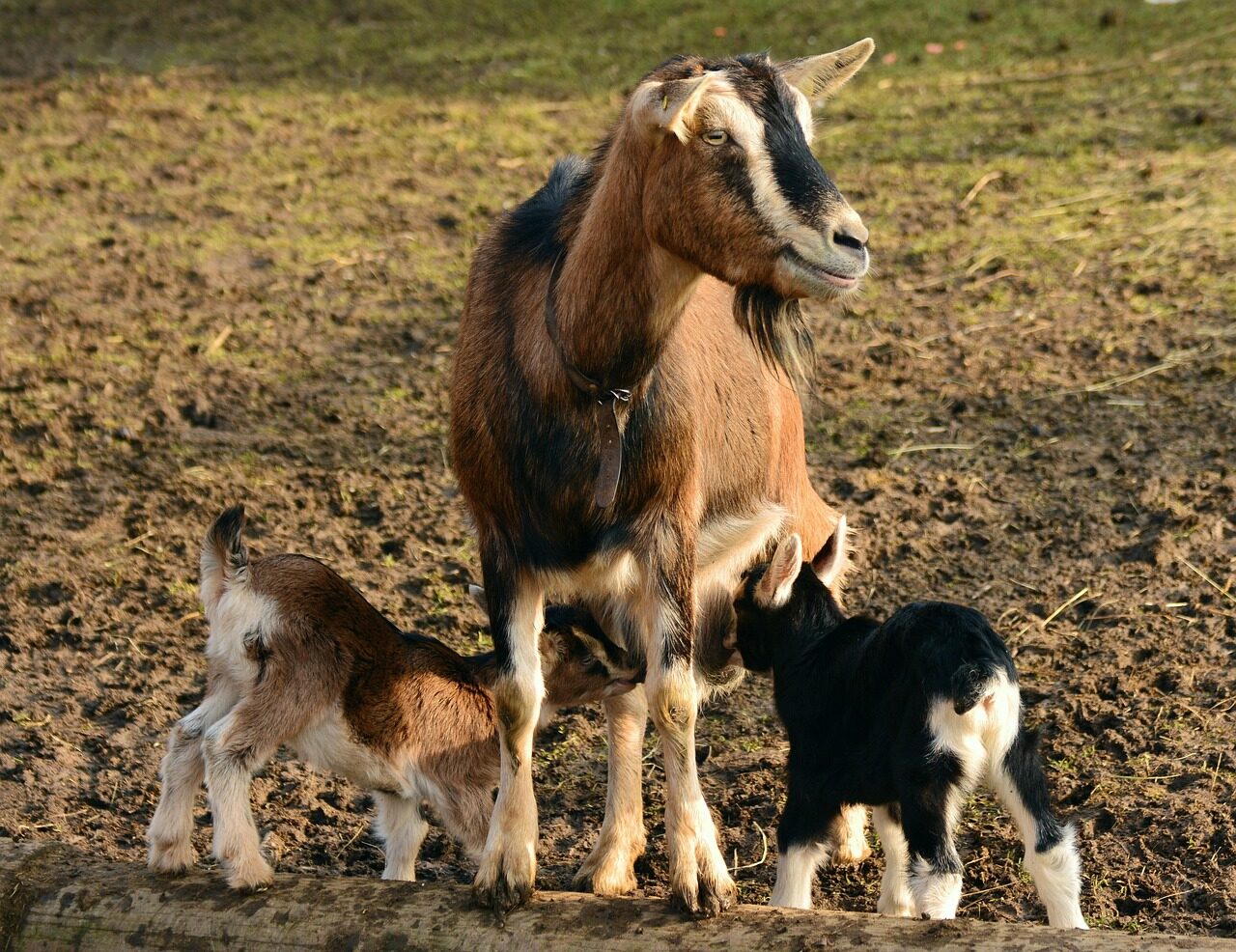
Thinking about raising goats in your backyard? In New Hampshire, goat ownership laws are determined primarily at the local level, meaning your town or city zoning regulations will decide whether you can legally keep goats on your property. Unlike some states with uniform statewide rules, New Hampshire gives municipalities control over livestock regulations. This means what’s allowed in one town might be prohibited in another.
Before you buy your first goat, you need to understand the specific requirements that apply to your property. Whether goats are permitted depends on your location , and checking with your local zoning office or animal control is the critical first step. Beyond basic permission, you’ll also need to navigate property requirements, housing standards, health regulations, and neighbor considerations.
This guide breaks down everything you need to know about goat ownership laws in New Hampshire. You’ll learn how to check your local regulations, what permits you might need, how to meet housing and fencing standards, and what health requirements apply to your animals. Understanding these rules before you start will save you time, money, and potential legal trouble down the road.
Legal Status Of Goat Ownership In New Hampshire
You can legally own goats in New Hampshire, but the rules depend on where you live. Each town and city sets its own regulations through local zoning laws.
The state does not ban goat ownership. However, local municipalities control whether you can keep goats on your property. You need to check with your town’s zoning office or animal control before bringing goats home.
Key factors that affect your ability to own goats include:
- Your property’s zoning classification
- The size of your lot
- Distance requirements from property lines
- Housing and enclosure standards
Most New Hampshire towns require a minimum lot size for goat ownership. You typically need between one and three acres depending on your location. Property boundaries matter too, as you must keep goat structures a certain distance from neighboring properties.
Your goats need proper shelter and fencing. Towns require structures that protect animals from weather and prevent escapes. You cannot create a nuisance through excessive noise, odors, or visual problems that bother your neighbors.
Some residential districts prohibit livestock entirely. Agricultural and rural zones usually allow goats more easily than suburban neighborhoods. The more densely populated your area, the stricter the rules tend to be.
State law requires official identification for goats when ownership changes . This applies to all animals not headed directly to slaughter within two weeks. You must follow identification requirements to stay compliant with state regulations.
Zoning And Property Requirements In New Hampshire
Whether you can own goats in New Hampshire depends on your specific town, city, or zoning district. Each municipality sets its own rules for livestock ownership.
You need to check with your local zoning office or animal control before getting goats. The requirements vary significantly across different towns.
Minimum Property Size Requirements:
- Derry: 1 acre or more
- Londonderry: 2 acres or more
- Rochester: 2 acres in most districts, 3 acres in AG District
- Goffstown: 2 acres in certain districts
Your goat structures and enclosures must meet specific setback distances from property lines. These distances protect your neighbors and prevent disputes.
Common Setback Requirements:
| Town | Structure Setback | Pasture/Corral Setback |
|---|---|---|
| Plaistow | 100 feet | 50 feet |
| Concord | 150 feet | 150 feet |
| Derry | 20 feet | 20 feet |
| Londonderry | 25 feet | 25 feet |
| Goffstown | 50 feet | 50 feet |
Some districts prohibit goats entirely. Rochester does not allow goats in Residential-1 or Residential-2 Districts.
You must provide adequate shelter and fencing for your goats. Most New Hampshire zoning ordinances require structures that properly house animals and prevent escapes.
Your goat operation cannot create a public nuisance. This means controlling sight, sound, and smell issues that might affect neighboring properties.
Number Limits And Permit Requirements In New Hampshire
New Hampshire does not have a statewide limit on the number of goats you can own. The rules depend on your local town or city government.
Your municipality controls goat ownership through zoning laws. Local land use boards can require special exceptions or permits for livestock operations, especially if you’re starting a new farm or expanding an existing one.
Key factors that affect your permit needs:
- Property zoning classification (residential vs. agricultural)
- Number of goats you plan to keep
- Size of your property
- Distance from neighboring homes
Some New Hampshire towns have created specific ordinances for small-scale goat keeping. For example, Durham developed regulations allowing limited goat numbers on single-family and two-family residential properties. These local rules typically mirror poultry-keeping ordinances.
You need to contact your town’s zoning office or planning department before buying goats. Ask about minimum lot sizes, setback requirements from property lines, and maximum animal limits. Some towns may require you to go through a public hearing process.
What you should verify with local officials:
- Building permit requirements for goat shelters
- Site plan review processes
- Registration or licensing needs
- Health and identification regulations
New Hampshire state law does require identification for sheep and goats under certain circumstances. Your town may add additional rules on top of state requirements. Getting written confirmation of the rules protects you from future complaints or violations.
Housing And Fencing Regulations In New Hampshire
New Hampshire does not have statewide housing or fencing requirements specifically for goats. Local municipalities control these regulations through zoning ordinances.
You need to check with your town or city government before building goat housing. Each community sets its own rules about structure size, placement, and distance from property lines. Some towns may require permits for new structures on your property.
The University of New Hampshire Extension recommends specific space guidelines for livestock housing. Goats typically need 15 to 20 square feet of indoor space per animal. Outdoor space should provide at least 200 square feet per goat for exercise and grazing.
Your goat shelter must protect animals from wind, rain, and extreme temperatures. The structure should have good ventilation to prevent respiratory problems. You also need proper drainage to keep bedding dry and reduce disease risk.
Basic Goat Housing Requirements:
- Dry, draft-free shelter with ventilation
- Raised sleeping areas off the ground
- Easy access to food and water
- Adequate space to prevent crowding
Fencing requirements vary by location. New Hampshire fence laws primarily address property boundaries rather than livestock containment. You are responsible for keeping your goats on your property.
Most goat owners use four to five-foot high fencing. Woven wire fencing works well because goats can climb and jump. Electric fencing provides an additional deterrent if your goats test boundaries.
You should contact your town clerk or planning department to learn about local ordinances. Some communities have adopted specific regulations for keeping goats on residential properties.
Health, Registration, And Neighbor Regulations In New Hampshire
New Hampshire requires specific health documentation when you bring goats into the state. Goats imported into New Hampshire must meet brucellosis and tuberculosis testing requirements. You also need to follow scrapie regulations for your animals.
Your goats need proper identification under state law. Sheep and goat identification requirements are outlined in New Hampshire statutes. This helps track animals and prevent disease spread.
Key Health Requirements:
- Brucellosis testing for breeding animals
- Tuberculosis testing documentation
- Scrapie identification tags or tattoos
- Health certificates for interstate transport
Goats under 6 months of age have different rules than adult animals. Young goats may have relaxed testing requirements compared to breeding stock.
Local zoning rules determine if you can keep goats on your property. Each city or town sets its own regulations about livestock ownership. You need to check with your local zoning office before buying goats.
Your neighbors have rights too. Most towns require you to keep goats a certain distance from property lines. Noise and odor complaints can lead to legal problems if you don’t follow local codes.
Some areas ban goats completely while others allow them with permits. Urban zones typically have stricter rules than rural areas. You might need special approval from your town board or planning commission.
Keep fences in good condition to prevent your goats from wandering onto neighboring property. Escaped animals can create liability issues if they cause damage or accidents.