Goat Ownership Laws in Wisconsin: Essential Legal and Property Guidelines

March 25, 2026
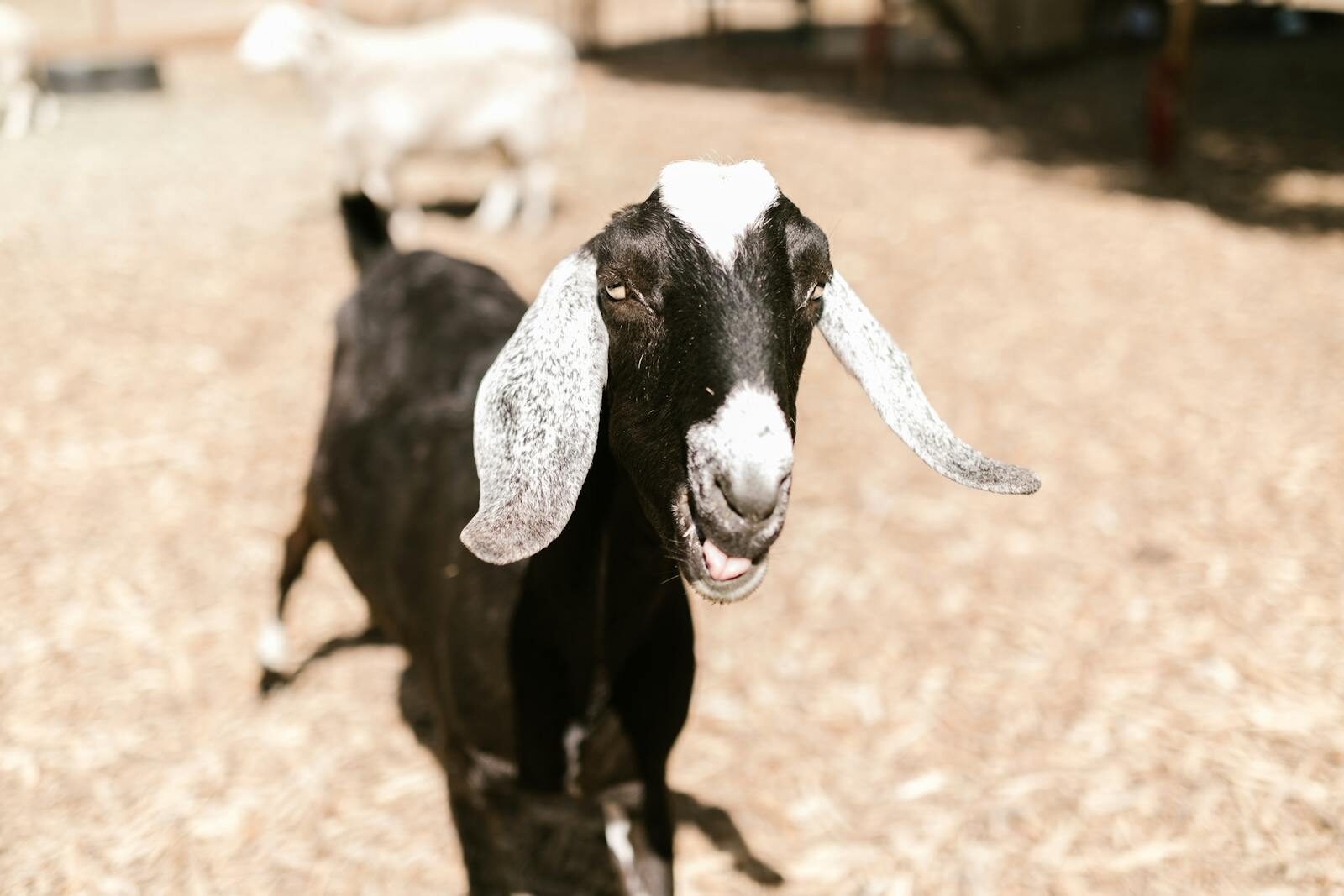
Thinking about adding goats to your Wisconsin property? You’re not alone in wanting these friendly animals for milk, meat, or companionship. But before you bring home your first goat, you need to understand the rules that govern where and how you can keep them.
Goats and sheep are permitted under Wisconsin State Law , but your local zoning laws and municipal code will determine whether you can actually own them on your property. The state allows goat ownership, but your city or village creates the specific rules about lot sizes, animal limits, and setback distances. What’s legal in one Wisconsin community might be completely prohibited in another.
This guide walks you through everything you need to know about goat ownership laws in Wisconsin. You’ll learn how to check your local zoning requirements, what property size you need, how many goats you can keep, and what health and housing regulations apply. Understanding these rules now will save you from costly mistakes and potential legal problems down the road.
Legal Status Of Goat Ownership In Wisconsin
Wisconsin state law does not prohibit owning goats. The state has no specific regulations banning goats as pets or livestock.
However, local zoning laws and municipal codes determine whether you can keep goats in your specific area. Your city or township has the authority to regulate livestock within its boundaries. Some municipalities allow goats freely while others restrict or ban them entirely.
Key legal requirements you need to know:
- You must check your city ordinances before purchasing goats
- Some areas require a minimum of 5 acres of land for goat ownership
- Milwaukee prohibits owning animals that are not domesticated
- Agricultural zones typically permit goats without restrictions
You need proper identification for your goats if you plan to move or sell them within Wisconsin. State regulations require official individual identification on goats being sold or moved throughout the state.
Fencing requirements matter for legal compliance. Wisconsin livestock laws specify that goats and sheep require fences at least 4 feet tall . Your fence must meet state standards to prevent your animals from escaping onto neighboring properties.
You bear legal responsibility for any damage or injury your goats cause. Wisconsin holds animal owners liable even without negligence. This means you could face legal consequences if your goat escapes and causes problems.
If you bring goats from Michigan into Wisconsin, specific health protocols apply. These animals must undergo quarantine and require a TB test between 60 and 90 days after arrival.
Zoning And Property Requirements In Wisconsin
In Wisconsin, local zoning laws determine whether you can own goats on your property. State law permits goats, but your municipality sets the specific rules about where you can keep them.
Property Size Requirements
Different cities require different minimum lot sizes:
- Village of Waukesha: 3 acres minimum
- New Berlin: 2 acres minimum
- Mequon: 1.5 acres minimum
- Oak Creek: 1 acre minimum
Animal Limits Per Acre
Most municipalities cap how many goats you can keep based on your land size. New Berlin allows up to 8 standard goats per acre or 12 pygmy goats per acre. Oak Creek limits you to one goat over six months old per acre.
Zoning Districts
Your property’s zoning classification matters. Agricultural zones typically allow goats without restrictions. Residential zones often have stricter requirements or may prohibit livestock entirely.
Planning and zoning authority helps control livestock facility locations in non-agricultural districts. You need to verify your property’s zoning designation before bringing goats home.
Setback Requirements
You must keep goat structures a certain distance from neighboring properties and buildings. Janesville requires goat enclosures to be 150 feet from residences, hotels, restaurants, and schools. However, you can keep them closer to your own home.
Getting Started
Contact your local zoning office or code enforcement before purchasing goats. Some cities like Manitowoc require permits from the police chief. Your municipality may have additional rules about sanitation, noise, and odor control.
Number Limits And Permit Requirements In Wisconsin
Wisconsin state law does not set a specific maximum number of goats you can own. However, local zoning laws and municipal codes determine what is allowed in your area.
Many townships and counties require a minimum of 5 acres of land to keep goats. Some areas calculate limits based on acreage, with general guidelines suggesting 6-8 goats per acre for proper land management.
Key Registration Requirements:
- You must register your livestock premises with the Wisconsin Department of Agriculture
- Each location receives a unique identification code
- Registration applies if you keep any livestock at a single location
- The department may grant exemptions based on the number or type of animals
Urban and suburban areas often have stricter rules than rural zones. Cities may prohibit goats entirely or limit them to properties zoned for agricultural use. Always check your specific city ordinances before purchasing goats.
If you plan to sell goat products for human consumption, you need additional licensing. This includes milk, cheese, soap, and other items made from goat products. The licensing requirements go beyond basic ownership permits.
Operations that disturb one acre or more of land need storm water permits . Some facilities require Wisconsin Pollutant Discharge Elimination System permits, which set additional water quality standards beyond basic manure management rules.
Contact your local zoning office and the Wisconsin Department of Agriculture to confirm all requirements for your property. Rules vary significantly between municipalities, and violations can result in fines or forced removal of your animals.
Housing And Fencing Regulations In Wisconsin
You need to provide proper housing and fencing for your goats in Wisconsin. Your facilities must keep your animals safe and prevent them from escaping onto neighboring properties or public roads.
Wisconsin’s fence laws date back to 1849 and remain in effect today. If your property touches a neighbor’s land and either of you uses it for farming or grazing, you share fence responsibility equally. You maintain the right half of the boundary fence when facing your neighbor’s property, while they maintain the left half.
Fence Height Requirements:
- Goats need fences 4 to 5 feet tall
- Strong woven wire with barbed wire on top is the standard option
- High tensile fences work if they meet state specifications
You cannot install an electric fence on your property line without written agreement from your neighbor. Both landowners must consent even if you’re the only one with livestock.
Your goat housing must protect animals from extreme weather and provide adequate ventilation. The shelter should be dry, clean, and large enough for all your goats to lie down comfortably. You need to remove manure regularly and provide fresh bedding.
Local zoning laws determine where you can keep goats in Wisconsin. Agricultural zones typically allow goats, but residential areas may prohibit them or limit the number you can own. Check your municipal code before bringing goats home.
If you fail to maintain your fence and your goats escape, you face liability for any damage they cause. You can be fined up to $200 if your goats run loose on highways.
Health, Registration, And Neighbor Regulations In Wisconsin
You must register any location where you keep goats with the Wisconsin Department of Agriculture, Trade and Consumer Protection. This applies even if you only own one goat. Registration became mandatory in 2006, making Wisconsin the first state to require it.
The good news is that registration is completely free. You’ll receive a unique premises ID number that stays with your property even if you sell it later.
Key registration requirements include:
- Providing your legal name and contact information
- Describing where you keep your animals
- Renewing your registration every three years by July 31
- Updating your status if you no longer keep goats
Skipping registration can cost you between $200 and $5,000 in fines. You’ll also lose eligibility for state indemnity payments if your goats get condemned due to disease exposure.
Disease reporting is another critical responsibility. You must report certain goat diseases within specific timeframes. Some conditions require reporting within one day, while others allow 10 days.
If you suspect a serious disease, contact a DATCP district veterinarian immediately . Leave a message if needed, and keep trying until you reach someone.
Your fence responsibilities depend on your neighbors. If your property touches land used for farming or grazing, you split fence costs equally. You’re responsible for the right half when facing your neighbor’s property. Electric fences require written agreement from both property owners before installation.