16 Top Tourist Attractions in Massachusetts for Your Bucket List

February 21, 2026
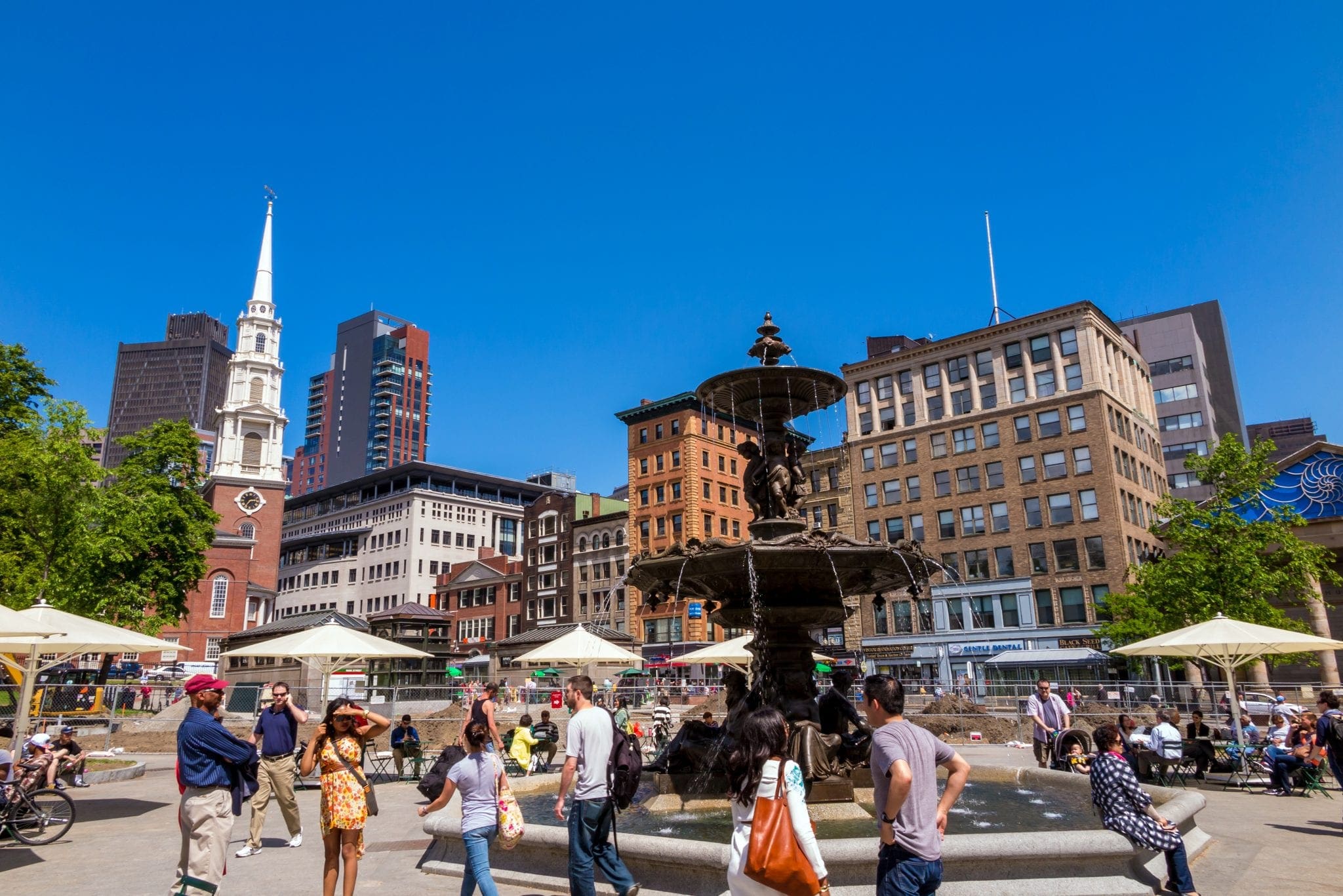
Massachusetts offers an incredible blend of American history, coastal beauty, and cultural richness that draws millions of visitors each year. Whether you’re walking the cobblestone streets where revolutionaries once plotted independence, catching a game at America’s most beloved ballpark, or exploring pristine beaches and charming seaside villages, the Bay State delivers unforgettable experiences at every turn. From Boston’s iconic landmarks to the serene landscapes of the Berkshires, these 16 attractions showcase why Massachusetts belongs on every traveler’s bucket list.
This guide covers the essential destinations that capture Massachusetts’ unique character—historic sites that shaped our nation, world-class museums, spectacular natural areas, and coastal gems. You’ll discover what makes each location special and get practical insights to help you plan your Massachusetts adventure.
Fenway Park
Fenway Park stands as America’s oldest Major League Baseball stadium, opening its gates in 1912. This beloved Boston landmark isn’t just a sports venue—it’s a living museum where generations of Red Sox fans have created over a century of memories beneath the iconic Green Monster.
The 37-foot-tall left field wall has become one of baseball’s most recognizable features, challenging hitters and creating dramatic moments since the stadium’s earliest days. Walking through Fenway’s narrow concourses and wooden seats transports you back to baseball’s golden age, while the manual scoreboard operated by workers inside the Green Monster maintains traditions that modern stadiums have abandoned.
Pro Tip: Book a guided tour during the off-season for better access to areas like the press box and warning track. Tours run year-round except on game days and during special events.
Beyond Red Sox games, Fenway hosts concerts, winter sports events, and special programming throughout the year. The stadium’s intimate 37,755 capacity creates an atmosphere where you feel connected to the action regardless of your seat location. Even if you’re not a baseball fan, experiencing a game at Fenway Park provides insight into Boston’s cultural identity and the passion that defines New England sports culture.
Freedom Trail
The Freedom Trail connects 16 historically significant sites across a 2.5-mile walking route marked by a red brick or painted line through Boston’s streets. This self-guided journey takes you through 250 years of American history, from colonial settlements through the Revolutionary War and beyond, making it one of the most accessible ways to experience the birthplace of American independence.
Starting at Boston Common and ending at the Bunker Hill Monument in Charlestown, the trail includes landmarks like the Massachusetts State House, Park Street Church, Granary Burying Ground (final resting place of Paul Revere, Samuel Adams, and John Hancock), King’s Chapel, the Old South Meeting House, the Old State House, and the site of the Boston Massacre. Each stop offers a window into the events and people who shaped American democracy.
The trail passes through several distinct Boston neighborhoods, allowing you to experience the city’s architectural evolution and vibrant street life while connecting historical dots. Paul Revere’s House in the North End stands as downtown Boston’s oldest building, while the Old North Church (Christ Church) marks where lanterns signaled the British troops’ movements on that famous night in 1775.
Key Insight: Most Freedom Trail sites charge individual admission fees, but walking the trail itself is completely free. Consider purchasing a Go Boston pass if you plan to enter multiple museums and historic buildings.
You can walk the entire trail in about half a day at a moderate pace, though history enthusiasts often spend a full day or more exploring the sites in depth. The Freedom Trail Foundation offers guided tours led by costumed interpreters who bring the Revolutionary era to life with engaging storytelling and historical context.
Boston Tea Party Ships and Museum
This interactive floating museum recreates one of history’s most pivotal protests through immersive experiences that place you directly in the action of December 16, 1773. Located on the Fort Point Channel where the original Tea Party took place, the museum features full-scale replicas of the three ships involved—the Eleanor, the Beaver, and the Dartmouth.
Your visit begins with a town meeting where costumed historians portray actual colonists who participated in the protest, debating the taxation policies that sparked revolution. You’ll receive a role card identifying you as a specific historical figure, then proceed to the ships where you can throw tea chests overboard just as the Sons of Liberty did over two centuries ago.
The museum’s exhibits include one of only two known tea chests from the original Boston Tea Party, recovered from the harbor and remarkably preserved. Interactive displays explain the complex political and economic factors that led to the protest, while the documentary film provides context about how this single act of defiance escalated tensions between the colonies and Britain.
The Abigail’s Tea Room offers a chance to sample historically accurate tea blends and colonial-era refreshments, creating a thoughtful contrast to the protest you’ve just reenacted. This museum’s approach transforms what could be a dry history lesson into an engaging experience that resonates with visitors of all ages, making it particularly valuable for families traveling with children.
Museum of Fine Arts (MFA)
The Museum of Fine Arts houses one of the world’s most comprehensive art collections, with nearly 500,000 works spanning from ancient Egyptian artifacts to contemporary installations. Founded in 1870, the MFA ranks among America’s most visited art museums, drawing over one million visitors annually to its expansive Fenway-Kenmore location.
The museum’s Art of the Americas Wing showcases an unparalleled collection of American paintings, decorative arts, and sculptures from pre-Columbian times through the 20th century. You’ll find masterpieces by John Singer Sargent, Winslow Homer, and Edward Hopper alongside silver works by Paul Revere and furniture from colonial New England workshops.
The MFA’s Asian art collection stands as one of the finest outside Asia, featuring Japanese woodblock prints, Chinese ceramics, and Indian textiles collected over 150 years. The museum’s Egyptian galleries display mummies, jewelry, and sculptures from the Museum’s own archaeological expeditions to the Nile Valley in the early 20th century.
Pro Tip: Visit on Wednesday evenings when the museum stays open until 10 PM and offers reduced admission after 4 PM. The later hours provide a quieter, more contemplative viewing experience.
European paintings fill multiple galleries with works by Monet, Renoir, Van Gogh, and Rembrandt, while the contemporary wing features rotating exhibitions of modern and cutting-edge art. The museum’s musical instrument collection includes rare Stradivarius violins and instruments from cultures worldwide. Whether you have two hours or an entire day, the MFA offers enough variety to satisfy any artistic interest.
Cape Cod
Cape Cod extends 65 miles into the Atlantic Ocean, creating a distinctive hook-shaped peninsula famous for its pristine beaches, charming villages, and maritime heritage. This beloved summer destination attracts visitors seeking everything from quiet nature walks to bustling beach towns, offering 560 miles of coastline with beaches ranging from calm bay waters to dramatic ocean surf.
The Cape Cod National Seashore protects 40 miles of shoreline, including some of New England’s most spectacular beaches. Coast Guard Beach and Nauset Light Beach offer powerful waves and dramatic dune landscapes, while the Province Lands area near Provincetown features unique parabolic dunes and bike trails through wind-sculpted terrain. The seashore’s visitor centers provide educational programs about the area’s ecology and maritime history.
Each Cape Cod town has its own character and attractions. Provincetown at the Cape’s tip combines art galleries, restaurants, and nightlife with whale watching excursions and stunning beaches. Chatham offers classic New England charm with its lighthouse, fish pier where you can watch fishermen unload their daily catch, and upscale shops. Hyannis serves as the Cape’s commercial hub while maintaining connections to Kennedy family history.
The Cape’s quieter Mid-Cape and Upper Cape regions provide alternatives to the summer crowds. Sandwich, the Cape’s oldest town, features historic homes, the Heritage Museums and Gardens, and the iconic boardwalk across marshland to Town Neck Beach. Wellfleet attracts oyster lovers and art collectors to its galleries and renowned shellfish beds.
Important Note: Cape Cod traffic can be extremely heavy on summer weekends, particularly when crossing the Cape Cod Canal bridges. Plan to arrive mid-week or early morning to avoid multi-hour delays.
Beyond beaches, Cape Cod offers bike trails including the 22-mile Cape Cod Rail Trail, kayaking through salt marshes, fishing charters, and lighthouse tours. The shoulder seasons of late spring and early fall provide pleasant weather, fewer crowds, and lower prices while maintaining access to most attractions. Whether you’re seeking family beach vacations or quiet coastal retreats, Cape Cod delivers authentic New England coastal experiences.
Faneuil Hall
Faneuil Hall has served as Boston’s marketplace and meeting hall since 1742, earning its nickname “Cradle of Liberty” for hosting revolutionary speeches by Samuel Adams, James Otis, and other patriots who challenged British rule. This National Historic Landmark continues its dual role today, combining historical significance with a vibrant marketplace that attracts millions of visitors annually.
The building’s Great Hall on the second floor maintains its function as a public meeting space, decorated with historical paintings and artifacts that commemorate Boston’s revolutionary heritage. Free talks by National Park Service rangers provide context about the debates and decisions that took place within these walls, connecting visitors to the passionate arguments that helped forge American independence.
The ground floor and adjacent Quincy Market buildings house over 100 shops, restaurants, and food vendors in a festival marketplace setting. Street performers entertain crowds throughout the day, while the food colonnade offers everything from New England clam chowder to international cuisines. The restored 19th-century market buildings blend historical architecture with modern retail, creating a unique shopping and dining environment.
The grasshopper weather vane atop Faneuil Hall has become an iconic Boston symbol, crafted by colonial metalworker Shem Drowne in 1742. Local legend suggests that during British occupation, patriots used the grasshopper as a test to identify spies, since only true Bostonians would know about this distinctive feature. The surrounding neighborhood includes other significant attractions like the New England Holocaust Memorial and the Rose Kennedy Greenway, making Faneuil Hall an ideal starting point for exploring downtown Boston.
Salem Witch Trials Memorial
The Salem Witch Trials Memorial provides a somber, contemplative space honoring the 20 people executed during the 1692 witch hysteria. Dedicated in 1992 on the trials’ 300th anniversary, this memorial stands adjacent to the Old Burying Point Cemetery, where Judge Jonathan Corwin—one of the magistrates who presided over the trials—is buried.
Twenty stone benches inscribed with the names and execution dates of the victims line the memorial’s perimeter. Each bench represents a life cut short by fear, superstition, and mass hysteria, with their protests of innocence carved into the stone. The threshold stones at the memorial’s entrance bear the victims’ last words, many of which were pleas proclaiming their innocence that went unheeded.
The memorial’s design creates a powerful emotional experience through its stark simplicity. Black locust trees provide shade and symbolism—their thorny branches representing the pain inflicted on innocent people, while their durable wood suggests the enduring legacy of injustice. Visitors often leave flowers, stones, and notes at the benches, creating an ongoing dialogue with history.
Key Insight: The memorial is open 24 hours and admission is free. Visit early morning or evening for a more reflective experience away from the crowds that gather during peak tourist hours.
Salem’s witch trial history extends beyond the memorial to several other sites and museums. The Witch House, former home of Judge Corwin, stands as the only structure with direct ties to the trials still standing in Salem. The city’s various museums offer different perspectives on the trials, from serious historical analysis to more theatrical presentations. Understanding this dark chapter of American history provides important lessons about the dangers of mass hysteria, the importance of due process, and the consequences of unchecked fear—themes that remain relevant today.
Beacon Hill
Beacon Hill represents Boston’s most picturesque historic neighborhood, with its Federal-style rowhouses, brick sidewalks, gas-lit streets, and purple-paned windows creating an atmosphere that transports visitors to 19th-century Boston. This affluent neighborhood climbing the hill from Boston Common has maintained its architectural character despite the modern city growing around it.
Charles Street serves as Beacon Hill’s main commercial thoroughfare, lined with antique shops, boutiques, cafes, and restaurants housed in historic buildings. The street’s independent retailers offer a refreshing alternative to chain stores, specializing in everything from rare books to European furnishings. Walking Charles Street provides a glimpse into Boston’s neighborhood culture, where residents shop at family-owned businesses that have served the community for generations.
Acorn Street, often photographed as Boston’s most beautiful street, exemplifies Beacon Hill’s charm with its narrow cobblestone lane and perfectly preserved rowhouses. Originally built as housing for servants and tradespeople who worked in the larger homes on Mount Vernon Street and other prestigious addresses, these modest homes now rank among Boston’s most expensive real estate.
The neighborhood’s hidden gardens offer peaceful retreats from urban life. While most remain private, occasional garden tours provide access to these meticulously maintained green spaces tucked behind iron gates and brick walls. Louisburg Square, a private park surrounded by elegant townhouses, represents Beacon Hill’s most exclusive address, where residents include politicians, business leaders, and celebrities.
The Black Heritage Trail winds through Beacon Hill’s north slope, telling the story of Boston’s 19th-century African American community. This walking tour includes the African Meeting House, the oldest black church building still standing in the United States, and the Abiel Smith School, the first public school for African American children. The trail illuminates an often-overlooked aspect of Boston’s history, revealing the north slope’s role as a center of the abolition movement and stop on the Underground Railroad.
The Berkshires
The Berkshires encompass the scenic hills and cultural attractions of western Massachusetts, offering a distinct contrast to the coastal and urban experiences found elsewhere in the state. This region has evolved into a premier arts and culture destination while maintaining its natural beauty and small-town New England character.
Tanglewood, summer home of the Boston Symphony Orchestra, attracts classical music lovers to outdoor concerts on its expansive lawns. The venue’s relaxed atmosphere encourages visitors to bring picnics and blankets for concerts under the stars, creating a uniquely accessible classical music experience. Beyond the BSO, Tanglewood hosts the Tanglewood Music Center, where young musicians train with world-renowned faculty, and presents popular music and jazz performances throughout the summer season.
The Massachusetts Museum of Contemporary Art (MASS MoCA) occupies a vast former factory complex in North Adams, creating one of the world’s largest centers for contemporary visual and performing arts. The museum’s enormous galleries accommodate large-scale installations and exhibitions that wouldn’t fit in traditional museum spaces, while its campus includes music venues, courtyards, and experimental performance spaces.
Pro Tip: The Berkshires offer exceptional fall foliage viewing from late September through mid-October. Book accommodations months in advance for autumn weekends, as this is the region’s peak season.
The Norman Rockwell Museum in Stockbridge preserves the world’s largest collection of original Rockwell art, including his famous Saturday Evening Post covers. The museum’s campus includes Rockwell’s studio, relocated from its original site and preserved exactly as the artist left it, providing insight into his creative process.
Mount Greylock, Massachusetts’ highest peak at 3,491 feet, offers hiking trails, camping, and panoramic views extending across five states on clear days. The mountain’s summit features the Veterans War Memorial Tower and Bascom Lodge, where hikers can purchase refreshments or stay overnight. The Appalachian Trail crosses Mount Greylock, making it a popular destination for through-hikers and day visitors alike.
Charming Berkshire towns like Lenox, Stockbridge, and Great Barrington offer upscale dining, boutique shopping, and historic inns. The region’s farm-to-table restaurant scene showcases local ingredients, while numerous farms welcome visitors for pick-your-own produce, farm tours, and seasonal festivals. Whether you’re drawn by world-class arts, outdoor recreation, or small-town New England atmosphere, the Berkshires provide year-round appeal.
Gloucester
Gloucester claims the title of America’s oldest seaport, with a fishing industry dating back to 1623 that continues to define the city’s character today. This working harbor north of Boston balances its maritime heritage with art galleries, beaches, and the rugged coastal beauty that has inspired artists for over a century.
The iconic Fisherman’s Memorial statue overlooks Gloucester Harbor, commemorating the thousands of fishermen who have lost their lives at sea. The statue, depicting a fisherman at a ship’s wheel scanning the horizon, has become Gloucester’s most recognizable landmark and a powerful reminder of the ocean’s dangers and the courage of those who make their living from its waters.
Rocky Neck Art Colony, established in the 1850s, ranks as one of America’s oldest continuously operating art colonies. The narrow peninsula jutting into Gloucester Harbor houses dozens of galleries, studios, and restaurants where you can watch artists at work and purchase original paintings, sculptures, and crafts. The colony’s creative atmosphere and harbor views continue to attract artists seeking inspiration from the same coastal landscapes that drew Winslow Homer and Fitz Henry Lane.
Good Harbor Beach and Wingaersheek Beach offer excellent swimming and sunbathing with facilities and lifeguards during summer months. Good Harbor’s wide sandy expanse and relatively gentle waves make it popular with families, while Wingaersheek’s location at the mouth of the Annisquam River creates unique tidal pools and sandbar formations perfect for exploring.
Key Insight: Gloucester’s working waterfront means you can watch fishing boats unload their catch at the State Fish Pier, purchase fresh seafood directly from wholesalers, and dine at restaurants serving fish caught that same morning.
The Cape Ann Museum preserves Gloucester’s maritime history and artistic legacy through collections of marine paintings, fishing industry artifacts, and decorative arts. The museum’s Fitz Henry Lane Gallery showcases works by the luminist painter who captured Gloucester Harbor’s distinctive light in the mid-1800s. Hammond Castle Museum, a medieval-style castle built in the 1920s by inventor John Hays Hammond Jr., offers tours of its eclectic collection and hosts concerts in its Great Hall featuring one of the world’s largest pipe organs.
Plymouth
Plymouth holds a central place in American origin stories as the landing site of the Mayflower Pilgrims in 1620. This coastal town south of Boston preserves and interprets early colonial history through museums, monuments, and living history experiences that bring the 17th century to life.
Plymouth Rock, traditionally identified as the Pilgrims’ stepping stone to the New World, sits protected beneath a granite portico on the waterfront. While historians debate whether the Pilgrims actually landed at this specific rock, it has served as a powerful symbol of American beginnings since the 18th century. The rock’s modest size surprises many visitors, but its symbolic importance far exceeds its physical presence.
Plimoth Patuxet Museums (formerly Plimoth Plantation) recreates the 17th-century English village and Wampanoag homesite, offering immersive experiences with costumed interpreters portraying actual colonists and indigenous people. The English Village features reproductions of the Pilgrims’ homes, gardens, and livestock, with role-players speaking in period dialect and maintaining their 1627 personas. The Wampanoag Homesite presents the indigenous perspective, with Native staff members in traditional dress explaining their ancestors’ culture, technology, and the dramatic changes brought by European contact.
The Mayflower II, a full-scale reproduction of the ship that carried the Pilgrims across the Atlantic, floats at State Pier in Plymouth Harbor. Costumed interpreters aboard the ship describe the harrowing 66-day voyage, the cramped conditions that 102 passengers and crew endured, and the navigation techniques that brought them to Cape Cod rather than their intended Virginia destination.
Beyond Pilgrim history, Plymouth offers beautiful beaches, waterfront dining, and the National Monument to the Forefathers—a massive granite statue commemorating the Mayflower Pilgrims. The town’s historic downtown features colonial-era homes, antique shops, and restaurants serving traditional New England fare. Burial Hill Cemetery, where several Mayflower passengers are buried, provides harbor views and historical context about Plymouth’s early years.
Rockport
Rockport occupies the tip of Cape Ann, presenting a quintessential New England fishing village transformed into an art colony and tourist destination while maintaining its maritime character. The town’s red fishing shack known as Motif Number 1 has become one of the most painted and photographed buildings in America, symbolizing Rockport’s artistic heritage.
Bearskin Neck, a narrow peninsula extending into Rockport Harbor, packs dozens of galleries, shops, and restaurants into former fish houses and sheds. The pedestrian-only street encourages leisurely browsing through art galleries showcasing everything from traditional seascapes to contemporary works, jewelry made by local artisans, and specialty shops selling nautical gifts and home décor. The neck’s location creates harbor views from nearly every angle, with boats bobbing at their moorings and seagulls wheeling overhead.
Front Beach and Back Beach offer swimming and sunbathing within walking distance of downtown, though the water remains brisk even in summer—typical of North Shore Massachusetts beaches. The rocky coastline surrounding these sandy stretches provides excellent tide pooling opportunities where you can observe crabs, sea stars, and other marine life in their natural habitat.
Pro Tip: Rockport is a “dry town” where alcohol sales are prohibited. If you plan to dine out and want wine with dinner, bring your own bottle—many restaurants allow BYOB without corkage fees.
Halibut Point State Park on Rockport’s northern tip features a former granite quarry now filled with water, surrounded by walking trails along dramatic coastal ledges. The park’s rocky shores and tide pools attract nature lovers, while the quarry itself tells the story of Cape Ann’s granite industry that supplied stone for buildings and monuments across America. On clear days, you can see Maine’s coast from the park’s observation points.
Paper House, a quirky roadside attraction, consists of a house and furniture constructed entirely from newspapers by mechanical engineer Elis Stenman in the 1920s. The house demonstrates both creative recycling and engineering ingenuity, with walls made of 215 layers of newspaper providing surprisingly effective insulation. This unusual attraction adds an element of whimsy to Rockport’s more traditional offerings.
Nantucket
Nantucket Island sits 30 miles off Cape Cod’s coast, accessible only by ferry or plane, creating an exclusive retreat that has preserved its 19th-century whaling village character. The island’s strict building codes and historic preservation efforts have maintained the architectural integrity of its downtown, where cobblestone streets, cedar-shingled buildings, and rose-covered cottages create an atmosphere of refined New England elegance.
Nantucket Town’s historic district features over 800 pre-Civil War structures, making it one of the finest preserved historic towns in America. Main Street’s brick sidewalks lead past upscale boutiques, art galleries, and restaurants housed in former ship captains’ homes and merchant buildings. The Whaling Museum occupies a former candle factory, displaying the island’s whaling heritage through artifacts, ship models, and the massive skeleton of a sperm whale suspended from the ceiling.
The island’s beaches offer something for every preference. Surfside Beach on the south shore attracts surfers and boogie boarders with its consistent waves, while Jetties Beach near town provides calm waters, facilities, and water sports rentals perfect for families. Cisco Beach draws a younger crowd with its beach bar and food trucks, and Madaket Beach on the island’s western tip offers spectacular sunset views.
Siasconset (locally called ‘Sconset), a village on Nantucket’s eastern shore, features tiny rose-covered cottages originally built as fishing shacks and later expanded into summer homes. The village’s bluff walk provides dramatic ocean views and access to ‘Sconset Beach, while the village center offers a few shops and the island’s oldest summer hotel.
Important Note: Nantucket’s popularity and limited accommodations make advance planning essential. Book lodging months ahead for summer visits, and expect premium prices for everything from hotels to meals to ferry tickets.
Biking represents the ideal way to explore Nantucket’s flat terrain and scenic bike paths. The island maintains over 30 miles of paved paths connecting town to beaches, moors, and villages, with bike rentals readily available near the ferry terminals. The Milestone Road bike path takes you across the island to ‘Sconset, while the Polpis Road path loops through the island’s interior past cranberry bogs and conservation areas. Whether you’re drawn by pristine beaches, historic architecture, upscale shopping and dining, or simply the escape that island life provides, Nantucket offers a refined New England island experience.
New England Aquarium
The New England Aquarium on Boston’s waterfront brings visitors face-to-face with thousands of aquatic animals through innovative exhibits and conservation programs. Since opening in 1969, the aquarium has become one of Boston’s premier family attractions, welcoming over 1.3 million visitors annually to experience marine life from around the world.
The Giant Ocean Tank dominates the aquarium’s central space, rising four stories and holding 200,000 gallons of water that recreates a Caribbean coral reef environment. A spiral ramp around the tank allows you to observe sea turtles, sharks, rays, and hundreds of tropical fish from multiple depths and angles. Divers enter the tank several times daily for feeding demonstrations and to answer questions through underwater communication systems.
The aquarium’s penguin colony features three species—African, rockhopper, and little blue penguins—in a multi-level exhibit that allows above and below water viewing. These charismatic birds dive, swim, and interact throughout the day, with feeding times drawing large crowds. The exhibit’s design recreates rocky coastal habitat while providing optimal viewing opportunities for visitors.
Marine Mammal Center presentations showcase rescued and rehabilitated seals and sea lions, with trainers explaining each animal’s story and the aquarium’s rehabilitation efforts. The center participates in marine mammal rescue and release programs, treating injured seals found on New England beaches before returning them to the wild when possible.
Key Insight: Whale watching cruises depart from the aquarium’s dock seasonally, offering three-to-four-hour trips to Stellwagen Bank National Marine Sanctuary where humpback, finback, and minke whales feed during warmer months.
The aquarium’s smaller exhibits showcase everything from Pacific coral reefs to Amazon rainforest ecosystems. The Edge of the Sea touch tank allows hands-on interaction with rays, sharks, and other marine animals under staff supervision, while the Trust Family Foundation Shark and Ray Touch Tank features cownose rays and Atlantic rays gliding through shallow water. Educational programs, IMAX films, and special events throughout the year make the New England Aquarium a destination that combines entertainment with marine conservation education.
Museum of Science
The Museum of Science spans the Charles River Dam between Boston and Cambridge, offering over 700 interactive exhibits that make science accessible and engaging for visitors of all ages. This institution has served as New England’s premier science museum since 1830, evolving from a natural history collection into a comprehensive science and technology center that attracts over 1.5 million visitors annually.
The museum’s exhibits cover an impressive range of scientific disciplines. The Hall of Human Life explores biology, genetics, and health through interactive displays where you can test your reaction time, analyze your own traits, and learn how lifestyle choices affect wellbeing. The Engineering Design Workshop provides hands-on opportunities to build and test solutions to engineering challenges, while the Butterfly Garden immerses you in a tropical environment filled with free-flying butterflies from around the world.
The Charles Hayden Planetarium presents astronomy shows using cutting-edge digital projection technology that creates immersive journeys through space. Shows range from introductory astronomy for young children to advanced presentations about current space exploration and cosmology. The planetarium’s comfortable seating and dome screen create a viewing experience that makes you feel like you’re actually traveling through the cosmos.
The Mugar Omni Theater features a five-story domed IMAX screen that fills your field of vision, showing educational films about nature, science, and exploration. The theater’s digital projection and sound system create an immersive experience whether you’re exploring Antarctica, diving into ocean depths, or witnessing natural phenomena from around the globe.
Live presentations throughout the day bring science to life through demonstrations of electricity, physics, and chemistry. The Theater of Electricity houses the world’s largest Van de Graaff generator, producing spectacular lightning bolts during daily shows that explain the science of electricity and electrical safety. Animal presentations introduce live creatures while teaching about biology, ecology, and conservation.
The museum’s location on the Charles River provides outdoor spaces including the Science Park plaza and river views. The Gilliland Observatory opens for stargazing on clear Friday evenings, offering free public telescope viewing of planets, stars, and celestial objects. Whether you’re interested in dinosaurs, space exploration, mathematics, or human biology, the Museum of Science provides engaging ways to explore scientific concepts through hands-on interaction rather than passive observation.
Martha’s Vineyard
Martha’s Vineyard combines natural beauty, artistic communities, and understated elegance across its six distinct towns, each offering unique character and attractions. The island sits seven miles off Cape Cod’s southern coast, accessible by ferry from several mainland ports, creating a getaway that feels worlds away from everyday life despite its proximity to the mainland.
Edgartown, the island’s oldest settlement, features pristine white captain’s houses with black shutters lining streets that lead to a yacht-filled harbor. The Martha’s Vineyard Museum occupies a former marine hospital, displaying artifacts from the island’s whaling era, Native American heritage, and maritime history. The Edgartown Lighthouse, connected to town by a scenic beach walk, offers harbor views and photo opportunities.
Oak Bluffs stands out for its colorful Victorian cottages known as “gingerbread houses” surrounding the Methodist Tabernacle. These ornate, tiny houses began as canvas tents for Methodist camp meetings in the 1800s, gradually evolving into permanent cottages decorated with elaborate trim and painted in vibrant colors. The Flying Horses Carousel, America’s oldest platform carousel still in operation, has delighted children since 1876 with its hand-carved wooden horses.
Vineyard Haven serves as the island’s year-round commercial center and main ferry port. The town’s working waterfront and practical character contrast with Edgartown’s formality and Oak Bluffs’ whimsy, offering galleries, shops, and restaurants that cater to residents rather than tourists. The harbor’s activity and authentic island atmosphere make Vineyard Haven a favorite among visitors seeking less polished experiences.
Pro Tip: Bringing a car to Martha’s Vineyard requires ferry reservations made months in advance during summer. Consider taking the passenger ferry and renting bikes or using the island’s excellent bus system instead.
Up-island towns—West Tisbury, Chilmark, and Aquinnah—offer rural landscapes, farms, stone walls, and spectacular coastal scenery. Aquinnah’s clay cliffs provide the island’s most dramatic natural feature, with multicolored clay layers creating striped patterns visible from the beach below. The cliffs hold cultural significance for the Wampanoag tribe, whose Aquinnah community maintains its heritage and operates shops near the overlook.
The island’s beaches range from calm harbor waters perfect for young children to powerful ocean surf. South Beach (Katama Beach) stretches for three miles with strong waves and ample space, while Menemsha Beach offers calm waters and spectacular sunsets. State Beach along the road between Oak Bluffs and Edgartown provides easy access and gentle waves ideal for families.
Martha’s Vineyard’s artistic community thrives through numerous galleries, craft studios, and cultural events. The Yard performing arts center in Chilmark presents dance and theater, while the Martha’s Vineyard Film Festival showcases independent films. Farm tours, vineyard tastings, and agricultural fairs connect visitors to the island’s farming heritage that continues despite development pressures. Whether you’re seeking beaches, cultural experiences, natural beauty, or simply a peaceful retreat, Martha’s Vineyard delivers the quintessential New England island experience with sophistication and charm that has attracted visitors for generations.