11 Facts About Sweet Potatoes That Will Make You Love This Superfood Even More

March 7, 2026
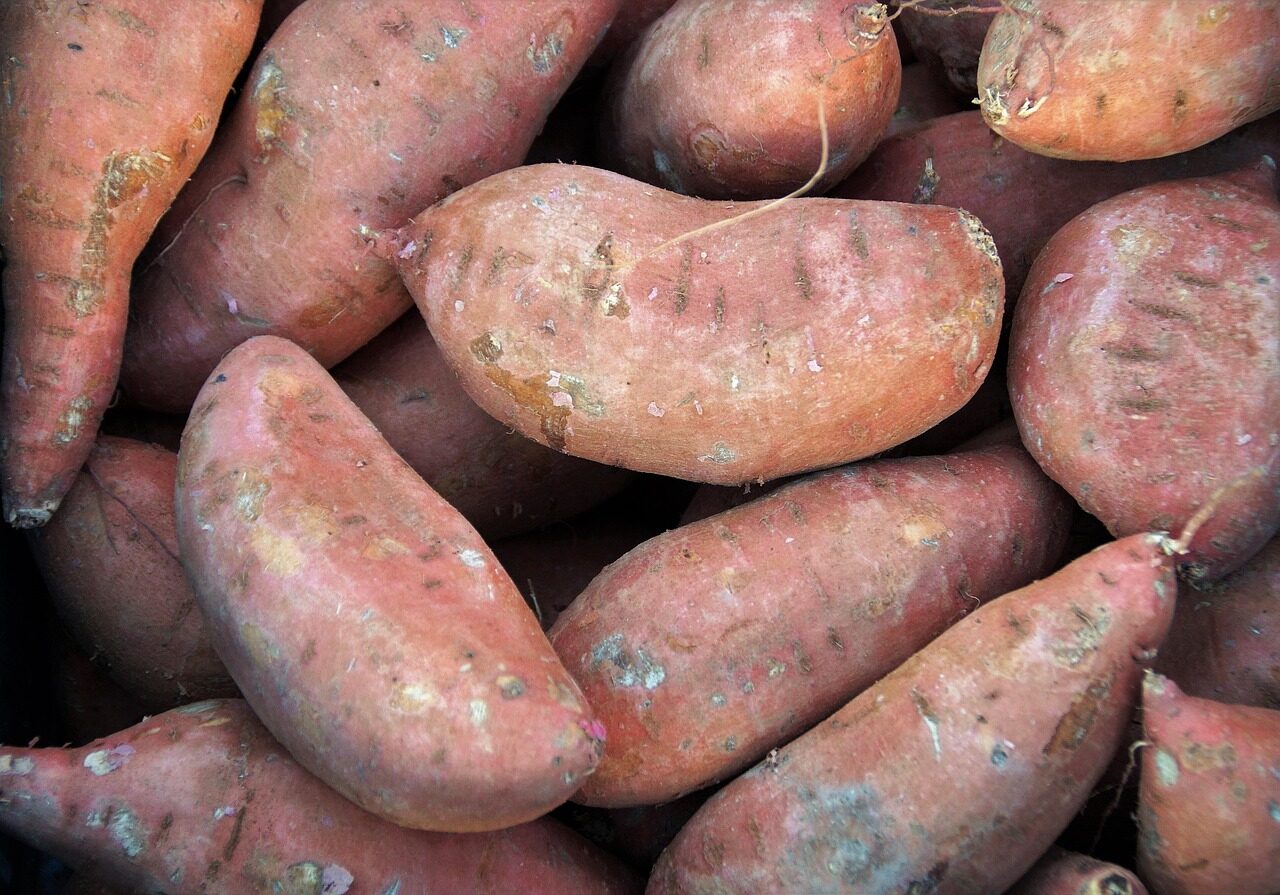
Sweet potatoes show up on dinner tables around the world, but most people don’t know much about what makes them special. These colorful root vegetables offer more than just a naturally sweet taste. They pack impressive nutrition and come in surprising varieties that go beyond the familiar orange type.
Sweet potatoes rank as one of the most nutrient-dense vegetables you can eat, with benefits that affect everything from your immune system to your digestive health. This article explores eleven facts about sweet potatoes that reveal why they deserve a regular spot in your meals. You’ll learn about their nutritional content, the different colors they come in, and how to season them for the best flavor.
1. Sweet potatoes are the #1 most nutritious vegetable, richer in vitamins and minerals than spinach or broccoli.
Sweet potatoes pack more nutrients per serving than many other vegetables you might consider healthy. They contain high amounts of vitamins A and C, along with important minerals like potassium and iron.
The beta-carotene in sweet potatoes gives them their orange color and provides powerful benefits for your body. Your body converts this nutrient into vitamin A, which supports your vision and immune system.
When you compare sweet potatoes to spinach or broccoli, they offer a broader range of vitamins. You’ll find vitamins A, C, E, K, and several B vitamins all packed into one root vegetable. This combination makes them a smart choice when you want to get the most nutrition from your food.
Sweet potatoes also provide dietary fiber, which helps your digestion and keeps you feeling full longer. A single sweet potato gives you energy from healthy carbohydrates while delivering these essential nutrients. This nutrient density means you’re getting more value from every bite you take.
2. They are an excellent source of Vitamins A and C, essential for immune health and skin.
Sweet potatoes pack impressive amounts of vitamins A and C in every serving. A single medium sweet potato gives you more than 400% of your daily vitamin A needs and about 35% of your vitamin C requirement.
Vitamin A helps your immune system fight off sickness and infection. It also keeps your eyes and skin healthy. The orange color in sweet potatoes comes from beta-carotene, which your body converts into vitamin A.
Vitamin C plays several important roles in your body. It helps create collagen, a protein that keeps your skin firm and helps wounds heal properly. Your immune system also relies on vitamin C to work at its best.
You get both vitamins in one simple food when you eat sweet potatoes. This makes them an easy way to support your immune function and maintain healthy skin. You can bake, roast, or mash them to keep most of these nutrients intact.
3. Sweet potatoes contain high levels of dietary fiber, which aids digestion.
A medium sweet potato gives you over 4 grams of fiber. This amount helps your digestive system work better and keeps you regular.
Sweet potatoes contain two types of fiber that work together. Soluble fiber dissolves in water and helps lower cholesterol while keeping your blood sugar steady. Insoluble fiber doesn’t dissolve and instead adds bulk to your stool, which prevents constipation.
You also get resistant starch when you eat sweet potatoes. This special type of fiber acts as a prebiotic, feeding the good bacteria in your gut. A healthy gut means better digestion and stronger immunity.
The fiber in sweet potatoes makes you feel full longer after eating. This helps you manage your weight because you’re less likely to snack between meals. When you prepare sweet potatoes by baking or roasting them, you keep all the fiber intact for maximum benefits.
Your body needs fiber every day for good digestive health. Sweet potatoes make it easy to reach your daily fiber goals while enjoying a naturally sweet and satisfying food.
4. They provide important minerals like potassium and iron, supporting heart and blood health.
Sweet potatoes deliver two key minerals your body needs to function properly. One medium sweet potato contains about 542 milligrams of potassium, which is roughly 12% of what most adults need daily.
Potassium helps your heart beat steadily and keeps your blood pressure in check. This mineral works inside your cells to balance fluids throughout your body. Your muscles and nerves also rely on potassium to send signals and contract properly.
Sweet potatoes also supply iron, though in smaller amounts. Iron is essential for making hemoglobin, the protein in your red blood cells that carries oxygen from your lungs to the rest of your body. Without enough iron, you might feel tired and weak.
The orange varieties of sweet potatoes typically contain about 0.8 milligrams of iron per medium potato. While this isn’t a huge amount, it still contributes to your daily needs. Eating sweet potatoes alongside foods rich in vitamin C helps your body absorb the iron better.
These minerals work together to keep your blood healthy and your heart functioning well. Adding sweet potatoes to your meals a few times per week gives you a natural way to boost your mineral intake.
5. The tuberous roots come in various flesh and skin colors, including orange, white, purple, and yellow.
Sweet potato roots look different depending on the variety you choose. The skin can be yellow, orange, red, brown, purple, or beige. Inside, you’ll find flesh that ranges from white to orange, purple, yellow, pink, or even violet.
Orange-fleshed sweet potatoes are what you’ll see most often in grocery stores. These tend to be sweeter and moister than other types. White and pale yellow varieties have a drier texture and milder taste.
Purple sweet potatoes offer more than just a unique look. They contain anthocyanins, which are antioxidants that provide health benefits. You can eat any color variety raw or cooked, though most people prefer them cooked.
The different colors come from breeding programs that developed various cultivars over time. Each color offers different nutrients. Orange varieties are high in vitamin A, while purple ones give you extra antioxidants. You can pick whichever color fits your recipe or nutritional goals best.
6. Sweet potatoes have anti-inflammatory antioxidants that help reduce chronic inflammation.
Sweet potatoes contain powerful antioxidants that fight inflammation in your body. These include beta-carotene, which gives orange sweet potatoes their color, and anthocyanins, which make purple varieties so vibrant.
These compounds work at the cellular level to reduce oxidative damage. When you eat sweet potatoes regularly, the antioxidants help calm your immune system’s inflammatory responses.
Purple sweet potatoes are especially rich in anthocyanins. Research shows these antioxidants can lower inflammation throughout your body. This matters because chronic inflammation links to conditions like arthritis, heart disease, and diabetes.
Orange varieties also pack anti-inflammatory benefits through their high beta-carotene content. Your body converts this nutrient into vitamin A, which supports immune function and helps manage inflammation.
The fiber in sweet potatoes adds another layer of protection. It promotes healthy gut bacteria, which can reduce inflammatory markers in your digestive system.
Adding sweet potatoes to your meals a few times per week gives you a steady supply of these protective compounds. You can roast them, mash them, or add them to soups and stews to get their anti-inflammatory benefits.
7. They belong to the morning glory family, Convolvulaceae, and are botanically dicotyledons.
Sweet potatoes are part of the Convolvulaceae family, which includes about 60 genera and over 1,650 species. You might know this plant family better by its common names: morning glory or bindweed family.
This connection might surprise you since sweet potatoes look nothing like the flowering vines you see climbing garden fences. Yet they share the same botanical family as those colorful funnel-shaped flowers that open early in the morning.
As dicotyledons, sweet potatoes develop two seed leaves when they sprout. This places them in a different botanical category than regular potatoes, which are also dicots but belong to the nightshade family instead.
The Convolvulaceae family is known for plants that climb and wind around structures. Sweet potatoes keep this trailing vine characteristic, though you grow them for their edible tubers rather than their flowers. The vines can spread several feet across your garden as the tubers develop underground.
Most plants in this family grow in tropical and subtropical regions around the world. Sweet potatoes fit right into this pattern, thriving in warm climates where they produce the best harvests.
8. Sweet potato leaves and young shoots are edible and nutritious in many cultures.
You might not know that sweet potato leaves are just as edible as the roots you already enjoy. In Asian, African, and Pacific Island cultures, people have eaten these leafy greens for generations as a regular part of their meals.
The leaves have a mild, slightly bitter taste that works well in many dishes. You can prepare them by sautéing, stir-frying, or steaming, just like you would with spinach or kale.
Sweet potato leaves pack impressive nutrition into every serving. A one-cup serving contains only 15 calories but provides good amounts of vitamins A and C. You’ll also get dietary fiber, protein, and important minerals from these greens.
The leaves are especially popular in Filipino, Korean, and West African cooking. Many gardeners in tropical and subtropical regions harvest the young shoots and tender leaves throughout the growing season. This means you can enjoy multiple harvests from a single sweet potato plant.
If you grow sweet potatoes in your garden, you can pick the leaves without harming the plant’s ability to produce tubers. The young, tender leaves at the tips of the vines taste best and cook faster than mature leaves.
9. The carbohydrate content is around 37 grams per medium sweet potato, providing lasting energy.
A medium sweet potato contains about 27 to 37 grams of carbohydrates depending on its size and how you cook it. This makes it a solid source of energy for your body throughout the day.
About 4 to 6 grams of those carbs come from fiber. Fiber slows down how quickly your body breaks down the carbs, which means you get steady energy instead of a quick spike and crash. The remaining carbs include natural sugars like sucrose, glucose, and fructose that total around 15 grams.
When you eat a sweet potato, your body converts those carbs into glucose for fuel. The fiber content helps regulate this process, keeping your blood sugar more stable. This is why sweet potatoes can keep you feeling full and energized longer than foods with simple sugars.
The way you prepare your sweet potato matters too. Boiling tends to result in a slower energy release compared to baking or roasting. Either way, you’re getting a nutrient-dense carb source that supports your daily activities and exercise.
10. They are naturally sweet due to their starches converting to sugars when cooked
Sweet potatoes store most of their energy as starch. When you cook them, heat activates enzymes that break down these starches into simple sugars like glucose and fructose.
This chemical change happens gradually as the temperature rises. The longer you cook sweet potatoes at lower temperatures, the more time these enzymes have to work. That’s why roasting or baking them slowly creates a sweeter taste than boiling quickly.
Different cooking methods bring out varying levels of sweetness. Roasting caramelizes the sugars that form, adding even more sweetness to the final dish. The dry heat of an oven also concentrates the flavors as moisture evaporates.
You might notice that some sweet potatoes taste sweeter than others. This depends partly on the variety you choose, but cooking technique makes a big difference too. The starch-to-sugar conversion is a natural process that happens in many foods, but it’s especially noticeable in sweet potatoes because they already have a naturally sweet flavor profile to begin with.
11. Seasonings like cinnamon, paprika, garlic powder, and rosemary enhance their flavor in dishes.
Sweet potatoes pair well with both sweet and savory seasonings. Their natural sweetness gives you many options for flavor combinations.
Cinnamon is a popular choice that brings out the sweet side of your dish. You can sprinkle it on roasted sweet potatoes or mix it into mashed versions. It works great in both side dishes and desserts.
Paprika adds a smoky depth to sweet potatoes. When you use smoked paprika with garlic powder, you create a savory coating that works well for roasted wedges or fries. This combination balances the natural sweetness with bold flavors.
Garlic powder gives your sweet potatoes a savory punch without overpowering them. You can use it alone or combine it with other spices for marinades and rubs.
Rosemary brings an earthy taste that complements the vegetable’s texture. Fresh or dried rosemary works when roasting sweet potato chunks. The herb’s strong flavor stands up well to the sweet taste.
You can experiment with these seasonings in different amounts to find what you like best. Try combining cinnamon with a pinch of nutmeg for sweet dishes, or mix paprika with rosemary for savory meals.