Dog Allergies in Spring in Florida: What Every Owner Needs to Know

April 8, 2026
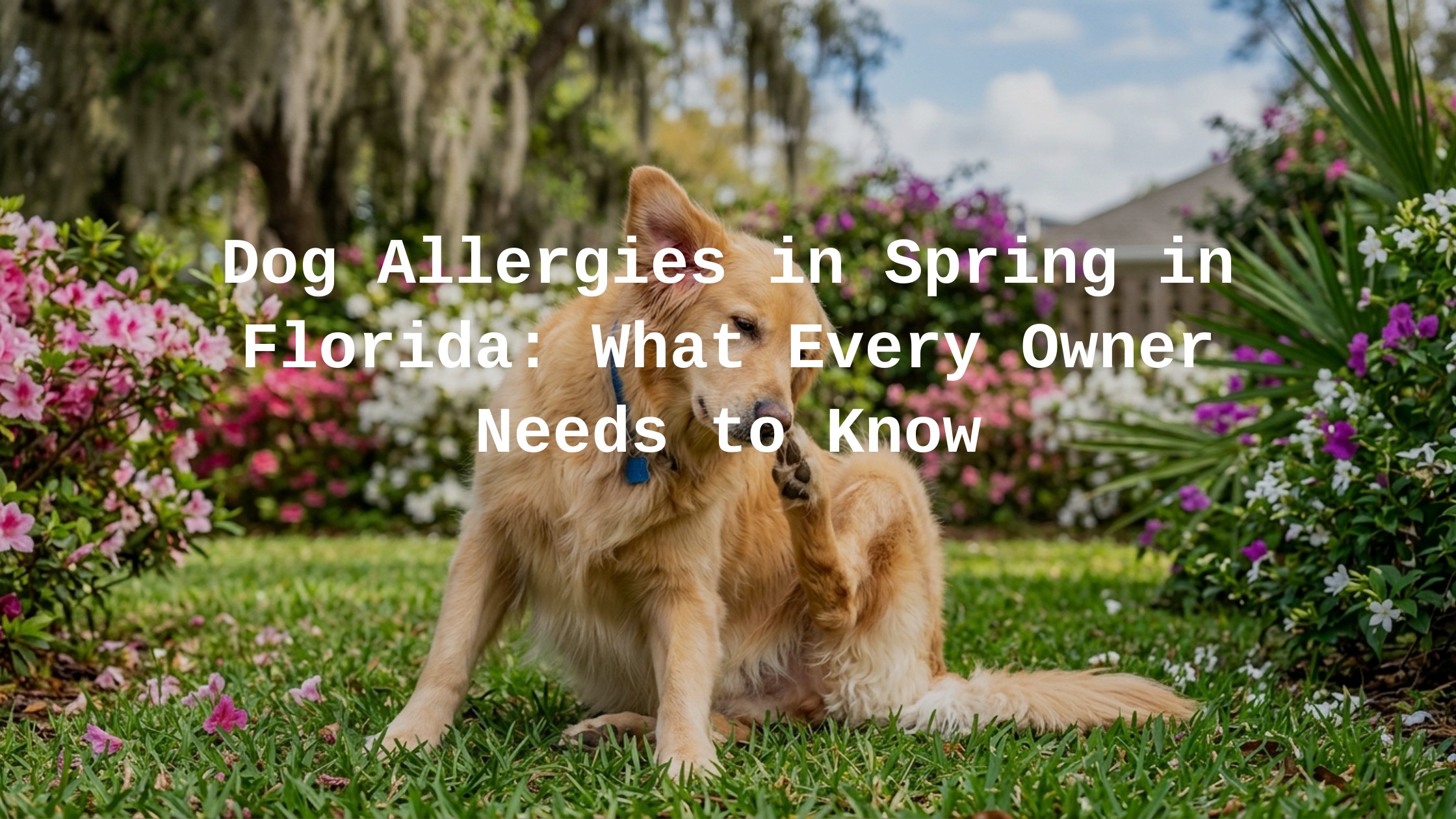
If your dog starts scratching relentlessly every February or March, you are not imagining the pattern. Seasonal allergies affect a significant number of dogs in Florida, and the state’s subtropical climate makes the problem more persistent than in most other parts of the country.
Unlike humans who sneeze through a few weeks of pollen season, dogs in Florida can face allergen exposure for months at a time — and the symptoms often show up on their skin rather than in their nose. Understanding what is happening, why it happens in Florida specifically, and what you can do about it makes a real difference in your dog’s comfort and quality of life.
Key Insight: Florida’s allergy season is not a brief window. It is an extended, overlapping surge that requires consistent management rather than a one-time fix.
When Does Spring Allergy Season Start for Dogs in Florida
In most northern states, spring allergy season begins in April or May. In Florida, it starts much earlier — and it lasts much longer. Because of the state’s warm, humid climate, pollen-producing trees and grasses begin releasing allergens as early as January or February in South Florida, and by late February to early March across the rest of the state.
Florida’s allergy season is often described as nearly year-round, with different allergens peaking at different times. Spring, however, brings a particularly intense surge because multiple tree species release pollen simultaneously. Oak, cedar, and pine trees are among the most aggressive producers during this window, and their pollen can travel miles on the wind.
Where you live within the state also matters. The timing varies by region. If you live in the Panhandle or North Florida, your dog’s symptoms may align more closely with a traditional spring calendar. In Central and South Florida, you may notice allergy flare-ups starting in mid-winter and continuing well into summer.
Pro Tip: Pollen counts in Florida are often highest between 5 a.m. and 10 a.m. Scheduling your dog’s outdoor time for late afternoon or after rain can meaningfully reduce their allergen exposure.
What Causes Dog Allergies in Spring in Florida
Spring allergies in dogs are almost always triggered by environmental allergens — substances in the air or on surfaces that the immune system mistakenly identifies as threats. In Florida, the combination of early-blooming vegetation, warm temperatures, and high humidity creates an especially dense allergen environment.
The most common triggers your dog is likely encountering include:
- Tree pollen — Oak, cedar, pine, and palm trees are prolific pollen producers in Florida and peak between January and April.
- Grass pollen — Bermuda grass, bahia grass, and other warm-season grasses common throughout Florida release pollen from spring through fall.
- Mold spores — Florida’s humidity accelerates mold growth in soil, mulch, and leaf litter, making mold a significant spring trigger.
- Weed pollen — Ragweed and other weeds begin pollinating in spring and continue into fall in many parts of the state.
- Dust mites — While present year-round, dust mite populations increase in warm, humid conditions — exactly what Florida spring delivers.
When a dog inhales or makes skin contact with these allergens, their immune system can launch an overreaction. This condition is known as atopic dermatitis, or canine atopy, and it is one of the most common chronic skin conditions diagnosed in dogs.
Tampa’s — and more broadly, Florida’s — humid climate can exacerbate allergy symptoms in dogs. Humidity can cause allergens to become more concentrated in the air, leading to an increase in symptoms such as itching, scratching, and sneezing. Additionally, humidity creates an ideal environment for mold growth, which can trigger allergic reactions in dogs.
Important Note: Flea allergy dermatitis is extremely common in Florida year-round and can mimic spring allergy symptoms. Before attributing symptoms to pollen, make sure your dog is on a consistent, vet-recommended flea prevention program.
Signs Your Dog Has Spring Allergies in Florida
Unlike humans who sneeze and get watery eyes, dogs show allergies through their skin. If your dog has been scratching more than usual lately, spring allergies might be the culprit.
Here are the most common signs to watch for:
- Persistent scratching, especially around the ears, paws, belly, and armpits
- Paw licking or chewing until they are red and raw
- Hot spots — inflamed, moist patches of skin that seem to appear overnight
- Ear infections — if your dog is shaking their head frequently or you notice a yeasty smell from their ears, allergies are often the underlying cause
- Compulsive chewing on skin, which can result in raw, exposed areas known as hot spots that can quickly become infected if left untreated
- Scooting and licking around the rectum — the anal glands are scent marking glands inside the rectum which can become inflamed due to allergies
Skin infections are a frequent secondary complication. When dogs scratch and chew repeatedly, they break down the skin barrier, creating entry points for bacteria and yeast. If you notice a musty odor, crusty patches, or thickened skin alongside the itching, a secondary infection may have developed and will need separate treatment.
If your dog’s itching flares up every year around the same time, that pattern is one of the strongest indicators of seasonal allergies rather than a food sensitivity or parasite issue. Keep a simple log of when symptoms appear and worsen — it will be valuable information for your vet.
Which Dog Breeds Are Most Prone to Spring Allergies
Any dog can develop seasonal allergies, but certain breeds have a well-documented genetic predisposition to atopic dermatitis. If you own one of these breeds and live in Florida, proactive management from an early age can make a significant difference in your dog’s comfort.
| Breed | Common Allergy Pattern | Florida Risk Factor |
|---|---|---|
| Golden Retriever | Skin and ear allergy symptoms; thick coat traps allergens | High — one of the most commonly affected breeds |
| Labrador Retriever | Paw licking, recurrent ear infections | High — genetically predisposed to environmental allergens |
| Bulldog / French Bulldog | Skin folds trap moisture and allergens | High — amplified reactions in humid conditions |
| West Highland White Terrier | Atopic dermatitis, ear infections | High — historically one of the highest-risk breeds |
| Boxer | Skin inflammation, secondary infections | Moderate-High — triggered by seasonal allergens |
| German Shepherd | Skin allergies, hot spots from scratching | Moderate-High — sensitive to grass and pollen |
| Shih Tzu / Bichon Frise | Elevated sensitivity to environmental triggers | Moderate — particularly reactive to pollen and dust mites |
Atopic dermatitis in dogs typically first appears between 1 and 3 years of age. If your dog is in this age range and begins showing seasonal symptoms for the first time, it is worth scheduling a veterinary evaluation rather than waiting to see if the symptoms resolve on their own.
Female dogs are also more prone to allergies, although males are commonly diagnosed too. If you have a breed from the list above and notice recurring spring symptoms, early intervention is the most effective approach.
Pro Tip: Golden Retrievers’ thick coats can trap allergens, exacerbating their symptoms. Regular grooming and bathing can help minimize allergen exposure.
How Vets Diagnose Seasonal Allergies in Dogs in Florida
Diagnosing seasonal allergies in dogs is a process of elimination as much as it is a process of identification. Your vet will begin by ruling out other common causes of itching and skin irritation — including fleas, food allergies, mange, and bacterial or yeast infections — before confirming an environmental allergy diagnosis.
Here is what the diagnostic process typically looks like:
- Physical exam and history review — The process typically starts with a thorough examination and a detailed discussion about the symptoms you have noticed. Understanding your dog’s daily routine and environment can provide important clues about potential allergens. You may be asked about changes in their behavior, grooming habits, or whether symptoms worsen after spending time outside.
- Ruling out other conditions — The symptoms of allergies are very similar to other, more serious conditions, so the first thing to do when diagnosing allergies is to rule these out. Your veterinarian will perform diagnostic work-ups including blood work, a physical exam, and skin tests to ensure your pet’s itchy skin is not the result of disease. Ruling out more serious conditions allows the vet to hone in on allergies and begin forming a treatment plan.
- Blood allergy testing — A blood test, such as Heska’s Allercept or Nextmune’s Pet Allergy Xplorer, is performed by your vet to determine what environmental allergens your dog is most allergic to based on where they live.
- Intradermal skin testing — Intradermal skin testing is performed by a veterinary dermatologist. It involves injecting small amounts of allergens into the skin and monitoring for reactions, which help identify the specific triggers to include in the immunotherapy formulation.
While it can be harder to narrow down in a climate like Florida, vets can use a blood test to identify the cause of environmental allergies. Diagnosing pollen allergies in dogs is not based on a single test. Instead, veterinarians use a combination of your dog’s medical history, physical exam findings, seasonality of symptoms, and diagnostic testing to rule out other causes of itching before confirming environmental allergies.
How to Treat Spring Allergies in Dogs in Florida
Treatment for spring allergies in Florida dogs has advanced significantly over the past decade, and there are now more effective, targeted options than ever before. The right approach depends on the severity of your dog’s symptoms, their overall health, and how they respond to initial treatments.
Your vet may recommend one or more of the following options:
Antihistamines
Diphenhydramine (Benadryl) and cetirizine (Zyrtec) are sometimes used for mild cases, though they are less effective in dogs than in humans. They work best as a preventive measure before symptoms peak rather than as a rescue treatment. Always confirm dosing with your vet before giving your dog any over-the-counter medication.
Important Note: Do not use a decongestant or anything that contains pseudoephedrine, such as Claritin-D. Even small amounts of pseudoephedrine can be lethal in dogs.
Prescription Medications
Medications such as Cytopoint and Apoquel attack itchiness at its source, blocking the nerve receptors that trigger itchy skin. Cytopoint is an injection given by your veterinarian that can last for 4–8 weeks. Apoquel is a daily oral medication. Both of these options could cause some side effects, so be sure to talk to your veterinarian about how these could affect your dog’s health.
Allergy Immunotherapy
If your dog’s allergies are persistent, allergy shots might be the answer. This treatment helps desensitize your dog to specific allergens over time, providing lasting relief and helping them build a tolerance for seasonal triggers. If your dog’s allergies are severe, recurring, or not well-controlled with standard medications, ask your vet for a referral to a veterinary dermatologist. These specialists can perform intradermal skin testing and formulate a customized immunotherapy protocol that targets your dog’s specific allergens — the closest thing to a long-term solution that currently exists for canine atopy.
Topical Treatments and Medicated Shampoos
For immediate comfort, medicated shampoos, sprays, and wipes can soothe irritated skin. Regular bathing can significantly reduce allergens on your dog’s skin and coat, reducing itching and irritation. The veterinary team suggests using hypoallergenic shampoos that soothe sensitive skin without stripping essential oils.
Omega-3 Fatty Acid Supplements
Adding omega-3 fatty acids to your dog’s diet through fish oil or supplements can improve skin health and reduce inflammation caused by allergies. This is often used alongside other treatments to support the skin barrier over time.
Seasonal allergies in dogs can be managed by determining which seasons trigger a dog’s symptoms and initiating treatment prior to the start of each allergy season. In Florida, that means being ready as early as January for dogs in the southern part of the state.
How to Reduce Your Dog’s Exposure to Spring Allergens in Florida
Managing your dog’s environment is one of the most effective things you can do alongside veterinary treatment. Small daily habits add up significantly over the course of a long Florida pollen season.
After Every Outdoor Trip
Start with the basics: wipe your dog’s paws and belly with a damp cloth after every outdoor trip. This removes surface allergens before they cause irritation. Even a quick walk through the neighborhood can coat your dog’s fur and paws with allergens they will carry inside and continue reacting to.
Regular Bathing
Bathing your dog weekly with a gentle, oatmeal-based shampoo can provide significant relief. This washes away pollen and mold spores that accumulate in the coat throughout the day. Use lukewarm water and avoid over-bathing, which can dry out the skin.
Manage Outdoor Timing
Limiting time outdoors on high-pollen days will help manage symptoms. Check local pollen count apps or websites before heading out. On days when oak or grass pollen counts are particularly high, shorter or later-day walks are a practical adjustment.
Keep the Indoor Environment Clean
Vacuum frequently, wash your dog’s bedding weekly, and use air purifiers to reduce allergens in your home. Run the AC and change filters on schedule. It can reduce indoor irritants — especially for pets that sleep on upholstered furniture.
Stay on Top of Flea Prevention
Stay consistent with flea prevention. In Florida, fleas are not a summer thing. If your pet is allergic, consistency matters. Flea allergy dermatitis can layer on top of pollen allergies and make symptoms far worse, so year-round prevention is essential in this state.
Keep Ears Dry
Keep ears dry and do not aggressively clean painful ears. If an ear is very red, smelly, or your pet yelps when you touch it, skip the DIY cleaning and get it examined.
Common Mistake: Many Florida dog owners only treat allergies reactively once symptoms are severe. Starting management strategies — including vet-prescribed medications — before peak pollen season gives your dog a much better chance of staying comfortable throughout spring.
When to See a Vet About Your Dog’s Spring Allergies in Florida
Home management goes a long way, but there are clear signals that your dog needs professional veterinary care. Knowing when to make that call prevents minor discomfort from turning into a more serious health problem.
You should contact your vet if you notice any of the following:
- Your dog’s allergies are severe, persistent, or causing secondary infections.
- Skin infections are developing — when dogs scratch and chew repeatedly, they break down the skin barrier, creating entry points for bacteria and yeast.
- Your dog is losing sleep, refusing to eat, or showing behavioral changes due to constant itching.
- Your dog is shaking their head frequently or you notice a yeasty smell from their ears, as allergies are often the underlying cause of recurring ear infections.
- Symptoms that do not respond to basic home care within a few days.
- Your dog is between 1 and 3 years old and is showing seasonal symptoms for the first time — this age range is when atopic dermatitis typically first appears, and early evaluation leads to better long-term outcomes.
Self-diagnosing your dog’s allergies and relying solely on home remedies can delay effective treatment and relief. Your veterinarian can perform allergy testing, prescribe medications that offer more targeted relief than over-the-counter options, and recommend dietary changes or supplements that support skin health.
For dogs with severe or chronic allergies, allergy testing can identify specific triggers so a targeted immunotherapy plan can be developed. This approach does not just manage symptoms — it works to reduce your dog’s sensitivity to the allergens causing the problem in the first place.
Spring allergies in dogs are manageable with the right approach and professional guidance. Being proactive about your dog’s allergy symptoms and consulting with your veterinarian can make a world of difference in their comfort and quality of life. In Florida, where the season starts early and lingers long, that proactive mindset is especially important.
Key Insight: Living in Florida means embracing the outdoors — and that is true for your dog too. With the right combination of veterinary care, home management, and seasonal awareness, most dogs with spring allergies can stay comfortable, active, and happy throughout even the most intense pollen seasons the state has to offer.