Can You Freeze Canned Tuna Pasta? What You Need to Know Before You Do

October 27, 2026
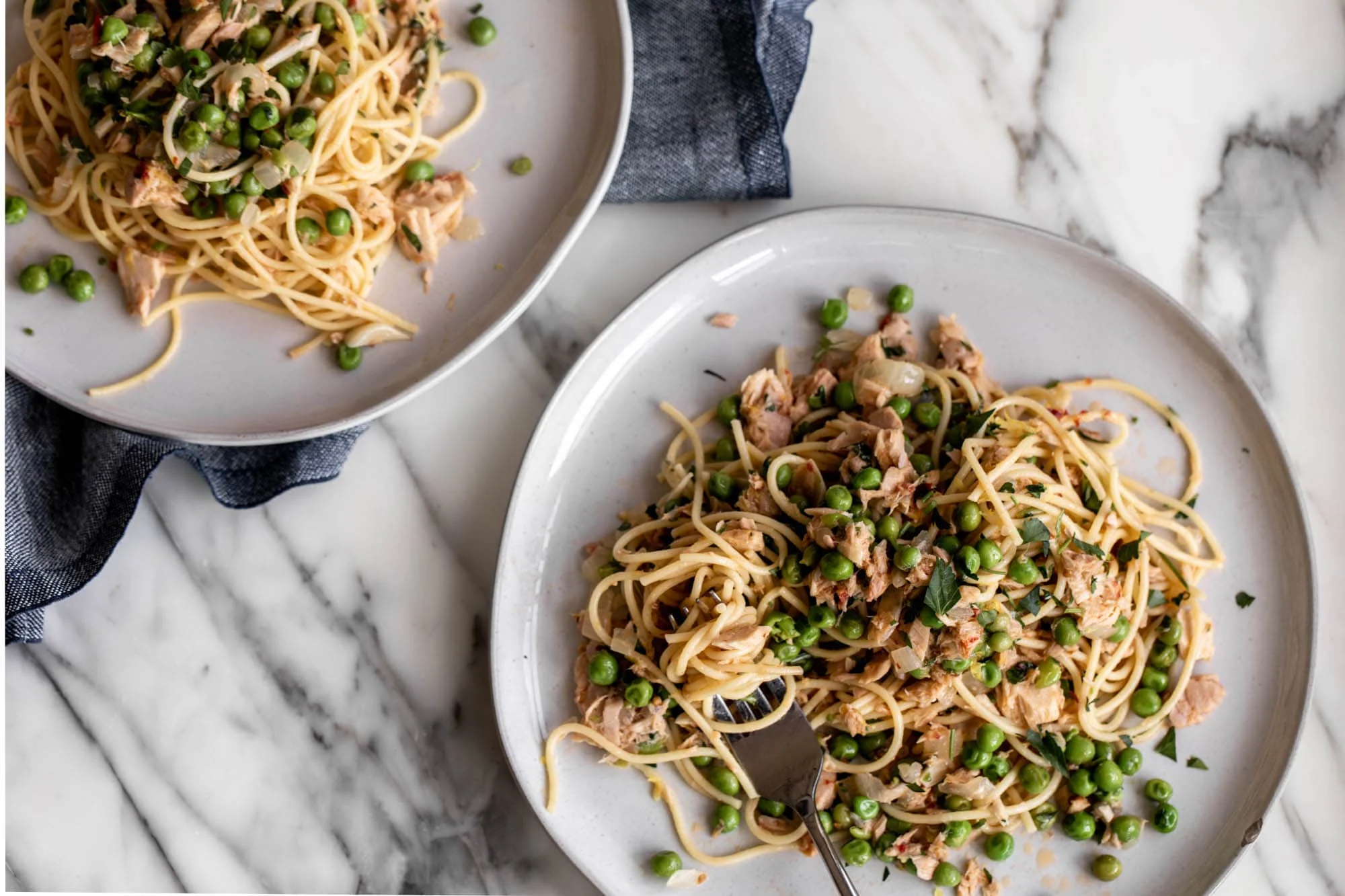
You made a big batch of canned tuna pasta, and now you’re staring at a container of leftovers with no plan. Tossing it feels wasteful, but you’re not sure whether the freezer is a safe option for a dish like this. The good news: yes, you can freeze canned tuna pasta, and with the right approach, it holds up well enough to be a genuinely useful meal prep tool.
That said, canned tuna pasta has a few quirks that make freezing slightly different from freezing plain pasta or plain tuna on its own. The pasta can turn mushy if it was overcooked before freezing, and certain sauces behave differently once thawed. Knowing what to expect — and what to do about it — makes all the difference between a disappointing reheated meal and one that still tastes great.
Can You Freeze Canned Tuna Pasta?
Yes, you can freeze canned tuna pasta. Tuna pasta can be frozen for around four months. This applies whether you’ve made a simple stovetop version with tomato sauce or a heartier baked casserole-style dish. The key is getting it into the freezer quickly, portioned correctly, and sealed tightly.
Tinned tuna can be stored for months without getting spoilt, but not once it is opened. Once you’ve mixed it into a cooked pasta dish, the clock starts ticking — and the freezer is your best tool for stopping it. Freezing it not only prevents wastage but also promises you a ready-to-use ingredient for impromptu meals.
One important note: not all tuna pasta dishes freeze equally well. Freezing the tuna mixture without the noodles and then cooking the noodles on the day of serving is one effective method. If you’re planning ahead and know you’ll be freezing leftovers, this approach gives you the best texture on reheating. For dishes that are already fully assembled, the tips below will help you get the best results.
Pro Tip: If you regularly make large batches of tuna pasta for meal prep, consider cooking the pasta al dente and freezing the sauce separately. Combine them fresh when you’re ready to eat for a noticeably better texture.
Does Freezing Change the Texture or Taste of Canned Tuna Pasta?
Freezing does affect canned tuna pasta to some degree — but how much depends on what’s in the dish and how it was prepared before going into the freezer. When it comes to freezing and thawing canned tuna, preserving safety and nutrition don’t always go hand in hand with quality. You might find the altered texture of the defrosted tuna off-putting, even if the taste hasn’t changed.
The pasta itself is the bigger concern. Cook your pasta al dente, because it makes a better texture for freezing. Don’t cook pasta too soft if freezing, because this will affect the final result and get mushy. Pasta that was already soft before freezing will come out noticeably soggy after thawing and reheating.
The sauce matters too. Tomato-based sauces freeze and reheat well with minimal change. Cream-based sauces are a different story — cream sauces can split after thawing, and softer noodles may lose bite. If your canned tuna pasta uses a creamy base, expect some texture change and plan to stir it well during reheating to bring the sauce back together.
The tuna component itself holds up reasonably well. Tuna has dense meat that does not spoil when exposed to ice crystals. The flavor stays largely intact, though the fish may soften slightly after a freeze-thaw cycle. For a closer look at the broader pros and cons of eating seafood, including how processing and storage affect nutritional value, that context is worth keeping in mind.
How to Freeze Canned Tuna Pasta the Right Way
Getting the process right from the start protects both the quality and safety of the dish. Follow these steps every time:
- Cool it completely first. To freeze tuna pasta, you will need to allow it to cool before portioning it into serving sizes. Never put hot pasta directly into the freezer — it raises the internal temperature of your freezer and creates excess condensation inside the container.
- Divide into individual portions. Divide the prepared tuna into separate portions so there is no need to defrost the whole batch. Single-serving portions are especially practical for weekday lunches.
- Use airtight, freezer-safe containers. To preserve its texture, scoop the tuna pasta into plastic sheets or cling film so that it does not have any air inside. Place the wrapped portions in an air-tight container or zipper and store them in the freezer.
- Squeeze out the air. Squeeze out as much air as possible before sealing the bag to prevent freezer burn from forming on the surface of the pasta.
- Label with the date. Write today’s date, as well as the use-by date of the tuna pasta on the lid or cover of the container before placing it in the freezer. This prevents the guesswork that leads to wasted food.
- Freeze flat. Place the bag in the coldest part of your freezer, laying it flat for efficient storage. This also speeds up the freezing process, which helps preserve texture.
Pro Tip: If you use a baking dish for a tuna pasta bake, line it with foil before filling it. Once frozen solid, you can lift the block out, wrap it tightly, and free up the dish — a handy trick for small kitchens.
How Long Can You Freeze Canned Tuna Pasta?
Storage time depends slightly on the style of dish, but the general guidance is consistent across sources. You can freeze tuna pasta for around four months. For a tuna noodle casserole style dish, freeze for up to 3–6 months for best quality.
For plain canned tuna mixed into pasta without a heavy sauce, most sources align on a shorter window. For the best flavor and texture, aim to use your frozen tuna within three months. You can store tuna casserole in the freezer for up to three months. After that, the quality and texture may start to deteriorate.
In the refrigerator without freezing, the window is much shorter. Leftover tuna pasta will be okay in the fridge for a couple of days, but it’s best to get your leftovers in the freezer as quickly as you can to ensure they’re as fresh as possible. According to doctorguideonline.com , refrigerate cooked pasta within 2 hours, keep it at 40°F or below, and plan to eat it within 3 to 4 days.
| Storage Method | Recommended Timeframe | Notes |
|---|---|---|
| Refrigerator | 3–4 days | Use airtight container; refrigerate within 2 hours of cooking |
| Freezer (tomato-based) | Up to 4 months | Best quality within 3 months |
| Freezer (casserole/bake) | 3–6 months | Freeze before adding cheese or chip toppings |
| Freezer (cream-based) | Up to 2 months | Sauce may separate; stir well when reheating |
How to Thaw Frozen Canned Tuna Pasta
Thawing fish-based dishes safely is non-negotiable. You need to be careful when defrosting fish, as it can potentially cause a stomach upset if you allow harmful bacteria to grow. The safest way to defrost tuna pasta is in the fridge. You should never defrost fish at room temperature.
For overnight thawing, the process is simple. The safest way to defrost tuna pasta is in the fridge. The night before you plan to use your leftovers, remove them from the freezer and allow them to thaw in the fridge. Small portions may be ready in a few hours; a full batch typically needs overnight.
If you need it faster, a cold-water method works. For a quicker option, immerse the sealed bag in cold water. Submerge the sealed bag in cold water for about an hour, and you’re all set to go. Never use warm water — it brings the outer layers of the dish into the bacterial “danger zone” before the center has thawed.
Once thawed, reheat thoroughly. Thaw the tuna casserole in the refrigerator overnight when ready to eat. Reheat it in the oven until it reaches an internal temperature of 165°F. For stovetop or microwave reheating, stir frequently to ensure even heating throughout the dish. Pair it with sides from this guide to what to serve with seafood pasta for a complete meal.
Pro Tip: For a tuna pasta bake, reheat in the oven rather than the microwave when time allows. It’s much better to reheat tuna pasta bake in the oven for around twenty minutes. At around ten minutes, remove the tray from the oven and sprinkle some additional cheese on top of the pasta bake. This will give it a gorgeous and crispy topping that can’t be replicated in the microwave.
Can You Refreeze Canned Tuna Pasta After Thawing?
This is where you need to be careful. The answer depends on how the dish was thawed and what’s in it. Yes, you can refreeze tuna even after it has been thawed. When thawing, make sure that you do not place it under tap water or place it on the counter. In warm conditions, bacteria can multiply rapidly. If you refreeze tuna that was thawed at room temperature, it may get spoilt.
However, for a fully assembled tuna pasta dish, refreezing is generally not recommended. Each freezing and thawing cycle damages the cellular structure of the fish, leading to a mushy texture and loss of flavor. However, if you have cooked the tuna, you can safely freeze the cooked leftovers for later use in dishes like stews or salads.
Avoid refreezing thawed pasta, as this can degrade its quality and safety. The safest and most practical approach: portion your tuna pasta before the first freeze so you only thaw exactly what you need. That way, refreezing never becomes a question.
How to Use Frozen Canned Tuna Pasta (Best Uses After Freezing)
Frozen and thawed canned tuna pasta works best in dishes where texture is less critical — or where it gets a fresh boost during reheating. Here are the most practical ways to use it:
- Reheated as-is: Tomato-based tuna pasta reheats well in a skillet with a splash of water or broth to loosen the sauce. Stir frequently over medium heat until hot throughout.
- Baked into a casserole: Thawed tuna pasta makes an easy base for a baked dish. Transfer to an oven-safe pan, top with shredded cheese or breadcrumbs, and bake at 375°F until bubbly.
- Tuna pasta soup: Add thawed tuna pasta to a pot of broth with vegetables for a quick, hearty soup. The softer pasta texture blends well in a brothy format.
- Stuffed peppers or zucchini boats: Use thawed tuna pasta as a filling for halved bell peppers or zucchini, top with cheese, and bake until the vegetables are tender.
- Frittata filling: Mix thawed tuna pasta into beaten eggs and cook in an oven-safe skillet for a protein-packed frittata — a great way to use smaller portions.
Canned tuna is a nutritious protein source worth using well. It delivers heart-healthy nutrients including omega-3 fatty acids, and for those tracking their diet, it also appears on lists of powerful nutrients and foods that support overall health. If you’re pregnant and wondering about tuna consumption, this guide on eating canned tuna while pregnant covers the key safety considerations.
Signs That Frozen Canned Tuna Pasta Has Gone Bad
Even frozen food has a limit. Before reheating any frozen tuna pasta, run through these checks:
- Smell: A strong, sour, or ammonia-like odor indicates spoilage, often due to histamine buildup, which can lead to foodborne illness. Trust your nose — if it smells off, don’t eat it.
- Texture of the tuna: Texture should be firm and moist. Slimy, mushy, or sticky texture is a sign of spoilage.
- Color changes: Dark or greenish tones in the tuna or cloudy liquid inside show spoilage. Some color shift in the pasta itself is normal, but gray or green patches are not.
- Visible mold: Bad pasta may be changing color and feature moldy streaks of white, gray, or green. A thin layer of clear, slimy film is another probable warning sign that cooked pasta should be thrown away; there is no saving it.
- Freezer burn: Freezer burn appears as dry, grayish-brown patches on the surface of the fish. It is caused by air reaching the meat. While it is not a safety issue, it does affect the texture and taste. Small areas can be trimmed away before reheating.
- Timing: Freezing can buy time, though it won’t rescue food that already sat out too long. If the pasta sat at room temperature for more than two hours before freezing, discard it regardless of how it looks or smells.
When in doubt, throw it out — the risk of foodborne illness from spoiled tuna is not worth it. Eating spoiled tuna can lead to food poisoning, which includes symptoms like nausea, vomiting, and stomach cramps.
Frequently Asked Questions
Can You Freeze Canned Tuna Pasta with Cream Sauce?
You can, but expect the sauce to change. Cream sauces can split after thawing, and softer noodles may lose bite. Stir the dish vigorously during reheating and add a small splash of milk or cream to help bring the sauce back together. Limit freezer time to around two months for cream-based dishes.
Is It Better to Freeze Tuna Pasta Before or After Baking?
Before baking is generally better for a tuna pasta bake. Do not put the cheese or chips on top of any portions going into the freezer. Freeze the assembled dish without toppings, then add cheese or breadcrumbs fresh before baking. This keeps the topping crispy rather than soggy.
Can You Freeze Tuna Pasta Salad?
It depends on what’s in it. A salad with soft leaves in it or a mayo-based dressing will not freeze well. However, a plain tuna salad with an oil and vinegar dressing can be frozen for a few months. Mayo-based tuna pasta salad is technically safe to freeze, but the mayonnaise can separate or become watery, but the flavor of the salad can still be preserved.
How Do You Prevent Freezer Burn on Tuna Pasta?
Airtight packaging is the most effective defense. Wrap portions tightly in plastic wrap, press out all air from freezer bags, and consider double-bagging for dishes you plan to store longer than a month. The most effective way to avoid freezer burn is to vacuum-seal the fish before freezing. A vacuum sealer is a worthwhile investment if you freeze fish-based dishes regularly.
Can You Cook Frozen Tuna Pasta Directly Without Thawing?
To cook from frozen, preheat the oven to 375°F. For a tuna pasta bake, cover with foil and bake for 30–40 minutes, then remove the foil for the final 10 minutes to brown the top. For stovetop dishes, thawing first in the refrigerator gives better, more even results.
Does Canned Tuna Pasta Freeze Better Than Fresh Tuna Pasta?
Yes, in most cases. Tuna has dense meat that does not spoil when exposed to ice crystals, and the canning process already processes the fish through heat, which makes it more stable during a second freeze-thaw cycle compared to fresh or raw tuna. The pasta component is the more variable factor — al dente pasta always freezes better than fully soft pasta.
Canned tuna pasta is one of the more freezer-friendly seafood dishes you can make at home. Portion it well, seal it tight, and freeze it promptly — and you’ll have a solid, ready-to-go meal waiting for busy weeknights. For more ideas on making the most of pantry staples, check out this guide on using canned foods in everyday cooking.